
Medical Tourism Blog
Hairline Correction in Korea: Methods, Recovery, Travel Planning, and Alternatives
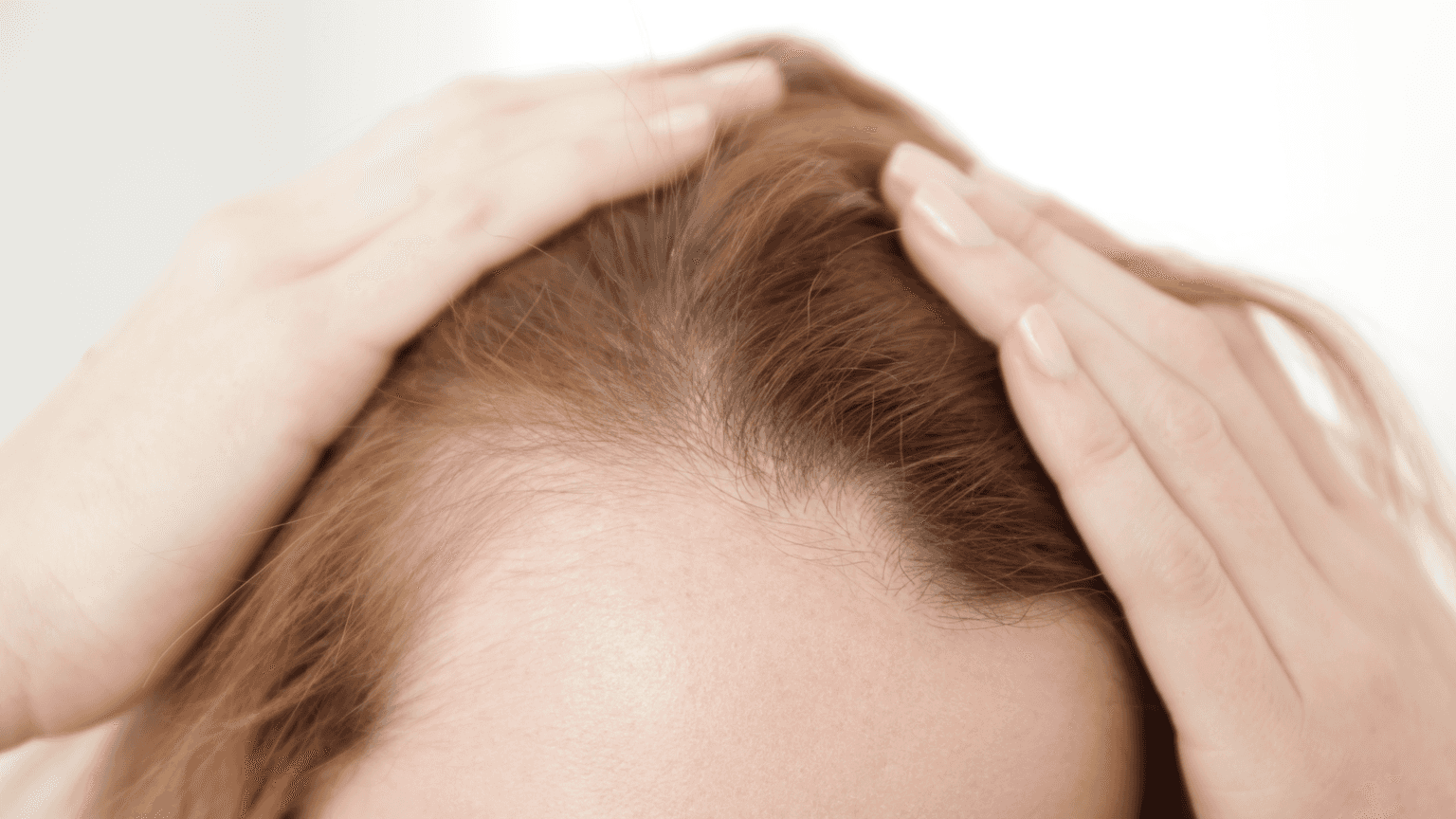
Table of contents
- Hairline Correction at a Glance
- What Is Hairline Correction?
- Who Is a Good Candidate for Hairline Correction?
- How Is Hairline Correction Performed?
- Why Visit Korea for Hairline Correction?
- Key Information for International Patients
- Which Are the Best Clinics in Korea for Hairline Lowering Surgery?
- How Much Does Hairline Correction Cost in Korea?
- Hairline Correction From Start to Finish
- Alternatives to Hairline Correction
- How Can I Prepare for Hairline Correction?
- Aftercare Advice
Considering treatment in Korea? Everything you need to know e.g. — how to avoid scams, visas, interpreters, recovery tips — in our Medical Tourism Master Guide. Plan with confidence in minutes, not weeks!
Last updated: September 2026
Hairline Correction at a Glance
- Two different procedures — Hairline correction can mean a follicular-unit transplant that gradually reshapes the frontal or temple hairline, or forehead reduction/scalp advancement that immediately lowers the hairline by moving the scalp forward.
- Cost in Korea — Typical pricing is KRW 3,500,000–9,000,000 (about USD 2,600–6,700), with the quote depending on transplant versus advancement surgery, graft needs, donor method, anesthesia, and whether treatment is staged.
- When results show — A transplant sheds in the first several weeks, usually starts new growth at 10–14 weeks, and reaches cosmetic maturation around 9–12 months; forehead reduction changes hairline height immediately, though scars and sensation can continue improving for months.
- Who is suitable — Good transplant candidates have stable hair loss, a healthy scalp, and enough non-miniaturized donor hair for a conservative, age-appropriate design; advancement additionally requires good scalp laxity and acceptance of a hairline incision scar.
- Key limitation — Active or uncertain hair loss, weak donor density, or donor-zone miniaturization can make transplantation unsafe or unnatural, while future hair loss after forehead reduction can expose or widen the incision-line scar.
- Korea stay — Plan at least 7 days in Korea after transplant-based correction and 10–14 days after forehead reduction, ideally until early wound review or suture/staple removal; flight timing still requires the surgeon’s written clearance.
- Korea-specific option — Korean clinics have published experience with facial-shape-based hairline design and non-shaven or long-hair FUE, which may reduce visible donor-area shaving, but observational studies do not show it is superior to standard FUE or FUT.
What Is Hairline Correction?
Hairline correction reshapes, lowers, or adds density to the frontal and temple hairline using transplanted hair or scalp-advancement surgery. It addresses a high forehead, recession, sparse temples, scars, asymmetry, or a hairline that better fits a person’s appearance goals. It is surgical: hair transplantation is minimally invasive, while forehead reduction is a more invasive operation.
Who Is a Good Candidate for Hairline Correction?
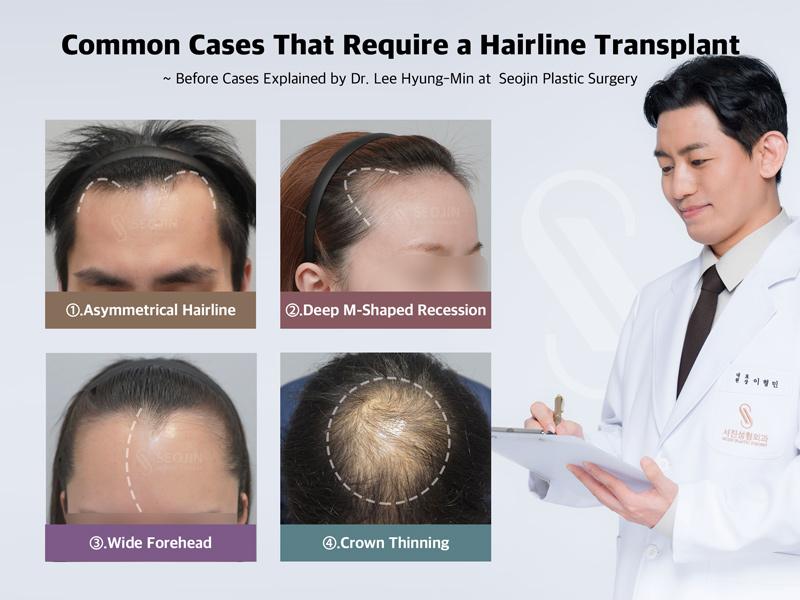
- Stable donor hair — Good transplant candidates have a healthy scalp, adequate density in the occipital and temporal donor zones, and a donor supply that can support a conservative frontal, temple, temporal-point, or sideburn design.
- Defined hairline goal — Suitable goals include addressing a congenitally high forehead, sparse temples, frontal recession, a scar, asymmetry, or a hairline that does not fit the person’s gender expression.
- Realistic density expectations — Candidates understand that transplanted hair grows gradually and that a natural frontal edge uses irregular placement and fine single-hair follicular units rather than a sharp, uniformly dense line.
- Suitable advancement anatomy — Candidates for forehead reduction need favorable scalp laxity, stable hair patterns, and acceptance of a pretrichial hairline scar in exchange for immediate vertical forehead lowering.
Hairline correction is not appropriate while hair loss is active, rapidly progressing, undiagnosed, inflammatory, scarring, or caused by scalp infection. Donor-zone miniaturization, diffuse unpatterned alopecia, insufficient density, or an unstable future loss pattern can make transplantation unsafe or lead to an unnatural result; donor assessment requires more than inspecting the frontal target. Defer elective surgery until uncontrolled diabetes, hypertension, cardiopulmonary disease, bleeding disorders, immunosuppression, and other anesthetic risks are optimized and cleared. Nicotine exposure can compromise graft or flap healing, while untreated body dysmorphic disorder, trichotillomania, or refusal of an age-appropriate design are important reasons not to proceed. For scalp advancement specifically, prior scalp scarring, poor mobility, substantial anticipated hair loss, or inability to accept a potentially visible scar are major limitations.
How Is Hairline Correction Performed?
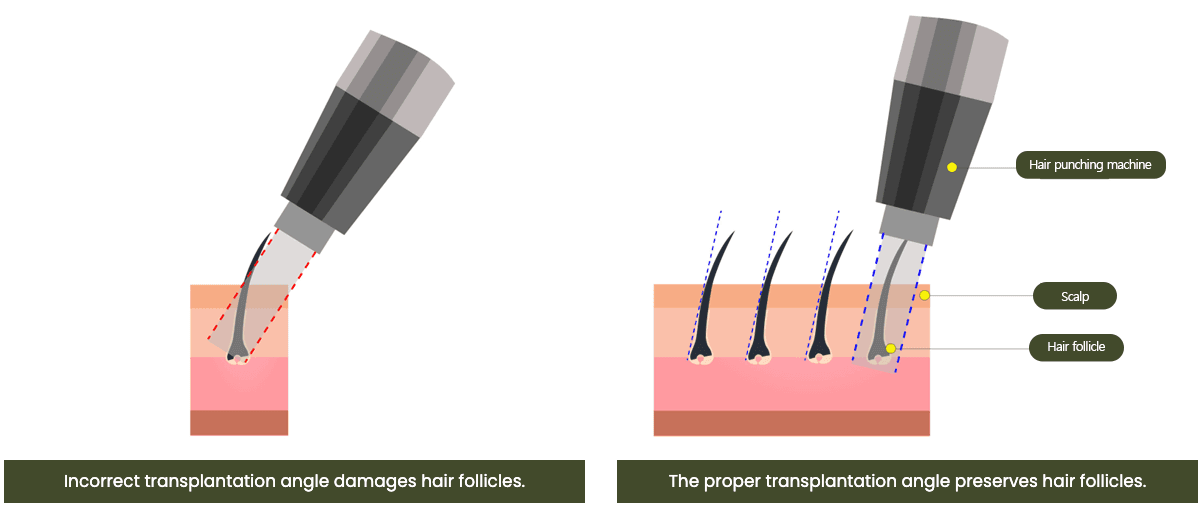
Hairline correction usually means either gradual reshaping with transplanted follicles or immediate forehead shortening through scalp advancement. These approaches solve different anatomical problems and have different scar, recovery, and long-term hair-loss considerations.
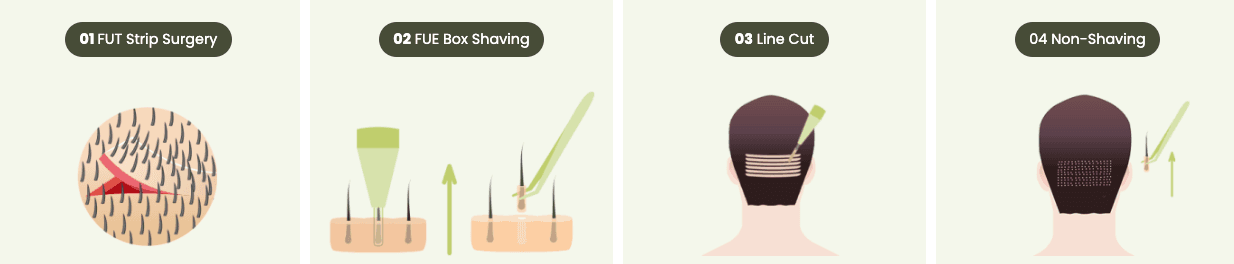
- FUE hairline transplant — Follicular unit extraction removes grafts individually, usually from the occipital and temporal scalp, and places them into the frontal hairline, temples, temporal peaks, sideburns, or a scar. It avoids a linear donor scar, but excessive extraction can leave visible permanent donor depletion. Fine single-hair grafts are generally placed at the leading edge, with thicker units behind it for a softer transition.
- FUT or strip transplant — Follicular unit transplantation removes a strip of donor scalp and generally leaves a linear donor scar. It is a donor-harvesting option rather than a different hairline result; suitability depends on donor characteristics, scalp laxity, hairstyle, and the graft requirement.
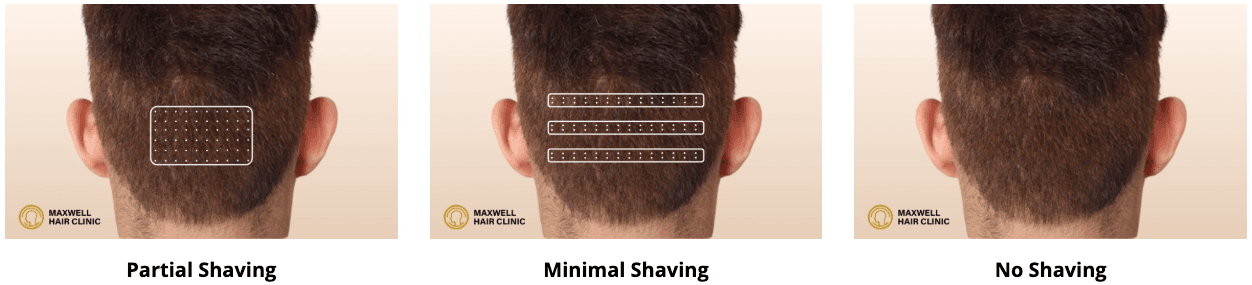
- Non-shaven or long-hair FUE — This technique can be relevant when a visibly shaved donor area would be difficult during travel or work. Published Asian series report favorable short-term and nine-month outcomes, but they are retrospective and non-comparative, so they do not prove superiority over conventional FUE or FUT in this evidence base.
- Forehead reduction or scalp advancement — The surgeon makes a hairline incision, removes a planned strip of forehead skin, mobilizes the scalp, and advances the hair-bearing scalp. The hairline position changes immediately, but the procedure carries incision-scar, sensory-change, and incision-line thinning risks. A systematic review of eight retrospective cohorts found mean lowering of 1.6 cm, not a guaranteed or universally suitable amount for an individual patient.
- Staged combination — Selected patients have advancement first, followed by transplantation to soften an incision, add density, or refine the temple shape. There are no high-quality direct trials showing which staged or single approach is best for particular forehead dimensions, hair textures, donor reserves, or gender-affirming goals.
Why Visit Korea for Hairline Correction?
Korea has published clinical experience in frontal and side-hairline transplantation in Asian patients, including facial-shape-based design and non-shaven FUE. This supports the availability of these techniques locally, not a claim that Korean outcomes are superior. Hair caliber, curl, skin characteristics, donor density, and scar behavior remain individual factors that need an in-person examination.
- Published side-hairline experience — A Korean retrospective series described side-hairline transplantation in 310 women; 14 received a density touch-up at 10 months. This is useful local practice data, but it is a single-center result rather than a universal density target or expected revision rate for every patient.
- Non-shaven FUE availability — Korean and other Asian publications document non-shaven and long-hair FUE approaches, which can reduce the visibility of donor-area shaving for some patients. Evidence remains observational and cannot establish that the method is better than conventional harvesting in all hair types.
- Foreign-patient registration check — Before booking, verify that the provider is listed in Korea’s registered foreign-patient medical institution system. Registration is an administrative safety check; it does not demonstrate hairline-specific expertise or predict an aesthetic result.
- Questions worth asking — Request the clinician’s plan for donor assessment, hairline irregularity, temporal points, donor shaving, anesthesia, scar management, and who performs harvesting and graft placement. Ask for a written estimate of graft range and a plan for progressive future hair loss.
Key Information for International Patients
- Minimum stay — Plan at least 7 days in Korea after transplant-based correction so the team can inspect grafts and donor wounds during early healing. Plan 10–14 days after forehead reduction, preferably through suture or staple removal and written travel clearance.
- Flight timing — There is no evidence-based universal interval for long-haul flying after a hairline transplant or forehead reduction. Postoperative aviation decisions depend on surgical extent, anesthesia recovery, bleeding or swelling, mobility, combined surgery, and complications, consistent with general aerospace guidance for surgical conditions.
- Early itinerary impact — Keep the first 7–10 days after a transplant low-key: protect grafts from pressure, rubbing, scratching, and high-pressure water. After advancement surgery, swelling, bruising, dressing care, and activity limits make tourism impractical in the early period.
- Companion and transport — Arrange a responsible adult for the first night after general anesthesia or sedating pain medication. Do not drive after general anesthesia, oral or IV sedation, or opioid pain medicine until the operating team confirms it is safe.
- Remote follow-up — Before departure, obtain written wound-care and emergency instructions, standardized photographs, and a remote review schedule. Identify a clinician at home who can assess infection, bleeding, wound separation, severe swelling, or medication problems.
Travel note: The 7-day and 10–14-day stays are continuity-of-care plans, not universal flying rules. Book flexible flights and leave only after the operating surgeon has reviewed healing and given written clearance.
Which Are the Best Clinics in Korea for Hairline Lowering Surgery?
Listed below are some of the best clinics in Korea for hairline lowering surgery.
1. Seojin Plastic Surgery Clinic
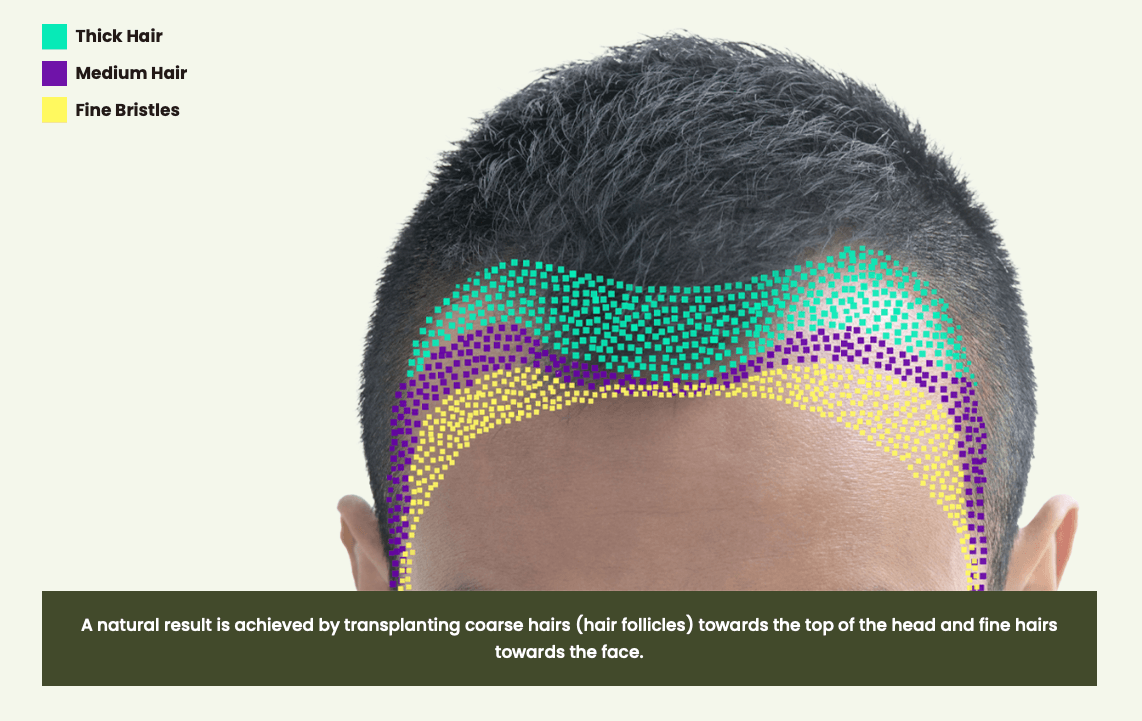
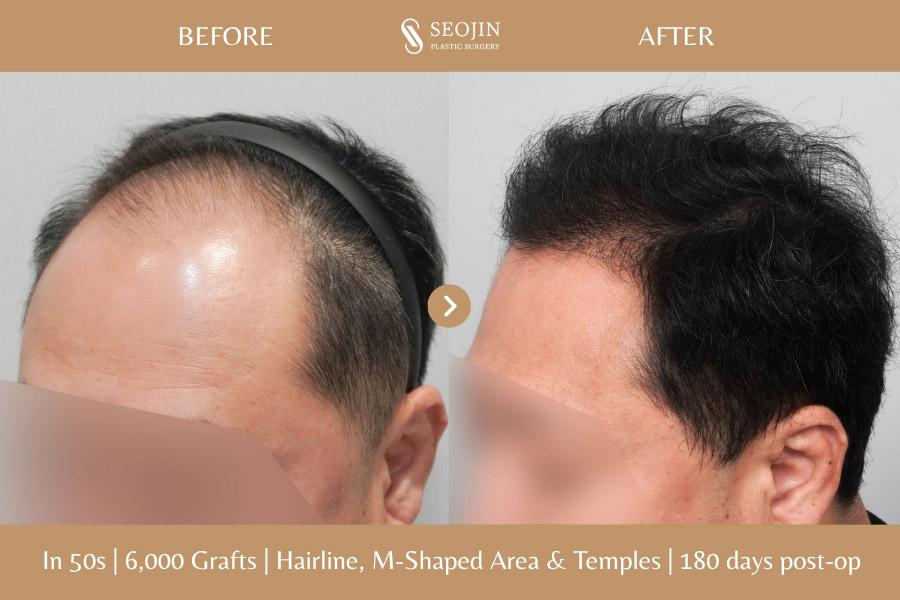
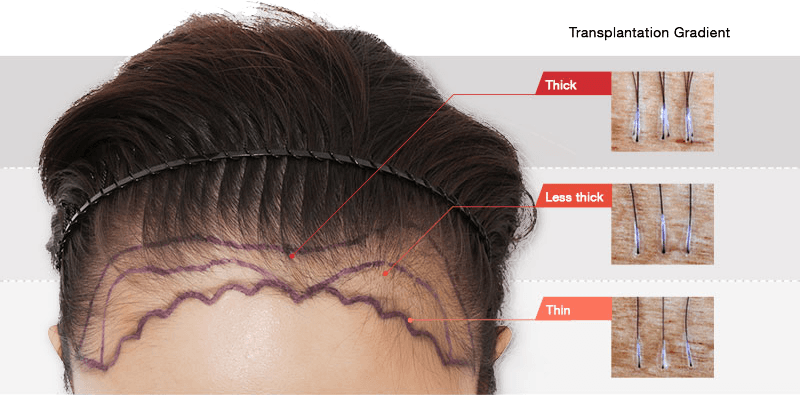
For hairline lowering through transplantation, you can expect a customized hairline design that considers your forehead, brow bone, temples, midface, lower face, and facial symmetry. Seojin uses graduated placement of fine, medium, and thicker follicles to help the new frontal hairline transition naturally into your existing hair.
- URL: Seojin Plastic Surgery Clinic Website
- Location: Gangnam-gu, Seoul
- Hairline transplant approach:
- Hairline gradation transplantation places finer follicles at the front and progressively thicker hairs behind them.
- Line-cut, no-cut, and mixed harvesting approaches are available, allowing the method to be selected around your needs.
- The clinic reports experience reducing graft “popping,” in which previously placed hairs can be displaced during closely spaced implantation.
- Graft handling and supportive care:
- A cold follicle-separation room is used to preserve harvested follicles.
- PRP can be transplanted with follicles; the clinic states this is intended to support graft survival and reduce inflammation.
- Large sessions combining incision and non-incision methods can involve 6,000 to 10,000 hairs when clinically appropriate.
- Clinical oversight:
- Dr. Lee Hyungmin provides end-to-end care in a one-doctor clinic model and is described as having more than 16 years of experience.
- The source states that Dr. Lee was selected among Korea’s Top 100 Good Doctors in 2022 and that the clinic has performed more than 2,100 hair transplant surgeries.
2. Maxwell Hair Clinic
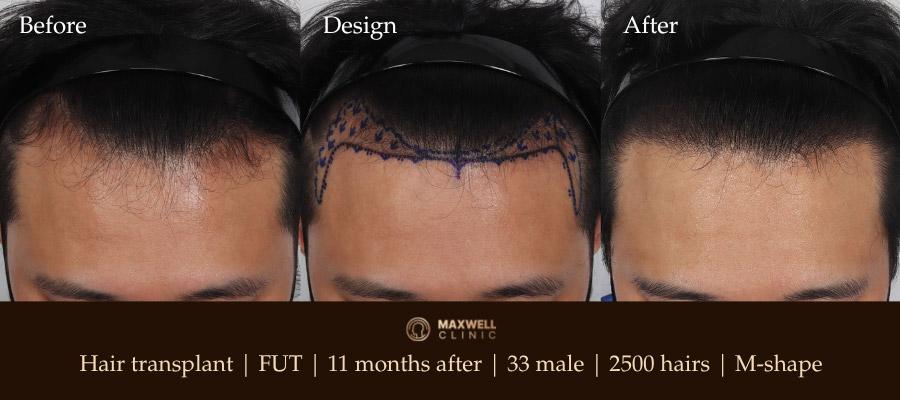
For hairline lowering with a transplant-based approach, you can expect a two-stage design process: laser planning followed by manual adjustment to tailor the hairline and forehead proportion to your facial features. Your surgical plan is based on factors such as scalp elasticity, existing density, and degree of hair loss.
- URL: Maxwell Hair Clinic Website
- Location: Gangnam-gu, Seoul
- Hairline design and implantation:
- Graduated transplantation uses finer hairs at the frontal edge and thicker follicular bundles farther back.
- Hairline and forehead ratios are customized to support the facial design.
- FUE, FUT, or a combination may be selected based on your assessment.
- Recovery and graft support:
- The clinic uses 0.9–1.2 mm punches and double suturing as scar-minimization measures.
- The source states that shampooing may be possible the next day and return to daily activities within two days.
- Growth factors and magnetic-field therapy are used after transplantation to support growth of transplanted hair.
- Experience and related care:
- The clinic reports more than 500,000 treatment cases and more than 60,000 hair transplants since 2007.
- Revision surgery, scar laser treatment, and hair-loss treatments are available.
- Partial, minimal, and no-shave transplant options are offered; international support includes online consultations and travel and accommodation arrangements.
3. SH Clinic
SH Clinic’s source information describes hair transplantation rather than a distinct surgical forehead-reduction procedure. If your goal is to lower or reshape the appearance of your hairline with transplanted follicles, you can discuss a plan centered on meticulous hairline design and dense graft placement.
- URL: SH Clinic Website
- Location: Seocho-gu, Seoul
- Hair restoration approach:
- Hair transplantation moves healthy follicles to thinning or balding areas with hairline design and dense graft placement.
- The clinic describes advanced FUT techniques intended to provide natural-looking, permanent hair restoration with minimal scarring.
- Related hair services: Stem cell hair-loss treatment using autologous stem cells injected into the scalp is also listed as a non-grafting option intended to support existing hair growth.
How Much Does Hairline Correction Cost in Korea?
Hairline Correction is priced at KRW 3,500,000–9,000,000 (approximately USD 2,600–6,700). Individual quotes vary because hairline correction may involve follicular-unit transplantation or surgical hairline advancement, which require different operative planning, anesthesia, and facility resources.
| Procedure Price | Korean Won (₩) | USD ($) |
|---|---|---|
| Low Price | ₩3,500,000 | $2,600 |
| High Price | ₩9,000,000 | $6,700 |
Exchange rate as of 2026-09-06: 1 KRW = 0.000741 USD.
What Affects the Price?
- Treatment method: hair transplant versus forehead reduction — Follicular-unit transplantation requires harvesting and placing grafts across the frontal or temporal hairline, usually under local anesthesia with or without sedation. Surgical hairline advancement/forehead reduction involves scalp mobilization, removal of forehead skin, incision closure, and commonly general anesthesia, increasing operating-room and anesthesia requirements.
- Hairline area, graft work, and design complexity — A transplant that addresses the frontal hairline alone uses fewer treated areas than one that also rebuilds temples, temporal points, sideburns, or a scar. Creating a natural transition requires careful placement of fine single-hair grafts at the leading edge and denser grafts behind it, increasing implantation time and graft-handling work.
- Donor-harvest approach and shaving requirements — FUE harvests follicular units individually, while FUT removes a donor strip and requires linear-scar closure. Non-shaven or long-hair FUE adds the practical requirement of working around existing visible hair, which can make harvesting and placement more time-intensive.
- Planned staged or combined treatment — Forehead reduction may be followed by a later transplant to soften an incision scar, add density, or refine temple shape. A staged plan involves separate treatment sessions and follow-up needs rather than a single operative episode.
Cost tip: Request an itemized quote stating what is included, with the specific method, treated hairline areas, donor approach, anesthesia, facility use, consumables, and planned follow-up clearly listed.
The USD figures are approximate conversions using the 2026-09-06 exchange rate of 0.000741 KRW per USD. Check the conversion again when budgeting.
Hairline Correction From Start to Finish
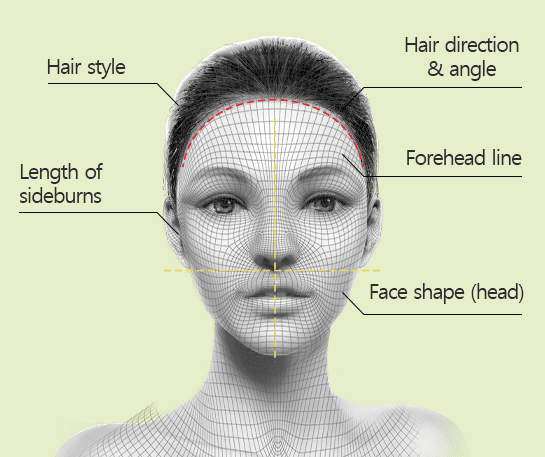
- Send photographs and history — Submit clear, unfiltered photos of the frontal hairline, temples, sideburns, crown, donor region, and scalp from several angles. Provide hair-loss history, prior procedures, scalp disease, medicines, supplements, allergies, nicotine exposure, bleeding history, and anesthetic history. Ask whether an English-language or virtual consultation is available.
- Complete remote screening — The clinician discusses whether transplantation, forehead reduction, a staged approach, or deferral is more plausible. Remote review cannot diagnose all alopecias, measure donor reserves accurately, or assess scalp laxity reliably.
- Attend the in-person assessment — The team examines the full scalp and donor area, often using trichoscopy or densitometry to identify miniaturization. The proposed hairline is drawn in relation to facial proportions, hair characteristics, and likely future recession; this is the stage to discuss graft range, donor shaving, scar strategy, and possible later density work.
- Confirm medical and anesthesia planning — Review medical clearance needs, medication instructions, fasting requirements, and the anesthesia plan. Hairline transplants are commonly outpatient procedures under local anesthesia with or without sedation, while forehead reduction is commonly performed under general anesthesia according to international transplant-care guidance.
- Undergo the correction — For FUE, follicular units are individually extracted; for FUT, a donor strip is removed. Grafts are placed into carefully made recipient sites, with finer single-hair units at the frontal edge. In forehead reduction, the surgeon excises forehead skin, mobilizes the scalp, advances it, and closes the hairline incision.
- Leave with an early-care plan — Transplant patients leave with graft-protection, washing, sleeping, medication, and donor-wound instructions. Advancement patients receive incision, swelling, showering, pain-control, and activity instructions and need arranged transport after anesthesia.
- Attend early review before travel — Return for graft and donor-wound inspection after transplant work, or for incision review and planned suture/staple removal after advancement. Report bleeding, rapidly increasing swelling, severe pain, fever, or wound concerns before departure.
- Continue overseas follow-up — Send standardized photos on the clinic’s schedule. Transplanted shafts commonly shed in the first several weeks, new growth often begins around 10–14 weeks, and cosmetic maturation is generally assessed at 9–12 months. Advancement moves the hairline immediately, but scar maturation and sensory changes can continue improving for months, with final assessment commonly around 1 year.
Alternatives to Hairline Correction
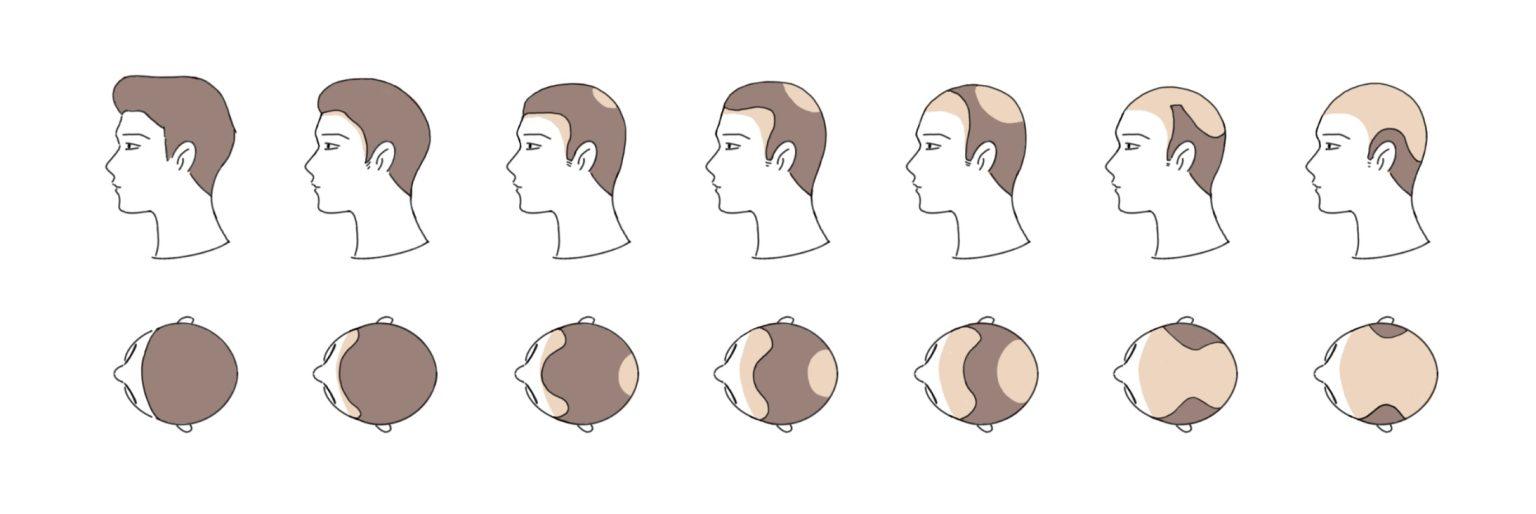
The main tradeoff is between living, growing transplanted hair with delayed growth and a surgical advancement that lowers the hairline immediately but creates an incision scar. Active hair loss requires diagnosis and stabilization before either option; camouflage changes appearance without creating hair or using donor reserves.
Hair Transplant
Hair transplant is the closer alternative when hairline correction refers to forehead reduction. It can create a gradual, irregular new frontal edge and refine temples or scars, but requires adequate donor supply and patience during the shedding and regrowth phase.
- Best suited to — Stable donor hair, frontal or temporal sparsity, scar camouflage, and patients who prefer to avoid a long pretrichial incision.
- Main limitation — It does not lower the entire scalp immediately, and density is limited by donor reserve.
Forehead Reduction
Forehead reduction is the direct alternative when the proposed correction is transplant-based. It is designed for immediate vertical lowering in people with adequate scalp laxity and stable hair patterns.
- Best suited to — A high forehead with favorable mobility and acceptance of an incision-line scar.
- Main limitation — Progressive hair loss can expose or widen the scar and alter the long-term hairline appearance.
Hair-Loss Treatment
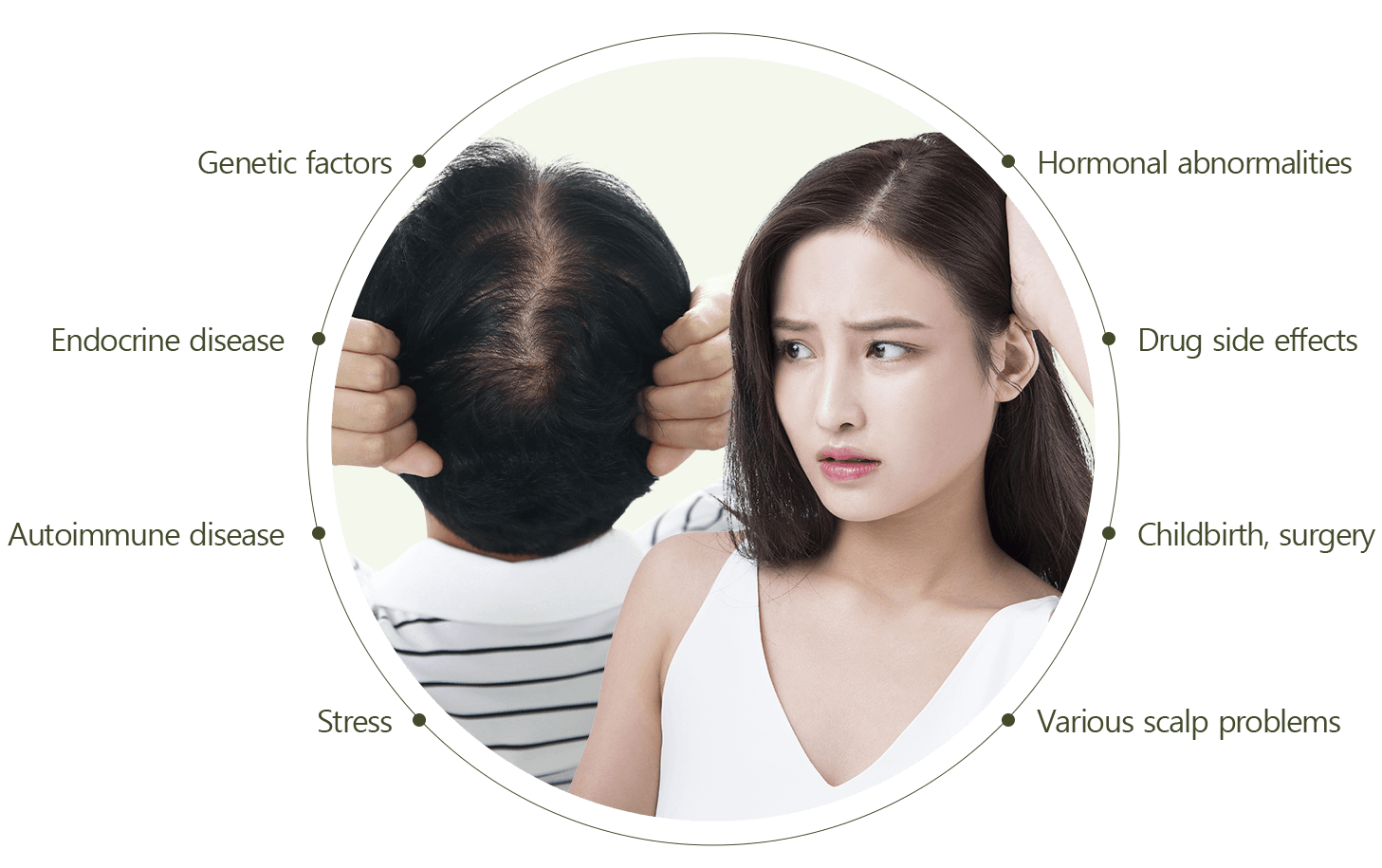
Hair-loss treatment is the priority when shedding, diffuse thinning, androgenetic alopecia, or scalp inflammation is active or undiagnosed.
- Best suited to — Unstable recession, uncertain diagnosis, or a young patient whose future pattern of loss is not yet clear.
- Main limitation — It does not immediately lower a stable congenitally high hairline.
Hairline Microblading or Scalp Micropigmentation
Hairline microblading and scalp micropigmentation camouflage sparse areas by changing the visual outline or apparent density.
- Best suited to — People seeking a non-surgical, reversible-looking visual change while deciding about surgery or managing donor limitations.
- Main limitation — Neither procedure produces living, growing hair or restores hair texture.
How Can I Prepare for Hairline Correction?
- Disclose every medicine and substance — Give the surgical team a complete list of prescription medicines, over-the-counter drugs, vitamins, herbal products, hormones, nicotine products, alcohol intake, cannabis, and recreational substances. Do not independently stop anticoagulants, antiplatelet drugs, antihypertensives, diabetes medicines, finasteride, minoxidil, or hormone therapy; the prescriber and operating surgeon need a written perioperative plan.
- Follow nicotine instructions — Stop smoking, vaping, and other nicotine only on the timeline set by the surgical team. Nicotine can impair wound healing and threaten graft or flap blood supply.
- Confirm fasting and anesthesia rules — Follow the clinic’s exact fasting instructions when sedation or general anesthesia is planned. Do not assume transplant and forehead-reduction requirements are the same.
- Prepare the scalp and hair — Ask whether to wash hair the night before or morning of treatment, whether products must be avoided, and whether donor-area shaving is planned. Do not dye, cut, apply fibers, or use scalp concealers unless the clinic says they are permitted.
- Plan accommodation and transport — Stay near the clinic for early review, arrange transport home after sedation or general anesthesia, and book a responsible adult companion for the first night after advancement surgery or a long sedated transplant session.
- Protect the schedule — Avoid sunburn or scalp injury before surgery. Keep flights, work commitments, and tourist activities flexible until early healing has been reviewed.
Travel note: Bring enough prescribed medication for the full stay, carry medical records in English where possible, and keep the clinic’s after-hours contact details available offline.
Confirm all clinic-specific fasting, medication, washing, nicotine, companion, and travel requirements with the treating doctor; individualized instructions take precedence over general guidance.
Aftercare Advice
Protect grafts or the incision carefully during the first healing phase; early damage, bleeding, infection, and unapproved activity can compromise the result.
- Protect the treatment area — After a transplant, avoid pressure, rubbing, scratching, and direct high-pressure water on grafts. Gentle washing can be allowed within 2 days, while an international consensus supports gradual return from no-contact washing to normal washing over about 2 weeks; follow the operating team’s schedule because placement technique and concurrent procedures matter in this recovery guidance.
- Restrict exercise and heat — Avoid vigorous exercise and contact sports for at least 3 weeks after a transplant unless the surgeon clears earlier activity. After forehead reduction, follow the surgeon’s restrictions for bending, lifting, strenuous exercise, heat exposure, and head elevation.
- Care for the incision — After advancement surgery, keep the incision and dressing dry or clean exactly as directed, attend suture or staple removal, and use scar products only when the surgeon confirms the wound is closed enough. Protect healing scars from sun with physical cover and SPF 50 once topical sunscreen is permitted.
- Expect the correct timeline — Transplanted shafts often shed during the first several weeks; this does not show graft failure. New growth often starts at 10–14 weeks and is usually assessed cosmetically at 9–12 months. Advancement swelling and bruising often improve over 1–4 weeks, while scar maturation and altered sensation can take months.
- Act on warning signs — Contact the operating team urgently for rapidly expanding swelling, heavy or persistent bleeding, worsening severe pain, fever, pus or foul drainage, spreading redness, wound separation, dark or grey scalp skin, new facial weakness, or vision symptoms. Seek emergency care for chest pain, shortness of breath, calf swelling, or signs of a medication allergy.
Follow the treating doctor’s written instructions over general timelines and contact the clinic promptly when healing appears abnormal.
Frequently Asked Questions
Related Blogs
PRP Hair Loss in Korea: Candidacy, Treatment Process, Recovery and Travel Planning
PRP for early-to-moderate pattern hair loss involves drawing blood, preparing platelet-containing plasma, and injecting it into thinning scalp areas, commonly in three monthly sessions with individualized maintenance. The article covers candidate screening, Korea travel planning, preparation, aftercare, follow-up, and alternatives including minoxidil, hair transplant, and scalp micropigmentation.
Updated: Sep 20, 2026
Hair transplant on Scar in Korea: Methods, Recovery, Travel Planning and Results
Hair transplantation on a stable scar uses FUE or FUT grafts to camouflage hairless areas, with treatment planned around scar blood supply, donor hair, realistic density, and possible staged sessions. The article covers candidate screening, Korea travel planning, procedure steps, recovery timelines, aftercare, warning signs, and alternatives such as scalp micropigmentation or reconstructive surger
Updated: Sep 19, 2026
Scalp Tissue Expansion in Korea: Stages, Recovery, Risks and Travel Planning
Scalp tissue expansion is a staged reconstruction for stable localized hair-bearing scalp loss, using saline-filled expanders followed by advancement or rotation of expanded scalp to cover the defect. The article covers candidate screening, serial fills over months, international travel planning, recovery, aftercare, complication warning signs, and alternatives for complex scalp wounds.
Updated: Sep 19, 2026
Scalp Reduction Surgery in Korea: Candidacy, Recovery, Risks and Travel Planning
Scalp reduction surgery removes bald crown or vertex skin, mobilizes adjacent hair-bearing scalp, and closes the incision; it may be staged or combined with hair transplantation. The article covers candidate criteria, Korea travel planning, 10–14 days of early wound follow-up, preparation, aftercare, risks, and alternatives.
Updated: Sep 19, 2026
Clinics offering Hairline Correction

SH Clinic: Comprehensive Women's, Men's & Couples' Health Services in Korea
Sinsa

Seojin Plastic Surgery Clinic Korea: Pioneering Advanced Cosmetic Procedures for Personalized Aesthetic Transformation
Apgujeong

Maxwell Hair Clinic: Korea's Premier Destination for Advanced Hair Restoration and Transplant Services
Gangnam Station

Okay Plastic Surgery Clinic in Korea: Comprehensive Aesthetic Procedures with Sincerity and Care
Cheongdam