
Medical Tourism Blog
Why Get a Hair Transplant in Korea? Costs, Benefits, and Top Clinics Explained
Table of contents
- A Fresh Start for Thinning Hair
- Understanding the Two Main Hair Transplant Methods: FUE vs. FUT
- Hair Transplant Cost: Korea vs. the United States
- Two Notable Hair Transplant Clinics in Korea
- What the “Korean Experience” Really Means: Technique, Detail, and Aftercare
- Why So Many People Choose Korea for a Hair Transplant
- Closing Thoughts: Making Your Korea Hair Transplant Plan
- More about Maxwell Hair Clinic
Considering treatment in Korea? Everything you need to know e.g. — how to avoid scams, visas, interpreters, recovery tips — in our Medical Tourism Master Guide. Plan with confidence in minutes, not weeks!
Disclaimer: The following is a guest post. The information and opinions expressed are not of koreaclinicguide.com but of Maxwell Hair Clinic
A Fresh Start for Thinning Hair
If you’ve been researching hair restoration for a while, you’ve probably noticed one country keeps coming up in conversation: South Korea. From Seoul’s reputation for advanced aesthetic medicine to clinics that focus heavily on natural-looking results, Korea has become a true global destination for people who want to address thinning hair or a receding hairline with a hair transplant.
In this guide, I’ll walk you through the main transplant methods (FUE and FUT), what you can realistically expect in terms of cost compared with the U.S., which clinics are frequently highlighted by patients, and what the overall “Korean experience” is like—from surgical expertise to the kind of post-operative support that can make recovery smoother.
Understanding the Two Main Hair Transplant Methods: FUE vs. FUT
Before choosing a country or a clinic, it helps to understand the procedure options you’re likely to be offered. In Korea—just like in many other leading markets—most hair transplant conversations center on two core methods: FUE and FUT.
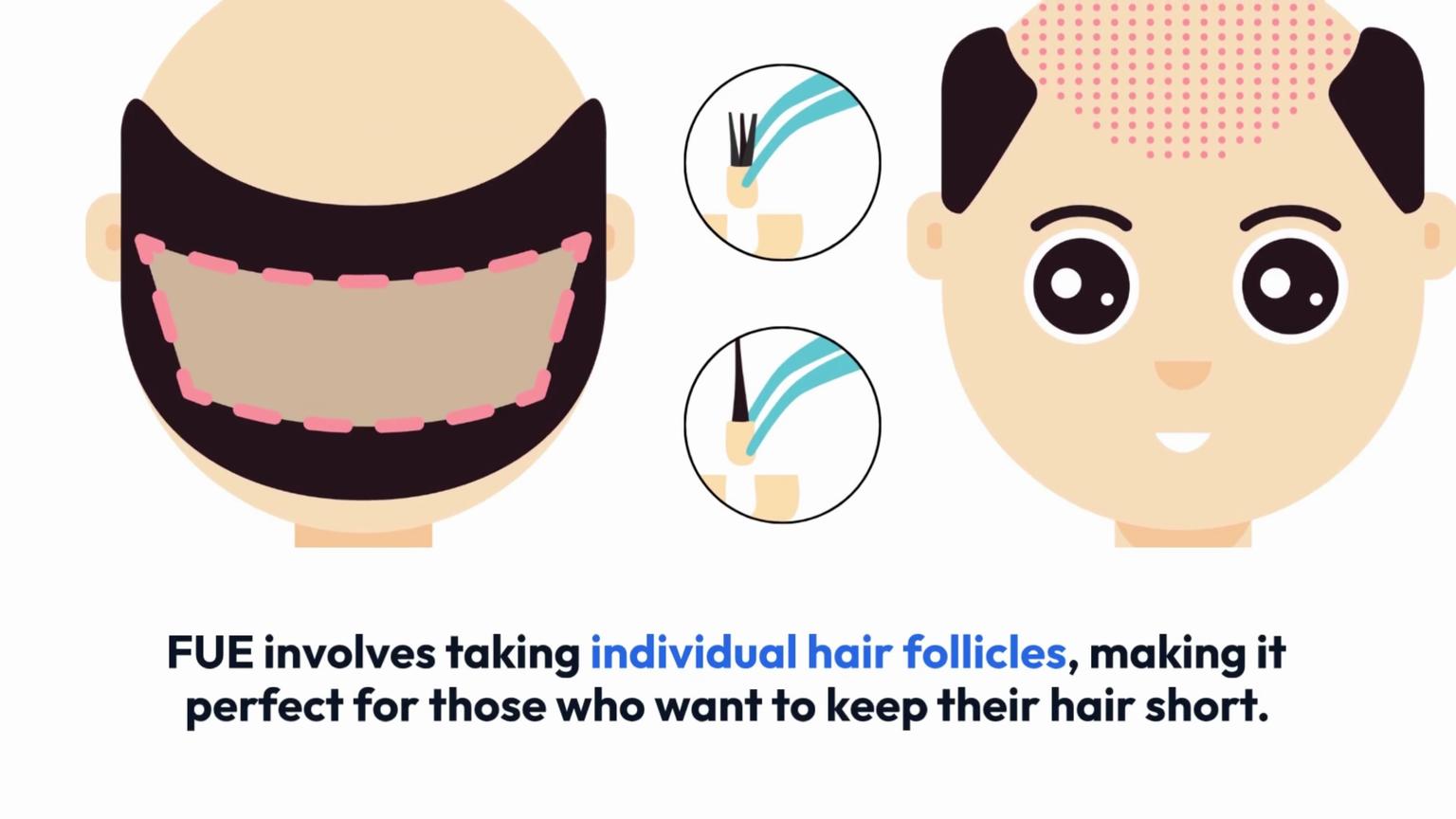
FUE, short for Follicular Unit Extraction, involves taking individual follicular units (tiny groups of hair follicles) from a donor area—usually the back or sides of the scalp—and transplanting them into thinning or balding areas. Because the grafts are extracted one by one, there’s no long linear incision. Many people are drawn to FUE for its reduced visible scarring and the flexibility it offers for hairstyles, especially if you prefer shorter cuts.
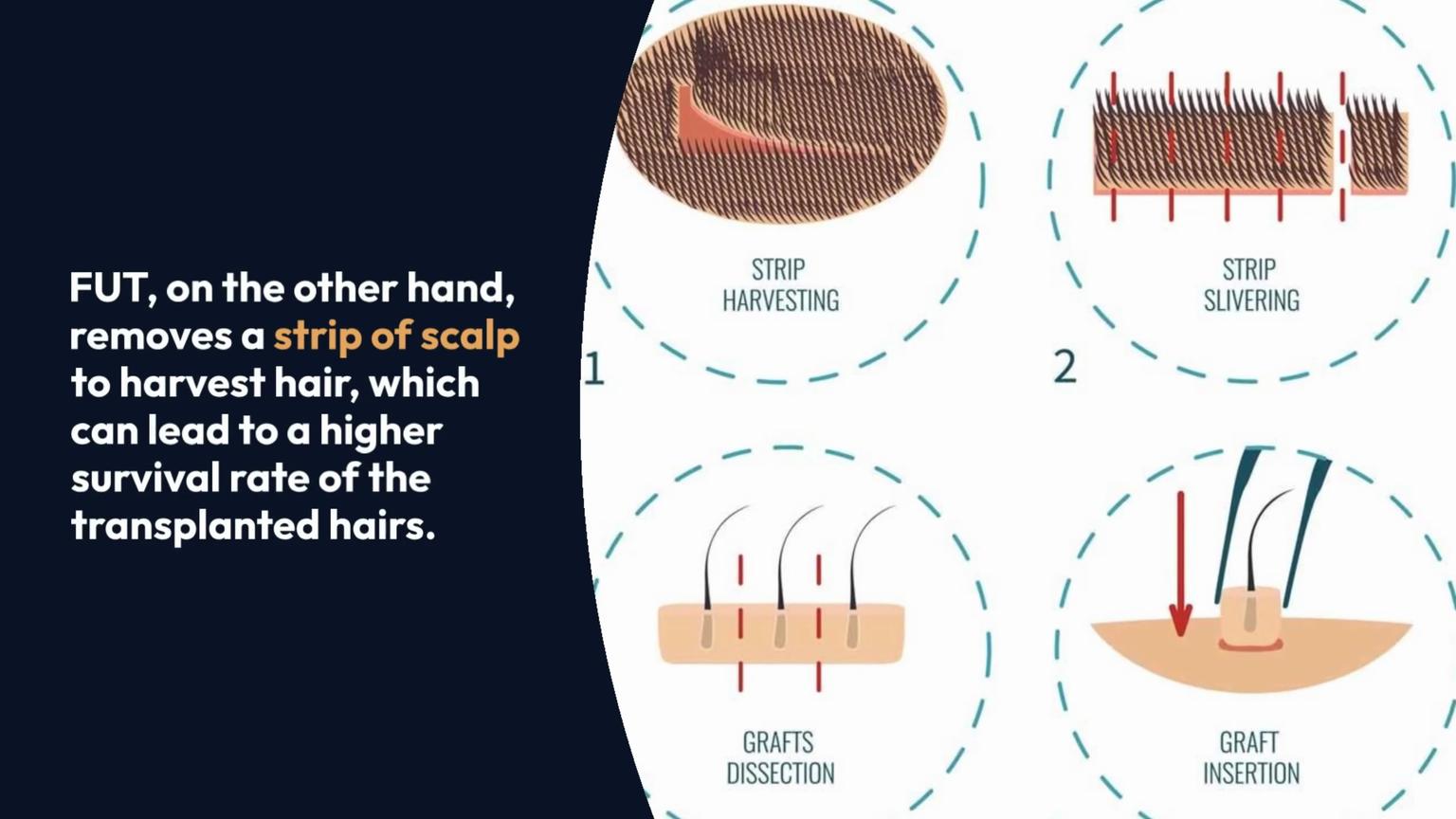
FUT, or Follicular Unit Transplantation, is sometimes called the strip method. Here, a thin strip of scalp is removed from the donor area, and the follicles are then carefully separated and transplanted. FUT can be a strong option when a large number of grafts is needed, and in some cases it can preserve the donor area efficiently. The tradeoff is that FUT typically leaves a linear scar, which may matter depending on your hair length and healing tendencies.
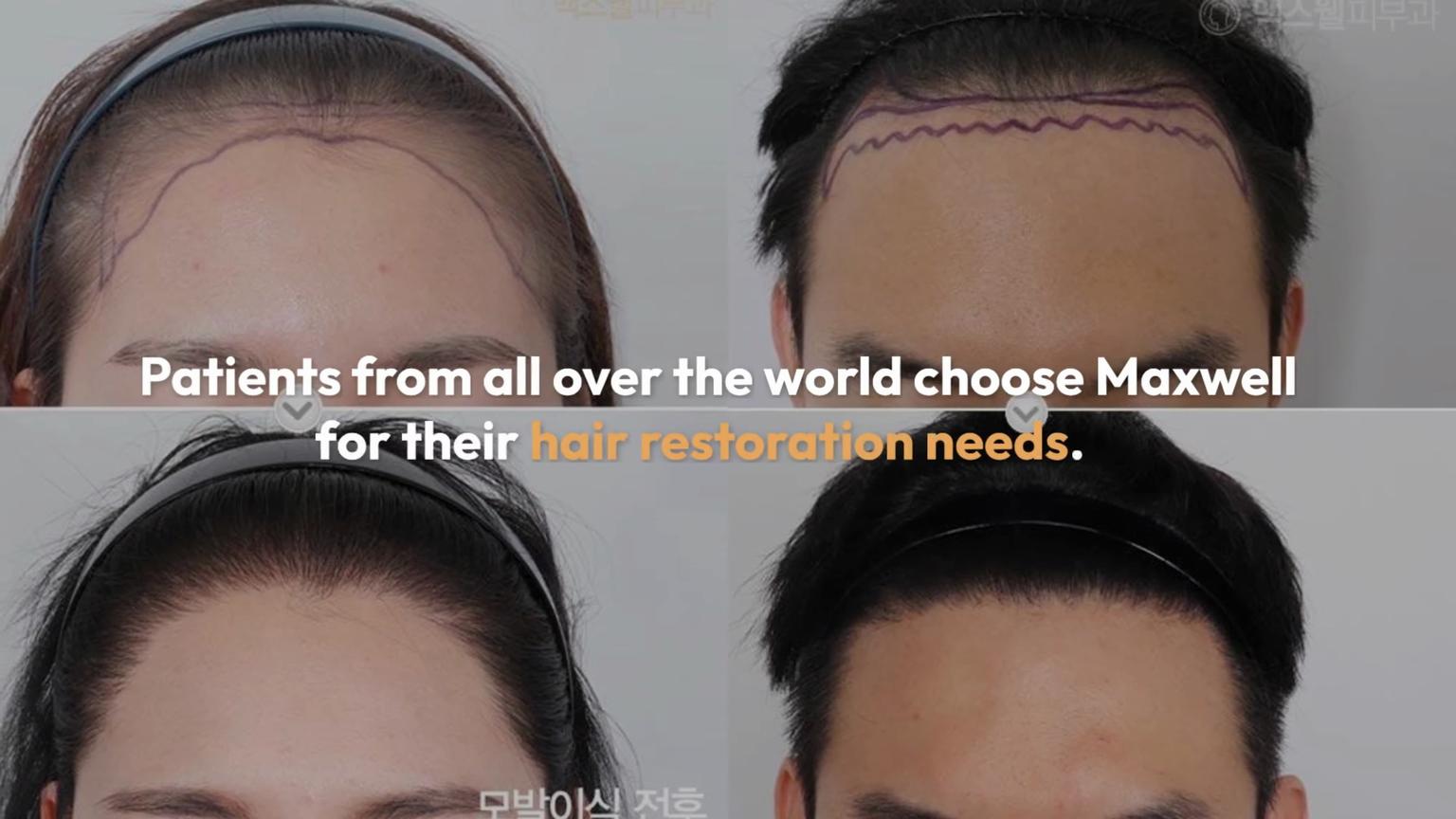
The best method isn’t universal—it depends on your donor density, your hair characteristics, your styling preferences, the number of grafts required, and how you prioritize scarring versus yield. In Korea, consultations commonly focus on customizing the plan rather than pushing a one-size-fits-all solution.
Hair Transplant Cost: Korea vs. the United States
Cost is one of the most common reasons people look into a hair transplant in Korea, but it’s important to think of “cost” as more than the price tag. You’re also paying for surgical time, the skill of the medical team, the techniques used for graft handling, the clinic’s standards, and the follow-up support that helps protect your results.
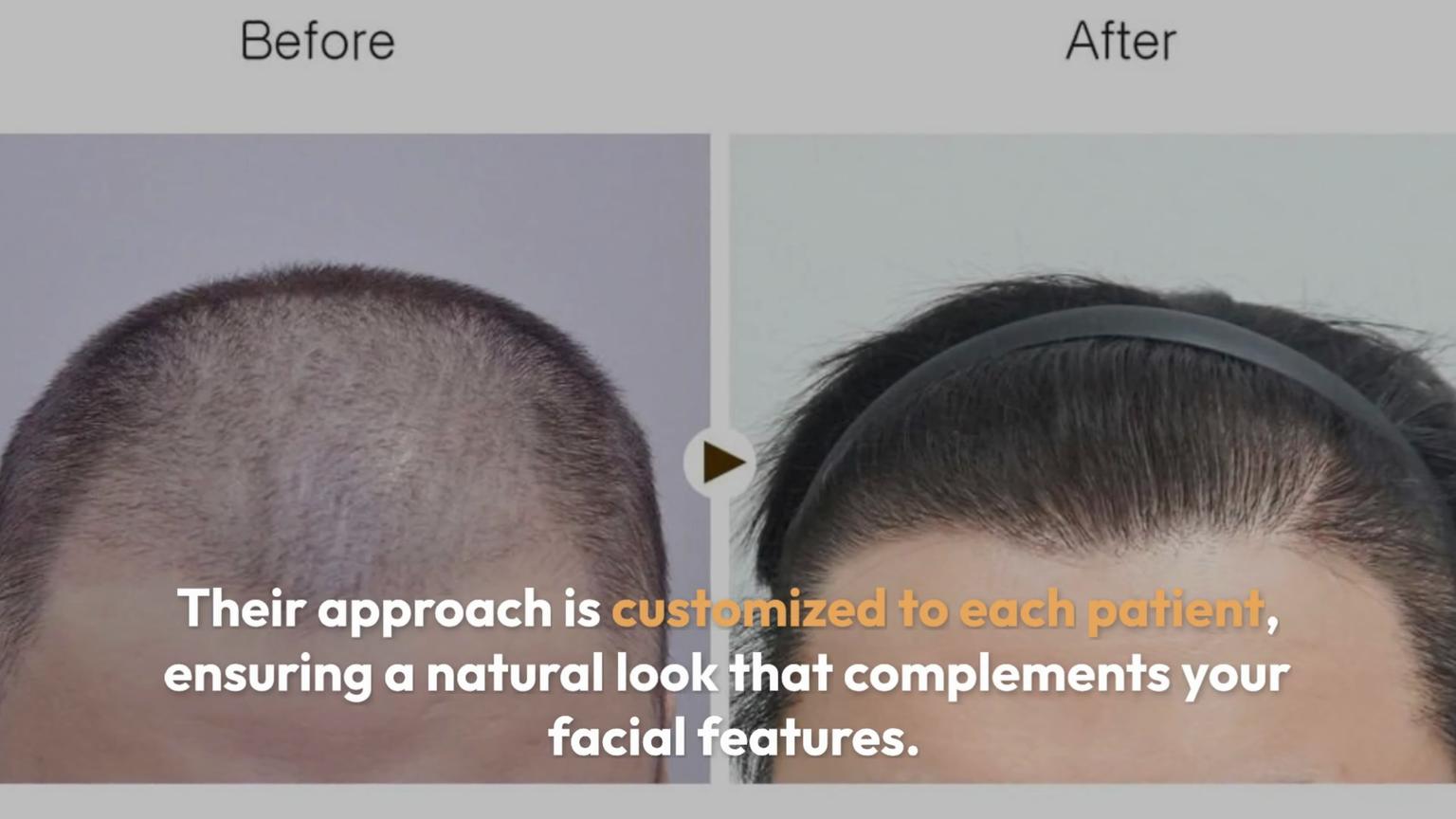
That said, Korea often compares favorably to the U.S. for similar procedure types—especially when you’re seeking a high level of clinical experience. Many patients find that Korea offers a more accessible entry point to premium care, particularly when factoring in how frequently clinics perform hair restoration procedures and how competitive the market is in Seoul.
In the U.S., pricing can climb quickly depending on the city, the surgeon’s reputation, and the graft count. Korea’s pricing tends to be more approachable while still maintaining a reputation for strong technique and attention to detail. Of course, the final number depends on your graft requirements, the complexity of your case, and whether additional components (like specialized aftercare programs) are included.
When comparing costs between countries, it also helps to consider travel and accommodation. Even with those added expenses, many people still find Korea compelling because the overall value—expertise, infrastructure, and patient support—can be exceptionally strong.
Two Notable Hair Transplant Clinics in Korea
Korea has many clinics offering hair restoration, but two names that frequently come up in conversations about top-tier care are Maxwell Hair Clinic and Seojin Clinic. While every patient’s needs are different, these clinics are often discussed for their specialization and for the depth of experience associated with their teams.
Maxwell Hair Clinic is commonly recognized for a long-standing focus on hair loss and transplantation. Patients often look for clinics like this when they want a center that feels dedicated to hair restoration rather than treating it as just one service among many. In a field where the smallest details—like graft survival, direction, and density planning—make a visible difference, specialization matters.
Seojin Clinic is also frequently mentioned by those exploring advanced hair transplant options in Korea. People who shortlist clinics like Seojin are typically looking for a combination of refined technique and an organized patient experience—starting from consultation and planning all the way through post-op guidance.
If you’re choosing between clinics, the most important step is to match their approach to your goals. That means looking beyond marketing photos and asking practical questions: how the donor area will be managed, how the hairline will be designed for your face, what the clinic’s philosophy is on density, and what kind of follow-up is provided.
What the “Korean Experience” Really Means: Technique, Detail, and Aftercare
One reason Korea stands out is the depth of procedural experience. In a competitive aesthetic medicine landscape, clinics refine their processes constantly, and hair transplantation benefits from that culture of precision. From microscopic graft handling to careful placement that respects natural angles, many clinics emphasize details that are easy to overlook until you see the final growth months later.
But the experience isn’t only about the operating room. Post-operative care is a major part of what makes patients feel supported in Korea. After a hair transplant, the early recovery period matters: washing guidelines, swelling management, scalp protection, and ensuring the transplanted grafts are not disturbed. Many Korean clinics offer structured aftercare instructions and check-ins that help patients navigate the first crucial days and weeks.
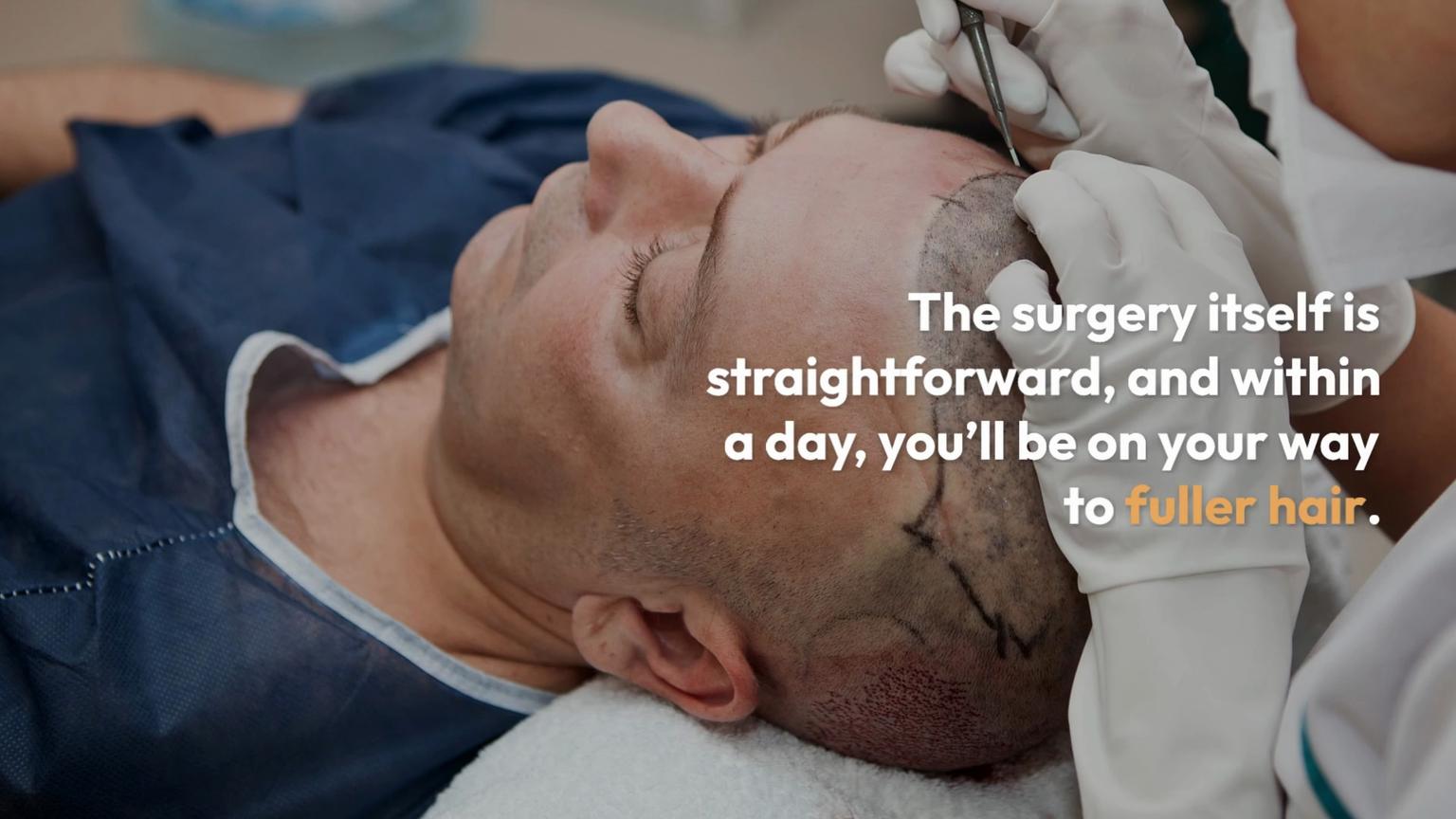
This is particularly helpful for international patients, because clarity and structure reduce stress. Knowing when to wash, what to avoid, how to sleep, and what signs are normal can make the recovery feel far more manageable. And when the healing phase is handled well, you can focus on the long-term timeline—shedding, regrowth, and the gradual thickening that typically unfolds over months.
Why So Many People Choose Korea for a Hair Transplant
So why Korea, specifically, when many countries offer hair transplantation? For many people, it comes down to a blend of practical and clinical advantages.
First, Korea is widely viewed as a hub for aesthetic medicine, which tends to raise the overall standard of patient experience. Clinics often operate with streamlined systems, efficient scheduling, and teams that perform procedures frequently. That repetition matters in a delicate procedure where consistency and technique influence graft survival and naturalness.
Second, value plays a major role. Many patients feel they can access excellent care in Korea at a cost that is competitive compared to the U.S., especially for cases requiring a substantial number of grafts.
Third, the level of planning can be a standout. Hairline design is not just about filling space—it’s about creating a result that fits your facial structure, age, and long-term hair loss pattern. The best clinics take the time to discuss realistic density, future-proofing (so the transplant still looks balanced years later), and donor preservation.
Finally, Korea’s strong post-op culture can make the overall journey feel more supported. When the procedure is over, the real work becomes protecting the grafts and letting time do its job. Having clear guidance and a care pathway can be a major advantage.
Closing Thoughts: Making Your Korea Hair Transplant Plan
A hair transplant is a personal decision, and the “best” destination is the one that aligns with your needs, budget, and comfort level. Korea has earned its reputation by combining advanced technique, experienced teams, competitive pricing, and a patient experience that often includes thorough post-operative support.
If you’re considering Korea, start with a clear understanding of whether FUE or FUT fits your situation, then compare clinics based on medical planning, donor management, and aftercare—not just before-and-after photos. With the right match, a hair transplant in Korea can be more than a procedure; it can be a well-supported step toward a hairline that looks natural, feels like you, and restores confidence over the long term.
More about Maxwell Hair Clinic
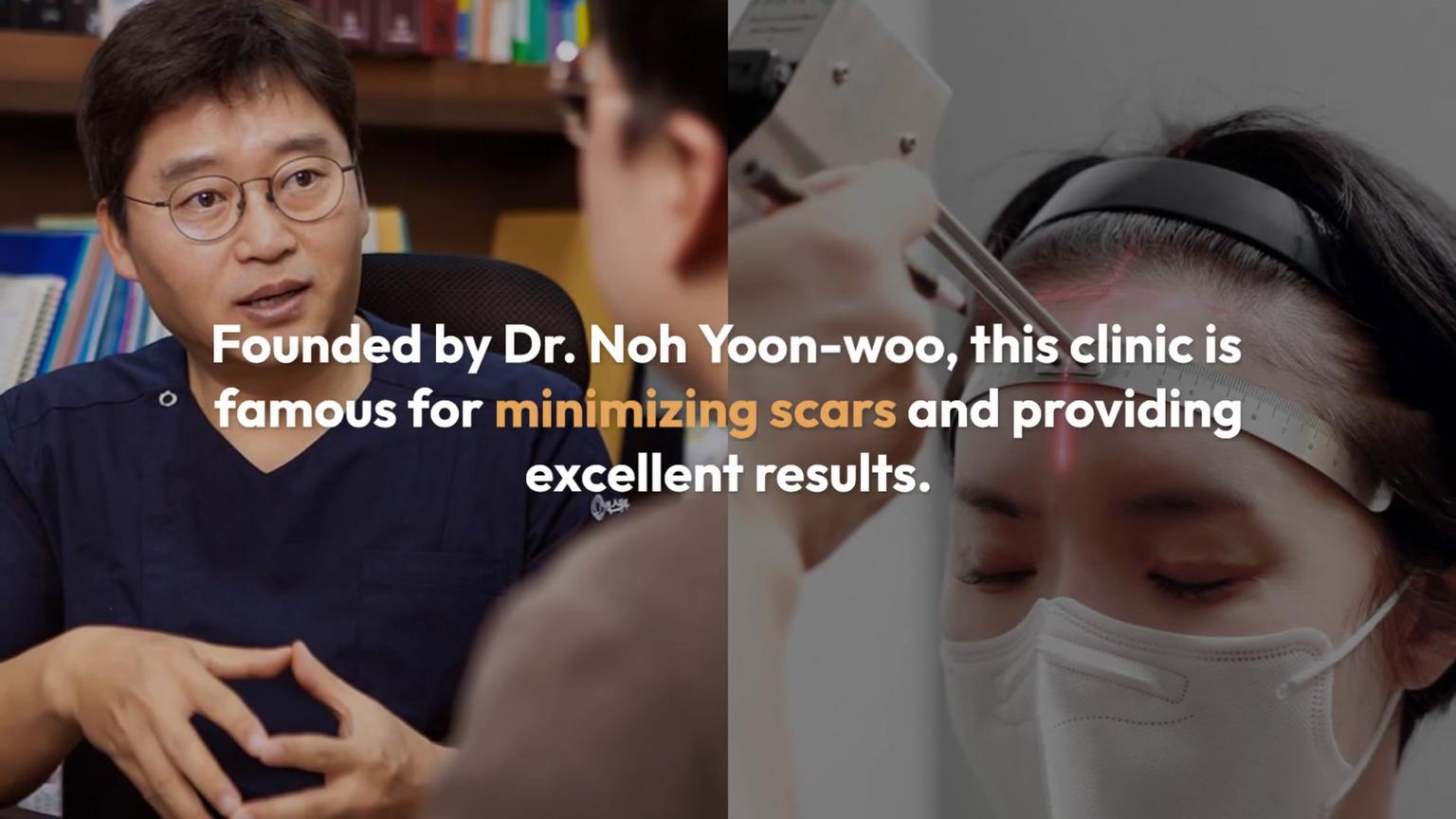
For patients comparing hair transplant in Korea costs and clinics, Maxwell Hair Clinic is often cited as a benchmark option thanks to its depth of experience and distinctly medical approach to hair restoration. Operating as an international hair restoration center since 2007 with state-of-the-art facilities, Maxwell has performed more than 60,000 hair transplants and draws on over 500,000 total treatment cases to support data-driven, highly personalized planning rather than one-size-fits-all packages. A key differentiator is its treatment philosophy: Maxwell prioritizes follicle cells—the “engine” of hair production—over superficial scalp care, aiming to improve long-term growth fundamentals alongside surgical results. Led by founder Dr. Noh Yoon Woo, an award-recognized specialist and executive member of the Korean Society of Hair Restoration, the clinic emphasizes a strong doctor–patient relationship, individualized hairline and density design, and structured aftercare, while offering both FUE and FUT (including combination approaches when appropriate), plus options such as revision surgery, scar laser treatment, and international patient support from online consultation through travel coordination.
Find more about this clinic here: Maxwell Hair Clinic
Frequently Asked Questions
Related Blogs
Chemotherapy Hair Loss: PRP Hair Loss & Stem Cell Hair Treatment Solutions in Korea
Updated: Jun 1, 2026
Hair transplant precautions
Updated: Apr 20, 2026
Temple Hair Loss Solutions: Hair Transplant Procedures in Korea for Fuller Temples
Updated: Apr 10, 2026
Female Hairline Recession Solutions: Hairline Correction Procedures in Korea
Updated: Apr 8, 2026
Clinics offering Hair transplant on Scar
SH Clinic: Comprehensive Women's, Men's & Couples' Health Services in Korea
Sinsa
THEPLUS Plastic Surgery Korea | Eye, Nose, Face & Body Surgery
Sinsa

Made Young Plastic Surgery: Rejuvenating Aesthetic Excellence in Korea for Face Lifts, Contouring and More
Gangnam Station
Seojin Plastic Surgery Clinic Korea: Pioneering Advanced Cosmetic Procedures for Personalized Aesthetic Transformation
Apgujeong