
Medizintourismus-Blog
Korrektur eines V-förmigen Haaransatzes: Verfahren zur Wiederherstellung des Haaransatzes in Korea
Table of contents
- Korrektur des Haaransatzes: Medizinische Verfahren im Detail
- Beste Kliniken in Korea zur Behandlung einer zurückweichenden Witwenspitze
- Korrektur des Haaransatzes in Südkorea: Ein Leitfaden für Medizintouristinnen und -touristen
- Kostenanalyse: Korrektur des Haaransatzes in Südkorea im Vergleich zu weltweiten Zielen
- Patientenerfahrungen und Ergebnisse: Behandlung einer zurückweichenden Witwenspitze
- Fazit
- Quellen
Planen Sie eine Behandlung in Korea? Alles, was Sie wissen müssen, z. B. wie Sie Betrug vermeiden, Visa, Dolmetscher und Tipps für die Erholung, finden Sie in unserem Master Guide für Medizintourismus. Planen Sie mit Vertrauen in Minuten statt in Wochen!
Für alle, die sich Sorgen um ihren Haaransatz machen, kann ein grundlegendes Verständnis einer „zurückweichenden Witwenspitze“ der erste Schritt zur Wahl der passenden Behandlung sein. Dieser Leitfaden erklärt, was eine zurückweichende Witwenspitze eigentlich ist, welche medizinischen Verfahren am häufigsten zu ihrer Korrektur eingesetzt werden, wie der Behandlungsablauf für Patientinnen und Patienten aussieht, die dafür nach Südkorea reisen, wie die Kosten weltweit im Vergleich ausfallen und welche Verbesserungen realistisch zu erwarten sind.
Eine „Witwenspitze“ bezeichnet den markanten V-förmigen Punkt in der Mitte der Stirn. Sie ist meist genetisch bedingt und bleibt im Laufe des Lebens stabil. Manche Menschen haben eine ausgeprägte, andere eine eher dezente Witwenspitze – für sich genommen ist sie jedoch kein Anzeichen für Haarausfall.
Von einer „zurückweichenden Witwenspitze“ spricht man hingegen, wenn dieser V-förmige Punkt beginnt, dünner zu werden oder sich zurückzuziehen. Das ist meist ein Hinweis auf anlagebedingten Haarausfall (androgenetische Alopezie), der häufig an den Schläfen oder am Oberkopf beginnt und den Haaransatz allmählich nach hinten verlagert, oft in Form eines M-förmigen Musters. Die Norwood-Skala hilft dabei, die Stadien dieses Fortschreitens einzuordnen; die Stadien 2 und 3 stehen für eine beginnende Rückbildung und zunehmend sichtbare Muster.
Gängige Begriffe und wie man sie unterscheidet
Die Terminologie kann verwirrend sein: Eine „Witwenspitze“ beschreibt die V-Form. Wenn sie jedoch beginnt, sich zurückzuziehen oder auszudünnen, sprechen manche auch von einem „V-förmigen Haaransatz“, einem „M-förmigen Haaransatz“ oder allgemein von einem „zurückweichenden Haaransatz“. Entscheidend ist, ob Ihre V-Form schon immer vorhanden war und stabil geblieben ist oder ob sie sich im Laufe der Zeit verändert hat.
Ein einfacher Test zur Selbsteinschätzung: Heben Sie die Augenbrauen an. Liegt der Haaransatz etwa einen Zoll (ca. 25 mm) über der obersten Stirnfalte, ist er wahrscheinlich stabil. Liegt er deutlich weiter hinten oder ist die Ausdünnung ungleichmäßig, könnte ein Fortschreiten vorliegen. Solche einfachen Hinweise können helfen, natürliche Unterschiede von tatsächlichen Anzeichen für Haarausfall zu unterscheiden.
Tabelle 1: Gängige Bezeichnungen für eine zurückweichende Witwenspitze
| Begriff | Beschreibung |
|---|---|
| V-förmiger Haaransatz | Deutliche V-Form in der Mitte der Stirn, genetisch bedingt oder infolge einer Rückbildung entstanden |
| M-förmiger Haaransatz | Rückbildungsmuster, bei dem sich die Schläfen stärker zurückziehen als der zentrale Punkt, sodass ein „M“ entsteht |
| Zurückweichender Haaransatz | Allgemeiner Begriff für einen Haaransatz, der sich nach hinten verlagert |
| Ausdünnung am zentralen V-förmigen Punkt | Fokussierter Haarausfall im Bereich der Witwenspitze |
Korrektur des Haaransatzes: Medizinische Verfahren im Detail
Die Korrektur des Haaransatzes umfasst mehrere Verfahren, die auf Beschwerden im Zusammenhang mit einer hohen Stirn oder einem zurückweichenden Haaransatz abzielen. Zu den wichtigsten Ansätzen zählen die Operation zur Haaransatzsenkung (Stirnverkleinerung) sowie Verfahren der Haartransplantation: Follicular Unit Extraction (FUE), Follicular Unit Transplantation (FUT) und Direct Hair Implantation (DHI). Welche Methode geeignet ist, hängt davon ab, warum eine Patientin oder ein Patient die Behandlung in Betracht zieht, und von den individuellen anatomischen Voraussetzungen.
Operation zur Haaransatzsenkung (Stirnverkleinerung)
Eine Haaransatzsenkung, auch Stirnverkleinerung genannt, eignet sich besonders für Menschen mit von Natur aus hohem Haaransatz, guter Elastizität der Kopfhaut und ohne aktiven Haarausfall. Nach Markierung des gewünschten neuen Haaransatzes entfernt die Chirurgin oder der Chirurg vorsichtig einen Streifen Stirnhaut und verlagert die Kopfhaut nach vorn, um die Stirnhöhe zu reduzieren. Häufig werden Zickzack-Inzisionen (trichophytische Schnitte) verwendet, damit Haare die Narbe später besser verdecken. Diese Methode liefert sofort sichtbare Ergebnisse – meist eine Absenkung des Haaransatzes um 2–3 cm – und die Erholung dauert in der Regel etwa zwei Wochen, bis Schwellungen und Blutergüsse weitgehend abgeklungen sind. Einige endoskopische Techniken bieten ähnliche Ergebnisse mit kleineren Schnitten und potenziell weniger auffälligen Narben.
Haartransplantationsverfahren (FUE, FUT und DHI)
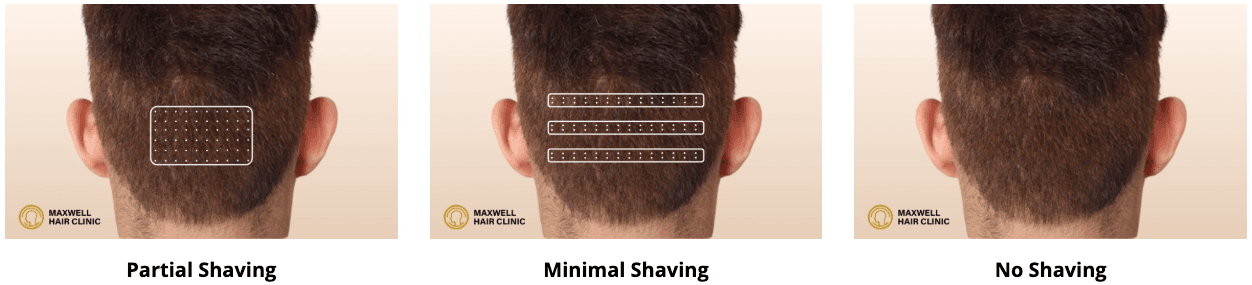
Bei Haartransplantationstechniken werden Haarfollikel aus dichteren Bereichen in den ausdünnenden Haaransatz verpflanzt. Das eignet sich für Patientinnen und Patienten mit fortschreitendem Haarausfall oder für Personen, die sich individuell anpassbare, schrittweise Veränderungen wünschen.
Follicular Unit Extraction (FUE)
FUE ist eine minimalinvasive Methode, bei der einzelne follikuläre Einheiten – meist vom Hinterkopf – entnommen und in den Empfängerbereich transplantiert werden. Zur Vorbereitung gehören das Kürzen der Haare und das Anzeichnen des neuen Haaransatzes, gefolgt von einer Lokalanästhesie. Die Chirurginnen und Chirurgen verwenden ein kleines Punch-Instrument, um Follikelgruppen zu entnehmen, die anschließend in den ausdünnenden Haaransatz eingesetzt werden; dabei werden Winkel und Wuchsrichtung für ein natürliches Ergebnis angepasst. FUE hinterlässt winzige punktförmige Narben und ermöglicht im Vergleich zu anderen Methoden in der Regel eine schnellere Erholung.
Follicular Unit Transplantation (FUT)
FUT, auch „Streifenmethode“ genannt, umfasst die Entnahme eines haartragenden Hautstreifens, dessen Aufteilung in kleine Grafts und deren Implantation in die zurückgebildeten Bereiche. Damit lässt sich in einer Sitzung eine hohe Anzahl an Grafts erzielen, allerdings bleibt an der Entnahmestelle eine lineare Narbe zurück. Diese Methode wird häufig bei größeren Flächen mit Haarausfall gewählt und kann pro Graft kostengünstiger sein.
Direct Hair Implantation (DHI)
DHI ist eine Variante der FUE, bei der mit einem stiftähnlichen Instrument (Choi Implanter Pen) Follikel direkt implantiert werden, ohne zuvor separate Inzisionen anzulegen. Diese Technik ermöglicht eine gute Kontrolle über Winkel und Tiefe und zielt auf ein besonders dichtes und natürlich wirkendes Ergebnis ab.
Wahl des richtigen Verfahrens
Die beste Wahl ist sehr individuell: Eine Haaransatzsenkung eignet sich am ehesten für Menschen mit stabilem, hohem Haaransatz ohne Ausdünnung; Haartransplantationen (FUE, FUT oder DHI) sind passend für Personen mit Haarausfall oder für alle, die schrittweise und präzise Ergebnisse wünschen. Eine Beratung bei einer Fachärztin oder einem Facharzt ist entscheidend, um die zugrunde liegende Ursache zu erkennen und die optimale Lösung auszuwählen.
Heilungsverlauf und Nachsorge
Nach einer Haaransatzsenkung sind leichte Schwellungen, Schmerzen und Blutergüsse für bis zu zwei Wochen zu erwarten. Die Fäden werden nach etwa 7–10 Tagen entfernt, und die meisten Menschen können nach ungefähr einer Woche wieder arbeiten. Die vollständige Heilung kann bis zu 18 Monate dauern.
Nach Haartransplantationen verläuft die Erholung im Allgemeinen schneller; die meisten Patientinnen und Patienten nehmen ihren normalen Alltag nach wenigen Tagen wieder auf. Ein anfänglicher „Shock Loss“ (vorübergehender Ausfall transplantierter Haare) ist normal. Neues Wachstum beginnt nach 3–4 Monaten, das Endergebnis zeigt sich nach 12–18 Monaten.
Mögliche Komplikationen und Risiken
Beide Operationen gelten in erfahrenen Händen als sicher, doch leichte Schwellungen, Rötungen, Juckreiz und vorübergehende Taubheit sind häufig. Schwerwiegendere Risiken wie Infektionen oder Narbenbildung sind selten, aber möglich – daher ist es wichtig, die Nachsorgeanweisungen genau zu befolgen und eine seriöse Klinik zu wählen.
Beste Kliniken in Korea zur Behandlung einer zurückweichenden Witwenspitze
Nachfolgend finden Sie die besten Kliniken in Korea zur Behandlung einer zurückweichenden Witwenspitze:
| Klinikname | Wichtige Merkmale | Besondere Techniken |
|---|---|---|
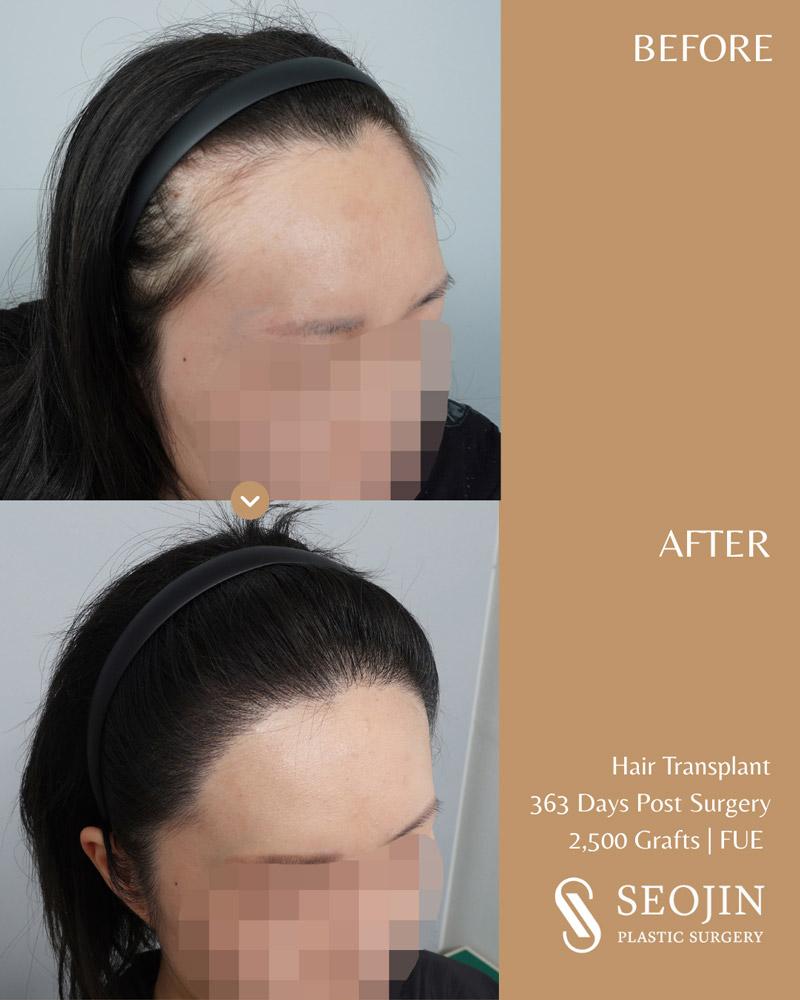
| Seojin Plastic Surgery Clinic | Die Seojin Plastic Surgery Clinic im Herzen von Gangnam, Seoul, ist eine Ein-Arzt-Klinik unter der Leitung von Dr. Lee Hyungmin mit mehr als 16 Jahren Erfahrung. Sie bietet hochgradig individualisierte ästhetische Behandlungen und Haarwiederherstellung – von der Beratung bis zur Nachsorge. Die Klinik ist bekannt für fortschrittliche, detailorientierte Haartransplantationen, die natürliche Wachstumsmuster nachbilden sollen. Seojin kombiniert sorgfältige Haarliniendesigns mit modernen Systemen und einem konsequenten Sicherheitsansatz und ist damit eine hervorragende Wahl für Patientinnen und Patienten, die eine Korrektur einer zurückweichenden Witwenspitze mit natürlicher Dichte, ausgewogener Symmetrie und langfristiger Zufriedenheit suchen. | • Breiteres Methodenspektrum als in typischen Kliniken: Es werden Schnitt-, schnittfreie und kombinierte Inzisionstechniken angeboten, sodass die Methode an Form der Witwenspitze, Kopfhautbeschaffenheit und Styling-Ziele angepasst werden kann • Möglichkeit umfangreicher Rekonstruktionen bei Bedarf: 6.000 bis 10.000 Haare werden mithilfe kombinierter Schnitt- und schnittfreier Methoden transplantiert – für Patientinnen und Patienten, die eine stärkere Auffüllung im frontalen und temporalen Bereich benötigen • Haarlinien-Gradiententransplantation für ein natürliches Ergebnis: Follikel werden von fein nach kräftig gesetzt, mit einem individuellen Design auf Basis von Gesichtssymmetrie und Proportionen (Stirn, Brauenknochen, Schläfen, Mittelgesicht und Untergesicht) • Kühlraum zur Follikelseparation: Optimiert die Erhaltung der Follikel nach der Entnahme und unterstützt so ein besseres Anwachsen der Grafts • PRP-Haartransplantationsoption: Verwendet körpereigenes PRP zusammen mit den Grafts, um die Anwuchsrate zu verbessern und Entzündungen zu reduzieren; hilfreich, wenn Nachkontrollen schwierig sind (auch für internationale Patientinnen und Patienten) • Erfahrung in der Minimierung des „Popping“-Phänomens: Eine sorgfältige Technik verringert das Risiko, dass bereits eingesetzte Grafts beim dichten Implantieren im Bereich der Witwenspitze verdrängt werden • Durchgehend personalisierte Betreuung: Das Ein-Arzt-System sorgt für konsistente Planung, Durchführung und Nachsorge, abgestimmt auf Muster der zurückweichenden Witwenspitze und individuelle Haarcharakteristika |
| Maxwell Hair Clinic | Maxwell Hair Clinic ist ein führendes internationales Zentrum für Haarwiederherstellung in Korea, gegründet 2007 und bekannt für natürlich wirkende Lösungen für Männer und Frauen mit Problemen am Haaransatz wie einer zurückweichenden Witwenspitze. Mit modernster Ausstattung, mehr als 60.000 erfolgreichen Haartransplantationen und über 500.000 Behandlungsfällen als Grundlage datenbasierter Versorgung wurde Maxwell seit 2011 fortlaufend als eine der besten Kliniken Koreas ausgezeichnet. Unter der Leitung des Gründers Dr. Noh Yoon Woo – weithin anerkannt für seine Expertise und Führungsrolle in der koreanischen Haarwiederherstellung – legt Maxwell Wert auf eine vertrauensvolle Arzt-Patienten-Beziehung, eine gründliche Diagnostik und eine Behandlungsphilosophie, die Follikelzellen als „Motor“ der Haarproduktion versteht und nicht nur auf oberflächliche Kopfhautpflege setzt. Patientinnen und Patienten erhalten individuelle Optionen (FUE, FUT oder eine Kombination), fortlaufende Nachsorge und reibungslose Unterstützung für internationale Besucherinnen und Besucher. | - Natürliches Designverfahren für die realistischste Korrektur einer zurückweichenden Witwenspitze: ein zweistufiger Ansatz mit präzisem Laserdesign und anschließender individueller manueller Anpassung, um einen natürlichen, personalisierten Haaransatz zu schaffen. - Gradiententransplantation: Feineres Haar wird ganz vorne gesetzt, kräftigere Bündel dahinter, um den weichen Übergang zu dichterem Haar nachzubilden, der Ergebnisse an der Witwenspitze besonders natürlich erscheinen lässt. - Erweiterte Gesichtsproportionsplanung: individuell angepasste Planung von Haaransatz und Stirnverhältnis, um die Gesichtsproportionen auszugleichen und das Gesicht kleiner und harmonischer wirken zu lassen – nicht nur durch bloßes „Absenken“ des Haaransatzes. - Maßgeschneiderte Operationsmethode: umfassende Beurteilung von Kopfhautelastizität, Haardichte und Ausmaß des Haarausfalls, um die am besten geeignete Technik (FUE, FUT oder kombiniert) für eine stabile, natürliche Abdeckung an Schläfen und Spitze auszuwählen. - Techniken zur Narbenminimierung: ultrakleine Punches (0,9–1,2 mm) und doppelte Nahttechniken helfen dabei, Narben im Entnahmebereich kaum sichtbar zu halten – ein wichtiger Vorteil für Patientinnen und Patienten mit kürzeren Frisuren. - Schnelle Erholung und hohe Anwuchsrate: ein erfahrenes Operationsteam unterstützt Haarewaschen bereits am nächsten Tag und die Rückkehr in den Alltag innerhalb von zwei Tagen, bei gleichzeitig hoher Graft-Anwuchsrate für verlässliches Wachstum. - Optimierung des Wachstums nach der Transplantation: Wachstumsfaktoren im Transplantationsbereich plus spezielle Magnetfeldtherapie zur Verbesserung des Wachstums transplantierter Haare und der Gesamtqualität des Ergebnisses. - Nachgewiesene, konsistente Ergebnisse: jahrzehntelange fokussierte Erfahrung, hohe Eingriffszahlen und langfristige Nachsorgesysteme machen Maxwell zu einer führenden Wahl bei zurückweichender Witwenspitze, wenn Präzision und natürliche Haarliniengestaltung besonders wichtig sind. |
| SH Clinic | Bei einer zurückweichenden Witwenspitze werden die besten Ergebnisse in einer Klinik erzielt, die das Muster der Ausdünnung am Haaransatz präzise diagnostizieren, nichtchirurgische regenerative Optionen anbieten und die ästhetische Planung so koordinieren kann, dass der Haaransatz natürlich und ausgewogen wirkt – genau hier sticht die SH Clinic in Sinsa, Seoul, hervor. Als medizinisches Zentrum mit mehreren Fachrichtungen, das Stammzellwissenschaft, ästhetische Dermatologie und moderne plastische Chirurgie unter einem Dach vereint, ist die SH Clinic in einer einzigartigen Position, einen zurückweichenden Haaransatz sowohl medizinisch-restaurativ als auch kosmetisch präzise zu behandeln. Durch die personalisierte, umfassende Behandlungsplanung des SH Stem Cell Center können Patientinnen und Patienten hinsichtlich Ursachen und Schweregrad der Rückbildung des Haaransatzes untersucht und für eine Stammzell-Behandlung bei Haarausfall in Betracht gezogen werden. Dabei werden autologe Stammzellen in die Kopfhaut injiziert, um ruhende Follikel zu aktivieren, neues Wachstum anzuregen und vorhandene Haare ohne chirurgische Grafts zu verdichten – eine besonders interessante Option bei früher bis moderater zurückweichender Witwenspitze, bei der Dichte und frontale Rahmung besonders wichtig sind. Dieses integrierte, wissenschaftsorientierte Umfeld bedeutet, dass die Behandlung nicht nach Schema F erfolgt: Sie kann auf Ihre Ziele abgestimmt werden (natürlich wirkende Abschwächung des Haaransatzes, verbesserte Dichte oder vorbeugende Stärkung) und nutzt zugleich die breitere Expertise der SH Clinic in der ästhetischen Medizin, um ein insgesamt harmonisches Gesichtsbild zu unterstützen. | - Stammzellbehandlung bei Haarausfall: verwendet autologe Stammzellen, die in die Kopfhaut injiziert werden, um ruhende Follikel zu aktivieren, neues Wachstum anzuregen und vorhandene Haare ohne chirurgische Grafts zu verdichten - Personalisierte, umfassende Behandlungsplanung durch das SH Stem Cell Center - Nutzung der breiteren Expertise der SH Clinic in der ästhetischen Medizin zur Unterstützung eines insgesamt harmonischen Gesichtsbildes |
Seojin Plastic Surgery Clinic
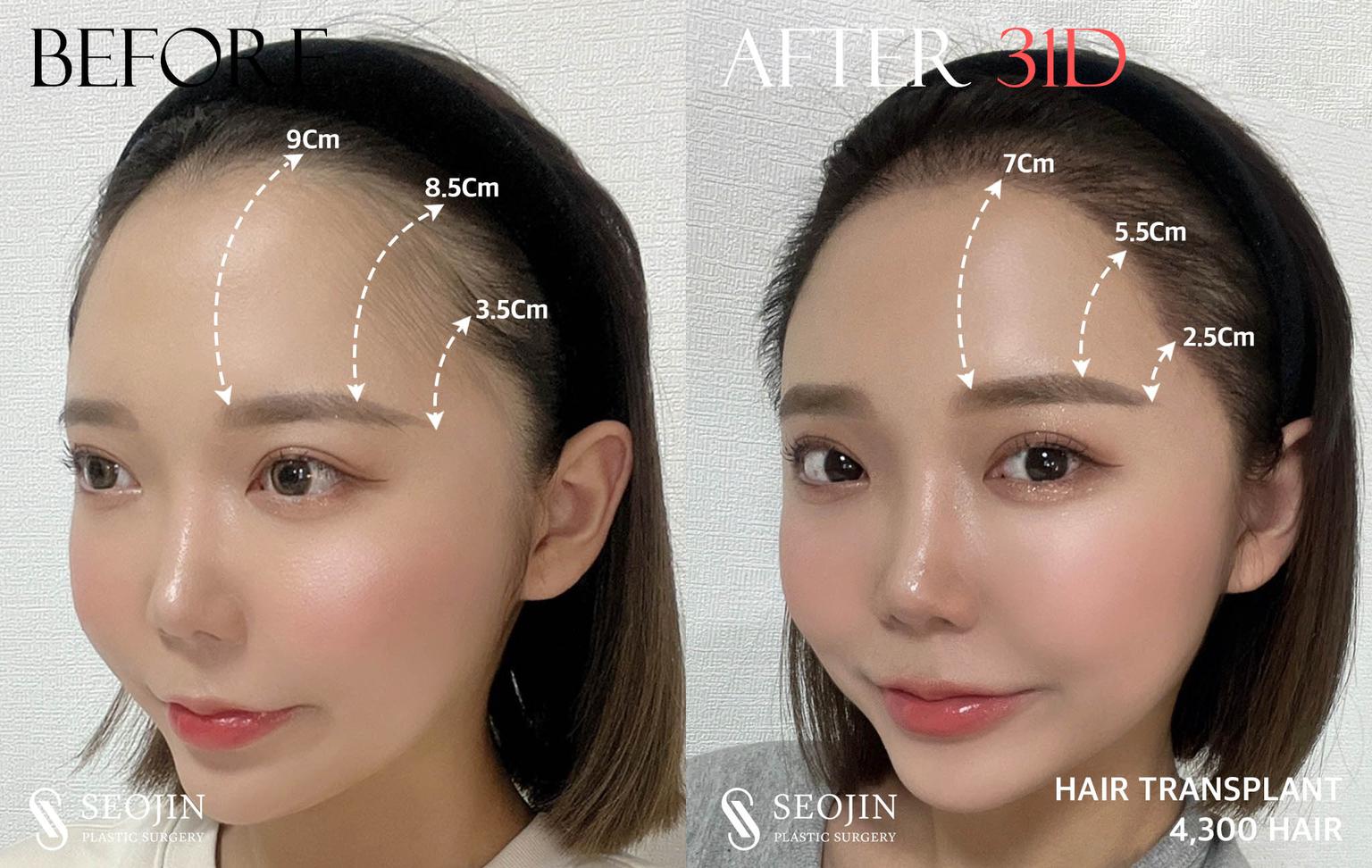
Die Seojin Plastic Surgery Clinic im Herzen von Gangnam, Seoul, ist eine Ein-Arzt-Klinik unter der Leitung von Dr. Lee Hyungmin mit mehr als 16 Jahren Erfahrung. Sie bietet hochgradig individualisierte ästhetische Behandlungen und Haarwiederherstellung – von der Beratung bis zur Nachsorge. Die Klinik ist bekannt für fortschrittliche, detailorientierte Haartransplantationen, die natürliche Wachstumsmuster nachbilden sollen. Seojin kombiniert sorgfältige Haarliniendesigns mit modernen Systemen und einem konsequenten Sicherheitsansatz und ist damit eine hervorragende Wahl für Patientinnen und Patienten, die eine Korrektur einer zurückweichenden Witwenspitze mit natürlicher Dichte, ausgewogener Symmetrie und langfristiger Zufriedenheit suchen.
• Nachgewiesene Exzellenz in der Haarwiederherstellung: Über 2.100 Haartransplantationen durchgeführt
• Landesweit anerkannter Arzt: Dr. Lee Hyungmin wurde 2022 als einer der Top 100 Good Doctors Koreas ausgewählt
• Preisgekrönte Führungsrolle in der Haartransplantation: Platz 1 in der Kategorie Haartransplantation bei den KBS N Korea Broadcasting Brand Awards (2025)
• Breiteres Methodenspektrum als in typischen Kliniken: Es werden Schnitt-, schnittfreie und kombinierte Inzisionstechniken angeboten, sodass die Methode an Form der Witwenspitze, Kopfhautbeschaffenheit und Styling-Ziele angepasst werden kann
• Möglichkeit umfangreicher Rekonstruktionen bei Bedarf: 6.000 bis 10.000 Haare werden mithilfe kombinierter Schnitt- und schnittfreier Methoden transplantiert – für Patientinnen und Patienten, die eine stärkere Auffüllung im frontalen und temporalen Bereich benötigen
• Haarlinien-Gradiententransplantation für ein natürliches Ergebnis: Follikel werden von fein nach kräftig gesetzt, mit einem individuellen Design auf Basis von Gesichtssymmetrie und Proportionen (Stirn, Brauenknochen, Schläfen, Mittelgesicht und Untergesicht)
• Kühlraum zur Follikelseparation: Optimiert die Erhaltung der Follikel nach der Entnahme und unterstützt so ein besseres Anwachsen der Grafts
• PRP-Haartransplantationsoption: Verwendet körpereigenes PRP zusammen mit den Grafts, um die Anwuchsrate zu verbessern und Entzündungen zu reduzieren; hilfreich, wenn Nachkontrollen schwierig sind (auch für internationale Patientinnen und Patienten)
• Erfahrung in der Minimierung des „Popping“-Phänomens: Eine sorgfältige Technik verringert das Risiko, dass bereits eingesetzte Grafts beim dichten Implantieren im Bereich der Witwenspitze verdrängt werden
• Durchgehend personalisierte Betreuung: Das Ein-Arzt-System sorgt für konsistente Planung, Durchführung und Nachsorge, abgestimmt auf Muster der zurückweichenden Witwenspitze und individuelle Haarcharakteristika
Hier können Sie sich die Website ansehen: Website der Seojin Plastic Surgery Clinic
Maxwell Hair Clinic
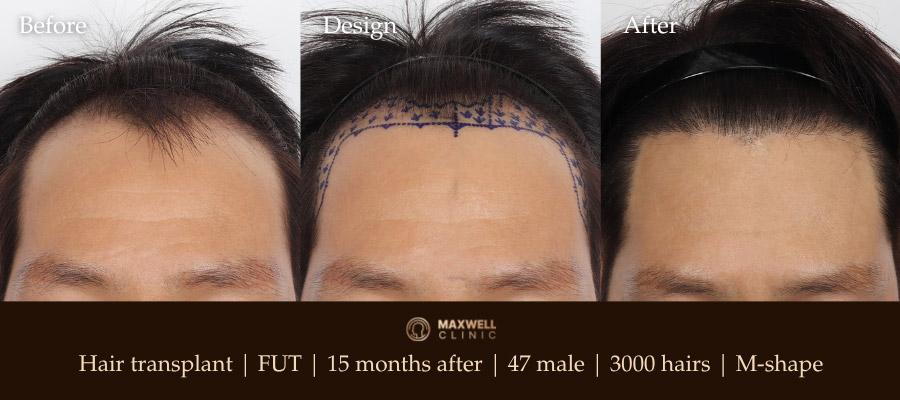
Maxwell Hair Clinic ist ein führendes internationales Zentrum für Haarwiederherstellung in Korea, gegründet 2007 und bekannt für natürlich wirkende Lösungen für Männer und Frauen mit Problemen am Haaransatz wie einer zurückweichenden Witwenspitze. Mit modernster Ausstattung, mehr als 60.000 erfolgreichen Haartransplantationen und über 500.000 Behandlungsfällen als Grundlage datenbasierter Versorgung wurde Maxwell seit 2011 fortlaufend als eine der besten Kliniken Koreas ausgezeichnet. Unter der Leitung des Gründers Dr. Noh Yoon Woo – weithin anerkannt für seine Expertise und Führungsrolle in der koreanischen Haarwiederherstellung – legt Maxwell Wert auf eine vertrauensvolle Arzt-Patienten-Beziehung, eine gründliche Diagnostik und eine Behandlungsphilosophie, die Follikelzellen als „Motor“ der Haarproduktion versteht und nicht nur auf oberflächliche Kopfhautpflege setzt. Patientinnen und Patienten erhalten individuelle Optionen (FUE, FUT oder eine Kombination), fortlaufende Nachsorge und reibungslose Unterstützung für internationale Besucherinnen und Besucher.
- Natürliches Designverfahren für die realistischste Korrektur einer zurückweichenden Witwenspitze: ein zweistufiger Ansatz mit präzisem Laserdesign und anschließender individueller manueller Anpassung, um einen natürlichen, personalisierten Haaransatz zu schaffen.
- Gradiententransplantation: Feineres Haar wird ganz vorne gesetzt, kräftigere Bündel dahinter, um den weichen Übergang zu dichterem Haar nachzubilden, der Ergebnisse an der Witwenspitze besonders natürlich erscheinen lässt.
- Erweiterte Gesichtsproportionsplanung: individuell angepasste Planung von Haaransatz und Stirnverhältnis, um die Gesichtsproportionen auszugleichen und das Gesicht kleiner und harmonischer wirken zu lassen – nicht nur durch bloßes „Absenken“ des Haaransatzes.
- Maßgeschneiderte Operationsmethode: umfassende Beurteilung von Kopfhautelastizität, Haardichte und Ausmaß des Haarausfalls, um die am besten geeignete Technik (FUE, FUT oder kombiniert) für eine stabile, natürliche Abdeckung an Schläfen und Spitze auszuwählen.
- Techniken zur Narbenminimierung: ultrakleine Punches (0,9–1,2 mm) und doppelte Nahttechniken helfen dabei, Narben im Entnahmebereich kaum sichtbar zu halten – ein wichtiger Vorteil für Patientinnen und Patienten mit kürzeren Frisuren.
- Schnelle Erholung und hohe Anwuchsrate: ein erfahrenes Operationsteam unterstützt das Haarewaschen bereits am nächsten Tag und die Rückkehr in den Alltag innerhalb von zwei Tagen, bei gleichzeitig hoher Graft-Anwuchsrate für verlässliches Wachstum.
- Optimierung des Wachstums nach der Transplantation: Wachstumsfaktoren im Transplantationsbereich plus spezielle Magnetfeldtherapie zur Verbesserung des Wachstums transplantierter Haare und der Gesamtqualität des Ergebnisses.
- Nachgewiesene, konsistente Ergebnisse: jahrzehntelange fokussierte Erfahrung, hohe Eingriffszahlen und langfristige Nachsorgesysteme machen Maxwell zu einer führenden Wahl bei zurückweichender Witwenspitze, wenn Präzision und natürliche Haarliniengestaltung besonders wichtig sind.
Hier können Sie sich die Website ansehen: Website der Maxwell Hair Clinic
SH Clinic
Bei einer zurückweichenden Witwenspitze werden die besten Ergebnisse in einer Klinik erzielt, die das Muster der Ausdünnung am Haaransatz präzise diagnostizieren, nichtchirurgische regenerative Optionen anbieten und die ästhetische Planung so koordinieren kann, dass der Haaransatz natürlich und ausgewogen wirkt – genau hier sticht die SH Clinic in Sinsa, Seoul, hervor. Als medizinisches Zentrum mit mehreren Fachrichtungen, das Stammzellwissenschaft, ästhetische Dermatologie und moderne plastische Chirurgie unter einem Dach vereint, ist die SH Clinic in einer einzigartigen Position, einen zurückweichenden Haaransatz sowohl medizinisch-restaurativ als auch kosmetisch präzise zu behandeln. Durch die personalisierte, umfassende Behandlungsplanung des SH Stem Cell Center können Patientinnen und Patienten hinsichtlich Ursachen und Schweregrad der Rückbildung des Haaransatzes untersucht und für eine Stammzellbehandlung bei Haarausfall in Betracht gezogen werden. Dabei werden autologe Stammzellen in die Kopfhaut injiziert, um ruhende Follikel zu aktivieren, neues Wachstum anzuregen und vorhandene Haare ohne chirurgische Grafts zu verdichten – eine besonders interessante Option bei früher bis moderater zurückweichender Witwenspitze, bei der Dichte und frontale Rahmung besonders wichtig sind. Dieses integrierte, wissenschaftsorientierte Umfeld bedeutet, dass die Behandlung nicht nach Schema F erfolgt: Sie kann auf Ihre Ziele abgestimmt werden (natürlich wirkende Abschwächung des Haaransatzes, verbesserte Dichte oder vorbeugende Stärkung) und nutzt zugleich die breitere Expertise der SH Clinic in der ästhetischen Medizin, um ein insgesamt harmonisches Gesichtsbild zu unterstützen.
Hier können Sie sich die Website ansehen: Website der SH Clinic
Korrektur des Haaransatzes in Südkorea: Ein Leitfaden für Medizintouristinnen und -touristen
Südkorea ist ein führendes Land in der ästhetischen und rekonstruktiven Chirurgie und zieht jedes Jahr zahlreiche Patientinnen und Patienten für Korrekturen des Haaransatzes an. Seine Attraktivität beruht auf erstklassiger Technologie, ästhetisch versierten Chirurginnen und Chirurgen sowie einem nahtlosen Behandlungsablauf.
Warum Südkorea?
Südkorea ist für seine fortschrittliche Medizintechnologie und seine hohen Standards in der ästhetischen Chirurgie bekannt. Die dortigen Kliniken stehen für natürlich wirkende Ergebnisse, innovative Techniken und erfahrene Chirurginnen und Chirurgen. Neue Methoden – wie spezielle Schnittführungen und präzise Haarlinien-Gradienten – halten Südkorea an der Spitze der ästhetischen Medizin.
Was Medizintouristinnen und -touristen erwarten können
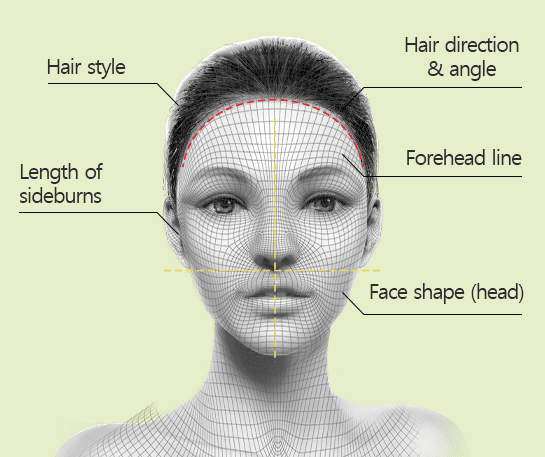
Der Behandlungsweg beginnt typischerweise mit Fernkonsultationen, umfasst nach der Ankunft eine umfassende persönliche Untersuchung, präoperative Tests und eine detaillierte Planung. Die Eingriffe werden je nach Komplexität unter Lokal- oder Vollnarkose durchgeführt, und die Kliniken bieten häufig umfangreiche Unterstützung bis zu einem Jahr nach der Operation an, einschließlich Nachkontrollen auch dann, wenn die Patientinnen und Patienten bereits wieder zu Hause sind.
Nachsorge nach dem Eingriff in Südkorea
Nach einer Operation zur Haaransatzsenkung werden die Fäden nach 7–12 Tagen entfernt. Zusätzliche Maßnahmen können Lasertherapie oder O2-Scaling umfassen. Vor der Ausreise erhalten Patientinnen und Patienten eine abschließende Kontrolle, Anweisungen zur Erholung und Kontaktdaten für die weitere Unterstützung. Diese Schritte unterstreichen den ganzheitlichen und aufmerksamen Ansatz koreanischer Kliniken.
Kostenanalyse: Korrektur des Haaransatzes in Südkorea im Vergleich zu weltweiten Zielen
Für viele Patientinnen und Patienten sind die Kosten ein entscheidender Faktor. Der Preis hängt vom Verfahren, der Komplexität, der Technik und dem Ruf der Klinik ab.
Durchschnittliche Kosten in Südkorea
In Südkorea kostet eine Haaransatzsenkung zwischen ₩3.500.000 und ₩9.000.000 (etwa 2.500–6.300 USD). Haartransplantationen kosten im Durchschnitt 6.880 USD, wobei die Preise – je nach Methode und Anzahl der Grafts – bei etwa 3.900 USD beginnen und bis 11.200 USD reichen.
Wie Südkorea im Vergleich abschneidet
Südkorea ist zwar nicht die günstigste Option, doch die Preisgestaltung spiegelt Qualität und Innovationsgrad wider. Zum Vergleich:
| Land | Kostenbereich (USD) | Hinweise |
|---|---|---|
| Südkorea | $3,900 - $11,200 | Fortschrittliche Technik, hochqualifizierte Chirurginnen und Chirurgen |
| Türkei | $1,500 - $4,000 | Am günstigsten, oft All-inclusive-Pakete |
| Thailand | $1,000 - $7,500 | Wettbewerbsfähig, besonders bei FUE |
| Polen | $4,000 - $6,000 | Gutes Preis-Leistungs-Verhältnis in Europa |
| Ungarn | $3,700 - $5,500 | Bezahlbare Option in Europa |
| Litauen | $3,000 - $5,000 | Wettbewerbsfähig in Europa |
| Deutschland | $6,500 - $12,900 | Hohe Qualität, teurer |
| Italien | $5,300 - $10,600 | Höhere Kosten in Westeuropa |
| Vereinigtes Königreich | $6,000 - $10,000 | Teuer, besonders in Städten |
| USA | $7,000 - $15,000+ | Höchste Preise, Nachsorge/Reisekosten oft nicht enthalten |
Die Türkei bietet zwar das günstigste Preisniveau, während in den USA und im Vereinigten Königreich für Haartransplantationen häufig ein deutlicher Aufpreis anfällt.
Nutzenversprechen für Medizintouristinnen und -touristen
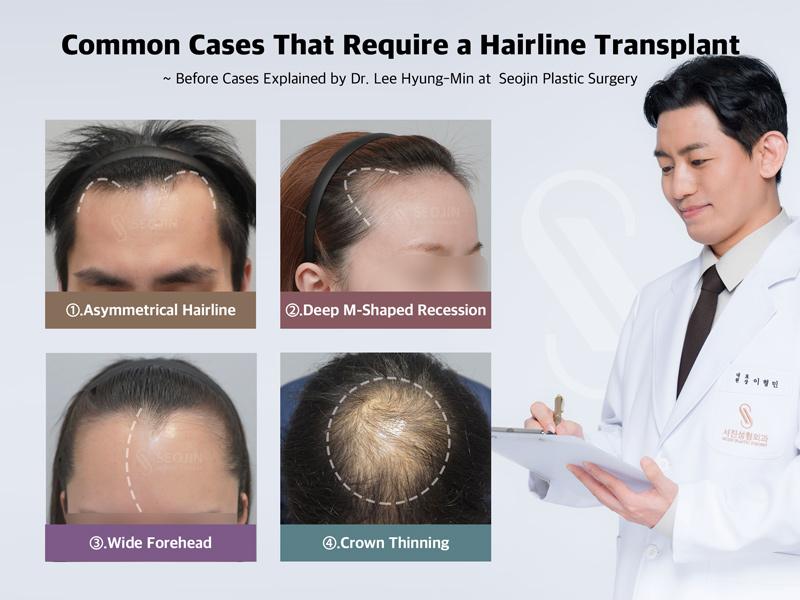
Bei der Wahl eines Reiseziels geht es darum, Kosten mit Kompetenz, Technologie und dem gesamten Patientenerlebnis in Einklang zu bringen. Südkorea überzeugt mit hoher Innovationskraft und aufmerksamer Betreuung und ist daher eine überlegenswerte Option für alle, die hochwertige Leistungen und Ergebnisse wünschen, auch wenn die Preise etwas höher liegen.
Patientenerfahrungen und Ergebnisse: Behandlung einer zurückweichenden Witwenspitze
Menschen entscheiden sich in der Regel aus ästhetischen und emotionalen Gründen für eine Korrektur des Haaransatzes – wobei ein gesteigertes Selbstbewusstsein neben den körperlichen Veränderungen ein wichtiger Effekt ist.
Erwartete ästhetische Ergebnisse
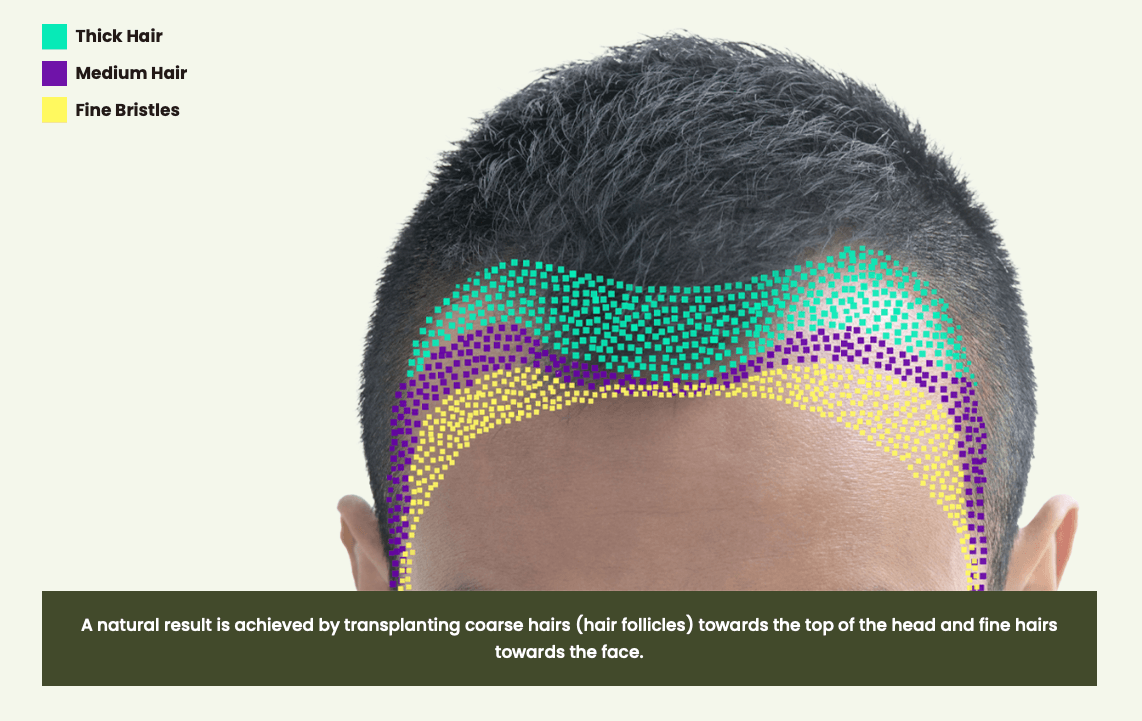
Eine Korrektur des Haaransatzes führt zu einem ausgewogeneren und harmonischeren Gesicht. Eine Haaransatzsenkung liefert sofort sichtbare Ergebnisse; Transplantationen schaffen im Laufe der Zeit einen dauerhaften, natürlich wirkenden Haaransatz. Bei einer zurückweichenden Witwenspitze kann eine Haartransplantation die V-Form entweder abschwächen oder eine verlorengegangene Spitze wiederherstellen – abgestimmt auf die Ziele der Patientin oder des Patienten.
Auswirkungen auf Selbstvertrauen und Lebensqualität
Eine der am häufigsten berichteten Folgen ist ein verbessertes Selbstvertrauen und ein positiveres Gefühl in Bezug auf das eigene Aussehen. Viele empfinden erneute Sicherheit in privaten und beruflichen Kontakten, und manche wünschen sich, sie hätten sich früher für den Eingriff entschieden.
Behandlung einer zurückweichenden Witwenspitze
Haartransplantationen eignen sich besonders gut, um den Haaransatz im Bereich einer Witwenspitze neu zu formen. Dabei wird eine individuell abgestimmte Anordnung von Follikeln verwendet, um das V je nach Wunsch der Patientin oder des Patienten entweder abzuschwächen oder zu betonen. Wenn sich die Rückbildung nur auf den zentralen V-Punkt beschränkt, sind möglicherweise weniger Grafts erforderlich, wodurch der Eingriff gezielter ausfallen kann.
Langfristige Überlegungen
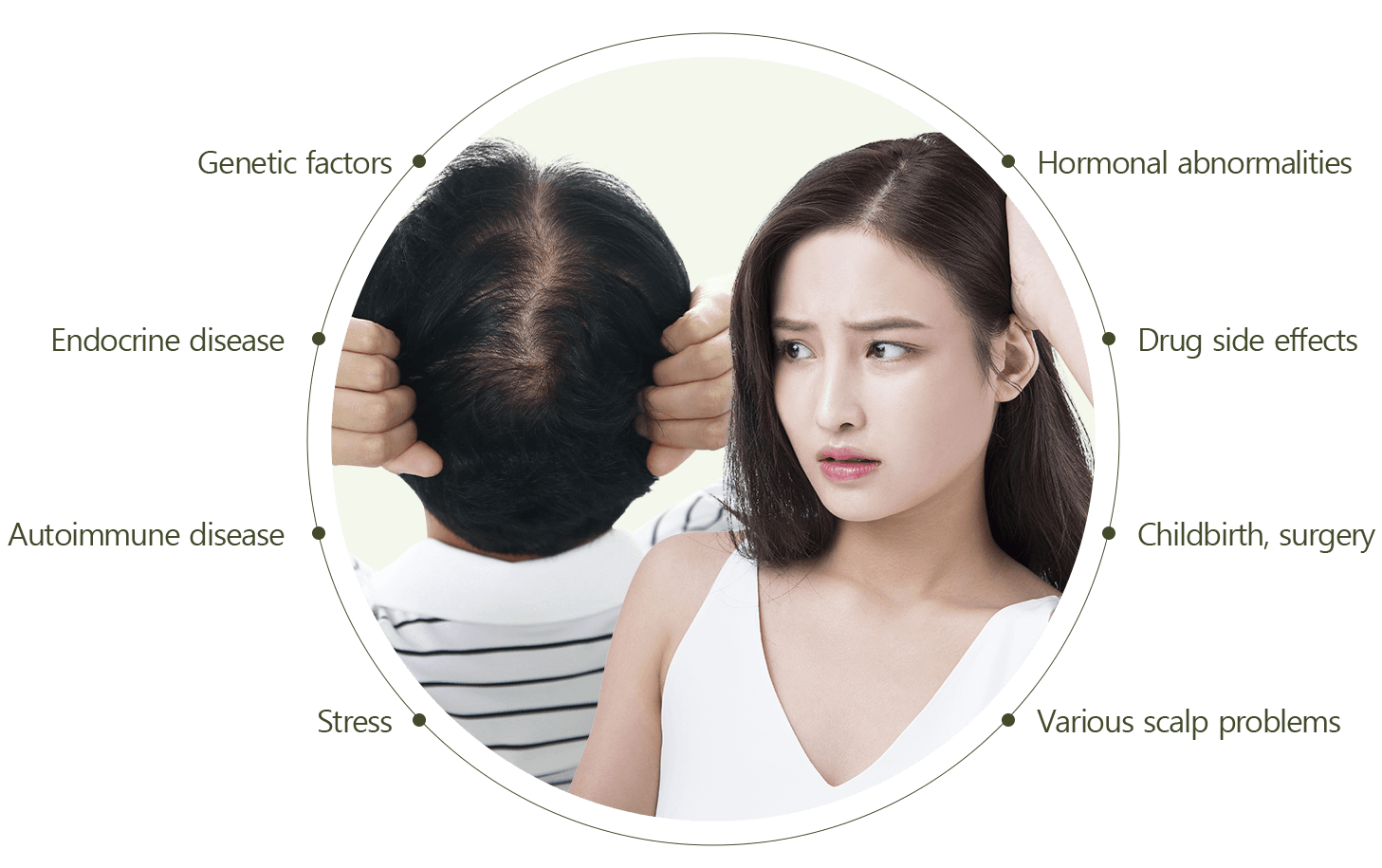
Die Ergebnisse sowohl einer Haaransatzsenkung als auch einer Haartransplantation sind für die transplantierten oder versetzten Haare dauerhaft. Allerdings können natürliche, unbehandelte Haare weiterhin dünner werden, wenn die zugrunde liegende Ursache bestehen bleibt. Daher können nach Haartransplantationen Medikamente wie Finasterid empfohlen werden, um die Ergebnisse möglichst lange zu erhalten.
Fazit
Zu verstehen, ob eine Witwenspitze stabil ist oder sich zurückzieht, ist die Grundlage für die Wahl des richtigen Verfahrens zur „Korrektur des Haaransatzes“. Eine Haaransatzsenkung eignet sich am besten bei von Natur aus hoher Stirn, während Haartransplantationsverfahren (FUE, FUT, DHI) für ausdünnenden oder zurückweichenden Haaransatz geeignet sind. Südkorea hebt sich durch fortschrittliche Technologie, erfahrene Chirurginnen und Chirurgen sowie eine umfassende Betreuung hervor. Viele Patientinnen und Patienten berichten von einem verbesserten Aussehen, mehr Selbstvertrauen und Zufriedenheit mit ihren individuell angepassten Ergebnissen. Eine gründliche fachärztliche Beratung ist unverzichtbar, um realistische Erwartungen zu setzen und die bestmöglichen Resultate zu erzielen.
Quellen
1, 2, 3, 4, 5, 6, 7, 8, 9, 10, 11, 12, 13, 14, 15, 16, 17, 18, 19, 20
Häufig gestellte Fragen
Verwandte Blogbeiträge
PRP Hair Treatment Abroad: The True Cost of Hair Restoration in Korea vs. Global Alternatives
Discover the affordability and effectiveness of PRP hair loss treatments in Korea, a popular destination for advanced medical procedures. Learn about the costs, benefits, and what to expect from your treatment journey.
Aktualisiert: Oct 21, 2026
Korea's Advantage in Scalp Tissue Expansion: A Comprehensive Cost Comparison with USA, UK, and More
Discover the latest insights on the cost of scalp tissue expansion procedures in Korea, exploring factors that influence pricing and the advantages of seeking treatment in this medical hub. Learn how Korea's advanced technology and skilled professionals are making this procedure more accessible than ever.
Aktualisiert: Oct 20, 2026

Hair Loss Treatment Costs: Korea vs. USA, Mexico, Turkey & Thailand—Where's the Best Value?
Discover the latest trends and costs of hair loss treatments in Korea, a global hub for cutting-edge medical advancements. Explore how competitive pricing and innovative procedures make Korea a preferred destination for those seeking effective solutions for hair restoration.
Aktualisiert: Oct 20, 2026
Warum Sie sich für eine Haarlinienkorrektur in Korea entscheiden sollten: ein Kostenvergleich mit den USA, Mexiko, der Türkei und anderen Ländern
Erfahren Sie alles Wissenswerte über Haaransatzkorrekturen in Korea, die für ihre erschwinglichen Preise und fortschrittlichen Techniken bekannt sind. Informieren Sie sich darüber, welche Faktoren die Kosten beeinflussen und was Sie von dieser beliebten ästhetischen Behandlung erwarten können.
Aktualisiert: Oct 20, 2026
Kliniken für Hairline Correction

SH Clinic: Comprehensive Women's, Men's & Couples' Health Services in Korea
Sinsa

Seojin Plastic Surgery Clinic Korea: Pioneering Advanced Cosmetic Procedures for Personalized Aesthetic Transformation
Apgujeong
Maxwell Hair Clinic: Korea's Premier Destination for Advanced Hair Restoration and Transplant Services
Gangnam Station

Okay Plastic Surgery Clinic in Korea: Comprehensive Aesthetic Procedures with Sincerity and Care
Cheongdam