
Medizintourismus-Blog
Lösungen für einen zurückweichenden Haaransatz bei Frauen: Verfahren zur Haaransatzkorrektur in Korea
Table of contents
- Verfahren zur Haarlinienkorrektur im Überblick
- Beste Kliniken in Korea bei zurückweichender Haarlinie bei Frauen
- Medizintourismus in Südkorea
- Finanzielle Einblicke zur Haarlinienkorrektur
- Erfahrungen aus der Praxis und Ergebnisse
- Fazit
- Quellen
Planen Sie eine Behandlung in Korea? Alles, was Sie wissen müssen, z. B. wie Sie Betrug vermeiden, Visa, Dolmetscher und Tipps für die Erholung, finden Sie in unserem Master Guide für Medizintourismus. Planen Sie mit Vertrauen in Minuten statt in Wochen!
Das Zurückweichen der Haarlinie bei Frauen ist ein komplexes und oft emotional belastendes Thema. Es zeigt sich durch Ausdünnung oder Haarverlust entlang des vorderen Randes der Kopfhaut. Dieser Leitfaden hilft dabei, die Ursachen von Veränderungen der Haarlinie besser zu verstehen, und erklärt die verfügbaren Behandlungen – sowohl chirurgische als auch nicht-chirurgische – mit besonderem Fokus auf die Haarlinienkorrektur in Südkorea. Mit fachlich fundierten Einblicken und klaren Erläuterungen erhalten Leserinnen und Leser das nötige Wissen, um informierte Entscheidungen auf dem Weg zur Haarwiederherstellung zu treffen.
Definition der Erkrankung: Mehr als nur eine zurückweichende Haarlinie
Eine zurückweichende Haarlinie bei Frauen beschreibt eine Ausdünnung oder einen Haarverlust entlang des vorderen Haaransatzes. Das Erscheinungsbild kann von diffuser Ausdünnung bis zu einem deutlich bandförmigen Muster reichen. Es handelt sich dabei nicht um eine einzelne Erkrankung, sondern um ein Symptom. Da unterschiedliche Ursachen vorliegen können, sind auch die Behandlungsansätze jeweils verschieden. Die häufigste Diagnose ist der weibliche anlagebedingte Haarausfall (Female-Pattern Hair Loss, FPHL) beziehungsweise die androgenetische Alopezie. Sie ist überwiegend genetisch bedingt und betrifft meist diffus die gesamte Kopfhaut, kann aber auch Veränderungen im Bereich der Haarlinie einschließen.
Frontal fibrosierende Alopezie (FFA) ist eine weitere Form, die sich durch bandförmigen, fortschreitenden und häufig bleibenden Haarverlust im Stirn- und Schläfenbereich auszeichnet. Es handelt sich um eine vernarbende Alopezie, die häufig Frauen nach der Menopause betrifft und wahrscheinlich mit Autoimmunprozessen zusammenhängt.
Traktionsalopezie entsteht durch chronische Zugbelastung, etwa durch straffe Pferdeschwänze oder Zöpfe, insbesondere im Schläfenbereich. Wenn die auslösenden Gewohnheiten nicht verändert werden, kann sie dauerhaft werden. Demgegenüber ist das telogene Effluvium ein rasch einsetzender, meist vorübergehender Haarausfall, der durch Stress, Erkrankungen oder größere Veränderungen im Leben ausgelöst wird und sich mitunter ebenfalls als Ausdünnung entlang der Haarlinie zeigt.
Ursachen: Warum es bei Frauen zu Veränderungen der Haarlinie kommt
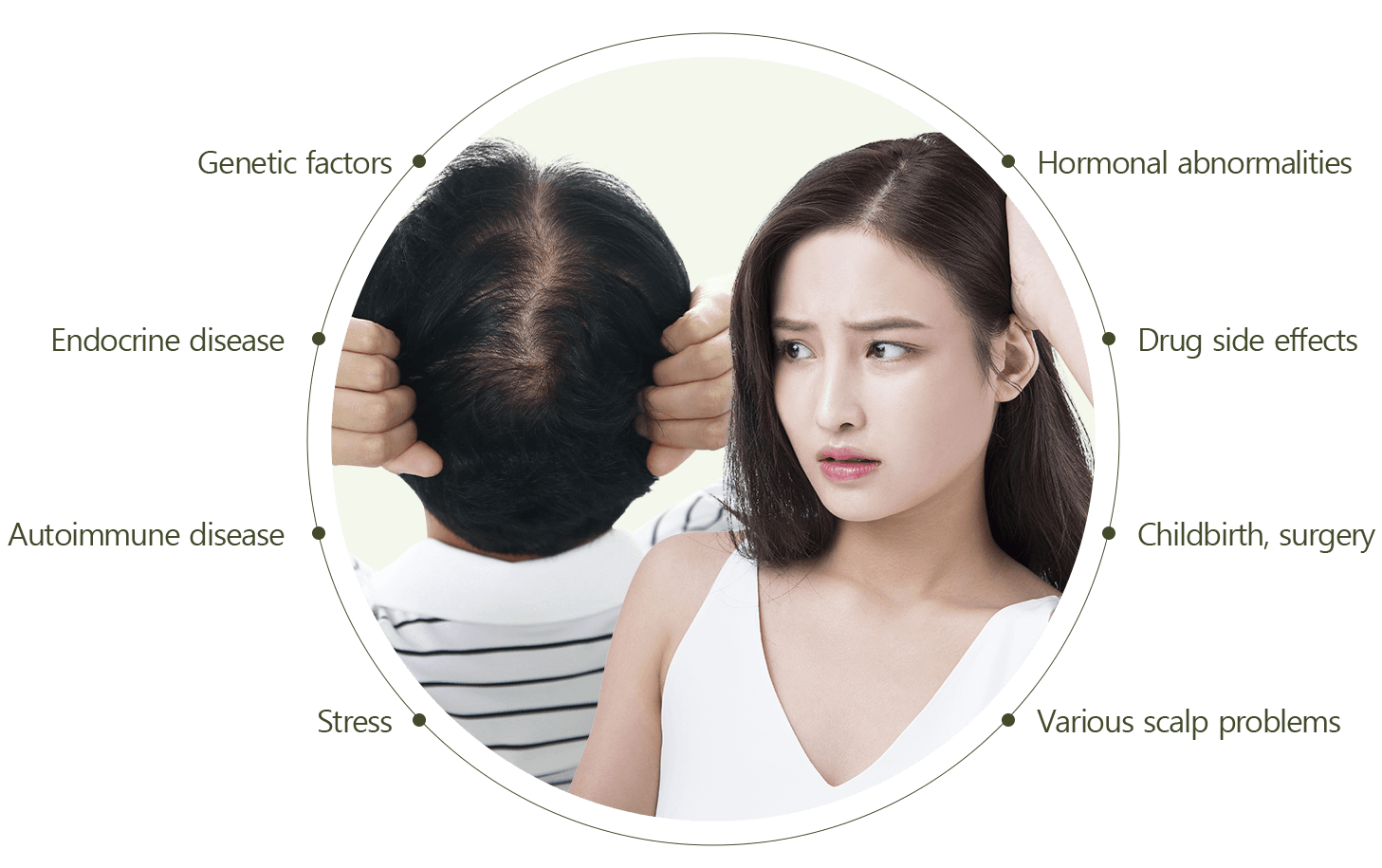
Eine zurückweichende Haarlinie bei Frauen entsteht meist durch das Zusammenwirken mehrerer Faktoren. Hormonelle Schwankungen – etwa im Zusammenhang mit der Menopause oder dem polyzystischen Ovarialsyndrom (PCOS) – können die Haarwachstumszyklen stören. Auch genetische Veranlagung spielt eine wichtige Rolle. Hinzu kommen mögliche Grunderkrankungen wie Schilddrüsenstörungen, Anämie oder Autoimmunerkrankungen. Selbst Lebensstilfaktoren wie starker Gewichtsverlust können Zustände wie ein telogenes Effluvium begünstigen.
Die richtige Einordnung der Ursache ist entscheidend. Mechanische Belastung führt zu Traktionsalopezie und wird anders behandelt als genetisch oder autoimmun bedingte Formen wie FPHL oder FFA. Eine fachärztliche Beurteilung hilft dabei, die Ursache präzise zu bestimmen und Fehldiagnosen sowie unwirksame oder sogar schädliche Behandlungen zu vermeiden.
Überblick über Ursachen und Behandlungsoptionen
| Ursache | Wichtige Merkmale | Primäre nicht-chirurgische Behandlung | Primäre chirurgische Behandlung |
|---|---|---|---|
| Weiblicher anlagebedingter Haarausfall (FPHL) | Genetisch bedingt, diffuse Ausdünnung am Scheitel/Oberkopf, mit möglicher Beteiligung der Haarlinie | Minoxidil, Spironolacton, PRP-Therapie | Haartransplantation (FUE, FUT, DHI) |
| Frontal fibrosierende Alopezie (FFA) | Vernarbend, bandförmiger frontaler Haarverlust, fortschreitend, kann auch die Augenbrauen betreffen | Steroide, Antimalariamittel, entzündungshemmende Medikamente | Haartransplantation (bei stabilisiertem Verlauf) |
| Traktionsalopezie | Mechanisch bedingt, straffe Frisuren, Rückgang vor allem an den Schläfen | Verzicht auf straffe Frisuren, Minoxidil | Haartransplantation (bei dauerhaftem Schaden) |
| Telogenes Effluvium | Vorübergehender Haarausfall, ausgelöst durch Stress oder Erkrankung, Haarlinie kann mitbetroffen sein | Behandlung der zugrunde liegenden Ursache (Stress, Ernährung) | In der Regel nicht empfohlen |
Verfahren zur Haarlinienkorrektur im Überblick
Nicht-chirurgische und lebensstilbezogene Ansätze
Viele Betroffene beginnen mit nicht-chirurgischen Behandlungen. Minoxidil ist ein topisches, von der FDA zugelassenes Medikament, das die Durchblutung der Kopfhaut fördern und das Haarwachstum anregen kann. Spironolacton kann insbesondere in Fällen hilfreich sein, die mit erhöhten Androgenspiegeln zusammenhängen. Beide Therapien erfordern eine konsequente und langfristige Anwendung.
Zu den weiterführenden Behandlungen gehört die PRP-Therapie (Platelet-Rich Plasma), bei der körpereigene Blutplättchen aufbereitet und in die Kopfhaut injiziert werden, um die Haarfollikel zu stimulieren. LLLT-Geräte (Low-Level Laser Therapy) können zu Hause eingesetzt werden, um das Haarwachstum anzuregen und den Haarausfall zu verlangsamen, insbesondere in Kombination mit Medikamenten.
Auch der Lebensstil spielt eine wichtige Rolle. Das Vermeiden straffer Frisuren ist besonders bei Traktionsalopezie entscheidend. Eine ausgewogene Ernährung mit ausreichend Eisen, Zink und B-Vitaminen sowie ein gutes Stressmanagement unterstützen die Haargesundheit und können vor allem bei telogenem Effluvium hilfreich sein.
Chirurgische Verfahren zur Haarlinienkorrektur
Haartransplantation: Präzise Wiederherstellung
Die wichtigste dauerhafte chirurgische Lösung ist die Haartransplantation. Dabei werden gesunde Haarfollikel aus dichteren Arealen in den ausgedünnten Bereich der Haarlinie verpflanzt. Die wichtigsten Techniken sind:
- Follicular Unit Transplantation (FUT): Hierbei wird ein Streifen behaarter Kopfhaut entnommen und in einzelne follikuläre Einheiten zerlegt. Das Verfahren ist effizient bei einer hohen Zahl an Grafts, hinterlässt jedoch eine lineare, meist gut kaschierbare Narbe.
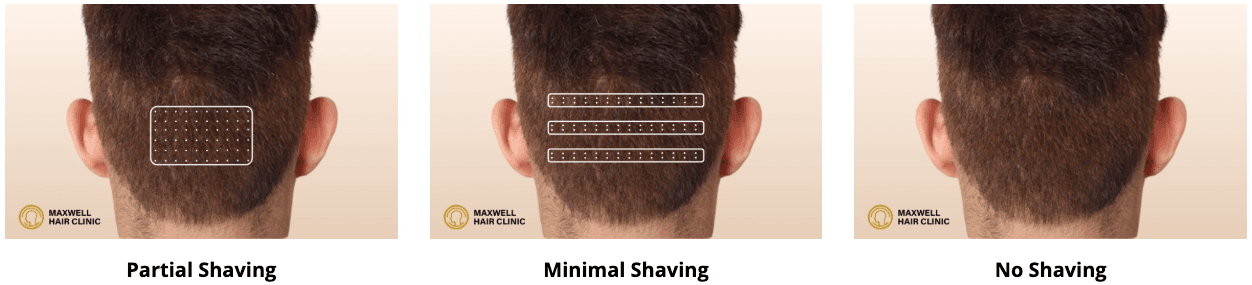
- Follicular Unit Extraction (FUE): Einzelne Follikel werden mit sehr feinen Hohlnadeln entnommen. Dadurch entstehen nur minimale punktförmige Narben, und die Erholungszeit ist meist kürzer. Direct Hair Implantation (DHI) ist eine Variante, die eine noch präzisere Platzierung ermöglicht.
Stirnverkleinerung: Sofort sichtbare Ergebnisse
Die Stirnverkleinerung (auch als Scalp Advancement oder Hairline Lowering bezeichnet) entfernt einen Hautstreifen der Stirn und zieht die behaarte Kopfhaut nach vorn. Dadurch kann die Haarlinie sofort abgesenkt werden – in manchen Fällen um bis zu 5,5 cm. Dieses Verfahren eignet sich am besten für Personen mit von Natur aus hoher Haarlinie, jedoch nicht für Menschen mit fortschreitendem Haarausfall.
Vergleich von Haartransplantation und Stirnverkleinerung
Die Wahl zwischen Haartransplantation und Stirnverkleinerung hängt von den individuellen Bedürfnissen und dem Muster des Haarausfalls ab. Eine Haartransplantation eignet sich besonders bei aktivem Haarausfall, während eine Stirnverkleinerung am besten für stabile, von Natur aus hohe Haarlinien bei guter Kopfhautelastizität geeignet ist. Manche Betroffene kombinieren auch beide Verfahren – zunächst eine Stirnverkleinerung und anschließend eine Transplantation zur weiteren Verdichtung. Die wichtigsten Unterschiede sind unten zusammengefasst:
| Merkmal | Haartransplantation | Stirnverkleinerung |
|---|---|---|
| Hauptzweck | Haarwiederherstellung oder Neuformung der Haarlinie | Verkleinerung der Stirn |
| Beste Kandidatin / bester Kandidat | Aktiver Haarausfall, ausreichendes Spenderhaar | Von Natur aus hohe Haarlinie, elastische Kopfhaut, kein fortschreitender Haarausfall |
| Erholungszeit | 2–3 Wochen bis zum sicheren Einheilen der Grafts; mehrere Monate bis zum Endergebnis | 2–3 Monate bis zur Abheilung der Inzision, bis zu 12 Monate bis zur Ausreifung der Narbe |
| Zeit bis zum Ergebnis | 9–18 Monate bis zum vollen Ergebnis | Sofort |
| Narbenbildung | Kleine punktförmige Narben (FUE) oder lineare Narbe (FUT) | Narbe entlang der Haarlinie, meist gut verborgen |
| Invasivität | Weniger invasiv, unter örtlicher Betäubung | Invasiver, meist unter Vollnarkose |
Beste Kliniken in Korea bei zurückweichender Haarlinie bei Frauen
Nachfolgend sind einige der führenden Kliniken in Korea für die Behandlung einer zurückweichenden Haarlinie bei Frauen aufgeführt:
| Klinikname | Wichtige Merkmale | Besondere Techniken |
|---|---|---|
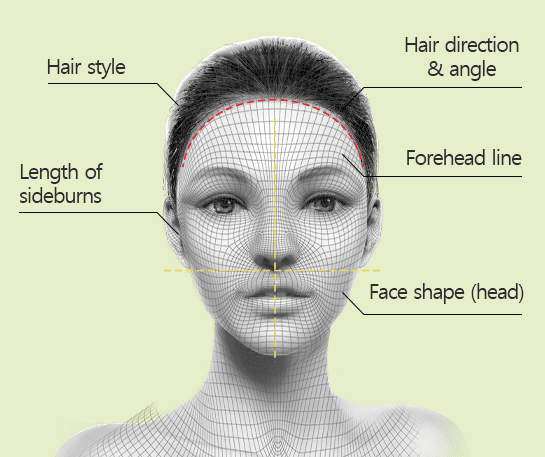
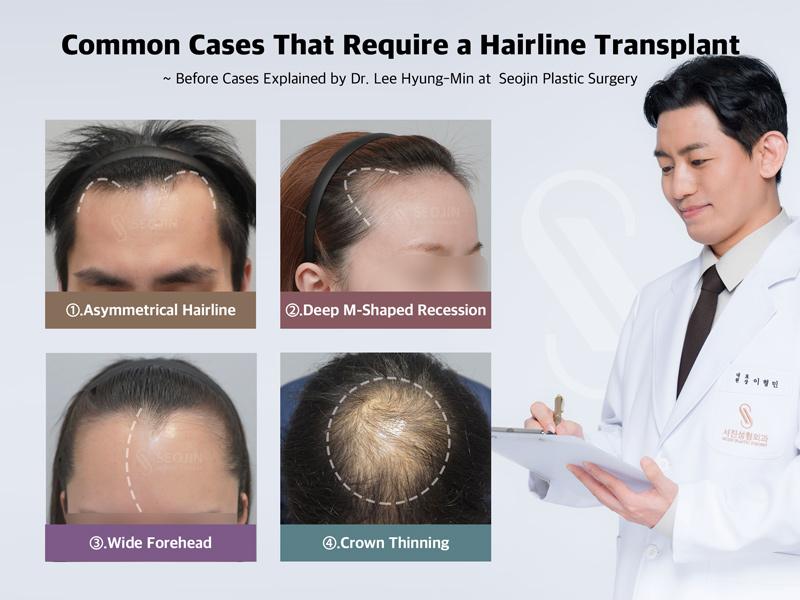
| Website der Seojin Plastic Surgery Clinic | Von Dr. Lee Hyungmin geführtes Ein-Arzt-System mit durchgängig stark personalisierter Betreuung; mehr als 16 Jahre Erfahrung und über 2.100 durchgeführte Haartransplantationen; 2025 auf Platz 1 der Kategorie Haartransplantation bei den KBS N Korea Broadcasting Brand Awards; breites Spektrum chirurgischer Optionen (Line Cut, No-Cut und kombinierte Inzision) sowie großvolumige Transplantationen von etwa 6.000 bis 10.000 Haaren mit kombinierten Inzisions- und Non-Inzisions-Methoden; natürlich wirkende Haarlinienabstufung durch gezielte Platzierung der Follikel in bestimmter Reihenfolge (fein, mittel, dann dick) und Symmetrieanpassung entsprechend den Gesichtsproportionen; Unterstützung der Graft-Überlebensrate durch einen gekühlten Follikel-Trennraum, PRP-gestützte Transplantation und verfeinerte Techniken zur Minimierung des „Popping-Phänomens“. | Line-Cut-, No-Cut- und kombinierte Inzisionsverfahren; großvolumige Transplantationen von etwa 6.000 bis 10.000 Haaren mit kombinierten Inzisions- und Non-Inzisions-Methoden; natürlich wirkende Haarlinienabstufung mit Follikelsequenz; individuelle Symmetrie nach Gesichtsproportionen; gekühlter Follikel-Trennraum; PRP-gestützte Transplantation; verfeinerte Techniken zur Minimierung des „Popping-Phänomens“. |
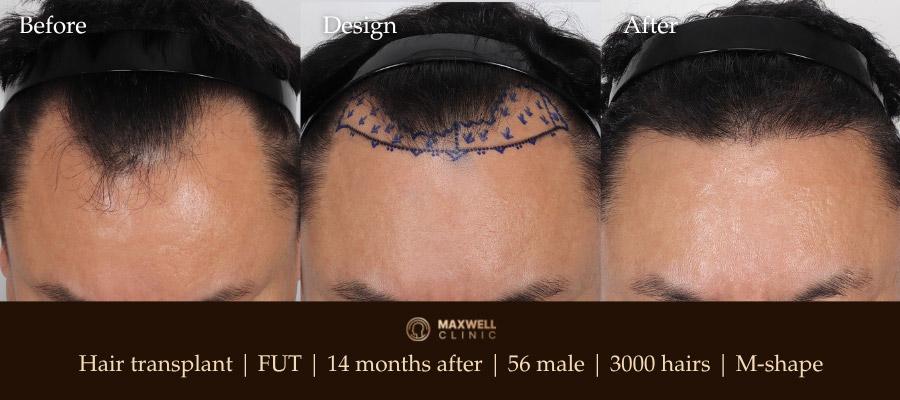
| Website der Maxwell Hair Clinic | Die Maxwell Hair Clinic gilt weithin als führende Adresse für die Behandlung einer zurückweichenden Haarlinie bei Frauen in Korea; sie verbindet erstklassige klinische Erfahrung mit einem designorientierten Ansatz, der Natürlichkeit, Gesichtsharmonie und langfristiges Wachstum in den Vordergrund stellt; der Natural Design Process nutzt ein zweistufiges System – zunächst eine präzise laserbasierte Kontur, anschließend eine sorgfältige manuelle Verfeinerung –, um eine Haarlinie zu schaffen, die auch aus der Nähe überzeugend natürlich wirkt; bei der Gradation Transplantation werden im vorderen Bereich feinere Haare und dahinter zunehmend kräftigere Grafts platziert, wodurch der weiche, realistische Dichteübergang natürlicher weiblicher Haarlinien nachgebildet wird; zusätzlich wird Facial Design Enhancement integriert, indem Haarlinie und Stirnverhältnis individuell angepasst werden, damit das Gesicht kleiner und ausgewogener wirkt; individuell abgestimmte Operationsmethode auf Basis einer umfassenden Diagnostik, einschließlich Elastizität der Kopfhaut, Dichte und Ausmaß des Haarausfalls, um den am besten geeigneten Ansatz (FUE, FUT oder eine Kombination) ohne unnötige Eingriffe zu wählen; Narben werden durch ultrafeine Stanzen (0,9–1,2 mm) und doppelte Nahttechnik minimiert; schnelle Erholung – oft Haarwäsche bereits am nächsten Tag und Rückkehr in den Alltag innerhalb von zwei Tagen; Wachstumsoptimierungsprotokolle einschließlich Anwendung von Wachstumsfaktoren und spezieller Magnetfeldtherapie; gestützt auf über 500.000 Behandlungsfälle und eine evidenzbasierte, datenorientierte Philosophie, die Follikelzellen als eigentlichen „Motor“ der Haarproduktion betrachtet; gegründet 2007 und geleitet vom renommierten Dr. Noh Yoon Woo. | Natural Design Process (zweistufig: Laserkontur, dann manuelle Verfeinerung); Gradation Transplantation (vorn feine Haare, dahinter kräftigere Grafts); Facial Design Enhancement (individuelle Anpassung des Verhältnisses von Haarlinie zu Stirn); umfassende Diagnostik für maßgeschneiderte FUE/FUT- oder Kombinationsverfahren; ultrafeine Stanzen (0,9–1,2 mm) mit doppelter Nahttechnik; schnelle Erholung (Haarwäsche am nächsten Tag, Rückkehr in den Alltag in zwei Tagen); Anwendung von Wachstumsfaktoren; Magnetfeldtherapie; über 500.000 Behandlungen seit 2007; geleitet von Dr. Noh Yoon Woo. |
| Website der SH Clinic | Die SH Clinic in Sinsa, Seoul, behandelt Haarausfall mit einem ungewöhnlich umfassenden, frauenzentrierten und regenerativen Ansatz unter einem Dach; spezialisiertes medizinisches Zentrum mit Fokus auf Stammzelltherapie und Gynäkologie; das SH Stem Cell Center bietet personalisierte Behandlungspläne und fortschrittliche regenerative Optionen, darunter eine Behandlung von Haarausfall mit autologen Stammzellen, die in die Kopfhaut injiziert werden, um ruhende Follikel zu aktivieren und neues Wachstum ohne chirurgische Grafts zu fördern, wodurch bestehendes Haar verdichtet und die langfristige Gesundheit der Kopfhaut unterstützt wird; die SH Gynecology Clinic deckt das gesamte Spektrum der Frauengesundheit ab, sodass Patientinnen Haarprobleme im Zusammenhang mit allgemeinen Gesundheitsfragen in einem medizinisch koordinierten Umfeld betrachten können; zusammen mit integrierter ästhetischer Dermatologie und moderner plastischer Chirurgie bietet die SH Clinic eine hohe diagnostische Breite und kontinuierliche Behandlung. | Stammzellbehandlung gegen Haarausfall mit autologen Stammzellen, die in die Kopfhaut injiziert werden, um ruhende Follikel zu aktivieren und neues Wachstum ohne chirurgische Grafts zu fördern; das SH Stem Cell Center bietet personalisierte Behandlungspläne und fortschrittliche regenerative Optionen; die SH Gynecology Clinic bietet das gesamte Spektrum der Frauengesundheit in einem medizinisch koordinierten Umfeld; Integration mit ästhetischer Dermatologie und moderner plastischer Chirurgie. |
Seojin Plastic Surgery Clinic
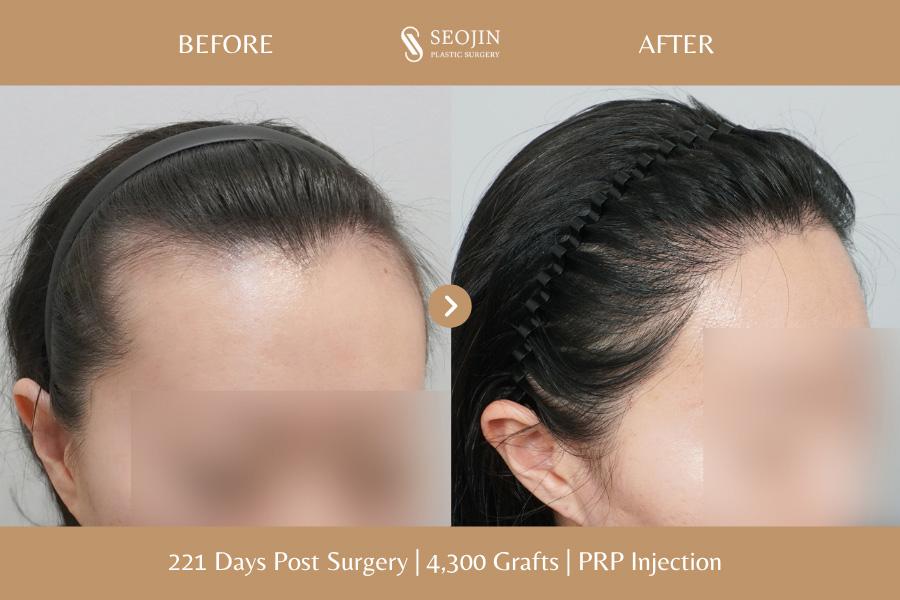
Die Seojin Plastic Surgery Clinic in Gangnam, Seoul, bietet gezielte Lösungen bei zurückweichender Haarlinie bei Frauen unter der Leitung von Dr. Lee Hyungmin in einem Ein-Arzt-System, das eine durchgehend hochgradig personalisierte Betreuung ermöglicht. Mit mehr als 16 Jahren Erfahrung und über 2.100 durchgeführten Haartransplantationen wurde Dr. Lee 2022 zudem als einer der Top 100 Good Doctors in Korea ausgezeichnet, was sowohl seine operative Kompetenz als auch seine konstant patientenorientierten Ergebnisse unterstreicht.
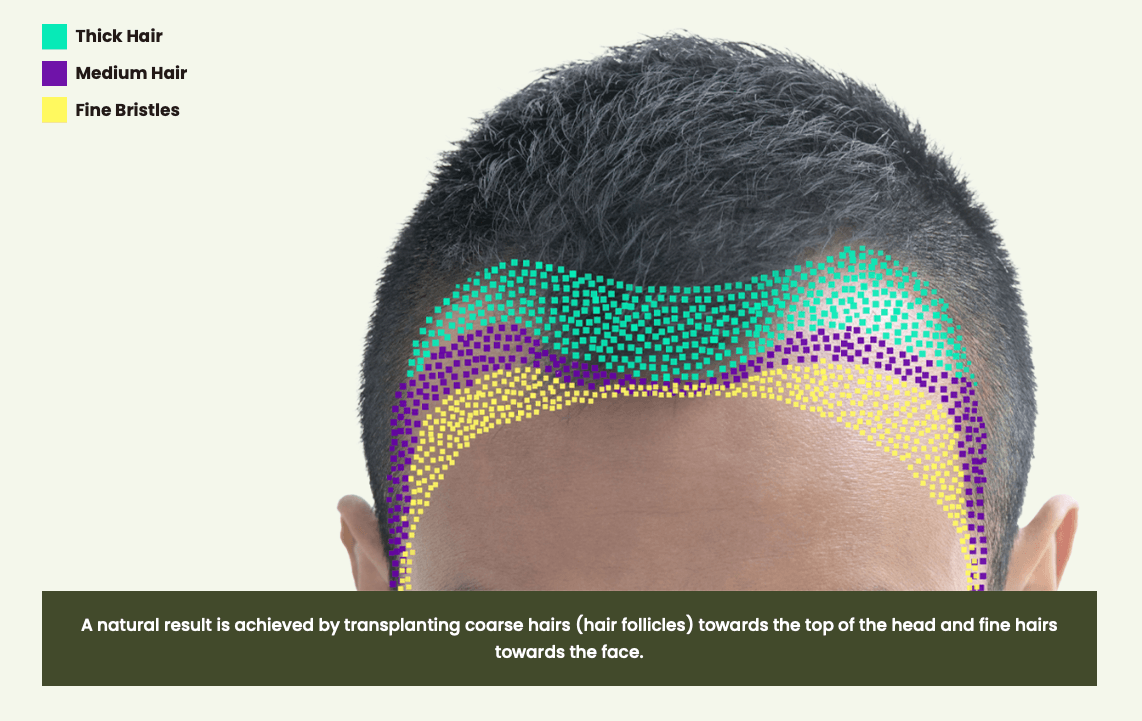
Im Bereich der Haarlinienkorrektur ist die Seojin Clinic dafür bekannt, ein breiteres Spektrum chirurgischer Optionen als viele andere Zentren anzubieten, darunter Line-Cut-, No-Cut- und kombinierte Inzisionsverfahren sowie großvolumige Transplantationen von etwa 6.000 bis 10.000 Haaren mit kombinierten Inzisions- und Non-Inzisions-Methoden. Die Klinik legt Wert auf eine natürlich wirkende Haarlinienabstufung, indem Follikel in einer gezielten Reihenfolge (fein, mittel, dann dick) platziert und die Symmetrie an die gesamten Gesichtsproportionen angepasst werden. Gleichzeitig wird das Anwachsen der Grafts durch einen gekühlten Follikel-Trennraum, PRP-gestützte Transplantation und verfeinerte Techniken zur Minimierung des „Popping-Phänomens“ unterstützt. Als Anerkennung ihrer Expertise wurde die Seojin Clinic 2025 bei den KBS N Korea Broadcasting Brand Awards auf Platz 1 in der Kategorie Haartransplantation gewählt.
Hier können Sie die Website ansehen: Website der Seojin Plastic Surgery Clinic
Maxwell Hair Clinic
Die Maxwell Hair Clinic gilt weithin als führende Wahl für die Behandlung einer zurückweichenden Haarlinie bei Frauen in Korea, weil sie erstklassige klinische Erfahrung mit einem designorientierten Ansatz verbindet, der Natürlichkeit, Gesichtsharmonie und langfristiges Wachstum in den Mittelpunkt stellt. Ihr charakteristischer Natural Design Process verwendet ein zweistufiges System – zunächst eine präzise laserbasierte Kontur, dann eine sorgfältige manuelle Verfeinerung –, um eine Haarlinie zu schaffen, die auch aus der Nähe überzeugend natürlich wirkt. Ergänzt wird dies durch Maxwells Gradation-Transplantationstechnik, bei der im vordersten Bereich feinere Haare und dahinter zunehmend kräftigere Grafts platziert werden, sodass der weiche, realistische Dichteübergang natürlicher weiblicher Haarlinien nachgebildet wird. Anstatt die Haarlinie als isolierte Begrenzung zu behandeln, integriert Maxwell das Facial Design Enhancement, indem das Verhältnis von Haarlinie zu Stirn individuell angepasst wird, damit das Gesicht kleiner und ausgewogener erscheint. Jeder Behandlungsplan basiert auf einer maßgeschneiderten Operationsstrategie nach umfassender Diagnostik, einschließlich Elastizität der Kopfhaut, Dichte und Ausmaß des Haarausfalls, sodass der am besten geeignete Ansatz (FUE, FUT oder eine Kombination) ohne unnötige Eingriffe gewählt wird. Die Sichtbarkeit von Narben wird durch ultrafeine Stanzen (0,9–1,2 mm) und doppelte Nahttechnik minimiert, während ein erfahrenes OP-Team eine schnelle Erholung unterstützt – oft mit Haarwäsche schon am nächsten Tag und Rückkehr in den Alltag innerhalb von zwei Tagen – bei zugleich konstant hoher Graft-Überlebensrate. Die Ergebnisse nach der Transplantation werden zusätzlich durch Wachstumsoptimierungsprotokolle unterstützt, darunter die Anwendung von Wachstumsfaktoren und spezielle Magnetfeldtherapie. Gestützt auf über 500.000 Behandlungsfälle und eine evidenzbasierte, datenorientierte Philosophie, die Follikelzellen als den eigentlichen „Motor“ der Haarproduktion betrachtet, bietet Maxwell – gegründet 2007 und geleitet vom hoch angesehenen Dr. Noh Yoon Woo – die seltene Kombination aus ästhetischer Präzision, chirurgischer Verlässlichkeit und kontinuierlicher Nachsorge, die Frauen mit zurückweichender Haarlinie für natürliche und dauerhafte Ergebnisse benötigen.
Hier können Sie die Website ansehen: Website der Maxwell Hair Clinic
SH Clinic
Die SH Clinic in Sinsa, Seoul, ist eine herausragende Wahl bei zurückweichender Haarlinie bei Frauen in Korea, weil sie Haarausfall mit einem außergewöhnlich umfassenden, frauenzentrierten und regenerativen Ansatz unter einem Dach behandelt. Als spezialisiertes medizinisches Zentrum mit Schwerpunkt auf Stammzelltherapie und Gynäkologie ist die SH Clinic darauf ausgerichtet, die tatsächlichen Hintergründe von Veränderungen der Haarlinie bei Frauen zu berücksichtigen – etwa hormonelle Umstellungen, reproduktive Gesundheit, Stress und Alterungsprozesse –, statt eine pauschale kosmetische Lösung anzubieten. Über das SH Stem Cell Center können Patientinnen personalisierte Behandlungspläne und fortschrittliche regenerative Optionen erhalten, darunter eine Stammzellbehandlung gegen Haarausfall, bei der autologe Stammzellen in die Kopfhaut injiziert werden, um ruhende Follikel zu aktivieren und neues Wachstum ohne chirurgische Grafts zu fördern. So kann bestehendes Haar verdichtet und gleichzeitig die langfristige Gesundheit der Kopfhaut unterstützt werden. Gleichzeitig bietet die SH Gynecology Clinic das gesamte Spektrum der Frauengesundheit, sodass Patientinnen Haarprobleme zusammen mit weitergehenden gesundheitlichen Anliegen in einem medizinisch koordinierten Umfeld betrachten können. In Kombination mit integrierter ästhetischer Dermatologie und moderner plastischer Chirurgie bietet die SH Clinic eine hohe diagnostische Bandbreite und Behandlungskontinuität – und ist damit eine ideale Klinik für Frauen, die bei zurückweichender Haarlinie eine anspruchsvolle und personalisierte Betreuung suchen.
Hier können Sie die Website ansehen: Website der SH Clinic
Medizintourismus in Südkorea
Warum Südkorea in der Haarwiederherstellung führend ist
Südkorea hat sich zu einem weltweiten Vorreiter in der Haarlinienkorrektur und Haartransplantation entwickelt. Das Land bietet innovative Technologien, hochqualifizierte Chirurginnen und Chirurgen sowie einen ästhetisch anspruchsvollen Ansatz für natürlich wirkende Ergebnisse in der Haarwiederherstellung. Kliniken erzielen routinemäßig Haarlinien mit hoher Dichte, weichem Verlauf und nahtloser Integration.
Internationale Patientinnen und Patienten profitieren von umfassender Unterstützung, darunter englischsprachiges Personal, Dolmetschdienste, Flughafentransfers und Hilfe bei der Unterkunft, was den gesamten Ablauf reibungslos und stressarm gestaltet.
Der Behandlungsablauf Schritt für Schritt
- Erstkonsultation aus der Ferne: Interessierte Patientinnen und Patienten senden Fotos und medizinische Informationen zur Beurteilung ein und erhalten einen vorläufigen Behandlungsplan sowie eine Kostenschätzung.
- Planung der Reise: Nach der Terminbestätigung durch eine Anzahlung organisieren Patientinnen und Patienten ihre Flüge nach Seoul (ICN) und buchen eine Unterkunft – oft mit Unterstützung der Klinik und Transferhilfe.
- Persönliche Beratung & Vorbereitung: Nach der Ankunft führt die Chirurgin oder der Chirurg eine ausführliche Diagnose und Haarliniendesign-Planung durch, häufig unter Einsatz von Hilfsmitteln wie 3D-Scanning, und gibt präoperative Anweisungen.
- Operationstag: Nach endgültiger Zahlung und abschließender Besprechung wird die Anästhesie eingeleitet, und der Eingriff findet über mehrere Stunden statt, gefolgt von einer Überwachung in der Erholungsphase.
- Postoperative Betreuung & Nachsorge: Am nächsten Tag erfolgen Kontrolle und Pflegeanweisungen. Die weitere Betreuung kann auch virtuell fortgesetzt werden, selbst nach der Rückkehr nach Hause.
Finanzielle Einblicke zur Haarlinienkorrektur
Transparente Kosten in Südkorea
Die Preise in Südkorea hängen vom gewählten Verfahren, der Technik und dem Ruf der Klinik ab. Eine Stirnverkleinerung kostet in der Regel 2.500–7.000 USD. Haartransplantationen bewegen sich in einer breiten Spanne von 2.400 bis 13.800 USD, abhängig von der Anzahl der Grafts und der angewandten Technik, wobei FUE häufig günstiger ist als DHI. Viele Kliniken bieten Komplettpakete an, die Beratung, Operation, Nachsorge sowie Transport und Logistik umfassen. Eine nicht erstattungsfähige Anzahlung von etwa 10 % ist jedoch üblich.
Kostenvergleich: Südkorea und andere Länder
Im internationalen Vergleich kostet eine Haartransplantation in Südkorea etwa 3.900–11.200 USD und damit weniger als in den USA mit 6.370–15.000 USD, aber mehr als im Durchschnitt in der Türkei mit 1.500–4.500 USD. Südkorea konkurriert jedoch nicht allein über den Preis – der Mehrwert liegt in Hightech, ästhetischer Präzision und personalisierter Betreuung. Dadurch wird das Land zu einer attraktiven Option für hochwertige Ergebnisse zu vergleichsweise moderaten Kosten.
| Land | Kostenbereich Haartransplantation (USD) | Wertversprechen |
|---|---|---|
| Vereinigte Staaten | $6,370 – $15,000 | Behandlung im Inland, erfahrene Anbieter, hohe Lebenshaltungskosten |
| Südkorea | $3,900 – $11,200 | Vergleichsweise bezahlbar, fortschrittliche Technik, ästhetisch starke Ergebnisse |
| Türkei | $1,500 – $4,500 | Niedrige Kosten, hohes Behandlungsvolumen, umfassende Pakete |
| Mexiko | $1,500 – $4,000 | Günstige Preise, geografische Nähe für US-Patienten |
| Vereinigtes Königreich | $3,700 – $12,300 | Hochwertige Versorgung, erfahrene Behandelnde |
| Deutschland | $6,000 – $15,000 | Hohe Standards, überdurchschnittliche Ergebnisse |
Erfahrungen aus der Praxis und Ergebnisse
Einblick in Patientinnengeschichten
Viele Frauen berichten, dass eine Haarlinienkorrektur ihr Selbstbewusstsein deutlich stärken kann. Häufig hervorgehoben werden das natürliche Erscheinungsbild der neuen Haarlinie und die gewonnene Freiheit, Frisuren wieder unbeschwerter tragen zu können. Vorher-Nachher-Bilder zeigen oft eine nahezu nahtlose Verschmelzung von transplantiertem und vorhandenem Haar.
Erwartungen realistisch steuern
Patientinnen und Patienten sollten sich auf einen Prozess einstellen, nicht auf eine Sofortlösung. Nach Haartransplantationen kommt es zunächst häufig zu einer Phase, in der die transplantierten Haare ausfallen, bevor nach einigen Monaten neues Wachstum sichtbar wird. Das Endergebnis zeigt sich meist nach 9–12 Monaten oder später. In manchen Fällen sind zusätzliche Sitzungen zur Verdichtung erforderlich – als Teil eines langfristigen Wiederherstellungsplans.
Der Wert von Communitys mit ähnlichen Erfahrungen
Online-Foren wie Reddit bieten ehrliche Erfahrungsberichte, praktische Tipps und emotionale Unterstützung von anderen Betroffenen. Diese Plattformen können eine wertvolle Ergänzung sein, sollten die professionelle medizinische Beratung jedoch nicht ersetzen, da persönliche Erfahrungsberichte nicht immer den besten medizinischen Standards entsprechen.
Fazit
Die Wiederherstellung der Haarlinie bei Frauen setzt voraus, die individuelle Ursache des Haarausfalls zu verstehen, eine fachkundige Diagnose zu erhalten und die passende Behandlung zu wählen. Chirurgische Optionen erfordern eine sorgfältige klinische Beurteilung, und Südkoreas Ansatz verbindet fortschrittliche ästhetische Präzision mit verlässlicher medizinischer Versorgung. Patientinnen-Communitys können wertvolle Unterstützung bieten, sind jedoch kein Ersatz für qualifizierten ärztlichen Rat. Mit Geduld, sorgfältiger Vorbereitung und verlässlichen Informationen können Frauen eine natürliche und langfristige Wiederherstellung ihrer Haarlinie erreichen.
Quellen
1, 2, 3, 4, 5, 6, 7, 8, 9, 10, 11, 12, 13, 14, 15, 16, 17, 18, 19, 20, 21, 22, 23, 24, 25, 26, 27, 28, 29, 30, 31, 32, 33, 34
Häufig gestellte Fragen
Verwandte Blogbeiträge
PRP Hair Treatment Abroad: The True Cost of Hair Restoration in Korea vs. Global Alternatives
Discover the affordability and effectiveness of PRP hair loss treatments in Korea, a popular destination for advanced medical procedures. Learn about the costs, benefits, and what to expect from your treatment journey.
Aktualisiert: Oct 21, 2026
Korea's Advantage in Scalp Tissue Expansion: A Comprehensive Cost Comparison with USA, UK, and More
Discover the latest insights on the cost of scalp tissue expansion procedures in Korea, exploring factors that influence pricing and the advantages of seeking treatment in this medical hub. Learn how Korea's advanced technology and skilled professionals are making this procedure more accessible than ever.
Aktualisiert: Oct 20, 2026

Hair Loss Treatment Costs: Korea vs. USA, Mexico, Turkey & Thailand—Where's the Best Value?
Discover the latest trends and costs of hair loss treatments in Korea, a global hub for cutting-edge medical advancements. Explore how competitive pricing and innovative procedures make Korea a preferred destination for those seeking effective solutions for hair restoration.
Aktualisiert: Oct 20, 2026
Warum Sie sich für eine Haarlinienkorrektur in Korea entscheiden sollten: ein Kostenvergleich mit den USA, Mexiko, der Türkei und anderen Ländern
Erfahren Sie alles Wissenswerte über Haaransatzkorrekturen in Korea, die für ihre erschwinglichen Preise und fortschrittlichen Techniken bekannt sind. Informieren Sie sich darüber, welche Faktoren die Kosten beeinflussen und was Sie von dieser beliebten ästhetischen Behandlung erwarten können.
Aktualisiert: Oct 20, 2026
Kliniken für Hairline Correction
SH Clinic: Comprehensive Women's, Men's & Couples' Health Services in Korea
Sinsa
Seojin Plastic Surgery Clinic Korea: Pioneering Advanced Cosmetic Procedures for Personalized Aesthetic Transformation
Apgujeong
Maxwell Hair Clinic: Korea's Premier Destination for Advanced Hair Restoration and Transplant Services
Gangnam Station

Okay Plastic Surgery Clinic in Korea: Comprehensive Aesthetic Procedures with Sincerity and Care
Cheongdam