Medical Tourism Blog
Under Eye Bags Solutions: Eyelid Filler Procedures in Korea for a Youthful Appearance
Table of contents
- Eyelid Filler Procedures
- Best Clinics in Korea for Under Eye Bags
- The Eyelid Filler Process in South Korea for Medical Tourists
- Costs and Medical Tourism Perspective
- Patient Experiences and Outcomes
- Conclusion
- References
Considering treatment in Korea? Everything you need to know e.g. — how to avoid scams, visas, interpreters, recovery tips — in our Medical Tourism Master Guide. Plan with confidence in minutes, not weeks!
If you’re considering options for treating "under eye bags," especially with a procedure like "Eyelid Filler," this guide aims to make things clearer. Under eye bags—often seen as puffiness or bulges beneath the eyes—can make you look tired or older than you feel. While a range of factors contribute to their appearance, eyelid fillers offer a non-surgical way to address certain types, particularly those related to volume loss and hollowing. Below, you'll find a breakdown of what under eye bags are, how eyelid fillers work, the advantages of South Korea as a destination for these treatments, price considerations, and real patient experiences.
Grasping what under eye bags are and the reasons behind their development is the first step toward finding the right solution.
Definition and Common Pseudonyms
Under eye bags are characterized by mild swelling or puffiness beneath the eyes, most often caused by age-related tissue changes or fluid accumulation. As time goes on, the tissues and muscles supporting the eyelids weaken, and fat moves downward, creating the classic puffy look. Dark circles, loose or saggy skin, and mild swelling are all part of the picture.
You'll hear these called "periorbital puffiness," "puffy eyes," "swelling around the eyes," or just "eye bags." There’s a difference between day-to-day puffiness (which might show up after salty food or little sleep) and the more lasting, age-related bulging of the fat pad beneath the lower eyelid (suborbicularis oculi fat). "Tear trough deformity" describes a sunken look near the inner corner of the lower eyelid, and is a frequent focus for filler treatments.
Understanding these terms can make consultations with professionals much more productive, as different causes require different treatments: fillers excel at treating hollows and volume loss, but not all issues benefit from them—some may require surgery or addressing fluid retention.
Table 1: Common Pseudonyms for "Under Eye Bags"
| Term | Description |
|---|---|
| Periorbital Puffiness | General swelling in the tissues around the eyes. |
| Puffy Eyes | Another term for periorbital puffiness. |
| Swelling Around the Eyes | Describes fluid buildup in the orbital area. |
| Eye Bags | Everyday term for minor under-eye puffiness; can be caused by fluid, fat, or age changes. |
| Tear Trough Deformity | A hollow under the inner lower eyelid, often improved with fillers. |
Causes of Under Eye Bags
Under eye bags can show up for a variety of reasons:
- Aging: Skin thins and muscles weaken with age, letting fat pads move into the lower eyelids and creating puffiness. This is often permanent and increasingly obvious over the years.
- Fluid Retention: This can happen after salty meals, lack of sleep, pregnancy, or hormonal changes. Fluid shifts are often more noticeable right after you wake up.
- Lifestyle Habits: Poor sleep, a sodium-heavy diet, alcohol/tobacco use, crying, long hours staring at screens, and dehydration can all contribute to swelling or make dark circles more visible.
- Genetics: If your family members have under eye bags, you may be more likely to have them, too.
- Allergies: Allergic reactions can cause swelling and fluid buildup under the eyes.
- Medical Conditions: Rare but important considerations include thyroid problems, infections, connective tissue diseases, skin disorders, kidney disease, and other less common causes.
If you notice new or worsening under-eye bags alongside vision changes, pain, rashes, or headaches, it’s smart to get checked by a doctor. A specialist, such as an ophthalmologist, plastic surgeon, or oculoplastic surgeon, can pinpoint the cause and appropriate treatment.
Eyelid Filler Procedures
Eyelid filler procedures use dermal fillers to restore volume and soften undesired under-eye features. Here's how they work, which fillers are used, and who’s best suited for the treatment.
Mechanism of Action and Types of Fillers
Eyelid fillers restore lost volume beneath the eyes, smoothing the transition between the lower eyelid and cheek and reducing shadows or hollows. The go-to option is hyaluronic acid (HA) fillers, which are highly compatible with the body and known for attracting moisture and supporting skin elasticity and collagen repair. When injected, these fillers not only plump up the skin but can also trigger the body's own collagen production over time. They are reversible with hyaluronidase, if adjustments are needed. Popular brands in Korea and worldwide include Restylane and Juvederm.
For patients desiring a longer-lasting option—or who want to avoid synthetic products—fat injection (lipofilling) is sometimes used. The patient’s own fat is transferred from another body area and injected under the eyes, eliminating the risk of allergic reaction. Roughly 80% of the fat is permanent after the initial healing phase.
It’s worth noting that botulinum toxin (Botox) is not the same as dermal fillers: while fillers add volume, Botox relaxes wrinkles caused by muscle contractions.
Specific Applications for Under Eye Bags
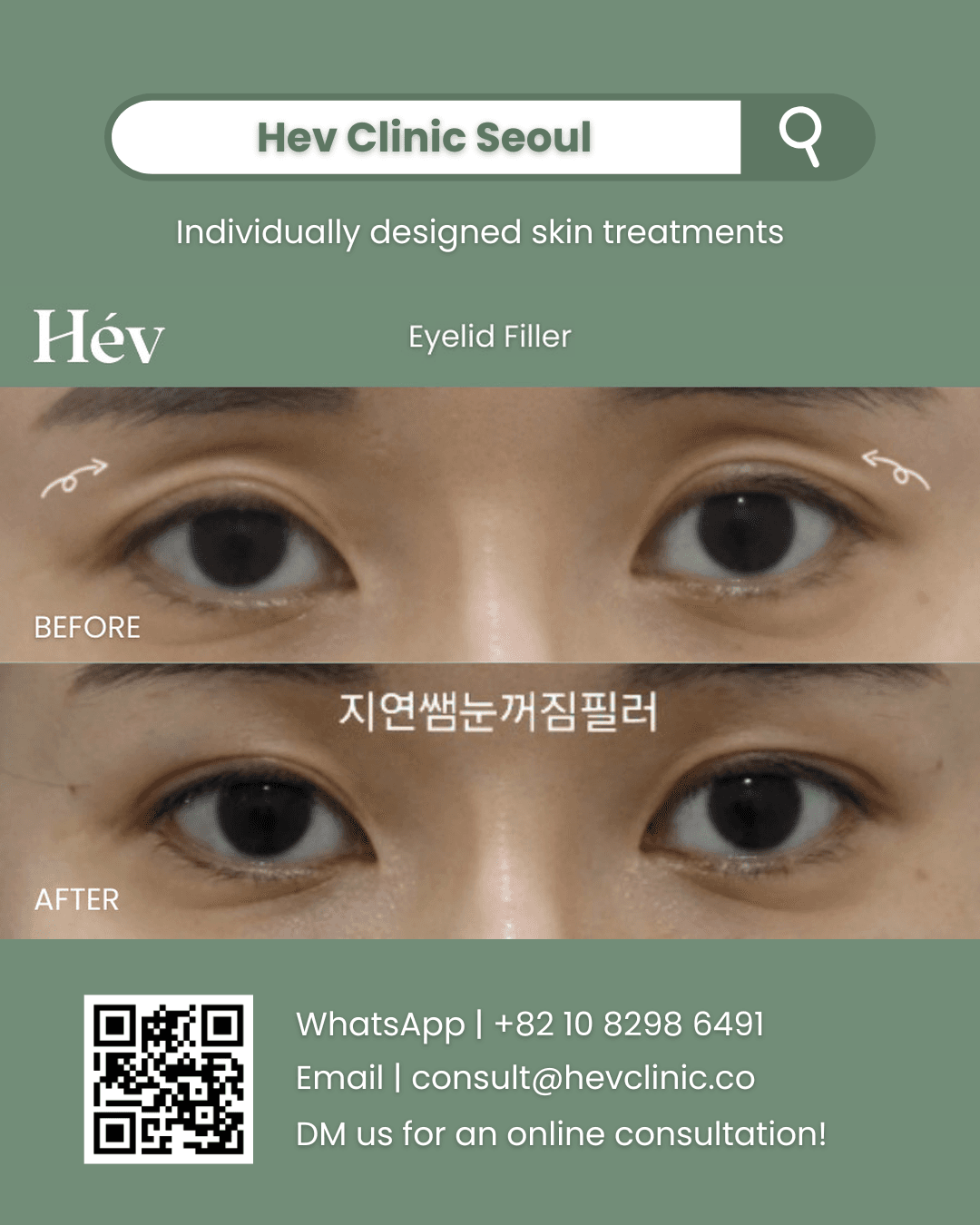
Eyelid fillers help with:
- Tear Trough Fillers: Target the hollow groove between the lower eyelid and cheek for a smoother, less shadowed look and reduction of dark circles.
- Pretarsal Fullness (Aegyo-sal): In Korean aesthetics, a small roll of fullness just above the lash line is perceived as youthful. Fillers can create or enhance this look.
- Supraorbital Hollowness: Fillers can also help fill in any hollows above the orbital rim, improving the appearance of tired, deep-set eyes.
Suitability and Contraindications
Most healthy people with realistic expectations about non-permanent results are good candidates. However, individuals with very thin skin, excessive laxity, deep tear troughs, or significant fat pads may need different approaches—sometimes surgery is a better choice. Active skin or eye infections are a no-go for fillers.
Precision and a deep understanding of facial anatomy are critical, as the eye area is delicate—mistakes or overfilling can lead to lumps, asymmetry, the Tyndall effect (blue-grey discoloration from superficial injection), or even rare but serious complications like vascular occlusion. Qualified, experienced providers know how to minimize these risks—including using blunt-tipped cannulas rather than sharp needles for safety.
Best Clinics in Korea for Under Eye Bags
Listed below are the best clinics in Korea for under eye bags:
| Clinic Name | Key Features | Special Techniques |
|---|---|---|
| id Hospital Korea | - Facial treatment focus: Dedicated expertise in facial procedures, an important advantage when addressing delicate under-eye concerns. - Customized plastic surgery: Tailored evaluation and treatment planning to match each patient’s anatomy, under-eye bag type, and aesthetic goals. - Patient safety-oriented care: A safety-first treatment philosophy designed to prioritize patient wellbeing throughout consultation, procedure, and recovery. - Systematic post-care: Structured aftercare protocols that help optimize healing, comfort, and final results. - Comprehensive scope of treatment: Broad capabilities including eye plastic surgery, lifting, skin clinic treatments, and petit plastic surgery, allowing coordinated solutions for under-eye bags and overall facial balance. - Full-service surgical expertise: Advanced surgical options alongside related specialties, including orthognathic surgery, facial contouring, nose plastic surgery, breast surgery, and dentistry, supporting integrated planning when needed. | - Customized treatment design for under-eye concerns - Safety-first surgical standards - Systematic post-care program that supports smoother recovery and long-term satisfaction - Comprehensive scope of treatment enabling coordinated solutions for under-eye bags and overall facial balance - Integrated planning when needed |
| BLS Main Branch | - Precision lifting options designed for delicate areas: Premium Detail Lifting includes Detail InMode (radiofrequency tightening and contour refinement with precise delivery), Detail Thermage (monopolar radiofrequency to support collagen remodeling and firming across broader zones), and Detail Ultherapy PRIME (focused ultrasound lifting with detailed mapping for targeted depths and contours). - Diagnostic-driven treatment planning: Lifting contour measuring device analysis and skin measurement device analysis help identify the main contributors to under eye bag appearance and guide a more accurate, customized plan. - 1:1 tailored care for safer, better-balanced outcomes: A medical professional conducts a 1:1 consultation to align your concerns with facial structure and measurable skin condition, then selects the most appropriate device strategy and treatment sequence. - Volume correction when appropriate: Restylane hyaluronic acid fillers are available to refine facial balance and address contour transitions, using verified products and dosing tailored to individual anatomy and goals. - Skin-finishing support to enhance overall results: The 1:1 tailored premium ampoule program is selected to match your skin condition and incorporated to support hydration, soothing, and a smoother finish after procedures. - Event facial program for texture and hydration support: OxyGeneo (with ultrasound + massage) combines exfoliation-style oxygenation, ultrasound-based absorption, and massage to refresh skin texture and support a more hydrated look. - Comfort and pain management options for sensitive under-eye procedures: The clinic offers topical numbing ointment, vibration pain reduction, conscious sedation, and general anesthesia options, supported by patient comfort protocols and emergency preparedness for monitored care. | - Device options: InMode, Thermage, Ultherapy PRIME (plus details listed above) - Diagnostic-driven planning tools: Lifting contour measuring device analysis and skin measurement device analysis - 1:1 consultation with medical professional to tailor plan - Restylane fillers for contour refinement with patient-tailored dosing - Premium ampoule program for skin condition tailoring - OxyGeneo program for texture and hydration - Comfort options: topical numbing ointment, vibration pain reduction, conscious sedation, general anesthesia; emergency preparedness for monitored care |
| Xenia Clinic Gangnam | - Hospitality-centered care inspired by “xenia,” designed to help patients feel genuinely looked after throughout their treatment journey - Multiple tightening and lifting options to support firmer-looking skin around the eyes and midface, including Ulthera, Thermage, Shurink Universe, Inmode, Oligio, LDM, and DIA Lifting - Under-eye focused volumizing choices for smoother, more rested-looking results, including Pretarsal Roll/Under Eye filler options, plus corrective Filler Dissolving Injection when refinement is needed - Skin-quality and hydration boosters that can improve the look of thin, tired under-eye skin, such as Rejuran, PDRN, Exosome, and Fillmed NCTF 135 delivered with options like the Hycoox Injector - Brightening and tone-evening lasers that can complement under-eye improvement when pigmentation contributes to a tired appearance, including Picosure Toning and Laser Toning - Comprehensive customization through combination planning (e.g., Tightening/Lifting Package and Skin Booster Package), allowing a layered approach rather than a one-size-fits-all solution | - Hospitality-centered care design to ensure patients feel genuinely looked after throughout treatment journey - Wide range of technology-driven options tailored to underlying causes of under-eye concerns (laxity, volume changes, skin texture) - Combination planning for layered approach (Tightening/Lifting Package + Skin Booster Package) - Emphasis on customization and hospitality-inspired care (xenia) |
id Hospital Korea
ID Hospital Korea is a specialized clinic focused on facial treatments, delivering safe and beautiful plastic surgery with a strong emphasis on individualized planning and natural-looking outcomes. For patients concerned about under eye bags, the clinic’s approach centers on customized treatment design, safety-first surgical standards, and a systematic post-care program that supports smoother recovery and long-term satisfaction.
- Facial treatment focus: Dedicated expertise in facial procedures, an important advantage when addressing delicate under-eye concerns.
- Customized plastic surgery: Tailored evaluation and treatment planning to match each patient’s anatomy, under-eye bag type, and aesthetic goals.
- Patient safety-oriented care: A safety-first treatment philosophy designed to prioritize patient wellbeing throughout consultation, procedure, and recovery.
- Systematic post-care: Structured aftercare protocols that help optimize healing, comfort, and final results.
- Comprehensive scope of treatment: Broad capabilities including eye plastic surgery, lifting, skin clinic treatments, and petit plastic surgery, allowing coordinated solutions for under-eye bags and overall facial balance.
- Full-service surgical expertise: Advanced surgical options alongside related specialties, including orthognathic surgery, facial contouring, nose plastic surgery, breast surgery, and dentistry, supporting integrated planning when needed.
Find more about this clinic here: id Hospital Korea Website
BLS Main Branch
BLS Clinic Main Branch (Cheongdam) is a patient-centered lifting and rejuvenation clinic known for pairing event programs and signature lifting treatments with detailed skin analysis and comfort-focused protocols. For under eye bags, where results depend on precise assessment of skin thickness, laxity, and contour, the clinic’s approach emphasizes data-guided planning and meticulous, detail-oriented energy delivery to refine the lower eye area while supporting natural-looking balance with the rest of the face.
- Precision lifting options designed for delicate areas: Premium Detail Lifting includes Detail InMode (radiofrequency tightening and contour refinement with precise delivery), Detail Thermage (monopolar radiofrequency to support collagen remodeling and firming across broader zones), and Detail Ultherapy PRIME (focused ultrasound lifting with detailed mapping for targeted depths and contours).
- Diagnostic-driven treatment planning: Lifting contour measuring device analysis and skin measurement device analysis help identify the main contributors to under eye bag appearance and guide a more accurate, customized plan.
- 1:1 tailored care for safer, better-balanced outcomes: A medical professional conducts a 1:1 consultation to align your concerns with facial structure and measurable skin condition, then selects the most appropriate device strategy and treatment sequence.
- Volume correction when appropriate: Restylane hyaluronic acid fillers are available to refine facial balance and address contour transitions, using verified products and dosing tailored to individual anatomy and goals.
- Skin-finishing support to enhance overall results: The 1:1 tailored premium ampoule program is selected to match your skin condition and incorporated to support hydration, soothing, and a smoother finish after procedures.
- Event facial program for texture and hydration support: OxyGeneo (with ultrasound + massage) combines exfoliation-style oxygenation, ultrasound-based absorption, and massage to refresh skin texture and support a more hydrated look.
- Comfort and pain management options for sensitive under-eye procedures: The clinic offers topical numbing ointment, vibration pain reduction, conscious sedation, and general anesthesia options, supported by patient comfort protocols and emergency preparedness for monitored care.
Find more about this clinic here: BLS Main Branch Website
Xenia Clinic Gangnam
Xenia Clinic Gangnam takes its name from the Greek word “xenia,” meaning hospitality, and that spirit defines the experience from consultation to aftercare. The clinic’s philosophy is that a medical space should feel like a place where guests are treated with the utmost care and consideration—especially important for under eye bags, where results must look natural and the skin is delicate. During your stay at Xenia Clinic in Gangnam, the team focuses on helping you sense not only external beauty but also internal beauty, pairing attentive guidance with a wide range of technology-driven options that can be tailored to the causes of under eye concerns, such as laxity, volume changes, and skin texture.
- Hospitality-centered care inspired by “xenia,” designed to help patients feel genuinely looked after throughout their treatment journey
- Multiple tightening and lifting options to support firmer-looking skin around the eyes and midface, including Ulthera, Thermage, Shurink Universe, Inmode, Oligio, LDM, and DIA Lifting
- Under-eye focused volumizing choices for smoother, more rested-looking results, including Pretarsal Roll/Under Eye filler options, plus corrective Filler Dissolving Injection when refinement is needed
- Skin-quality and hydration boosters that can improve the look of thin, tired under-eye skin, such as Rejuran, PDRN, Exosome, and Fillmed NCTF 135 delivered with options like the Hycoox Injector
- Brightening and tone-evening lasers that can complement under-eye improvement when pigmentation contributes to a tired appearance, including Picosure Toning and Laser Toning
- Comprehensive customization through combination planning (e.g., Tightening/Lifting Package and Skin Booster Package), allowing a layered approach rather than a one-size-fits-all solution
Find more about this clinic here: Xenia Clinic Gangnam Website
The Eyelid Filler Process in South Korea for Medical Tourists
South Korea stands out as a top spot for eyelid filler procedures, with advanced clinics, skilled practitioners, and appealing prices. For medical tourists, here’s what to expect:
Pre-Procedure Considerations
Your experience usually starts with a detailed consultation where your eye area, goals, and medical history are evaluated. The right type of filler and approach is chosen based on your unique anatomy and expectations—hyaluronic acid-based fillers are the norm.
Patients are asked to avoid any blood thinners (including aspirin, ibuprofen, and certain herbal supplements), topical retinoids, and alcohol before their appointment. If you have a history of cold sores, tell your doctor, as filler injections could potentially cause a recurrence. Fillers are not recommended for pregnant or breastfeeding people, or those with a history of allergies to filler ingredients. Arrive on the day of your appointment with a clean, makeup-free face and comfortable clothing.
Procedure Steps
Your provider will clean your skin and use a numbing cream or a local anesthetic for comfort. The injections themselves take just 10–30 minutes. Blunt-tipped cannulas are typically used for safety, as they’re much less likely than needles to cause bruising or damage delicate structures.
After injection, the area is gently massaged to shape and evenly distribute the filler.
Post-Procedure Care and Recovery
Immediately after, follow strict instructions: no touching, applying makeup, or exerting pressure on the treated area for at least six hours. Use ice packs gently to minimize swelling or bruising. Hydration is key—and for the first 48 hours, avoid alcohol, strenuous activity, excessive heat, or lying face-down. Bruising, swelling, and tenderness can happen, but usually resolve in days to weeks.
If you notice severe pain, spreading blotches, increased swelling, or signs of infection, contact your practitioner right away—these symptoms are rare but prompt attention is important.
Most patients can return to daily activities immediately, with final results improving as swelling subsides in the weeks after treatment. Results typically last 6 months to 2 years, depending on the product and your personal metabolism.
Qualifications of Practitioners in South Korea
South Korea’s cosmetic surgery sector is built on rigorous standards and lengthy training. Board-certified plastic surgeons complete hospital-based residencies and specialty exams, accumulating extensive patient experience and clinical proficiency. Oculoplastic surgeons—specialists in eye region aesthetics—undergo even more focused training, often including international certifications and fellowships.
Besides surgical specialists, many doctors, dentists, and nurses pursue further courses in aesthetic medicine (3- to 24-month programs), covering everything from anatomy to complex case management. This emphasis on continuous education and professional standards makes South Korea a global leader in safe, effective cosmetic procedures.
Costs and Medical Tourism Perspective
Cost of Eyelid Fillers in South Korea
Eyelid fillers in South Korea typically cost between $250 and $680 USD per session (about 300,000–800,000 KRW). Factors influencing the price include the practitioner’s experience, the filler brand, clinic location, and whether aftercare or consultations are bundled. Booking a procedure often requires placing a deposit, generally around 10% of the total cost.
Cost Comparison with Other Countries
- United States: $600–$1,500 USD
- United Kingdom: £350–£800+ (1ml about £390)
- Canada: IPL/related treatments $250–$1,800 CAD; procedures generally more than Korea, less than the US
- Thailand: Wide price variation ($50–$5,000 USD for related treatments)
- Australia: IPL $175–$1,800 AUD; other treatments like InMode Lifting are notably higher
- Germany: Specific fillers $150–$180 USD for products like [Juvelook Volume Filler](/blog/juvelook-volume-filler-korea)
Korea’s quality-to-price ratio is a major draw for medical tourists from Europe, North America, and nearby Asian countries.
Medical Tourism Perspective
Beyond the procedure itself, be sure to factor in travel (flights and accommodation), local transport, and meals or sightseeing. South Korea’s strong medical infrastructure and international standards provide additional peace of mind for visitors. Risks exist, as with any travel for medical procedures, but Korea is recognized for its safety and advanced techniques.
Patient Experiences and Outcomes
Addressing Under Eye Bags
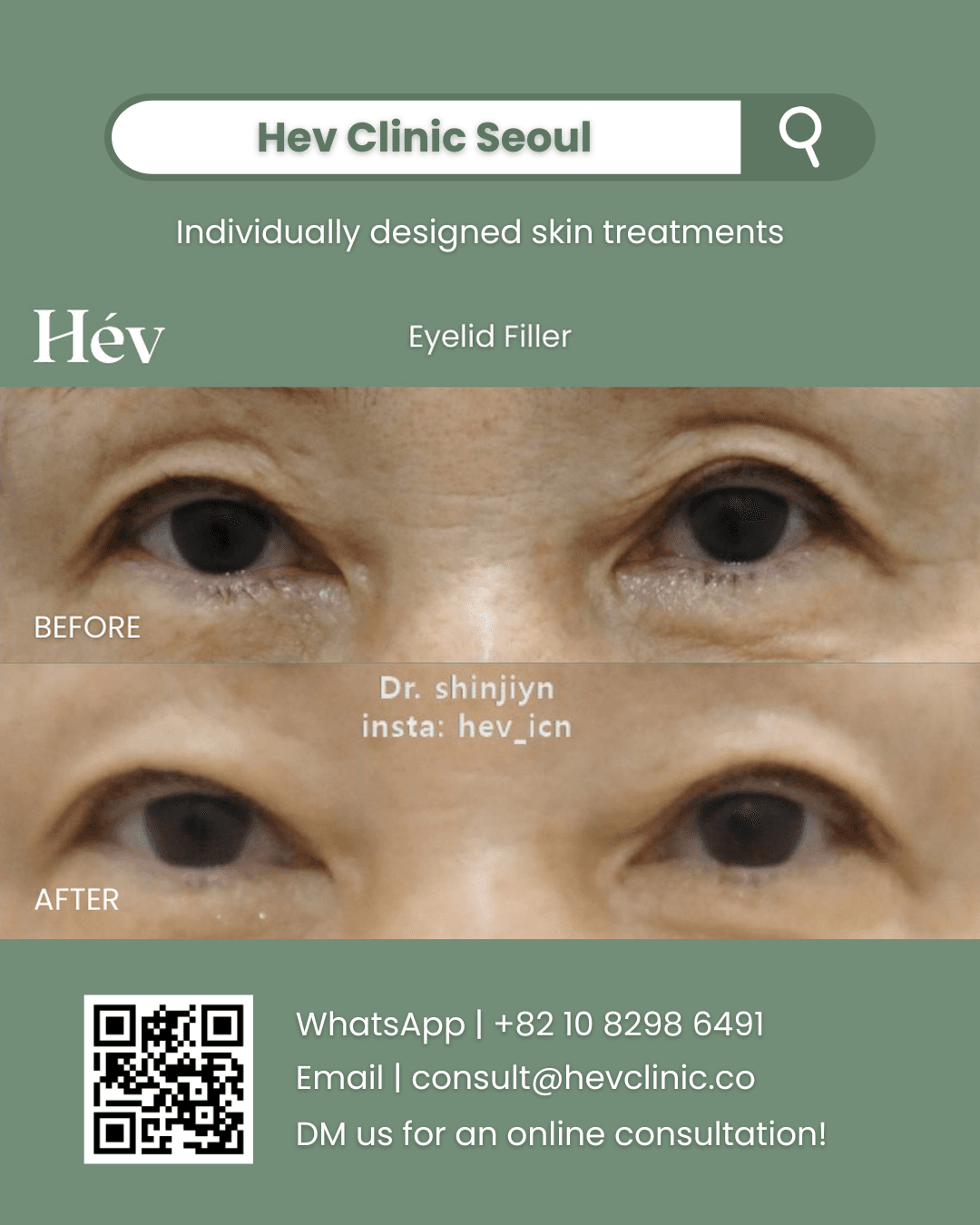
Patients often report immediate visual improvement: hollows are filled, dark circles fade, and the overall look is fresher and younger. Improvements continue as swelling resolves over the following weeks.
A few examples:
- A 57-year-old saw deep hollows and dark circles markedly reduced right after her procedure.
- A 72-year-old enjoyed tighter and more vibrant skin in weeks following her session.
- Patients in their 30s and 40s describe looking and feeling more awake, no longer fielding questions about being tired.
Fillers also tighten the skin under the eyes, plumping up loose tissue for a smoother look.
Patient Satisfaction and Confidence
Beyond appearance, many patients say under-eye fillers boost their self-esteem and help them feel more comfortable—no longer needing concealment with makeup. Some mention their happiness with how pain-free and quick the procedure is, and enjoy going makeup-free for days afterward. Many share relief at no longer being asked if they look tired or unwell.
Longevity of Results
Results typically last 9–18 months with hyaluronic acid-based fillers, sometimes up to 2 years, especially since the under-eye area moves less than the lips or cheeks. Faster metabolisms mean the filler may dissolve sooner, but maintenance treatments can keep up results over time.
Conclusion
Under eye bags can arise from aging, fluid retention, lifestyle habits, genetics, or underlying health problems. The right treatment depends on the specific cause—fillers are particularly effective for volume loss and tear trough hollowing. Eyelid fillers, especially those using hyaluronic acid, offer a safe and effective non-surgical solution, especially when performed by experienced professionals. South Korea stands out for its expert providers, cutting-edge techniques, and affordable prices, making it a prime destination for medical tourists seeking natural-looking, confidence-boosting results that can last up to two years.
References
1, 2, 3, 4, 5, 6, 7, 8, 9, 10, 11, 12, 13, 14, 15, 16, 17, 18, 19, 20, 21, 22, 23, 24, 25, 26, 27, 28, 29, 30, 31, 32, 33, 34, 35, 36