Medical Tourism Blog
Korea Chin Implant Procedures for Undefined Chin: Transform Your Profile with Expert Korean Surgery
Table of contents
- Chin Implants: A Detailed Medical Overview
- The Chin Implant Procedure: What to Expect
- Best Clinics in Korea for Undefined Chin
- Navigating Chin Implant Surgery in South Korea: A Medical Tourist’s Guide
- Cost Analysis: Chin Implants in South Korea vs. Global Destinations
- Patient Perspectives: How Chin Implants Address "Undefined Chin" Concerns
- Conclusion
- References
Considering treatment in Korea? Everything you need to know e.g. — how to avoid scams, visas, interpreters, recovery tips — in our Medical Tourism Master Guide. Plan with confidence in minutes, not weeks!
If you’re thinking about ways to address an "undefined chin," you’re not alone. This guide breaks down what having an undefined chin means, explores the chin implant procedure (including its costs), and highlights why South Korea is a top destination for medical tourists seeking this transformation.
An "undefined chin" describes a chin that lacks clear contour and appears underdeveloped or set back compared to other facial features. This often results in a softer jawline and can even mimic a double chin despite normal body weight. Clinically, it’s noticed when the chin sits behind the plane of the upper lip and nose, or when the lower face appears compressed and lacks separation from the neck.
Common Pseudonyms and Medical Terms
You’ll encounter many terms describing this condition, both colloquially and medically:
- Weak chin or small chin are common descriptors for a chin that doesn’t project much.
- Receding chin suggests the chin sits further back than ideal.
- Medically, the issue can be termed microgenia: a chin that’s unusually small or deformed, especially the Class II "chin deficiency" variant.
- Micrognathism or micrognathia refers to an underdeveloped lower jaw. This can also cause a small chin and lead to further dental or airway complications. Pseudonyms like "strawberry chin" or "hypognathia hypognathism" are sometimes used.
- Retrognathia (or mandibular retrognathia/retrognathism) describes a jaw that sits significantly behind the upper jaw, sometimes due to genetics or habits like thumb sucking.
An "undefined chin" covers a broad medical spectrum, often signaling real impacts beyond looks—like breathing, sleep, and psychological well-being.
Causes and Potential Impacts Beyond Aesthetics
The causes behind an undefined chin can include:
- Genetics: Many people inherit their chin shape.
- Mandibular Retrognathia & Developmental Issues: Conditions at birth or during growth can hinder jaw development.
- Childhood Habits: Prolonged thumb sucking, bottle-feeding, or mouth breathing can alter jaw growth.
- Bone Loss & Aging: Loss of bone and facial muscle over the years can make the chin appear smaller or droop, leading to jowls or double chin.
- Trauma: Childhood injuries can interrupt proper chin growth.
Functionally, an undefined chin may cause:
- Breathing and sleep issues (sometimes contributing to sleep apnea).
- Dental misalignments or TMJ disorders.
- Speech difficulties.
- Lower confidence and self-esteem due to perceived facial imbalance.
Table 1: Common Terms and Medical Definitions for "Undefined Chin"
| Common Term | Medical Term | Brief Description |
|---|---|---|
| Weak Chin | Microgenia (Class II) | Underdeveloped or lacking projection. |
| Small Chin | Microgenia | Diminutive chin relative to facial proportions. |
| Receding Chin | Retrognathia / Mandibular Retrognathia | Lower jaw/chin behind the upper jaw. |
| Undefined Jawline | (Associated with Microgenia/Retrognathia) | Lacks distinction along the jaw’s lower border. |
| Double Chin (due to small chin bone) | (Associated with Microgenia/Retrognathia) | Extra tissue under chin, worsened by poor bone support. |
| Strawberry Chin | Micrognathism / Micrognathia | Undersized lower jaw, often with a small chin. |
Chin Implants: A Detailed Medical Overview
Chin implants, or chin augmentation, are designed to boost chin projection and shape, resulting in a more harmonious facial profile. Biocompatible materials are placed over the chin bone to add volume and improve proportions—especially effective for microgenia cases with a normal bite.
Distinction Between Chin Implants and Other Chin Surgeries
There are a few key procedures for chin enhancement:
- Mentoplasty covers any surgical change to the chin’s appearance—this could mean implants or bone work.
- Genioplasty involves surgical modification of the chin bone itself. Chin implants are a type of genioplasty but use external materials.
- Sliding genioplasty (osseous or bony genioplasty) literally moves a segment of chin bone to adjust projection, height, or shape.
Key differences:
- Sliding genioplasty reshapes actual bone, offering more significant change but requiring longer recovery and generally coming with higher costs.
- Chin implants focus on adding projection, are less invasive, and result in shorter downtime.
Non-surgical alternatives like dermal fillers or fat grafting provide temporary enhancement (6-12 months), but for lasting results, implants or bone surgery are preferred.
Types of Chin Implant Materials and Characteristics
Chin implants come in several materials, each with nuances that patients should discuss with their surgeon:
- Silicone: Soft, smooth, flexible, and easy to remove; doesn’t integrate with tissue, so needs secure placement.
- Medpor (Porous Polyethylene): Hard and integrates with tissue for stability; harder to remove and can harbor bacteria in its pores.
- Goretex (Polytetrafluoroethylene): Soft, strong, integrates well, but tough to remove and slightly higher cost.
- Autologous (Bone/Fat): Uses a patient’s tissue, eliminating rejection but can be reabsorbed over time.
- Acellular Dermal Matrix: Made from processed donor tissue; integrates and avoids rejection but is niche and costlier.
Table 2: Chin Implant Materials—Characteristics, Pros, and Cons
| Material Type | Characteristics | Pros | Cons |
|---|---|---|---|
| Silicone | Solid, flexible, premolded | Biocompatible, easy to remove, natural feel | Can shift; doesn’t integrate with tissue |
| Medpor | Porous, hard, flexible | Stable, tissue integration | Hard to sculpt/remove, risk of inflammation |
| Goretex | Soft, strong | Less bone erosion, sculptable | Difficult removal, higher cost |
| Autologous | Own bone/fat | No rejection, integrates well | Can be reabsorbed; possible revisions |
| Acellular Dermal Matrix | Processed donor tissue | No rejection, good integration | Availability/cost, niche uses |
Benefits of Chin Augmentation for Facial Harmony
Chin implants help:
- Bring the chin into balance with other facial features.
- Define the jawline and neck, reducing sagging or jowls.
- Decrease the appearance of a "double chin" by giving structure and projection.
Surgeons often recommend combining chin implants with other facial procedures (like rhinoplasty) to achieve a more harmonious look.
The Chin Implant Procedure: What to Expect
Here’s a step-by-step breakdown to demystify the process:
Pre-operative Considerations and Planning
Your journey starts with a thorough consult, often involving 3D imaging for surgical planning. Your health, jaw structure, and goals are assessed to create a personalized approach. You may need to make some pre-surgery lifestyle changes, like pausing certain medicines or quitting smoking.
Step-by-step Surgical Process
Chin implant surgery is outpatient and usually takes 1–3 hours.
- Anesthesia: Performed under general anesthesia or local anesthesia with sedation.
- Incision: Surgeons choose either inside the mouth (no visible scar) or under the chin (small external scar).
- Pocket Creation: The surgeon creates space in front of the chin bone for the implant.
- Implant Insertion & Securing: The implant is positioned and secured, often with stitches or titanium screws.
- Closure: The incision is closed—dissolvable stitches are used for intraoral incisions.
Table 3: General Chin Implant Surgical Journey
| Phase | Key Steps/Activities |
|---|---|
| Consultation & Planning | Facial evaluation, goals discussion, medical review, 3D imaging for surgical planning. |
| Pre-op Preparations | Bloodwork, pre-op instructions (like quitting smoking or medication adjustments). |
| Surgery | Outpatient procedure with anesthesia, incision, pocket creation, implant placement, closure. |
| Post-op Care | Pain management, restricted diet, oral rinses (for intraoral), bracing, activity limits. |
| Follow-Up | Appointments to monitor healing and address concerns. |
Post-operative Care and Recovery Timeline
Most people experience soreness, swelling, and some bruising. These are manageable with medication. A soft or liquid diet is recommended initially, especially if your incision is inside the mouth. Bandages and braces may be used, and swelling typically improves within 6 weeks—though full results take a few months.
Normal daily activities usually resume within 7–10 days, with strenuous activities paused longer. Chin implants are intended to be permanent, except autologous tissue types, which might get reabsorbed.
Potential Risks and Complications
Chin augmentation is generally safe but carries some risks, including:
- Infection, possibly requiring implant removal.
- Implant shifting.
- Damage to teeth or bone.
- Nerve injury causing numbness or limited movement.
- Cosmetic dissatisfaction due to scarring, unevenness, or incorrect implant size.
- Adverse anesthesia reactions.
Choosing a skilled, board-certified surgeon is essential in minimizing risks and achieving pleasing results.
Best Clinics in Korea for Undefined Chin
Listed below are the best clinics in Korea for undefined chin:
| Clinic Name | Key Features | Special Techniques |
|---|---|---|
| THEPLUS Plastic Surgery | THE PLUS Plastic Surgery in Garosu-gil, Gangnam, Seoul, offers comprehensive solutions for an undefined chin through advanced facial contouring, V-line surgery, and customized chin implants; Spanning four dedicated floors from consultation to surgery and post-operative skincare; harmony-focused aesthetic philosophy—ideal for enhancing chin definition while preserving natural facial balance; active researchers and educators who publish in journals and present at international symposiums, delivering meticulous, individualized care. | Advanced facial contouring; V-line surgery; customized chin implants. 3D implants; profile refinement; emphasis on facial harmony; meticulous, individualized care. |
| Made Young Plastic Surgery | Made Young Plastic Surgery in Seoul’s Gangnam district is a premium clinic specializing in facial contouring and anti-aging procedures for patients seeking a more defined chin and balanced lower face; Metal-Free V-Line Surgery requires no screw fixation; length reduction, width reduction, and asymmetry correction are all possible without metal plates or screws, enabling refined contouring with a focus on natural harmony; Every treatment plan begins with direct consultation and diagnosis by a verified medical team composed only of highly skilled doctors with an average of over 15 years of experience, whose proven expertise is supported by extensive clinical practice; Patient safety and continuity of care are embedded into every step, with 1:1 monitoring by full-time anesthesiologists, cross-check protocol, CCTV coverage, and a dedicated aftercare center; Recognitions include 2022 Korea No.1 Award, 2022 Korea Customer Satisfaction 1st Place, Outstanding Member of the Korean Society of Plastic and Reconstructive Surgeons, and certification by the Minimally Invasive Aesthetic Surgery Society. | Metal-Free V-Line Surgery; length reduction; width reduction; asymmetry correction without metal plates or screws; direct consultation by highly skilled doctors with 15+ years of experience; 1:1 anesthesiologist monitoring; cross-check protocol; CCTV coverage; dedicated aftercare center; multiple recognitions. |
| Mind Plastic Surgery Website | Mind Plastic Surgery, conveniently located at Sinnonhyeon Station in Seoul, offers comprehensive cosmetic and reconstructive care delivered by an experienced medical team; the clinic emphasizes personalized treatment planning in a safe, comfortable environment to help each patient achieve natural, balanced results; for undefined or weak chin, provides both surgical and non-surgical solutions tailored to facial harmony; options include Chin Surgery and Weak Chin Correction to enhance projection and balance the profile; V-line Surgery for a slimmer jawline; [Full Face Fat Grafting](/blog/full-face-fat-grafting-in-korea) and Aristocrat Surgery to refine the lower face and neck; Square Jaw Reduction or Cheekbone Reduction; minimally invasive treatments like filler, face contouring injections, and thread lifting can further sharpen definition with shorter recovery. | Chin Surgery; Weak Chin Correction; V-line Surgery; Full Face Fat Grafting; Aristocrat Surgery; Square Jaw Reduction; Cheekbone Reduction; Filler and contouring injections; Thread lifting. |
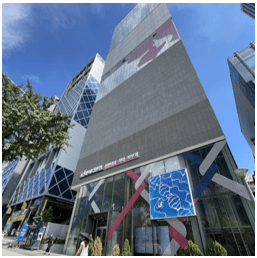
THEPLUS Plastic Surgery
THE PLUS Plastic Surgery in Garosu-gil, Gangnam, Seoul, offers comprehensive solutions for an undefined chin through advanced facial contouring, V-line surgery, and customized chin implants. Spanning four dedicated floors from consultation to surgery and post-operative skincare, the clinic combines precision planning with a harmony-focused aesthetic philosophy—ideal for enhancing chin definition while preserving natural facial balance. As active researchers and educators who publish in journals and present at international symposiums, the surgeons at THE PLUS stay at the forefront of technique and safety, delivering meticulous, individualized care.
Led by director doctors Dr. Kim Taek Kyun and Dr. Jeong Jae Yong, the team brings world-recognized expertise to profile refinement. Dr. Kim, a board-certified plastic surgeon and global society member, is an award-winning researcher in 3D implants and a leading authority in facial contouring; he runs annual educational sessions and prioritizes facial harmony to naturally enhance existing features. Dr. Jeong, President of the Korean Society of Plastic Surgeons, frequently lectures worldwide and approaches each case with a blend of function and beauty—an essential principle in chin surgery. Supported by Dr. Lee, a board-certified breast specialist with top-tier hospital experience, and a staff with over a decade of practice, THE PLUS emphasizes safety, academic rigor, and patient-centered communication to achieve refined, lasting chin definition.
You can check out their website here: THEPLUS Plastic Surgery Website
Made Young Plastic Surgery
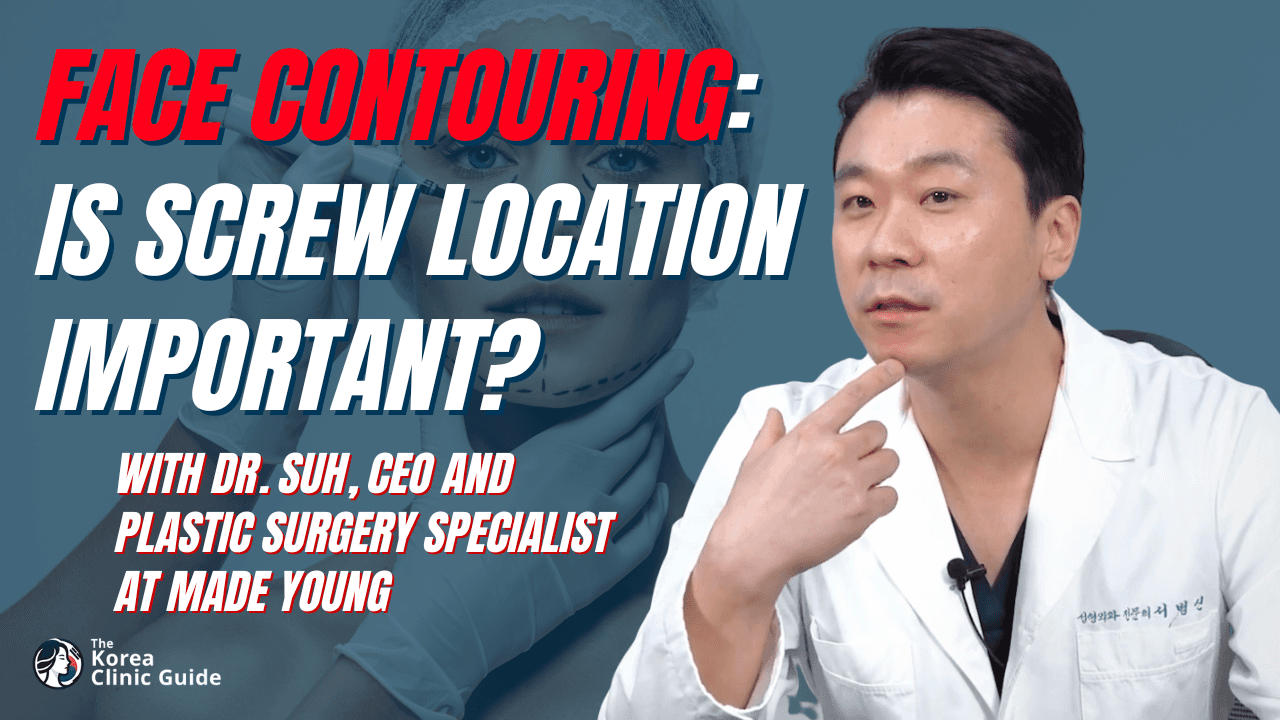
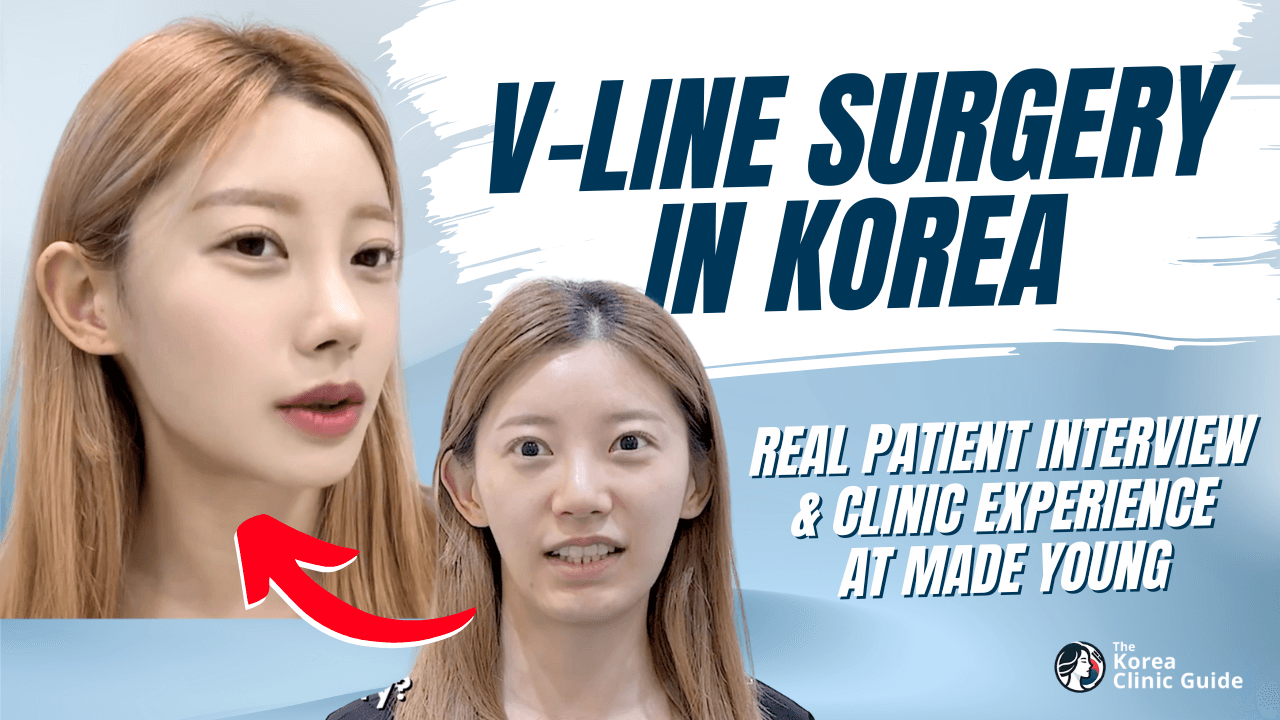
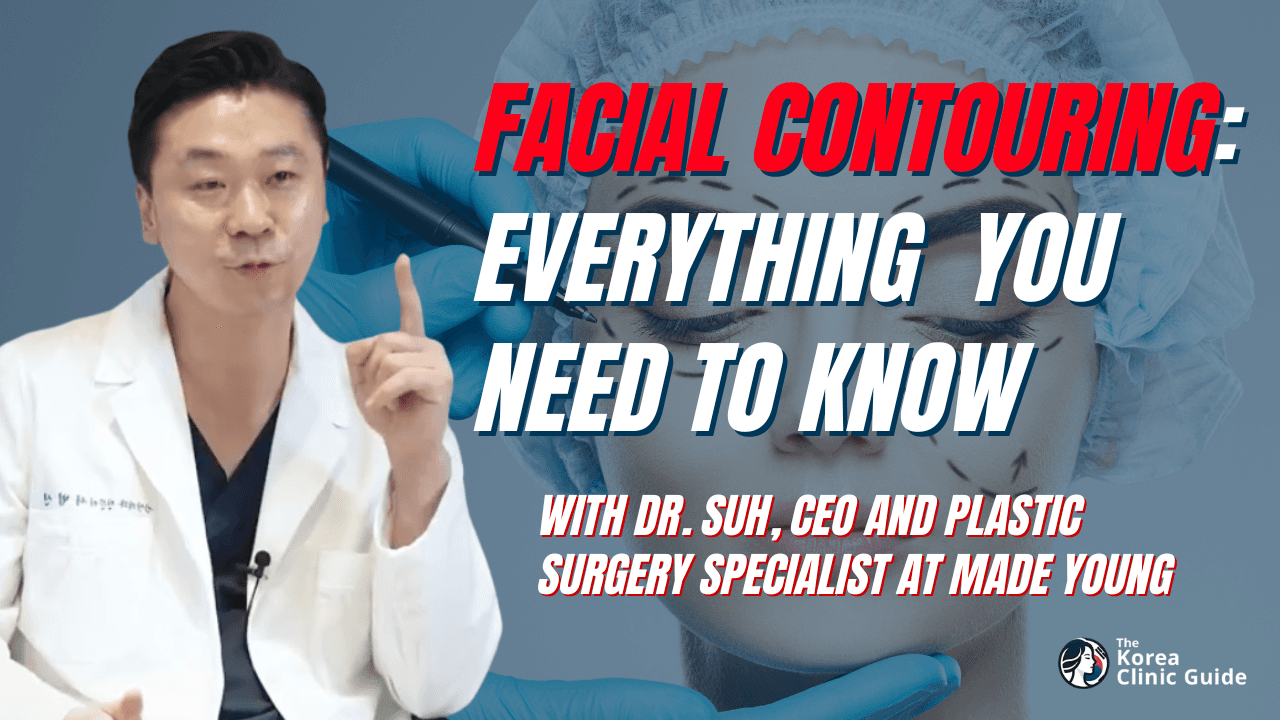
Made Young Plastic Surgery in Seoul’s Gangnam district is a premium clinic specializing in facial contouring and anti-aging procedures for patients seeking a more defined chin and balanced lower face. For those concerned with an undefined chin, the clinic’s Metal-Free V-Line Surgery requires no screw fixation; length reduction, width reduction, and asymmetry correction are all possible without metal plates or screws, enabling refined contouring with a focus on natural harmony. Every treatment plan begins with direct consultation and diagnosis by a verified medical team composed only of highly skilled doctors with an average of over 15 years of experience, whose proven expertise is supported by extensive clinical practice.
Patient safety and continuity of care are embedded into every step. Full-time, board-certified anesthesiologists provide a 1:1 dedicated monitoring system, while a cross-check protocol ensures multiple specialists coordinate in emergencies, and full CCTV coverage of procedures supports maximum transparency. After surgery, a separate, dedicated aftercare center delivers complete and systematic post-procedure management tailored to each patient’s recovery. Recognitions include the 2022 Korea No.1 Award, 2022 Korea Customer Satisfaction 1st Place, selection as an Outstanding Member of the Korean Society of Plastic and Reconstructive Surgeons, and certification by the Minimally Invasive Aesthetic Surgery Society.
You can check out their website here: Made Young Plastic Surgery Website
Mind Plastic Surgery
Mind Plastic Surgery, conveniently located at Sinnonhyeon Station in Seoul, offers comprehensive cosmetic and reconstructive care delivered by an experienced medical team. The clinic emphasizes personalized treatment planning in a safe, comfortable environment to help each patient achieve natural, balanced results.
For patients concerned about an undefined or weak chin, Mind Plastic Surgery provides both surgical and non-surgical solutions tailored to facial harmony. Options include Chin Surgery and Weak Chin Correction to enhance projection and balance the profile; V-line Surgery for a slimmer, more defined jawline; Full Face Fat Grafting and Aristocrat Surgery to refine the lower face and neck; and, when appropriate, complementary contouring such as Square Jaw Reduction or Cheekbone Reduction. Minimally invasive treatments like filler, face contouring injections, and thread lifting can further sharpen definition with shorter recovery.
Find more about this clinic here: Mind Plastic Surgery Website
Navigating Chin Implant Surgery in South Korea: A Medical Tourist’s Guide

South Korea stands out as a global leader for cosmetic surgery, including chin implants. Its appeal for medical tourism comes from cutting-edge clinics, specialized surgeons, and a tailored patient-care approach.
Overview of the Process for International Patients
For overseas patients, the journey is well-structured:
- Consultation: Conducted in person or virtually, includes advanced 3D imaging for tailored plans.
- Pre-op Preparation: Medical checks ensure you’re ready for surgery, along with specific lifestyle guidelines.
- Surgical Procedure: Usually under two hours, with intraoral incisions favored for no visible scars.
- Recovery/Aftercare: Clinics typically provide thorough aftercare, diet instructions, pain management, and round-the-clock nurse support.
- Follow-Up: Clinics offer appointments to monitor your progress.
- Return to Activities: Patients are generally able to resume regular activities within a week.
Why South Korea is a Popular Destination for Chin Implants
South Korea attracts patients with:
- Advanced facilities and the latest technology, including 3D pre-op planning.
- Highly specialized surgeons with international standing.
- Comprehensive aftercare, often baked into the surgery cost.
- Competitive pricing, frequently 30% less than in Western countries.
- Discreet, scar-minimizing techniques, like intraoral incisions.
- Extensive international patient support, from translation to airport transfers.
Practical Tips for Medical Tourists
- Research Clinics and Surgeons: Seek out board-certified pros with facial contouring experience.
- VAT Refund: Foreigners can often get a tax refund—save your receipts.
- Confirm Inclusions: Many clinics offer free consults and aftercare.
- Combined Procedures: Consider if bundling surgeries (like chin plus nose) may be beneficial/cost-effective.
- Be Cautious with "Bargain" Deals: Extremely low prices may mean cutting corners; quality care should come first.
Table 4: Chin Implant Surgical Process for Medical Tourists in South Korea
| Phase | Korea-Specific Details |
|---|---|
| Consultation & Planning | Evaluation, 3D imaging, personalized plan, with virtual consult options before travel. |
| Pre-op Preparations | Health checks, lifestyle recommendations (e.g., stop smoking). |
| Surgery | 1–2 hours, often intraoral incision for no scar. Implant placement, securing, and closure with dissolvable sutures. |
| Post-op Care | Medication, soft diet, hygiene instructions, comprehensive aftercare (sometimes with overnight stay and nurse teams). |
| Follow-Up | Scheduled visits and support, with language and international patient assistance. |
Cost Analysis: Chin Implants in South Korea vs. Global Destinations
Cost is a big consideration for most patients, and Korea’s affordability is impressive.
Typical Cost Ranges for Chin Implants in South Korea
- Average cost: $3,025–$4,130 USD for implants.
- Some clinics may quote as low as $825–$5,000 USD.
- More complex cases (genioplasty): $4,960–$5,440 USD, with revisions or top surgeons reaching $3,000–$10,000 USD.
Always confirm if your quote is for simple implants or more involved procedures and ask for details on what’s included.
What is Generally Included in the Cost in South Korea
Korean clinics often offer all-in pricing that covers:
- VAT (with potential for a refund).
- Consultation fees, often free.
- Aftercare, including post-op checks, medication, and sometimes dedicated aftercare centers.
- Required medications (painkillers, antibiotics).
- Anesthesia and the surgeon’s fee.
Overnight stays aren’t standard (as surgery is outpatient), but extra recovery costs may apply if needed.
Comparison of Costs with Other Popular Medical Tourism Destinations (USD)
Table 5: Chin Implant Cost Comparison: South Korea vs. Other Countries
| Country | Typical Cost Range (USD) | Key Inclusions/Considerations |
|---|---|---|
| South Korea | $3,025–$4,130 (Implants); $4,960–$5,440 (Genioplasty) | Often all-inclusive (VAT, consults, aftercare, meds, surgeon) |
| United States | $2,000–$11,000 (avg $4,000–$5,000) | Often includes anesthesia, OR, follow-up, top surgeons |
| Turkey | $2,000–$10,299 | Package deals, often includes flight, lodging, transfers |
| Thailand | $1,400–$4,811 | Comprehensive packages with hospital stays, consults, more |
| United Kingdom | $4,100–$6,800 | |
| Australia | $2,800–$5,600 | Similar to US price range |
| Mexico | $900–$3,600 | Highly affordable options |
Cost ranges are approximate and subject to variation.
Factors Influencing the Overall Cost
Final pricing depends on factors such as:
- Procedure complexity and whether it’s a revision.
- Clinic/surgeon reputation and specialization.
- Implant material chosen (e.g., silicone is usually least expensive).
- Combination with other facial surgeries.
- Type and duration of anesthesia.
Patient Perspectives: How Chin Implants Address "Undefined Chin" Concerns
The transformation from undefined to defined chin isn’t just skin-deep.
Common Reasons Patients Seek Chin Implants for "Undefined Chin"
Patients commonly seek chin implants to:
- Achieve better facial symmetry and harmony.
- Strengthen a weak or receding chin and jawline.
- Reduce double chin appearance by improving structure.
- Improve jawline and neck contour.
- Gain self-confidence through a refreshed self-image.
- Address some functional issues, including TMJ pain or even speech clarity.
Reported Outcomes and Improvements
Many patients notice:
- Enhanced facial balance—bringing harmony between the chin, nose, and other features.
- Stronger, more defined profiles and jawlines.
- A diminished double chin.
- Greater confidence and comfort in social situations.
- For some, improved jaw function or less TMJ pain.
- Natural look and feel—when done by qualified surgeons, the results are subtle and realistic.
Optimal results often come when the chin is addressed as part of a holistic facial approach, not just as a stand-alone feature.
Testimonials and Patient Satisfaction Insights
Patient feedback is overwhelmingly positive. People describe feeling "10 years younger," with more balanced features, greater self-confidence, and satisfaction in their profiles. The improvements are usually described as life-changing, both physically and emotionally.
Considerations for Long-Term Results and Potential Revisions
Chin implants made from durable materials are designed to last, but those from autologous tissue can sometimes be absorbed back into the body, leading to the need for revision. The best results require a skilled, experienced, and certified surgeon. Complications can arise, but are minimized with proper technique and patient selection.
Conclusion
An "undefined chin" can affect more than just appearance—it can influence sleep, dental health, and self-esteem. Chin implant surgery is a highly effective, less invasive solution that restores facial harmony and confidence, especially with careful pre-op planning and the right material choice. South Korea excels as a destination for these procedures, combining cost competitiveness, advanced technology, and stellar surgeon expertise. To maximize success, thorough research and choosing a certified, experienced surgeon are essential for achieving the best possible outcome.
References
1, 2, 3, 4, 5, 6, 7, 8, 9, 10, 11, 12, 13, 14, 15, 16, 17, 18, 19, 20, 21, 22, 23, 24, 25, 26, 27, 28, 29, 30, 31, 32, 33, 34, 35, 36, 37, 38, 39, 40, 41, 42, 43, 44, 45, 46, 47, 48, 49, 50, 51, 52, 53