Medical Tourism Blog
Face Contouring - Importance of Screw Location with Dr. Suh from Made Young
Table of contents
- Introduction: Why the Same Screws Can Look So Different
- The Two Main Screw Zones in Facial Contouring
- Anatomy Comes First: Why the Chin Shows Everything
- Fixation Mechanics: Two Points vs One Center
- What Can Go Wrong in Chin-Tip Fixation (and Why It Shows)
- Cheekbone Fixation: Why It’s Often More Predictable
- Healing Timeline and the Reality of Hardware in Chin Surgery
- When Screws Still Make Sense—and Why They’re Not “Mandatory”
- Conclusion: Extra Caution Where the Chin Is Most Sensitive
- More about Made Young Plastic Surgery
Considering treatment in Korea? Everything you need to know e.g. — how to avoid scams, visas, interpreters, recovery tips — in our Medical Tourism Master Guide. Plan with confidence in minutes, not weeks!
Disclaimer: The following is a guest post. The information and opinions expressed are not of koreaclinicguide.com but of Made Young Plastic Surgery
Introduction: Why the Same Screws Can Look So Different
In facial contouring, patients often hear that “we cut the bone and fix it with screws.” On the surface, cheekbone reduction and chin-tip surgery can sound almost identical—osteotomy, repositioning, fixation. Yet in real life, the final look can be dramatically different, especially when it comes to how visible irregularities feel or appear from the outside.
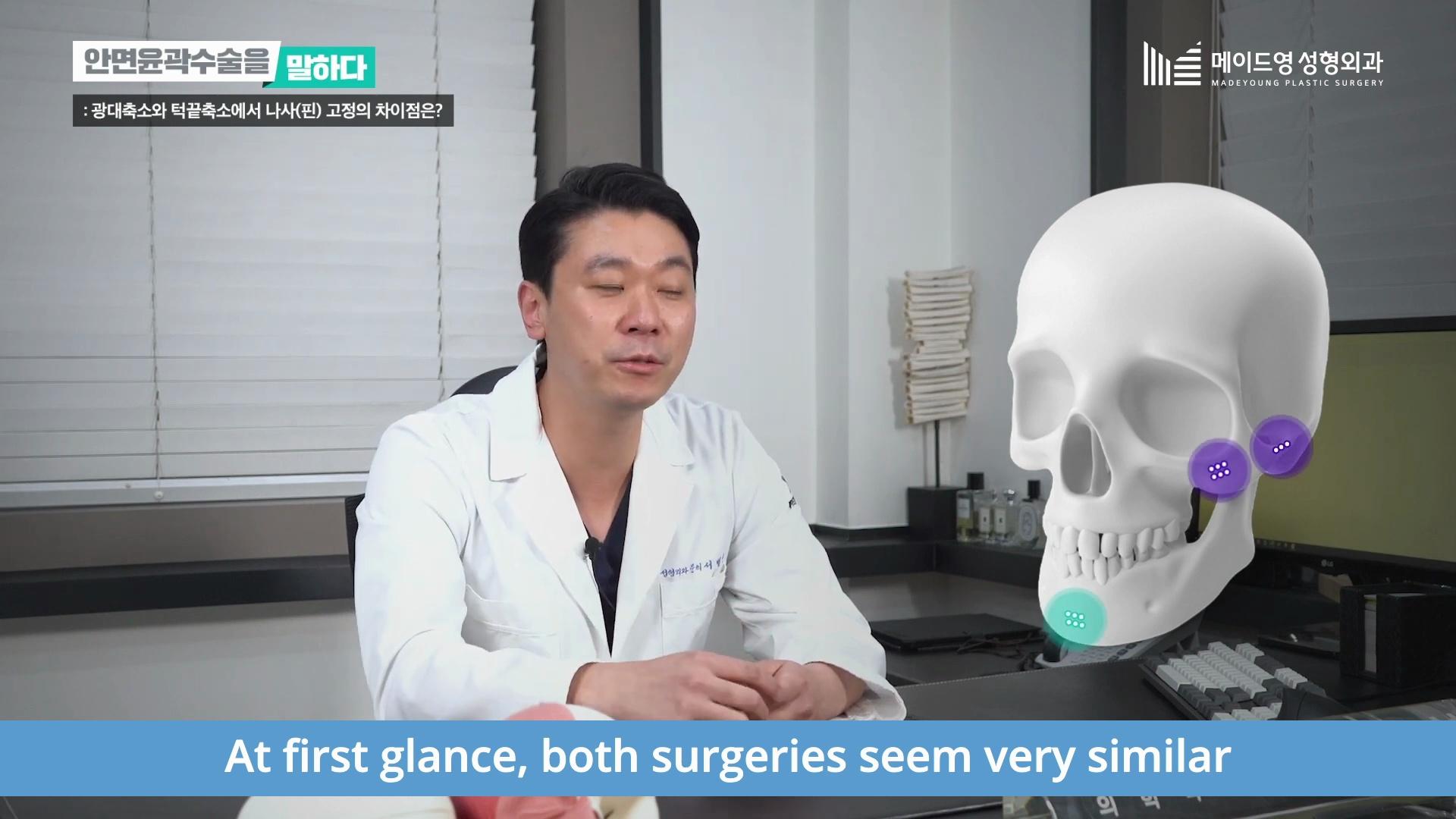
In my practice at Made Young Plastic Surgery, I use screws in both cheekbone surgery and chin-tip surgery. What I’ve learned over years of operating—and from seeing many revision cases—is that the location and context of fixation matter as much as the fixation itself. The cheekbone and the chin tip are not just “two bones in the face.” They are completely different environments in terms of soft tissue coverage, muscle behavior, and how securely we can lock the bone into position.
Below, I’ll explain the two consistent reasons screws can lead to very different outcomes in cheekbones versus the chin tip: anatomy (what covers the bone) and fixation mechanics (how and where the bone can be stabilized).
The Two Main Screw Zones in Facial Contouring
When people ask me about screws in face contouring, I usually clarify that the two main surgical areas where screw fixation comes up are the cheekbones (zygoma) and the chin tip (genioplasty/chin-tip osteotomy). In both areas, the general process can include cutting bone, moving it, and then fixing it so the new position can heal.
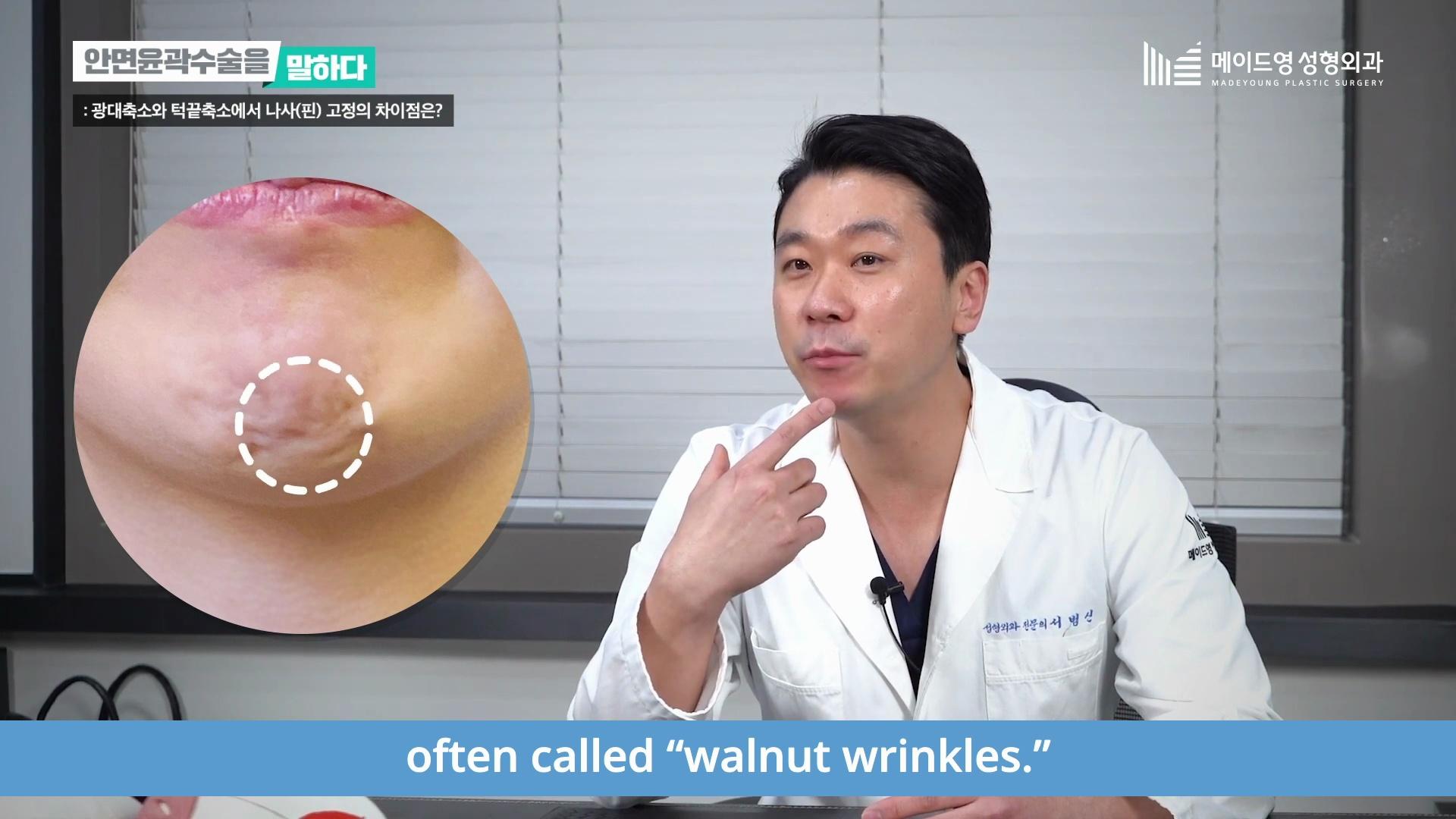
But even if the steps sound similar, the “after” experience is not the same. With cheekbones, small contour transitions are often naturally hidden. With the chin, even subtle changes can become noticeable—sometimes even when the face is at rest, and often more when the mouth moves.
Anatomy Comes First: Why the Chin Shows Everything
One of the simplest ways to understand the difference is to think about a phenomenon many people recognize: the “walnut chin.” When someone tenses the chin or lifts the lower lip, the chin skin can dimple and form a walnut-like texture.
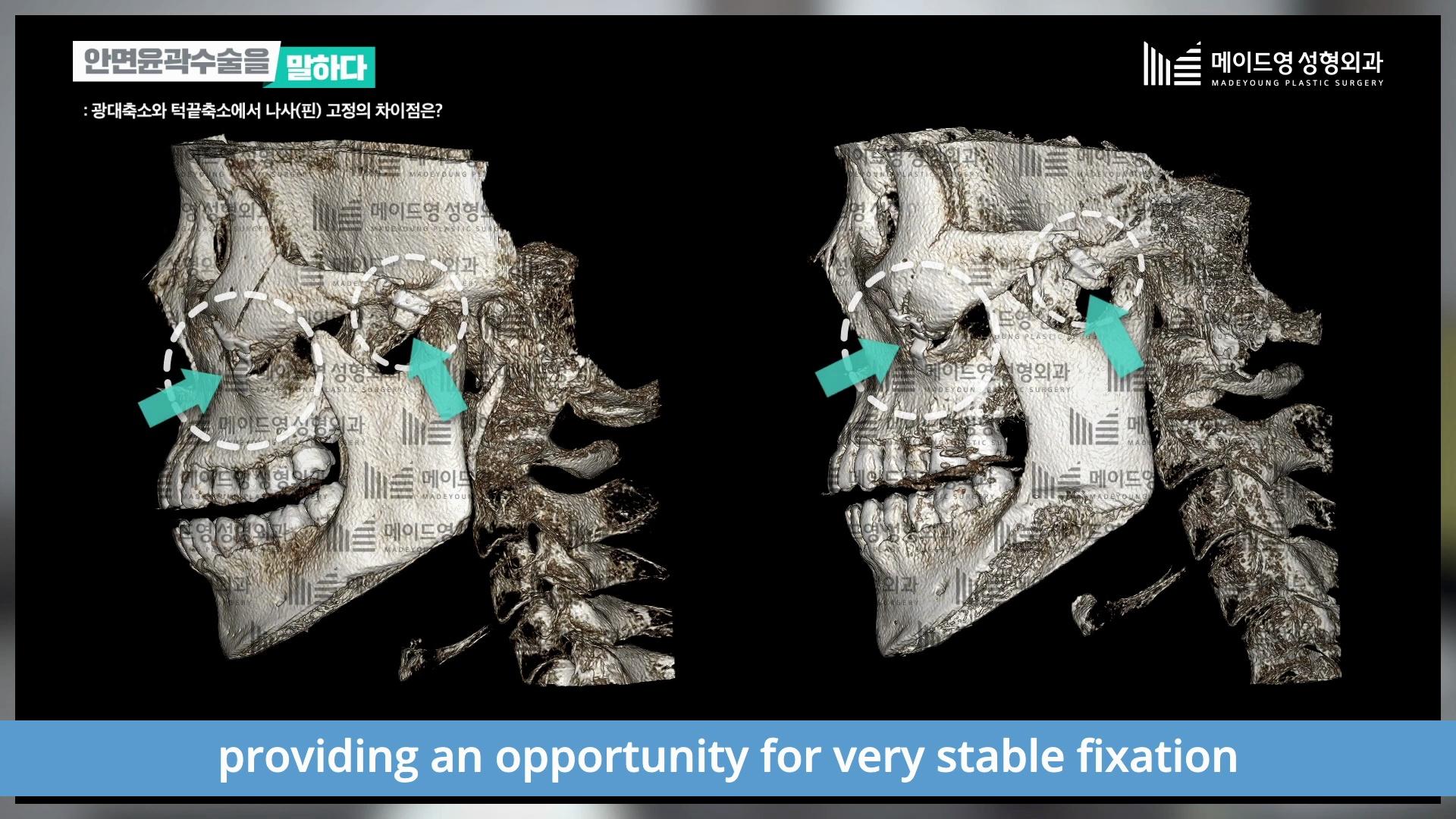
That walnut appearance happens because, over the chin, there isn’t much fat acting as a cushion between muscle and skin. The soft tissue layers are relatively thin, and the muscles of the chin sit close to the skin surface. When the muscle contracts, the movement transfers directly to the skin, so even small distortions become visible.
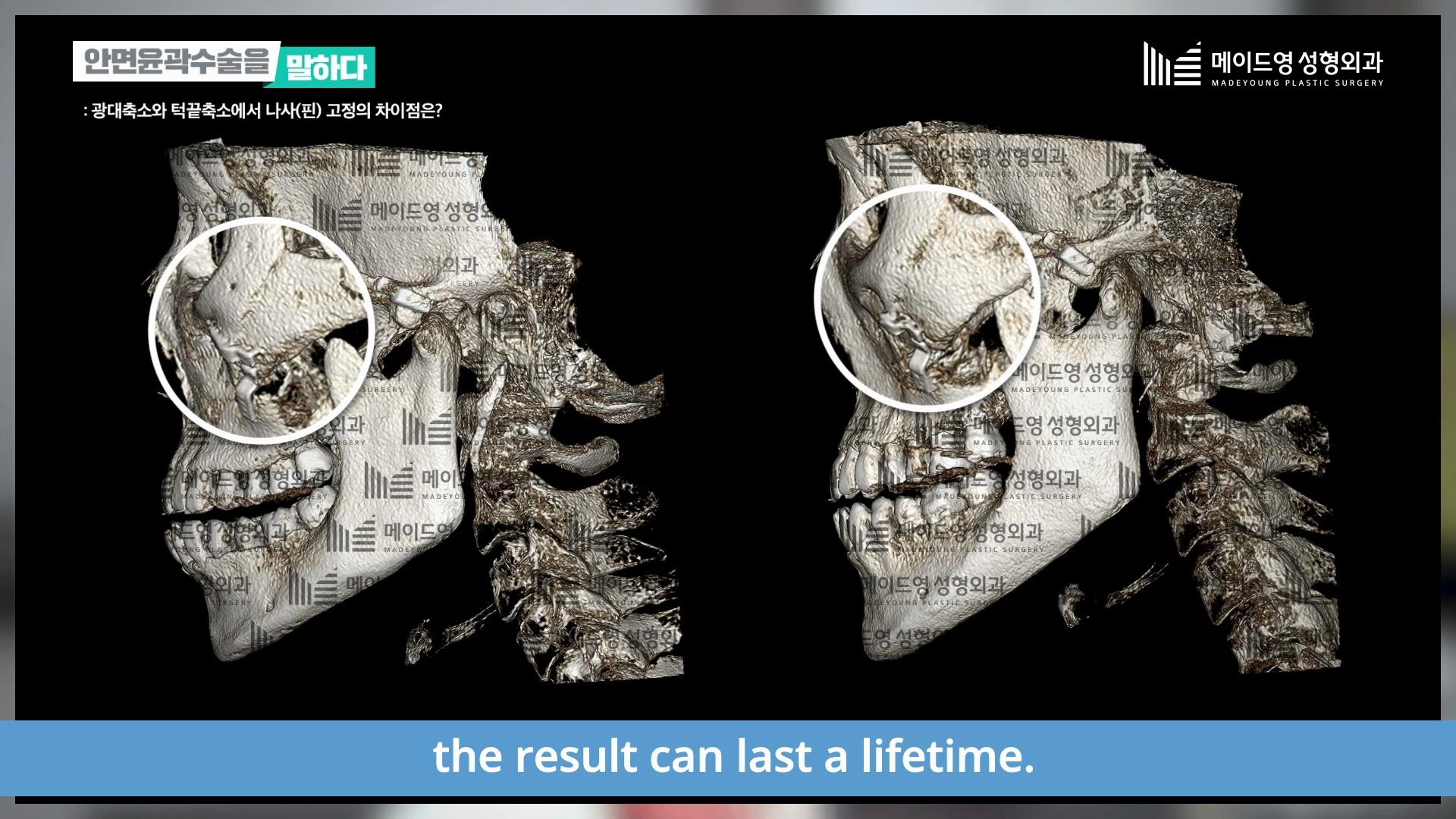
Now compare that with the cheekbone area. People use facial muscles around the cheek when they smile, but they typically don’t get a “walnut cheek.” The reason is that the cheek area has more fatty tissue coverage, which helps mask muscle movement and smooth out underlying structural transitions.
This difference becomes critically important after surgery. After cheekbone surgery, small step-offs, subtle “stair-step” contours, or even mild screw-related bulges have a higher chance of being concealed by the overlying soft tissue. After chin-tip surgery, the same degree of irregularity can show immediately because the skin and muscle are so closely linked. A tiny internal contour issue can translate into an external unevenness that becomes more obvious with talking, smiling, or opening the mouth.
Fixation Mechanics: Two Points vs One Center
The second major difference is how we can stabilize the bone after moving it.
In cheekbone surgery, fixation is commonly achieved at two points—front and back. With adequate experience and proper technique, two-point fixation can provide very stable positioning. When stability is excellent and bone-to-bone contact is well maintained, healing and fusion over the following months can lead to a result that is durable for the long term.
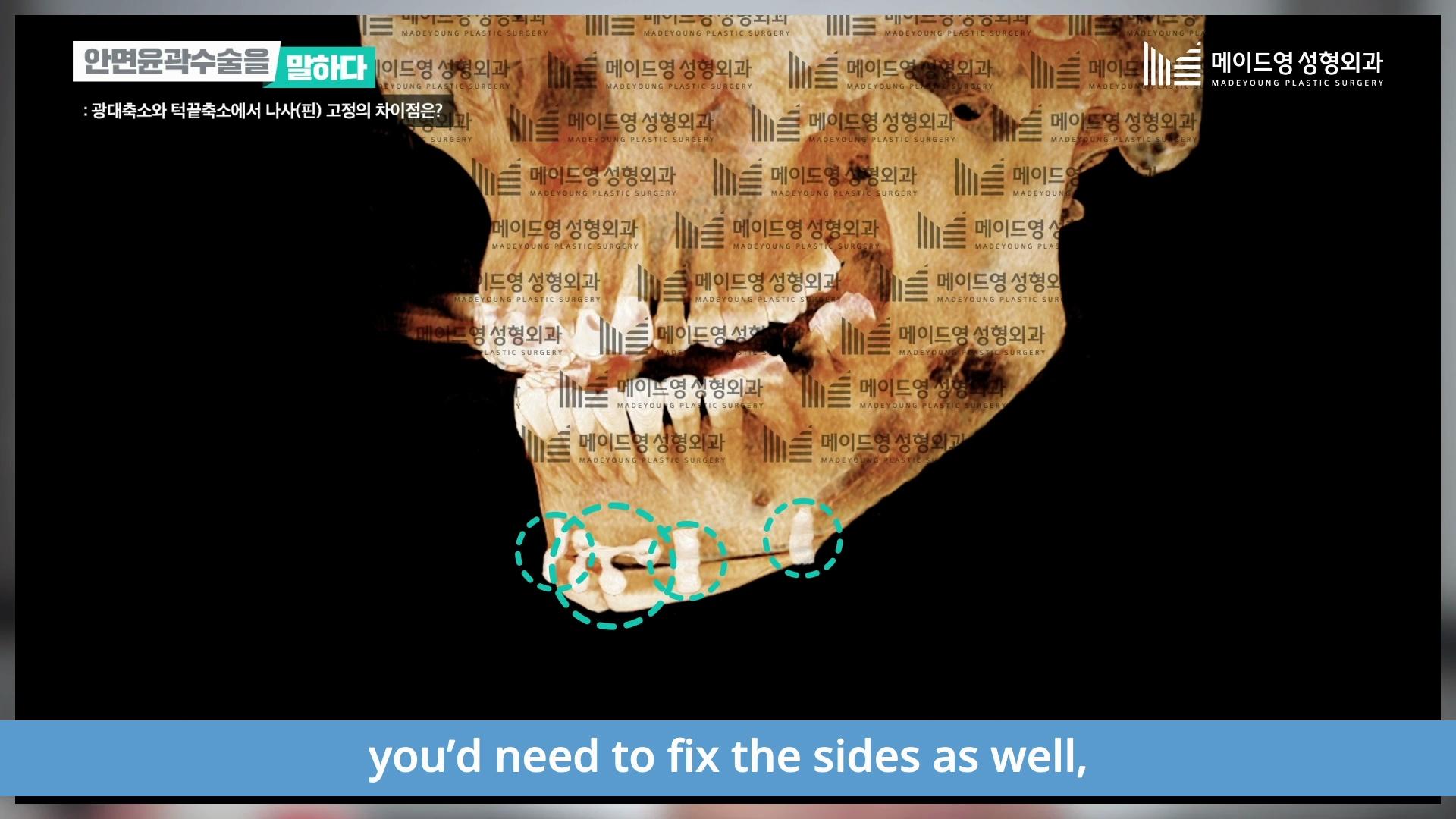
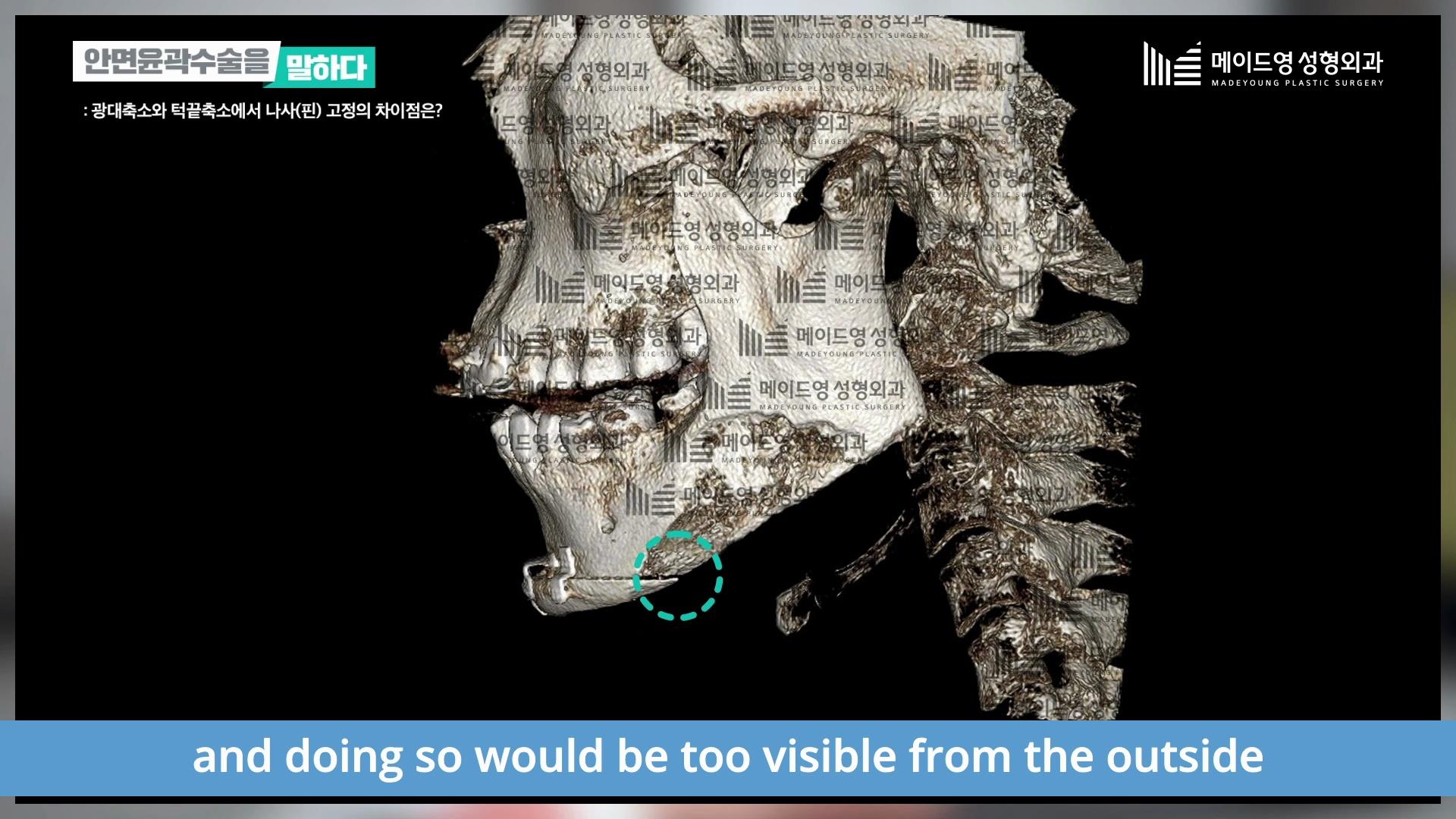
Chin-tip surgery is different. Fixation is typically performed mainly in the center. From a purely mechanical standpoint, the most rigid fixation would ideally extend out toward both ends. However, fixing the far sides is difficult, and even when it’s technically possible, the hardware or contour can become more visible from the outside—especially given the chin’s thin soft tissue coverage.
So, even with good initial fixation, the chin tip faces more inherent structural limitations than the cheekbones. The chin is also constantly exposed to functional forces: talking, chewing, opening widely, and incidental minor impacts to the chin can all transmit stress to the osteotomy site. That’s why chin fixation requires extra caution and why the postoperative period matters so much.
What Can Go Wrong in Chin-Tip Fixation (and Why It Shows)
Because chin fixation is less inherently secure than cheekbone fixation, and because the soft tissues are so revealing, certain complications become more relevant in chin-tip osteotomy.
If the bone heals imperfectly—or if the segments shift subtly during healing—there can be risks such as nonunion, bone resorption, or twisting of the chin segment. When that happens, the outside appearance can change in ways patients often describe as indentations or irregular lines. Clinically, this may be associated with concerns like a secondary angle, partial protrusion, soft tissue pinching, or a “witch’s chin” appearance.
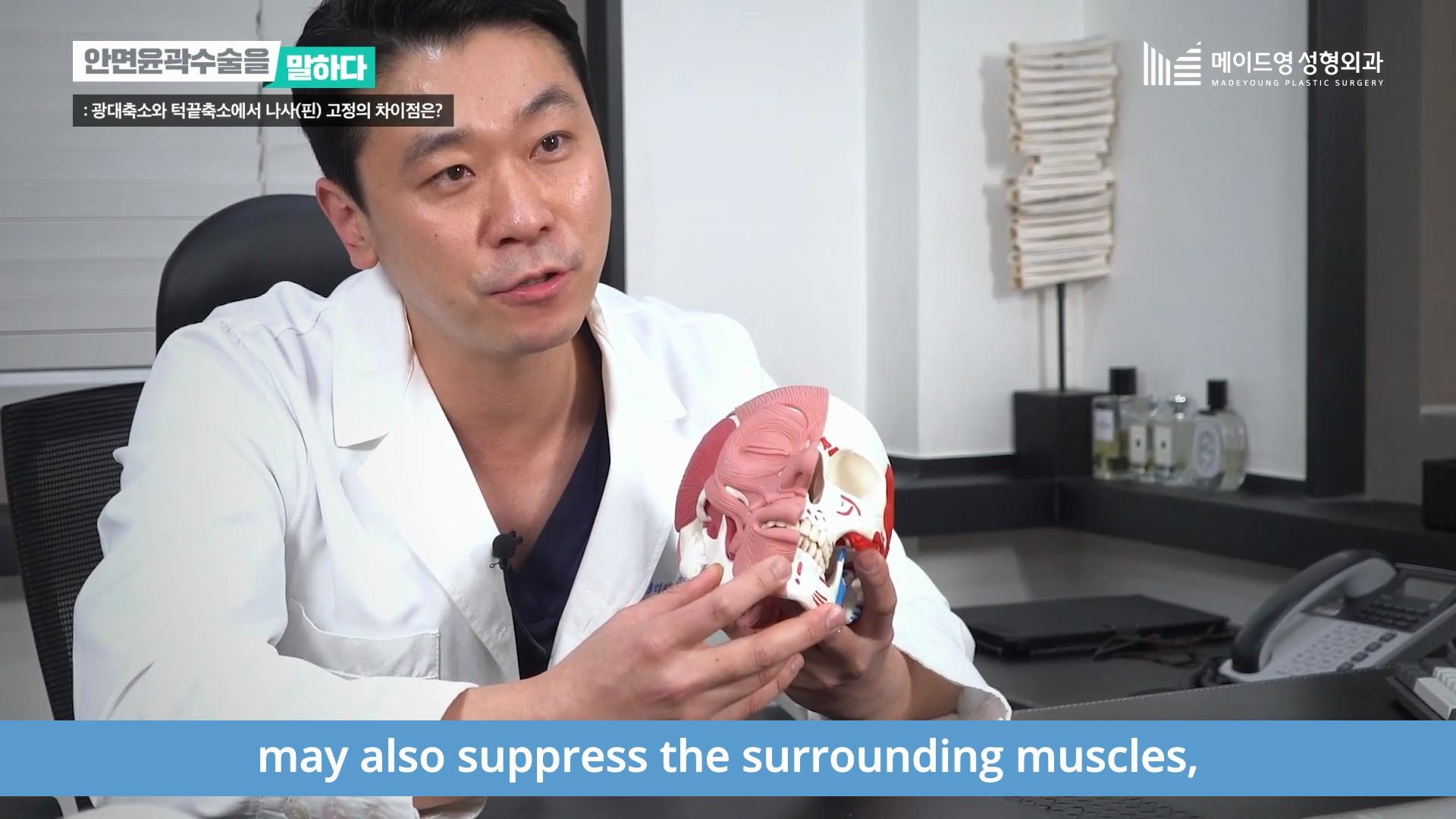
Another issue is that chin hardware is not just sitting under thick padding. A thick plate and screws placed centrally can interact with the surrounding muscles. If the fixation restricts muscle movement, it can create abnormal motion patterns around the surgical site, and that abnormal movement can become visible externally—especially during facial expression.
These are major reasons I see so many revision chin cases. In my own chin surgery practice, revision cases make up about 30% of all chin surgeries, and among the most common drivers are secondary angles and bone resorption.
Cheekbone Fixation: Why It’s Often More Predictable
In cheekbone surgery, when the procedure is planned and executed well, it’s often possible to maintain near-perfect bone-to-bone contact. With two fixation points, the structure is generally easier to stabilize, and the surrounding tissues are more forgiving in terms of hiding tiny transitions.
That doesn’t mean cheekbone surgery is “simple,” but it does mean that—once the bone heals and fuses—outcomes can be more predictable and stable over time. The key is that the cheekbone environment gives the surgeon more structural advantages: better fixation geometry and thicker soft tissue coverage.
Healing Timeline and the Reality of Hardware in Chin Surgery
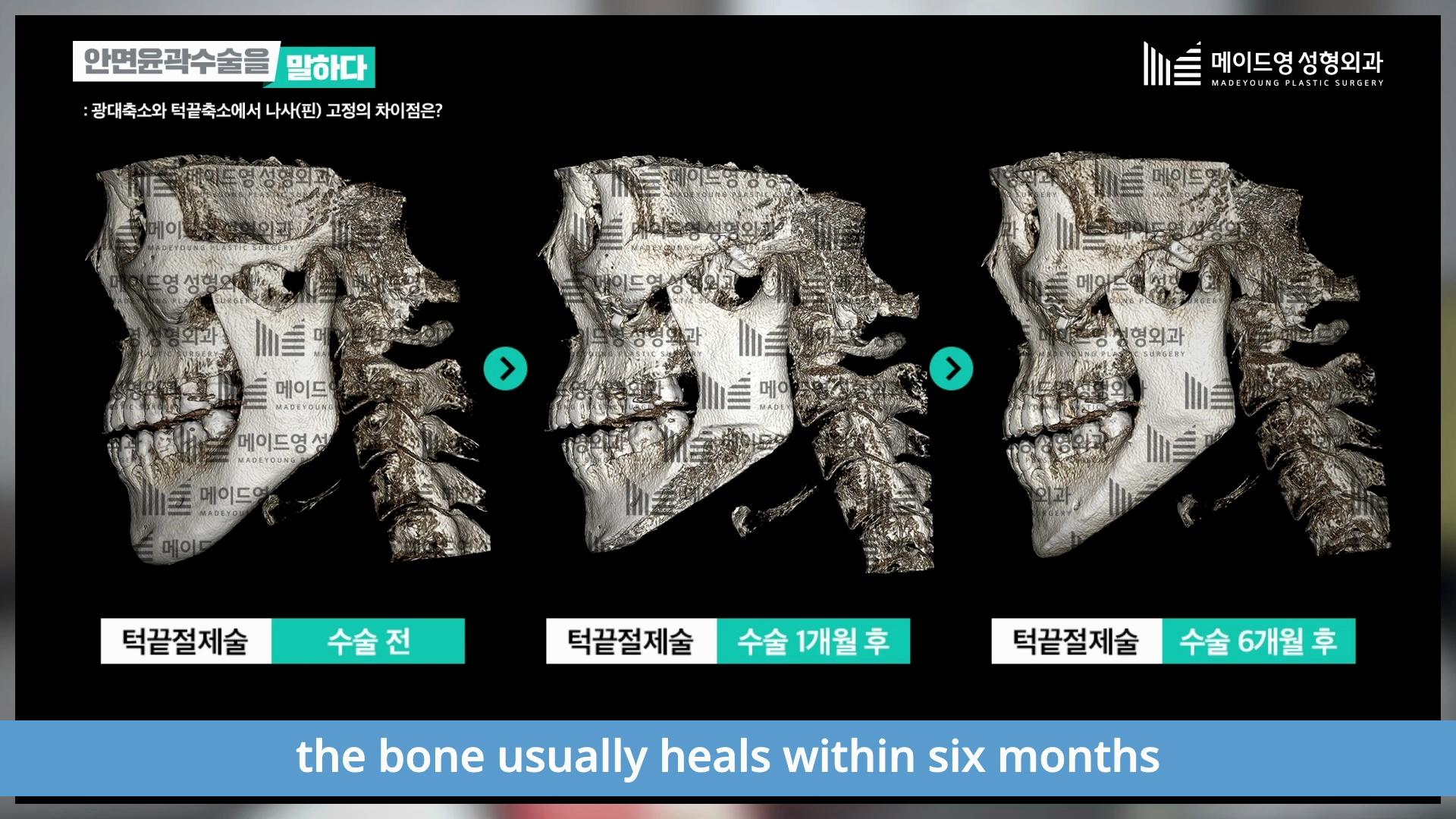
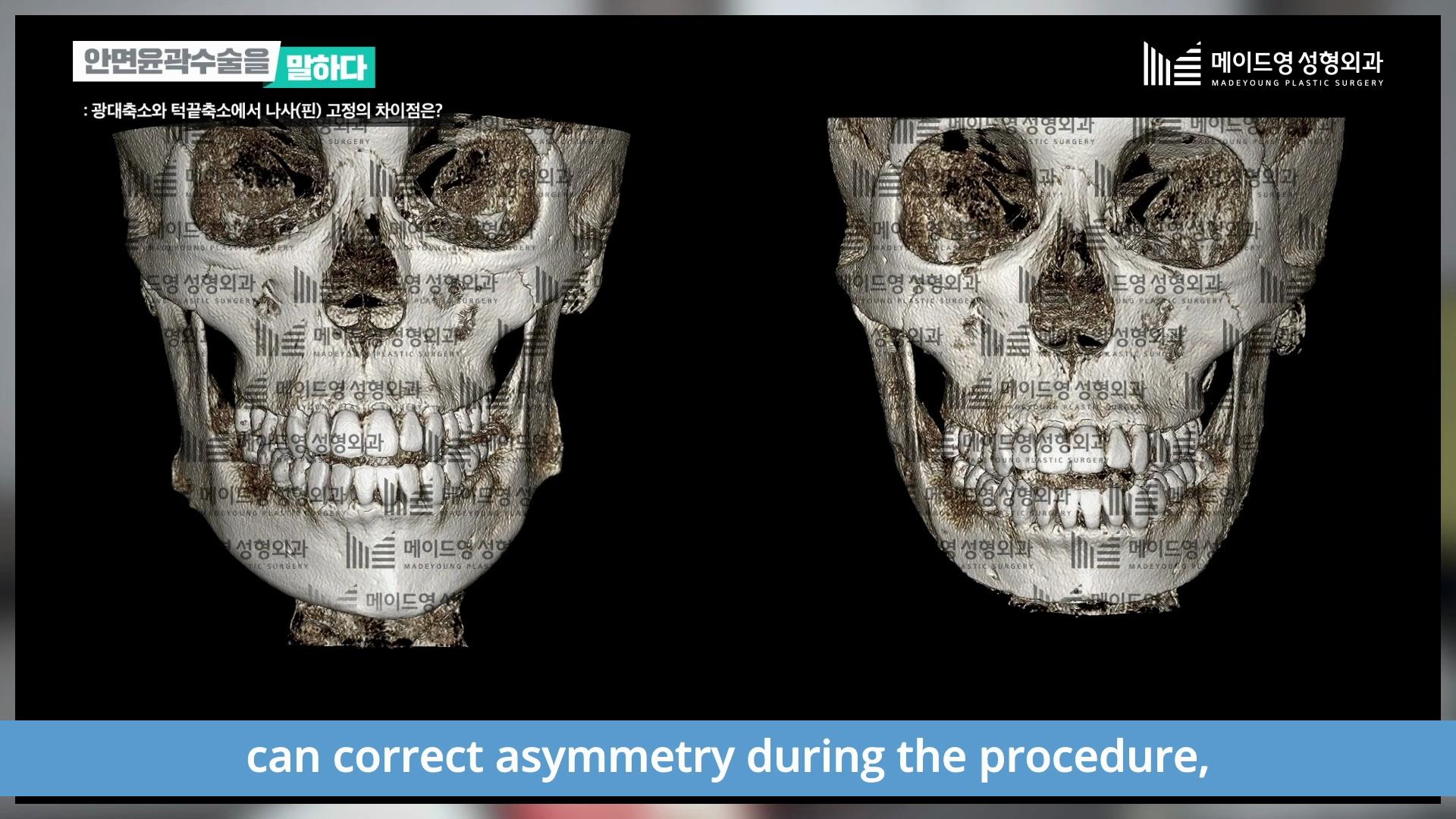
With chin-tip reduction osteotomy, the bone typically heals within about six months. When everything goes well, the chin shape may remain close to the initial cut and repositioned form, assuming the osteotomy was performed symmetrically and any asymmetry was corrected during surgery.
However, chin outcomes don’t depend only on bone. Soft tissue handling is crucial. Proper repositioning of the chin muscles and periosteum is important to help prevent chin drooping and to support a natural-looking contour. Even with meticulous technique, the chin remains harder to “guarantee” early, because final stability and the long-term surface appearance are closely tied to how the bone heals and how the soft tissue adapts.
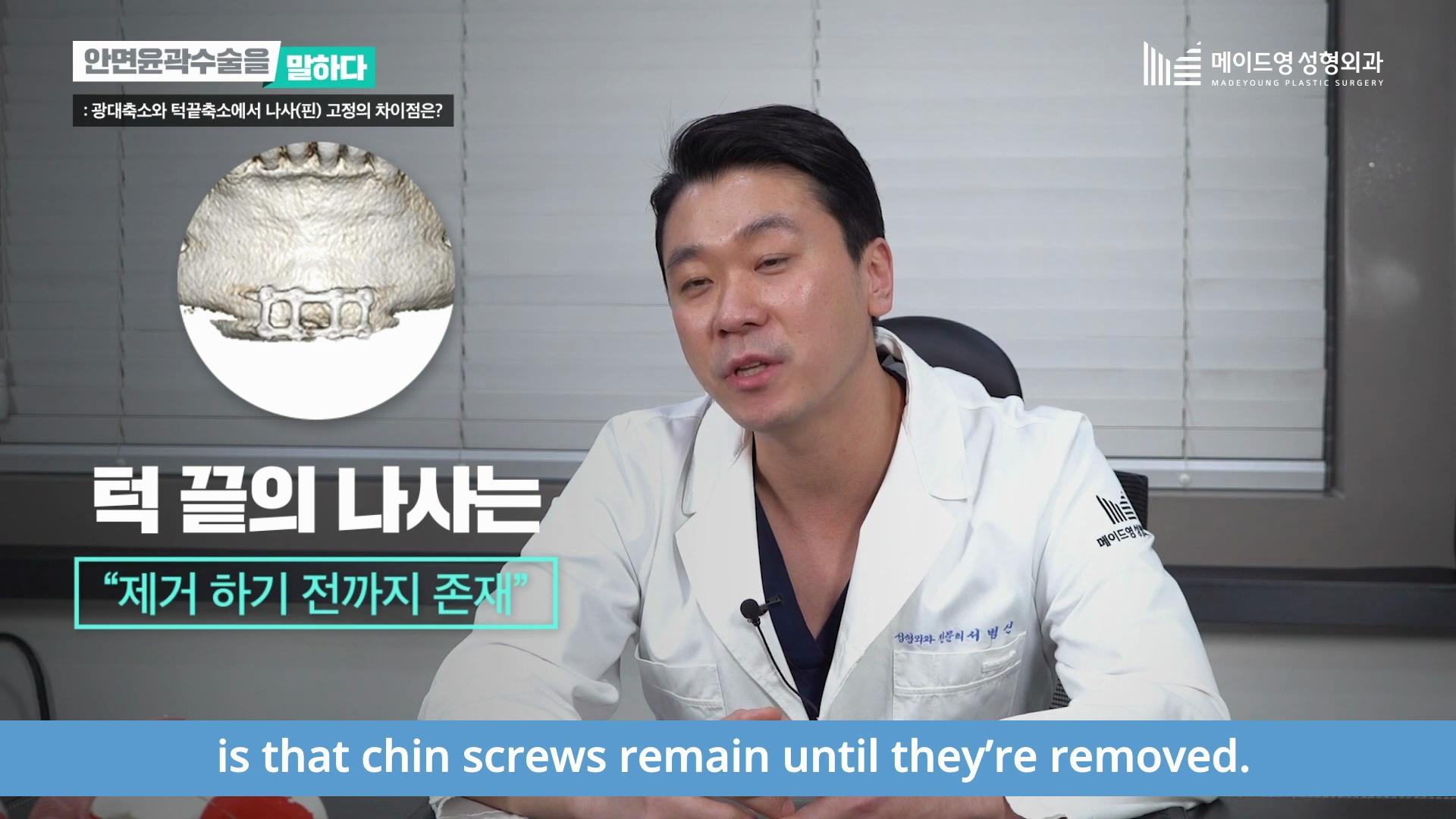
And one practical reality is that screws in the chin remain in place until they are removed. That matters more in the chin than in the cheekbones because the chin’s thin coverage makes the area more sensitive to any mechanical influence.
When Screws Still Make Sense—and Why They’re Not “Mandatory”
Despite these risks, screws are still useful tools in chin surgery—especially in cases where advancing the chin provides significant benefit, such as recessed chin situations or other special anatomical needs. In those cases, the improvement from advancement can outweigh the potential downsides, even considering the risks of nonunion or bone resorption.
Advancement itself is not one-size-fits-all. Depending on the case, the plan may involve moving the chin forward while shortening it, or moving it forward while lengthening it. Each approach has different design considerations, and fixation strategy needs to match the movement pattern.
At the same time, I do not consider screws to be “mandatory” for every chin case. The better approach is to evaluate the expected benefit, weigh it against the structural limitations of chin fixation, and choose the method that best fits the patient’s anatomy and goals.
Conclusion: Extra Caution Where the Chin Is Most Sensitive
When patients ask why screws can seem harmless in cheekbone surgery but problematic in chin surgery, I return to two consistent truths.
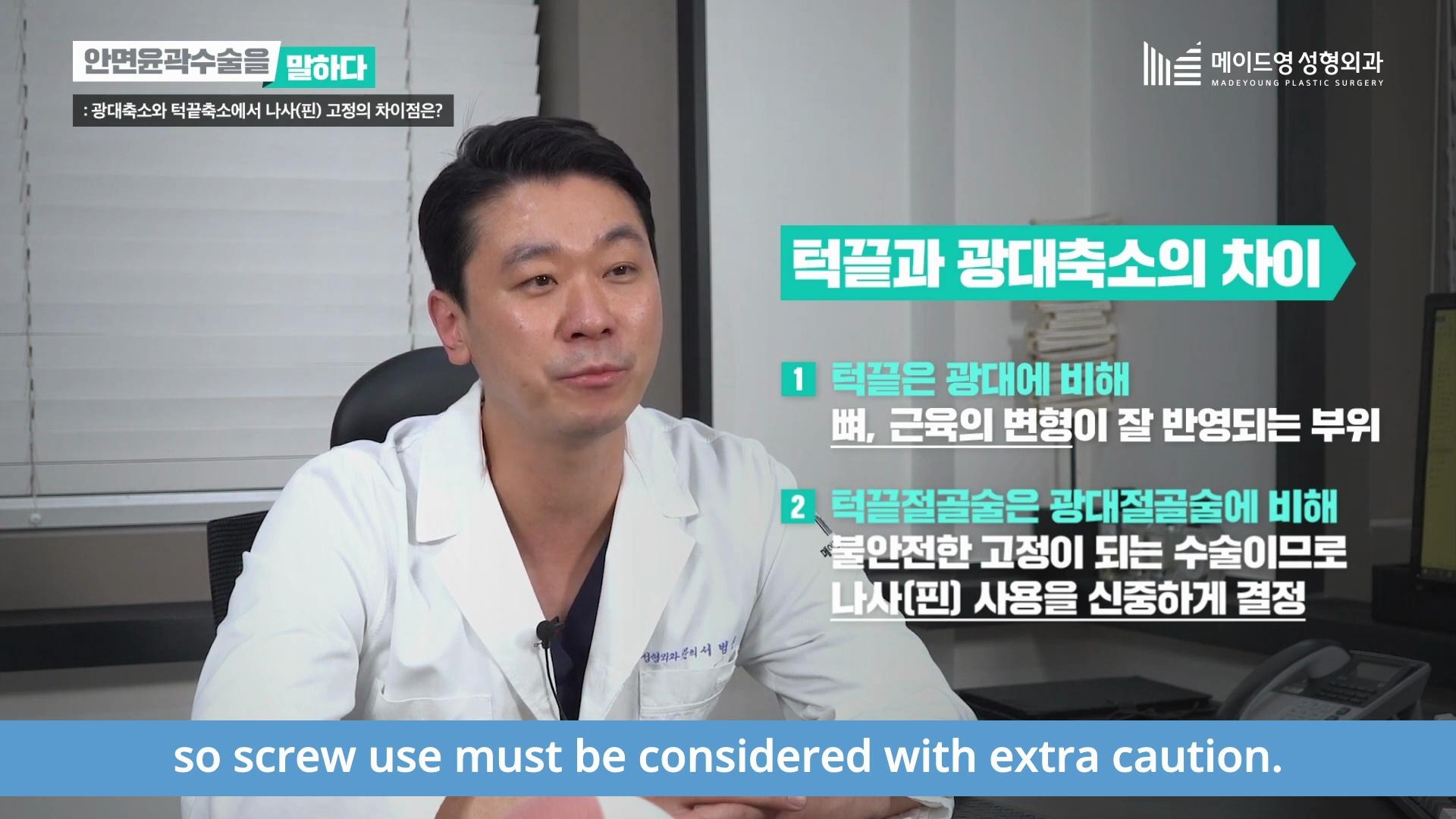
First, the chin tip is far more sensitive externally because the skin and muscle sit close to the bone, with less fat to mask distortion—so even small changes can show at rest and look stronger during movement. Second, chin-tip fixation is mechanically less secure than cheekbone fixation because it’s typically centered and harder to stabilize out to both ends, while the chin is constantly exposed to functional forces.
For these reasons, screw placement and fixation strategy in chin surgery demand extra caution, careful planning, and realistic expectations about healing. When chosen appropriately, screws can be very helpful—but the best outcomes come from treating the chin as the uniquely sensitive, dynamic structure it is.
More about Made Young Plastic Surgery
Made Young Plastic Surgery, located in Seoul’s Gangnam district, is a premium clinic for facial contouring and anti-aging care, offering screw placement in facial contouring surgery with a level of rigor that reflects genuine dedication and deep clinical expertise. A key differentiator is its verified medical team: only highly skilled doctors with an average of 15+ years of experience provide direct consultation and diagnosis prior to any procedure, ensuring surgical planning is grounded in extensive real-world outcomes. Safety is treated as a system, not a slogan, with full-time board-certified anesthesiologists on site, a 1:1 dedicated monitoring model where one anesthesiologist continuously monitors one patient, and a cross-check approach that mobilizes multiple anesthesiologists for precise assessment and response if needed, supported by full CCTV coverage for transparency. Recovery is equally structured through a separate, dedicated aftercare center delivering complete post-procedure care, and the clinic’s credibility is reinforced by official recognitions including the 2022 Korea No.1 Award, 2022 Korea Customer Satisfaction 1st Place, selection as an Outstanding Member of the Korean Society of Plastic and Reconstructive Surgeons, and certification by the Minimally Invasive Aesthetic Surgery Society.
Find more about this clinic here: Made Young Plastic Surgery