
Medical Tourism Blog
Effective Chin Surgery for Long Chin Correction in Korea: Transform Your Profile with Expert Care
Table of contents
- Chin Surgery (Genioplasty): Detailed Medical Procedures for Reduction
- The Journey to Chin Surgery in South Korea: A Medical Tourist's Guide
- Which Are the Best Clinics in Korea for Long Chin?
- Cost Analysis: Chin Surgery in South Korea vs. Global Destinations
- Patient Experiences and Outcomes: Restoring Facial Harmony and Confidence
- Conclusion
- References
Considering treatment in Korea? Everything you need to know e.g. — how to avoid scams, visas, interpreters, recovery tips — in our Medical Tourism Master Guide. Plan with confidence in minutes, not weeks!
A "long chin," medically known as a chin that is vertically elongated beyond ideal facial proportions, can have a significant impact on both facial aesthetics and self-confidence. This guide explores the medical definitions, surgical procedures, the process of undergoing chin surgery in South Korea as a medical tourist, associated costs, and patient outcomes.
Getting familiar with the right medical terminology is the first step toward finding effective solutions for a vertically elongated chin.
Defining Vertical Macrogenia and Its Impact on Facial Harmony
The medical term for a chin that is too long vertically is vertical macrogenia. This condition refers to an overgrowth of the chin bone, which disrupts the balance and symmetry of the face. Ideally, the face is divided into upper, middle, and lower thirds, and when the chin is too long, it makes the lower third appear "bottom-heavy" or, in women, more masculine.
Vertical macrogenia can also affect how the lower face functions. It may change the way you smile, make it harder to close your lips naturally, and cause the mentalis muscle (which controls chin movement) to become overactive. Many people with this condition feel dissatisfied with their profile, experience lower confidence, and may avoid social situations or photos. Addressing vertical macrogenia is often seen as a reconstructive procedure, aiming to restore both facial balance and psychological well-being.
The most common cause is symphyseal overgrowth, where the front part of the lower jawbone grows more than usual. Diagnosis involves a clinical evaluation of soft tissue, incisor display, and mentalis muscle function, along with advanced imaging like lateral cephalometric X-rays and Cone Beam CT (CBCT) scans for precise measurements.
Common Medical and Informal Pseudonyms
When researching "long chin" solutions, you might come across several terms. The general medical term for a large chin is macrogenia, and when the vertical dimension is specifically in excess, it’s called vertical macrogenia.
It’s important to distinguish vertical macrogenia from prognathism, which refers to the forward protrusion of the jaw. Mandibular prognathism (sometimes called "Habsburg jaw" or "Habsburg chin") involves the lower jaw extending forward and can cause bite issues, while vertical macrogenia is about vertical length and usually doesn’t affect jaw function. Maxillary prognathism affects the upper jaw, and bimaxillary prognathism involves both jaws.
Informal terms like "extended chin," "prominent chin," or "large chin" are common, but lack medical precision. Terms like "strong chin" or "jutting chin" are more about appearance than diagnosis.
Understanding these distinctions helps patients communicate clearly with medical professionals and make informed decisions about treatment options.
Chin Surgery (Genioplasty): Detailed Medical Procedures for Reduction
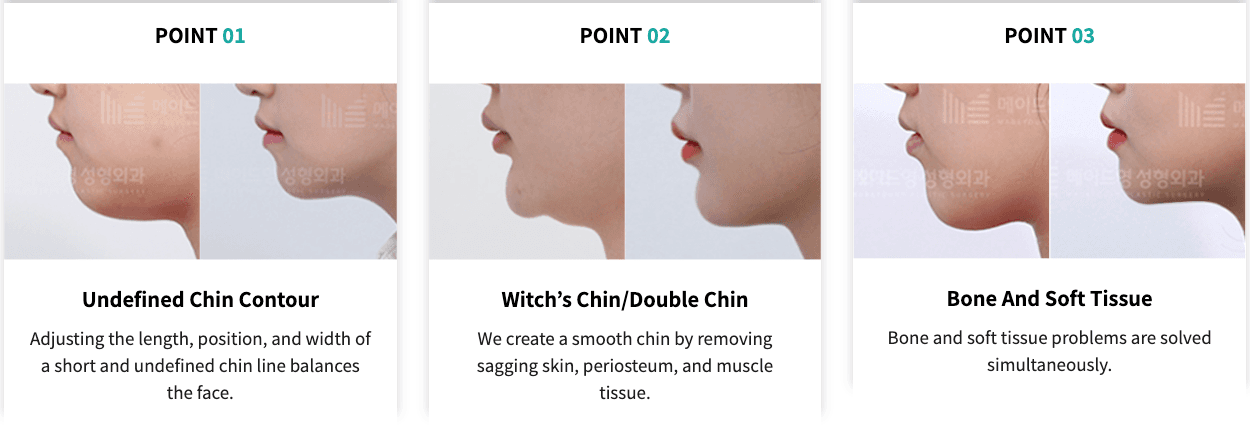
Chin surgery, or genioplasty, includes several techniques to reshape the chin. For a "long chin," the focus is on reduction, using bone-based procedures for lasting results.
Overview of Chin Reduction Surgery (Osseous Genioplasty)
Chin reduction surgery is a specialized genioplasty that decreases the size and prominence of a vertically elongated chin. The most common approach is osseous genioplasty (also called sliding or bony genioplasty), which involves cutting and repositioning the patient’s own chin bone rather than using implants.
Osseous genioplasty uses natural bone, resulting in a more integrated and permanent outcome. There’s no need for future replacements, and the risk of infection or rejection is lower compared to implants. The incision is made inside the mouth, so there are no visible scars.
Key Surgical Techniques for Vertical Chin Reduction
Several techniques are used, depending on the patient’s anatomy and goals:
- Horizontal Reduction Genioplasty: A horizontal bone cut is made, and a wedge of bone is removed to reduce vertical height. If needed, the chin can also be moved backward. There’s about a 10% chance of temporary numbness in the lower lip or chin.
- Semicircular Ostectomy: A semicircular section of bone is removed along the lower jaw border, creating smoother contours and a natural transition between chin and neck. This method offers high satisfaction and quick recovery.
- Coronal-Splitting Genioplasty: This advanced technique allows correction in three dimensions and preserves muscle attachments, reducing the risk of chin sagging. It’s ideal for complex or asymmetrical cases.
- Bone Burring: For minor vertical excess (2–4 mm), a high-speed burr is used to refine chin height. This is less invasive but only suitable for mild cases.
Modern techniques allow for more precise and predictable results, with fewer long-term complications than older methods. Choosing a skilled surgeon who uses advanced planning tools is essential for the best outcome.
Distinction from Chin Augmentation and Implants
Chin reduction is different from chin augmentation. Augmentation increases chin size using implants or by moving the bone forward, while reduction removes or reshapes bone to decrease size. Osseous genioplasty is preferred for reduction due to its natural feel and permanence.
Pre-Surgical Planning: Advanced Imaging and Clinical Workup
Successful chin reduction starts with thorough planning. This includes evaluating soft tissue, incisor display, and mentalis muscle function. Lateral cephalometric X-rays and CBCT scans provide detailed measurements and help avoid nerve damage.
Digital imaging and simulation software allow patients to preview their results, improving confidence and aligning expectations. Planning also considers bone thickness, lip posture, smile function, and nerve location.
Potential Risks and Complications Associated with Chin Reduction Surgery
While generally safe, chin reduction surgery carries some risks:
- Temporary Lip Numbness or Tingling: Common after surgery, usually resolves in a few months but can be permanent in rare cases.
- Swelling and Bruising: Peaks in 2-3 days, mostly gone in two weeks, with minor swelling lasting longer.
- Infection: Rare, but antibiotics are prescribed to prevent it.
- Mild Asymmetry or Under-correction: Minor variations can occur.
- Muscle Tightness or Discomfort: Usually temporary and manageable.
- Rare Complications: Such as significant bleeding or hematoma.
Incisions are made inside the mouth, so there are no visible scars. Digital planning and navigation further reduce complication rates.
The Journey to Chin Surgery in South Korea: A Medical Tourist's Guide
South Korea is a global leader in cosmetic procedures, including chin surgery, attracting many medical tourists with its advanced technology, skilled surgeons, and comprehensive care.
The Process, Step-by-Step:
- Initial Consultation and Digital Simulation: The process starts with a detailed consultation and advanced imaging to simulate outcomes, helping patients visualize their new profile.
- Comprehensive Pre-Operative Medical Evaluations: After agreeing on a plan, patients undergo medical evaluations, including blood tests and 3D CT scans. Some clinics offer pre-surgery skincare treatments.
- The Surgical Procedure: Surgery is usually performed under general anesthesia, with incisions inside the mouth. The chin bone is reshaped and fixed in place with metal plates and screws. The procedure takes about an hour.
- Post-Operative Care and Recovery Protocols: Korean clinics emphasize post-op care, providing instructions, medications, and support. Patients are advised to rest, eat soft foods, and wear a compression strap. Swelling and bruising peak in a few days and subside within two weeks. Most people return to work in 7-10 days.
Advanced Facilities, Technology, and Patient Support in Korean Clinics
Korean clinics use state-of-the-art technology, including high-definition cameras and 3D imaging, for greater precision and faster recovery. Many offer luxury amenities and personalized care, ensuring a comfortable experience from consultation to recovery.
Cultural Sensitivity and Language Support for International Patients
Korean clinics often have multilingual staff or translators to help international patients feel comfortable and understood. This cultural sensitivity and support make the experience smoother and more reassuring, turning potential barriers into strengths.
South Korea’s medical tourism ecosystem offers more than just surgery—it provides a structured, supportive environment with advanced diagnostics, personalized planning, and extensive post-op care, making it a top choice for medical tourists seeking quality and value.
Which Are the Best Clinics in Korea for Long Chin?
Listed below are some of the best clinics in Korea for long chin.
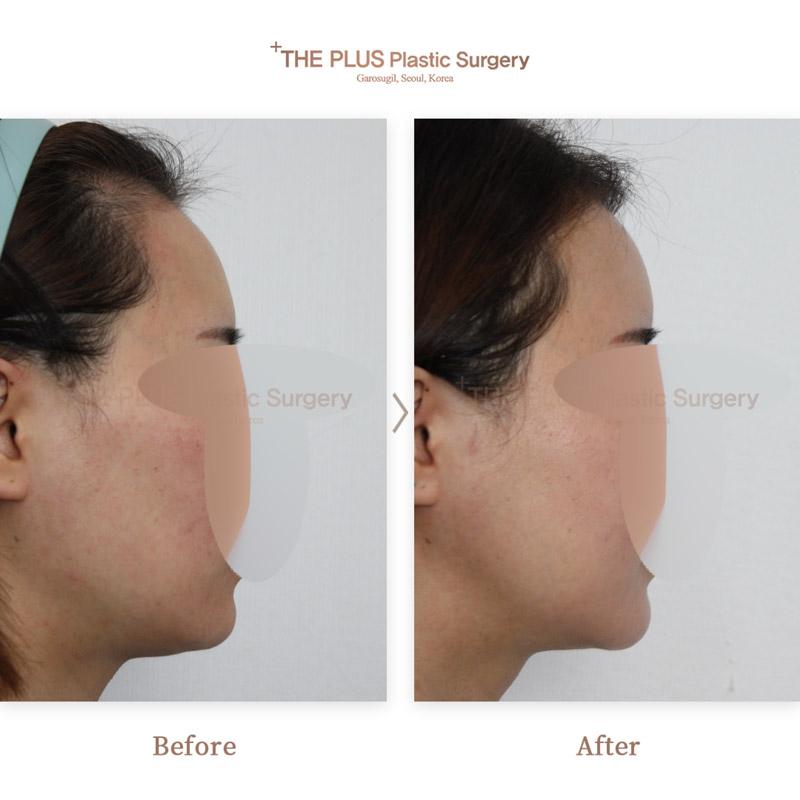
1. THEPLUS Plastic Surgery
For a long chin, you can discuss chin surgery at THEPLUS Plastic Surgery as part of a facial-contouring plan focused on bringing the chin into better proportion with your nose, lips, and jawline. The clinic also offers facial implants where added structural projection is appropriate, with an approach centered on harmonious facial balance.
- URL: THEPLUS Plastic Surgery Website
- Location: Gangnam-gu, Seoul
- Chin and facial contouring:
- Chin surgery can adjust chin size or projection to improve balance across your facial profile.
- Full face contouring, cheekbone surgery, and square jaw surgery are available when your concerns involve more than chin length alone.
- Facial implants are offered to add definition and structural projection in selected facial areas.
- Relevant surgical expertise:
- Dr. Kim is a board-certified plastic surgeon with research awards related to 3D implants and a stated focus on rhinoplasty and facial contouring.
- Dr. Kim conducts annual educational sessions for other plastic surgeons and emphasizes harmony among facial features.
- Dr. Jeong is President of the Korean Society of Plastic Surgeons and regularly participates in professional conferences and educational sessions.
2. Made Young Plastic Surgery
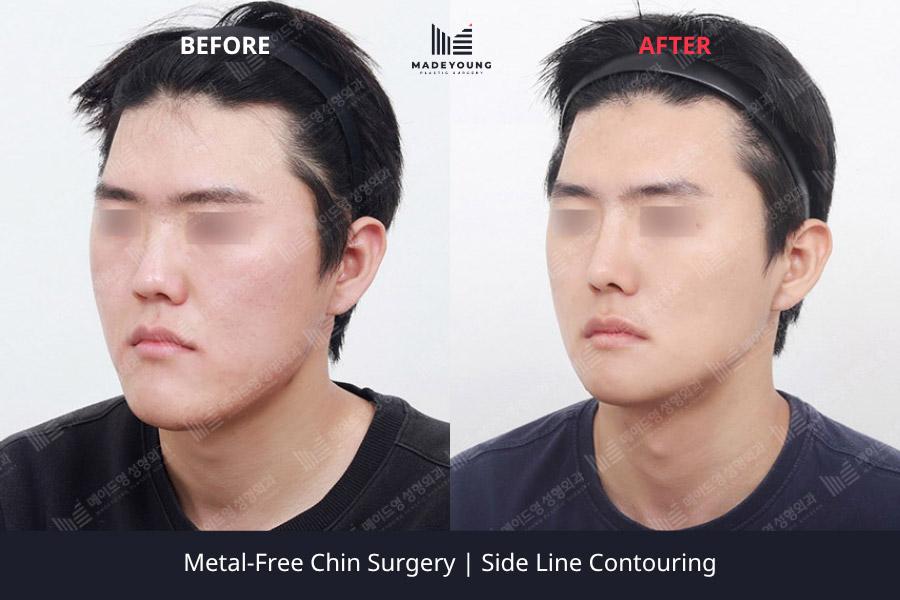
You may consider Made Young Plastic Surgery for long-chin correction because it offers chin surgery (genioplasty) within a broader facial-contouring service, allowing your chin’s size and shape to be assessed alongside your jawline and cheekbone proportions. You can expect a direct medical-team consultation and diagnosis before treatment, plus a safety system that includes full-time board-certified anesthesiologists, one-to-one anesthesia monitoring, emergency cross-checking, procedure-room CCTV coverage, and a dedicated aftercare center.
- URL: Made Young Plastic Surgery Website
- Location: Seocho-gu, Seoul
- Chin and facial contouring:
- Chin surgery (genioplasty) is offered to enhance or reduce chin size and reshape it for improved facial proportion.
- V-line surgery, metal-free V-line surgery, jaw reduction, and cheekbone reduction are available for more comprehensive facial-contouring discussions.
- Metal-free cheekbone reduction is described as avoiding metal fixtures.
- Safety and aftercare:
- Full-time board-certified anesthesiologists are on site.
- A dedicated anesthesiologist continuously monitors one person at a time under the clinic’s 1:1 monitoring system.
- Multiple anesthesiologists can cross-check assessment and response in an emergency.
- The clinic states that procedure areas have full CCTV coverage and that it operates a separate aftercare center.
3. Banobagi Plastic Surgery
For long-chin concerns, you can seek a one-to-one customized assessment at Banobagi Plastic Surgery, which has a dedicated facial-contouring center within its multi-specialty surgical facility. Established in 2000 by plastic-surgery specialists from Seoul National University Hospital, the clinic states that it avoids recommending unnecessary or excessive surgery.
- URL: Banobagi Plastic Surgery Website
- Location: Gangnam-gu, Seoul
- Care approach:
- The clinic describes providing one-to-one customized treatments with professional equipment organized by specialty.
- Its stated philosophy is to avoid unnecessary or excessive surgical recommendations.
- Facial contouring is one of the clinic’s dedicated service centers.
- Clinic background:
- Banobagi was established in 2000 by four medical professionals who were plastic-surgery specialists from Seoul National University Hospital.
- Its facility includes a six-story main building and a five-story annex, with centers spanning facial contouring, body contouring, breast, wrinkle, eye, nose, filler/special surgery, and obesity care.
Cost Analysis: Chin Surgery in South Korea vs. Global Destinations
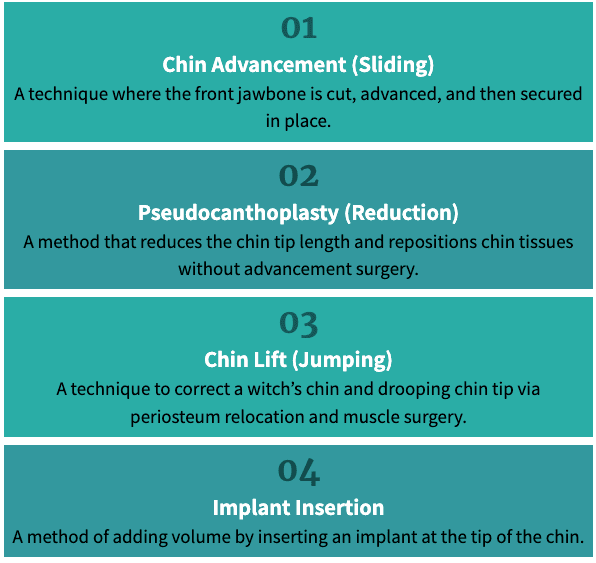
Understanding the costs involved is crucial for anyone considering chin surgery abroad. South Korea offers a balance of affordability and high-quality care.
Average Costs of Chin Surgery in South Korea
Chin surgery in South Korea, including genioplasty, typically costs ₩7,200,000 to ₩7,900,000 KRW (about $4,960 to $5,440 USD as of May 2025). This usually covers consultations, post-op check-ups, medications, anesthesia, and the surgeon’s fee.
International patients should also budget for:
- Travel and Accommodation: Flights ($500–$1,500) and two weeks’ lodging ($420–$2,800).
- Daily Expenses: Meals and transport ($140–$700 for two weeks).
- Upfront Deposit: Often 10% of the procedure cost.
- VAT Refund: Foreigners may get a VAT refund, reducing costs.
- Optional Procedures: Combining chin surgery with other treatments adds to the total.
Factors like procedure complexity, surgeon reputation, clinic location, and technology can affect the final price.
Table 1: Estimated Cost of Chin Surgery in South Korea (USD)
| Procedure Component | Cost Range (USD) |
|---|---|
| Chin Surgery (Procedure) | $4,960 - $5,440 |
| Flights (Economy Round-trip) | $500 - $1,500 |
| Accommodation (2 weeks) | $420 - $2,800 |
| Daily Expenses (2 weeks) | $140 - $700 |
| Total Estimated Trip Cost (including surgery) | $6,020 - $10,440 |
This breakdown helps patients budget realistically for their medical journey.
Comparative Costs for Medical Tourists: South Korea vs. Other Countries
Many people look abroad for chin surgery due to high costs at home. Countries like India, Thailand, and Turkey offer budget-friendly options with good satisfaction rates.
Table 2: Comparative Costs for Genioplasty (Chin Reduction) Across Key Medical Tourism Destinations (USD)
| Country | Chin Reduction (Genioplasty) Cost Range (USD) | Notes |
|---|---|---|
| South Korea | $4,960 - $5,440 | Competitive pricing, advanced care, and technology |
| United States | $10,000 | High standards, higher costs |
| United Kingdom | $6,000 - $7,500 | High standards, higher operating expenses |
| Australia | $3,440 - $10,320 | Robust healthcare, high standards |
| Mexico | $900 - $3,600 | Affordable, but check regulatory standards |
| Turkey | $2,000 - $4,770 | Cost-effective, high-quality facilities |
| Thailand | $7,200 | Bundled options, check provider qualifications |
| India | $480 - $3,000 | Very inexpensive, varies by city and surgeon |
This table offers a quick comparison for patients considering global options.
The Value Proposition of South Korea for Medical Tourism
Choosing a destination isn’t just about the lowest price. Patients should weigh the total cost—including surgery, travel, and living expenses—against the quality of care, surgeon expertise, technology, and overall experience.
While countries like India and Turkey may offer lower base prices, South Korea stands out for its advanced infrastructure, meticulous planning, and comprehensive care. Its prices are more affordable than Western countries, and the overall experience is designed for safety, comfort, and excellent results.
Patient Experiences and Outcomes: Restoring Facial Harmony and Confidence

Chin surgery for a "long chin" offers more than just physical change—it can transform self-perception and quality of life.
Addressing Aesthetic and Functional Concerns through Chin Reduction
Long chin surgery reduces vertical excess, restores facial proportion, and enhances harmony. It’s especially popular among women seeking a more feminine look. The procedure can also improve lip closure and reduce mentalis muscle strain.
Reported Patient Satisfaction and Psychological Benefits
Studies show that 78% of patients report significant improvements in appearance and self-image after surgery. Many experience a boost in self-confidence and reduced social anxiety. Patient testimonials often highlight the emotional impact, with comments like, "There is no better feeling than self confidence and mine definitely has improved," and, "I really could not be happier! I feel so grateful... I have never felt so beautiful." The journey may involve initial swelling, but patience is rewarded with lasting results.
Chin reduction surgery is more than cosmetic—it addresses deep-seated issues of self-perception and well-being, functioning as a reconstructive intervention for both physical and psychological health.
Recovery Expectations and Long-Term Results
Recovery involves swelling and bruising, peaking in the first few days and mostly resolving within two weeks. Some swelling may last for 2-3 months as the bone heals. Temporary numbness is common and usually fades over several months.
Following post-op instructions—like eating soft foods and maintaining oral hygiene—ensures the best healing. The results of osseous genioplasty are permanent, and the chin will age naturally with the rest of the face.
Conclusion
Vertical macrogenia, or a "long chin," disrupts facial harmony and can cause significant psychosocial distress. Modern chin surgery, especially osseous genioplasty, provides effective, permanent solutions with advanced planning and tailored techniques. South Korea stands out as a top destination for medical tourists, offering competitive pricing, comprehensive care, and high patient satisfaction. Patients report lasting improvements in confidence and quality of life, making informed decision-making essential for the best outcomes.
References
1, 2, 3, 4, 5, 6, 7, 8, 9, 10, 11, 12, 13, 14, 15, 16, 17, 18, 19, 20, 21, 22, 23, 24, 25, 26, 27, 28
Frequently Asked Questions
Related Blogs
Mandibular Prognathism Correction with Double Jaw Surgery in Korea: Effective Solutions for Jaw Alignment
Explore how Korea leads in treating mandibular prognathism with advanced Double Jaw Surgery (Bimaxillary Osteotomy). This comprehensive guide highlights the benefits, surgical techniques, recovery process, costs, and success stories for international patients seeking jaw correction in Korea. Discover why Korea is the top destination for jaw surgery, offering cutting-edge technology, expert surgeon
Updated: Nov 5, 2026

Achieve a Slimmer Square Lower Face with V Line Surgery in Korea: Expert Solutions for Facial Contouring
Discover the transformative power of V Line Surgery in Korea, the world's leading destination for jaw and chin reshaping. Addressing a "square lower face," this advanced facial contouring includes jaw reduction (mandibuloplasty), chin reshaping (genioplasty), and bone contouring techniques. Korean clinics utilize innovative, metal-free procedures and cutting-edge technology to achieve natural, har
Updated: Nov 4, 2026

Wide Lower Face Solutions: V Line Surgery Benefits and Options in Korea
Discover how Korea leads in V-line surgery and treatment for a wide lower face. This comprehensive blog explains the V-line jaw surgery, mandibuloplasty, and chin reshaping techniques used in Korea to achieve a slimmer, more feminine jawline. Learn about the benefits, procedures, and why Korea is your best destination for safe, advanced facial contouring in medical tourism. Perfect for those seeki
Updated: Nov 3, 2026
Malar Protrusion Solutions: Cheekbone Reduction Procedures in Korea for a Balanced Facial Contour
Considering malar protrusion (outward flaring zygomatic bones)? This informative Korea-focused blog covers cheekbone reduction (zygoma reduction) procedures, advanced surgical techniques like Dr. Kim's 3D repositioning, and the step-by-step journey for international patients. Learn about costs, recovery, and high patient satisfaction levels that make Korea a global leader in facial contouring. Dis
Updated: Nov 2, 2026
Clinics offering Chin Surgery

THEPLUS Plastic Surgery Korea | Eye, Nose, Face & Body Surgery
Sinsa

Made Young Plastic Surgery: Rejuvenating Aesthetic Excellence in Korea for Face Lifts, Contouring and More
Gangnam Station

Banobagi Plastic Surgery: A Pioneering and Trusted Plastic Surgery Clinic in Korea
Seolleung

Mind Plastic Surgery: Excellence in Cosmetic & Reconstructive Procedures in Korea
Sinnonhyeon Station