Medical Tourism Blog
Traction Alopecia Solutions: Stem Cell Hair Treatment & Hair Loss Treatment in Korea
Table of contents
- A Clinical Primer on Traction Alopecia
- Core Strategies for Hair Restoration
- Exploring Stem Cell Therapy for Hair Loss
- Best Clinics in Korea for Traction Alopecia
- Medical Tourism: Why South Korea Is a Leading Destination
- Real Patient Journeys and Managing Expectations
- Conclusion
- References
Considering treatment in Korea? Everything you need to know e.g. — how to avoid scams, visas, interpreters, recovery tips — in our Medical Tourism Master Guide. Plan with confidence in minutes, not weeks!
This comprehensive report is crafted for individuals dealing with hairline recession due to traction alopecia, a type of hair loss that arises from prolonged tension on the hair follicles commonly caused by certain pulling hairstyles. Traction alopecia follows a two-phase path: an initial, reversible inflammatory stage and a later, irreversible scarring stage where follicles are permanently destroyed. Recognizing where you are in this progression is essential for choosing the right treatment.
Treatment for traction alopecia varies by its stage. Early on, simply stopping all styles that create tension can lead to full hair regrowth. In more advanced cases—with permanent follicular damage—interventions like hair transplantation using Follicular Unit Extraction (FUE) or Follicular Unit Transplantation (FUT) are the most effective permanent solutions. Stem cell therapy stands out as an emerging, non-surgical option aimed at revitalizing inactive follicles, but it cannot restore hair in areas that have already scarred permanently—and remains experimental and not FDA-approved.
South Korea has emerged as a top destination for those seeking advanced hair restoration, offering cutting-edge techniques, high expertise, and competitive pricing, especially when compared to Western countries. As you consider your options, this guide empowers you with clinical insights and practical steps for your hair restoration journey.
A Clinical Primer on Traction Alopecia
Defining the Condition: The Progression from Inflammation to Scarring
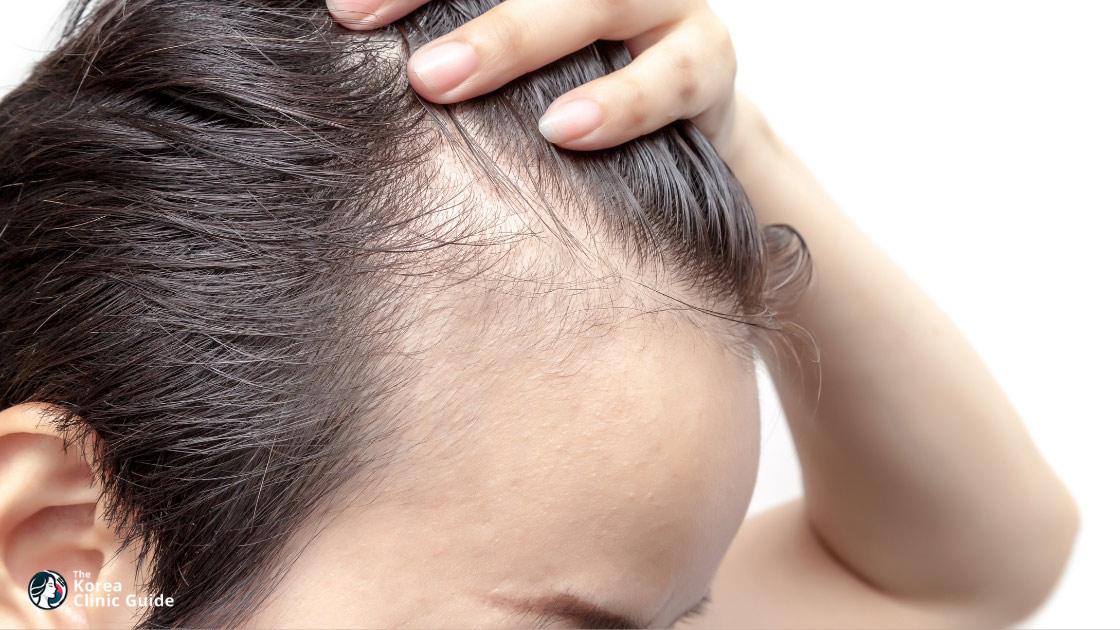
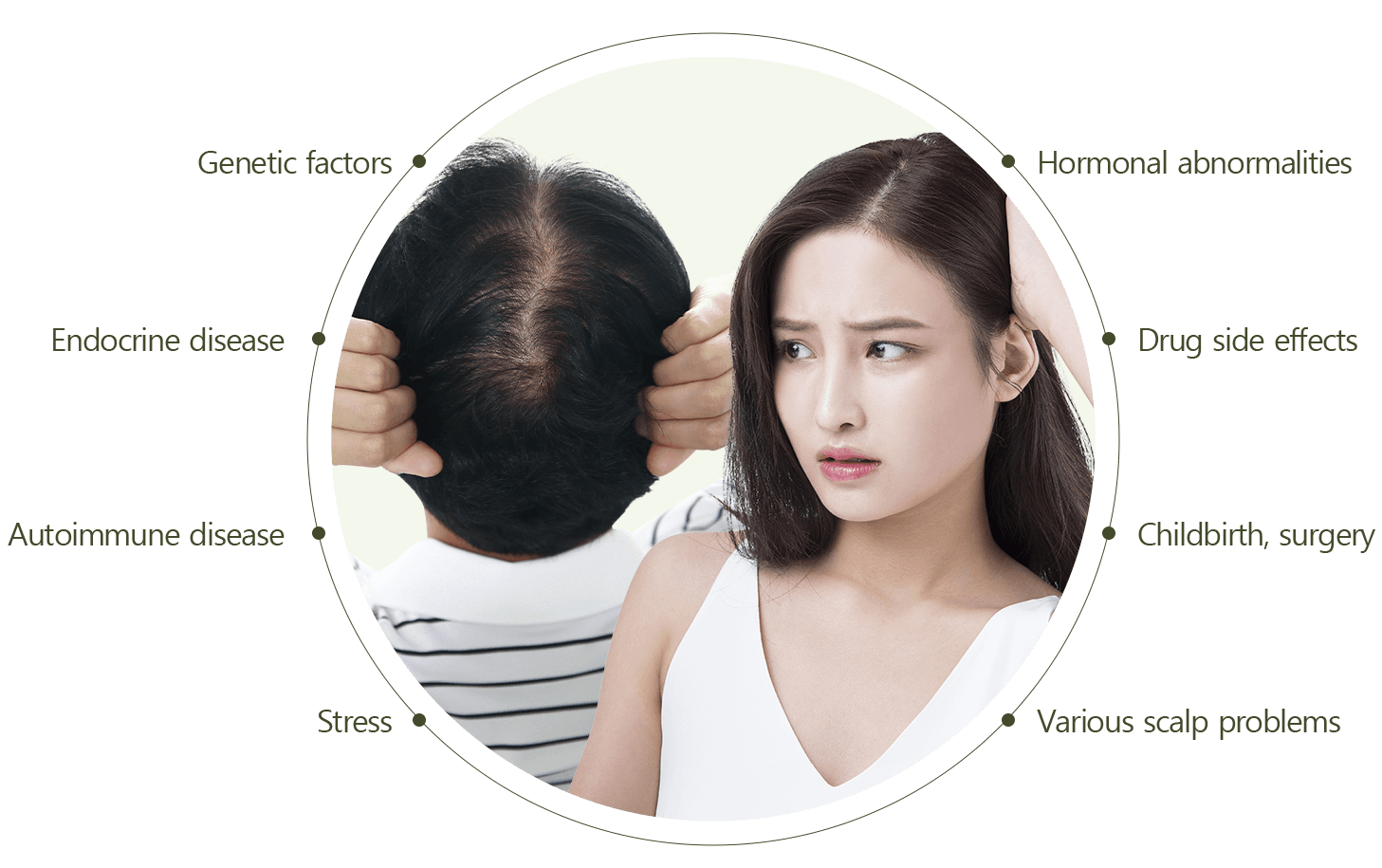
Traction alopecia is hair loss that results from continuous mechanical stress—think tight ponytails, braids, or other pulling hairstyles. While the term "hairline recession" might sound straightforward, the process involves two distinct stages. First, there’s a non-scarring, reversible phase marked by inflammation. Here, the hair follicles are irritated but still alive. Signs in this phase may include reduced hair density, broken hairs, redness, or small bumps (folliculitis). If you stop applying tension early enough, there’s a good chance of full hair regrowth.
However, if the tension isn’t removed in time, the condition progresses to a chronic, scarring stage. In this advanced phase, permanent damage destroys the follicles. Scar tissue replaces them, leading to smooth, shiny bald areas where no new hair can grow. Once scarring sets in, treatments that stimulate existing follicles have no effect, and different—more direct—interventions are necessary.
Symptoms, Signs, and How to Recognize Traction Alopecia
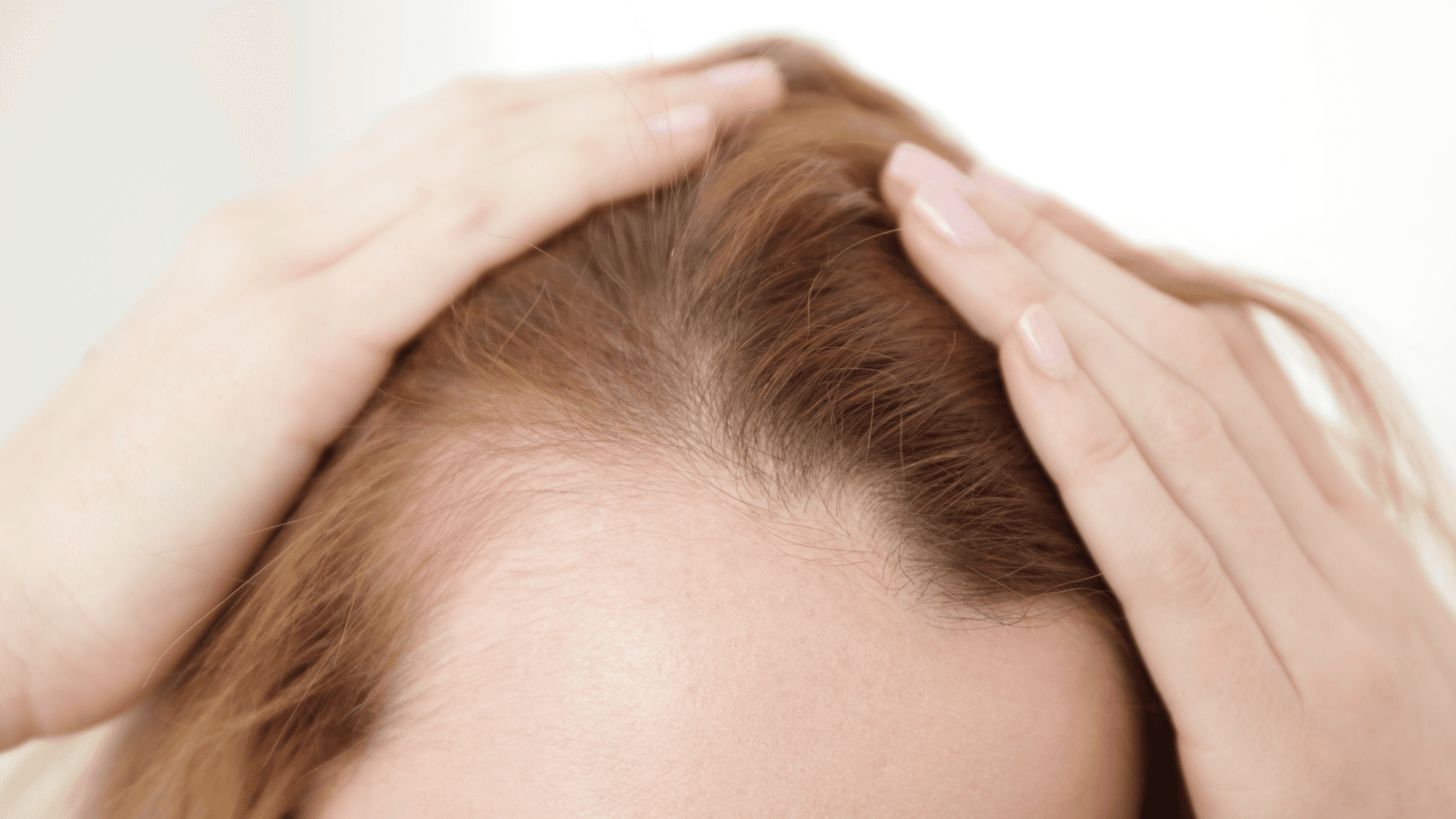
Clinically, traction alopecia is often first noticed as pain or stinging in affected scalp areas. You might see thinning or broken hairs at the hairline, along with bumps signaling inflammation. A unique diagnostic marker is the "fringe sign," where a fringe of finer, shorter hairs remains at the very front of the hairline—these hairs survive because they’re shielded from tension, which makes this sign important for distinguishing traction alopecia from other types like androgenetic alopecia.
Advanced cases can show bald patches and a shiny scalp surface, unmistakable for their loss of follicles. While you won’t find medical synonyms for traction alopecia, many patients commonly talk about the “loss of one’s edges,” capturing the reality that hair loss usually hits the temples and front hairline first.
Core Strategies for Hair Restoration
Immediate Response and Non-Surgical Treatments
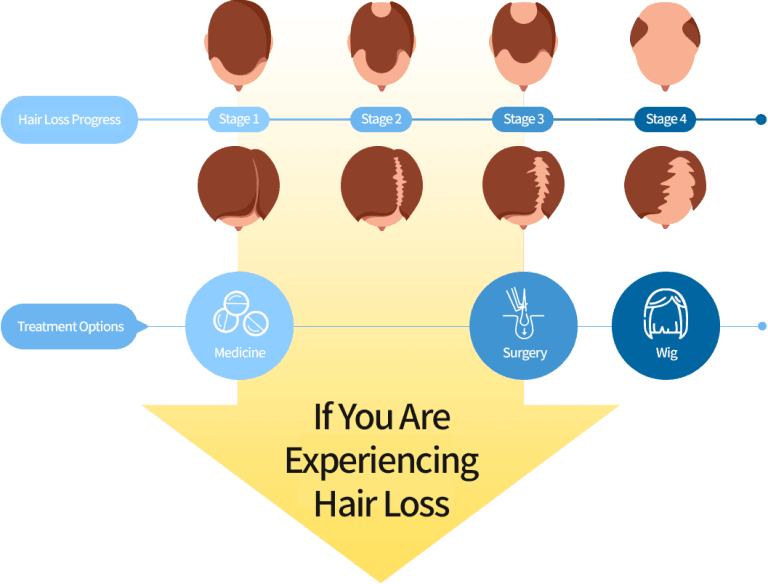
Your first and most important step is to stop any hairstyle that causes tension on your hair roots. In the early, non-scarring phase, this alone might be enough for hair to regrow. Beyond this, non-surgical treatments for hair loss exist, but their usefulness in traction alopecia depends on the hair follicle’s condition.
Minoxidil, popular for androgenetic alopecia, is not effective for traction alopecia, especially with scarring, because it relies on stimulating live follicles. PRP (platelet-rich plasma) therapy and low-level laser therapy (LLLT) offer some benefit by improving the quality and thickness of existing hairs, but, again, only function if viable follicles remain. These treatments can't restore hair to areas with total baldness or scarring.
Surgical Solutions: The Role of Hair Transplantation
Once traction alopecia progresses to a point where hair follicles are destroyed, surgical hair transplantation is the most validated permanent solution. This approach doesn’t try to revive lost follicles; instead, it relocates healthy hair from donor sites (typically the back of the scalp) to the affected areas.
The two primary techniques are:
-
Follicular Unit Transplantation (FUT): Known as the “strip method,” this involves removing a strip of scalp and dissecting it into follicular units. FUT provides more coverage in one session but leaves a linear scar.
-
Follicular Unit Extraction (FUE): This “point method” extracts individual follicular units using a micro-instrument, leaving no linear scar and minimal downtime. FUE is ideal for short hair or minimal scarring.
For late-stage, scarring traction alopecia, the success of transplantation depends on both the condition of the scar tissue and the skill of the surgeon. Despite some challenges with blood flow in scarred areas, hair transplantation is often very successful even when other approaches aren’t viable.
Exploring Stem Cell Therapy for Hair Loss
How Stem Cell Therapy Works
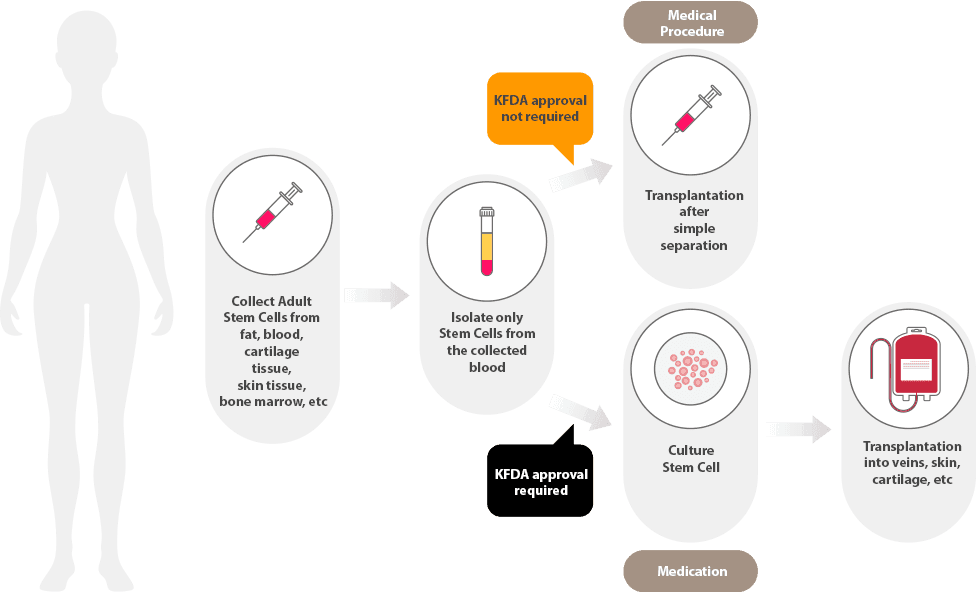
Stem cell therapy is an exciting, non-surgical approach that aims to activate dormant hair follicles by leveraging the body’s regenerative capabilities. It involves taking mesenchymal stem cells (usually harvested from fat or hair follicles), concentrating them, and injecting them into thinning scalp areas. The process is typically quick—about one to two hours.
These stem cells release growth factors and cytokines that boost blood flow, reduce inflammation, and may trigger dormant follicles to start growing hair. Exosomes (tiny particles released by stem cells) have also gained attention as possible alternatives, carrying regenerative signals directly.
Effectiveness, Evidence, and Regulatory Issues
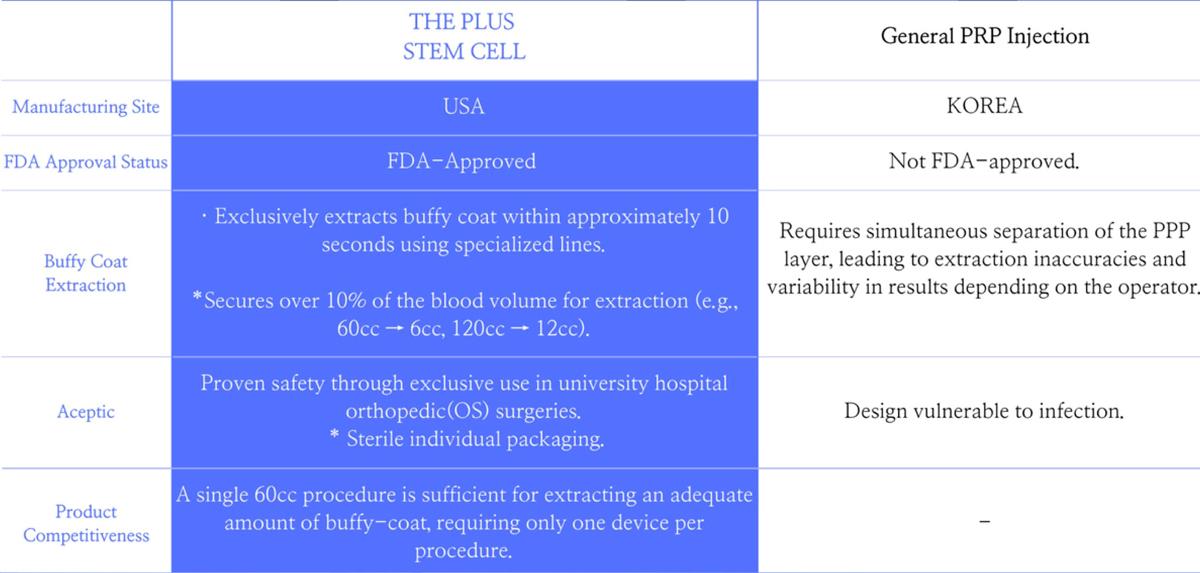
Early clinical studies on stem cell therapy for hair loss show promise: hair density increases by around 20-33% within a few months after treatment. Some clinical trials report improvements in more than 80% of participants. However, stem cell therapy can only benefit areas where follicles remain dormant but are not destroyed. If scarring has replaced the follicles, this treatment won’t help.
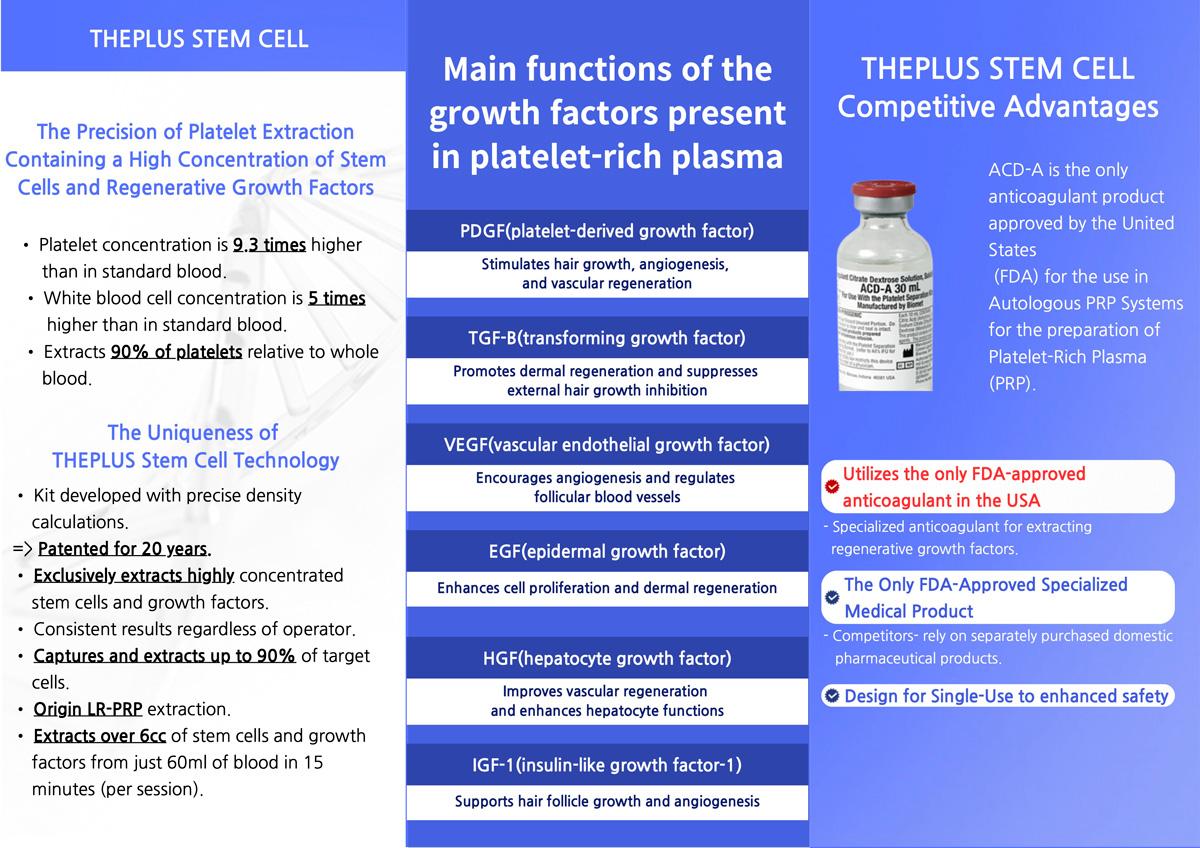
Most stem cell therapies for hair loss are not FDA-approved in the U.S. and are considered investigational. This means they are not covered by insurance, long-term safety data is limited, and regulation is tightening. Patients considering this option should proceed with caution, seek detailed information, and weigh the experimental nature of these treatments.
Best Clinics in Korea for Traction Alopecia
Listed below are the best clinics in Korea for traction alopecia:
| Clinic Name | Key Features | Special Techniques |
|---|---|---|
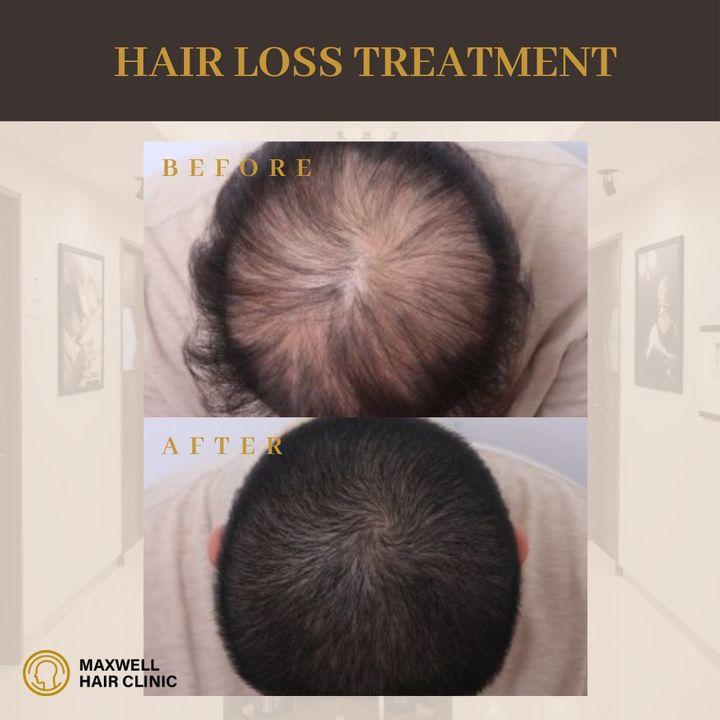
| Maxwell Hair Clinic | Maxwell Hair Clinic is a top-tier hair restoration center in Korea, established in 2007 and widely recognized for delivering data-driven, personalized treatment for hair loss conditions including traction alopecia, with seamless support for international patients. With advanced facilities, more than 60,000 successful hair transplants, and recognition as Korea’s best clinic consecutively since 2011, Maxwell combines long-term clinical experience with a follicle-focused treatment philosophy that targets the “engine” of hair production rather than superficial scalp care. Led by founder Dr. Noh Yoon Woo—voted top hair transplant doctor in 2010 and awarded “best of the best Doctor award” in Korea—Maxwell emphasizes a comfortable, trusting doctor–patient relationship, individualized planning, and continuous aftercare to support sustainable, natural-looking regrowth and recovery. | - Purpose-built approach for traction alopecia: Focuses on restoring and strengthening follicle cells (not just scalp surface care), which is critical when hair loss is driven by chronic pulling and tension. - Three-step treatment system for faster, fuller improvement: - Step 1: Normalization — regulates signaling molecules to normalize the hair growth cycle - Step 2: Follicle Regeneration — growth factor therapy targeting follicle cells - Step 3: Follicle Strengthening — physical therapies such as laser, ultrasound, magnetic fields, and electrical stimulation - “Twice as fast, twice as full” outcomes: Designed for simultaneous improvement in hair thickness and hair count. - Proven experience at scale: Over 500,000 treatment cases informing data-driven, personalized solutions. - Advanced at-home support option: Upgraded SCM Hair Serum for easy home use, with many users reporting positive results; improved formula is more effective, uses finer spicules for better absorption with minimal to no discomfort, and includes a tip applicator for direct scalp application without using hands. - World-class surgical capabilities when needed: Offers FUE, FUT, or combined approaches, including shaving options (partial/minimal/no shave) to suit lifestyle needs; also provides revision surgery and scar laser treatment. - International patient readiness: Online consultations and coordinated support for travel and accommodation, enabling continuity of care for patients visiting Korea. |
| Seojin Plastic Surgery Clinic | Seojin Plastic Surgery Clinic in Gangnam, Seoul is a one-doctor clinic led by Dr. Lee Hyungmin (Director Lee Hyeong-Min), offering highly personalized, end-to-end care with more than 16 years of experience and a strong focus on natural-looking hair restoration. Known for combining advanced planning tools and meticulous surgical execution, Seojin is especially well-suited for traction alopecia patients who often require precise hairline and temple reconstruction, careful graft placement to protect fragile areas, and a design that blends seamlessly with existing hair. | - Proven credibility for hair restoration in Korea: Dr. Lee Hyungmin was selected as one of the Top 100 Good Doctors in Korea (2022), and the clinic was ranked No. 1 in the Hair Transplant Category at the KBS N Korea Broadcasting Brand Awards (2025). - Extensive surgical experience: Over 2,100 hair transplant surgeries performed, supporting consistent decision-making for complex traction alopecia patterns along the hairline and temples. - Wider range of incision options than many clinics: Line cut, no-cut, and mixed approaches are available, allowing the surgical plan to be matched to traction alopecia severity, scalp condition, and the need to minimize visible signs. - Capability for large-scale restoration when needed: Transplantation of 6,000 to 10,000 hairs using combined incision and non-incision methods, helpful for advanced traction alopecia requiring broad coverage. - Hairline gradation transplant for natural results: Follicles are arranged in a fine-to-medium-to-thick sequence for realistic density and softness, with customized design considering symmetry and facial structure (forehead, brow bones, temples, midface, and lower face). - Cold follicle separation room: Optimizes preservation of harvested follicles, supporting better survival—an important factor when restoring traction-damaged zones. - PRP hair transplant option: PRP derived from the patient’s own blood is transplanted with follicles to improve graft survival and reduce inflammation; particularly beneficial when graft survival is critical and for international patients who cannot return frequently for follow-ups. - Techniques to minimize the “popping phenomenon”: Expertise in preventing previously placed grafts from being pushed out during dense placement, supporting tighter, more consistent hairline rebuilding often needed in traction alopecia. - Precision work for special areas affected by traction: Beard and eyebrow transplants are available; for eyebrow transplants, a semi-permanent tattoo designer collaborates on the design while extraction and transplantation are performed by the head surgeon. - Personalized, accountable care: As a one-doctor clinic, Dr. Lee provides comprehensive management from consultation through surgery and follow-up, aligning expectations and design decisions—key for traction alopecia where subtle hairline details matter. |
| Cellinique Clinic | Cellinique Clinic is a premium stem cell clinic in the heart of Gangnam, Seoul, specializing in immunity, regeneration, and restoring natural health and beauty through advanced, science-driven care. As a one-doctor clinic fully dedicated to stem cell research, Cellinique provides 100% personalized treatment planning across facial rejuvenation, full-body wellness, and hair restoration—combining advanced stem cell technology with complementary options such as PRP, exosomes, blood purification, NK cell therapy, Radiesse, and stem cell fat grafting. Led by Dr. Chris Gunwoo Kim, a renowned stem cell medicine expert who has delivered invited lectures across Asia and in major Korean academic meetings (including presentations on high-concentration blood cell zones, SDF-1alpha injections, and “Blood Stem Cells” for anti-aging and tissue regeneration), the clinic brings cutting-edge regenerative medicine principles to aesthetic and medical concerns, including traction alopecia. | - One-doctor, fully customized care: Every traction alopecia plan is designed and overseen directly by Dr. Chris Gunwoo Kim, supporting consistent decision-making and individualized follow-through rather than one-size-fits-all protocols. - Regenerative focus suited to traction alopecia: Cellinique’s emphasis on tissue regeneration and follicle support aligns with the needs of traction-related hair thinning, where improving scalp environment and follicle health can be essential alongside correcting styling habits. - Advanced stem cell hair loss injections: Targeted regenerative injections are offered to help stimulate hair follicle recovery and support healthier hair growth. - Proprietary NovaStem approach: Cellinique’s NovaStem program uses concentrated autologous blood with the goal of activating aged cells and regenerating damaged tissues—an option for patients seeking biologically focused scalp and skin revitalization. - Combination therapy capability (not limited to one modality): Treatments can be paired with PRP, exosomes, and other supportive programs to build a comprehensive plan based on degree of shedding, scalp condition, and goals. - Hair restoration options when needed: If traction alopecia has progressed to areas with reduced regrowth potential, Cellinique offers non-incision hair transplant solutions for natural-looking restoration. - Strong academic and clinical credibility: Dr. Kim’s 2024 Asia lecture tour participation and Korean conference lectures, plus his 2025 presentation of the proprietary NovaStem Kit at KOAT, reflect active engagement with evolving regenerative medicine techniques. - Whole-body health support that may complement recovery: Programs such as blood purification (ABC BMT) and immune-focused therapies are available for patients who want broader wellness optimization alongside hair-focused treatment. |
Maxwell Hair Clinic
Maxwell Hair Clinic is a top-tier hair restoration center in Korea, established in 2007 and widely recognized for delivering data-driven, personalized treatment for hair loss conditions including traction alopecia, with seamless support for international patients. With advanced facilities, more than 60,000 successful hair transplants, and recognition as Korea’s best clinic consecutively since 2011, Maxwell combines long-term clinical experience with a follicle-focused treatment philosophy that targets the “engine” of hair production rather than superficial scalp care. Led by founder Dr. Noh Yoon Woo—voted top hair transplant doctor in 2010 and awarded “best of the best Doctor award” in Korea—Maxwell emphasizes a comfortable, trusting doctor–patient relationship, individualized planning, and continuous aftercare to support sustainable, natural-looking regrowth and recovery.
- Purpose-built approach for traction alopecia: Focuses on restoring and strengthening follicle cells (not just scalp surface care), which is critical when hair loss is driven by chronic pulling and tension.
- Three-step treatment system for faster, fuller improvement:
- Step 1: Normalization — regulates signaling molecules to normalize the hair growth cycle
- Step 2: Follicle Regeneration — growth factor therapy targeting follicle cells
- Step 3: Follicle Strengthening — physical therapies such as laser, ultrasound, magnetic fields, and electrical stimulation
- “Twice as fast, twice as full” outcomes: Designed for simultaneous improvement in hair thickness and hair count.
- Proven experience at scale: Over 500,000 treatment cases informing data-driven, personalized solutions.
- Advanced at-home support option: Upgraded SCM Hair Serum for easy home use, with many users reporting positive results; improved formula is more effective, uses finer spicules for better absorption with minimal to no discomfort, and includes a tip applicator for direct scalp application without using hands.
- World-class surgical capabilities when needed: Offers FUE, FUT, or combined approaches, including shaving options (partial/minimal/no shave) to suit lifestyle needs; also provides revision surgery and scar laser treatment.
- International patient readiness: Online consultations and coordinated support for travel and accommodation, enabling continuity of care for patients visiting Korea.
You can check out their website here: Maxwell Hair Clinic Website
Seojin Plastic Surgery Clinic
Seojin Plastic Surgery Clinic in Gangnam, Seoul is a one-doctor clinic led by Dr. Lee Hyungmin (Director Lee Hyeong-Min), offering highly personalized, end-to-end care with more than 16 years of experience and a strong focus on natural-looking hair restoration. Known for combining advanced planning tools and meticulous surgical execution, Seojin is especially well-suited for traction alopecia patients who often require precise hairline and temple reconstruction, careful graft placement to protect fragile areas, and a design that blends seamlessly with existing hair.
- Proven credibility for hair restoration in Korea: Dr. Lee Hyungmin was selected as one of the Top 100 Good Doctors in Korea (2022), and the clinic was ranked No. 1 in the Hair Transplant Category at the KBS N Korea Broadcasting Brand Awards (2025).
- Extensive surgical experience: Over 2,100 hair transplant surgeries performed, supporting consistent decision-making for complex traction alopecia patterns along the hairline and temples.
- Wider range of incision options than many clinics: Line cut, no-cut, and mixed approaches are available, allowing the surgical plan to be matched to traction alopecia severity, scalp condition, and the need to minimize visible signs.
- Capability for large-scale restoration when needed: Transplantation of 6,000 to 10,000 hairs using combined incision and non-incision methods, helpful for advanced traction alopecia requiring broad coverage.
- Hairline gradation transplant for natural results: Follicles are arranged in a fine-to-medium-to-thick sequence for realistic density and softness, with customized design considering symmetry and facial structure (forehead, brow bones, temples, midface, and lower face).
- Cold follicle separation room: Optimizes preservation of harvested follicles, supporting better survival—an important factor when restoring traction-damaged zones.
- PRP hair transplant option: PRP derived from the patient’s own blood is transplanted with follicles to improve graft survival and reduce inflammation; particularly beneficial when graft survival is critical and for international patients who cannot return frequently for follow-ups.
- Techniques to minimize the “popping phenomenon”: Expertise in preventing previously placed grafts from being pushed out during dense placement, supporting tighter, more consistent hairline rebuilding often needed in traction alopecia.
- Precision work for special areas affected by traction: Beard and eyebrow transplants are available; for eyebrow transplants, a semi-permanent tattoo designer collaborates on the design while extraction and transplantation are performed by the head surgeon.
- Personalized, accountable care: As a one-doctor clinic, Dr. Lee provides comprehensive management from consultation through surgery and follow-up, aligning expectations and design decisions—key for traction alopecia where subtle hairline details matter.
You can check out their website here: Seojin Plastic Surgery Clinic Website
Cellinique Clinic
Cellinique Clinic is a premium stem cell clinic in the heart of Gangnam, Seoul, specializing in immunity, regeneration, and restoring natural health and beauty through advanced, science-driven care. As a one-doctor clinic fully dedicated to stem cell research, Cellinique provides 100% personalized treatment planning across facial rejuvenation, full-body wellness, and hair restoration—combining advanced stem cell technology with complementary options such as PRP, exosomes, blood purification, NK cell therapy, Radiesse, and stem cell fat grafting. Led by Dr. Chris Gunwoo Kim, a renowned stem cell medicine expert who has delivered invited lectures across Asia and in major Korean academic meetings (including presentations on high-concentration blood cell zones, SDF-1alpha injections, and “Blood Stem Cells” for anti-aging and tissue regeneration), the clinic brings cutting-edge regenerative medicine principles to aesthetic and medical concerns, including traction alopecia.
- One-doctor, fully customized care: Every traction alopecia plan is designed and overseen directly by Dr. Chris Gunwoo Kim, supporting consistent decision-making and individualized follow-through rather than one-size-fits-all protocols.
- Regenerative focus suited to traction alopecia: Cellinique’s emphasis on tissue regeneration and follicle support aligns with the needs of traction-related hair thinning, where improving scalp environment and follicle health can be essential alongside correcting styling habits.
- Advanced stem cell hair loss injections: Targeted regenerative injections are offered to help stimulate hair follicle recovery and support healthier hair growth.
- Proprietary NovaStem approach: Cellinique’s NovaStem program uses concentrated autologous blood with the goal of activating aged cells and regenerating damaged tissues—an option for patients seeking biologically focused scalp and skin revitalization.
- Combination therapy capability (not limited to one modality): Treatments can be paired with PRP, exosomes, and other supportive programs to build a comprehensive plan based on degree of shedding, scalp condition, and goals.
- Hair restoration options when needed: If traction alopecia has progressed to areas with reduced regrowth potential, Cellinique offers non-incision hair transplant solutions for natural-looking restoration.
- Strong academic and clinical credibility: Dr. Kim’s 2024 Asia lecture tour participation and Korean conference lectures, plus his 2025 presentation of the proprietary NovaStem Kit at KOAT, reflect active engagement with evolving regenerative medicine techniques.
- Whole-body health support that may complement recovery: Programs such as blood purification (ABC BMT) and immune-focused therapies are available for patients who want broader wellness optimization alongside hair-focused treatment.
You can check out their website here: Cellinique Clinic Website
Medical Tourism: Why South Korea Is a Leading Destination
Cutting-Edge Technology and Expert Care
South Korea is recognized worldwide for advanced cosmetic procedures, particularly in hair restoration. The combination of high-quality medical infrastructure, surgical expertise, and use of the latest technology attracts many medical tourists. South Korea offers standards of care comparable to the U.S. and Australia, but at lower prices, presenting a premium experience at accessible rates—setting it apart from low-cost, high-volume destinations like Turkey.
Patient Experience: The Treatment Journey in South Korea
The typical process for a medical tourist getting hair restoration in South Korea includes:
- Consultation and Planning: Specialists evaluate your hair loss, donor area, and goals—often through remote consultations.
- The Procedure: Using FUE or FUT, the surgery takes five to seven hours under local anesthesia. The team meticulously transplants each follicle for a natural look.
- Recovery: You don’t need an overnight hospital stay. Medications are prescribed, and a post-procedure stay of five to ten days is recommended for check-ups and safe healing. Most people return to light activities in three to five days, with full results visible after about a year.
Comparing Costs Across Countries
| Country | FUE Cost Range (USD) | Stem Cell Therapy Cost (USD) | Key Value Proposition |
|---|---|---|---|
| South Korea | $3,000–$15,000 | $330–$19,200 (Avg. $2,500–$6,000/session) | High quality at a more accessible price than the U.S. or Australia |
| United States | $10,000–$15,000 | $8,000+ | Highest cost; local access, strong regulatory systems |
| Turkey | $1,500–$4,500 | Not found | Lowest price; high-volume, package deals |
| Australia | $13,751+ | $7,500+ | U.S.-comparable pricing, local access for Australians |
This comparison shows South Korea as a middle ground: not the cheapest, but a smart choice for those prioritizing both quality and savings. Turkey excels in low cost, but South Korea’s edge is premium care at a lower-than-Western price.
Real Patient Journeys and Managing Expectations
Hair Transplant Success with Traction Alopecia
Hair transplantation offers hope not just in theory but in practice. Real patients with long-standing traction alopecia have reported life-changing results and renewed self-confidence after procedures like FUT or FUE. After transplantation, it’s normal for grafts to shed within weeks; new hair growth appears around six months, with full results in nine to twelve months. FUE in particular gets praise for quick recovery and minimal scarring, helping patients return comfortably to their preferred hair styles.
Stem Cell Therapy: Clinical Promise, Limited Stories
While initial clinical data on stem cell therapy is promising, especially for increasing overall hair density, there are still very few long-term patient testimonials for traction alopecia specifically. Most evidence is collective rather than individual, so potential users should recognize the treatment’s ongoing investigational status and set realistic expectations.
Setting Realistic Goals
No treatment guarantees instant or perfect restoration. Hair transplantation requires patience, as visible results may take a year and sometimes more than one session. Stem cell therapy won’t help in areas with total scarring, only where some dormant follicles survive. Knowing these limitations is crucial to avoid disappointment.
Conclusion
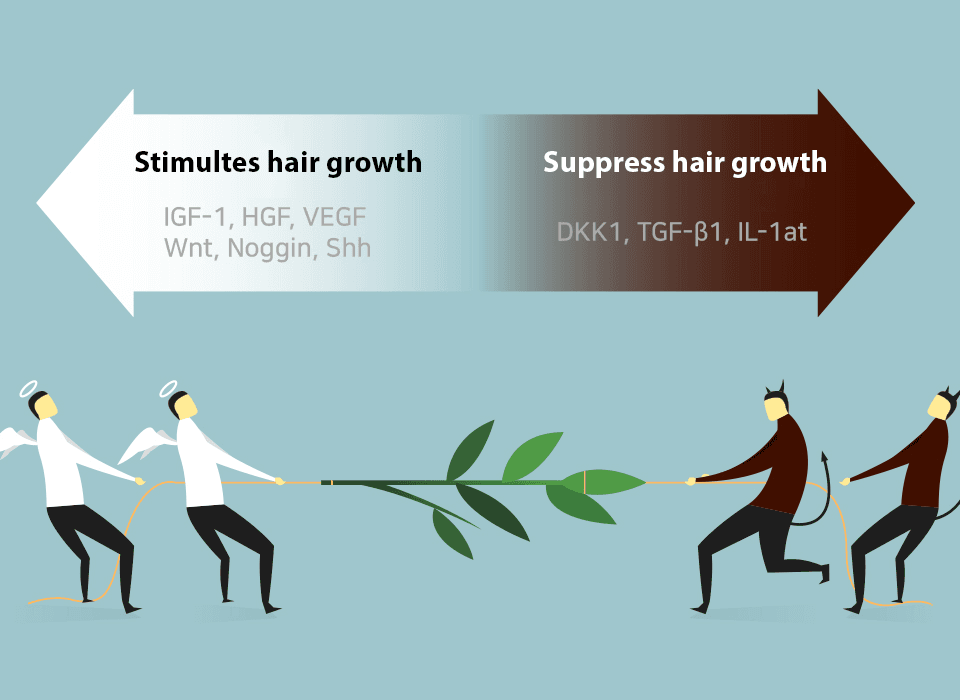
Navigating hair loss from pulling hairstyles starts with stopping the tension and seeking an expert diagnosis. Early-stage traction alopecia may fully reverse on its own, but permanent scarring requires interventions like FUE or FUT hair transplantation for meaningful long-term results. Stem cell therapy shows early promise but is best suited for cases where follicles are dormant but not destroyed. South Korea stands out for its high-quality, cost-effective care, making it an excellent destination for medical tourists seeking advanced hair restoration.
References
1, 2, 3, 4, 5, 6, 7, 8, 9, 10, 11, 12, 13, 14, 15, 16, 17, 18, 19, 20, 21, 22, 23, 24, 25, 26, 27, 28, 29, 30, 31, 32, 33, 34, 35, 36, 37