
Medical Tourism Blog
Stem Cell Hair Treatment in Korea: Methods, Evidence, Safety, Recovery, and Travel Planning
Table of contents
- Stem Cell Hair Treatment at a Glance
- What Is Stem Cell Hair Treatment?
- Who Is a Good Candidate for Stem Cell Hair Treatment?
- How Is Stem Cell Hair Treatment Performed?
- Why Visit Korea for Stem Cell Hair Treatment?
- Key Information for International Patients
- Which Are the Best Clinics in Korea for Stem Cell Hair Treatment?
- Stem Cell Hair Treatment From Start to Finish
- Alternatives to Stem Cell Hair Treatment
- How Can I Prepare for Stem Cell Hair Treatment?
- Aftercare Advice
Considering treatment in Korea? Everything you need to know e.g. — how to avoid scams, visas, interpreters, recovery tips — in our Medical Tourism Master Guide. Plan with confidence in minutes, not weeks!
Last updated: September 2026
Stem Cell Hair Treatment at a Glance
- What it is — “Stem cell hair treatment” is an umbrella term for topical cell-derived extracts, secretome injections, fat-derived stromal vascular fraction (SVF), tissue micrografts, or exosome products—not one standardized procedure.
- Best candidates — The research is most relevant to adults with dermatologist-confirmed early-to-moderate androgenetic alopecia who still have miniaturized hairs; it is not a treatment to start before sudden, patchy, diffuse, or scarring hair loss is diagnosed.
- Evidence limits — This remains an early-evidence, largely investigational category with no agreed product, dose, delivery method, maintenance schedule, or proven long-term durability; it should not be presented as a permanent cure or replacement for established hair-loss care.
- Results timeline — Any improvement in density or shaft thickness is gradual rather than immediate; studies commonly assess changes at 8–16 weeks or 3–6 months, while a universal final-result date or repeat-treatment interval has not been established.
- Recovery and travel — Injection-only protocols commonly cause scalp tenderness, redness, pinpoint bleeding, or swelling for 24–72 hours and usually warrant a 1–2 day Korea stay; SVF with abdominal or thigh fat harvesting commonly requires at least 7–10 days for donor-site recovery and flight review.
- SVF adds invasiveness — Autologous SVF requires liposuction before scalp injection, adding anesthesia, bruising, compression garments, wound care, activity restrictions, and donor-site risks beyond those of scalp injections alone.
- Korea-specific check — Korean research includes a 16-week topical adipose-derived constituent extract trial, but that evidence does not validate injected cells, SVF, secretomes, or exosomes; obtain the exact product name, source, testing, and regulatory category in writing before treatment.
What Is Stem Cell Hair Treatment?
Stem cell hair treatment is a broad term for cell-derived or tissue-based treatments intended to support hair growth in thinning scalp areas. It aims for gradual improvement in hair density or thickness in patterned hair loss, not dependable new-follicle creation or permanent restoration of bald areas. It is usually minimally invasive when applied or injected, but fat-derived approaches include a surgical fat-harvesting step.
Who Is a Good Candidate for Stem Cell Hair Treatment?
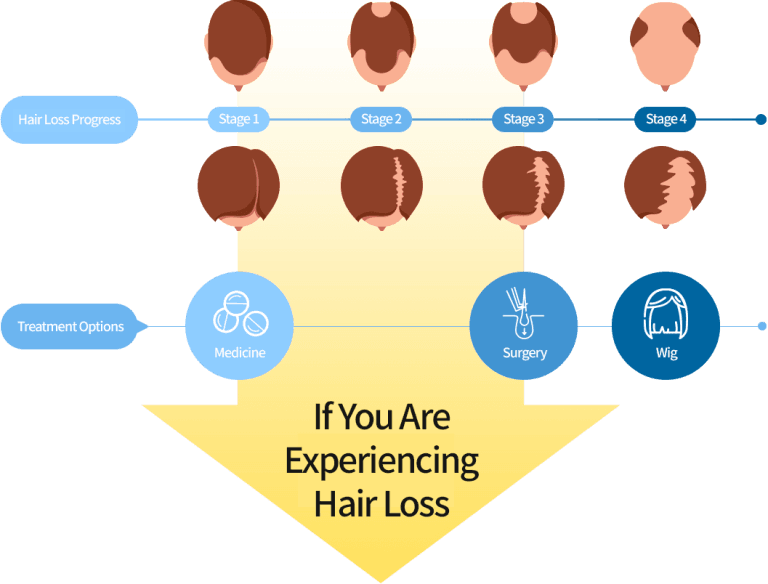
- Confirmed patterned hair loss — Adults with dermatologist-confirmed early-to-moderate androgenetic alopecia (AGA), visible follicular miniaturization, and remaining hairs in the frontal scalp, temples, mid-scalp, or crown are the group most relevant to current research.
- Adjunctive-treatment perspective — Suitable candidates understand that regenerative treatment is experimental or early-evidence care, not a proven replacement for minoxidil, antiandrogen treatment, or diagnosis-specific management.
- Realistic hair goals — Good candidates seek a possible gradual improvement in density or hair-shaft thickness, not reliable creation of new follicles, permanent regrowth, or restoration of long-standing bald areas.
- Fit for the exact protocol — Injection-only treatment requires tolerance of scalp injections; autologous stromal vascular fraction (SVF) treatment also requires sufficient donor fat and medical fitness for local anesthesia and liposuction.
Do not proceed with unexplained sudden, patchy, diffuse, or scarring hair loss until a dermatologist establishes the cause. Alopecia areata, telogen effluvium, tinea capitis, traction alopecia, thyroid disease, nutritional deficiency, and inflammatory or scarring alopecias need cause-specific treatment. Defer treatment for active scalp infection, open wounds, major dermatitis or psoriasis flare, or suspected skin cancer in the treatment field. Pregnancy, conception attempts, breastfeeding, bleeding disorders, significant anemia, uncontrolled diabetes, immunosuppression, and anticoagulant or antiplatelet use require individualized assessment; do not stop prescribed medicines independently. Current reviews find substantial protocol variation and inadequate long-term evidence for regenerative hair interventions, so expectations must remain cautious (evidence review of regenerative hair treatments).
How Is Stem Cell Hair Treatment Performed?
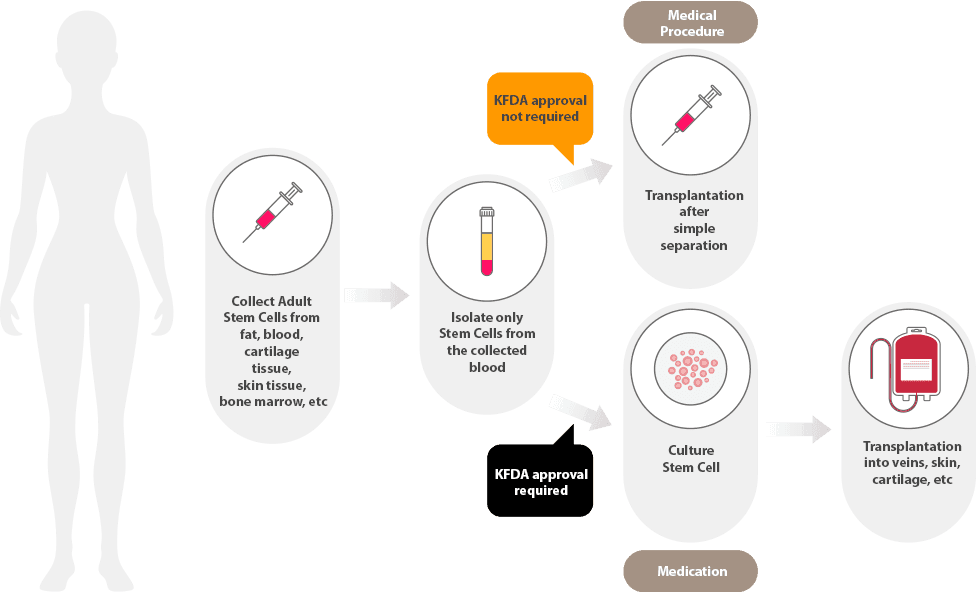
“Stem cell hair treatment” is not one procedure. Ask exactly what product is being used, whether it contains living cells, its source and processing method, delivery route, dose, and whether established hair-loss treatments are being used at the same time.
- Topical adipose-derived extract or conditioned medium — A cell-derived constituent extract or secretome is applied to the scalp, sometimes as a clinic treatment plus home-use course. A Korean randomized trial examined twice-daily topical adipose-derived stem-cell constituent extract for 16 weeks; its results apply only to that topical protocol, not to injections, SVF, or exosome products.
- ADSC-CM or secretome scalp injections — Adipose-derived stem-cell conditioned medium (ADSC-CM) is injected shallowly across thinning scalp. It is cell-free rather than a living-cell transplant. Combination with minoxidil, microneedling, or other treatment makes it difficult to identify which treatment caused an observed change.
- Autologous adipose-SVF injection — Fat is harvested from the abdomen or thigh, processed to obtain a heterogeneous stromal vascular fraction, then injected into the scalp. This adds liposuction, anesthesia, donor-site wounds, compression-garment care, and longer recovery to the scalp procedure.
- Follicle or tissue micrografts — Small scalp tissue samples are mechanically processed and reinjected into thinning areas. Unlike hair transplantation, this is intended as regenerative tissue delivery rather than relocation of intact follicular units.
- Extracellular-vesicle or exosome products — These cell-free vesicles can be derived from cell cultures but are not interchangeable with stem cells, conditioned medium, or SVF. Product identity, donor screening, purity, sterility, potency, storage, and regulatory status are central safety questions.
Why Visit Korea for Stem Cell Hair Treatment?
Korean investigators have contributed research on topical adipose-derived cell constituents and autologous SVF for AGA. This indicates local experience with selected regenerative-hair approaches, not proof that all commercial offerings are standardized, approved, superior, or effective. Confirm the exact product rather than relying on the phrase “stem cell.”
- Korean clinical research — A Korean randomized, double-blind, vehicle-controlled trial evaluated a defined topical adipose-derived stem-cell constituent extract in people with AGA. This is useful protocol-specific evidence, but it does not validate injected living cells, secretomes, SVF, or exosomes.
- Regenerative-medicine framework — Korea’s Advanced Regenerative Bio Act sets requirements relevant to advanced regenerative medicine, including implementation institutions, cell-processing establishments, research-plan review, safety management, and quality systems.
- Product-category distinction — The legal framework alone does not establish authorization or indication for a specific hair-loss product. Korea’s MFDS also recognizes products intended to alleviate hair-loss symptoms within the functional-cosmetic category), which can be materially different from a cell-based medical procedure.
- Due-diligence opportunity — Request written confirmation of whether the proposal is an advanced regenerative medicine plan, an approved advanced biological product, a minimally manipulated autologous-tissue procedure, a functional cosmetic, or another category. Ask for the trade name, source tissue, processing site, sterility and release testing, batch or lot number where applicable, route, volume, and adverse-event plan.
Key Information for International Patients
- Minimum stay — Allow at least 1–2 days for injection-only or topical protocols: an in-person diagnosis, baseline scalp imaging, treatment, and short review before long-haul travel. This is a prudent planning range, not a universal clinical rule.
- SVF travel timeline — Plan commonly at least 7–10 days in Korea when abdominal or thigh fat harvesting is included. Donor-site healing, compression care, and an in-person review need to occur before the surgeon considers flight clearance.
- Flight timing — No high-quality evidence establishes one flight interval for all products and delivery methods. After uncomplicated injection-only treatment, a next-day or 24–48-hour review before a long-haul flight is reasonable only when the treating clinician agrees. Do not schedule an immediate departure after extensive injections, sedation, an allergic reaction, or fat harvesting.
- Itinerary impact — Injection-only protocols usually cause 24–72 hours of scalp tenderness, pinpoint bleeding, redness, or swelling. SVF protocols can limit walking, exercise, swimming, sightseeing, and luggage handling because liposuction recovery is the limiting factor.
- Remote follow-up — Arrange video follow-up and send standardized scalp photographs at baseline, three months, six months, and 12 months. Use the same lighting, angle, hair length, and part line; trichoscopy or phototrichogram provides more useful comparison when available.
- Records for home care — Leave with a procedure record stating the diagnosis, product and source, autologous or donor-derived status, processing site, dose or volume, injection map, anesthesia, medicines, batch or lot identification where applicable, and a direct adverse-event contact.
Travel note: Book flexible flights and lodging near the clinic for the first night. A companion is prudent, and can be required, after sedation or liposuction.
Which Are the Best Clinics in Korea for Stem Cell Hair Treatment?
Listed below are some of the best clinics in Korea for stem cell hair treatment.
1. Cellinique Clinic
You may consider Cellinique Clinic if you are seeking a non-surgical stem cell–based approach to hair loss, as it offers stem cell hair loss injections intended to stimulate hair-follicle regeneration and also provides non-incision hair transplantation when follicle transfer is more appropriate for your goals.
- URL: Cellinique Clinic Website
- Location: Gangnam-gu, Seoul
- Hair restoration options:
- Stem cell hair loss injections are offered to treat and help prevent hair loss by stimulating hair-follicle regeneration.
- Non-incision hair transplantation transfers individual follicles without incision-based harvesting, according to the clinic’s service description.
- Regenerative medicine focus:
- The clinic describes NovaStem as a concentrated autologous-blood treatment designed to activate aged cells and support tissue regeneration.
- Complementary regenerative offerings listed include PRP, exosomes, and stem cell fat grafting.
- Clinical background:
- Dr. Chris Gunwoo Kim presented on blood stem cells, tissue regeneration, and SDF-1alpha injection topics at professional meetings in 2024 and presented the NovaStem Kit at a 2025 KOAT spring conference.
- The clinic describes its care model as personalized, with consultation and treatment planning tailored to your needs.
2. Lydian Plastic Surgery Clinic
You may consider Lydian Plastic Surgery Clinic if regenerative-medicine infrastructure is important to you: the clinic describes an approved advanced regenerative medicine system with authorized cell processing, sterile clean-room standards, and individualized extraction from bone marrow, fat, or blood. The supplied information does not specifically describe a stem cell hair-treatment protocol, so you would need to confirm whether a hair-loss program is available and appropriate for you.
- URL: Lydian Plastic Surgery Clinic Website
- Location: Gangnam-gu, Seoul
- Cell processing and sterility:
- The clinic states that it is designated as an Advanced Regenerative Medicine Provider and uses authorized Cell Processing Facilities for cell extraction, testing, and processing.
- Its regenerative-treatment system is described as including verified cell management, extraction processes, and equipment calibration.
- The facility reports Clean Class 10,000 standards and use of disposable stem cell extraction kits to help minimize infection risk.
- Stem cell sources: Customized extraction is described using bone marrow, fat, or blood as potential cell sources.
- Related regenerative services:
- The clinic lists stem cell therapy for regenerative and healing applications.
- Stem cell fat grafting is listed for volume enhancement in areas such as the face, breasts, or buttocks; it is not presented as a hair-loss treatment.
3. SH Clinic
You may consider SH Clinic for a non-surgical stem cell hair-loss treatment because it describes injecting your own stem cells into the scalp to target dormant follicles and support thicker existing hair, with treatment individualized after an in-person consultation and examination.
- URL: SH Clinic Website
- Location: Seocho-gu, Seoul
- Procedure details:
- The clinic describes stem cell hair-loss treatment as autologous stem-cell injections into the scalp.
- Its stated aim is to awaken dormant follicles, stimulate new growth, and thicken existing strands without surgical grafting.
- Personalized assessment:
- The clinic states that experienced medical staff provide personalized stem cell treatment after an in-person consultation and examination.
- Hair loss is one of several specialized stem cell programs offered through its Wellness & Anti-aging program.
- Other hair option: Hair transplantation is also listed, using FUT techniques with individualized hairline design and graft placement for people who may need follicle transplantation rather than injection-based treatment alone.
Stem Cell Hair Treatment From Start to Finish
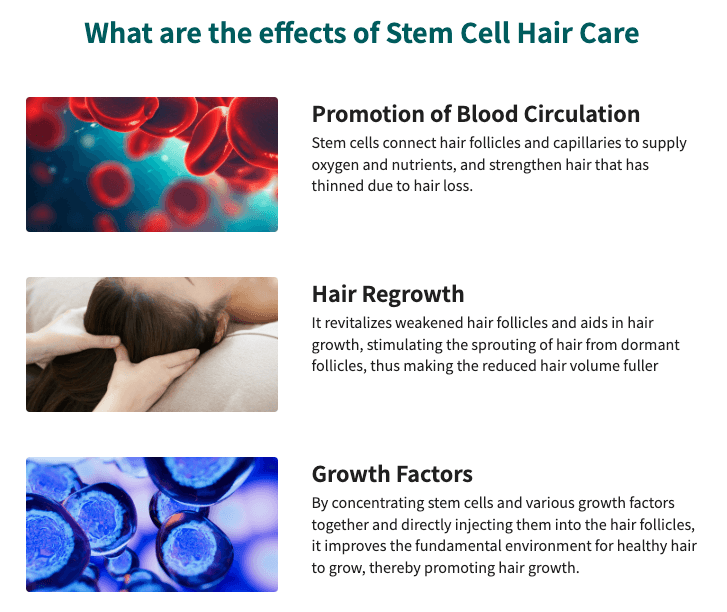
- Remote screening — Send standardized scalp photographs, a timeline of shedding, family history, prior treatments and response, medical and surgical history, allergies, pregnancy status where relevant, and a complete list of medicines and supplements. Request an English-language virtual consultation when available and obtain the proposed product details in writing before booking travel.
- In-person diagnostic assessment — A dermatologist or appropriately qualified clinician examines the scalp, confirms or questions the AGA diagnosis, assesses inflammation, and documents baseline photos and trichoscopy or phototrichogram when available. Targeted blood tests such as CBC, ferritin or iron indices, TSH, vitamin D, or endocrine testing are used only when diffuse shedding, dietary history, menstrual irregularity, or other findings indicate them.
- Protocol and consent review — The clinician explains whether the intervention is topical, injected, SVF-based, or tissue-micrograft based; whether it is investigational, research-based, cosmetic, off-label, or otherwise regulated; and which concurrent treatments will continue. Confirm the source tissue, living-cell status, processing and testing, route, volume, session plan, risks, donor-site requirements, and overseas complication plan.
- Treatment-day preparation — The scalp is photographed, cleaned, and marked across the thinning zones. Topical lidocaine or local anesthetic can be used for injections. Injection-only treatment generally does not require fasting, while sedation, general anesthesia, or liposuction does.
- Product delivery — The clinician applies the preparation topically, uses microneedling-assisted application, or gives multiple intradermal scalp injections. For autologous SVF, fat is first harvested from the abdomen or thigh, processed, and then injected into the scalp.
- Immediate recovery and discharge — Injection-only patients generally leave after a short observation period. SVF patients need donor-site assessment and receive instructions for compression garments, wound care, analgesia, activity limits, and flight timing. Obtain written aftercare instructions and emergency contact details before leaving.
- In-person check and travel clearance — Attend the planned safety review before long-haul travel. The clinician assesses scalp swelling, bleeding, infection signs, allergic symptoms, and, when relevant, liposuction incisions and mobility.
- Remote follow-up and outcome review — Continue established treatment only as directed, report adverse symptoms promptly, and compare standardized photographs over months rather than days. There is no validated universal repeat-session interval or final-result date; reported studies have commonly assessed outcomes at 8–16 weeks or three to six months.
Alternatives to Stem Cell Hair Treatment
Established medical treatment and hair transplantation have clearer roles for many people with patterned hair loss than an unstandardized regenerative product. Non-surgical choices require ongoing use to maintain benefit; transplantation relocates existing donor follicles but cannot stop ongoing miniaturization of untreated native hair.
Medical Hair-Loss Treatment
- Topical minoxidil — A first-line option for patterned hair loss that requires ongoing use to maintain benefit. Discuss pausing or restarting it around scalp injections because clinic protocols differ.
- Prescription medicines — Finasteride is an evidence-based option for eligible men with AGA. Low-dose oral minoxidil, dutasteride, and spironolactone for selected women require individualized review of blood pressure, interactions, laboratory needs, and pregnancy risk.
- Cause-specific care — Autoimmune alopecia, fungal infection, traction alopecia, endocrine disease, and nutritional deficiency need diagnosis-specific treatment rather than a generic hair-restoration procedure. See hair-loss treatment.
PRP or PRF
- Autologous blood-derived treatment — PRP for hair loss and platelet-rich fibrin use the patient’s blood rather than cell-derived secretomes, SVF, or exosomes.
- Tradeoff — These procedures avoid donor-cell product questions and liposuction, but their preparation methods, injection schedules, and evidence also vary.
Hair Transplantation
- Follicular-unit relocation — Hair transplantation moves healthy follicles from a donor area into bald or thinning areas when donor supply is adequate.
- Tradeoff — It provides actual transplanted hair rather than an attempt to influence follicle signaling, but it is surgery with a longer recovery and does not eliminate the need to manage progressive AGA.
Scalp Micropigmentation
- Appearance-focused camouflage — Scalp micropigmentation places pigment to reduce the contrast between scalp and hair.
- Tradeoff — It can create the appearance of greater density without surgery or ongoing medication, but it does not regrow hair or treat the underlying cause.
How Can I Prepare for Stem Cell Hair Treatment?
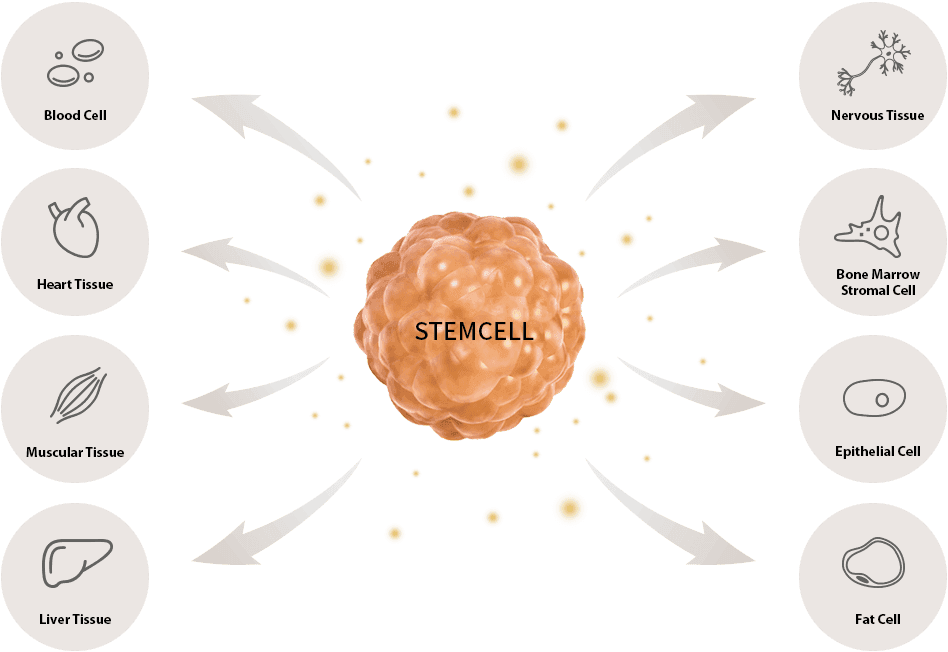
- Confirm the diagnosis first — Do not travel for treatment of undiagnosed shedding or patchy loss. Send prior dermatology records and scalp photographs, then arrange in-person trichoscopy and medical assessment.
- Obtain product documentation — Before consent, request the trade name, tissue source, autologous or donor-derived status, whether living cells are present, manufacturing or processing site, sterility and release testing, route, dose or volume, planned sessions, concurrent therapies, and batch or lot information where applicable.
- Review medicines safely — Do not independently stop anticoagulants, antiplatelets, diabetes medicines, blood-pressure medicines, hormonal therapy, finasteride, dutasteride, oral minoxidil, or spironolactone. The prescribing clinician and procedure clinician must decide on any change.
- Disclose supplements — Report aspirin-containing products, NSAIDs, fish oil or omega-3, vitamin E, ginkgo, garlic, ginseng, turmeric or curcumin, St John’s wort, and herbal or bodybuilding products. A pause is only appropriate when the clinician gives a specific timeframe.
- Clarify combination treatment — Ask whether minoxidil, antiandrogens, PRP, microneedling, low-level light therapy, or supplements are part of the plan. This affects bleeding precautions, aftercare, and interpretation of results.
- Follow fasting instructions — Injection-only treatment under topical or local anesthetic does not automatically require fasting. Follow fasting instructions exactly when sedation, general anesthesia, or liposuction is planned.
- Prepare the scalp — Arrive with clean hair and scalp. Avoid sunburn, tanning, chemical scalp treatments, aggressive exfoliation, scratching, hair fibers, oils, sprays, and leave-on products unless the clinic tells you otherwise.
- Avoid nicotine and alcohol — Stop nicotine as early as possible, especially for liposuction-based SVF treatment, because it impairs wound healing. Avoid alcohol around sedation or pain medicines as instructed.
- Plan recovery logistics — Reserve nearby accommodation for the first night, avoid tight travel schedules, and arrange a companion after sedation or liposuction. Do not drive after sedation or while using sedating pain medicine.
Travel note: Keep flights flexible until the clinician confirms whether the actual protocol is injection-only or includes fat harvesting. These approaches have very different recovery and fitness-to-fly requirements.
Confirm all clinic-specific medication, fasting, transport, and travel requirements with the treating doctor; individualized instructions take precedence over general guidance.
Aftercare Advice
Protect the treated scalp and take any new symptom seriously, especially when the product, injection depth, or fat-harvest component is not routine.
- Scalp contact and activity — Do not pick or massage injection sites. Avoid tight headwear, strenuous exercise, heavy sweating, sauna or heat exposure, and swimming for the clinician-specified period; injection-only tenderness, pinpoint bleeding, redness, or swelling often lasts about 24–72 hours.
- Hair washing and topical products — Follow the written instructions for shampooing and restarting minoxidil or other leave-on products. Timing differs between topical, injection, microneedling, and SVF protocols.
- Sun protection — Keep the scalp out of direct sun while it is irritated. Once the skin is intact and the clinician permits it, use a broad-spectrum SPF 50 scalp product or physical sun protection on exposed thinning areas.
- Donor-site care after SVF — Wear compression garments, care for incisions, follow showering and sleeping instructions, and respect lifting and exercise restrictions exactly. Donor-site bruising and swelling can persist longer than scalp symptoms.
- Warning signs — Seek urgent medical assessment for fever, escalating pain, spreading redness or warmth, pus, rapidly worsening swelling, persistent bleeding, generalized rash or hives, facial swelling, breathing difficulty, fainting, severe headache, new neurologic symptoms, or donor-site pain or swelling out of proportion.
- Follow-up and results — Attend the planned review before flying and maintain video follow-up after returning home. Compare photographs at three, six, and 12 months; no evidence-based universal maintenance interval or final-result date exists, and long-term safety and durability remain uncertain (current evidence limitations).
Follow the treating doctor’s written instructions over general advice and contact the clinic promptly when anything appears wrong.
Frequently Asked Questions
Related Blogs
Stem Cell Scalp Therapy in Korea: Methods, Evidence, Safety, Recovery, and Travel Planning
Stem cell scalp therapy is an investigational option for adults with confirmed nonscarring pattern hair loss and remaining miniaturized follicles, using approaches such as topical conditioned medium, microneedling, scalp injections, or fat-derived SVF injection. The article covers candidate screening, product and regulatory verification in Korea, travel planning, aftercare, risks, follow-up, and e
Updated: Sep 14, 2026
Stem Cell Disease Therapy in Korea: Safety, Treatment Types, Travel Planning and Follow-Up
Stem cell disease therapy includes autologous and allogeneic HSCT, defined cell products, and clinical trials, with eligibility determined by diagnosis, organ function, donor options, and protocol requirements. International patients need documented treatment and regulatory details, several weeks to about 100 days of local follow-up for transplant, and coordinated aftercare with a home clinician.
Updated: Sep 13, 2026
Stem Cell Fat Grafting in Korea: Methods, Safety, Recovery, and Travel Planning
Stem cell fat grafting uses liposuction-harvested fat that is purified or combined with SVF/ADSC processing and injected in small parcels for facial, breast, or body contour restoration. The article covers candidate screening, Korea travel planning, protocol and regulatory documentation, recovery precautions, follow-up, and alternatives such as standard fat grafting, fillers, and implants.
Updated: Sep 13, 2026
Stem Cell Breast Augmentation in Korea: Methods, Evidence, Recovery and Travel Planning
Stem cell breast augmentation uses liposuction-harvested fat, sometimes processed with stromal vascular fraction, and injected in small parcels for modest volume or contour changes with variable retention. The article covers candidacy, documentation and safety questions, Korea travel planning, recovery, warning signs, and alternatives including conventional fat grafting, implants, and breast lift.
Updated: Sep 13, 2026
Clinics offering Stem Cell Hair Treatment

SH Clinic: Comprehensive Women's, Men's & Couples' Health Services in Korea
Sinsa

THEPLUS Plastic Surgery Korea | Eye, Nose, Face & Body Surgery
Sinsa

Lydian Plastic Surgery Clinic in Korea: Superior Cosmetic Procedures by World-Renowned Expert Dr. An Kyung Chun
Apgujeong
Cellinique Clinic Korea: Advanced Stem Cell and Laser Treatments for Health, Beauty, and Rejuvenation in Gangnam
Apgujeong