Medical Tourism Blog
Seasonal Hair Shedding Solutions in Korea: Stem Cell Scalp Therapy & Advanced Hair Loss Treatment
Table of contents
- Overview of Modern Hair Loss Treatments
- Stem Cell Scalp Therapy: A Detailed Medical Perspective
- Platelet-Rich Plasma (PRP) Therapy: A Closer Look
- South Korea: A Leading Destination for Hair Loss Treatment
- The Patient Journey: Getting Hair Loss Treatment in South Korea
- Costs and Value: South Korea vs. Global Destinations
- Patient Experiences and Efficacy for Seasonal Hair Shedding
- Conclusion
- References
Considering treatment in Korea? Everything you need to know e.g. — how to avoid scams, visas, interpreters, recovery tips — in our Medical Tourism Master Guide. Plan with confidence in minutes, not weeks!
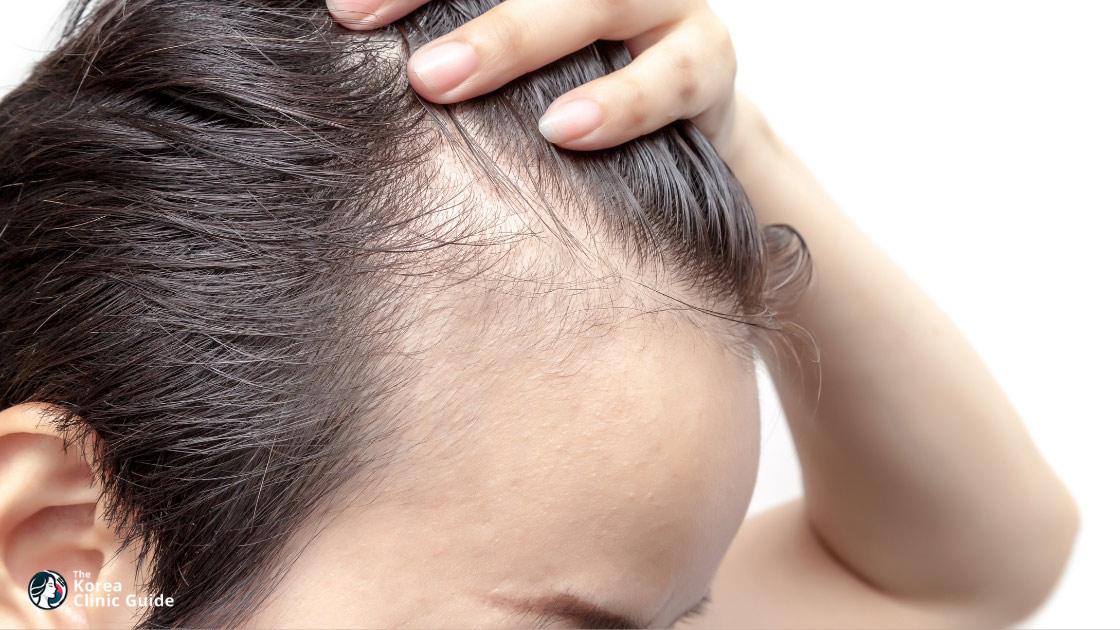
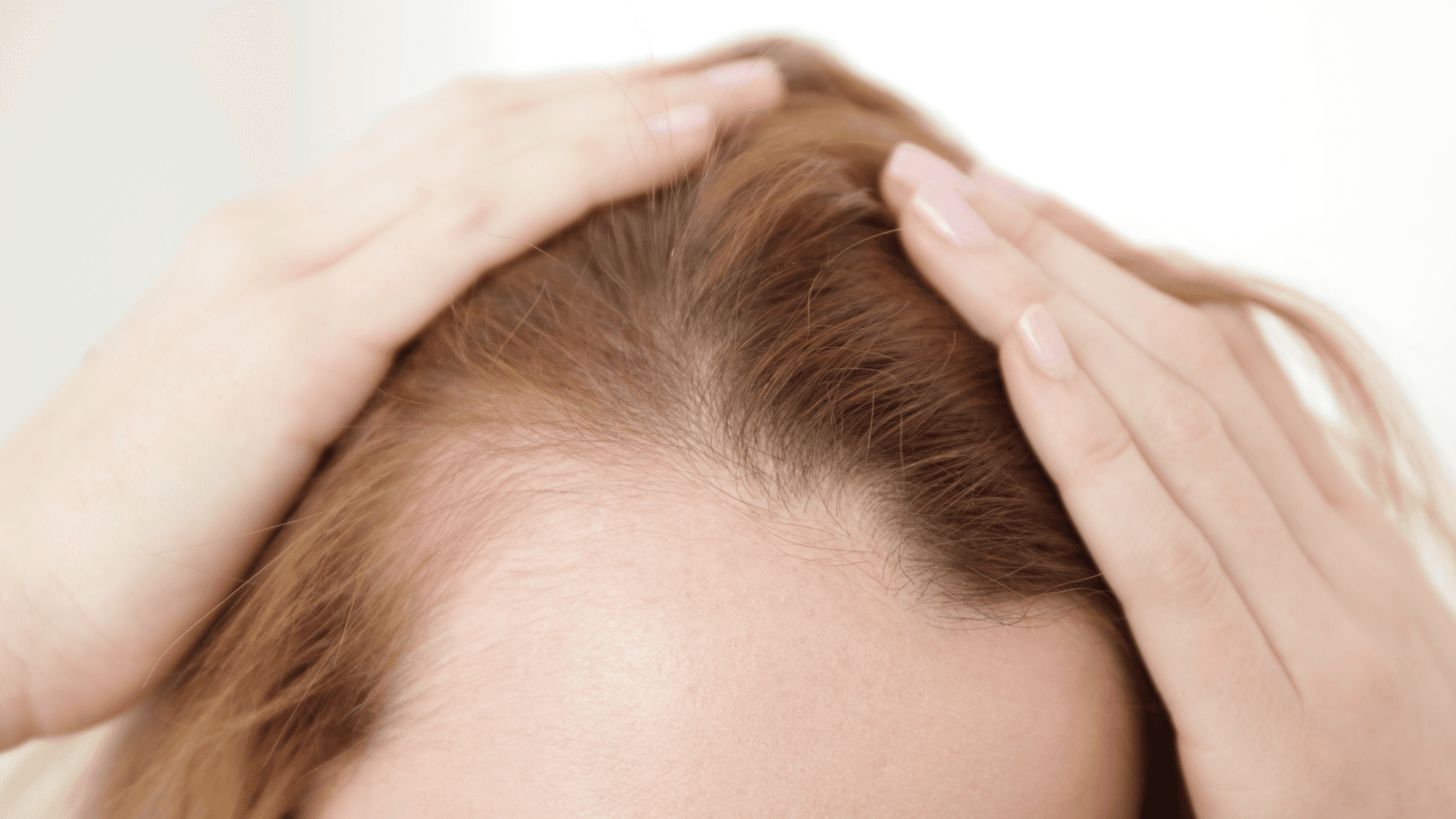
Hair shedding that seems to follow the seasons is a common worry for many people. While it’s usually temporary, it can be distressing. This guide breaks down what seasonal hair shedding is, reviews modern treatments—including advanced regenerative options like Stem Cell Scalp Therapy and Platelet-Rich Plasma (PRP) therapy—and offers practical advice for anyone considering these procedures in South Korea.
Seasonal hair shedding is when you notice more hair loss during certain times of the year, often linked to changes in weather. Think of it like how your skin reacts to the seasons—tanning in summer or drying out in winter. Research, including long-term studies on search trends and biochemical data, shows that shedding often increases from late summer through fall, though some people also notice it in colder months.
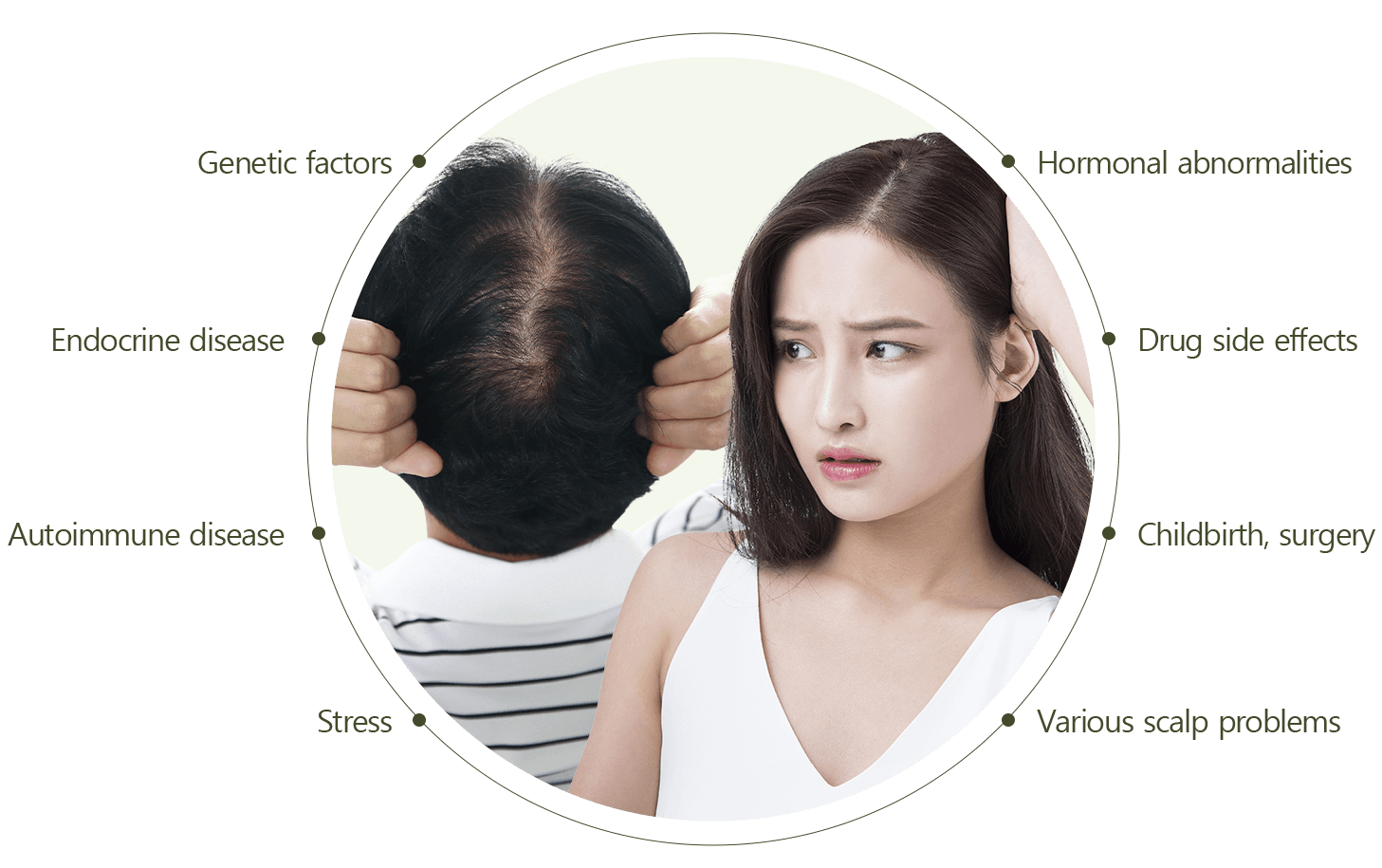
On average, people lose about 50 to 150 hairs a day. If you’re losing more than that, it could be Telogen Effluvium—a non-scarring type of alopecia marked by sudden, widespread shedding. Telogen Effluvium can be short-term (less than six months) or chronic, and is usually triggered by a “shock to the system” like illness, surgery, childbirth, stress, thyroid issues, crash diets, or certain medications. Deficiencies in iron, zinc, or vitamin D can also play a role.
The hair growth cycle has several phases:
- Anagen (Growth Phase): About 85% of your hair is actively growing in this phase, which can last years.
- Catagen (Transition Phase): A short phase where the hair follicle detaches and prepares to shed.
- Telogen (Resting Phase): About 15% of hair is here, resting for around four months while new hair grows underneath.
- Exogen (Shedding Phase): Old hair is pushed out by new growth.
Seasonal shedding often happens when more follicles enter the Telogen phase at the same time, especially from late summer to fall. Cold, dry weather can make things worse by irritating the scalp and making hair more prone to breakage.
You might notice more hair in the shower, on your brush, or around your home. While this can be alarming, seasonal shedding usually resolves in two to three months, with new hair coming in by mid-winter or early spring.
It’s important to note that “seasonal hair shedding” isn’t a medical diagnosis—it’s often a trigger for Telogen Effluvium. Not all Telogen Effluvium is seasonal, and not all seasonal shedding is severe enough to be diagnosed as such. Persistent or severe shedding should prompt a medical evaluation, as hair health can be an early sign of systemic stress or nutritional deficiency.
Overview of Modern Hair Loss Treatments
There are many ways to address hair loss, from traditional medications to cutting-edge regenerative therapies. Here’s what you need to know.
Conventional Approaches
Minoxidil (Topical & Oral): Originally a blood pressure medication, minoxidil was found to promote hair growth. It works by widening blood vessels in the scalp, boosting blood flow and stimulating follicles. Topical minoxidil (like Rogaine) is applied directly to the scalp, while oral minoxidil is taken as a pill. Both can slow hair loss and promote regrowth, especially in androgenetic alopecia. Side effects are usually mild (scalp irritation for topical, low blood pressure or unwanted hair growth for oral), but any gains are lost if you stop using it.
Mesotherapy: This non-invasive treatment involves injecting a mix of vitamins, minerals, amino acids, and growth factors directly into the scalp. Sometimes, minoxidil and dutasteride are included for a stronger effect. Mesotherapy can reduce hair loss and support new growth, but its effects are usually temporary and multiple sessions are needed.
Introduction to Regenerative Therapies for Hair Loss
Regenerative therapies use your body’s own healing powers to stimulate hair growth. The main options are Platelet-Rich Plasma (PRP) therapy and Stem Cell Scalp Therapy.
Comparison of Common Non-Surgical Hair Loss Treatments
Choosing the right treatment often means balancing convenience, effectiveness, and potential side effects. Oral medications can have systemic effects, while topical and injectable treatments target the scalp more directly. It’s important to remember that most non-surgical treatments require ongoing use—stop the treatment, and the benefits fade. Maintenance sessions are also needed for PRP and stem cell therapies.
| Treatment Name | Mechanism of Action | Application Method | Efficacy/Expected Outcomes | Common Side Effects | Regulatory Status (US/UK) |
|---|---|---|---|---|---|
| Topical Minoxidil | Dilates scalp arteries, increases blood flow, prolongs anagen phase | Applied directly to scalp | Stimulates hair growth, slows androgenetic alopecia; 14-18% increase in women at 1 year | Scalp irritation, itching, dryness, flaking, rare allergic reactions, unwanted hair growth | FDA-approved for androgenetic alopecia |
| Oral Minoxidil | Dilates systemic arteries, increases blood flow to follicles | Taken orally (low-dose) | Stimulates hair growth, slows androgenetic alopecia & chronic telogen effluvium | Hypotension, tachycardia, headache, insomnia, fluid retention, periorbital edema, hypertrichosis | Off-label use for hair loss; prescription |
| Mesotherapy | Injects vitamins, minerals, amino acids, growth factors into scalp | Fine needle injections | Reduces hair loss, supports new growth, strengthens hair, improves thickness | Mild redness, swelling, discomfort at injection sites | Varies; generally non-FDA approved |
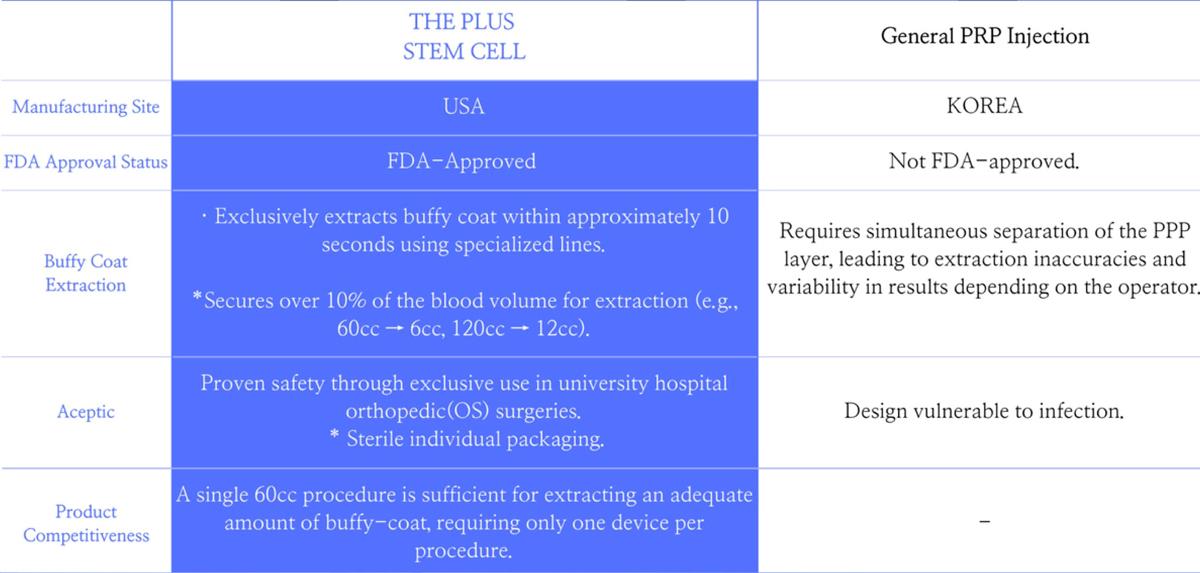
| PRP Therapy | Platelets release growth factors to stimulate follicles, increase blood flow | Blood drawn, processed, injected | Reduces shedding, increases thickness/density, enhances scalp health | Bruising, redness, itching, swelling, soreness at injection sites; rare infection | Not FDA-approved for hair loss |
| Stem Cell Scalp Therapy | Stem cells repair follicles, activate dormant cells, secrete growth factors | Stem cells harvested, processed, injected | Increases density/thickness, reactivates follicles, improves scalp health | Temporary redness, swelling, itching; rare systemic effects; theoretical long-term cancer risk | Investigational; not FDA/UK approved |
Stem Cell Scalp Therapy: A Detailed Medical Perspective
Stem Cell Scalp Therapy is at the forefront of regenerative medicine for hair loss, using the unique properties of stem cells.
Scientific Principles and Mechanism of Action
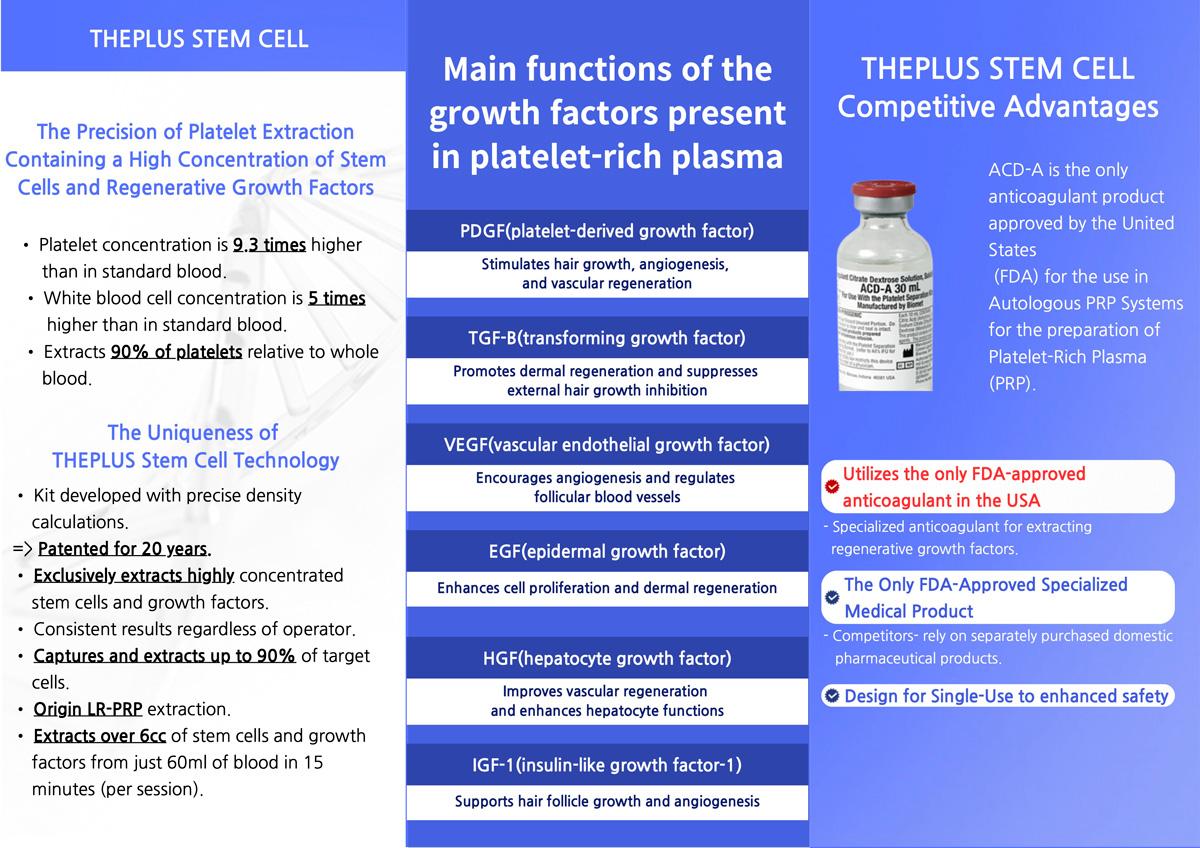
Stem cells can renew themselves and become various cell types, making them key players in healing and regeneration. In hair restoration, stem cells are harvested (usually from your own fat or hair follicles), processed, and injected into thinning areas. They repair damaged follicles and “wake up” dormant ones, mainly through paracrine signaling—releasing growth factors that stimulate your own cells. They also help form new blood vessels, improving the scalp environment for hair growth.
Types of Stem Cell Hair Treatments
- Adipose-Derived Stem Cell Therapy: Uses stem cells from your own fat, collected via a minor liposuction.
- Bone Marrow-Derived Stem Cell Therapy: Less common, involves extracting cells from bone marrow.
- PRP Combined with Stem Cells: Mixing PRP with stem cells for enhanced effects.
- Direct Dermal Injection: Injecting stem cells directly into the scalp.
- Acellular Therapies: Use only the growth factor-rich medium from stem cells.
- Cellular Therapies: Use micrografts containing stem cells and supportive molecules.
Detailed Application Methods and Procedural Steps
- Cell Extraction: Usually from fat tissue or hair follicles, under local anesthesia.
- Cell Processing and Culture: Cells are isolated and sometimes multiplied in a lab.
- Cell Administration: Processed cells are injected into the scalp using fine needles or advanced injectors. The procedure is minimally invasive and typically takes a few hours.
Current Efficacy, Expected Outcomes, and Research Status
Early studies show promising results for various types of alopecia:
- Androgenetic Alopecia: Increases in hair density and thickness have been documented in multiple studies.
- Alopecia Areata: Some patients experience complete or significant regrowth.
- Telogen Effluvium: Notable improvements in hair density and thickness, with positive outcomes in most patients.
Results usually appear within three to six months, but the effects are not permanent—maintenance sessions are needed. While clinical experience is positive, stem cell hair treatments are still considered investigational in many countries, and more research is needed to confirm long-term safety and effectiveness.
Potential Risks, Limitations, and Regulatory Status
Stem cell therapies are still evolving, and regulatory approval is limited. Minor side effects include redness, swelling, and itching; rare but serious risks include systemic reactions. There’s a theoretical risk of cancer, but no cases have been reported. Results can vary based on age, health, and treatment protocol. Advanced techniques like hair cloning are still in development and not yet available for humans.
Platelet-Rich Plasma (PRP) Therapy: A Closer Look
PRP therapy is a popular regenerative treatment for hair loss, known for being minimally invasive and using your own blood.
Mechanism of Action and Application for Hair Loss
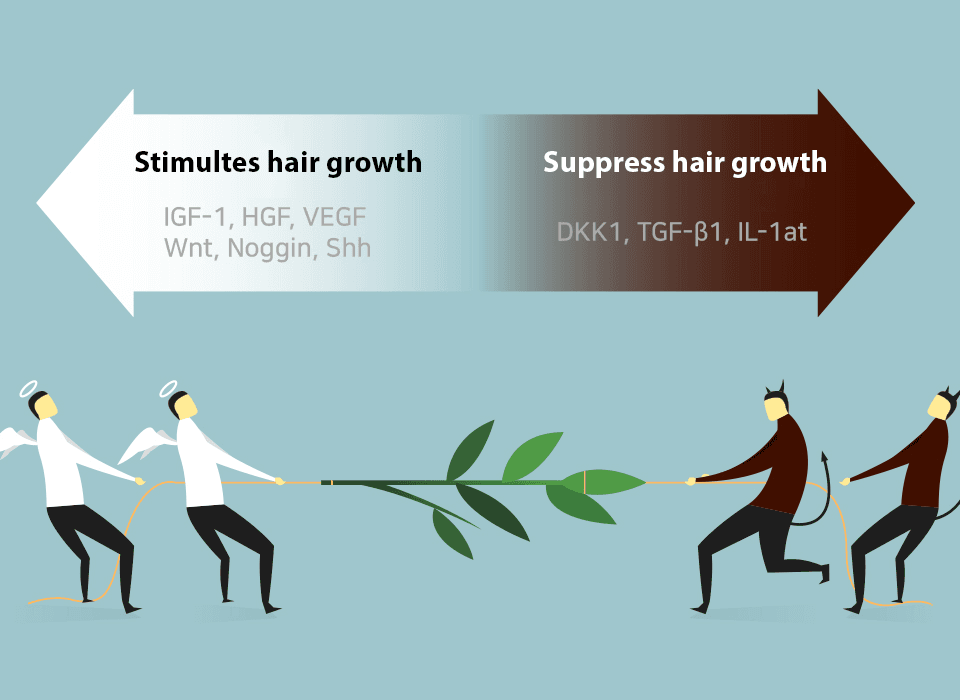
PRP starts with a blood draw, which is then processed to concentrate the platelets. These platelets are rich in growth factors that, when injected into the scalp, stimulate dormant follicles, increase blood flow, and prolong the growth phase of hair. Some protocols activate the platelets before injection, though there’s no consensus on whether this improves results.
Pre- and Post-Treatment Care Instructions
Before Treatment:
- Stop blood-thinning agents 7-14 days prior.
- Avoid alcohol and smoking for 3 days before.
- Wash hair thoroughly on the day of the procedure; avoid styling products.
After Treatment:
- Expect mild bruising, redness, or swelling for a few days.
- Avoid anti-inflammatory medications for at least 3 days.
- Skip vigorous exercise, sun, and heat for 2 days.
- Use gentle shampoo and avoid hair products for 6 hours.
- Contact your clinic if you notice signs of infection.
Efficacy and Patient Outcomes
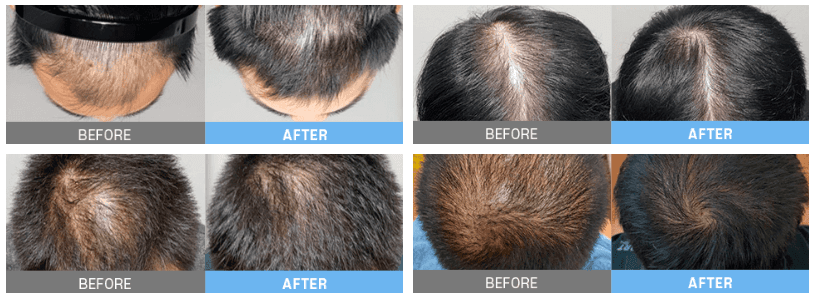
PRP is effective for androgenetic alopecia, stress-related hair loss, seasonal shedding, and hormonal thinning. Most patients see reduced shedding and thicker hair within three to six months, with full results in four to twelve months. A typical protocol is three sessions spaced a month apart, with maintenance every six to twelve months. PRP is safe, with minimal downtime, but results can vary due to differences in preparation and application.
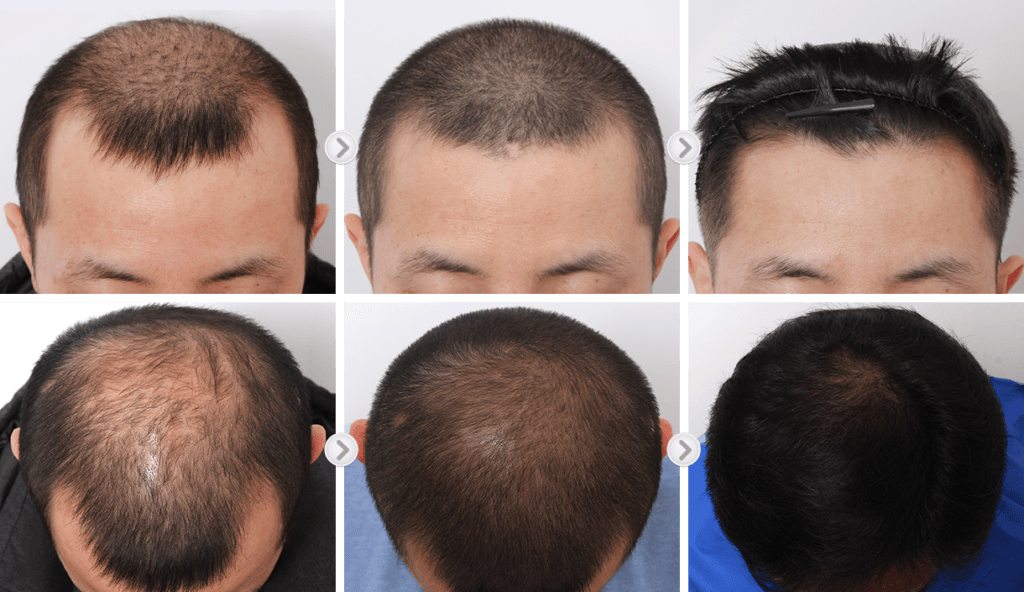
PRP is especially effective for seasonal hair shedding, as it stimulates follicles that have entered a prolonged resting phase. Patient testimonials often mention reduced shedding and increased hair volume after treatment.
South Korea: A Leading Destination for Hair Loss Treatment
South Korea is a top choice for medical tourists seeking advanced hair loss treatments, thanks to its blend of quality, innovation, and patient-centered care.
Best Clinics in Korea for Seasonal Hair Shedding
Listed below are the best clinics in Korea for seasonal hair shedding:
| Clinic Name | Key Features | Special Techniques |
|---|---|---|
| Maxwell Hair Clinic | Top-tier international center established in 2007; offers comprehensive solutions for seasonal hair shedding and other forms of hair loss for both Korean and international patients. Led by Dr. Noh Yoon Woo—a nationally acclaimed hair transplant expert—Maxwell has performed more than 60,000 hair transplants and has been recognized as Korea’s best clinic consecutively since 2011. The clinic emphasizes data-driven, personalized care informed by over 500,000 treatment cases and a treatment philosophy that targets the follicle cells—the “engine” of hair production—rather than superficial scalp care, ensuring thoughtful diagnoses, tailored plans, and attentive aftercare. To help patients navigate seasonal shedding at home and in clinic, Maxwell now offers an upgraded SCM Hair Serum designed for ease and effectiveness. The new formula features a finer spicule system for enhanced absorption with minimal to no discomfort, plus a convenient tip applicator for direct scalp application. Paired with Maxwell’s three-step care pathway—normalizing the hair growth cycle by regulating signaling molecules, regenerating follicles with targeted growth factor therapy, and strengthening follicles through physical modalities such as laser, ultrasound, magnetic fields, and electrical stimulation—the program aims for simultaneous improvement in hair thickness and count, delivering results that are faster and fuller. | SCM Hair Serum (upgraded with finer spicule system and tip applicator); three-step care pathway: normalizing the hair growth cycle by regulating signaling molecules; regenerating follicles with targeted growth factor therapy; strengthening follicles through laser, ultrasound, magnetic fields, and electrical stimulation; aims for faster and fuller results. |
| Cellinique Clinic | Located in the heart of Gangnam, Seoul; premium stem cell center specializing in immunity, regeneration, and restoring natural health and beauty—an ideal destination for individuals experiencing seasonal hair shedding in Korea. As a one-doctor clinic fully dedicated to stem cell research, Cellinique delivers 100% personalized care that integrates advanced stem cell technology with complementary modalities such as PRP, exosomes, NK cell therapy, blood purification, and stem cell fat grafting. For hair and scalp concerns, the clinic offers targeted solutions including Stem Cell Hair Loss Injections and Non-Incision Hair Transplant, alongside comprehensive programs designed to support follicular vitality, improve scalp environment, and promote stronger, more resilient hair through regenerative approaches. Cellinique is led by Dr. Chris Gunwoo Kim, a renowned expert in stem cell medicine who regularly advances clinical practice through research and education. In 2024, he presented on High-Concentration Blood Cell Zone and SDF-1α Injection during an Asia lecture tour, including the Aesthetic Medicine Update Seminar in Jakarta, and he is slated to speak at the 2024 K-Med Expo & Saigon Int’l Meditech Show in Ho Chi Minh City. He also lectured on “Blood Stem Cells: The Simplest Approach to Anti-Aging and Tissue Regeneration” at the Korean Society of Dermatology, Obesity, and Aesthetic Medicine, and in 2025 unveiled Cellinique’s proprietary NovaStem Kit—a minimally manipulated cell biotechnology for anti-aging—at the KOAT Spring Conference. This academic rigor underpins Cellinique’s tailored, evidence-informed protocols for seasonal hair shedding, aligning cutting-edge regenerative science with individualized patient care. | Stem Cell Hair Loss Injections; Non-Incision Hair Transplant; NovaStem Kit; PRP; exosomes; NK cell therapy; blood purification; stem cell fat grafting. |
| Lydian Plastic Surgery Clinic | Located in Cheongdam, Gangnam; boutique, specialist-driven standard of care led by Dr. An Kyung Chun, delivering care for seasonal hair shedding. Recognized as one of Korea’s Top 18 Aesthetic Plastic Surgery Experts and listed among the World’s Top 100 Doctors in Stem Cell Aesthetic Medicine; two decades of precision-driven practice paired with a dermatology-informed, regenerative approach. Ongoing investment in the latest devices, meticulous planning, and a proven four-step aftercare framework (swelling reduction, irregularity correction, skin elasticity recovery, residual fat contouring) support structured follow-up and monitoring of seasonal hair changes. Minimal downtime with a pioneering 5D high-definition technique that minimizes scarring and hospitalization. Academic and training hub; Dr. An ensures protocols align with current Korean and global standards, offering patients confidence that recommendations for seasonal shedding are contemporary and data-driven. Boutique privacy and continuity: a single-specialist model delivers consistent oversight, VIP-level discretion, and cohesive care. Central Gangnam location for easy access during peak shedding months. | 5D high-definition techniques; four-step aftercare framework; anatomy-based, individualized planning; regenerative approaches; boutique privacy and continuity. |
Maxwell Hair Clinic
Maxwell Hair Clinic, a top-tier international center established in 2007, offers comprehensive solutions for seasonal hair shedding and other forms of hair loss for both Korean and international patients. Led by Dr. Noh Yoon Woo—a nationally acclaimed hair transplant expert—Maxwell has performed more than 60,000 hair transplants and has been recognized as Korea’s best clinic consecutively since 2011. The clinic emphasizes data-driven, personalized care informed by over 500,000 treatment cases and a treatment philosophy that targets the follicle cells—the “engine” of hair production—rather than superficial scalp care, ensuring thoughtful diagnoses, tailored plans, and attentive aftercare.
To help patients navigate seasonal shedding at home and in clinic, Maxwell now offers an upgraded SCM Hair Serum designed for ease and effectiveness. The new formula features a finer spicule system for enhanced absorption with minimal to no discomfort, plus a convenient tip applicator for direct scalp application. Paired with Maxwell’s three-step care pathway—normalizing the hair growth cycle by regulating signaling molecules, regenerating follicles with targeted growth factor therapy, and strengthening follicles through physical modalities such as laser, ultrasound, magnetic fields, and electrical stimulation—the program aims for simultaneous improvement in hair thickness and count, delivering results that are faster and fuller.
You can check out their website here: Maxwell Hair Clinic Website
Cellinique Clinic
Located in the heart of Gangnam, Seoul, Cellinique Clinic is a premium stem cell center specializing in immunity, regeneration, and restoring natural health and beauty—an ideal destination for individuals experiencing seasonal hair shedding in Korea. As a one-doctor clinic fully dedicated to stem cell research, Cellinique delivers 100% personalized care that integrates advanced stem cell technology with complementary modalities such as PRP, exosomes, NK cell therapy, blood purification, and stem cell fat grafting. For hair and scalp concerns, the clinic offers targeted solutions including Stem Cell Hair Loss Injections and Non-Incision Hair Transplant, alongside comprehensive programs designed to support follicular vitality, improve scalp environment, and promote stronger, more resilient hair through regenerative approaches.
Cellinique is led by Dr. Chris Gunwoo Kim, a renowned expert in stem cell medicine who regularly advances clinical practice through research and education. In 2024, he presented on High-Concentration Blood Cell Zone and SDF-1α Injection during an Asia lecture tour, including the Aesthetic Medicine Update Seminar in Jakarta, and he is slated to speak at the 2024 K-Med Expo & Saigon Int’l Meditech Show in Ho Chi Minh City. He also lectured on “Blood Stem Cells: The Simplest Approach to Anti-Aging and Tissue Regeneration” at the Korean Society of Dermatology, Obesity, and Aesthetic Medicine, and in 2025 unveiled Cellinique’s proprietary NovaStem Kit—a minimally manipulated cell biotechnology for anti-aging—at the KOAT Spring Conference. This academic rigor underpins Cellinique’s tailored, evidence-informed protocols for seasonal hair shedding, aligning cutting-edge regenerative science with individualized patient care.
You can check out their website here: Cellinique Clinic Website
Lydian Plastic Surgery Clinic
Lydian Cosmetic Surgery & Dermatology Clinic in Cheongdam, Gangnam, led by Dr. An Kyung Chun, delivers a boutique, specialist-driven standard of care that translates seamlessly to patients concerned about seasonal hair shedding. Recognized as one of Korea’s Top 18 Aesthetic Plastic Surgery Experts and listed among the World’s Top 100 Doctors in Stem Cell Aesthetic Medicine, Dr. An pairs two decades of precision-driven practice with a dermatology-informed, regenerative approach. With continuous investment in the latest devices from Korea and abroad, a culture of meticulous planning, and a proven, systematized aftercare ethos, the clinic is uniquely positioned to offer thorough assessment, cutting-edge options, and attentive follow-up for those experiencing seasonal shifts in hair density.
- Leadership you can trust: Dr. An serves as Director of the 5D Liposculpture Academy, is responsible for domestic physician training in high-definition sculpting and device use, and holds multiple exclusive distinctions—credentials that reflect rigorous standards directly applicable to safe, evidence-informed care for hair and scalp health.
- Regenerative medicine pedigree: Recognition among the World’s Top 100 Doctors in Stem Cell Aesthetic Medicine underscores deep expertise in tissue biology and healing—an advantage when designing scalp-supportive, regeneration-focused strategies for seasonal shedding.
- No outdated equipment: Ongoing investment in the newest Korean and international technologies ensures access to modern diagnostics and treatment platforms suited to sensitive, low-downtime care during seasonal transitions.
- Anatomy-based, individualized planning: The clinic’s hallmark design philosophy—considering unique proportions and tissue characteristics—extends to personalized scalp assessments and tailored care pathways that respect each patient’s biology and aesthetic goals.
- Systematic aftercare culture: A proven four-step framework (swelling reduction, irregularity correction, skin elasticity recovery, residual fat contouring) reflects a broader commitment to structured follow-up, progress tracking, and refinement—precisely the discipline needed for monitoring seasonal hair changes over time.
- Minimally invasive mindset: Pioneering 5D high-definition techniques that minimize scarring and avoid hospitalization illustrates the clinic’s dedication to comfort, efficiency, and discretion—values patients appreciate when seeking scalp-focused treatments that fit busy schedules.
- Academic and training hub: As a clinical educator and national trainer, Dr. An ensures protocols align with current Korean and global standards, offering patients confidence that recommendations for seasonal shedding are contemporary and data-driven.
- Boutique privacy and continuity: A single-specialist model delivers consistent oversight, VIP-level discretion, and cohesive care—ideal for longitudinal management of recurrent seasonal shedding patterns.
- Cheongdam convenience: A central Gangnam location makes timely consultations and follow-ups easy during peak shedding months, supporting optimal outcomes with minimal disruption.
You can check out their website here: Lydian Plastic Surgery Clinic Website
Why Choose South Korea?
- Advanced Technology: Clinics use the latest equipment and techniques.
- Skilled Practitioners: Highly trained doctors deliver precise, natural-looking results.
- Quality Standards: Strict protocols ensure patient safety and trust.
- Comprehensive Approach: Treatments often include adjunct therapies like laser therapy and custom serums.
- Personalized Plans: Each patient receives a tailored treatment plan.
- Pioneering Research: Korea leads in stem cell and regenerative medicine.
- Non-Surgical Options: Many advanced, non-surgical treatments are available.
- Natural Results: Treatments use your own biological materials for seamless regrowth.
- Competitive Pricing: Costs are mid-range globally, balancing quality and value.
The Medical Tourism Experience in Korea
- Support Infrastructure: Agencies help with clinic selection, consultations, and travel.
- Language Services: Many staff speak English; interpreters are available.
- Comfortable Accommodations: Options range from budget to luxury, often near clinics.
- Cultural Experience: Patients can enjoy Korea’s vibrant cities, cuisine, and wellness culture.
- Post-Op Support: Hotels and clinics cater to medical tourists’ needs, ensuring privacy and comfort.
Korea’s focus is on value—offering high standards and a holistic experience, not just low prices.
The Patient Journey: Getting Hair Loss Treatment in South Korea
Here’s what to expect if you travel to Korea for hair loss treatment.
Initial Consultation and Assessment
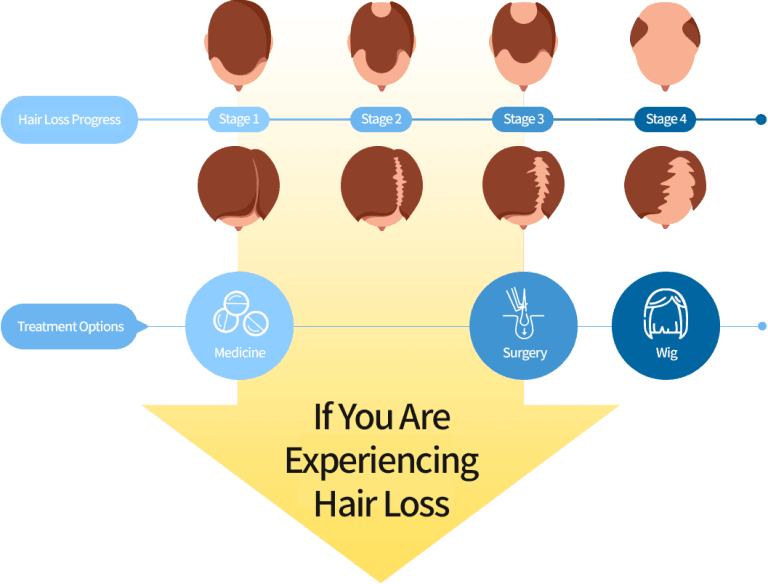
Start by researching reputable clinics, often with help from medical tourism agencies. Upon arrival, you’ll have a thorough consultation, including a scalp assessment and discussion of treatment options, risks, and expected outcomes.
The Treatment Procedure
- Stem Cell Scalp Therapy: Stem cells are extracted (usually from fat), processed, and injected into the scalp. The procedure is minimally invasive and takes a few hours.
- PRP Therapy: A blood sample is taken, processed, and injected into the scalp.
Both treatments are non-surgical, with minimal downtime—making them ideal for international patients.
Post-Procedure Care and Follow-up
You’ll receive detailed aftercare instructions and have follow-up appointments to monitor progress. Many clinics offer recovery lounges and support services.
Practical Considerations for International Patients
- Language: English-speaking staff and interpreters are common.
- Accommodation: Options for every budget, often near clinics.
- Transportation: Efficient public transit and affordable taxis.
- Total Expenses: Factor in flights, accommodation, local transport, meals, insurance, and extras like translation or sightseeing.
Costs and Value: South Korea vs. Global Destinations
Understanding the full cost of treatment—including travel and living expenses—is key for medical tourists.
Cost of Stem Cell Scalp Therapy in South Korea
- Autologous Stem Cell Therapy: $10,000–$20,000 USD.
- General Stem Cell Scalp Therapy: $2,000–$5,000 USD per session.
- Stem Cell Hair Regrowth Therapy (Seoul): ₩250,000–₩900,000 per session ($200–$700 USD).
Prices depend on clinic, doctor, and technology used.
Cost of Other Hair Loss Treatments in South Korea
- Non-Surgical Treatments: ₩300,000–₩450,000 ($200–$300 USD) per session.
- PRP or Laser Therapies: ₩200,000–₩500,000 ($137–$344 USD) per session.
- Hair Transplants: $6,000–$8,000 USD on average.
A deposit (about 10%) is usually required to book a procedure.
Comparative Costs: South Korea vs. Other Countries
| Country | Stem Cell Hair Treatment (per session) | Autologous Stem Cell Therapy | Hair Transplant (FUE) |
|---|---|---|---|
| South Korea | $2,000–$5,000 | $10,000–$20,000 | $6,000–$8,000 |
| USA | $12,000–$30,000 | $15,000–$30,000 | $4,000–$15,000 |
| Mexico | $4,000–$6,000 | Not listed | $2,600–$4,000 |
| Turkey | $1,000–$3,000 | $3,000–$10,000 | $2,500–$6,000 |
| Thailand | $2,000–$4,000 | $3,000–$13,000 | $3,000–$5,000 |
Understanding the Total Expenditure
Don’t just look at the procedure price—factor in:
- Flights: $600–$1,500+ round-trip.
- Accommodation: $50/night (budget) to several hundred (luxury).
- Transportation: $1–$1.20 per ride on public transit.
- Meals: $4–$25 per meal.
- Insurance and Miscellaneous: Health/travel insurance, translation, sightseeing, shopping.
South Korea isn’t the cheapest, but it offers strong value for quality and experience.
Patient Experiences and Efficacy for Seasonal Hair Shedding
Stem Cell Therapy for Telogen Effluvium and Hair Loss
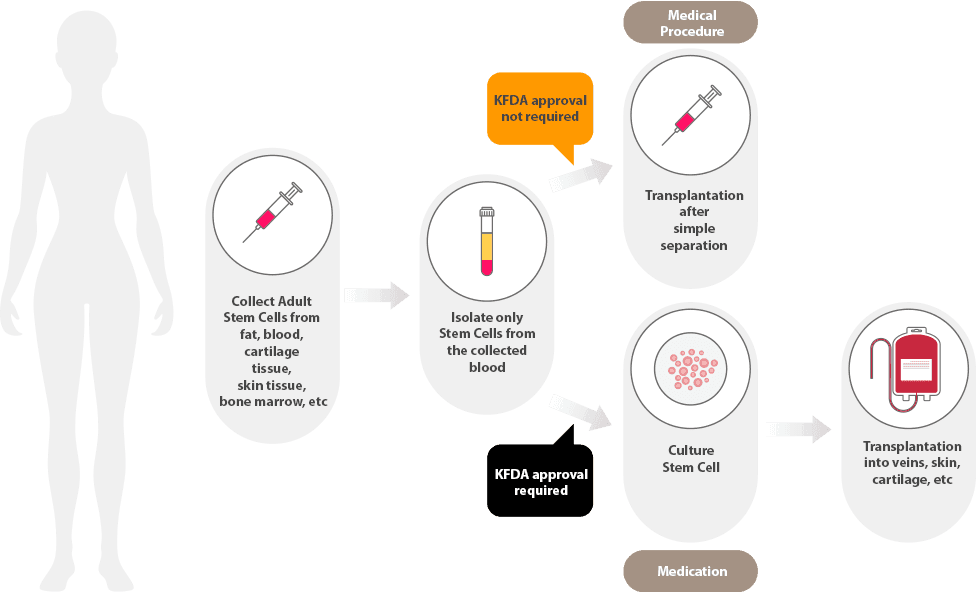
While most testimonials for stem cell therapy focus on anti-aging or eye disorders, clinical studies show it can help with Telogen Effluvium (which includes seasonal shedding). One study found significant improvements in hair density and thickness for most patients, regardless of age.
PRP Therapy for Shedding and Thinning
PRP is well-documented for reducing stress-related and seasonal shedding. Patients often report less hair loss, thicker hair, and improved scalp health after three sessions, with maintenance treatments needed to keep results.
Setting Realistic Expectations and Importance of Maintenance
Neither stem cell therapy nor PRP is a permanent cure. Both require multiple sessions and ongoing maintenance. Results vary, so it’s important to have realistic expectations and plan for long-term management.
Conclusion
Seasonal hair shedding, often linked to Telogen Effluvium, is usually temporary but can signal underlying issues. Treatments like minoxidil, mesotherapy, PRP therapy, and Stem Cell Scalp Therapy offer effective management, but require ongoing commitment. South Korea stands out as a top destination for hair restoration, balancing advanced care, skilled practitioners, and a supportive medical tourism experience. Patients should seek professional diagnosis, understand treatment limitations, research clinics carefully, and plan for the full cost of their medical journey.
References
1, 2, 3, 4, 5, 6, 7, 8, 9, 10, 11, 12, 13, 14, 15, 16, 17, 18, 19, 20, 21, 22, 23, 24, 25, 26, 27, 28, 29, 30, 31, 32, 33, 34, 35, 36, 37, 38