Medical Tourism Blog
Puffy Eyes Treatment in Korea: Under Eye Fat Removal, Blepharoplasty & Eyelid Fat Repositioning
Table of contents
- Surgical Solutions for Puffy Eyes: Detailed Procedures
- Best Clinics in Korea for Puffy Eyes
- The Medical Tourism Journey: Eyelid Surgery in South Korea
- Costs and Value: A Medical Tourist's Perspective
- Patient Experiences and Outcomes: Life After Eyelid Surgery
- Conclusion: Making an Informed Decision
- References
Considering treatment in Korea? Everything you need to know e.g. — how to avoid scams, visas, interpreters, recovery tips — in our Medical Tourism Master Guide. Plan with confidence in minutes, not weeks!
Puffy eyes, marked by swelling around the eyes, are a common concern that can make someone look tired or older. This guide covers everything you need to know about puffy eyes—from their causes and surgical treatments to the experience of having eyelid surgery in South Korea as a medical tourist. It also breaks down costs and shares insights from patients who have undergone these procedures.
What Are "Puffy Eyes"? Definition and Common Pseudonyms
Puffy eyes, medically called periorbital puffiness or periorbital edema, refer to swelling of the skin around and beneath the eyes. This swelling usually happens because fluid builds up in the delicate skin near the eyes. People often call this condition "bags under the eyes," "under-eye swelling," "swollen eye bags," or "baggy eyes."
Common Causes of Puffy Eyes
Puffy eyes can result from many factors, ranging from lifestyle habits to medical conditions. Knowing the cause helps decide whether lifestyle changes or medical treatments are needed.
Lifestyle Factors:
Mild puffiness often comes from lifestyle choices. Not getting enough sleep—or sometimes sleeping too much—can cause fluid retention around the eyes. Lack of rest can also increase blood flow, making dark circles more visible through the thin skin. Eating a high-salt diet or drinking too much alcohol can cause the body to hold onto water, leading to swelling, including under the eyes. Even crying for a long time can cause temporary puffiness.
Aging:
Aging is a major cause of puffy eyes. As we get older, the eyelids stretch and the muscles supporting them weaken. This allows fat to bulge above and below the eyelids, causing sagging eyebrows, droopy upper lids, and noticeable bags under the eyes. The natural decline of collagen and elastin, proteins that keep skin firm, also contributes to loose skin and fat protrusion. Because these changes affect the structure of the eyelids, creams and lifestyle fixes often only help temporarily. Surgery is usually more effective since it removes or repositions fat, tightens muscles, and removes excess skin to address the root cause.
Allergies:
Allergic reactions to pollen, pet dander, or irritants like makeup and soaps can cause swelling around the eyes. This swelling usually affects both eyes and comes with itching and redness.
Genetics and Family History:
If your family members have puffy eyes or bags under their eyes, you might be more likely to develop them too.
Eyelid Fat Prolapse:
This happens when stretched skin and weakened muscles let fat sag beneath the eyes, causing puffiness.
Underlying Medical Conditions (Important to Rule Out):
Sometimes, puffy eyes signal more serious health issues. Conditions like chalazion (a healed internal stye), blepharitis (eyelid inflammation), or conjunctivitis (eye infection) can cause swelling. More serious infections like sinusitis, dental infections, or orbital cellulitis (an infection of the eye socket) require urgent treatment. Systemic infections such as mononucleosis or rare complications like cavernous sinus thrombosis can also cause eye swelling. Because puffy eyes are a symptom, not a diagnosis, it’s essential to get a medical evaluation before considering cosmetic surgery to rule out serious causes.
Surgical Solutions for Puffy Eyes: Detailed Procedures
When lifestyle changes and non-surgical treatments don’t work, surgery offers effective, lasting results. Blepharoplasty, or eyelid surgery, is the main surgical option.
Blepharoplasty: An Overview of Eyelid Surgery
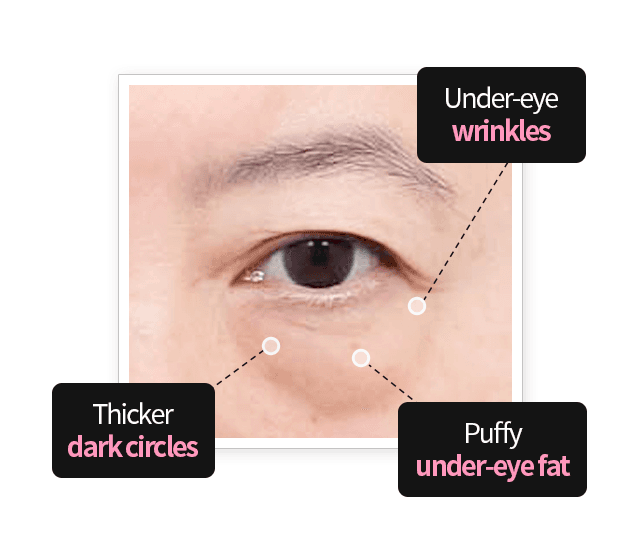
Blepharoplasty corrects defects and improves the appearance of the eyelids by removing or repositioning excess skin, muscle, and sometimes fat from the upper, lower, or both eyelids. The goal is a youthful, rested, and alert look.
Upper Eyelid Surgery (Upper Blepharoplasty):
This targets droopy upper lids and excess skin that can block the eyelid crease, make makeup difficult, or even impair vision. The surgeon makes an incision along the natural eyelid fold, removes or repositions tissue, and closes the incision with fine stitches that are hidden when the eyes are open.
Lower Eyelid Surgery (Lower Blepharoplasty):
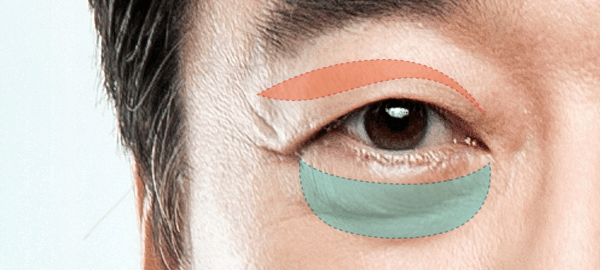
This addresses under-eye bags, puffiness, sagging skin, dark circles, and hollows. Incisions can be made just below the lower lashes (external approach) or inside the lower eyelid (internal or transconjunctival approach). Excess fat is removed or repositioned, and loose skin may be excised.
Pre-Procedure Consultation and Preparation
Before surgery, patients undergo a detailed consultation including medical history, eye exams, and medication review (especially blood thinners). Tests like tear production and eyelid measurements help plan the surgery. The surgeon also checks for dry eyes and discusses realistic aesthetic goals, often showing before-and-after photos.
General Recovery Expectations and Potential Risks
Recovery:
After surgery, expect blurred vision (from ointments), watering eyes, light sensitivity, double vision, and eyelid numbness or puffiness. Swelling and bruising resembling black eyes are common and usually improve within 10 to 14 days, though mild swelling can last up to six weeks. Scars fade over months and stitches are removed within a week if non-dissolvable.
Post-operative Care:
Patients should apply ice packs frequently for 48 hours, use prescribed eye drops or ointments, sleep with the head elevated, wear sunglasses, and avoid strenuous activities for at least a week. Smoking, rubbing eyes, and wearing contacts should be avoided for about two weeks.
Risks:
Though rare, risks include bleeding, infection, dry eyes, abnormal eyelid skin color, inability to close eyes fully, eyelid malposition (ectropion), and very rarely, vision loss. Conditions like high blood pressure or diabetes may increase risks.
Focus on Lower Eyelid Procedures: Under Eye Fat Removal or Repositioning
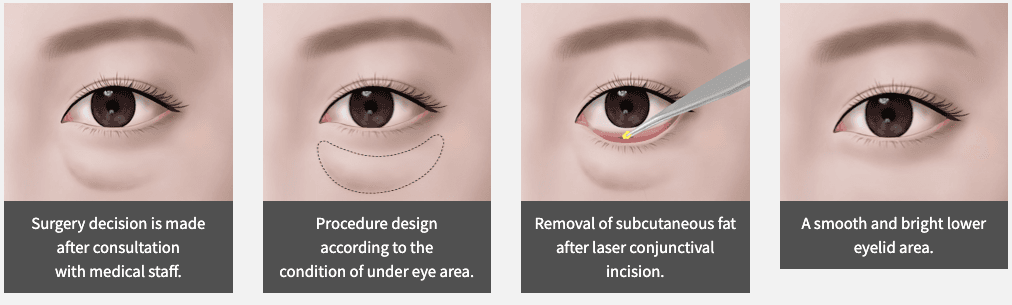
Lower eyelid surgery focuses on excess fat and skin. The choice of technique depends on the patient’s anatomy and goals.
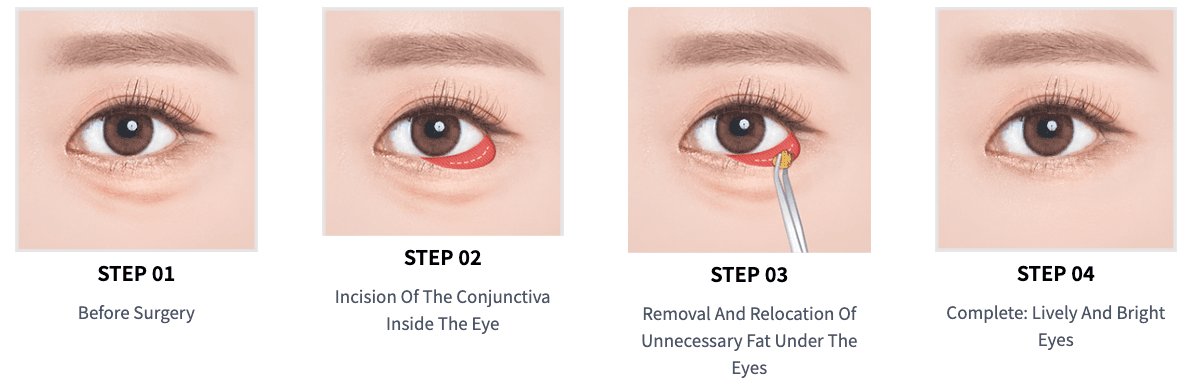
Transconjunctival Blepharoplasty (Internal Incision):
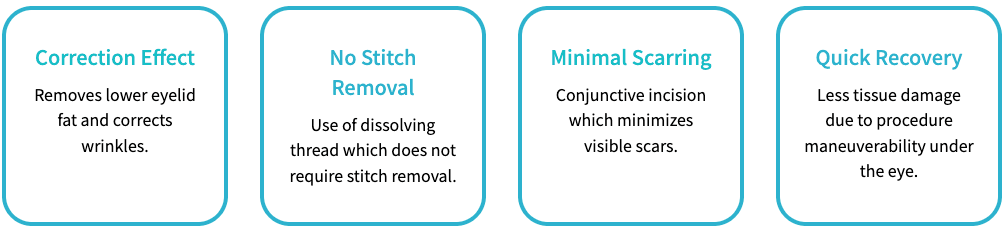
An incision is made inside the lower eyelid, leaving no visible scar. This approach is ideal for younger patients with fat bulges but little skin laxity. It lowers the risk of eyelid malposition and usually offers faster recovery. Fat can be removed or repositioned to smooth dark circles and prevent bags from returning.
Transcutaneous Blepharoplasty (External Incision):
An incision just below the lashes allows removal of excess skin, fat, and wrinkles. This suits older patients with sagging skin and wrinkles but carries a higher risk of visible scarring and eyelid retraction. It provides more comprehensive tightening and correction.
Choosing between these approaches balances cosmetic results with eyelid function and risk. A surgeon’s expertise and a patient’s specific anatomy guide this decision.
Understanding Fat Removal vs. Fat Repositioning (and Related Techniques Like Fat Grafting)
Fat Removal:
Excess fat is excised when bulging fat is the main issue without hollows needing filling.
Fat Repositioning:
Fat is moved to fill sunken areas like the tear trough, creating a smoother contour and reducing dark circles. This approach helps avoid a hollowed look and prevents bags from returning.
Fat Grafting (Lipofilling):
Fat is harvested from another body area, purified, and injected into the eyelid to restore volume and smooth wrinkles. This natural method often lasts longer than synthetic fillers.
Combined Approaches:
Surgeons often combine fat removal, repositioning, and skin tightening for the best, natural-looking results. Because puffy eyes often relate to broader facial aging, procedures like brow lifts or mid-face lifts may be recommended alongside blepharoplasty for balanced rejuvenation.
Best Clinics in Korea for Puffy Eyes
Listed below are the best clinics in Korea for puffy eyes:
| THEPLUS Plastic Surgery{data-slug:"theplus-plastic-surgery" data-position: "1"} | THE PLUS Plastic Surgery in Garosu-gil, Gangnam, Seoul, delivers world-class care across four dedicated floors that support the entire journey from consultation to surgery and post-operative skincare. Led by surgeons who are active researchers and educators, the clinic’s team publishes in scholarly journals and presents at domestic and international symposiums, while maintaining memberships in leading medical societies, including the American Society of Plastic Surgeons. With safety and patient satisfaction as core values, their highly experienced staff—each with over a decade in practice—provides attentive, personalized care. | For patients concerned about puffy eyes, THE PLUS offers comprehensive eyelid rejuvenation options, including blepharoplasty, ptosis correction, and canthoplasty. Blepharoplasty can address eyelid puffiness by removing excess skin, muscle, and sometimes fat, with plans tailored to each individual’s anatomy and goals. The clinic’s philosophy is guided by Director Dr. Kim Taek Kyun—a board-certified surgeon and global society member recognized for award-winning research on 3D implants—who emphasizes harmonious facial balance, and by Dr. Jeong Jae Yong, President of the Korean Society of Plastic Surgeons, whose approach integrates function and beauty. Their ongoing educational leadership and rigorous academic engagement help ensure precise, natural-looking outcomes for eyelid concerns. | | Made Young Plastic Surgery{data-slug:"made-young-plastic-surgery" data-position: "2"} | Made Young Plastic Surgery Clinic in Gangnam is a premium center specializing in facial and anti-aging procedures, offering dedicated, tailored solutions for puffy eyes. Led by Dr. Park Byung-Chan—who has devoted 15 years exclusively to eye surgery—the clinic is known for natural, beautiful eye results, often appreciable even on the day of surgery. For under-eye puffiness, the team customizes every detail, from incision lines to double eyelid height, eyelid thickness, and overall eye image, selecting the most appropriate options such as lower blepharoplasty, fat repositioning, and dark circle improvement to create a refreshed yet authentic look. Patients receive genuine, patient-centered care from the first consultation through surgery. | Safety and trust underpin every step at MadeYoung. The verified medical team consists only of highly skilled doctors averaging over 15 years of experience, with direct consultation and diagnosis before any procedure. A comprehensive safety system includes full-time board-certified anesthesiologists on site, 1:1 dedicated monitoring, a cross-check system for prompt emergency response, and full CCTV coverage of procedures for transparency. Recovery is supported by a separate, dedicated aftercare center and systematic post-procedure care. The clinic’s quality is recognized with the 2022 Korea No.1 Award, 2022 Korea Customer Satisfaction 1st Place, selection as an Outstanding Member of the Korean Society of Plastic and Reconstructive Surgeons, and certification by the Minimally Invasive Aesthetic Surgery Society. | | SH Clinic{data-slug:"sh-clinic" data-position: "3"} | SH Clinic in Sinsa, Seoul is a multi-specialty medical center that unites stem-cell science, women’s healthcare, aesthetic dermatology, and modern plastic surgery under one roof. A recognized specialist in Stem Cell Therapy and Gynecology, the clinic spans two core pillars: the SH Stem Cell Center, which builds personalized, comprehensive plans ranging from facial rejuvenation and anti-aging to advanced stem-cell therapies for serious conditions; and the SH Gynecology Clinic, which offers complete women’s health services alongside a wide range of vaginal rejuvenation options. Complementing these, the clinic’s dermatology and plastic surgery teams provide targeted facial procedures—including eyelid rejuvenation—to help patients look naturally refreshed.
- Surgical precision for puffy eyes: Lower Blepharoplasty repositions or excises under-eye fat while tightening loose lower-lid skin, helping erase puffiness and fine wrinkles.
- Non-surgical under-eye options: Dermal fillers restore smooth tear-trough contours, skin booster injections deeply hydrate crepey skin with minimal downtime, and laser lifting remodels collagen to firm and refine the lower lids.
- Regenerative anti-aging advantage: The SH Stem Cell Center can integrate stem cell–based facial rejuvenation and anti-aging strategies to enhance periorbital skin quality and support long-term results.
- Truly personalized care: Multidisciplinary planning across plastic surgery, dermatology, and regenerative medicine tailors treatment to your anatomy and goals—whether surgical, injectable, energy-based, or thoughtfully staged combinations.
- Seamless care in one place: Evaluation, procedure, and physician-guided medical skincare are coordinated in-house for convenience and consistent outcomes.
- Harmonized periorbital rejuvenation: Upper blepharoplasty, Botox for crow’s-feet, and strategic thread lift support can be combined to refresh the entire eye area while maintaining natural expression.
- Comprehensive women’s wellness: For patients seeking broader care, SH Clinic also delivers a full spectrum of gynecologic services and minimally invasive feminine rejuvenation therapies to support overall confidence and well-being.
- Prime Sinsa location: A modern, accessible setting in the heart of Seoul makes advanced eyelid and skin treatments easy to coordinate and follow up. |
THEPLUS Plastic Surgery
THE PLUS Plastic Surgery in Garosu-gil, Gangnam, Seoul, delivers world-class care across four dedicated floors that support the entire journey from consultation to surgery and post-operative skincare. Led by surgeons who are active researchers and educators, the clinic’s team publishes in scholarly journals and presents at domestic and international symposiums, while maintaining memberships in leading medical societies, including the American Society of Plastic Surgeons. With safety and patient satisfaction as core values, their highly experienced staff—each with over a decade in practice—provides attentive, personalized care.
For patients concerned about puffy eyes, THE PLUS offers comprehensive eyelid rejuvenation options, including blepharoplasty, ptosis correction, and canthoplasty. Blepharoplasty can address eyelid puffiness by removing excess skin, muscle, and sometimes fat, with plans tailored to each individual’s anatomy and goals. The clinic’s philosophy is guided by Director Dr. Kim Taek Kyun—a board-certified surgeon and global society member recognized for award-winning research on 3D implants—who emphasizes harmonious facial balance, and by Dr. Jeong Jae Yong, President of the Korean Society of Plastic Surgeons, whose approach integrates function and beauty. Their ongoing educational leadership and rigorous academic engagement help ensure precise, natural-looking outcomes for eyelid concerns.
You can check out their website here: THEPLUS Plastic Surgery Website
Made Young Plastic Surgery
Made Young Plastic Surgery Clinic in Gangnam is a premium center specializing in facial and anti-aging procedures, offering dedicated, tailored solutions for puffy eyes. Led by Dr. Park Byung-Chan—who has devoted 15 years exclusively to eye surgery—the clinic is known for natural, beautiful eye results, often appreciable even on the day of surgery. For under-eye puffiness, the team customizes every detail, from incision lines to double eyelid height, eyelid thickness, and overall eye image, selecting the most appropriate options such as lower blepharoplasty, fat repositioning, and dark circle improvement to create a refreshed yet authentic look. Patients receive genuine, patient-centered care from the first consultation through surgery.
Safety and trust underpin every step at MadeYoung. The verified medical team consists only of highly skilled doctors averaging over 15 years of experience, with direct consultation and diagnosis before any procedure. A comprehensive safety system includes full-time board-certified anesthesiologists on site, 1:1 dedicated monitoring, a cross-check system for prompt emergency response, and full CCTV coverage of procedures for transparency. Recovery is supported by a separate, dedicated aftercare center and systematic post-procedure care. The clinic’s quality is recognized with the 2022 Korea No.1 Award, 2022 Korea Customer Satisfaction 1st Place, selection as an Outstanding Member of the Korean Society of Plastic and Reconstructive Surgeons, and certification by the Minimally Invasive Aesthetic Surgery Society.
You can check out their website here: Made Young Plastic Surgery Website
SH Clinic
SH Clinic in Sinsa, Seoul is a multi-specialty medical center that unites stem-cell science, women’s healthcare, aesthetic dermatology, and modern plastic surgery under one roof. A recognized specialist in Stem Cell Therapy and Gynecology, the clinic spans two core pillars: the SH Stem Cell Center, which builds personalized, comprehensive plans ranging from facial rejuvenation and anti-aging to advanced stem-cell therapies for serious conditions; and the SH Gynecology Clinic, which offers complete women’s health services alongside a wide range of vaginal rejuvenation options. Complementing these, the clinic’s dermatology and plastic surgery teams provide targeted facial procedures—including eyelid rejuvenation—to help patients look naturally refreshed.
- Surgical precision for puffy eyes: Lower Blepharoplasty repositions or excises under-eye fat while tightening loose lower-lid skin, helping erase puffiness and fine wrinkles.
- Non-surgical under-eye options: Dermal fillers restore smooth tear-trough contours, skin booster injections deeply hydrate crepey skin with minimal downtime, and laser lifting remodels collagen to firm and refine the lower lids.
- Regenerative anti-aging advantage: The SH Stem Cell Center can integrate stem cell–based facial rejuvenation and anti-aging strategies to enhance periorbital skin quality and support long-term results.
- Truly personalized care: Multidisciplinary planning across plastic surgery, dermatology, and regenerative medicine tailors treatment to your anatomy and goals—whether surgical, injectable, energy-based, or thoughtfully staged combinations.
- Seamless care in one place: Evaluation, procedure, and physician-guided medical skincare are coordinated in-house for convenience and consistent outcomes.
- Harmonized periorbital rejuvenation: Upper blepharoplasty, Botox for crow’s-feet, and strategic thread lift support can be combined to refresh the entire eye area while maintaining natural expression.
- Comprehensive women’s wellness: For patients seeking broader care, SH Clinic also delivers a full spectrum of gynecologic services and minimally invasive feminine rejuvenation therapies to support overall confidence and well-being.
- Prime Sinsa location: A modern, accessible setting in the heart of Seoul makes advanced eyelid and skin treatments easy to coordinate and follow up.
You can check out their website here: SH Clinic Website
The Medical Tourism Journey: Eyelid Surgery in South Korea
South Korea is a top destination for cosmetic surgery, especially eyelid procedures.
Why Choose South Korea for Eyelid Surgery?
South Korea leads the world in plastic surgery, with the highest density of specialists and clinics. Korean surgeons are known for advanced blepharoplasty techniques and innovations adopted globally. Many focus exclusively on specific procedures, gaining unmatched skill and efficiency. This specialization results in excellent outcomes and more affordable prices.
Clinics invest in cutting-edge technology like 3D CT scans and endoscopic methods that reduce scarring. Despite lower costs—often 40% to 75% less than in the US or Europe—quality remains high. Korean surgeons also excel in enhancing Asian facial features for natural results. Many clinics offer all-inclusive packages covering surgery, accommodation, transportation, and translation, simplifying the process for international patients.
Step-by-Step Process for International Patients
1. Initial Consultation (Virtual & In-Person):
Patients start with virtual consultations to discuss goals and medical history. Upon arrival, an in-person exam and detailed planning take place, with bilingual staff or translators assisting communication.
2. Travel and Accommodation Planning:
Clinics help with visas, travel, and lodging, often partnering with nearby hotels. Transportation services are usually included in packages.
3. The Surgical Experience:
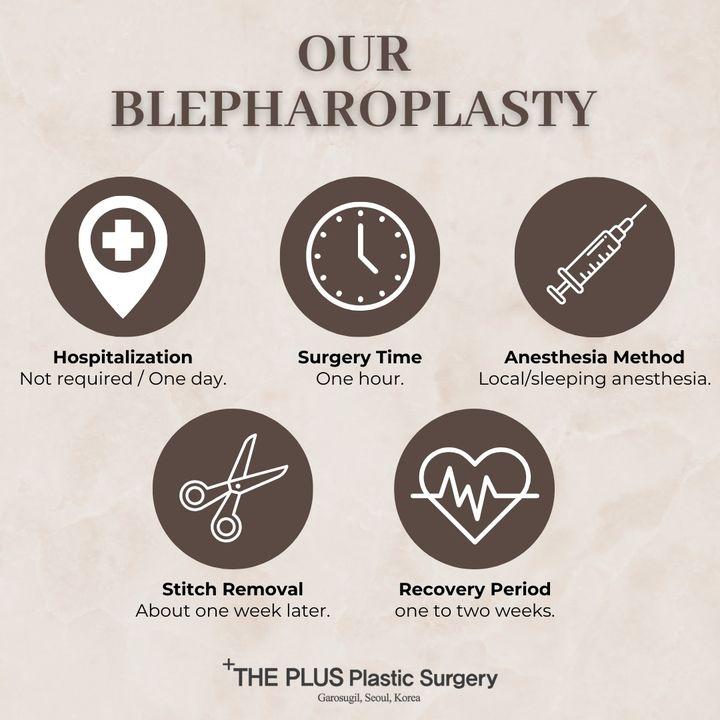
Surgery is typically done under local anesthesia with sedation, or general anesthesia if needed. Procedures last from 30 minutes (fat repositioning) to 1-3 hours (full blepharoplasty). Surgeons carefully remove or reposition tissue per the personalized plan.
4. Post-Operative Care and Follow-up:
Patients recover under observation, receive medications and eye care instructions, and attend follow-ups including stitch removal. Some clinics offer therapies like hyperbaric oxygen to speed healing. Swelling fades in about two weeks; scars take months.
5. Ensuring Patient Safety and Support:
Korean clinics prioritize safety with full-time anesthesiologists and thorough patient assessments. Multilingual support ensures clear communication and comfort throughout the journey.
Costs and Value: A Medical Tourist's Perspective
South Korea offers excellent value for eyelid surgery, balancing cost and quality.
Estimated Costs for Eyelid Procedures in South Korea
Costs vary by procedure complexity, clinic, and surgeon expertise.
| Procedure Type | Estimated Cost Range (USD) | Key Influencing Factors |
|---|---|---|
| Blepharoplasty (General Eyelid Surgery) | $1,500 - $8,000 | Complexity, methods, clinic reputation, surgeon skill |
| Under-Eye Fat Removal or Repositioning | $1,000 - $3,000 | Incision type, fat manipulation |
| Under-Eye Fat Grafting | $1,000 - $2,000 | Volume needed, donor site, purification |
| Double Eyelid Surgery (Upper Eyelid) | $1,000 - $5,000 | Surgical method (non-incisional, partial, full incision) |
A deposit of about 10% is usually required to secure surgery.
What's Included in Korean Medical Tourism Packages?
Packages often cover:
- Surgery fees, surgeon expertise, and facility use
- Pre-operative consultations and tests
- Post-operative care, follow-ups, stitch removal, medications
- Optional therapies like hyperbaric oxygen or blood transfusion packs
- Accommodation near the clinic, airport transfers, ground transport
- Bilingual translation and travel assistance, including visa support
- VAT refunds may apply for foreign patients
Cost Comparison: South Korea vs. Other Countries
South Korea’s prices are 40% to 75% lower than in the US or Western Europe. For example, eyelid surgery in the US averages $6,000 to $15,000, while in Korea it ranges from $1,500 to $4,000. Including travel and accommodation, a week-long medical trip to Korea might cost $6,350 to $10,700, still offering significant savings.
| Country | Estimated Cost Range (USD) | Notes for Medical Tourists |
|---|---|---|
| South Korea | $1,000 - $8,000 | Experienced surgeons, advanced techniques, comprehensive packages |
| United States | $1,500 - $15,000 | Higher costs, itemized billing, less comprehensive packages |
| Europe | $2,500 - $4,500 | Generally higher than Korea, competitive with some US prices |
| Thailand | $1,500 - $2,500 | Competitive pricing, but some concerns about post-op care |
| Turkey | $1,500 - $2,500 | Competitive pricing, potential issues with care and language |
Patient Experiences and Outcomes: Life After Eyelid Surgery
Eyelid surgery not only improves appearance but also boosts confidence and quality of life.
Addressing Puffy Eyes: Expected Aesthetic Improvements
Blepharoplasty creates a youthful, rested look. Lower eyelid surgery reduces bags and dark circles, smoothing the under-eye area. Upper eyelid surgery removes sagging skin that can block vision. The goal is a natural, refreshed appearance without looking overdone.
Beyond Appearance: Psychological and Quality of Life Benefits
Many patients feel more confident and younger after surgery. Resolving persistent under-eye bags often lifts emotional burdens, leading to improved well-being. Patients describe feeling “like a new person,” able to smile and laugh freely again.
Insights from Patient Testimonials
Patients often say they look well-rested and “pretty,” with friends noticing their youthful, happier appearance. Many appreciate that they still look like themselves, just refreshed. Even those undergoing revision surgery report natural, satisfying results without an artificial look.
Long-Term Results and Maintenance
Results usually last many years, sometimes a lifetime for lower eyelid surgery. While aging continues, surgery “resets the clock” on eye appearance. Sun protection and advanced surgical techniques help maintain results and reduce recurrence.
Conclusion: Making an Informed Decision
Surgical treatment of puffy eyes offers effective, lasting rejuvenation by addressing underlying structural changes. South Korea is a top choice for eyelid surgery due to its expert surgeons, innovative techniques, advanced technology, and comprehensive medical tourism packages that simplify the entire process. The significant cost savings combined with high-quality care make it an attractive option for international patients. Prospective patients should first get a thorough medical evaluation to rule out health issues, then work closely with a specialized surgeon to develop a personalized plan. Understanding the differences between fat removal, repositioning, and combined procedures helps ensure natural, balanced results that enhance both appearance and confidence.
References
1, 2, 3, 4, 5, 6, 7, 8, 9, 10, 11, 12, 13, 14, 15, 16, 17, 18, 19, 20, 21, 22, 23, 24, 25, 26, 27, 28, 29, 30, 31, 32