Medical Tourism Blog
Mandibular Prognathism Correction with Double Jaw Surgery in Korea: Effective Solutions for Jaw Alignment
Table of contents
- Double Jaw Surgery (Bimaxillary Osteotomy): The Medical Procedure
- Navigating Double Jaw Surgery in South Korea: A Medical Tourist’s Guide
- Cost Analysis: Double Jaw Surgery in South Korea vs. Global Destinations
- Patient Journeys: Addressing Issues and Improving Quality of Life
- Conclusion
Considering treatment in Korea? Everything you need to know e.g. — how to avoid scams, visas, interpreters, recovery tips — in our Medical Tourism Master Guide. Plan with confidence in minutes, not weeks!
Mandibular prognathism, where the lower jaw juts forward, can cause both functional and cosmetic challenges. This guide breaks down what mandibular prognathism is, details the Double Jaw Surgery (also called Bimaxillary Osteotomy), explains the process for international patients seeking treatment in South Korea, compares costs worldwide, and explores how this surgery can transform lives.
Mandibular prognathism is a dentofacial deformity where the lower jaw (mandible) extends forward more than usual. This misalignment, known as malocclusion or underbite, causes the lower teeth to sit in front of the upper teeth, giving the face a distinctive look that some describe as “angry” or “fighter-like.”
Definition and Characteristics
The main feature of mandibular prognathism is the lower jaw sticking out beyond the normal range, which affects both facial appearance and oral function. It can show up as a large jaw, a prominent chin, or heavy lips, and may be part of a broader syndrome or just a variation in jaw size or shape. These visible changes are often what prompt people to seek treatment.
Common Pseudonyms
Mandibular prognathism is often called “underbite” or “extended chin.” Knowing these terms helps patients find the right information and connect everyday language with medical terminology.
Table 1: Common Pseudonyms for Mandibular Prognathism
| Primary Medical Term | Common Pseudonyms |
|---|---|
| Mandibular Prognathism | Underbite, Extended Chin |
Causes and Associated Conditions
Mandibular prognathism can be inherited or present at birth, but it may also develop due to excessive jaw growth or as part of conditions like gigantism or acromegaly. Acromegaly, caused by too much growth hormone, often first shows up as bilateral mandibular prognathism. Rare genetic syndromes such as Crouzon syndrome, basal cell nevus syndrome, and acrodysostosis can also cause it. Trauma to the face is another possible cause.
Importantly, a protruding jaw can signal underlying health issues like acromegaly or gigantism. That’s why a thorough evaluation by both medical and dental professionals is crucial, ensuring any serious underlying conditions are not missed.
Symptoms and Impact on Quality of Life
The most obvious symptom is a protruding lower jaw or a receding upper jaw. This can make biting, chewing, and speaking difficult, sometimes causing speech impediments or jaw pain. Teeth grinding and jaw discomfort are common, too.
Beyond physical symptoms, the appearance of mandibular prognathism can affect self-esteem and cause psychosocial distress. Many people seek surgery not just for function, but to feel better about their appearance. Double jaw surgery can address both the functional and aesthetic issues, making it a key option for severe cases.
Double Jaw Surgery (Bimaxillary Osteotomy): The Medical Procedure
Double jaw surgery, or bimaxillary osteotomy, is a complex operation that corrects major jaw misalignments by repositioning both the upper (maxilla) and lower (mandible) jaws. It’s done under general anesthesia and usually takes several hours.
Purpose and Who Needs It
The main goal is to fix both the look and function of the jaws when orthodontics alone isn’t enough. It’s used for severe underbites, deep overbites, open bites, crossbites, and facial asymmetry. The surgery improves chewing, biting, and speaking, and can also help with TMJ pain. A special version, maxillomandibular advancement (MMA), moves both jaws forward to help people with obstructive sleep apnea.
Detailed Surgical Techniques (Upper and Lower Jaw)
During double jaw surgery, the surgeon makes incisions inside the mouth to avoid visible scars, then cuts, reshapes, and repositions the jawbones. Titanium screws and plates hold the bones in place while they heal. Sometimes, bone is removed or added as needed.
- Upper Jaw Surgery (Maxillary Osteotomy / Le Fort Osteotomy): The surgeon cuts above the tooth roots to separate the upper jaw, which can then be moved in any direction or rotated for the best fit. Titanium plates and screws secure it.
- Lower Jaw Surgery (Mandibular Osteotomy):
- Sagittal Split Osteotomy (SSO): Diagonal cuts split the jaw, allowing it to move forward or back. Rigid fixation with screws and plates often means less time with the jaw wired shut.
- Intra-oral Vertical Ramus Osteotomy (IVRO): Vertical cuts allow the jaw to move back without wires or pins, which may reduce joint pain, but this technique requires a highly skilled surgeon.
Table 2: Key Surgical Techniques in Double Jaw Surgery
| Jaw | Technique | Description | Key Features/Benefits | Considerations |
|---|---|---|---|---|
| Upper Jaw (Maxilla) | Le Fort Osteotomy | Cut above tooth roots to separate upper jaw | Multi-directional repositioning | Secured with plates and screws |
| Lower Jaw (Mandible) | Sagittal Split Osteotomy (SSO) | Diagonal cuts, splitting jaw into segments | Most popular; rigid fixation | Needs screws/plates; less time with wired jaw |
| Lower Jaw (Mandible) | Intra-oral Vertical Ramus Osteotomy (IVRO) | Vertical cuts at back of jaw | No wires/pins; less joint pain | Demands high skill; may require jaw wired shut |
Recovery Process and Expected Timeline
Recovery happens in stages. After surgery, patients stay in the hospital for 1–4 days. Swelling peaks in the first 48 hours and fades over weeks. Pain, stiffness, and numbness are common but usually temporary. A compression bandage helps with swelling.
A liquid diet is needed at first, moving to soft foods as healing progresses. Bone healing takes 4–6 weeks, but full recovery can take up to 12 weeks. Most people return to daily activities in 2–3 weeks.
Double jaw surgery is just one part of a long process. Pre-surgical orthodontics (12–18 months) aligns the teeth, and post-surgical orthodontics can last years. Recovery includes this whole journey, not just the weeks after surgery.
Potential Risks and Complications
Risks include bleeding, infection, and nerve injury. Some people experience temporary or permanent numbness, hearing changes, jaw relapse, or fractures. TMJ disorders can worsen, and reduced jaw opening may occur in some cases.
Navigating Double Jaw Surgery in South Korea: A Medical Tourist’s Guide
South Korea is a top destination for jaw surgery, known for advanced technology, skilled surgeons, and a focus on both function and aesthetics. The process for international patients is carefully coordinated.
The Step-by-Step Process
- Initial Consultation and Assessment (Pre-Travel/Virtual): Patients start with virtual consultations, sharing scans and photos for a personalized treatment plan using 3D imaging and Virtual Surgical Planning (VSP).
- Pre-Surgical Orthodontics (Often in Home Country): Braces or aligners are used for 12–18 months to prepare the teeth.
- Preparing for Surgery (Arrival in Korea): Patients arrive about a week before surgery for final checks, imaging, and consultations. Pre-surgery instructions include dietary changes and paperwork.
- Surgical Procedure (In-Hospital): The surgery is performed under general anesthesia, with incisions inside the mouth. The jaws are repositioned and fixed with titanium plates and screws.
- Post-Surgical Recovery and Aftercare (In Korea): Patients stay in the hospital for 1–3 nights, then remain in Korea for 2–4 weeks for follow-up and initial recovery.
- Long-Term Follow-up (Back Home): Ongoing orthodontic work continues, often coordinated with local dentists and through telemedicine.
Table 3: Double Jaw Surgery Process for Medical Tourists in South Korea
| Phase | Key Steps | Duration / Timing | Specialists Involved | Important Considerations |
|---|---|---|---|---|
| Initial Consultation | Virtual consult, data collection, planning | Pre-travel / Virtual | Orthodontist, Oral & Maxillofacial Surgeon | 3D imaging/VSP for precise outcomes |
| Pre-Surgical Orthodontics | Braces/aligners to align teeth | 12–18 months (home country) | Orthodontist | Essential for surgery prep |
| Preparing for Surgery | Arrive 1 week prior, final consults, wafer fitting, dietary restrictions | 1 week pre-surgery | Surgeon, Anesthesiologist, Clinic Staff | Final checks and readiness |
| Surgical Procedure | General anesthesia, jaw modification, stabilization | 2–5 hours | Surgeon, Anesthesiologist | Internal incisions; complex and precise |
| Post-Surgical Recovery | Hospital stay, pain/swelling management, liquid diet, follow-ups | 1–3 nights (hospital); 2–4 weeks (in Korea) | Medical Staff, Surgeon | Intensive initial recovery |
| Long-Term Follow-up | Continued orthodontics, telemedicine, local dentist | Months to years | Orthodontist, Local Dentist | Ensures final alignment and stability |
Best Clinics in Korea for Mandibular Prognathism
Listed below are the best clinics in Korea for mandibular prognathism:
| Clinic Name | Key Features | Special Techniques |
|---|---|---|
| Made Young Plastic Surgery | Made Young Plastic Surgery Clinic in Seoul’s Gangnam district is a premium center for facial and anti-aging procedures, offering dedicated expertise for patients seeking aesthetic and functional improvement in mandibular prognathism. Led by a verified medical team averaging over 15 years of experience, the clinic provides direct consultation and diagnosis by highly skilled surgeons, translating extensive clinical experience into individualized surgical plans. With proven strengths in facial contouring—such as jaw reduction, chin surgery (genioplasty), V-line surgery, and metal-free techniques where appropriate—Made Young prioritizes natural harmony and balanced facial proportions while addressing the unique challenges of a protrusive lower jaw. Safety and outcomes are supported by a comprehensive system: full-time board-certified anesthesiologists, a 1:1 dedicated monitoring model, a cross-check protocol for rapid, precise responses in emergencies, and full CCTV coverage for transparency. A separate, dedicated aftercare center delivers complete and systematic post-procedure support. Recognized with the 2022 Korea No.1 Award and 2022 Korea Customer Satisfaction 1st Place, and honored as an Outstanding Member of the Korean Society of Plastic and Reconstructive Surgeons with certification from the Minimally Invasive Aesthetic Surgery Society, Made Young stands out as a trusted destination for mandibular prognathism care grounded in expertise, safety, and lasting results. | jaw reduction, chin surgery (genioplasty), V-line surgery, metal-free techniques where appropriate |
| Nana Plastic Surgery Clinic Website | Nana Plastic Surgery Clinic, conveniently located at Sinnonhyeon Station, stands out as the best choice in Korea for patients seeking aesthetic correction of mandibular prognathism because it combines advanced facial contouring expertise with extensive clinical data and diverse surgical experience to deliver balanced, natural results. The clinic’s precision-driven V Line Surgery and genioplasty reshape the jawline and chin to harmonize a prominent lower face, while soft‑tissue solutions such as neck lifting and platysma plasty refine the jaw–neck angle for a sharper profile. Intraoral approaches commonly used in cheekbone reduction minimize visible scarring, and implant options allow fine‑tuning of facial contours when needed. With comprehensive capabilities spanning lifting, nose, and eye procedures, Nana can tailor adjunct treatments to achieve full-face harmony, reinforcing outcomes that are both aesthetically refined and durably maintained. | V Line Surgery, genioplasty, neck lifting, platysma plasty, intraoral approaches for cheekbone reduction, implant options for facial contour tuning |
| D.A Plastic Surgery Clinic Website | DA Plastic Surgery Clinic, located at Gangnam Station, provides a wide array of advanced cosmetic procedures designed to enhance natural beauty. Led by a skilled team of surgeons and dedicated staff, the clinic aims to deliver personalized services in a safe and comfortable environment. For patients seeking care for mandibular prognathism, DA applies its comprehensive facial contouring expertise to balance function and aesthetics. Treatment options include Smile Triple Jaw Surgery to address irregularities of both the upper and lower jaws, Shaping V-line surgery to refine the mandibular contour, and Genioplasty to optimize chin harmony, with Revision Facial Contouring available for refining prior results. Plans are tailored to each individual to pursue a more balanced, proportionate facial profile. | Smile Triple Jaw Surgery, Shaping V-line surgery, Genioplasty, Revision Facial Contouring |
Made Young Plastic Surgery
Made Young Plastic Surgery Clinic in Seoul’s Gangnam district is a premium center for facial and anti-aging procedures, offering dedicated expertise for patients seeking aesthetic and functional improvement in mandibular prognathism. Led by a verified medical team averaging over 15 years of experience, the clinic provides direct consultation and diagnosis by highly skilled surgeons, translating extensive clinical experience into individualized surgical plans. With proven strengths in facial contouring—such as jaw reduction, chin surgery (genioplasty), V-line surgery, and metal-free techniques where appropriate—Made Young prioritizes natural harmony and balanced facial proportions while addressing the unique challenges of a protrusive lower jaw.
Safety and outcomes are supported by a comprehensive system: full-time board-certified anesthesiologists, a 1:1 dedicated monitoring model, a cross-check protocol for rapid, precise responses in emergencies, and full CCTV coverage for transparency. A separate, dedicated aftercare center delivers complete and systematic post-procedure support. Recognized with the 2022 Korea No.1 Award and 2022 Korea Customer Satisfaction 1st Place, and honored as an Outstanding Member of the Korean Society of Plastic and Reconstructive Surgeons with certification from the Minimally Invasive Aesthetic Surgery Society, Made Young stands out as a trusted destination for mandibular prognathism care grounded in expertise, safety, and lasting results.
You can check out their website here: Made Young Plastic Surgery Website
Nana Plastic Surgery Clinic
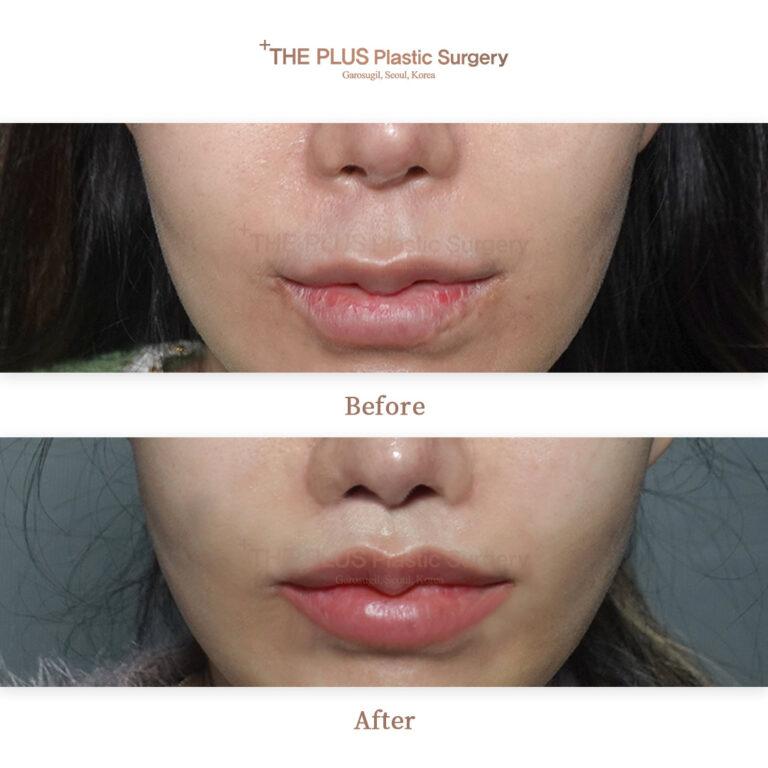
Nana Plastic Surgery Clinic, conveniently located at Sinnonhyeon Station, stands out as the best choice in Korea for patients seeking aesthetic correction of mandibular prognathism because it combines advanced facial contouring expertise with extensive clinical data and diverse surgical experience to deliver balanced, natural results. The clinic’s precision-driven V Line Surgery and genioplasty reshape the jawline and chin to harmonize a prominent lower face, while soft‑tissue solutions such as neck lifting and platysma plasty refine the jaw–neck angle for a sharper profile. Intraoral approaches commonly used in cheekbone reduction minimize visible scarring, and implant options allow fine‑tuning of facial contours when needed. With comprehensive capabilities spanning lifting, nose, and eye procedures, Nana can tailor adjunct treatments to achieve full-face harmony, reinforcing outcomes that are both aesthetically refined and durably maintained.
Find more about this clinic here: Nana Plastic Surgery Clinic Website
D.A Plastic Surgery Clinic
DA Plastic Surgery Clinic, located at Gangnam Station, provides a wide array of advanced cosmetic procedures designed to enhance natural beauty. Led by a skilled team of surgeons and dedicated staff, the clinic aims to deliver personalized services in a safe and comfortable environment.
For patients seeking care for mandibular prognathism, DA applies its comprehensive facial contouring expertise to balance function and aesthetics. Treatment options include Smile Triple Jaw Surgery to address irregularities of both the upper and lower jaws, Shaping V-line surgery to refine the mandibular contour, and Genioplasty to optimize chin harmony, with Revision Facial Contouring available for refining prior results. Plans are tailored to each individual to pursue a more balanced, proportionate facial profile.
Find more about this clinic here: D.A Plastic Surgery Clinic Website
Why South Korea for Jaw Surgery?
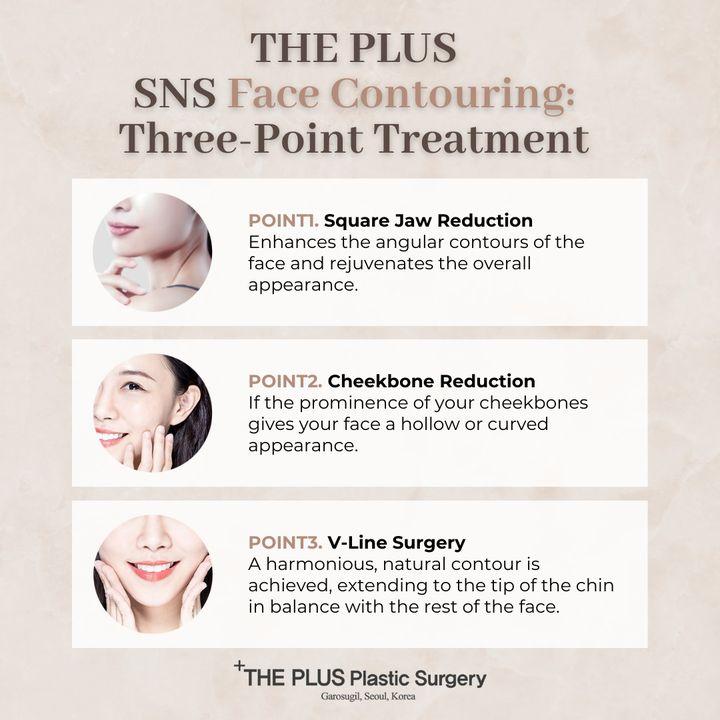
South Korea stands out for its cutting-edge technology, like 3D imaging and VSP, which allow for precise, customized jaw repositioning. Surgeons are highly experienced, and clinics emphasize both function and aesthetics, often achieving the “V-shaped” jawline many patients desire.
The country’s medical tourism infrastructure is robust, with agencies offering translation, personal coordinators, and recovery support. This makes the process smoother for international patients. South Korea’s competitive pricing also makes high-quality care more accessible compared to many Western countries.
Cost Analysis: Double Jaw Surgery in South Korea vs. Global Destinations
Cost is a major factor for patients, especially those considering medical tourism. Prices vary widely by country, with South Korea offering competitive packages.
Typical Costs in South Korea
Double jaw surgery in South Korea usually costs $15,000 to $25,000 USD. Some clinics quote as low as $7,000 and as high as $25,330.
What’s typically included:
- Pre-op consultations
- Essential pre-op tests
- Hospitalization (about 3 days)
- Anesthesia
- Post-op medications
- Follow-up appointments
- Compression bandage
Additional costs to consider:
- 10% upfront deposit
- Accommodation for 2–4 weeks (not included)
- Travel expenses (airfare, lodging, meals, local transport)
- Long-term orthodontics (often not included)
- Complexity of the case and surgeon’s expertise
It’s important to check what’s included in any package, as some costs (like orthodontics or accommodation) may not be covered.
Cost Comparison with Other Countries
- USA: $30,000–$50,000+ (can reach $53,000 in major cities)
- Canada: ~$47,700 (fixed price)
- Australia: $6,880–$9,632 (surgical fee only; full costs higher)
- Europe (Spain): ~$11,300–$16,200 (plus extras)
- Turkey: $8,000–$15,000
- Mexico: ~$11,700
South Korea, Turkey, and Mexico offer much lower prices than the USA or Canada, making them attractive for uninsured patients. However, patients should weigh these savings against travel and extended stay costs.
Table 4: Double Jaw Surgery Cost Comparison
| Country | Average Cost Range (USD) | Key Inclusions (Typical) | Additional Considerations |
|---|---|---|---|
| South Korea | $15,000–$25,000 | Pre-op consults, hospitalization, anesthesia, meds, follow-ups | 10% deposit, 2–4 week stay, orthodontics extra |
| USA | $30,000–$50,000+ | Surgical fees, hospital, anesthesia, imaging | Itemized costs, higher expenses |
| Canada | ~$47,700 | (Not specified) | (Not specified) |
| Australia | $6,880–$9,632 | (Likely surgical fee only) | Full treatment costs higher |
| Europe (Spain) | ~$11,300–$16,200 | Surgical fees, pre-op study, 1-day hospital, insurance | Extras for models, fixation, other treatments |
| Turkey | $8,000–$15,000 | (Not specified) | (Not specified) |
| Mexico | ~$11,700 | (Not specified) | (Not specified) |
Patient Journeys: Addressing Issues and Improving Quality of Life
Orthognathic surgery, including double jaw surgery, can dramatically improve both function and appearance, leading to a better quality of life.
Reported Improvements in Function and Aesthetics
Patients often report:
- Better biting and chewing: 83.3% see major improvements.
- Enhanced facial structure: Over 63% notice a better profile and symmetry.
- Clearer speech: Some see improved pronunciation.
- Less jaw pain/TMJ issues: Many experience relief.
- Improved breathing: Airway improvements can reduce sleep apnea.
Impact on Self-Esteem and Psychosocial Well-being
Studies show significant boosts in self-esteem and emotional stability after surgery. About 92% of patients say their main concerns are resolved, and the overall success rate for improved quality of life is around 93.9%. However, some patients, especially men, may still experience depressive symptoms, highlighting the need for psychological support throughout the process.
Common Patient Experiences During Recovery
The first few days after surgery are tough, with swelling, numbness, and dietary restrictions. Support from family, friends, and attentive clinic staff is crucial. Swelling peaks around day three and fades over months, while numbness can last weeks to months.
Overall Satisfaction and Willingness to Undergo Surgery Again
Most patients are satisfied with their results—84.1% report being very or somewhat satisfied, and 71.5% would choose to have the surgery again. Satisfaction is closely tied to improvements in both function and appearance. Good communication with the surgeon about expectations is key to avoiding disappointment.
Table 5: Patient-Reported Improvements After Orthognathic Surgery
| Category | Specific Improvements | Reported Satisfaction/Frequency |
|---|---|---|
| Functional | Biting and Chewing | 83.3% significant improvement |
| Functional | Speech Clarity | Improved pronunciation (13.3%) |
| Functional | Jaw Pain/TMJ | Reduced pain/discomfort (26.7%) |
| Functional | Breathing/Airway | Improved airway, less sleep apnea |
| Aesthetic | Facial Profile/Harmony | 63.3% improved profile/symmetry |
| Psychosocial | Quality of Life (QoL) | 93.9% success rate |
| Psychosocial | Self-Esteem/Confidence | Higher self-esteem, better adjustment |
| Overall Satisfaction | Overall Satisfaction | 84.1% very/somewhat satisfied |
| Willingness | Would undergo again | 71.5% |
Conclusion
Mandibular prognathism can seriously affect both function and appearance, but double jaw surgery offers a highly effective solution. South Korea stands out for its advanced technology, skilled surgeons, and competitive pricing, making it a top choice for medical tourists. Success depends on understanding the full treatment process, planning for all costs, and maintaining open communication with your care team.