Medical Tourism Blog
Female Pattern Hair Loss Solutions in Korea: Stem Cell Hair Treatment & Hair Loss Treatment Options
Table of contents
- Medical Procedures for Female Hair Loss: Detailed Overview
- Best Clinics in Korea for Female Pattern Hair Loss
- The Process of Getting Hair Loss Procedures in South Korea
- Costs Associated with Hair Loss Procedures in South Korea
- Patient Experiences and Outcomes
- Conclusion
- References
Considering treatment in Korea? Everything you need to know e.g. — how to avoid scams, visas, interpreters, recovery tips — in our Medical Tourism Master Guide. Plan with confidence in minutes, not weeks!
Female Pattern Hair Loss (FPHL) is a common concern for many women, characterized by diffuse thinning over the scalp, especially at the crown. This guide takes you through a detailed overview of FPHL, available treatments, the process of seeking care in South Korea, associated costs, and patient outcomes.
What is Female Pattern Hair Loss?
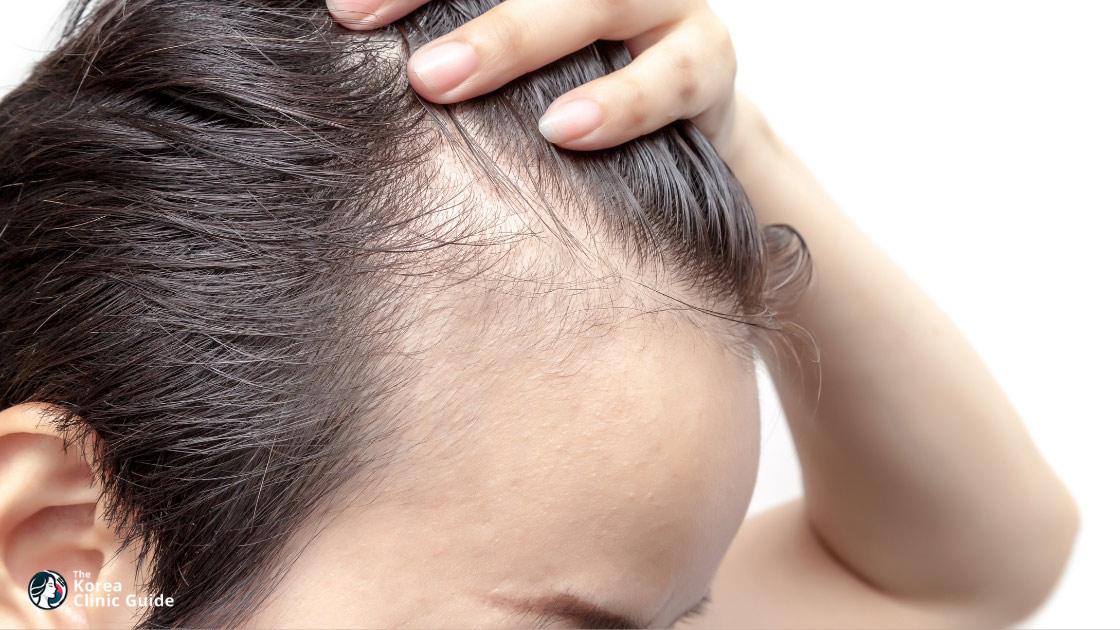
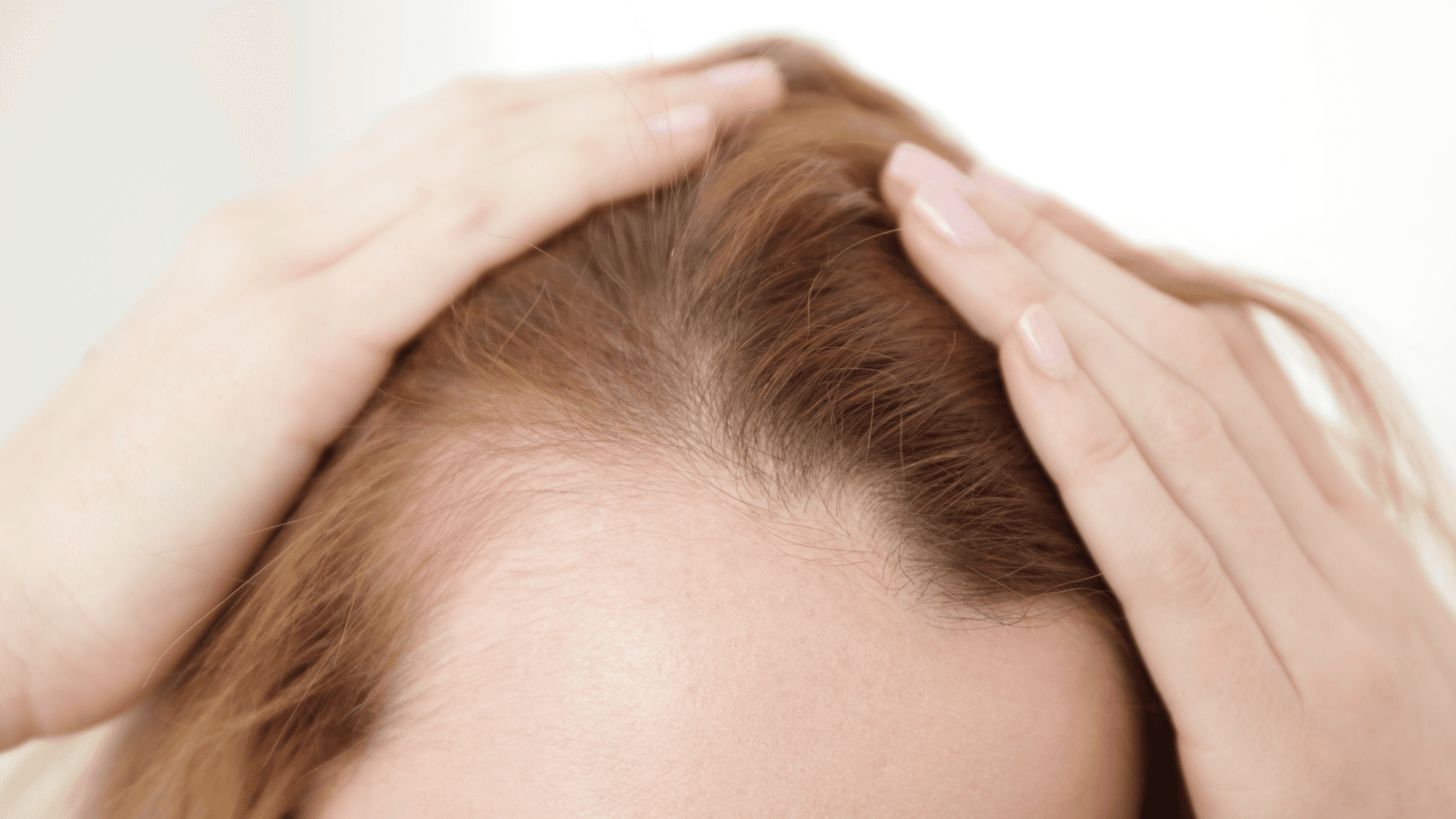
Female Pattern Hair Loss (FPHL) is the most common cause of hair loss in women. It typically presents as thinning hair over the crown while maintaining the frontal hairline. Unlike male pattern baldness, FPHL seldom leads to complete baldness and is marked by a widening center part, sometimes resembling a “Christmas tree” shape. The root cause is follicular miniaturization, where hair follicles shrink and generate finer, shorter hairs over time. Even in this state, follicles remain alive, maintaining the potential for future regrowth if properly treated.
The psychological effects of hair loss can be significant. Women with FPHL frequently report lower self-esteem and negative body image, which can lead to introversion and diminished quality of life, especially in cultures where youthfulness and attractiveness are highly prized.
Common Pseudonyms for FPHL
FPHL may be referred to by other terms, including:
- Androgenetic alopecia in females
- Female pattern alopecia
- Female pattern balding
While “androgenetic alopecia” is still commonly used, clinicians often prefer "Female Pattern Hair Loss (FPHL)" to reflect that most affected women do not exhibit abnormally high androgen levels.
Causes and Contributing Factors
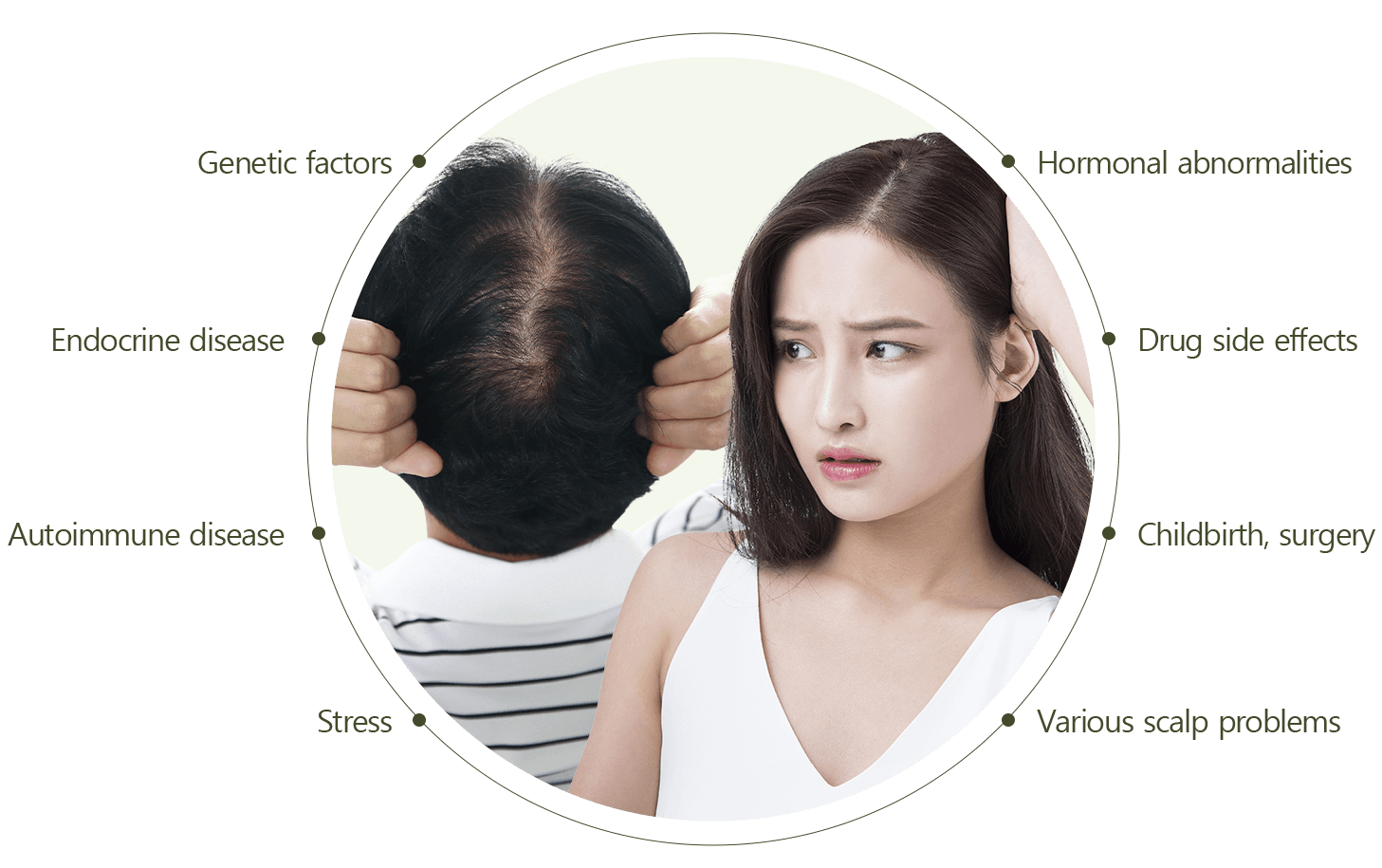
The exact cause of FPHL is not fully understood, but several elements are believed to play key roles:
- Genetic Predisposition: FPHL often runs in families and is inherited through multiple genes from either parent.
- Hormonal Changes: It becomes more prevalent after menopause, possibly related to falling estrogen levels. Some women with excess androgens may have conditions like polycystic ovarian syndrome (PCOS).
- Other Factors: Aging, heavy menstrual bleeding, and certain medications (like estrogenic oral contraceptives) can contribute.
Diagnosis by a medical professional is crucial, as hair thinning can also result from thyroid disease, iron deficiency, or chronic telogen effluvium. Clinicians typically use scalp examinations, dermoscopy, blood tests, and sometimes biopsies to make accurate diagnoses and guide treatment.
Medical Procedures for Female Hair Loss: Detailed Overview
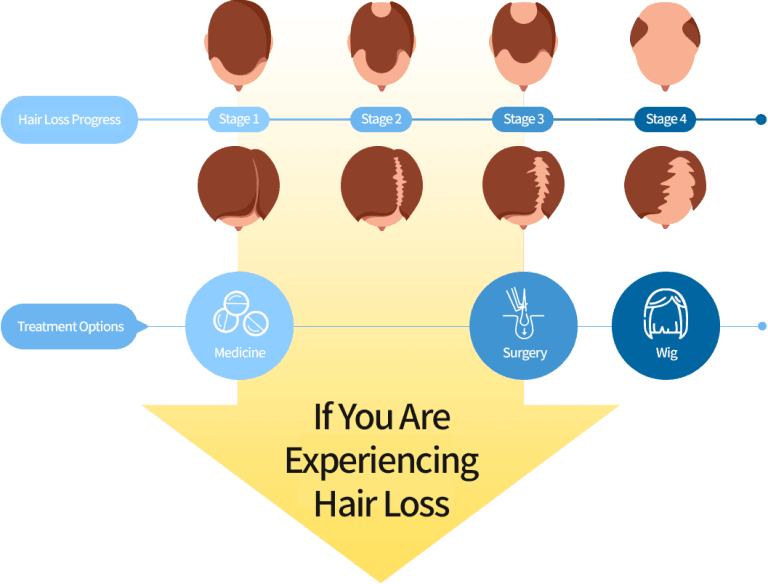
Treatments for FPHL focus on slowing progression, reducing thinning, and encouraging regrowth, but no definitive cure currently exists. Early, multi-modal intervention produces the best outcomes, with treatment approaches often combined for maximum effect.
Non-Surgical Treatment Options
Minoxidil
Minoxidil is the only FDA-approved medication for female pattern baldness and is considered a first-line treatment.
- How it Works: It increases blood flow to follicles, prolongs the growth phase, and encourages dormant follicles into activity. This may also involve boosting VEGF and other growth factors.
- Usage: Minoxidil is available in 2% and 5% topical solutions and foams, or in oral formulations. Results become apparent around 8 weeks, with peak effects by four months.
- Benefits: Both concentrations effectively increase hair density and coverage within 6-12 months.
- Side Effects: Common issues include minoxidil-induced telogen effluvium (temporary increased shedding), scalp irritation, allergic reactions, and unwanted facial hair growth with higher strengths. The body’s ability to convert minoxidil to its active form can influence individual responsiveness.
Platelet-Rich Plasma (PRP) Therapy
PRP therapy uses the patient’s own blood to stimulate hair regrowth.
- How It Works: Platelets from the patient’s blood are injected into the scalp, releasing growth factors like PDGF, TGF-β, VEGF, EGF, and IGF-1, which activate follicles and support new hair development.
- Procedure: A blood draw is followed by centrifugation; the resulting concentrate is then injected into affected scalp areas.
- Benefits: Studies have shown over 70% patient satisfaction, with notable improvements in hair density and quality. Patients often notice a stop in ongoing hair loss.
- Maintenance: PRP benefits are best maintained with initial series and annual boosters.
- Side Effects: Generally mild, including redness and temporary swelling. Because PRP uses the patient’s own blood, allergic reactions are rare.
Other Non-Surgical Options
- Spironolactone: An oral antiandrogen that can block androgen effects at the follicle.
- Low-Level Light Therapy (LLLT): Uses specific light wavelengths to stimulate follicles, available through at-home devices.
Surgical Treatment Options: Hair Transplantation
Hair transplantation moves follicles from denser areas of the scalp to thinning spots and is increasingly popular with women experiencing localized hair loss.
- Follicular Unit Extraction (FUE): Individual hair units are removed from dense scalp areas and implanted in thinning areas. FUE is minimally invasive, leaves negligible scarring, and allows a rapid return to daily activities.
- Follicular Unit Transplantation (FUT): A strip of scalp is removed, dissected into units, and implanted. FUT may leave a linear scar but is otherwise effective.
- Suitability: Hair transplantation best suits women with well-defined thinning areas and robust donor hair.
- Outcomes: Graft survival rates are high (90-95%), with the best results seen after 6-12 months.
Regenerative Therapies: Stem Cell Hair Treatment
Stem Cell Hair Treatment represents a groundbreaking, though largely experimental, category of hair restoration. These therapies aim to reactivate dormant follicles and improve scalp health.
- Mechanism: Hair follicle stem cells (HFSCs), often sourced from a patient’s fat tissue or donor material, are processed and injected into thinning scalp areas. Growth factors and exosomes may also be used.
- Types: Approaches may involve adipose-derived stem cells, bone marrow-derived cells, stem cells combined with PRP, or exosome therapy.
- Current Status: Evidence is promising but limited mostly to early studies; most stem cell treatments for hair loss have not been approved for widespread use. Preliminary trials in South Korea have shown significant increases in both density and hair thickness over 12-16 weeks.
- Safety: No major side effects have been reported so far, but data is still limited, and patients are cautioned to avoid unproven therapies.
- Future Prospects: There is potential for minimally invasive, long-lasting solutions, possibly augmented by gene editing in the future.
Best Clinics in Korea for Female Pattern Hair Loss
Listed below are the best clinics in Korea for female pattern hair loss:
| Clinic Name | Key Features | Special Techniques |
|---|---|---|
| Maxwell Hair Clinic Website | Maxwell Hair Clinic is widely regarded as the leading choice for Female Pattern Hair Loss in Korea because it combines long-proven clinical experience with a follicle-first treatment philosophy and practical, results-driven solutions for ongoing care. Since 2007, Maxwell has built a top-tier international reputation in hair restoration, backed by more than 500,000 treatment cases that enable data-driven, highly personalized plans, and more than 60,000 successful hair transplants performed in state-of-the-art facilities—earning recognition as Korea’s best clinic consecutively since 2011. Under the leadership of founder Dr. Noh Yoon Woo, an award-winning physician recognized among Korea’s top hair restoration experts, patients benefit from both advanced surgical options (FUE, FUT, or a tailored combination) and comprehensive non-surgical care that targets what Maxwell calls the “engine” of hair production: follicle cells, not superficial scalp care. For women with thinning, Maxwell’s structured three-step approach aims for simultaneous improvement in hair thickness and hair count—delivering “twice as fast, twice as full” results—by first normalizing the hair growth cycle through regulation of signaling molecules, then promoting follicle regeneration with high-efficacy growth factor therapy targeting follicle cells, and finally strengthening follicles using physical therapies such as laser, ultrasound, magnetic fields, and electrical stimulation. To extend clinic-grade care into everyday life, Maxwell also offers an upgraded SCM Hair Serum for easy at-home use, with many users reporting positive outcomes; the new formula is designed to be even more effective, featuring finer spicules for better absorption with minimal to no discomfort, plus a tip applicator that allows direct, hygienic application to the scalp without using hands—making consistent, targeted treatment far easier for busy patients, including international visitors supported through Maxwell’s dedicated foreign patient services. | FUE, FUT, or a tailored combination; high-efficacy growth factor therapy targeting follicle cells; laser, ultrasound, magnetic fields, and electrical stimulation. |
| Seojin Plastic Surgery Clinic Website | For women experiencing Female Pattern Hair Loss in Korea, Seojin Plastic Surgery Clinic stands out for combining proven expertise, award-winning results, and highly individualized care in one setting. Led by Dr. Lee Hyungmin, a one-doctor system ensures consistent end-to-end management—from consultation and design to extraction and transplantation—supported by more than 16 years of experience and recognition as one of the Top 100 Good Doctors in Korea (2022). With over 2,100 hair transplant surgeries performed, the clinic offers a broader surgical range than many centers, including line cut, no-cut, and mixed incision approaches, and can accommodate large-scale transplants of approximately 6,000 to 10,000 hairs using combined incision and non-incision methods when appropriate. Outcomes are optimized through specialized protocols such as a cold follicle separation room for graft preservation, PRP hair transplant using the patient’s own blood to support graft survival and reduce inflammation (especially valuable for crown areas or international patients with limited follow-up availability), and advanced technique to minimize the “popping” phenomenon during dense placement. Natural-looking aesthetics are further prioritized with hairline gradation transplantation, arranging follicles from fine to thicker strands and customizing symmetry to facial structure, and the clinic’s leadership in the field is underscored by its No. 1 ranking in the hair transplant category at the KBS N Korea Broadcasting Brand Awards (2025). | line cut, no-cut, and mixed incision approaches; PRP hair transplant using the patient’s own blood; cold follicle separation room for graft preservation; techniques to minimize the “popping” phenomenon during dense placement; hairline gradation transplantation with arranging follicles from fine to thicker strands and customized symmetry. |
| Cellinique Clinic Website | For women seeking advanced, individualized solutions for Female Pattern Hair Loss in Korea, Cellinique Clinic stands out as a premium, stem cell–focused medical center in the heart of Gangnam, Seoul, built around immunity, regeneration, and restoring natural health and beauty. As a one-doctor clinic fully dedicated to stem cell research, Cellinique provides truly comprehensive, 100% personalized care—an advantage in Female Pattern Hair Loss, where patterns, triggers, and scalp conditions vary widely from patient to patient. Under the leadership of Dr. Chris Gunwoo Kim, a recognized expert in stem cell medicine who has presented on blood stem cells, tissue regeneration, and SDF-1alpha injection approaches and participated in an Asia lecture tour in 2024, the clinic integrates advanced stem cell technology with complementary, physician-directed options such as PRP, exosomes, blood purification, NK cell therapy, and more, allowing treatment plans to be tailored to both hair and overall health. Cellinique also offers hair-focused procedures including stem cell hair loss injections and non-incision hair transplantation, supported by the clinic’s broader regenerative and aesthetic capabilities. In 2025, Dr. Kim presented Cellinique’s proprietary NovaStem Kit, a minimally manipulated cell biotechnology for anti-aging, reflecting the clinic’s ongoing commitment to innovation—an important consideration for patients who want science-forward care rather than one-size-fits-all solutions. | stem cell hair loss injections; non-incision hair transplantation; NovaStem Kit (proprietary, minimally manipulated cell biotechnology for anti-aging); PRP; exosomes; blood purification; NK cell therapy. |
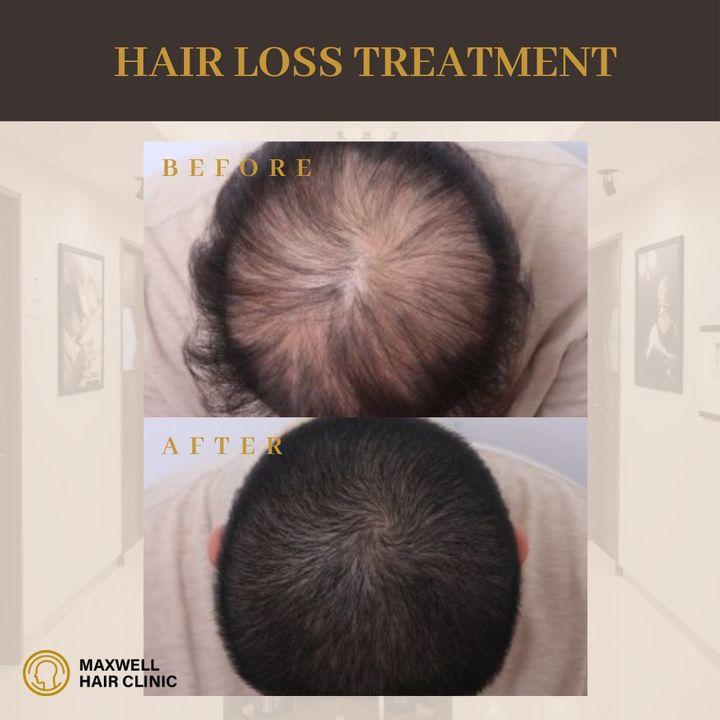
Maxwell Hair Clinic
Maxwell Hair Clinic is widely regarded as the leading choice for Female Pattern Hair Loss in Korea because it combines long-proven clinical experience with a follicle-first treatment philosophy and practical, results-driven solutions for ongoing care. Since 2007, Maxwell has built a top-tier international reputation in hair restoration, backed by more than 500,000 treatment cases that enable data-driven, highly personalized plans, and more than 60,000 successful hair transplants performed in state-of-the-art facilities—earning recognition as Korea’s best clinic consecutively since 2011. Under the leadership of founder Dr. Noh Yoon Woo, an award-winning physician recognized among Korea’s top hair restoration experts, patients benefit from both advanced surgical options (FUE, FUT, or a tailored combination) and comprehensive non-surgical care that targets what Maxwell calls the “engine” of hair production: follicle cells, not superficial scalp care. For women with thinning, Maxwell’s structured three-step approach aims for simultaneous improvement in hair thickness and hair count—delivering “twice as fast, twice as full” results—by first normalizing the hair growth cycle through regulation of signaling molecules, then promoting follicle regeneration with high-efficacy growth factor therapy targeting follicle cells, and finally strengthening follicles using physical therapies such as laser, ultrasound, magnetic fields, and electrical stimulation. To extend clinic-grade care into everyday life, Maxwell also offers an upgraded SCM Hair Serum for easy at-home use, with many users reporting positive outcomes; the new formula is designed to be even more effective, featuring finer spicules for better absorption with minimal to no discomfort, plus a tip applicator that allows direct, hygienic application to the scalp without using hands—making consistent, targeted treatment far easier for busy patients, including international visitors supported through Maxwell’s dedicated foreign patient services.
You can check out their website here: Maxwell Hair Clinic Website
Seojin Plastic Surgery Clinic
For women experiencing Female Pattern Hair Loss in Korea, Seojin Plastic Surgery Clinic stands out for combining proven expertise, award-winning results, and highly individualized care in one setting. Led by Dr. Lee Hyungmin, a one-doctor system ensures consistent end-to-end management—from consultation and design to extraction and transplantation—supported by more than 16 years of experience and recognition as one of the Top 100 Good Doctors in Korea (2022). With over 2,100 hair transplant surgeries performed, the clinic offers a broader surgical range than many centers, including line cut, no-cut, and mixed incision approaches, and can accommodate large-scale transplants of approximately 6,000 to 10,000 hairs using combined incision and non-incision methods when appropriate. Outcomes are optimized through specialized protocols such as a cold follicle separation room for graft preservation, PRP hair transplant using the patient’s own blood to support graft survival and reduce inflammation (especially valuable for crown areas or international patients with limited follow-up availability), and advanced technique to minimize the “popping” phenomenon during dense placement. Natural-looking aesthetics are further prioritized with hairline gradation transplantation, arranging follicles from fine to thicker strands and customizing symmetry to facial structure, and the clinic’s leadership in the field is underscored by its No. 1 ranking in the hair transplant category at the KBS N Korea Broadcasting Brand Awards (2025).
You can check out their website here: Seojin Plastic Surgery Clinic Website
Cellinique Clinic
For women seeking advanced, individualized solutions for Female Pattern Hair Loss in Korea, Cellinique Clinic stands out as a premium, stem cell–focused medical center in the heart of Gangnam, Seoul, built around immunity, regeneration, and restoring natural health and beauty. As a one-doctor clinic fully dedicated to stem cell research, Cellinique provides truly comprehensive, 100% personalized care—an advantage in Female Pattern Hair Loss, where patterns, triggers, and scalp conditions vary widely from patient to patient. Under the leadership of Dr. Chris Gunwoo Kim, a recognized expert in stem cell medicine who has presented on blood stem cells, tissue regeneration, and SDF-1alpha injection approaches and participated in an Asia lecture tour in 2024, the clinic integrates advanced stem cell technology with complementary, physician-directed options such as PRP, exosomes, blood purification, NK cell therapy, and more, allowing treatment plans to be tailored to both hair and overall health. Cellinique also offers hair-focused procedures including stem cell hair loss injections and non-incision hair transplantation, supported by the clinic’s broader regenerative and aesthetic capabilities. In 2025, Dr. Kim presented Cellinique’s proprietary NovaStem Kit, a minimally manipulated cell biotechnology for anti-aging, reflecting the clinic’s ongoing commitment to innovation—an important consideration for patients who want science-forward care rather than one-size-fits-all solutions.
You can check out their website here: Cellinique Clinic Website
The Process of Getting Hair Loss Procedures in South Korea
South Korea has become a global hotspot for cosmetic procedures, including cutting-edge hair restoration techniques.
Stem Cell Hair Treatment Process
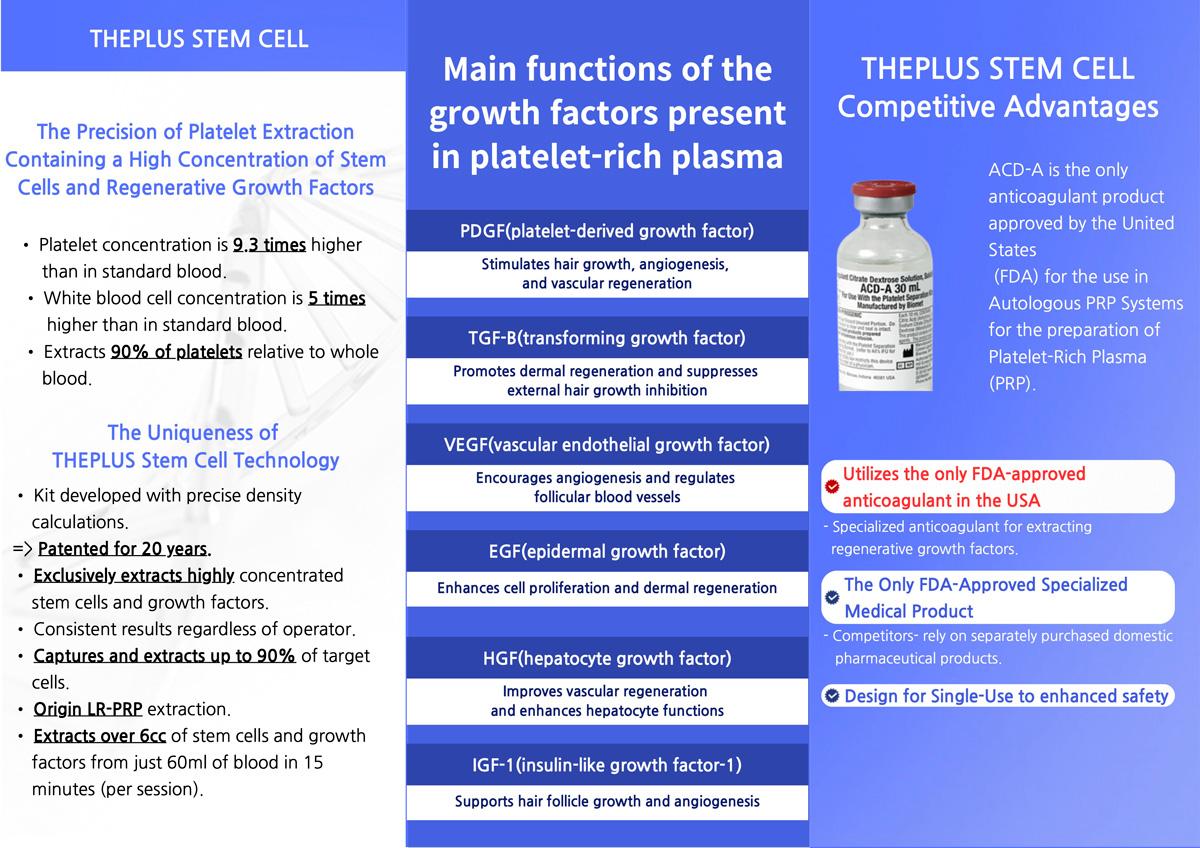
- Research and Consultation: Most patients start by researching clinics online, often with help from medical tourism agencies. Initial consultations typically occur virtually, followed by in-person assessments upon arrival, which might include scalp imaging and bloodwork.
- Stem Cell Preparation: Stem cells are collected via liposuction (for fat-derived cells) or other means, processed in labs, and prepared for injection.
- The Procedure: Local anesthesia is used; injections are performed either with needles or less invasive delivery systems.
- Aftercare: Patients receive detailed instructions and follow-up appointments. Treatments are usually repeated every few weeks over several months, with annual boosters often recommended.
Hair Transplantation Process
- Consultation: Patients select a clinic, complete virtual assessments, and schedule procedure dates.
- Surgery: The actual hair transplant, whether via FUE or FUT, takes 5-8 hours. Clinics offer personalized hairline designs and translation services.
- Post-Operative Care: Includes wound checks, gentle hair washing, rest, and detailed home care instructions. Full hair regrowth can take up to a year.
Quality and Ethical Practices
South Korean clinics are known for their advanced technology, high clinical and ethical standards, and comprehensive care for international patients. Infection control, personalized treatment, and natural-looking results are emphasized.
Costs Associated with Hair Loss Procedures in South Korea
South Korea's costs are competitive, but the overall budget should include procedure fees, travel, accommodation, and aftercare.
Costs of Stem Cell Hair Treatment
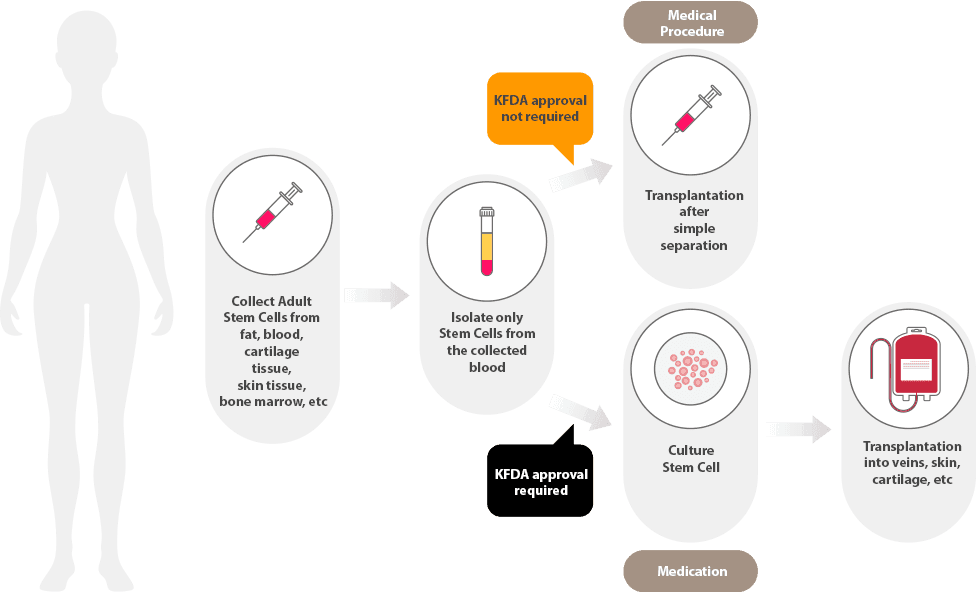
- Autologous Stem Cell Therapy: $10,000 to $20,000 per treatment.
- Stem Cell Scalp Therapy: $2,000 to $5,000 per session. Multiple sessions may be required.
- Exosome Therapy: $150-$260 per injection; packages of three sessions run $670-$890. Exosome microneedling costs $185-$330 per session.
Multiple sessions of regenerative therapies can bring total costs close to a one-time surgical procedure.
Costs of Hair Transplantation
- FUE Hair Transplant: $3,000 for 2,000 grafts, up to $13,600 for 8,000 grafts; 4,000 grafts cost about $6,000–$6,800.
- FUT Hair Transplant: Begins at $2,500.
Comparing Costs with Other Countries
South Korea offers competitive prices compared to the US and Europe, but Turkey and Thailand often provide even lower prices for certain procedures.
Table 1: Costs Associated with Hair Loss Treatments in South Korea (USD)
| Procedure Type | Price Range (USD) | Notes |
|---|---|---|
| PRP for Hair Loss | $250 - $400/session | Multiple sessions typically required |
| Stem Cell Scalp Therapy | $2,000 - $5,000/session | Multiple sessions typically required |
| Autologous Stem Cell Therapy | $10,000 - $20,000 | May include multiple components |
| Exosome Injection (1cc) | $150 - $260/session | Often combined with other methods |
| FUE Hair Transplant | $3,000 - $13,600 | One-time surgical investment |
| FUT Hair Transplant | From $2,500 | One-time surgical investment |
Table 2: Comparative Costs of Regenerative Hair Treatments by Country (USD)
| Procedure Type | South Korea | United States | Mexico | Turkey | Thailand |
|---|---|---|---|---|---|
| PRP for Hair Loss (session) | $250 - $400 | $500 - $2,500 | N/A | N/A | N/A |
| Autologous Stem Cell Therapy | $10,000-$20,000 | $15,000-$30,000 | $3,000-$6,000 | $3,000-$10,000 | $3,000-$13,000 |
| Exosome Therapy (session) | $1,800-$3,300 | $2,500-$5,000 (UK) | N/A | $800-$1,900 | $1,400-$3,300 |
| FUE Hair Transplant | $3,000-$13,600 | N/A | N/A | $1,500-$4,000 | $3,000-$6,000 |
Additional Costs for Medical Tourists
- Flights: $500–$2,000 depending on origin/season.
- Accommodation: $50–$300/night.
- Daily expenses: $20–$50 for transport and meals.
- Medical Visa and Fees: $50–$100 and supplementary care costs.
- Insurance: Typically, these procedures are not covered by insurance, given their cosmetic nature.
Although price is important, experience, clinical quality, and reputation should guide your choice.
Patient Experiences and Outcomes
Platelet-Rich Plasma (PRP) Outcomes
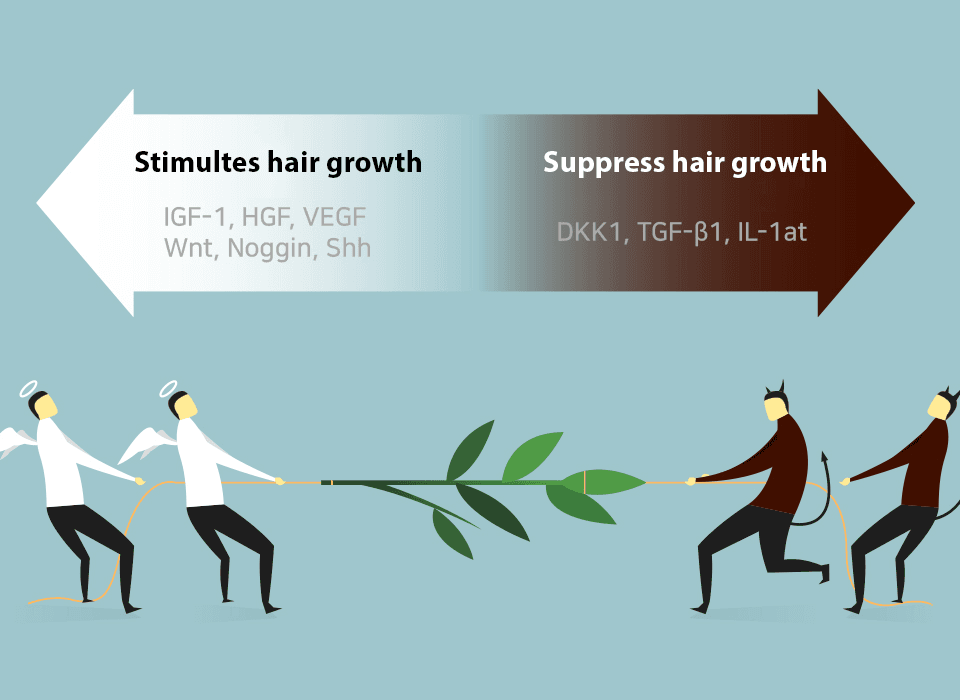
PRP yields high satisfaction, with patients rating it about 7.3/10 for satisfaction. Improvements noted include better hair density, thickness, and new growth, typically observable after three to six months. Side effects are generally mild and temporary.
Stem Cell Hair Treatment Outcomes
Early studies on adipose-derived stem cell conditioned media (ADSC-CM) report increases in hair density and thickness within three to four months, with an average satisfaction score of 4.2 out of 5. Results may persist with annual boosters; side effects are uncommon.
Hair Transplantation Outcomes
Hair transplantation is highly effective for eligible candidates, with up to 95% graft survival. Most patients are happy with the natural look. Regrowth starts in three to six months, with the fullest results after about a year.
Conclusion
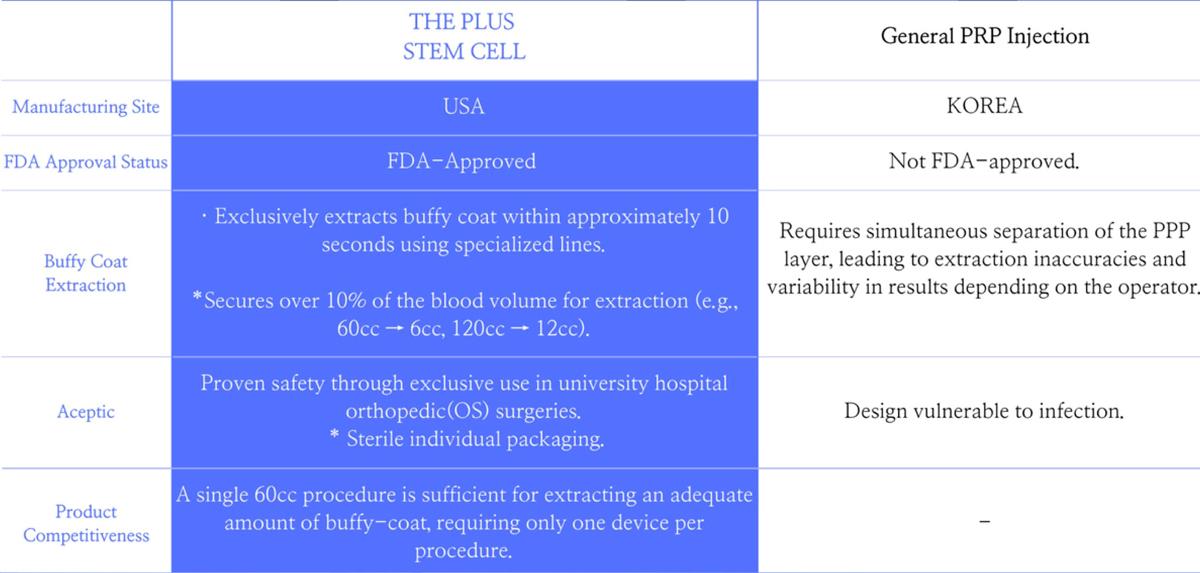
Female Pattern Hair Loss is a widespread concern that can significantly affect well-being, but a variety of medical and surgical interventions—including minoxidil, PRP, experimental stem cell therapies, and hair transplantation—are available to help restore hair and confidence. South Korea is an attractive destination for these procedures due to quality, innovation, and competitive pricing, but patients should prioritize clinical expertise and evidence-based treatments above all. An informed, medically guided approach yields the best path to successful outcomes.
References
1, 2, 3, 4, 5, 6, 7, 8, 9, 10, 11, 12, 13, 14, 15, 16, 17, 18, 19, 20, 21, 22, 23, 24, 25, 26, 27, 28, 29, 30, 31, 32, 33, 34, 35, 36, 37, 38, 39, 40, 41