Medical Tourism Blog
Double Eyelid Surgery in Korea: Ptosis Correction for Aesthetic and Functional Eye Improvement
Table of contents
- The Importance of Ptosis Correction in Double Eyelid Surgery
- Detailed Explanation of Ptosis Correction Procedures
- Best Clinics in Korea for Double Eyelid Surgery Ailment
- Ptosis Correction in South Korea: A Guide for International Patients
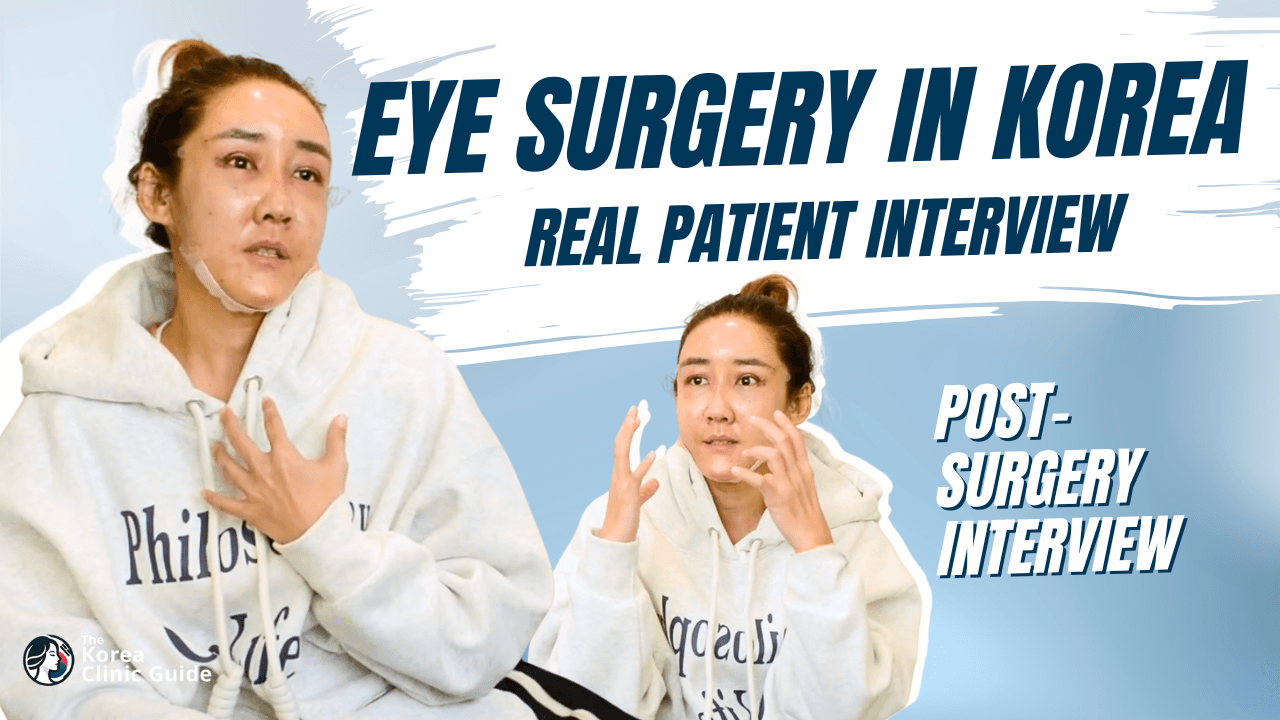
- Patient Experiences: How Ptosis Correction Enhances Double Eyelid Surgery Outcomes
- Conclusion
- References
Considering treatment in Korea? Everything you need to know e.g. — how to avoid scams, visas, interpreters, recovery tips — in our Medical Tourism Master Guide. Plan with confidence in minutes, not weeks!
Double eyelid surgery, also known as Asian blepharoplasty, is a popular cosmetic procedure that creates an upper eyelid crease to give the eyes a more defined and open look. For those considering this surgery, it’s important to understand how underlying ptosis, or drooping of the upper eyelid, can affect the results. Correcting ptosis isn’t just about appearance—it can be essential for function and plays a key role in the success and satisfaction of double eyelid surgery.
Double eyelid surgery—sometimes called Asian blepharoplasty, Asian eyelid surgery, or East Asian blepharoplasty—is designed to form a visible crease in the upper eyelid. The main goal is to enhance the eyes’ appearance, making them look larger, more open, and well-defined. This procedure is especially popular among East Asians who naturally have monolids (eyelids without a crease) or very subtle creases. People choose this surgery not only to achieve bigger-looking eyes but also to improve facial symmetry, make eye makeup application easier, and boost self-confidence. In some cultures, double eyelids are considered an attractive feature, which adds to the procedure’s appeal. A defined crease also provides more space for eyeliner and eyeshadow, offering practical benefits. Beyond aesthetics, this can significantly improve self-esteem and psychological well-being. Another term for creating an upper eyelid crease is supratarsal fixation.
There are several surgical techniques to create a double eyelid. The non-incisional or suture method is minimally invasive, placing sutures through the upper eyelid to form the crease without external cuts. This approach usually means quicker recovery but may not offer permanent results since sutures can loosen over time. It’s best suited for people with thinner eyelids and minimal excess fat. The incisional method involves making an incision across the upper eyelid to remove excess skin, fat, or muscle before forming the crease. This technique tends to provide more permanent and dramatic results but requires longer recovery and carries risks like scarring. It’s often recommended for thicker eyelids or when excess tissue removal is needed. The partial incision method combines both approaches by using small incisions to remove fat and sutures to create the crease. Choosing the right technique depends on personal preferences, eyelid characteristics, and desired outcomes, balancing result longevity with invasiveness.
Table 1: Comparison of Double Eyelid Surgery Techniques
| Technique | Procedure Description | Advantages | Disadvantages |
|---|---|---|---|
| Non-Incisional (Suture) | Sutures placed through the upper eyelid to create a crease without cuts. | Minimally invasive, quicker recovery, less scarring, reversible. | Results may not be permanent, unsuitable for excess skin or fat. |
| Incisional | Incision made to remove excess skin, fat, or muscle before crease formation. | More permanent, suitable for thicker eyelids and tissue removal. | Longer recovery, higher scarring risk. |
| Partial Incision | Small incisions to remove fat combined with sutures to create crease. | More defined than suture method, less invasive than full incision. | May not suit significant excess skin or severe ptosis. |
The Importance of Ptosis Correction in Double Eyelid Surgery
Ptosis, medically called blepharoptosis, is the drooping of the upper eyelid. It can result from weakened or stretched eyelid muscles—especially the levator or Mueller’s muscle—nerve issues, congenital factors, aging, or trauma. Ptosis may cause a tired or sleepy look, vision obstruction if severe, eye strain from trying to keep eyelids open, and uneven eyelid height. Some people raise their eyebrows unconsciously to lift drooping eyelids, which can cause forehead wrinkles over time.
When planning double eyelid surgery, addressing any ptosis is often necessary for the best and longest-lasting results. If ptosis isn’t corrected, the new eyelid crease might weaken or fade. Ptosis correction strengthens the muscles that open the eyes, mainly the levator and/or Mueller’s muscle, supporting the crease and creating a more defined, open eye appearance. For those with weak eyelid muscles, combining ptosis correction with double eyelid surgery leads to a natural, balanced look. In cases of significant ptosis, double eyelid surgery alone might worsen the condition, causing dissatisfaction. Identifying and correcting ptosis ensures both aesthetic goals and proper eyelid function are achieved.
Detailed Explanation of Ptosis Correction Procedures

Several surgical options exist for ptosis correction, chosen based on ptosis severity, levator muscle function, cause of drooping, and eyelid skin condition. The external approach involves an incision in the upper eyelid crease to access and tighten or shorten the levator muscle. This is preferred when levator muscle function is good.
The internal approach, or Mueller’s Muscle Resection (MMCR), turns the eyelid inside out to shorten Mueller’s muscle from within. This leaves no visible skin incision and suits mild to moderate ptosis. For severe ptosis with poor levator function, frontalis sling fixation may be needed. This attaches the upper eyelid to the forehead’s frontalis muscle using a sling (like silicone or fascia), allowing the forehead muscles to lift the eyelid. Non-incisional ptosis correction is less invasive, placing sutures through tiny inner eyelid punctures to tighten the levator and/or Mueller’s muscle without skin incisions. It’s best for minimal to moderate ptosis with thin eyelids.
Choosing the right technique depends on ptosis degree (mild to severe), levator muscle strength (excellent to poor), ptosis cause (congenital, age-related, injury, or medical), and eyelid skin thickness. Measurements like palpebral fissure height (PFH) and marginal reflex distance (MRD1) help quantify ptosis and guide surgery. This variety highlights the need for a personalized surgical plan after thorough pre-operative evaluation.
Table 2: Comparison of Ptosis Correction Techniques
| Technique | Procedure Description | Indication | Advantages | Disadvantages |
|---|---|---|---|---|
| External Approach (Levator Advancement/Resection/Plication) | Incision in upper eyelid crease to tighten or shorten levator muscle. | Ptosis with good levator function. | Precise muscle adjustment, can combine with blepharoplasty. | Visible skin incision. |
| Internal Approach (Mueller's Muscle Resection - MMCR) | Eyelid turned inside out; Mueller's muscle shortened internally. | Mild to moderate ptosis. | No visible skin incision. | Less effective for severe ptosis or poor levator function. |
| Frontalis Sling Fixation | Upper eyelid attached to frontalis muscle via sling material. | Severe ptosis with poor levator function. | Uses forehead muscles to lift eyelid. | May cause temporary incomplete eye closure; noticeable forehead movement during blinking. |
| Non-Incisional Ptosis Correction | Sutures placed through tiny inner eyelid punctures to tighten muscles. | Minimal to moderate ptosis, thin eyelids. | No skin incision, quicker recovery, minimal scarring. | Not suitable for severe ptosis or thick eyelids. |
Best Clinics in Korea for Double Eyelid Surgery Ailment
Listed below are the best clinics in Korea for double eyelid surgery ailment:
| Clinic Name | Key Features | Special Techniques |
|---|---|---|
| THEPLUS Plastic Surgery Website | Located in Garosu-gil, Gangnam, THE PLUS Plastic Surgery is a four-floor, full-service center where consultations, surgery, and post-operative skincare are seamlessly integrated. Led by internationally recognized directors Dr. Jeong Jae Yong and Dr. Kim Taek Kyun—surgeon-educators who publish, lecture, and perform live surgeries at global forums—the clinic blends academic rigor with meticulous clinical care. Dr. Kim is a board-certified plastic surgeon and award-winning researcher in 3D implants, leading expert in facial contouring and rhinoplasty; Dr. Jeong, President of the Korean Society of Plastic Surgeons, champions the union of function and beauty for procedures such as double eyelid surgery, ptosis correction, and canthoplasty. Supported by a seasoned team with over a decade of experience and active memberships in major professional societies, THE PLUS is distinguished by its safety-first culture, scholarly excellence, and precision-driven results across facial and ocular procedures. | Double eyelid surgery; ptosis correction; canthoplasty; blepharoplasty; rhinoplasty; facial contouring; 3D implants |
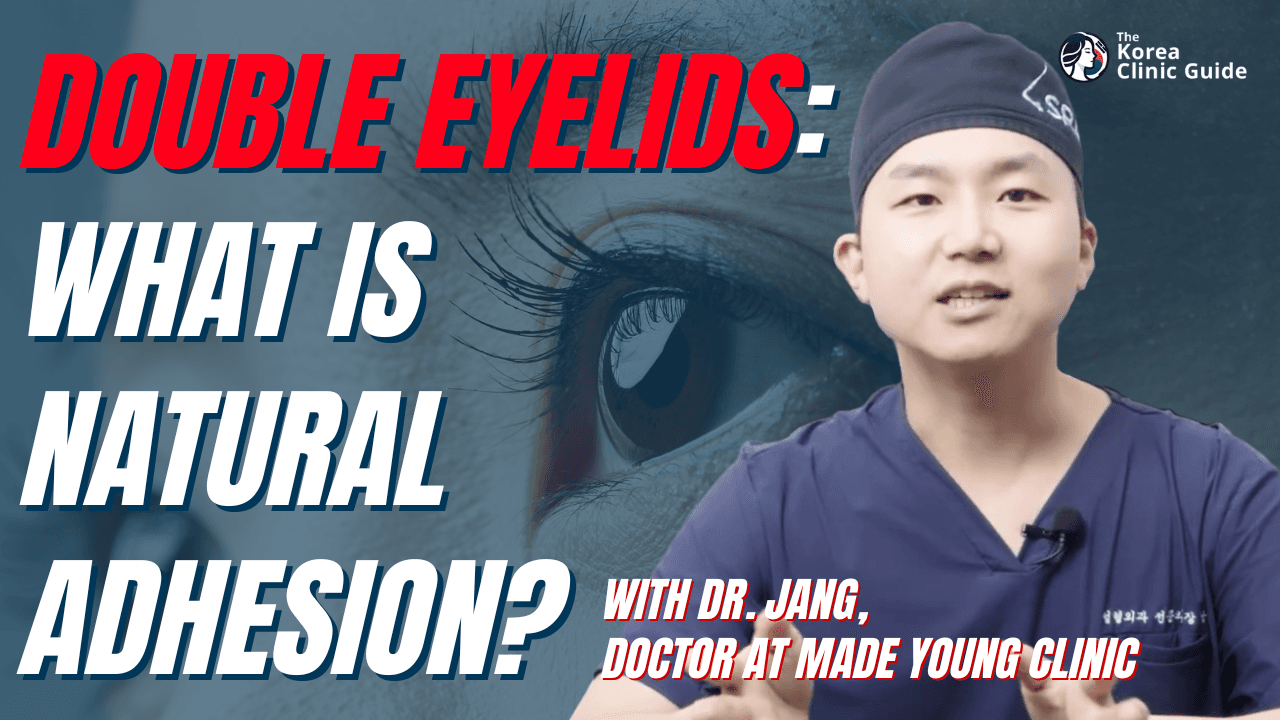
| Made Young Plastic Surgery Website | Made Young Plastic Surgery Clinic is a premium center in Seoul’s Gangnam district specializing in facial and anti-aging procedures, with particular expertise in double eyelid surgery and the correction of related ailments. Its verified medical team—highly skilled doctors with an average of over 15 years of experience—provides direct consultations and diagnoses before any procedure. Safety is ensured by full-time board-certified anesthesiologists, a 1:1 dedicated monitoring system, a cross-check protocol for rapid, precise emergency response, full CCTV coverage for transparency, and a separate, systematic aftercare center. Leading the eye program is Dr. Park Byung-Chan, who has dedicated 15 years exclusively to eye surgery and is known for natural, beautiful results that are apparent even on the day of surgery. Dr. Park’s genuine, patient-centered approach tailors incision lines, double eyelid height, eyelid thickness, and overall image to achieve the most harmonious and natural eye shape—whether for primary surgery or revision of complications. Backed by extensive clinical experience and recognized with the 2022 Korea No.1 Award and Korea Customer Satisfaction 1st Place, as well as selection as an Outstanding Member of the Korean Society of Plastic and Reconstructive Surgeons and certification by the Minimally Invasive Aesthetic Surgery Society, Made Young blends precision, safety, and trust. | Double eyelid surgery; incision-line customization (lines, height, thickness); primary or revision eyelid surgery; natural-looking results on day of surgery; eye program leadership by Dr. Park Byung-Chan; awards and certifications |
| SH Clinic Website | SH Clinic in Sinsa, Seoul is a multi-specialty medical center that brings stem-cell science, women’s healthcare, aesthetic dermatology, and modern plastic surgery together in one place. The SH Stem Cell Center delivers personalized, comprehensive plans ranging from facial rejuvenation and anti-aging to advanced stem cell therapies for serious conditions, while the SH Gynecology Clinic provides full-spectrum women’s health and vaginal rejuvenation options such as fillers, stem cell injections, HIFU laser treatments, tightening, and implant surgery. Within its Cosmetic Plastic Surgery program, SH Clinic offers Upper Blepharoplasty (Double-Eyelid Surgery) to remove excess eyelid skin and create a defined crease that brightens the eyes and eases heaviness, alongside lower blepharoplasty, facelift, face contouring, and liposuction, complemented by dermatologic lasers, injectables, and physician-guided skin care. | Upper Blepharoplasty; lower blepharoplasty; facelift; face contouring; liposuction; dermatologic lasers; injectables; thread lift; HIFU laser treatments; continuity of care at a single Sinsa location; safety-first, physician-led counseling and follow-up |
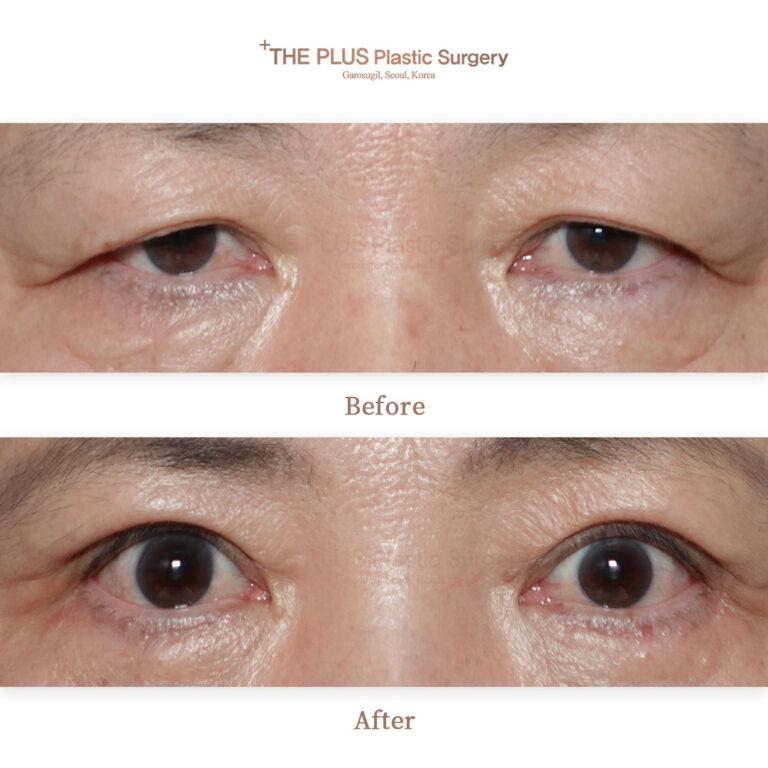
THEPLUS Plastic Surgery
Located in the vibrant Garosu-gil district of Gangnam, THE PLUS Plastic Surgery is a four-floor, full-service center where consultations, surgery, and post-operative skincare are seamlessly integrated. Led by internationally recognized directors Dr. Jeong Jae Yong and Dr. Kim Taek Kyun—surgeon-educators who publish, lecture, and perform live surgeries at global forums—the clinic blends academic rigor with meticulous clinical care. Dr. Kim, a board-certified plastic surgeon and award-winning researcher in 3D implants, is a leading expert in facial contouring and rhinoplasty; his emphasis on facial harmony guides natural-looking eye surgery outcomes. Dr. Jeong, President of the Korean Society of Plastic Surgeons, champions the union of function and beauty—an ethos crucial for procedures such as double eyelid surgery, ptosis correction, and canthoplasty. Supported by a seasoned team with over a decade of experience and active memberships in major professional societies, including the American Society of Plastic Surgeons, THE PLUS is distinguished by its safety-first culture, scholarly excellence, and precision-driven results across facial and ocular procedures.
Why THE PLUS Plastic Surgery stands out for Double Eyelid Surgery
- Harmony-first design philosophy: Dr. Kim’s focus on balanced facial proportions ensures double eyelid creases complement each patient’s unique features.
- Function plus beauty ethos: Under Dr. Jeong’s leadership, aesthetic refinements are thoughtfully integrated with functional goals, vital for ptosis correction and stable eyelid mechanics.
- Specialized eye surgery portfolio: Comprehensive options—double eyelid surgery, ptosis correction, canthoplasty, and blepharoplasty—enable tailored plans for varied eyelid anatomies and aesthetic goals.
- Internationally recognized surgeon-educators: Directors run annual educational sessions, present at leading conferences, and contribute to scholarly books and journals, keeping techniques evidence-based and current.
- Research-driven excellence: Surgeons actively publish and participate in domestic and international symposiums; Dr. Kim’s text “Rebuilding Nose” reflects a culture of academic depth that informs meticulous facial work, including eyelids.
- Safety and experience at the core: A highly experienced team (10+ years) operates within robust safety protocols, with patient satisfaction prioritized at every step.
- Full-continuum care: A purpose-designed, four-floor facility supports the entire journey—from precise consultation and planning to surgery and structured post-operative skincare.
- Leadership in Korean and global societies: Engagement with bodies such as the American Society of Plastic Surgeons underscores adherence to rigorous standards and continuous advancement.
- Facial harmony expertise enhances eye outcomes: Strength in rhinoplasty and facial contouring provides a holistic framework for eyelid design that looks natural from every angle.
- Consistent, natural-looking results: A clinic-wide commitment to outcomes that age well and respect individual anatomy supports long-term satisfaction.
- Central Gangnam location: Easy access in Garosu-gil, with a patient-centric environment designed for comfort, communication, and attentive follow-up.
You can check out their website here: THEPLUS Plastic Surgery Website
Made Young Plastic Surgery
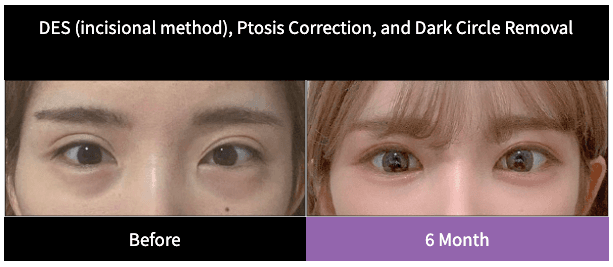
Made Young Plastic Surgery Clinic is a premium center in Seoul’s Gangnam district specializing in facial and anti-aging procedures, with particular expertise in double eyelid surgery and the correction of related ailments. Its verified medical team—highly skilled doctors with an average of over 15 years of experience—provides direct consultations and diagnoses before any procedure. Safety is ensured by full-time board-certified anesthesiologists, a 1:1 dedicated monitoring system, a cross-check protocol for rapid, precise emergency response, full CCTV coverage for transparency, and a separate, systematic aftercare center.
Leading the eye program is Dr. Park Byung-Chan, who has dedicated 15 years exclusively to eye surgery and is known for natural, beautiful results that are apparent even on the day of surgery. Dr. Park’s genuine, patient-centered approach tailors incision lines, double eyelid height, eyelid thickness, and overall image to achieve the most harmonious and natural eye shape—whether for primary surgery or revision of complications. Backed by extensive clinical experience and recognized with the 2022 Korea No.1 Award and Korea Customer Satisfaction 1st Place, as well as selection as an Outstanding Member of the Korean Society of Plastic and Reconstructive Surgeons and certification by the Minimally Invasive Aesthetic Surgery Society, Made Young blends precision, safety, and trust.
You can check out their website here: Made Young Plastic Surgery Website
SH Clinic
SH Clinic in Sinsa, Seoul is a multi-specialty medical center that brings stem-cell science, women’s healthcare, aesthetic dermatology, and modern plastic surgery together in one place. The SH Stem Cell Center delivers personalized, comprehensive plans ranging from facial rejuvenation and anti-aging to advanced stem cell therapies for serious conditions, while the SH Gynecology Clinic provides full-spectrum women’s health and vaginal rejuvenation options such as fillers, stem cell injections, HIFU laser treatments, tightening, and implant surgery. Within its Cosmetic Plastic Surgery program, SH Clinic offers Upper Blepharoplasty (Double-Eyelid Surgery) to remove excess eyelid skin and create a defined crease that brightens the eyes and eases heaviness, alongside lower blepharoplasty, facelift, face contouring, and liposuction, complemented by dermatologic lasers, injectables, and physician-guided skin care.
- Focused expertise in Upper Blepharoplasty (Double-Eyelid Surgery): precise removal of excess skin and creation of a natural, defined crease to relieve heaviness and open the eyes.
- Integrated, under-one-roof care: plastic surgeons coordinate with aesthetic dermatology and regenerative-medicine teams to optimize healing, skin quality, and long-term anti-aging around the eyes.
- Personalized planning: the clinic’s stem cell and regenerative medicine culture emphasizes individualized treatment plans, reflected in tailored crease height and shape for each patient’s anatomy and goals.
- Comprehensive aesthetic support: access to laser lifting, medical skin care, Botox, dermal fillers, and thread lift to refine periorbital contours and harmonize results with the rest of the face.
- Modern surgical approach: a plastic surgery service grounded in contemporary techniques and symmetry-focused planning—an ethos reinforced by advanced tools used across facial procedures.
- Continuity and convenience: pre- and post-operative care delivered by the same multidisciplinary team in a single Sinsa location for a smooth, discreet experience.
- Safety-first environment: physician-led care with thorough counseling and follow-up protocols embedded across the clinic’s services, supporting predictable outcomes for double-eyelid concerns and related “double eyelid surgery ailment” issues.
You can check out their website here: SH Clinic Website
Ptosis Correction in South Korea: A Guide for International Patients
South Korea is a top destination for international patients seeking ptosis correction combined with double eyelid surgery, thanks to its advanced medical technology and expert surgeons specializing in cosmetic eye procedures. The journey usually starts with researching reputable clinics focused on ptosis correction and double eyelid surgery. Checking surgeon credentials, patient reviews, and before-and-after photos helps assess quality. Medical tourism agencies can assist with clinic selection and consultation scheduling.
Many clinics offer online consultations for international patients to discuss their condition and goals before traveling. Upon arrival, patients undergo detailed in-person exams, possibly including imaging like MRI or CT scans to evaluate muscle weakness. This consultation also covers aesthetic goals and surgical risks.
Before surgery, patients receive pre-operative instructions, such as avoiding medications like aspirin and ibuprofen, certain supplements, fasting, and abstaining from smoking and alcohol. International patients often arrange accommodation and transport near the clinic for convenience.
Ptosis correction surgery in South Korea usually takes 1–2 hours, performed outpatient under local anesthesia with sedation for comfort. The surgical technique depends on the pre-operative assessment.
Post-surgery care is vital for healing and minimizing complications. This includes frequent cold compresses to reduce swelling and bruising, sleeping with the head elevated, avoiding strenuous activities, and following wound care and medication instructions. Follow-up visits monitor healing and remove stitches if needed—typically within a week for incisional methods and a few days for non-incisional. Patients should watch for complications like eyelid asymmetry, infection, bleeding, dryness, or under/over-correction and communicate concerns promptly.
Choosing South Korea offers several benefits: highly skilled surgeons experienced in both incisional and non-incisional techniques, high success rates, natural-looking results tailored to individual facial features, and competitive pricing compared to Western countries. Many clinics provide comprehensive packages including airport transfers, accommodation, and language support.
Table 3: Estimated Costs of Ptosis Correction in South Korea vs. Other Countries (USD)
| Procedure | South Korea (Low) | South Korea (High) | USA | UK (Starting) | Australia |
|---|---|---|---|---|---|
| Ptosis Correction (One Eye) | $1,400 | $1,900 | - | - | - |
| Ptosis Correction (Both Eyes) | $2,200 | $3,000 | - | - | - |
| Combined with Double Eyelid | $2,700 | $3,800 | - | - | - |
| Lazy Eyelid Surgery | $1,500 | - | $6,300 | $3,100 | $3,800 |
Note: Costs are approximate and vary by clinic, surgeon experience, and procedure complexity.
Patient Experiences: How Ptosis Correction Enhances Double Eyelid Surgery Outcomes
Combining ptosis correction with double eyelid surgery effectively lifts droopy eyelids, creating a more open, alert, and youthful eye appearance. This approach also corrects eyelid height asymmetry, resulting in a balanced, harmonious facial look. Strengthening the muscles that open the eyes helps maintain a well-defined double eyelid crease over time. Patients often report not only improved appearance but also better vision and less eye strain, especially if drooping previously blocked their sight. This comprehensive treatment boosts self-confidence and quality of life by addressing both cosmetic and functional needs. Integrating ptosis correction into double eyelid surgery leads to higher patient satisfaction and enhanced self-esteem.
Conclusion
Double eyelid surgery is a popular procedure to create an upper eyelid crease, but for those with ptosis, correcting the drooping eyelid is essential for the best and longest-lasting results. Various ptosis correction techniques exist, tailored to the severity and individual needs. South Korea stands out as a leading destination offering expert surgeons, advanced methods, competitive pricing, and natural-looking outcomes. Anyone considering double eyelid surgery, especially with ptosis, should seek a thorough consultation with an experienced oculoplastic surgeon to develop a personalized plan that ensures both aesthetic and functional success.
References
1, 2, 3, 4, 5, 6, 7, 8, 9, 10, 11, 12, 13, 14, 15, 16, 17, 18, 19, 20, 21, 22, 23, 24, 25, 26, 27, 28, 29, 30, 31, 32, 33, 34, 35, 36, 37, 38, 39, 40, 41, 42, 43, 44, 45, 46, 47, 48, 49, 50, 51, 52, 53, 54, 55, 56, 57, 58, 59, 60, 61, 62, 63, 64, 65, 66, 67, 68, 69, 70, 71, 72, 73