Medical Tourism Blog
Discover Effective Double Eyelid Surgery in Korea for Addressing Heavy Upper Eyelids

Table of contents
- Causes of Heavy Upper Eyelids
- Impact on Vision and Comfort
- Double Eyelid Surgery: A Common Solution
- Best Clinics in Korea for Address Heavy Upper Eyelids
- Seeking Double Eyelid Surgery in South Korea
- Advantages of Double Eyelid Surgery in South Korea
- Patient Experiences and Outcomes
- Conclusion
- References
Considering treatment in Korea? Everything you need to know e.g. — how to avoid scams, visas, interpreters, recovery tips — in our Medical Tourism Master Guide. Plan with confidence in minutes, not weeks!
Heavy upper eyelids, often seen as fullness or sagging skin above the eyes, are a common concern for many people. This condition can affect not only appearance but also vision and overall comfort. Knowing the right terms related to heavy upper eyelids is essential when looking for information and treatment options.
In medical language, ptosis refers to the drooping of the upper eyelid, which can affect one eye (unilateral) or both eyes (bilateral). Another term, blepharoptosis, also describes this drooping. Sometimes, the issue is excess baggy skin on the upper eyelid, called dermatochalasis. It’s common for ptosis and dermatochalasis to happen together.
People often use everyday terms like droopy eyelids, baggy eyelids, or hooded eyes to describe this condition. Hooded eyes occur when extra skin folds over the eyelid, hiding it from view. Other phrases include heavy eye lids or eyelid drooping, and descriptions like "fullness in the upper eyelids" match these common terms. Recognizing these synonyms helps patients find the right resources and communicate clearly with doctors.
Causes of Heavy Upper Eyelids
Heavy upper eyelids can develop for several reasons. The most common cause is aging, as skin loses elasticity and eyelid muscles weaken over time. The levator muscle, which lifts the eyelid, can stretch and lose strength with age. Genetics also play a role, with some people inheriting a tendency for hooded or sagging eyelids. Some are born with congenital ptosis due to developmental issues with the levator muscle.
Various medical conditions can also cause heavy eyelids. Nerve damage from third nerve palsy or other cranial nerve disorders can lead to drooping. Muscle weakness conditions like myasthenia gravis affect eyelid function. Swelling from allergies, styes, chalazion (blocked oil gland), blepharitis (eyelid inflammation), or infections can create heaviness. Systemic diseases such as Graves' disease, diabetes, Horner syndrome, stroke, and tumors have been linked to ptosis. Sometimes, heavy eyelids result from previous eye surgery.
Impact on Vision and Comfort
Heavy upper eyelids are more than a cosmetic issue. They can cause functional vision problems by blocking the upper field of vision, making tasks like reading, driving, or using a computer harder. In children, untreated ptosis can lead to amblyopia (lazy eye). The condition can also cause physical discomfort, such as tension headaches and eye fatigue from constantly trying to lift the eyelids. Children may tilt their heads back to compensate, which can cause neck pain. Because of these effects, it’s important to consult a medical professional to find the cause and explore treatment options.
Double Eyelid Surgery: A Common Solution
For those seeking treatment, double eyelid surgery, or blepharoplasty, is a popular option. This surgery creates or enhances a crease in the upper eyelid, reducing fullness and improving eye appearance. The two main techniques are the incisional and non-incisional (suture) methods.
Incisional Technique
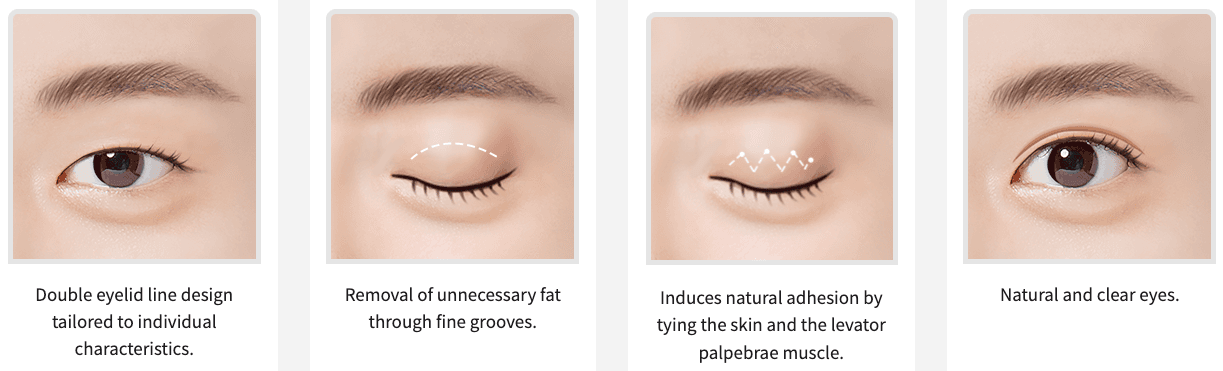
This method involves making a precise cut along the natural eyelid crease. The surgeon removes or repositions excess skin, muscle, and sometimes fat. To create a lasting crease, the levator palpebrae superioris muscle is attached to the skin’s dermal layer or the tarsal plate inside the eyelid. The incision is closed with fine sutures, usually removed within 4 to 7 days.
Recovery includes swelling and bruising, peaking in the first week and mostly subsiding within 1 to 2 weeks. Full healing can take weeks to months.
Risks include bleeding, infection, dry eyes, difficulty closing the eyes, visible scars, asymmetry, and temporary blurred or double vision. Rarely, serious complications like muscle injury, skin pigmentation changes, or vision loss can occur. Some patients may need revision surgery.
Despite risks, the incisional technique offers significant, often permanent results. It’s ideal for those with a lot of excess skin or fat, providing a defined crease and improved vision if the eyelids were obstructing sight. However, it requires longer recovery and may leave more visible scars than non-incisional methods.
Non-Incisional (Suture) Technique
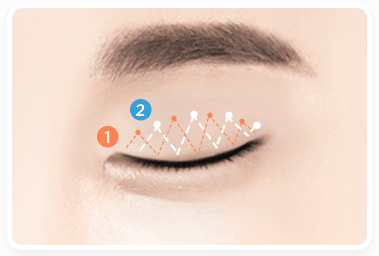
This less invasive method uses tiny punctures along the desired crease line without large cuts. Sutures weave through these micro holes, connecting skin to deeper tissues like the levator aponeurosis or tarsal plate, creating the fold. Sutures stay under the skin and usually don’t need removal.
Recovery is quicker with less swelling and bruising, often 5 to 10 days. Many resume normal activities within days, and makeup may be applied soon after surgery.
Risks are similar but generally lower. Possible issues include asymmetry, fold loosening over time, mild irritation from sutures, visible puncture marks when eyes are closed, and rare cyst formation around stitches.
Results look natural but are usually not permanent, lasting 5 to 15 years. This technique suits younger patients or those wanting subtle changes without much excess skin or fat. The chance of the fold loosening is an important consideration.
Other Techniques
The partial incision technique combines small cuts (3 to 5 mm) with sutures, balancing durability and minimal invasiveness. It suits those with some excess fat but not much loose skin.
Laser-assisted methods, like Plexr technology, use plasma energy to treat mild drooping in patients who already have a double eyelid fold. These are not suitable for creating a double eyelid in monolid eyes.
Choosing the right technique depends on individual anatomy and goals. Consulting a qualified surgeon is essential to find the best approach.
Best Clinics in Korea for Address Heavy Upper Eyelids
Listed below are the best clinics in Korea for address heavy upper eyelids:
| THEPLUS Plastic Surgery Website{data-slug:"theplus-plastic-surgery" data-position: "1"} | THE PLUS Plastic Surgery, located in the vibrant Garosu-gil area of Gangnam, Seoul, is a world-class, four-floor facility designed to deliver seamless, research-driven care from consultation through surgery and post-operative skincare. Led by internationally recognized directors Dr. Jeong and Dr. Kim—board-certified surgeons active in global plastic surgery societies—the team combines academic leadership, extensive clinical experience, and meticulous aesthetic judgment to achieve natural, lasting results. With a strong foundation in facial aesthetics, including eye surgery such as ptosis correction and blepharoplasty, the clinic’s philosophy centers on harmonizing function and beauty—an ideal approach for addressing heavy upper eyelids. Their surgeons regularly publish in scholarly journals, present at international symposiums, and conduct educational sessions for peers, underscoring a commitment to safety, innovation, and superior patient communication. | - Functional-meets-aesthetic philosophy: Dr. Jeong’s emphasis on combining function and beauty and Dr. Kim’s focus on facial harmony ensure that heavy upper eyelids are corrected to improve both vision and natural-looking aesthetics. - Expert eye procedures: Comprehensive offerings in ptosis correction, upper blepharoplasty, canthoplasty, and double eyelid surgery allow tailored solutions for skin redundancy, muscle laxity, and eyelid heaviness. - Board-certified leadership: Surgeons are board certified and active in leading plastic surgery societies in Korea and internationally, reflecting rigorous standards and ongoing professional development. - Internationally recognized educators: Dr. Kim and Dr. Jeong conduct regular educational sessions, speak at global forums, and contribute to textbooks and journals—bringing cutting-edge techniques directly into patient care. - Research-driven precision: The team’s strong academic output, including award-winning work in advanced implant research, exemplifies their commitment to evidence-based, meticulous surgical planning across facial procedures. - Safety-first infrastructure: A dedicated, four-floor medical environment supports every step—from precise preoperative assessment to attentive recovery and skincare—for consistent, high-quality outcomes. - Proven facial balance expertise: Deep experience in facial contouring and rhinoplasty translates into an eye-area approach that prioritizes proportion, symmetry, and a naturally refreshed look rather than overcorrection. - Consistent results by senior teams: Procedures are performed by surgeons with over a decade of experience, supported by seasoned staff focused on safety and patient satisfaction. - Transparent communication: Personalized consultations and clear postoperative guidance foster trust, comfort, and smoother recoveries for eyelid surgery patients. - Prime Gangnam location: Easy access in Garosu-gil makes follow-up and continuity of care convenient for local and international patients alike.] | - Ptosis correction - Upper blepharoplasty - Canthoplasty - Double eyelid surgery - Eye-area harmonious approach |
| Made Young Plastic Surgery Website{data-slug:"made-young-plastic-surgery" data-position: "2"} | Made Young Plastic Surgery is a premium, Gangnam-based clinic specializing in facial rejuvenation and anti-aging, distinguished by its safety-first culture, innovative techniques, and genuine, patient-centered care. Led by Dr. Park Byung-Chan—an eye-surgery specialist with 15 years of exclusive experience—Made Young is known for crafting natural, beautiful eye results, often noticeable even on the day of surgery. From direct, physician-led consultations to meticulously customized plans that harmonize incision lines, double eyelid height, eyelid thickness, and overall facial image, the clinic delivers refined, individualized solutions for heavy upper eyelids with uncompromising safety and thorough aftercare. Its verified medical team, award-winning track record, and transparent systems embody the highest standards of Korean plastic surgery. | - Eye-surgery specialist leadership: Dr. Park Byung-Chan, 15 years dedicated exclusively to eye surgery - Natural, day-one beauty: known for natural and beautiful eye results even on the day of surgery - Precision customization: incision design, crease height, eyelid thickness, and overall image tailored for the most natural, balanced eye shape - Comprehensive solutions: expert in upper blepharoplasty, ptosis correction, and sub-brow lift to relieve heaviness and restore definition - Verified expertise: only highly skilled doctors with an average of 15+ years’ experience; direct consultation and diagnosis by the medical team - Safety without compromise: full-time board-certified anesthesiologists; 1:1 dedicated monitoring; cross-check emergency system; full CCTV coverage for transparency - Dedicated aftercare: separate, specialized center providing complete and systematic post-procedure follow-up - Recognized excellence: 2022 Korea No.1 Award; 2022 Korea Customer Satisfaction 1st Place; Outstanding Member of the Korean Society of Plastic and Reconstructive Surgeons; Certified by the Minimally Invasive Aesthetic Surgery Society - Genuine, patient-centered approach: honest counseling, tailored planning, and meticulous surgical execution from start to finish | - Upper blepharoplasty - Ptosis correction - Sub-brow lift - Incision design - Crease height - Eyelid thickness |
| SH Clinic Website{data-slug:"sh-clinic" data-position: "3"} | SH Clinic in Sinsa, Seoul is a multi-specialty medical center that unites stem-cell science, women’s healthcare, aesthetic dermatology, and modern plastic surgery under one roof—making it a comprehensive destination in Korea for concerns like heavy upper eyelids. As a specialized center in Stem Cell Therapy and Gynecology, its SH Stem Cell Center delivers personalized, comprehensive treatment plans spanning facial rejuvenation and anti-aging to advanced stem cell therapies for complex conditions, while the SH Gynecology Clinic offers a full spectrum of women’s health services and vaginal rejuvenation options. For heavy upper eyelids, SH Clinic’s Cosmetic Plastic Surgery program includes Upper Blepharoplasty (Double-Eyelid Surgery), which removes excess eyelid skin and creates a defined crease to ease heaviness and brighten the eyes. Complementary aesthetic dermatology services—such as laser lifting, injectables like Botox and dermal fillers, medical skin care, and thread lifts—can be integrated into individualized plans to refine periorbital contours and overall facial balance with minimal downtime. | - SH Clinic in Sinsa, Seoul is a multi-specialty medical center that unites stem-cell science, women’s healthcare, aesthetic dermatology, and modern plastic surgery under one roof—making it a comprehensive destination in Korea for concerns like heavy upper eyelids. - SH Stem Cell Center delivers personalized, comprehensive treatment plans spanning facial rejuvenation and anti-aging to advanced stem cell therapies for complex conditions. - SH Gynecology Clinic offers a full spectrum of women’s health services and vaginal rejuvenation options. - For heavy upper eyelids, SH Clinic’s Cosmetic Plastic Surgery program includes Upper Blepharoplasty (Double-Eyelid Surgery), which removes excess eyelid skin and creates a defined crease to ease heaviness and brighten the eyes. - Complementary aesthetic dermatology services—such as laser lifting, injectables like Botox and dermal fillers, medical skin care, and thread lifts—can be integrated into individualized plans to refine periorbital contours and overall facial balance with minimal downtime. | - Upper Blepharoplasty (Double-Eyelid Surgery) - Laser lifting - Botox and dermal fillers - Thread lifts - Periorbital refinement and overall facial balance (minimal downtime) |
THEPLUS Plastic Surgery
THE PLUS Plastic Surgery, located in the vibrant Garosu-gil area of Gangnam, Seoul, is a world-class, four-floor facility designed to deliver seamless, research-driven care from consultation through surgery and post-operative skincare. Led by internationally recognized directors Dr. Jeong and Dr. Kim—board-certified surgeons active in global plastic surgery societies—the team combines academic leadership, extensive clinical experience, and meticulous aesthetic judgment to achieve natural, lasting results. With a strong foundation in facial aesthetics, including eye surgery such as ptosis correction and blepharoplasty, the clinic’s philosophy centers on harmonizing function and beauty—an ideal approach for addressing heavy upper eyelids. Their surgeons regularly publish in scholarly journals, present at international symposiums, and conduct educational sessions for peers, underscoring a commitment to safety, innovation, and superior patient communication.
Why THE PLUS is the best choice for addressing heavy upper eyelids
- Functional-meets-aesthetic philosophy: Dr. Jeong’s emphasis on combining function and beauty and Dr. Kim’s focus on facial harmony ensure that heavy upper eyelids are corrected to improve both vision and natural-looking aesthetics.
- Expert eye procedures: Comprehensive offerings in ptosis correction, upper blepharoplasty, canthoplasty, and double eyelid surgery allow tailored solutions for skin redundancy, muscle laxity, and eyelid heaviness.
- Board-certified leadership: Surgeons are board certified and active in leading plastic surgery societies in Korea and internationally, reflecting rigorous standards and ongoing professional development.
- Internationally recognized educators: Dr. Kim and Dr. Jeong conduct regular educational sessions, speak at global forums, and contribute to textbooks and journals—bringing cutting-edge techniques directly into patient care.
- Research-driven precision: The team’s strong academic output, including award-winning work in advanced implant research, exemplifies their commitment to evidence-based, meticulous surgical planning across facial procedures.
- Safety-first infrastructure: A dedicated, four-floor medical environment supports every step—from precise preoperative assessment to attentive recovery and skincare—for consistent, high-quality outcomes.
- Proven facial balance expertise: Deep experience in facial contouring and rhinoplasty translates into an eye-area approach that prioritizes proportion, symmetry, and a naturally refreshed look rather than overcorrection.
- Consistent results by senior teams: Procedures are performed by surgeons with over a decade of experience, supported by seasoned staff focused on safety and patient satisfaction.
- Transparent communication: Personalized consultations and clear postoperative guidance foster trust, comfort, and smoother recoveries for eyelid surgery patients.
- Prime Gangnam location: Easy access in Garosu-gil makes follow-up and continuity of care convenient for local and international patients alike.
You can check out their website here: THEPLUS Plastic Surgery Website
Made Young Plastic Surgery
Made Young Plastic Surgery is a premium, Gangnam-based clinic specializing in facial rejuvenation and anti-aging, distinguished by its safety-first culture, innovative techniques, and genuine, patient-centered care. Led by Dr. Park Byung-Chan—an eye-surgery specialist with 15 years of exclusive experience—Made Young is known for crafting natural, beautiful eye results, often noticeable even on the day of surgery. From direct, physician-led consultations to meticulously customized plans that harmonize incision lines, double eyelid height, eyelid thickness, and overall facial image, the clinic delivers refined, individualized solutions for heavy upper eyelids with uncompromising safety and thorough aftercare. Its verified medical team, award-winning track record, and transparent systems embody the highest standards of Korean plastic surgery.
Reasons Made Young is the best choice for addressing heavy upper eyelids:
- Eye-surgery specialist leadership: Dr. Park Byung-Chan, 15 years dedicated exclusively to eye surgery
- Natural, day-one beauty: known for natural and beautiful eye results even on the day of surgery
- Precision customization: incision design, crease height, eyelid thickness, and overall image tailored for the most natural, balanced eye shape
- Comprehensive solutions: expert in upper blepharoplasty, ptosis correction, and sub-brow lift to relieve heaviness and restore definition
- Verified expertise: only highly skilled doctors with an average of 15+ years’ experience; direct consultation and diagnosis by the medical team
- Safety without compromise: full-time board-certified anesthesiologists; 1:1 dedicated monitoring; cross-check emergency system; full CCTV coverage for transparency
- Dedicated aftercare: separate, specialized center providing complete and systematic post-procedure follow-up
- Recognized excellence: 2022 Korea No.1 Award; 2022 Korea Customer Satisfaction 1st Place; Outstanding Member of the Korean Society of Plastic and Reconstructive Surgeons; Certified by the Minimally Invasive Aesthetic Surgery Society
- Genuine, patient-centered approach: honest counseling, tailored planning, and meticulous surgical execution from start to finish
You can check out their website here: Made Young Plastic Surgery Website

SH Clinic
SH Clinic in Sinsa, Seoul is a multi-specialty medical center that unites stem-cell science, women’s healthcare, aesthetic dermatology, and modern plastic surgery under one roof—making it a comprehensive destination in Korea for concerns like heavy upper eyelids. As a specialized center in Stem Cell Therapy and Gynecology, its SH Stem Cell Center delivers personalized, comprehensive treatment plans spanning facial rejuvenation and anti-aging to advanced stem cell therapies for complex conditions, while the SH Gynecology Clinic offers a full spectrum of women’s health services and vaginal rejuvenation options.
For heavy upper eyelids, SH Clinic’s Cosmetic Plastic Surgery program includes Upper Blepharoplasty (Double-Eyelid Surgery), which removes excess eyelid skin and creates a defined crease to ease heaviness and brighten the eyes. Complementary aesthetic dermatology services—such as laser lifting, injectables like Botox and dermal fillers, medical skin care, and thread lifts—can be integrated into individualized plans to refine periorbital contours and overall facial balance with minimal downtime.
You can check out their website here: SH Clinic Website
Seeking Double Eyelid Surgery in South Korea
South Korea is a leading destination for double eyelid surgery, known for expertise in facial cosmetic procedures. Here’s what the process typically involves:
Consultation and Preparation
Start by researching reputable clinics and experienced surgeons. Online consultations can help discuss goals and get a feel for the clinic. An in-person consultation allows detailed discussion of medical history, eyelid structure, and desired results. Surgeons may use tools to simulate outcomes and discuss costs and scheduling.
Before surgery, patients undergo pre-operative assessments, including eye exams and medical history reviews. Certain medications, especially blood thinners, must be stopped 1 to 2 weeks before surgery. Smoking and alcohol should be avoided to promote healing. Patients should arrange transportation post-surgery and bring sunglasses for eye protection.
Surgery and Recovery
The surgery lasts 30 minutes to 2 hours, usually under local anesthesia with sedation. General anesthesia is sometimes an option. The surgeon follows the planned technique to create the double eyelid crease.
After surgery, patients rest in a recovery room. Ice packs reduce swelling and bruising for 24 to 72 hours. Keeping the head elevated helps minimize swelling. Antibiotic or lubricating eye drops are prescribed, and rubbing the eyes must be avoided. Pain medication is given as needed. Follow-up visits are important for monitoring healing and suture removal if needed.
Recovery takes about 1 to 2 weeks for most swelling and bruising to fade. Normal social activities can usually resume after 10 to 14 days. Full healing and final results may take weeks to months. Patients often stay in South Korea for at least 8 days post-surgery for recovery and follow-up.
Choosing the Right Clinic and Surgeon
Research is key to finding reputable clinics specializing in double eyelid surgery. Look for board-certified plastic surgeons with extensive experience and positive patient reviews. Medical tourism agencies can assist international patients. Verify clinic accreditations and safety standards.
South Korean clinics are known for advanced technology and expert surgeons. Many use 3D imaging, simulation software, and robotic-assisted systems for precision. Surgeons focus on natural-looking results tailored to each patient’s features.
Advantages of Double Eyelid Surgery in South Korea
South Korea offers several benefits for this procedure:
-
Cost-effectiveness: Surgery costs range from $1,200 to $6,700 USD, generally lower than in the USA ($4,100–$6,000), UK (
$4,900), and Australia ($4,500). Prices often include surgeon fees, anesthesia, consultations, and post-op care. While some Asian countries may be cheaper, South Korea is known for high medical standards and surgeon expertise. -
Expertise: Korean surgeons perform thousands of eyelid surgeries, often specializing in this procedure. Many are board-certified and involved in research and innovation.
-
Advanced Technology: Clinics use cutting-edge equipment and techniques, including AI and 3D imaging, enhancing surgical planning and outcomes.
-
High Patient Satisfaction: Many patients report excellent results, natural appearance, and improved confidence. Clinics often provide language support and comprehensive care. Some patients choose Korea for revision surgeries after unsatisfactory results elsewhere.
| Country | Average Cost (USD) |
|---|---|
| South Korea | $1,200 - $6,700 |
| USA | $4,100 - $6,000 |
| UK | ~$4,900 |
| Australia | ~$4,500 |
| Thailand | $1,000 - $4,000 |
| Malaysia | $2,300 - $3,500 |
Patient Experiences and Outcomes
Patients often share how double eyelid surgery boosts their confidence and satisfaction. Many feel they look more refreshed and alert, positively affecting social interactions. Those bothered by heaviness report relief and greater comfort.
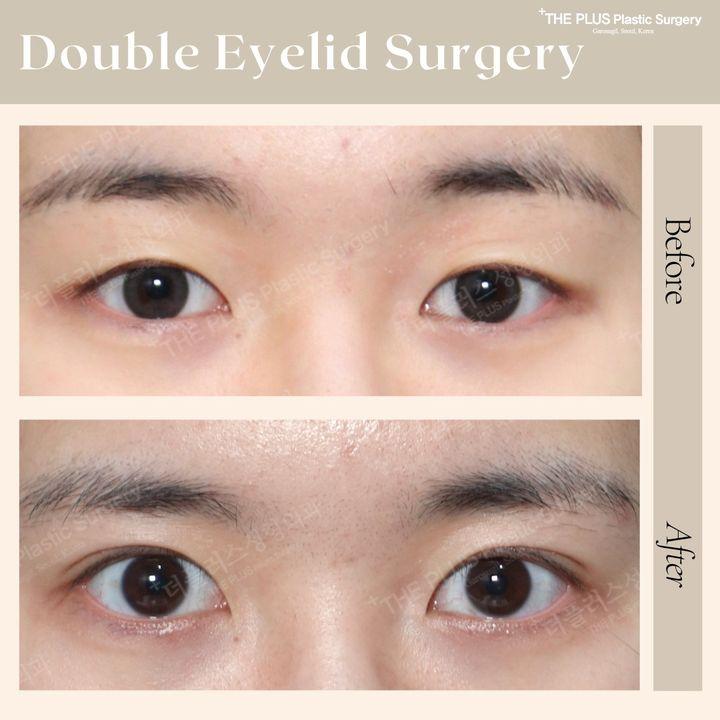
Applying eye makeup becomes easier with a defined crease, allowing more versatility. Patients with vision impairment due to heavy eyelids often notice improved sight after surgery. Before-and-after photos show a more youthful, awake appearance.
For those with ptosis, combining double eyelid surgery with ptosis correction can improve both function and aesthetics, resulting in symmetrical, open eyes.
The surgery targets excess skin, fat, and muscle causing heaviness, lifting skin away from eyelashes and opening the eyes. For people with monolid eyes, creating a crease can make eyes appear larger and more expressive, aligning with common beauty ideals.
Results are generally long-lasting, but aging continues to affect eyelids. Following post-operative care instructions—avoiding eye rubbing, protecting from sun, and maintaining health—is vital. Some may consider revision surgery if folds loosen or aging changes eyelid appearance.
Conclusion
Heavy upper eyelids, medically known as ptosis or dermatochalasis, can affect appearance and vision due to aging, genetics, medical conditions, or prior surgery. Double eyelid surgery, through incisional or non-incisional techniques, creates or enhances an eyelid crease to reduce heaviness and improve function. South Korea stands out as a top choice for this procedure, offering affordable costs, expert surgeons, advanced technology, and high patient satisfaction. Patient stories highlight improved confidence, comfort, and vision after surgery. With proper care and realistic expectations, double eyelid surgery can safely and effectively address heavy upper eyelids, making South Korea a trusted destination for this transformative treatment.