
Medical Tourism Blog
Correcting Vision Impairment from Drooping Brows: Eyebrow Lift Procedures in Korea
Table of contents
- The Eyebrow Lift Procedure
- Eyebrow Lift in South Korea: A Guide for International Patients
- Which Are the Best Clinics in Korea for Vision Impairment Due To Drooping Brows?
- Patient Perspectives: Life After Eyebrow Lift for Vision Impairment
- Conclusion
- References
Considering treatment in Korea? Everything you need to know e.g. — how to avoid scams, visas, interpreters, recovery tips — in our Medical Tourism Master Guide. Plan with confidence in minutes, not weeks!
Aging naturally brings changes to our faces, and sometimes these changes affect more than just how we look—they can impact how well we see. One common issue is drooping eyebrows, which can narrow the field of vision. This article explores vision problems caused by drooping brows, available treatments, and focuses on eyebrow lift surgery options in South Korea. It’s designed to help researchers and patients understand this condition and the solutions available.
Medical Terminology and Common Terms
The medical term for vision impairment caused by drooping brows is brow ptosis (pronounced ‘toe-sis’). This term is widely used by healthcare professionals to describe the lowering of the eyebrow from its usual position. Patients often search for terms like drooping eyebrows or sagging eyebrows, which describe the condition in everyday language and help bridge communication with medical experts.
It’s important to differentiate brow ptosis from ptosis or blepharoptosis. While ptosis generally means drooping of an upper body part, blepharoptosis specifically refers to drooping of the upper eyelid. Brow ptosis can worsen eyelid drooping by pushing forehead tissue downward, which may block vision. Another related term is hooded eyelids, describing excess skin on the upper eyelid that creates a “hood” effect. Brow ptosis can make hooded eyelids look worse by adding to the sagging skin around the eyes. Understanding these terms helps patients and doctors communicate clearly about the condition.
What is Brow Ptosis?
Brow ptosis happens when the eyebrow drops from its normal place, sometimes causing cosmetic concerns but more importantly, blocking the upper field of vision. It usually develops gradually with age.
The main cause is aging-related changes in facial soft tissues. Over time, the skin, connective tissue, and the frontalis muscle (which lifts the eyebrows) become lax. This often starts with drooping at the outer third of the eyebrow and can spread inward if untreated. Other causes include damage to the facial nerve from trauma, surgery, or diseases like myasthenia gravis, myotonic dystrophy, or infections such as Ramsay Hunt syndrome, herpes simplex, Lyme disease, and even COVID-19. Rarely, some people are born with brow ptosis due to underdeveloped facial nerves or muscles. Sun exposure and gravity also contribute to this condition.
People with brow ptosis usually notice one or both eyebrows drooping, making the upper eyelid look hooded or saggy. This can give a tired or aged appearance. Many feel heaviness around their eyes and may have trouble seeing, especially when looking up. To compensate, they might raise their eyebrows, wrinkle their forehead, or tilt their head back, which can cause forehead wrinkles and neck strain over time. Besides vision issues, brow ptosis can cause eye strain, fatigue, and tension headaches.
Doctors diagnose brow ptosis through a detailed history and physical exam, checking eyebrow position and eyelid drooping using measurements like the margin-reflex distance (MRD). They may test visual fields to assess vision loss and perform nerve exams if facial nerve damage is suspected. Blood tests or imaging like CT or MRI scans might be needed to find underlying causes. A thorough diagnosis helps tailor the best treatment plan.
The Eyebrow Lift Procedure
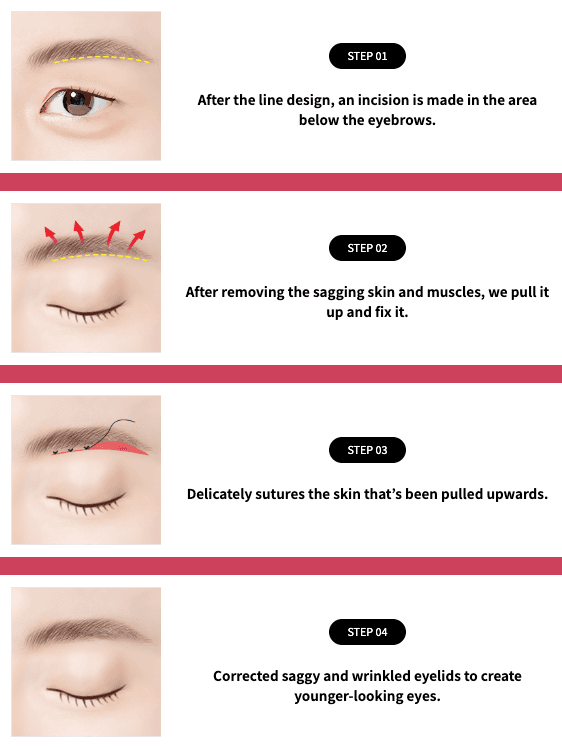
Goals of Eyebrow Lift Surgery (Browplasty/Forehead Lift)
An eyebrow lift, also called a browplasty or forehead lift, is a surgery that raises drooping eyebrows to a more youthful position. It smooths forehead lines and frown wrinkles, helping patients look less tired or angry. For those with vision problems from drooping brows, the surgery can improve sight by lifting obstructing tissue. It also enhances facial symmetry and creates a refreshed, alert appearance. This combination of cosmetic and functional benefits makes eyebrow lifts a valuable option for many.
Surgical Techniques
Surgeons choose the best technique based on the patient’s needs and anatomy. Here are common methods:
-
Endoscopic brow lift: Minimally invasive with small incisions behind the hairline. A camera guides the surgeon to lift and secure forehead tissues. It’s popular for moderate brow ptosis, especially in patients over 40, offering minimal scarring and faster recovery. It may slightly raise the hairline, so it’s less ideal for those with hairline recession.
-
Temporal (lateral) brow lift: Small incisions near the temples lift the outer third of the brow. Often combined with eyelid surgery, it has shorter healing times but offers a less dramatic lift.
-
Direct brow lift: Incisions are made just above the eyebrows to remove excess skin and lift the brows precisely. It’s effective for severe ptosis or eyebrow asymmetry but leaves visible scars, which can be hidden in thick eyebrow hair or wrinkles.
-
Coronal (open) brow lift: A longer incision across the scalp lifts the entire forehead and brows. It provides a strong lift but has longer scars, more risks, and longer recovery. It’s suited for patients with low hairlines.
-
Hairline (pretrichial) brow lift: Incisions at the hairline remove skin from the upper forehead, lifting brows and lowering a high or receding hairline. Scars may be visible depending on healing and hairstyle.
-
Transblepharoplasty brow lift (browpexy): Performed through the upper eyelid incision during eyelid surgery, it lifts the outer brow subtly. Ideal for mild to moderate ptosis.
-
Thread lifts: A non-surgical option using dissolvable threads with barbs to lift sagging skin. Results last 6 to 12 months and recovery is quick, but it’s best for subtle lifts.
Anesthesia
Eyebrow lifts can be done under local anesthesia, intravenous sedation (“twilight”), or general anesthesia. The choice depends on the procedure’s extent, patient preference, and surgeon advice, ensuring comfort and safety.
Surgical Process Overview
The surgeon makes incisions based on the chosen technique, lifts and repositions tissues, and may remove excess skin or fat. Incisions are closed with sutures, staples, or adhesives, and dressings are applied. The surgery usually takes 1 to 2 hours.
Risks and Complications
Like all surgeries, eyebrow lifts carry risks. Scarring varies by technique. Patients may experience numbness, tingling, or itching, sometimes permanently. Eyebrow asymmetry, hairline changes, or hair loss near incisions can occur. Other risks include bleeding, infection, poor healing, fluid buildup, and rare facial nerve injury causing muscle weakness. Eye irritation and post-op pain are common but manageable. Some may need revision surgery. Anesthesia risks and rare serious complications like blood clots also exist. Discussing these risks with a surgeon is essential.
Recovery and Expected Outcomes
Recovery depends on the technique; endoscopic lifts usually heal faster. Swelling and bruising peak in the first few days and improve over 1-2 weeks. Keeping the head elevated and using cold compresses helps. Pain is mild to moderate and controlled with medication. Sutures or staples are removed within 5-10 days. Most return to work and light activities in 1-2 weeks but should avoid heavy lifting for several weeks. Final results appear gradually as swelling subsides over weeks to months. Results last long but don’t stop aging.
Eyebrow Lift in South Korea: A Guide for International Patients
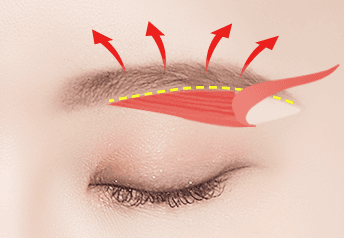
Process of Getting an Eyebrow Lift in South Korea
South Korea is a leading destination for cosmetic surgery, including eyebrow lifts. International patients usually start with an online consultation to discuss goals. Upon arrival, an in-person consultation assesses facial structure and medical history, and plans surgery. Pre-op photos and tests may be done.
Before surgery, patients follow instructions on medications, fasting, and smoking cessation. Clinics often assist with accommodation and transport. On surgery day, anesthesia is administered, and the procedure is performed in a sterile setting. Surgery lasts 30 minutes to 2 hours. Post-op monitoring ensures safety.
Aftercare includes compression bandages, pain management, cold compresses, and head elevation. Follow-ups monitor healing, and stitches are removed 5-14 days post-op. Clinics offer support tailored to international patients for a smooth experience.
Benefits of Getting an Eyebrow Lift in South Korea Over Other Countries
South Korea offers several advantages:
-
Cost-effectiveness: Eyebrow lifts cost less than in the US, UK, Australia, and many European countries due to competitive clinics.
-
Expertise: Surgeons are highly skilled with international training and specialize in facial rejuvenation, focusing on natural results.
-
Advanced technology: Clinics use state-of-the-art equipment, enhancing precision and safety.
-
Medical tourism services: Language support, airport transfers, accommodation help, and attentive aftercare are common.
-
Innovative techniques: Minimally invasive methods like endoscopic and thread lifts are popular, with emphasis on minimal scarring and quick recovery.
Cost Comparison Table
| Country | Average Cost (USD) | Notes |
|---|---|---|
| South Korea | $2,400 - $5,000 | Competitive pricing, advanced techniques |
| United States | $3,000 - $10,000 | Higher in major cities |
| United Kingdom | $5,700 (Average) | |
| Australia | $3,150 - $4,400 | |
| Europe | $2,500 - $8,000 | Varies by country |
| Thailand | $1,320 (Average) | Generally lower cost |
| Turkey | $1,743 - $1,980 | Competitive pricing |
Note: Costs vary by clinic, surgeon experience, and procedure type.
Which Are the Best Clinics in Korea for Vision Impairment Due To Drooping Brows?
Listed below are some of the best clinics in Korea for vision impairment due to drooping brows.
1. THEPLUS Plastic Surgery
You may consider THEPLUS Plastic Surgery if drooping upper eyelids are contributing to a restricted or heavy-feeling eye area, as the clinic offers ptosis correction to address the muscles that open the eyes and blepharoplasty to adjust excess upper-eyelid skin and tissue. These options can be relevant when determining whether eyelid position or excess tissue is part of your concern.
- URL: THEPLUS Plastic Surgery Website
- Location: Gangnam-gu, Seoul
- Procedure options:
- Ptosis correction is offered to lift drooping upper eyelids by correcting the muscles involved in opening the eyes.
- Blepharoplasty can remove or adjust excess skin and tissue around the eyelids.
- Double-eyelid surgery is also available for creating a defined upper-eyelid crease.
- Surgical background:
- Dr. Kim is a board-certified plastic surgeon with research awards related to 3D implants and experience in facial contouring and rhinoplasty.
- Dr. Jeong is President of the Korean Society of Plastic Surgeons and has an international educational and conference-presenting role in rhinoplasty.
- The clinic describes an emphasis on balancing facial features and maintaining natural expression in facial procedures.
2. Made Young Plastic Surgery
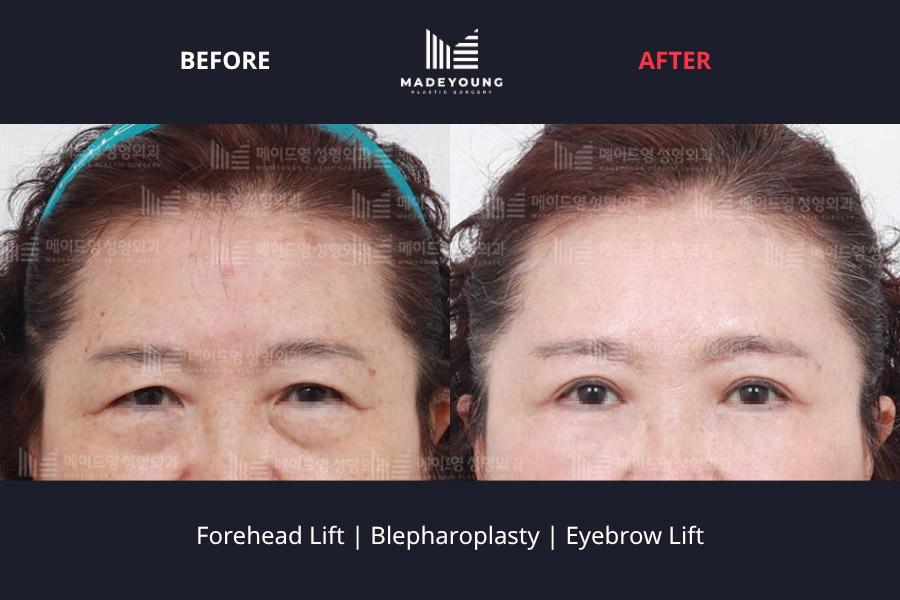
You may consider Made Young Plastic Surgery for drooping brows that affect your upper-eye area because it offers forehead lift and sub-brow lift procedures, alongside upper blepharoplasty, which the clinic states can remove excess upper-eyelid skin and fat and improve the field of vision. Its eye-surgery approach includes individualized planning of incision lines, eyelid height, thickness, and overall eye shape.
- URL: Made Young Plastic Surgery Website
- Location: Seocho-gu, Seoul
- Procedure options:
- Forehead lift, also called a brow lift, raises the brows and addresses forehead sagging skin.
- Sub-brow lift focuses on elevating and smoothing the area immediately above the eyebrow.
- Upper blepharoplasty removes excess skin and fat from the upper eyelids and is described as improving visual field and appearance.
- Ptosis correction is offered for drooping eyelids by tightening the muscle that lifts the eyelid.
- Eye-surgery experience:
- Dr. Park Byung-Chan is described as having 15 years of experience dedicated exclusively to eye surgery.
- Planning may be customized to your incision line, double-eyelid height, eyelid thickness, and desired overall image.
- Safety and aftercare:
- The clinic states that full-time board-certified anesthesiologists are on site, with one-to-one anesthesiologist monitoring during procedures.
- It describes a cross-check system involving multiple anesthesiologists in an emergency and CCTV coverage of procedures.
- A separate dedicated aftercare center is available for post-procedure care.
3. SH Clinic
You may consider SH Clinic if excess upper-eyelid skin is making your eye area feel heavy, as it offers upper blepharoplasty (double-eyelid surgery) to remove excess eyelid skin and create a defined crease. The clinic describes this procedure as brightening the eyes and easing eyelid heaviness; its provided information does not specifically identify a brow-lift procedure.
- URL: SH Clinic Website
- Location: Seocho-gu, Seoul
- Relevant eye procedure:
- Upper blepharoplasty removes excess eyelid skin and fashions a defined crease.
- The clinic describes the procedure as helping brighten the eyes and ease heaviness.
- Lower blepharoplasty is also offered for under-eye fat and loose lower-lid skin.
- Other facial treatments:
- Facelift, thread lift, laser lifting, Botox, dermal fillers, and facial contouring surgery are listed among the clinic’s aesthetic services.
- The clinic is a multi-specialty center that also provides stem-cell services, women’s healthcare, and aesthetic dermatology.
Patient Perspectives: Life After Eyebrow Lift for Vision Impairment
Improved Vision
Many patients report significant vision improvements after eyebrow lifts. They notice clearer upper and peripheral vision without needing to lift their brows or tilt their heads. Some describe brighter, clearer sight. One patient who combined blepharoplasty with a brow lift even saw improvement in astigmatism, as the eyelid weight was reduced. These stories highlight how eyebrow lifts can restore vision and improve daily life.
Enhanced Appearance and Psychological Well-being
Beyond vision, patients often feel they look more rested, alert, and youthful. The surgery reduces the tired, sad, or angry look caused by sagging brows. Many experience increased confidence and self-esteem. Makeup application becomes easier with less sagging skin. Some report a boost in happiness and overall well-being, showing the emotional benefits of the procedure.
Specific Patient Stories
Vivian had blepharoplasty and saw her peripheral vision improve, making driving safer, and her astigmatism improved. Cindy’s drooping brows blocked 70% of her vision, making night driving unsafe; after her brow lift, vision improved to 70%, restoring independence and confidence. Another patient combined eyelid surgery and brow lift to fix a persistent “angry look.” Patients who had endoscopic brow lifts praised their refreshed appearance and minimal scarring. Reviews from South Korean clinics on platforms like RealSelf show high satisfaction with results and care. These examples demonstrate how eyebrow lifts can transform vision and quality of life.
Conclusion
Eyebrow lift surgery effectively treats vision impairment caused by drooping brows, offering both functional and cosmetic benefits. Various surgical techniques allow customization to each patient’s needs. South Korea stands out as a top choice due to skilled surgeons, advanced facilities, and cost advantages, especially for international patients. Beyond improved vision, patients often enjoy enhanced appearance and confidence. Consulting qualified professionals is key to choosing the best treatment path for individual cases.
References
1, 2, 3, 4, 5, 6, 7, 8, 9, 10, 11, 12, 13, 14, 15, 16, 17, 18, 19, 20, 21, 22, 23, 24, 25, 26, 27, 28, 29, 30, 31, 32, 33, 34, 35, 36, 37, 38, 39, 40, 41, 42, 43, 44, 45, 46, 47, 48, 49, 50, 51, 52, 53, 54, 55, 56, 57, 58, 59, 60, 61, 62, 63, 64, 65, 66, 67, 68, 69, 70, 71, 72, 73, 74, 75, 76, 77, 78, 79, 80, 81, 82
Frequently Asked Questions
Related Blogs
Fox Eye Surgery in Korea: Methods, Recovery, Risks and Travel Planning
Fox eye surgery may involve lateral canthopexy, canthoplasty, or a brow lift, selected after assessment of eyelid support, ocular surface health, and facial anatomy. The guide covers candidacy, recovery, travel planning for Korea, aftercare, alternatives, and urgent symptoms requiring in-person care.
Updated: Oct 21, 2026

Upper Blepharoplasty in Korea: Methods, Recovery, Risks, and Travel Planning
Upper blepharoplasty conservatively removes excess upper-lid skin and, when indicated, limited muscle or fat after assessment of ptosis, brow position, eyelid closure, and eye health. International patients should plan a 7–10-day stay in Korea, attend early follow-up, arrange flexible travel and aftercare, and seek urgent assessment for vision changes or severe swelling.
Updated: Oct 13, 2026
Lower Canthoplasty in Korea: Methods, Recovery, Risks, and Travel Planning
Lower canthoplasty includes lower-eyelid-lowering and lateral canthal techniques, with candidacy based on lid support, ocular-surface health, and realistic anatomical goals. International patients can find guidance on technique clarification, 8–10 day travel planning, follow-up, aftercare, and urgent eye symptoms.
Updated: Oct 13, 2026
Upper Canthoplasty in Korea: Methods, Recovery, Risks and Travel Planning
Upper canthoplasty releases or redrapes the upper-medial epicanthal fold to improve visibility of an upper-eyelid crease, often alongside double-eyelid surgery. The article covers candidacy, surgical approaches, recovery, aftercare, travel planning for Korea, and warning signs requiring urgent eye care.
Updated: Oct 13, 2026
Clinics offering Eyebrow Lift

SH Clinic: Comprehensive Women's, Men's & Couples' Health Services in Korea
Sinsa

THEPLUS Plastic Surgery Korea | Eye, Nose, Face & Body Surgery
Sinsa

Made Young Plastic Surgery: Rejuvenating Aesthetic Excellence in Korea for Face Lifts, Contouring and More
Gangnam Station

LABOM Plastic Surgery: Expertise in Non-Surgical Nose, Facial Lifting & Anti-Aging Surgeries in Korea
Apgujeong