
Medical Tourism Blog
Upper Canthoplasty in Korea: Methods, Recovery, Risks and Travel Planning
Table of contents
- Upper Canthoplasty Overview
- Best Clinics in Korea for Upper Canthoplasty
- Benefits of Upper Canthoplasty in Korea
- Cost of Upper Canthoplasty in Korea
- Alternatives to Upper Canthoplasty
- Conclusion
Considering treatment in Korea? Everything you need to know e.g. — how to avoid scams, visas, interpreters, recovery tips — in our Medical Tourism Master Guide. Plan with confidence in minutes, not weeks!
Have you ever wondered how a subtle change at the outer corner of the eyes can completely refine your overall expression? In Korea, upper canthoplasty has become a sought-after procedure for patients who want eyes that look longer, more lifted, and naturally balanced without an overly dramatic change. Known for its advanced eye surgery expertise and detail-focused aesthetic approach, Korea attracts many patients seeking precise, customized results. This article explores how upper canthoplasty works, who it may suit, what recovery is like, and why Korea remains a leading destination for this specialized procedure.
Upper canthoplasty in Korea is a specialized eye-shaping procedure designed to refine the outer eye area, creating a longer, more lifted, and balanced appearance, and this article will provide a clear overview of what the treatment involves, why Korea is a popular destination for it, and the key benefits patients often seek. It will also explain how the upper canthoplasty procedure is performed, who may be a good candidate, what to expect during aftercare and recovery, and how much upper canthoplasty typically costs in Korea. Finally, the article will explore alternative procedures for patients considering other ways to enhance the shape and openness of the eyes.
Upper Canthoplasty Overview
Upper canthoplasty is a surgical procedure that modifies the outer upper corner of the eye, known as the lateral canthal area, to change the shape, tilt, or openness of the eyes. In aesthetic surgery, it is generally performed to create a more refined eye contour by adjusting how the upper eyelid meets the outer canthus. Depending on the patient’s anatomy and goals, the procedure may make the eyes appear longer, less hooded at the outer edge, more open, or more balanced in relation to the rest of the face.
In Korea, upper canthoplasty is often discussed within the broader category of eye contouring surgery. It may be considered by patients who feel that the outer upper portion of their eyes looks heavy, closed, short, or downward slanting. It is also sometimes used to improve symmetry between the two eyes or to enhance results after double eyelid surgery, ptosis correction, lower canthoplasty, or lateral canthoplasty.
What part of the eye does upper canthoplasty address?
The procedure focuses on the upper portion of the lateral canthus, which is the outer corner where the upper and lower eyelids meet. This area plays an important role in eye shape, especially in:
- the perceived length of the eyes
- the upward or downward slant of the outer eye
- the openness of the lateral upper eyelid
- the transition between the eyelid and temple area
- overall eye definition when viewed from the front and side
Some patients naturally have a heavier fold or soft tissue fullness over the outer upper eyelid, while others may have an eye shape in which the upper outer corner appears tucked, rounded, or less defined. Upper canthoplasty is designed to address these structural features rather than simply removing skin.
Main purpose of upper canthoplasty
The primary goal of upper canthoplasty is to reshape the outer upper eye contour in a controlled and anatomically appropriate way. The exact purpose can vary from person to person, but common goals include:
- creating a clearer and more extended outer eye line
- reducing the appearance of a crowded or hooded outer upper eyelid
- refining the angle of the outer corner of the eye
- improving balance between the inner and outer eye shape
- giving the eyes a brighter, sharper, or more elongated appearance
- softening a droopy or tired-looking outer eye contour
Unlike procedures that mainly create a crease in the eyelid, upper canthoplasty is more focused on contour and support around the outer corner. It is therefore considered a more specialized procedure that requires careful planning based on each patient’s ligament structure, eyelid tension, skin thickness, and eye position.
How upper canthoplasty differs from other eye surgeries
Upper canthoplasty is often confused with other cosmetic eye procedures, especially in clinics where multiple eye surgeries are offered together. However, it has a distinct purpose.
Compared with double eyelid surgery
Double eyelid surgery creates or adjusts the supratarsal crease of the upper eyelid. It mainly changes whether the upper lid has a visible fold and how that fold appears. Upper canthoplasty does not primarily create the crease; instead, it modifies the outer upper corner and lateral contour of the eye.
Compared with epicanthoplasty
Epicanthoplasty addresses the inner corner of the eye, particularly the epicanthal fold near the nose. It can make the eyes look longer medially and reveal more of the inner corner. Upper canthoplasty affects the outer upper eye area, not the inner corner.
Compared with lateral canthoplasty
Lateral canthoplasty generally refers to reshaping or lengthening the outer corner of the eye. Upper canthoplasty can be considered more specific, emphasizing the upper portion of the lateral canthal complex. In some practices, the terms may overlap somewhat, but upper canthoplasty usually implies detailed modification of the outer upper canthal contour rather than only lateral extension.
Compared with lower canthoplasty
Lower canthoplasty focuses on the lower outer eyelid and is often used to lower or reposition the outer lower lid for a softer or wider eye shape. Upper canthoplasty, in contrast, addresses the upper outer lid and canthal angle.
Who may consider upper canthoplasty?
Upper canthoplasty may be considered by patients with specific anatomical features or aesthetic concerns, such as:
- eyes that appear short or less extended at the outer edge
- an outer upper eyelid that looks heavy or hooded
- a downward-slanting or tired-looking lateral eye contour
- asymmetry between the right and left outer eye shape
- dissatisfaction with the outer eye contour after previous eyelid surgery
- a desire for a more defined, elongated, or slightly lifted eye shape
Patients often seek this procedure when they want a subtle but noticeable change in eye impression without dramatically altering their overall facial identity. In many cases, the goal is not simply to make the eyes bigger, but to improve proportion, sharpness, and harmony.
Common aesthetic changes associated with upper canthoplasty
When upper canthoplasty is appropriately indicated and performed, it may create changes such as:
- a cleaner and more open outer upper eyelid margin
- greater definition of the outer eye corner
- a smoother continuation of the eyelid line toward the temple
- a more elegant or gently lifted eye shape
- improved balance between the upper and lower eyelids
- a less closed-in appearance at the lateral aspect of the eyes
The visual effect depends heavily on the starting anatomy. For some patients, the procedure creates a more delicate and polished contour. For others, it can make the eyes seem slightly longer or less rounded. The outcome is typically subtle to moderate rather than extreme, especially when the surgery is designed to preserve a natural look.
Surgical concept and general technique
Although exact methods vary by surgeon, upper canthoplasty generally involves releasing, repositioning, or refining tissue around the upper portion of the lateral canthus. The surgeon evaluates the relationship between the skin, orbicularis muscle, tarsal structure, lateral canthal tendon or supporting tissue, and the outer upper eyelid fold.
Broadly, the procedure may involve:
- designing the desired change in the outer eye contour
- making a small incision in or near the outer upper eyelid crease or lateral canthal area
- carefully dissecting tissue to expose the relevant support structures
- adjusting the upper lateral canthal area to change the contour, tension, or angle
- fixing the tissue in a new position to maintain the intended eye shape
- closing the incision to minimize visible scarring
The amount of tissue manipulation must be conservative and precise. Overcorrection can produce an unnatural shape, excessive tension, visible scarring, or problems with eyelid closure. Because of this, upper canthoplasty is often regarded as more technically demanding than simpler eyelid skin procedures.
Importance of eye anatomy in planning the procedure
Not every patient is a suitable candidate for upper canthoplasty. The surgeon must assess whether the desired result is compatible with the patient’s natural anatomy. Important factors include:
- eye size and width
- position of the lateral canthus relative to the pupil and inner canthus
- eyelid laxity and elasticity
- strength of lateral canthal support
- thickness of skin and soft tissue
- degree of brow descent or temporal hooding
- existing double eyelid crease height and shape
- dryness, irritation, or preexisting ocular surface problems
For example, a patient who appears to have a heavy outer upper eyelid may actually have brow ptosis or skin redundancy extending from the temple area. In that situation, upper canthoplasty alone may not adequately address the concern. Similarly, a patient seeking a more lifted outer eye may need a combination approach involving ptosis correction, brow lifting, or lateral support procedures.
Upper canthoplasty in combination with other procedures
In Korean cosmetic surgery settings, upper canthoplasty may be combined with other eye procedures for a more comprehensive result. Common combinations include:
- Double eyelid surgery: to create or refine the upper lid fold while also improving the outer eye contour
- Ptosis correction: to improve eye opening if the upper eyelid droops due to weak levator function
- Epicanthoplasty: to lengthen the visible eye horizontally by addressing both inner and outer corners
- Lower canthoplasty or lateral canthoplasty: to adjust the lower outer eye line together with the upper lateral contour
- Fat repositioning or skin excision: when fullness or excess tissue contributes to the outer eyelid appearance
- Brow or temple lift procedures: when lateral heaviness is related to eyebrow or temple descent rather than only eyelid structure
The advantage of combining procedures is that the entire eye region can be shaped more harmoniously. However, combination surgery also increases complexity and requires especially careful planning to avoid overcorrection.
Recovery and early postoperative appearance
Recovery after upper canthoplasty varies depending on the extent of surgery and whether it is performed alone or with other eyelid procedures. In the early postoperative period, patients may experience:
- swelling around the outer eye
- mild bruising
- tightness or pulling sensation
- temporary asymmetry due to uneven swelling
- redness along the incision line
- slight discomfort when blinking
The outer corner of the eye often looks more dramatic in the first days or weeks because of edema and tissue stiffness. As swelling decreases and scar tissue softens, the final contour becomes more apparent. Subtle eye contour procedures can take time to settle, and the outer canthal area may continue to refine over several weeks to months.
Scar considerations
Because upper canthoplasty involves an incision near a visible part of the eye, scar placement and healing are important concerns. Surgeons usually aim to place the incision within natural creases or contour transitions to reduce visibility. In most cases, the scar becomes less noticeable over time, but healing depends on:
- skin type
- incision length and direction
- surgical technique
- postoperative care
- individual tendency toward pigmentation or hypertrophic scarring
In patients prone to prominent scarring, this factor should be discussed before surgery. Even small scars can be more visible in the eye area if they are not carefully designed.
Potential benefits of upper canthoplasty
Potential benefits may include:
- improved definition of the outer upper eyelid
- a more balanced eye shape
- enhancement of a natural-looking elongated eye line
- reduced impression of heaviness at the lateral upper eyelid
- better harmony when paired with double eyelid surgery
- correction of subtle asymmetry in eye contour
For many patients, the procedure is appealing because it can refine the eye shape without necessarily changing the entire eyelid structure. This makes it suitable for those who want nuanced contour improvement rather than a dramatic transformation.
Risks and limitations
As with any surgical procedure, upper canthoplasty carries risks and limitations. These may include:
- swelling and bruising lasting longer than expected
- infection or delayed wound healing
- visible scarring
- asymmetry
- recurrence or partial loss of the intended shape
- overcorrection or undercorrection
- unnatural eye contour
- discomfort or tightness at the outer canthus
- temporary or persistent irritation
- difficulty closing the eye completely in severe cases
- dry eye symptoms or worsening of preexisting dryness
A key limitation is that not all desired changes are surgically realistic. The amount of safe reshaping is determined by the patient’s natural canthal support and soft tissue characteristics. Attempting excessive lifting or extension can compromise both appearance and function.
Functional considerations
Although upper canthoplasty is often performed for aesthetic reasons, the eyelids and canthal structures also serve important protective functions. They help with:
- complete eyelid closure
- tear film distribution
- corneal protection
- stability of the lid margin during blinking
Any surgical change to the outer canthal area must preserve these functions. That is why preoperative evaluation should include not only cosmetic goals but also eyelid tone, ocular surface health, and blink mechanics. Patients with chronic dry eye, prior eyelid surgery, facial nerve weakness, or significant asymmetry may require more cautious planning.
What makes the procedure technically sensitive
Upper canthoplasty is considered technically sensitive because the outer eye corner is a small but highly visible area where tiny changes can significantly affect facial expression. The surgeon must balance:
- aesthetic improvement
- natural contour
- symmetry
- stable fixation
- minimal scarring
- preserved eyelid function
Even a few millimeters of change can alter whether the eyes appear softer, sharper, younger, more lifted, or overly operated. For this reason, detailed preoperative design and individualized assessment are especially important.
Typical consultation topics
During consultation for upper canthoplasty, topics commonly discussed include:
- the patient’s specific concerns about eye shape
- whether the issue is truly canthal anatomy or another factor such as brow heaviness
- the amount of realistic change possible
- whether additional procedures are needed for balance
- incision design and scar location
- recovery timeline
- potential risks, including asymmetry and relapse
- how natural or defined the final result is expected to look
Patients are often encouraged to bring reference photos, but these are usually used only as a general style guide. Final surgical planning must still be based on the patient’s own anatomy rather than copied from another person’s eye shape.
Why upper canthoplasty is popular in Korean aesthetic practice
In Korea, cosmetic eye surgery often emphasizes precision, detail, and harmony rather than simply enlarging the eyes. Upper canthoplasty fits this approach because it can refine the eye contour in a targeted way. Patients may be interested in:
- a more polished outer eye line
- better integration of the double eyelid crease with the outer corner
- a youthful but natural-looking lift
- subtle enhancement that photographs well from multiple angles
- improvement of eye symmetry in a way that looks elegant rather than obvious
This has made upper canthoplasty a relevant option in specialized eye surgery practices, especially for patients seeking customized contour correction rather than standard double eyelid surgery alone.
Ideal expectations for results
The best candidates for upper canthoplasty generally understand that the procedure is intended for refinement, not total transformation. Good expectations usually include:
- a more balanced outer eye contour rather than a radically different eye
- subtle enhancement that suits the face
- gradual improvement as swelling resolves
- possible need for combination procedures if multiple issues are present
- acceptance that perfect symmetry is not always achievable
Because the outer eye area is anatomically limited, natural-looking results usually come from measured adjustments rather than aggressive changes.
Best Clinics in Korea for Upper Canthoplasty
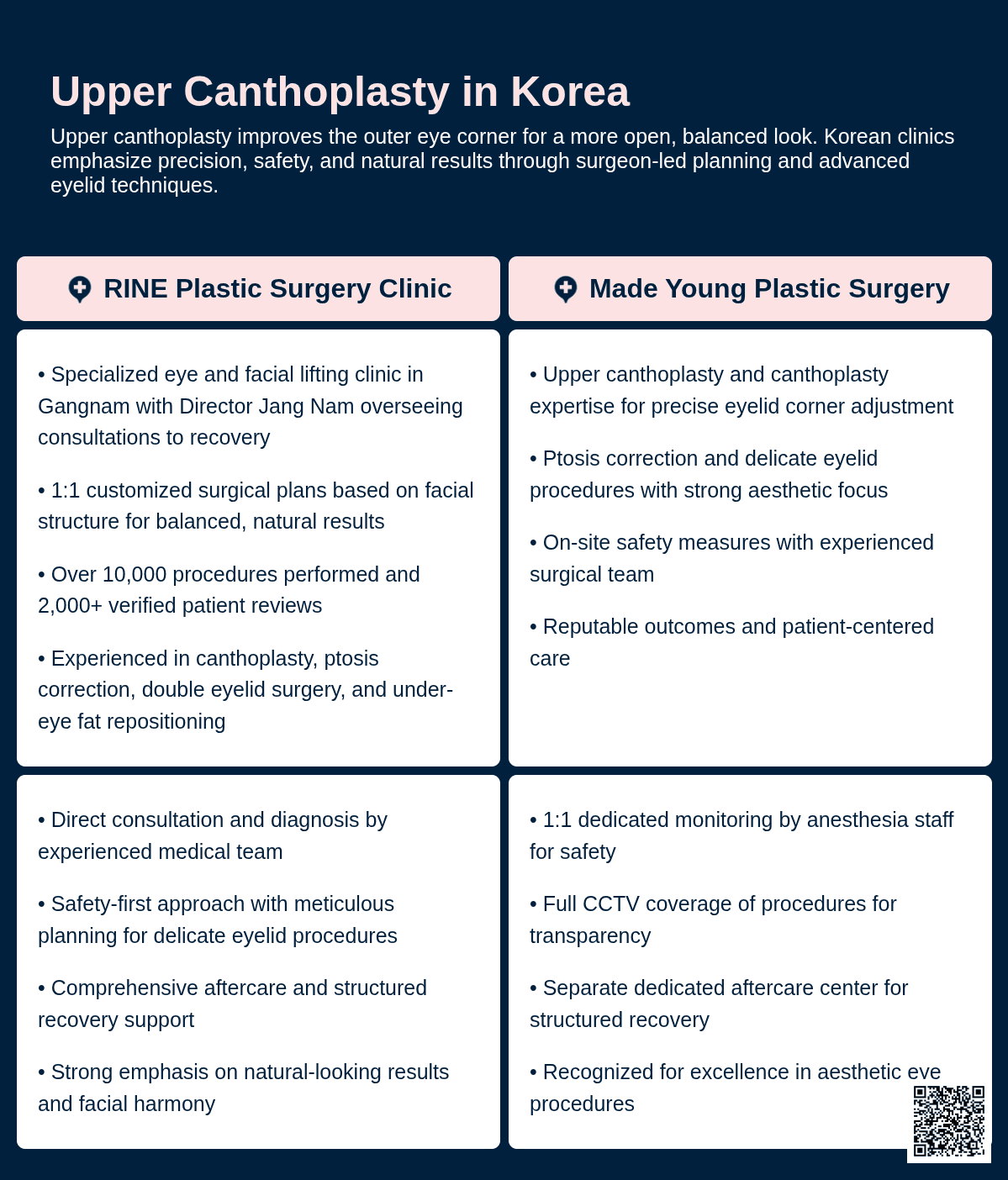
Listed below are the best clinics in Korea for upper canthoplasty:
| Clinic Name | Key Features | Special Techniques |
|---|---|---|
| RINE Plastic Surgery Clinic | Specialized eye and facial lifting clinic in Gangnam; surgeon-led care with Director Jang Nam overseeing consultations to recovery; 1:1 customized surgical plans based on each patient’s facial structure with emphasis on balanced, natural-looking results; over 10,000 procedures performed and over 2,000 verified patient reviews; experienced in canthoplasty, ptosis correction, double eyelid surgery, under-eye fat repositioning, and revision cases; focus on corner-adjustment procedures for refined eye shape | Upper canthoplasty; canthoplasty; ptosis correction; double eyelid surgery; under-eye fat repositioning; revision cases; careful analysis of eyelid function, eye length, and overall facial harmony |
| Made Young Plastic Surgery | Premium clinic in Gangnam known for facial, eye, and anti-aging procedures; direct consultation and diagnosis by an experienced medical team; safety-first system with full-time board-certified anesthesiologists on site; 1:1 dedicated monitoring with one anesthesiologist assigned to each patient; cross-check emergency response system; full CCTV coverage of procedures; separate dedicated aftercare center for structured recovery; strong reputation with official recognitions and industry credibility; philosophy focused on safety, satisfaction, confidence, and natural-looking results for delicate eyelid procedures | Upper canthoplasty; specialized expertise in facial and eye aesthetics; 1:1 dedicated monitoring by on-site anesthesiologists; cross-check emergency response system; full CCTV coverage of procedures; comprehensive safety and recovery measures |
RINE Plastic Surgery Clinic
RINE Plastic Surgery in Gangnam is a specialized eye and facial lifting clinic that can be considered by patients seeking upper canthoplasty in Korea, especially those who value a highly individualized approach to eye design. Board-certified plastic surgeon Director Jang Nam personally oversees the entire process from consultation to surgery and recovery, allowing for close continuity of care. The clinic’s name, “Refine Your Line,” reflects its philosophy of creating 1:1 customized surgical plans based on each patient’s facial structure, with an emphasis on balanced, natural-looking results rather than an overcorrected appearance.
With more than 10,000 surgical procedures performed and over 2,000 verified patient reviews, RINE Plastic Surgery has built strong experience in aesthetic eye surgery, including canthoplasty, ptosis correction, double eyelid surgery, under-eye fat repositioning, and revision cases. This broad eye-surgery background is especially relevant for patients considering corner-adjustment procedures, since achieving a refined eye shape often requires careful analysis of eyelid function, eye length, and overall facial harmony. For those researching upper canthoplasty clinics in Korea, RINE stands out for its surgeon-led care, tailored line design, and focus on natural refinement.
You can check out their website here: RINE Plastic Surgery Clinic Website
Made Young Plastic Surgery
Made Young Plastic Surgery, located in Seoul’s premier Gangnam district, is a premium clinic known for facial, eye, and anti-aging procedures delivered with genuine dedication, refined technique, and patient-centered care. For patients considering Upper Canthoplasty in Korea, Made Young stands out for combining advanced aesthetic judgment with a strong medical foundation: every patient receives direct consultation and diagnosis from an experienced medical team, procedures are performed within a safety-first system, and recovery is supported through a dedicated aftercare center. With its focus on facial harmony, rejuvenation, and precision-based eye surgery, Made Young offers the level of expertise, transparency, and individualized care that patients look for when choosing a top clinic for Upper Canthoplasty.
• Specialized expertise in facial and eye aesthetics, making it an excellent choice for Upper Canthoplasty and other delicate eyelid procedures
• Highly skilled doctors with an average of over 15 years of experience, offering proven clinical expertise and refined surgical judgment
• Direct consultation and diagnosis by the medical team before any procedure, helping patients receive a customized surgical plan based on their eye shape, facial balance, and goals
• A comprehensive safety system with full-time board-certified anesthesiologists on site for added confidence throughout surgery
• 1:1 dedicated monitoring, with one anesthesiologist assigned to continuously monitor one patient during the procedure
• Cross-check emergency response system, in which multiple anesthesiologists cooperate for fast, precise assessment and action when needed
• Full CCTV coverage of procedures, providing a high level of transparency and reinforcing patient trust
• Separate dedicated aftercare center, allowing for structured and systematic recovery support after Upper Canthoplasty
• Strong reputation in aesthetic and reconstructive care, supported by official recognitions and industry credibility
• Winner of the 2022 Korea No.1 Award and 2022 Korea Customer Satisfaction 1st Place
• Selected as an Outstanding Member of the Korean Society of Plastic and Reconstructive Surgeons
• Certified by the Minimally Invasive Aesthetic Surgery Society
• Located in Gangnam, one of Korea’s most recognized medical beauty districts, offering patients access to premium standards of cosmetic care
• A clinic philosophy centered not just on aesthetic improvement, but on safety, satisfaction, confidence, and natural-looking results, which is especially important for a detail-sensitive procedure like Upper Canthoplasty
You can check out their website here: Made Young Plastic Surgery Website
Benefits of Upper Canthoplasty in Korea
Upper canthoplasty is a cosmetic eye procedure designed to adjust the inner upper eye area, often to create a more defined eyelid line, reduce a heavy or cramped appearance near the medial canthus, and improve overall eye balance. For many patients, Korea is a popular destination for this procedure because of its long-established aesthetic surgery industry, specialized oculoplastic and facial surgery expertise, and strong focus on refined, natural-looking eye surgery results.
Advanced surgical experience in eye-focused procedures
Korea is widely recognized for its high volume of facial cosmetic procedures, especially surgeries involving the eyes. Because upper canthoplasty is a delicate operation that requires precise understanding of eyelid anatomy, many patients see value in choosing clinics where eye surgery is performed frequently and techniques are highly developed.
Potential benefits of this level of specialization include:
- More individualized surgical planning
- Attention to eyelid symmetry and balance
- Greater familiarity with varying eye shapes and skin characteristics
- Refined techniques aimed at minimizing visible scarring
Natural-looking aesthetic customization
A major reason patients seek upper canthoplasty in Korea is the emphasis on subtle enhancement rather than dramatic change. Korean aesthetic surgery often focuses on preserving facial harmony, which can be especially important for procedures around the eyes.
Upper canthoplasty may be tailored to help:
- Open the inner upper eye area in a gentle way
- Improve the continuity of the double eyelid line
- Reduce the appearance of tension or hooding near the inner corner
- Create a softer, brighter, or more refreshed eye shape
This personalized approach can be beneficial for patients who want enhancement without making the eyes look overcorrected or unnatural.
Ability to combine with other eye surgeries
Another benefit of getting upper canthoplasty in Korea is that it is often performed as part of a broader eye rejuvenation or eye-shaping plan. Surgeons commonly assess how the upper canthal area interacts with the eyelid crease, epicanthal fold, ptosis, and overall eye proportions.
It may be combined with procedures such as:
- Double eyelid surgery
- Ptosis correction
- Epicanthoplasty
- Lower blepharoplasty
- Fat repositioning or under-eye correction
When these procedures are planned together, the result may appear more balanced than treating only one part of the eye area in isolation.
Detailed preoperative design and consultation
Many Korean clinics place strong emphasis on preoperative analysis, photography, and surgical design. This can be especially helpful in upper canthoplasty, where even small changes may significantly affect expression and symmetry.
Patients may benefit from:
- Careful measurement of the inner eye area
- Discussion of realistic outcomes
- Visual planning based on facial proportions
- A more customized decision about how much correction is appropriate
This design-focused process can help reduce the risk of choosing a shape or extent of correction that does not match the patient’s features.
Focus on scar management and recovery planning
Because upper canthoplasty involves a visible facial area, scar quality is an important consideration. Korean aesthetic clinics often place a strong focus on incision placement, tissue handling, and postoperative scar care.
Possible advantages include:
- Techniques intended to hide or soften scars in natural contours
- Structured aftercare instructions
- Follow-up monitoring for healing progress
- Early management strategies if redness or scar thickening develops
Although any surgery can leave a scar and healing varies from person to person, thoughtful scar management is one of the reasons patients may prefer experienced centers for this procedure.
Access to modern aesthetic standards and trend awareness
Korean cosmetic surgery is known for adapting quickly to changing beauty preferences while still aiming for individualized results. For upper canthoplasty, this may translate into techniques designed to avoid older, more aggressive surgical styles that can make the eyes appear stiff or unnatural.
Benefits of this modern approach may include:
- Softer shaping of the inner upper eyelid area
- Better integration with contemporary double eyelid techniques
- More conservative correction when appropriate
- Results that prioritize facial harmony over exaggerated change
Comprehensive care for international patients
For medical travelers, Korea often offers a structured experience that can make the surgical journey more manageable. Many clinics serving international patients provide support beyond the operation itself.
Depending on the clinic, this may include:
- English-speaking coordinators or translators
- Virtual consultations before travel
- Clear pricing packages
- Assistance with scheduling surgery and follow-up visits
- Postoperative care guidance during the recovery period in Korea
This type of organized support can be a meaningful benefit for patients coming from abroad for specialized eye surgery.
Competitive value relative to surgical expertise
While cost varies by surgeon, clinic reputation, and whether additional procedures are performed, some patients find that Korea offers strong value in relation to surgical experience and aesthetic specialization. The benefit is not simply lower pricing, but the combination of technical expertise, high procedural volume, and access to surgeons who frequently perform eye-focused cosmetic surgery.
For many patients, this balance of:
- Specialized knowledge
- Detailed planning
- Modern techniques
- Structured aftercare
makes Korea an appealing option for upper canthoplasty.
Potential functional and visual balance benefits in selected patients
Although upper canthoplasty is generally pursued for cosmetic reasons, some patients may also experience practical benefits when the inner upper eyelid area feels crowded or visually heavy. In appropriate cases, adjusting this area may help the eyes look less constricted and create a clearer, more open appearance.
This can be particularly beneficial for individuals who feel that:
- The inner eyelid area looks tight or overly covered
- Their double eyelid line disappears near the inner corner
- Their eyes appear smaller because of upper inner corner tension
- Their eye shape lacks smooth continuity from the inner corner outward
The exact benefits depend on anatomy, skin tension, and whether other eyelid concerns are also present.
Emphasis on individualized candidacy assessment
One important advantage of established Korean clinics is that upper canthoplasty is often not recommended automatically. Skilled surgeons typically assess whether the procedure truly matches the patient’s anatomy and cosmetic goals. In some cases, a different procedure—or no surgery at all—may be more appropriate.
This selective approach can benefit patients by helping to avoid:
- Overcorrection of the inner eye area
- Mismatch with the natural eyelid crease
- Unnecessary scarring
- Results that do not fit the rest of the face
For a procedure as nuanced as upper canthoplasty, careful patient selection is often one of the most valuable factors in achieving a satisfying result.
Upper Canthoplasty Procedure
Upper canthoplasty is a surgical procedure designed to adjust the shape or position of the outer upper corner of the eye, known as the lateral canthus. In Korea, it is often considered by patients who want a softer, less upturned eye shape or improved balance between the eyes and surrounding facial features. The process usually involves several stages, from consultation to recovery.
1. Initial consultation and eye assessment
The first step is a detailed consultation with a plastic surgeon. During this appointment, the surgeon evaluates:
- The current shape and angle of the eyes
- Skin tension around the outer eye area
- Symmetry between both eyes
- Previous eyelid or eye surgeries
- Overall facial proportions and aesthetic goals
The surgeon may also review whether upper canthoplasty should be performed alone or combined with other procedures such as double eyelid surgery, lateral canthoplasty, ptosis correction, or lower eyelid surgery.
2. Surgical planning
Once the patient is considered a good candidate, the surgeon creates a treatment plan. This includes deciding:
- How much the outer eye corner should be adjusted
- Whether the canthal tendon needs repositioning
- The placement of the incision to reduce visible scarring
- How to preserve a natural-looking eye shape
Preoperative photos are often taken for planning and comparison.
3. Preoperative preparation
Before surgery, patients are usually given instructions such as:
- Avoiding smoking for a period before and after surgery
- Stopping certain medications or supplements that may increase bleeding, if approved by their doctor
- Arriving without eye makeup or contact lenses on the day of surgery
- Completing any required blood tests or medical checks
In Korea, many clinics provide a detailed pre-surgery guide, especially for international patients.
4. Anesthesia and incision
Upper canthoplasty is commonly performed under local anesthesia with sedation, although the anesthesia method depends on the complexity of the case and clinic protocol. After anesthesia is administered, the surgeon makes a small incision near the outer upper corner of the eye.
The exact incision design depends on the patient’s anatomy and the desired change. The goal is to carefully access the tissue supporting the outer eye corner while minimizing trauma to the surrounding area.
5. Adjustment of the outer upper eye corner
During the main part of the procedure, the surgeon reshapes or repositions the structures around the lateral canthus. This may involve:
- Releasing tight tissue that contributes to an overly upturned appearance
- Adjusting the position of the outer eye corner
- Refining the line of the upper eyelid
- Securing the tissue in a more balanced, natural position
This step requires precision, as even small changes can significantly affect eye expression and symmetry.
6. Suturing and finishing the procedure
Once the desired shape is achieved, the surgeon closes the incision with fine sutures. The area is then cleaned, and a light dressing or ointment may be applied. Most upper canthoplasty procedures are completed within a relatively short surgical session, though the exact time depends on whether other procedures are performed at the same time.
7. Immediate recovery period
After surgery, patients are monitored briefly before going home the same day in most cases. It is normal to experience:
- Swelling
- Mild bruising
- Temporary tightness or discomfort
- Slight asymmetry during the early healing phase
Cold compresses and prescribed medications may be recommended to help manage swelling and discomfort.
8. Aftercare and follow-up visits
Follow-up appointments are important so the surgeon can monitor healing and remove sutures if needed. Patients are commonly advised to:
- Keep the surgical area clean and dry
- Avoid rubbing the eyes
- Sleep with the head elevated for several days
- Avoid strenuous exercise until cleared by the surgeon
- Limit activities that may irritate the eyes, such as prolonged screen use if discomfort occurs
Most visible swelling improves gradually over the first few weeks, while the final shape becomes more apparent as healing continues.
9. Recovery timeline
Although recovery varies from person to person, patients can generally expect:
- First few days: noticeable swelling and mild bruising
- 1 to 2 weeks: improvement in visible swelling; many return to daily activities
- Several weeks to months: continued softening of the tissue and more refined results
Because the eye area heals delicately, the final result may take time to fully settle.
10. Important considerations
Upper canthoplasty should be performed by a surgeon experienced in eyelid and canthal surgery, as the procedure involves both cosmetic and structural aspects of the eye area. A careful surgical approach helps reduce the risk of overcorrection, unnatural eye shape, visible scarring, or functional discomfort.
For patients seeking upper canthoplasty in Korea, clinics often provide consultation support, imaging analysis, and combined procedure planning, which can be helpful when creating a personalized surgical plan.
Who is Upper Canthoplasty for?
-
People with a narrow or closed-looking outer eye area
- Upper canthoplasty may benefit those whose outer eye corner appears tight, hooded, or visually shortened, making the eyes look smaller or less open.
-
Individuals who want a softer, brighter eye shape
- It can help create a more refreshed and defined appearance by adjusting the upper outer corner of the eye in a subtle way.
-
Patients with heavy upper eyelid skin affecting the lateral eye corner
- When excess skin or drooping tissue is more noticeable near the outer upper eyelid, this procedure may improve contour and openness in that area.
-
Those seeking better balance between the inner and outer eye shape
- Some people feel their inner corner is relatively more open than the outer corner. Upper canthoplasty may help create a more harmonious eye proportion.
-
People who feel their eyes look tired or downcast
- If the outer upper eye area contributes to a fatigued or less alert appearance, this procedure may help refine that impression.
-
Patients considering eyelid surgery who need additional lateral eye refinement
- In some cases, upper canthoplasty is performed together with double eyelid surgery or upper blepharoplasty when the outer upper eye corner also needs adjustment.
-
Individuals with asymmetry in the upper outer eye corner
- If one outer eye corner looks more covered, tighter, or differently shaped than the other, upper canthoplasty may be considered to improve symmetry.
-
Those who previously had eye surgery but still feel the outer eye area looks restricted
- Revision cases may benefit when the main concern is the upper lateral canthal area rather than the central eyelid crease alone.
-
People with realistic expectations who want subtle rather than dramatic change
- This procedure is generally best for patients looking for refinement of the upper outer eye contour, not a complete change in overall eye identity.
-
Patients in good general health with stable eye conditions
- Suitable candidates should not have uncontrolled dry eye, active eye disease, significant eyelid inflammation, or other conditions that may affect healing or results.
-
Those who have been properly evaluated by an experienced oculoplastic or facial plastic surgeon
- Because the canthal area is delicate and functionally important, candidacy depends on anatomy, skin quality, eye position, and surgical goals rather than appearance alone.
Upper Canthoplasty Aftercare and Recovery
Recovery after upper canthoplasty is usually manageable, but careful aftercare is important because the procedure involves the delicate skin and tissues around the eyes. Most patients can return home the same day, although mild swelling, tightness, and bruising are common during the first several days.
The first 24 to 72 hours
- Swelling and bruising are typically most noticeable during the first few days.
- Cold compresses may help reduce swelling, but they should be used gently and only as instructed by the surgeon.
- Keeping the head elevated, including while sleeping, can help minimize puffiness.
- Mild tearing, dryness, or temporary sensitivity around the eyes may occur.
Incision and wound care
- The surgical area should be kept clean and dry according to the clinic’s instructions.
- Patients are usually advised not to rub, pull, or apply pressure to the eyelids or outer eye area.
- Ointments, eye drops, or oral medications may be prescribed to support healing and reduce the risk of infection.
- Sutures, if non-dissolvable, are often removed within about 5 to 7 days, depending on the surgical technique.
Activity restrictions
- Strenuous exercise, heavy lifting, bending forward, sauna use, and alcohol are often restricted for at least 1 to 2 weeks, as these can worsen swelling or increase bleeding risk.
- Contact lenses may need to be avoided temporarily until the eyes feel comfortable and the surgeon approves their use.
- Eye makeup should also be postponed until the incision sites have adequately healed.
Typical recovery timeline
- Days 1 to 3: Peak swelling, mild discomfort, and visible bruising are common.
- Week 1: Bruising usually begins to improve, and many patients feel well enough to resume light daily activities.
- Weeks 2 to 4: Most swelling continues to settle, and the eye shape starts to look more natural.
- Several weeks to months: Residual swelling gradually resolves, and the final result becomes more refined over time.
Managing discomfort
- Mild discomfort is usually controlled with prescribed or surgeon-approved pain medication.
- Patients should avoid taking aspirin, ibuprofen, or other blood-thinning medications unless their doctor says they are safe, as these may increase bruising or bleeding.
Important precautions Patients should contact their surgeon promptly if they experience:
- Severe or worsening pain
- Sudden swelling on one side
- Heavy bleeding
- Signs of infection such as redness, warmth, pus, or fever
- Noticeable vision changes
- Difficulty closing the eyes completely
Follow-up visits Regular follow-up appointments are important after upper canthoplasty. During these visits, the surgeon checks incision healing, scar formation, symmetry, and whether additional care is needed. In Korea, many clinics schedule early follow-up visits within the first week, followed by later reviews to monitor long-term healing.
Recovery can vary depending on the individual patient, the exact surgical method used, and whether upper canthoplasty was combined with other procedures such as double eyelid surgery or ptosis correction. Following the clinic’s aftercare instructions closely is one of the best ways to support safe healing and a smoother cosmetic outcome.
Cost of Upper Canthoplasty in Korea
The cost of Upper Canthoplasty in Korea is often described as more affordable than in the USA, but a reliable nationwide low-to-high Korean price range is not publicly standardized, so the range is best listed as N/A–N/A. In practice, clinics in Korea usually provide a personalized quote after reviewing the patient’s eye shape, surgical goals, and whether the procedure is being done alone or combined with other eyelid surgeries.
Several factors can affect the final Korean price:
- whether the surgery is primary or revision
- the surgeon’s experience and reputation
- the clinic location, especially in major areas such as Seoul
- whether the procedure is combined with double eyelid surgery, ptosis correction, epicanthoplasty, or lateral canthoplasty
- the type of anesthesia, facility fees, and follow-up care
- added services for international patients, such as translation, transportation, or accommodation support
By comparison, Upper Canthoplasty in the USA is generally more expensive. Even when exact procedure names vary by clinic, eyelid-shaping and canthal procedures in the U.S. typically come with higher surgeon fees, facility costs, and anesthesia charges. American pricing is also influenced by higher labor costs, malpractice insurance, and overall medical overhead. As a result, patients often find that Korea offers a better value for cosmetic eyelid procedures, especially when performed by specialists who do these surgeries frequently.
Traveling to Korea for Upper Canthoplasty can be beneficial for several reasons beyond price:
- Specialized expertise: Korea is widely known for high-volume facial and eyelid cosmetic surgery, so many surgeons have extensive experience with delicate eye-area procedures.
- Advanced aesthetic focus: Korean clinics often emphasize natural-looking eye balance, symmetry, and detailed customization.
- Competitive package pricing: International patients may find bundled consultation, surgery, and aftercare services that are still more cost-effective than treatment in the USA.
- Access to combination procedures: Patients who want Upper Canthoplasty together with other eyelid corrections may be able to complete everything in one treatment plan.
- Streamlined medical tourism systems: Many major Korean clinics are accustomed to treating overseas patients and offer language support and coordinated scheduling.
Because the Korean low and high price range is listed as N/A–N/A, patients should expect to request a direct consultation quote rather than rely on a fixed national average. This is especially important for a procedure like Upper Canthoplasty, where technique and customization play a major role in the final cost.
Alternatives to Upper Canthoplasty
If a patient is considering upper canthoplasty but is unsure whether it is the best match for their goals, several other procedures may offer a better fit depending on the eye shape, skin tension, and the specific concern being treated.
1. Medial Epicanthoplasty
Medial epicanthoplasty is often recommended for patients whose main concern is a prominent epicanthal fold at the inner corner of the eye. Instead of reshaping the upper canthal area, this procedure focuses on reducing the fold that partially covers the inner corner.
This can make the eyes appear longer, more open, and more defined from the front. In Korea, medial epicanthoplasty is commonly combined with double eyelid surgery when patients want a clearer inner eye line and a smoother transition between the eyelid crease and inner corner. It may be a more suitable option than upper canthoplasty when the goal is to reveal the inner corner rather than change the upper canthal contour itself.
2. Lateral Canthoplasty
Lateral canthoplasty targets the outer corner of the eyes rather than the inner upper corner. It is usually recommended for patients who want a wider, longer-looking eye shape or who feel their eyes appear short or upturned.
Because it changes the outer corner position, lateral canthoplasty can create a more horizontally extended appearance without directly altering the upper inner eyelid area. This makes it a useful alternative for patients who want a larger visual effect in eye width but do not specifically need upper canthal correction. In some cases, it may also create a softer and less closed-in look around the eyes.
3. Ptosis Correction or Upper Blepharoplasty
For some patients, the issue is not the canthal area at all, but rather drooping upper eyelid skin or weak eyelid opening strength. In these cases, ptosis correction or upper blepharoplasty may be more appropriate than upper canthoplasty.
Ptosis correction helps lift the eyelid when the eyes look sleepy, heavy, or partially covered due to weak levator muscle function. Upper blepharoplasty, on the other hand, removes or reshapes excess skin and fat in the upper eyelid. Both procedures can make the eyes look brighter and more open without changing the canthal structure. They are often recommended when the patient’s main concern is eyelid heaviness, asymmetry, or limited eye-opening rather than the shape of the inner corner.
Conclusion
In conclusion, Upper Canthoplasty in Korea can be an effective option for patients seeking a more open, refined eye shape through a procedure that adjusts the upper inner corner of the eyes, with benefits that may include improved balance, a softer or brighter appearance, and customized results when performed by an experienced surgeon. Understanding how the procedure works, who it is best suited for, what recovery and aftercare involve, and how pricing can vary by clinic and surgical complexity is essential for making an informed decision. Since Upper Canthoplasty is not the right choice for everyone, exploring alternatives and having a detailed consultation with a qualified specialist in Korea can help ensure the treatment plan matches your anatomy, aesthetic goals, and long-term expectations.
Frequently Asked Questions
Related Blogs
Love Band Surgery in Korea: Methods, Recovery, Risks and Travel Planning
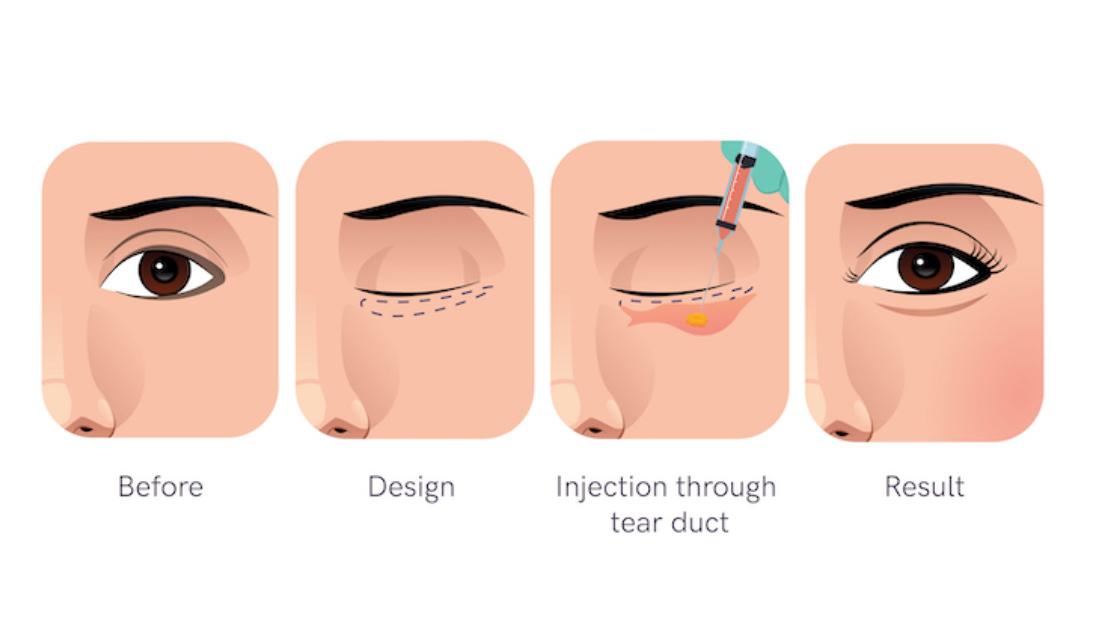
Love band surgery augments the narrow pretarsal aegyo-sal roll beneath the lower lashes using HA filler, fat, grafts, implants, or tissue plication, with method-specific reversibility, recovery, and revision considerations. The article covers candidate screening, Korea travel planning, treatment steps, aftercare, emergency warning signs, follow-up, and alternatives for eye bags, tear troughs, laxi
Updated: Sep 15, 2026
Revision Eye Surgery in Korea: Methods, Recovery, Risks and Travel Planning
Revision eye surgery addresses healed concerns after prior eyelid procedures through scar release, crease or ptosis correction, volume restoration, or lower-lid support while protecting blink and corneal function. In Korea, plan at least 10–14 days for early review and possible suture removal; prices are ₩2,600,000–₩7,500,000 (about US$1,900–$5,600).
Updated: Sep 15, 2026
Under Eye Fat Grafting in Korea: Candidacy, Recovery, Risks, and Travel Planning
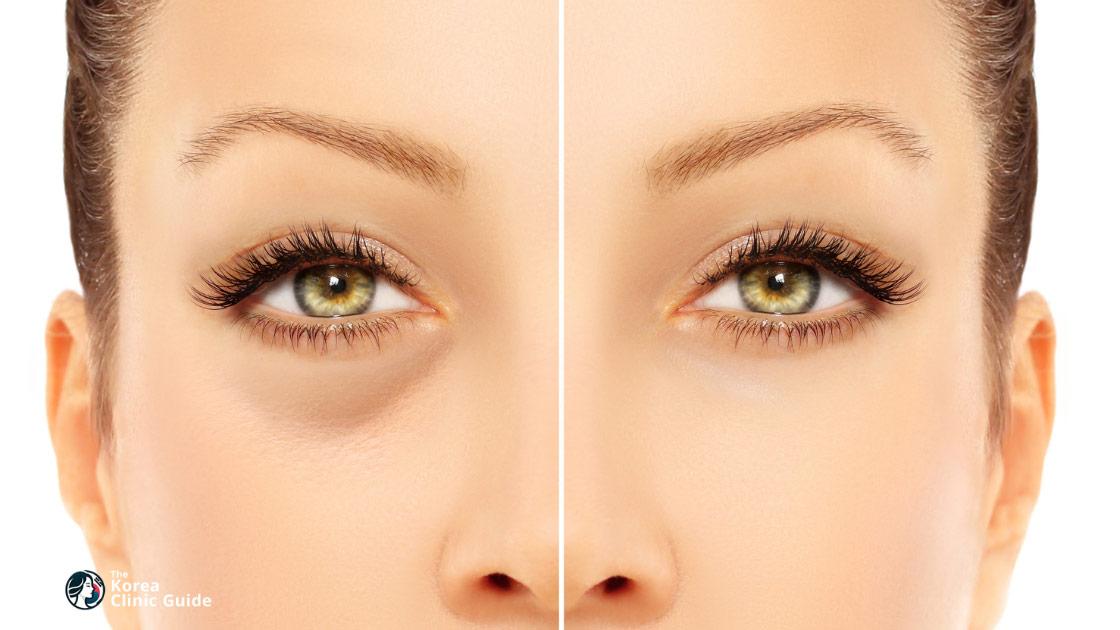
Under-eye fat grafting uses harvested, processed fat placed in small parcels to restore tear-trough and lid-cheek volume; Korea pricing is ₩1,000,000–₩2,000,000 (about US$700–$1,500). International patients should plan 8–10 days for assessment, outpatient treatment, early review and pre-flight clearance, with swelling and bruising often visible for 1–2 weeks.
Updated: Sep 14, 2026
Eyelid Fat Removal or Repositioning in Korea: Methods, Recovery, Risks and Travel Planning
Lower blepharoplasty uses an internal or external incision to conservatively remove or reposition under-eye fat, with skin removal or lid support added when anatomy requires it. The article covers candidacy, Korea travel planning, procedure steps, recovery, aftercare, alternatives, and urgent warning signs.
Updated: Sep 14, 2026
Clinics offering Upper Canthoplasty
RINE Plastic Surgery Clinic | Facelift and Eye Rejuvenation Surgery
Nonhyeon

Made Young Plastic Surgery: Rejuvenating Aesthetic Excellence in Korea for Face Lifts, Contouring and More
Gangnam Station

LABOM Plastic Surgery: Expertise in Non-Surgical Nose, Facial Lifting & Anti-Aging Surgeries in Korea
Apgujeong