
Medical Tourism Blog
Old Stretch Marks: Top Stretch Mark Treatment Procedures Available in Korea
Table of contents
- The Therapeutic Arsenal: Modern Interventions for Striae Albae
- The South Korean Medical Tourism Experience: A Patient’s Guide
- Which Are the Best Clinics in Korea for Old Stretch Marks?
- Financial Considerations: A Comparative Cost Analysis
- Patient Outcomes, Satisfaction, and the Long-Term Outlook
- References
Considering treatment in Korea? Everything you need to know e.g. — how to avoid scams, visas, interpreters, recovery tips — in our Medical Tourism Master Guide. Plan with confidence in minutes, not weeks!
This guide offers an in-depth, accessible overview for anyone interested in understanding and treating mature silvery striae—commonly known as striae albae. Though these atrophic scars are medically harmless, they often have a major impact on self-esteem and body image. Here, you’ll find clear explanations of why these "old stretch marks" are so stubborn, which treatments actually help rebuild collagen and elastin, and what to expect when pursuing care in South Korea, widely considered a leading destination for advanced aesthetic procedures. We’ll break down the treatment journey, detail the key role of medical tourism agencies, and compare costs between Korea and other countries. Importantly, while no treatment can promise total scar erasure, today’s combination therapies—like fractional lasers and radiofrequency microneedling—provide real, visible improvements for most patients, helping restore confidence and quality of life.
Nomenclature and Pathophysiology
Stretch marks are medically known as striae distensae (SD), common scars that form when skin stretches quickly, damaging its connective tissues. While harmless physically, their noticeable appearance often brings people to dermatologists, especially when they develop on the abdomen, thighs, breasts, or back—most often during puberty, pregnancy, or after weight changes.
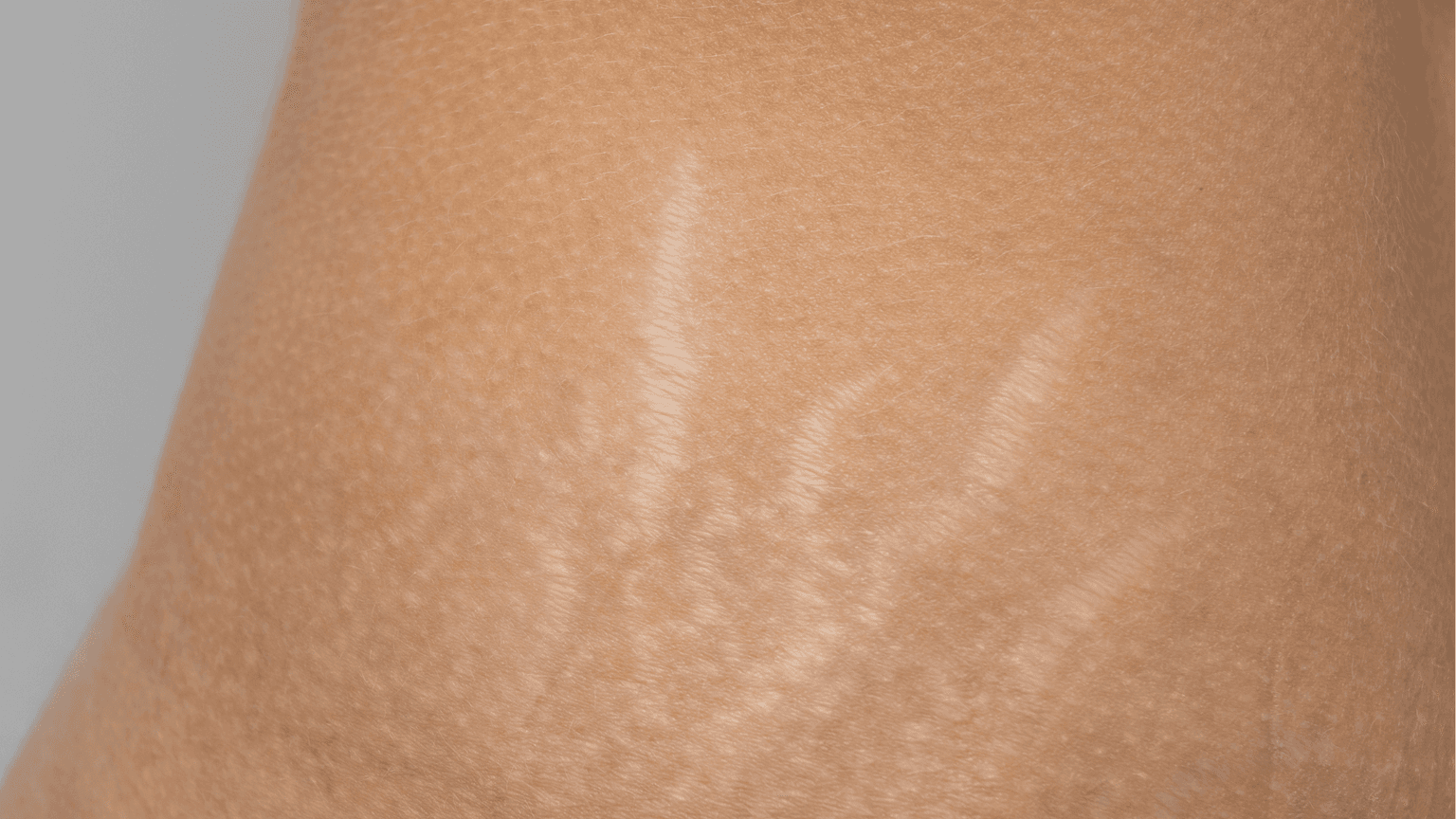
There’s more than one kind of stretch mark. Striae rubrae (SR) are new, red or reddish-purple lines caused by inflammation and increased blood flow. Over months to a year, these fade to the mature, silvery scars called striae albae (SA). SA marks are white, thin, wrinkled, and harder to treat because their underlying skin structure has changed. Other terms you’ll see include striae atrophicans (thin, sunken marks, often linked to certain diseases or medications), striae gravidarum (from pregnancy), and striae nigrae (darker marks in people with high melanin).
The Shift from Striae Rubrae to Striae Albae: Why Maturity Matters
New stretch marks (SR) happen as skin tries to repair itself from rapid stretching. Because these are still inflamed and have more blood flow, they respond to lasers that target blood vessels. But once stretch marks become striae albae, that inflammatory process is over, the area has lost collagen and elastin, and the skin thins out. The challenge shifts—now, treatments need to jumpstart brand-new collagen and elastin production deep within the skin. That's why methods effective for new, red marks often won’t improve mature, silvery ones, and why treating SA really demands collagen-stimulating or energy-based therapies.
The Therapeutic Arsenal: Modern Interventions for Striae Albae
Finding an effective treatment for mature striae is tough; there’s no one-size-fits-all solution. Most dermatologists combine different therapies to maximize results, always balancing efficacy, cost, and recovery time.
Foundational and Ancillary Therapies: Topical Treatments
Most topical products offer minimal help for mature stretch marks, despite big claims on the packaging.
- Tretinoin (Retinoic Acid): The only topical with some real science behind it, mostly for early mark prevention. It boosts fibroblasts to make more collagen and elastin, but can irritate skin and isn’t safe in pregnancy.
- Other Topicals: Hyaluronic acid (for collagen), cocoa butter, and oils with vitamin E offer moisturizing benefits and may lightly smooth skin with regular use. However, they don’t work miracles for deep, old scars.
Advanced Procedural Interventions
The best options for mature striae albae target the deeper layers of skin to trigger a healing response—not just the surface.
Laser and Light-Based Systems
Lasers are a top choice for stimulating new collagen and elastin.
- Ablative Fractional Lasers (e.g., Fractional CO₂, Er:YAG): These vaporize tiny skin columns, causing controlled injury and prompting a powerful healing reaction that thickens skin. They’re effective but require a week or two of downtime and can cause pigment changes, especially on deeper skin tones.
- Non-Ablative Fractional Lasers (e.g., Fraxel, Er:Glass): They push heat deep into the skin without damaging the surface, so there’s less downtime. These are good for older, indented marks with fewer side effects.
- Pigment-Targeting Lasers (e.g., Excimer): Designed to improve the white color of SA by stimulating melanin, they help camouflage the scar but don’t fix skin texture or thickness.
Collagen Induction Therapies
These methods use precise skin injury to spark the body’s own repair system.
- Microneedling: Fine needles create tiny punctures, triggering new collagen and elastin. It’s effective, safe, and affordable, especially for younger people and stretch marks on the breasts.
- Radiofrequency (RF) Microneedling: Adds radiofrequency energy to microneedling, increasing collagen production and tightening skin. This method works especially well for tightening older stretch marks and delivering longer-term improvements.
Cellular and Injectable Treatments
Often paired with lasers or microneedling, these boost the regenerative process.
- Platelet-Rich Plasma (PRP): Uses your own concentrated blood factors to heal tissue and improve marks. When combined with lasers or microneedling, results, and patient satisfaction, often increase.
- Poly-L-Lactic Acid (PLLA): An injectable substance that encourages collagen growth over time. It’s especially useful for areas like the abdomen and buttocks.
The Synergistic Approach: Combination Therapies
Top results come from mixing therapies—addressing SA’s structural loss, color, and skin quality together. For example, fractional lasers can be followed by PRP injections, or RF microneedling can be paired with nutrient-rich skin boosters. Many clinics and patients find this combo strategy gives more durable, significant improvements.
Table 1: Mechanisms of Action and Efficacy for Key Treatments for Striae Albae
| Procedure | Mechanism of Action | Target | Clinical Efficacy on SA | Typical Sessions Needed | Typical Downtime |
|---|---|---|---|---|---|
| Ablative Fractional Laser | Vaporizes micro-columns to boost new collagen | Dermal Atrophy | Boosts dermal thickness and texture | 3–6 | 1–2 weeks |
| Non-Ablative Fractional Laser | Heats dermis without harming the surface | Dermal Atrophy | Moderate texture/tone improvement, safer for most skins | 4–6 | 1–3 days |
| RF Microneedling | Delivers energy through micro-needles to stimulate collagen | Dermal Atrophy | Significant texture and firmness gains | 3–5 | 1–3 days |
| Traditional Microneedling | Causes micro-injuries to prompt wound healing | Dermal Atrophy | Noticeable improvement, especially for younger patients | 3–6 | 1–3 days |
| PRP Therapy | Uses own growth factors to speed up healing | Dermal Atrophy | Best added to other procedures | 3–5 | Minimal |
| PLLA Injections | Gradually builds up new collagen | Dermal Atrophy | Effective in thickening skin, great for abdomen | 3 | Minimal |
The South Korean Medical Tourism Experience: A Patient’s Guide
South Korea has rapidly become a go-to spot for advanced aesthetic medicine, offering high-tech care from skilled professionals at affordable prices—especially in areas like Gangnam, Cheongdam, and Myeongdong. Traveling for treatment can be daunting, but a little planning goes a long way.
Which Are the Best Clinics in Korea for Old Stretch Marks?
Listed below are some of the best clinics in Korea for old stretch marks.
1. DATENA CLINIC
For old stretch marks, DATENA CLINIC may be worth considering if you want a personalized skin-quality assessment centered on texture and rejuvenation. Its available information emphasizes customized care for skin texture and condition, but it does not specify a dedicated stretch-mark procedure.
- URL: DATENA CLINIC Website
- Location: Songpa-gu, Seoul
- Skin-quality focus:
- The clinic’s stated dermatology and aesthetic focus includes skin texture, pores, acne scars, pigmentation, and slow-aging care.
- Customized skincare and medical skincare are selected after an assessment of your current skin condition.
- Relevant treatment options to discuss:
- Genesis laser and laser toning are included in customized skin-rejuvenation programs for overall skin condition and texture-focused care.
- Skin-booster programs include Rejuran, Water Glow, and Juvelook for hydration, texture, and radiance support.
- The available information does not identify a specific old-stretch-mark treatment, so ask whether its texture-focused laser or skincare programs are appropriate for your areas of concern.
2. Myung Ok-hune Korean Medicine Clinic
For old stretch marks, Myung Ok-hune Korean Medicine Clinic offers a dedicated treatment approach that combines traditional Korean therapies with modern techniques, with the stated aim of reducing visible stretch marks while supporting skin rejuvenation and firmness.
- URL: Myung Ok-hune Korean Medicine Clinic Website
- Location: Gangnam-gu, Seoul
- Stretch-mark care:
- The clinic offers stretch-mark treatment intended to reduce their appearance through traditional Korean therapies combined with modern techniques.
- Treatment is described as aiming to rejuvenate and firm the skin.
- Related skin treatments:
- Scar care uses herbal medicine and acupuncture with the stated goals of supporting skin regeneration and improving texture and color.
- Customized herbal treatments and acupuncture are also offered for acne concerns.
3. Mi and Mi Clinic - Gangnam
For old stretch marks, Mi & Mi Clinic - Gangnam offers laser and microneedling-based scar and skin-renewal treatments that may be relevant to texture concerns, although the available information does not confirm a specific stretch-mark program.
- URL: Mi and Mi Clinic - Gangnam Website
- Location: Seocho-gu, Seoul
- Texture and scar-focused options:
- Scar treatment uses laser and microneedling techniques intended to promote collagen production and skin renewal.
- Laser skin treatments address scarring, pigmentation, and overall skin rejuvenation.
- What to clarify:
- The available information does not list a dedicated old-stretch-mark protocol.
- Ask whether laser or microneedling treatment is suitable for your stretch marks, including the expected treatment course and whether your skin type or the age and location of the marks affects planning.
Why Korea? The Value Proposition Beyond Cost
People choose Korea not only for lower prices but also for the exceptional combination of modern technology and expert specialists. With hundreds of clinics vying for business in Seoul alone, standards stay high and costs competitive. This means patients get more for their money, making it a top choice for those who want both quality and savings.
Step-by-Step Patient Journey
- Pre-Trip Planning: Start with research—know your goals and set realistic expectations. Make a budget that includes all travel, living, and procedure costs.
- Finding a Clinic or Agency: You can reach clinics directly (many offer online consults in English) or go through a licensed medical tourism agency for more support.
- On-Site Consultation: Meet your dermatologist, get a personalized assessment, and finalize your treatment plan. This is the time to ask questions about effectiveness, risks, and sessions.
- Treatment Sessions: Most procedures last 30–60 minutes, and you’ll usually need 3 to 6 sessions spaced a month apart for best results.
- Post-Treatment Care: Aftercare is crucial. You’ll get specific instructions about sun protection, gentle cleaning, and proper moisturizing.
The Indispensable Role of Medical Tourism Agencies
Medical tourism agencies are invaluable partners, smoothing the road from planning to aftercare.
- Comprehensive Services: Top agencies like Beauty Hopper and Seoul Cosmetic Surgery suggest clinics, book appointments, arrange lodging, and provide transportation.
- Linguistic and Cultural Support: With bilingual staff, agencies ensure nothing gets lost in translation—essential for understanding procedures and aftercare.
- Cost Savings: Agencies often negotiate exclusive deals, and their bundled services can lower your total expenses and minimize surprises.
Financial Considerations: A Comparative Cost Analysis
Understanding the costs up front helps you plan smarter.
Decoding the Cost of Treatment in Korea
Prices vary by clinic location and technology used but are consistently competitive:
- Fractional Laser: ₩400,000 to ₩1,200,000 ($300–$900) per session
- RF Microneedling: ₩400,000 to ₩1,200,000 ($300–$900)
- PRP Therapy: ₩400,000 to ₩1,000,000 ($300–$750)
- Chemical Peels: ₩80,000 to ₩300,000 ($60–$225)
Unpacking the Total Cost
- Multiple Sessions Required: True improvement usually means 3–6 sessions and clinics sometimes offer packages.
- Ancillary Costs: Consultation fees, topical anesthetics, and aftercare products like special moisturizers or sunscreens can add up.
- Upfront Deposit: Clinics usually ask for a 10% deposit to save your spot.
International Price Comparison for the Medical Tourist
A side-by-side look at global prices shows Korea stands out for value.
Table 2: Comparative Cost Analysis of Stretch Mark Treatments (Per Session)
| Procedure | South Korea (USD) | USA (USD) | Turkey (USD) | Thailand (USD) |
|---|---|---|---|---|
| Laser Scar Removal | $159–$1,000 | $400–$8,900 | $250–$900 | $200–$700 |
| Fractional Laser | $300–$900 | $500–$8,900 | $2,000+ | N/A |
| RF Microneedling | $300–$900 | $1,500–$3,500 | N/A | N/A |
| Microneedling | $1,500–$3,500 | N/A | N/A | N/A |
| Stretch Mark Removal | $300–$700 | N/A | N/A | $60–$450 |
Note: Laser scar removal pricing often overlaps with stretch mark treatment in practice.
It’s clear: many treatments cost up to ten times more in the US versus Korea, making Korean clinics an attractive, advanced, and cost-efficient option.
Patient Outcomes, Satisfaction, and the Long-Term Outlook
Clinical Results vs. Patient Expectations
Science shows that although no method can totally erase striae albae, most see noticeable improvement. Studies report 20–60% better appearance after laser treatments, and microneedling earns patient satisfaction scores around 5 out of 10. For many, reducing visibility and improving texture is enough to relieve distress.
Testimonials and Anecdotal Evidence
Patient reviews and online forums echo the research. People often share that while older, white marks take persistence, the results—sometimes a 60–70% improvement—bring real happiness and restored body confidence. Some patients even reframe these marks as “beauty marks,” reflecting a wider movement toward body acceptance, especially celebrated by public figures like Ciara and Kylie Kelce.
A Nuanced Definition of Success: Managing Expectations
The key to success lies in realistic expectations. Modern treatments can make mature silvery striae significantly less noticeable but not invisible. These marks are essentially permanent scars that require ongoing care, but with the right approach, patients frequently experience renewed confidence and reduced self-consciousness. Ultimately, progress is about both physical change and greater self-acceptance.
References
1, 2, 3, 4, 5, 6, 7, 8, 9, 10, 11, 12, 13, 14, 15, 16, 17, 18, 19, 20, 21, 22, 23, 24, 25, 26, 27, 28, 29, 30, 31, 32, 33, 34, 35, 36, 37, 38, 39, 40, 41, 42, 43, 44, 45
Frequently Asked Questions
Related Blogs
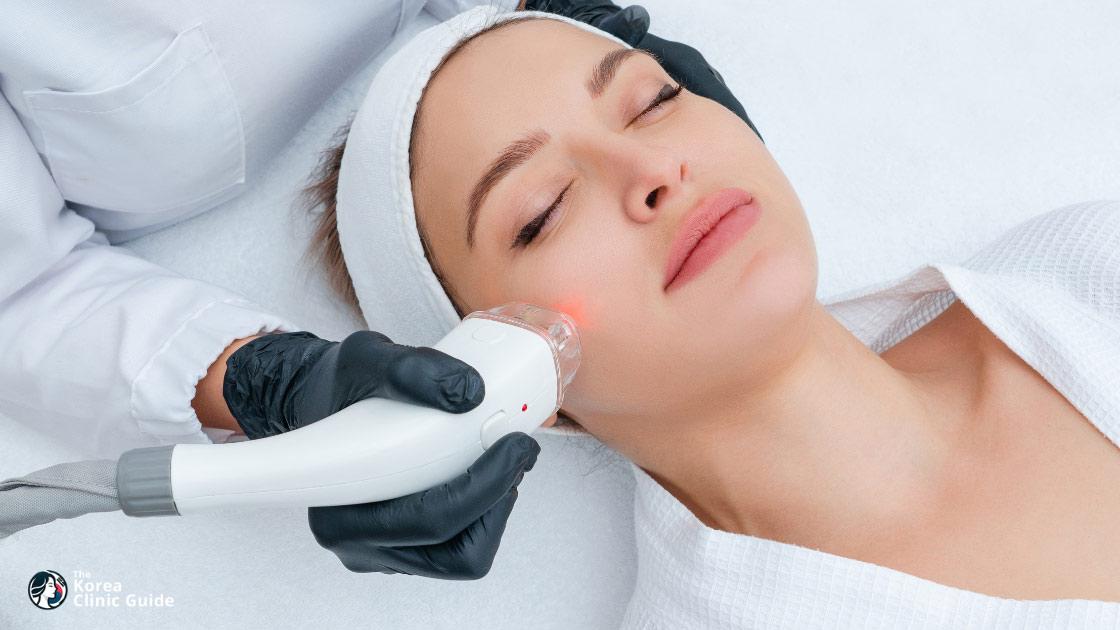
Dual Toning in Korea: Methods, Results, Recovery, Risks, and Travel Planning
Dual toning uses low-fluence Nd:YAG laser passes for medically assessed melasma, PIH, or uneven tone, typically as a gradual series with conservative settings and sun protection. The article covers candidate screening, travel timing, treatment steps, recovery, aftercare, warning signs, and the need for documented protocols and follow-up care.
Updated: Sep 12, 2026
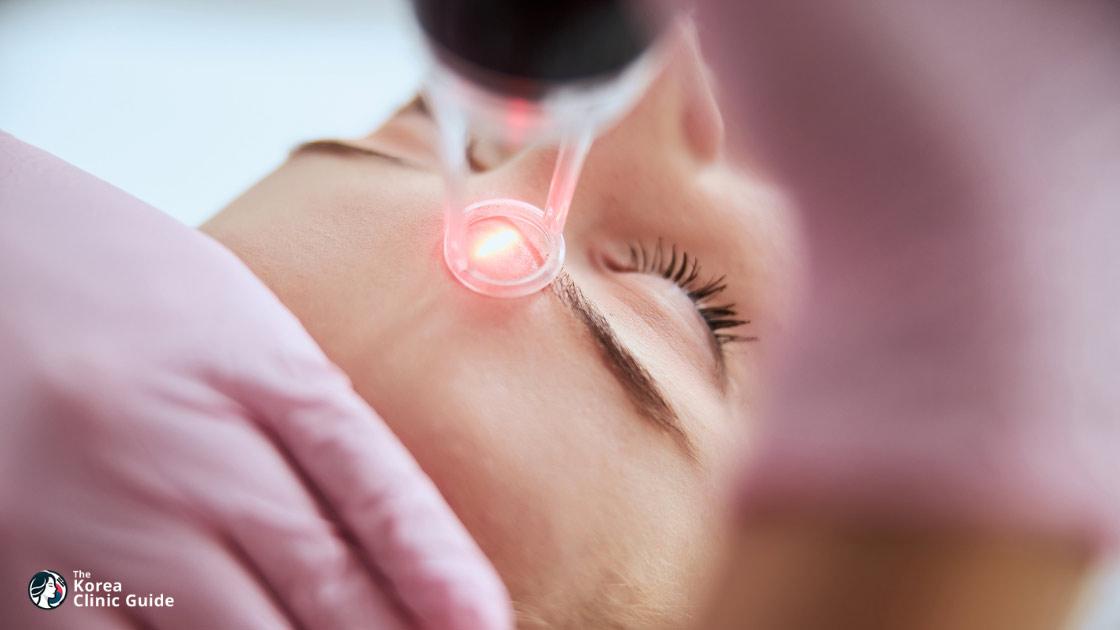
CO2 Laser in Korea: Resurfacing Methods, Recovery, Risks and Travel Planning
CO₂ laser resurfacing uses fractional, full-field, or targeted 10,600-nm laser treatment for acne scars, texture, pores, wrinkles, and photodamage, with technique and settings tailored to skin and scar characteristics. The article covers candidacy, contraindications, 5–7 days of fractional peeling, Korea travel planning, preparation, aftercare, warning signs, and alternatives such as Er:YAG, RF mi
Updated: Sep 12, 2026

Scalp Care in Korea: Assessment, Treatment Options, Travel Planning and Aftercare
Scalp care in Korea ranges from cosmetic cleansing and scaling to dermatologist-led assessment with trichoscopy, patch testing, fungal testing, or biopsy when indicated. International patients should confirm whether care is cosmetic or medical, allow extra time for test results and follow-up, and seek prompt assessment for painful, infected, rapidly worsening, or patchy hair loss.
Updated: Sep 11, 2026
MTS Facial Treatment in Korea: Results, Recovery, Safety and Travel Planning
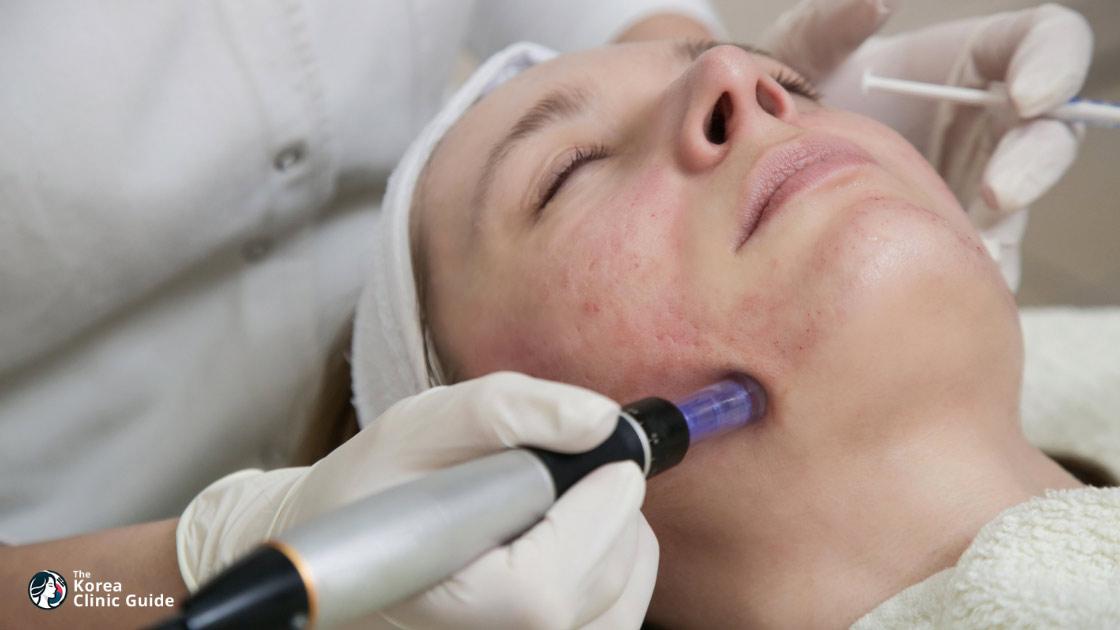
MTS facial treatment uses sterile microneedling passes to address selected acne scars, texture, and early photoaging, with settings adjusted by facial area and scar type. The article covers candidate screening, Korea travel planning, treatment steps, recovery, aftercare, risks, and follow-up for a treatment series.
Updated: Sep 11, 2026
Clinics offering Stretch Mark Treatment

Lydian Plastic Surgery Clinic in Korea: Superior Cosmetic Procedures by World-Renowned Expert Dr. An Kyung Chun
Apgujeong

Mi and Mi Clinic - Gangnam: Premier Beauty & Well-being Services in Korea
Gangnam Station

REPIC Clinic Korea: Personalized Aesthetic Treatments with 3D Facial Analysis Near Gangnam Station
Gangnam Station

DATENA CLINIC Korea | Personalized Dermatology, Lifting & Skin Rejuvenation in Seoul
Jamsil