
Medical Tourism Blog
Steroid Injections for Scars in Korea: Candidacy, Treatment Process, Recovery, and Travel Planning
Table of contents
- Steroid Injections for Scars at a Glance
- What Are Steroid Injections for Scars?
- Who Is a Good Candidate for Steroid Injections for Scars?
- How Are Steroid Injections for Scars Performed?
- Why Visit Korea for Steroid Injections for Scars?
- Key Information for International Patients
- Which Are the Best Clinics in Korea for Steroid Injections For Scars?
- Steroid Injections for Scars From Start to Finish
- Alternatives to Steroid Injections for Scars
- How Can I Prepare for Steroid Injections for Scars?
- Aftercare Advice
Considering treatment in Korea? Everything you need to know e.g. — how to avoid scams, visas, interpreters, recovery tips — in our Medical Tourism Master Guide. Plan with confidence in minutes, not weeks!
Last updated: September 2026
Steroid Injections for Scars at a Glance
- What it treats — Intralesional triamcinolone injections place steroid directly into raised hypertrophic scars and keloids to reduce excessive scar activity, helping relieve itch, pain, redness, tightness, and thickness; they do not erase a scar.
- Best candidates — Treatment is most suitable for firm, thick, symptomatic, or enlarging raised scars; hypertrophic scars stay within the original wound border, while keloids extend beyond it.
- Not for pitted scars — Depressed, pitted, or atrophic scars are generally poor candidates because steroid can further thin skin or fat and worsen indentation.
- Results and repeat sessions — Itch and pain may improve first, while softening and flattening develop over weeks; appointments are usually spaced 3–6 weeks apart, with 3–4 initial sessions often needed.
- Minimal downtime — The outpatient injection itself is brief, and soreness, minor swelling, pinpoint bleeding, or bruising usually resolve within hours to a few days.
- Key risk — Incorrect placement or excessive exposure can cause skin or fat atrophy, dimpling, pigment change, visible small blood vessels, ulceration, or delayed healing; thin sites such as the eyelids, lips, and nose need extra caution.
- Korea travel planning — Plan 2–3 days in Korea for consultation, treatment, and possible early review, but a full course cannot be compressed into one trip because sessions are spaced weeks apart; Korean clinics may offer injection, cryotherapy, and laser in one plan, without proven nationwide outcome superiority.
What Are Steroid Injections for Scars?
Steroid injections for scars place a corticosteroid directly into raised scar tissue to reduce excessive inflammation and collagen activity. They aim to soften and flatten hypertrophic scars and keloids while easing itch, pain, redness, or tightness. This is a minimally invasive outpatient procedure, not surgery.
Who Is a Good Candidate for Steroid Injections for Scars?
- Raised hypertrophic scars — Good candidates have a firm, thick scar that stays within the original wound border and causes itch, pain, redness, tightness, or reduced movement.
- Keloids — These scars extend beyond the original injury and can follow acne, surgery, burns, vaccination, trauma, or piercing. Intralesional triamcinolone acetonide (TAC) is used to reduce excessive scar activity.
- Symptomatic or enlarging scars — Treatment is particularly relevant when a raised scar is becoming thicker, persistently itchy, tender, or cosmetically distressing.
- Patients able to commit to serial care — Visible softening and flattening develop over weeks; sessions are commonly spaced 3–6 weeks apart, with 3–4 initial treatments often needed.
Steroid injection is not appropriate for depressed, pitted, or atrophic scars because corticosteroid can worsen skin and fat thinning. Defer treatment for an active bacterial infection, active herpes simplex lesion, known triamcinolone or preservative allergy, or a scar-like lesion that is ulcerated, draining, changing, or diagnostically uncertain. Pregnancy or breastfeeding, poorly controlled diabetes, severe hypertension, heart failure, immunosuppression, bleeding disorders, and anticoagulant or antiplatelet treatment require individualized assessment. Extra caution is needed on thin or cosmetically sensitive skin, including the eyelids, lips, and nose, where atrophy, pigment change, and visible small vessels can have greater consequences.
How Are Steroid Injections for Scars Performed?
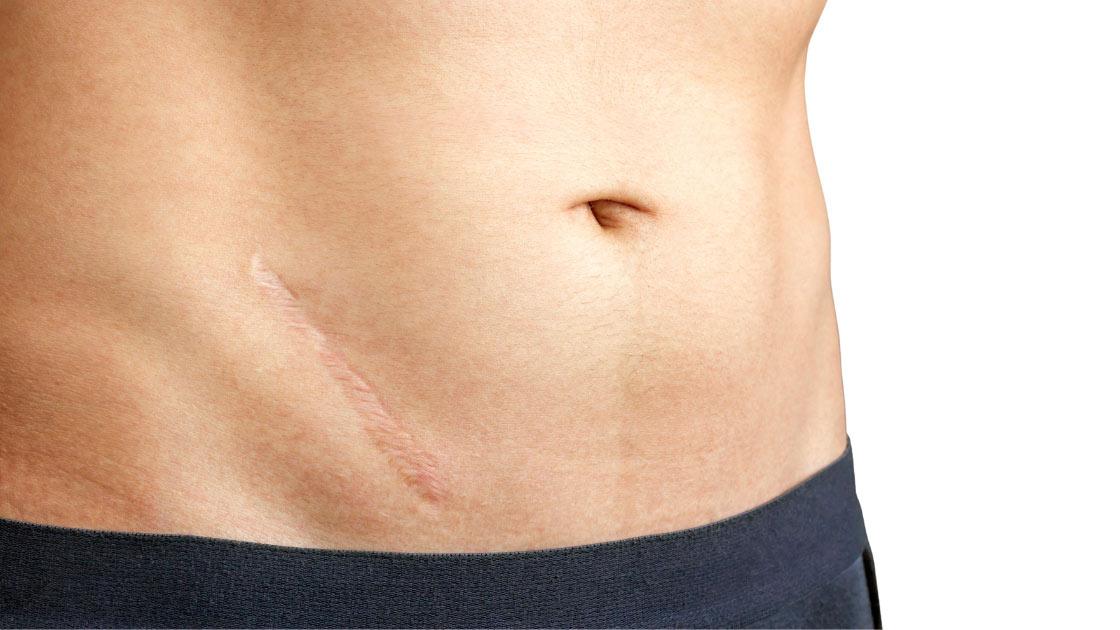
The clinician selects the drug concentration, injection depth, number of injection points, and adjunctive treatment according to scar thickness, location, skin characteristics, previous treatment, and atrophy risk.
- TAC alone — Conventional intralesional treatment uses triamcinolone acetonide, often in concentrations from 10 to 40 mg/mL. The drug must be deposited in scar tissue rather than the surrounding normal fat to limit dimpling and atrophy.
- Pain-control approach — Dense keloids can be painful to inject. Topical anesthetic, cooling, local anesthetic injection, or a clinically appropriate dilution strategy can improve tolerance.
- TAC plus 5-fluorouracil (5-FU) — For selected thick, persistent, or recurrent raised scars, a combined injection can be considered. A 2024 meta-analysis of 13 studies, including 12 randomized trials found better objective efficacy for TAC plus 5-FU than either drug alone, but protocols differed substantially and no universal mixture or schedule has been established.
- Cryotherapy plus injection — Cryotherapy can be used before or alongside steroid injection for selected bulky keloids. Pain and pigment alteration are important limitations, particularly for darker skin tones.
- Laser-assisted multimodal care — Pulsed-dye laser targets redness and vascularity, while fractional laser can be considered for selected textural or thick scars. A Korean cohort study of 250 keloid patients reported the greatest Vancouver Scar Scale improvement in the group treated with TAC, cryotherapy, and pulsed-dye laser; this non-randomized finding supports individualized combination care rather than proving that every scar needs it.
- Perioperative TAC — After selected keloid excision, steroid injection can form part of a recurrence-prevention plan. Excision alone creates a new wound and can trigger recurrence, so postoperative treatment must be planned before surgery.
Why Visit Korea for Steroid Injections for Scars?
South Korea can be practical for dermatology-led assessment of raised scars and access to injection, cryotherapy, laser, and surgical approaches in the same treatment plan. Korean clinicians and investigators have contributed published research on multimodal keloid treatment. There is, however, no robust international evidence that routine scar steroid injections in Korea achieve better outcomes or lower recurrence than equivalent care elsewhere.
- Multimodal scar-care access — A scar can be assessed for TAC injection alone or for a plan that adds cryotherapy, pulsed-dye laser, fractional laser, or surgery when the diagnosis and scar behavior justify it.
- Published Korean clinical data — The Korean keloid cohort study comparing treatment groups provides local evidence for combined TAC, cryotherapy, and pulsed-dye laser, while remaining limited by its observational design.
- Continuity documentation matters — For international care, request an English record listing the diagnosis, injected drug, concentration, total dose, treated sites, photographs, adverse-effect instructions, and recommended interval for the next session.
- Evidence limitation — Choose based on the clinician’s experience with the specific scar site, clear communication, and a workable home-country follow-up plan—not a general claim of national superiority.
Key Information for International Patients
- Minimum stay — Plan 2–3 calendar days for consultation, treatment, and an early review if needed. A simple intralesional injection is outpatient and normally does not require hospital admission.
- Repeat visits — A complete course cannot usually be compressed into a short trip. Sessions are deliberately spaced about 3–6 weeks apart, so arrange continuation with a qualified dermatologist or plastic surgeon at home.
- Flying — There is no universal evidence-based no-fly interval after an uncomplicated local injection. Obtain clinician clearance before flying after scar excision, cryotherapy, laser treatment, sedation, a major local reaction, or treatment near a joint.
- Itinerary impact — Soreness, tenderness, small bruises, pinpoint bleeding, and swelling generally settle over hours to a few days. Low-impact sightseeing is usually practical after an uncomplicated session; avoid plans involving strenuous exercise, heat exposure, rubbing, or pressure on the treated scar.
- Companion and transport — A companion is not medically necessary for a simple injection without sedation. Arrange support if prone to fainting, taking sedating medicines, managing limited mobility, or combining treatment with surgery or another procedure.
- Remote follow-up — Send standardized photographs to the treating clinic as requested, and provide the treatment record to the clinician continuing care at home.
Travel note: Do not schedule a final injection immediately before a long-haul flight. Leave enough time to identify infection, ulceration, unusual swelling, or an early atrophy concern and to receive clinic advice.
Which Are the Best Clinics in Korea for Steroid Injections For Scars?
Listed below are some of the best clinics in Korea for steroid injections for scars.
1. Edge Plastic Surgery
You may consider Edge Plastic Surgery if you want your scar concern assessed by a plastic surgery specialist at a clinic that lists scar and skin-regeneration treatment among its skin services. The available information does not specifically confirm steroid scar injections, so you should confirm whether this treatment is appropriate for your scar type and available at consultation.
- URL: Edge Plastic Surgery Website
- Location: Jung-gu, Daegu
- Scar-focused care:
- Lists scar and skin-regeneration treatment as part of its skin-treatment services.
- Also offers skin diagnosis and laser-based skin care, which may be relevant when discussing a broader scar-management plan.
2. Sinsa Egg Clinic
You may consider Sinsa Egg Clinic if you are seeking a dermatology-focused setting for scar care, particularly because it lists Potenza microneedling radiofrequency for scar treatment and Rejuran Healer for skin healing and regeneration. Steroid injections for scars are not specifically listed, so you should verify whether they are offered and whether they suit the characteristics of your scar.
- URL: Sinsa Egg Clinic Website
- Location: Gangnam-gu, Seoul
- Scar-related treatments:
- Lists Potenza, a microneedling and radiofrequency treatment, for facelift and scar care.
- Lists Rejuran Healer as a treatment intended to support skin healing and regeneration.
- Provides personalized skin-booster options for hydration, brightening, and revitalization.
- Practical notes:
- Located in Sinsa, Gangnam-gu, Seoul.
- Hours listed are Monday to Friday, 11:00 AM to 8:30 PM, and Saturday, 11:00 AM to 5:00 PM; closed Sundays and national holidays.
3. Kowon Plastic Surgery
You may consider Kowon Plastic Surgery when your concern is an ear keloid, as the clinic specifically lists surgical ear-keloid excision. The information provided does not confirm steroid injections for scars, so you should ask whether injections are available as part of treatment planning or recurrence management after excision.
- URL: Kowon Plastic Surgery Website
- Location: Gangnam-gu, Seoul
- Keloid care:
- Lists ear-keloid excision for surgical removal of keloid scars on the ear.
- The stated aim of this service is to restore the ear’s appearance and help prevent recurrence.
Steroid Injections for Scars From Start to Finish
- First contact and virtual review — Send dated photographs, the injury or surgery date, scar location, symptoms, prior treatment history, medication list, allergy list, and operative or pathology reports when available. Ask whether an English-language or virtual consultation is available before travel.
- In-person diagnosis — The clinician determines whether the lesion is a hypertrophic scar, keloid, atrophic scar, cyst, infection, retained material, or another condition. A changing, ulcerated, draining, or uncertain lesion needs diagnostic assessment and sometimes biopsy before injection.
- Medical assessment — Discuss diabetes, blood-pressure or heart conditions, glaucoma or cataracts, immune suppression, pregnancy or breastfeeding, bleeding history, prior steroid exposure, and past pigment change or skin thinning. Routine laboratory testing is usually unnecessary for one uncomplicated injection, but testing or medical clearance can be needed for extensive treatment, systemic illness, surgery, or diagnostic uncertainty.
- Treatment planning — Agree on a realistic goal: symptom reduction and partial flattening rather than scar erasure. The clinician selects TAC concentration, total dose, injection points, and whether 5-FU, cryotherapy, laser, or surgery is relevant.
- Injection procedure — The skin is cleaned, and topical anesthetic, cooling, or local anesthetic can be used when appropriate. The clinician injects small volumes directly into the scar at several points if it is dense or broad, avoiding normal surrounding fat. The injection portion is brief and does not usually require fasting or sedation.
- Discharge and early recovery — Leave after a short outpatient observation period with written aftercare and warning-sign instructions. Expect temporary soreness, local tightness, minor swelling, pinpoint bleeding, or bruising.
- Progress review and repeat treatment — Itch and pain can improve before the scar visibly flattens. Assess firmness, height, color, symptoms, pigment change, and skin thinning over the following weeks; repeat treatment is commonly planned in 3–6 weeks.
- Overseas follow-up — Obtain an English treatment summary and photographs before leaving Korea. Continue serial treatment locally when needed, and contact the original clinic promptly if ulceration, a new dent, visible vessels, marked pigment change, or scar worsening develops.
Alternatives to Steroid Injections for Scars
The best alternative depends on whether the scar is raised or depressed, its site, thickness, symptoms, skin tone, and recurrence history. Non-surgical options avoid creating a new wound but often require repeated treatment; surgery can remove or release selected scars but needs an adjuvant plan when keloid recurrence is a concern.
Silicone and Pressure Therapy
- Best role — Silicone gel, sheets, scar tape, or pressure therapy are commonly used for prevention, immature scars, and as support alongside medical treatment.
- Tradeoff — These options are low intensity but rarely flatten a thick established keloid as effectively as intralesional treatment.
5-FU-Based Injection Therapy
- Best role — Intralesional 5-FU alone or combined with TAC is an option for resistant raised scars or when limiting steroid-related atrophy is important.
- Tradeoff — Combination protocols require repeated sessions and vary between clinicians; they are not automatically appropriate for every keloid or hypertrophic scar.
Cryotherapy and Laser Treatment
- Best role — Cryotherapy can reduce selected bulky raised scars, while V-Beam laser can address scar redness and vascularity. Fractional approaches, including CO2 laser, are used for selected textural and thickness concerns.
- Tradeoff — Cryotherapy can be painful and can cause pigment alteration; laser treatment often requires several sessions and does not replace diagnosis or recurrence planning for an aggressive keloid.
Scar Revision or Keloid Excision
- Best role — Scar removal surgery or keloid removal can be considered for bulky, symptomatic, or function-limiting scars.
- Tradeoff — Keloid excision without postoperative prevention can recur. Suitable plans can include steroid injection and, in selected high-risk adults, specialist discussion of postoperative radiotherapy.
Atrophic-Scar Treatment
- Best role — For pitted acne scars, surgical divots, or contour loss, atrophic scar treatment or acne scar treatment is usually more relevant than steroid injection.
- Tradeoff — These treatments address tethering, lost volume, or altered texture rather than excessive scar collagen.
How Can I Prepare for Steroid Injections for Scars?
- Send complete records — Bring dated photos, the original wound or surgery date, prior procedure notes, pathology reports when applicable, and details of every previous scar treatment or steroid injection.
- Disclose medicines and health conditions — List prescription drugs, topical and systemic steroids, anticoagulants, antiplatelet drugs, NSAIDs, diabetes medicines, immune-suppressing medicines, glaucoma medicines, blood-pressure medicines, supplements, allergies, pregnancy or breastfeeding status, and prior steroid reactions.
- Do not stop prescribed medicines independently — Ask both the treating clinician and the prescribing clinician whether anticoagulants, antiplatelets, NSAIDs, or supplements need adjustment because bleeding and bruising risk depends on the medicine, indication, and medical history.
- Check the treatment site — Report new redness, warmth, drainage, blistering, an active cold sore, or an open wound before attending. Do not apply unapproved products to a draining or open area.
- Avoid nicotine and excess alcohol — Avoid smoking, vaping, and nicotine exposure as much as possible, particularly for a new scar or planned surgery. Avoid excess alcohol immediately before and after treatment if bruising is a concern.
- Eat normally unless told otherwise — Fasting is not usually needed for a simple local injection. Follow fasting instructions exactly when sedation, surgery, or a combined procedure is planned.
- Plan practical travel — Choose accommodation that allows clean aftercare and an easy return visit. Public transport is generally reasonable after a simple injection; arrange a ride or companion when sedation, significant pain, dizziness, or combination treatment is expected.
Travel note: Keep flights flexible when combining injection with cryotherapy, laser treatment, sedation, or scar excision, since recovery and flying clearance then depend on the added procedure.
Confirm the treating doctor’s clinic-specific preparation instructions before treatment; they take precedence over general guidance.
Aftercare Advice
Protect the treated scar from friction and monitor it closely: early soreness is expected, but progressive inflammation or skin breakdown is not.
- Keep it clean and hands off — Avoid rubbing, scratching, picking, massage, pressure from jewelry or tight clothing, and unapproved topical products until the clinician advises otherwise.
- Activity and heat — Resume comfortable low-impact activity as tolerated, but avoid strenuous exercise, saunas, hot baths, and activities that repeatedly press or stretch the treated area for the period specified by the clinic.
- Scar products — Use silicone gel, silicone sheets, pressure therapy, scar tape, or moisturizer only when recommended for the scar type and wound-healing stage.
- Sun protection — Protect intact exposed scars with clothing and broad-spectrum SPF 50 sunscreen to reduce the risk of pigment change. Do not apply sunscreen to an open, blistered, or draining area unless instructed.
- Warning signs — Seek urgent medical care for spreading redness, warmth, worsening pain, pus, fever, blistering, skin breakdown, rapidly enlarging swelling, widespread hives, facial swelling, or breathing difficulty. Contact the injector promptly for a new dent, marked color change, visible small vessels, ulceration, persistent bleeding, or progressive scar worsening.
- Results and review — Scar softening, less itch or pain, and flattening develop gradually over weeks. Keloids can recur months or years after improvement, and repeat treatment is commonly assessed at 3–6-week intervals.
Follow the treating doctor’s instructions over general advice and contact the clinic promptly whenever the injection site appears abnormal.
Frequently Asked Questions
Related Blogs
Unlock Beauty Secrets: How PRP Facial Costs in Korea Compare to Top Global Destinations
Discover the cost of PRP Facial Treatment in Korea, renowned for affordable and advanced skincare solutions. Learn what influences the pricing and how it compares to global rates for a rejuvenated complexion.
Updated: Oct 22, 2026
Korean Airjet Lifting: A Global Cost Comparison from Korea to the USA, Turkey, and Beyond
Discover the latest insights into the cost of Airjet Lifting in Korea, a revolutionary beauty procedure gaining popularity for its non-invasive approach and effective results. This article explores pricing factors, treatment benefits, and why Korea is becoming a go-to destination for this advanced cosmetic technique.
Updated: Oct 22, 2026
Discover the True Cost of TruSculpt Fat Dissolving Laser: Comparing Korea to Global Destinations
Discover the affordability and effectiveness of TruSculpt Fat Dissolving Laser treatments in Korea, a popular destination for advanced aesthetic procedures. Explore pricing details, clinics, and what to expect from your body contouring journey in this comprehensive guide.
Updated: Oct 22, 2026
Beyond Borders: The Real Cost of Belody Lifting in Korea Compared to the USA, Mexico, and Turkey
Discover the affordable world of Belody Lifting in Korea, where advanced techniques and competitive pricing attract beauty enthusiasts from around the globe. Explore how this innovative procedure offers rejuvenating results without breaking the bank.
Updated: Oct 22, 2026
Clinics offering Steroid Injections for Scars

Kowon Plastic Surgery: Premier Cosmetic Procedures and Patient-Centered Care in Korea
Sinsa
Evita Clinic Korea: Body Contouring, Breast & Gender-Affirming Surgery in Seoul (Apgujeong)
Apgujeong

Chamdain Korean Medicine Clinic: Comprehensive Traditional Healthcare & Wellness Services in Korea
Euljiro

Better Me Clinic Hongdae Korea | Aesthetic & Dermatology Clinic Near Hongdae Entrance Station
Hongdae