
Medical Tourism Blog
PRP Fat Grafting in Korea: Candidacy, Recovery, Safety, and Travel Planning
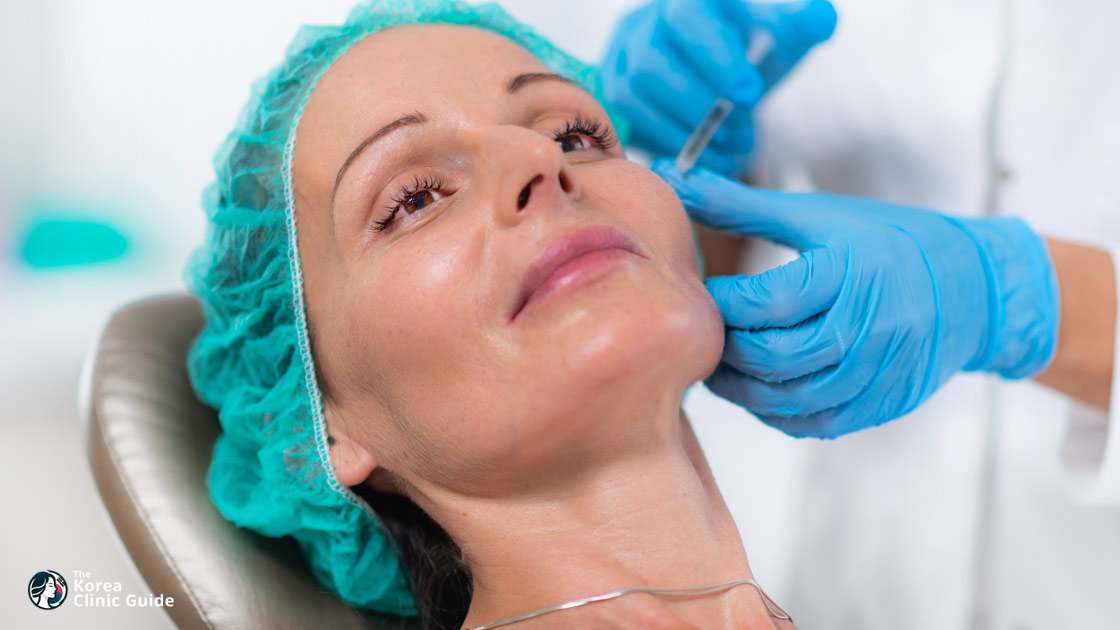
Table of contents
- PRP Fat Grafting at a Glance
- What Is PRP Fat Grafting?
- Who Is a Good Candidate for PRP Fat Grafting?
- How Is PRP Fat Grafting Performed?
- Why Visit Korea for PRP Fat Grafting?
- Key Information for International Patients
- Which Are the Best Clinics in Korea for Prp Fat Grafting?
- PRP Fat Grafting From Start to Finish
- Alternatives to PRP Fat Grafting
- How Can I Prepare for PRP Fat Grafting?
- Aftercare Advice
Considering treatment in Korea? Everything you need to know e.g. — how to avoid scams, visas, interpreters, recovery tips — in our Medical Tourism Master Guide. Plan with confidence in minutes, not weeks!
Last updated: September 2026
PRP Fat Grafting at a Glance
- What it is — PRP fat grafting transfers your own liposuction-harvested fat to areas needing modest-to-moderate volume, while platelet-rich plasma from a blood draw is mixed with the fat or injected alongside it.
- Best candidates — Suitable candidates are medically stable adults with enough donor fat—commonly in the abdomen, flanks, or thighs—who want autologous volume restoration and accept variable fat retention and a possible later touch-up.
- Recovery and results — Bruising, swelling, tenderness, and temporary overfull contours usually improve in 1–2 weeks; light activity often resumes within days, strenuous exercise is typically restricted for 3–4 weeks, and retained volume is best assessed at 3–6 months.
- PRP benefit is uncertain — PRP is an adjunct rather than a guarantee of graft survival: a small randomized facial trial found no one-year improvement in volume maintenance, skin elasticity, or satisfaction compared with saline.
- Key safety concern — Facial injections carry a rare but potentially irreversible vascular risk, including skin necrosis, blindness, or cerebral injury; sudden visual, neurologic, or severe painful skin-color changes require immediate emergency care.
- Korea travel planning — Plan to stay in Korea at least 7–10 days after facial treatment for early reviews and surgeon clearance to fly; larger breast or body grafting may require longer, and return flights should be flexible.
- Korea-specific check — Korea may offer convenient international-patient coordination, but it has no proven PRP outcome advantage; independently verify the named surgeon, foreign-patient facility registration, anesthesia and emergency pathway, English records, and post-departure follow-up policy.
What Is PRP Fat Grafting?
PRP fat grafting transfers a person’s own fat to restore volume, with platelet-rich plasma added as a healing-focused adjunct. It addresses hollowing, contour depressions, asymmetry, scars, or modest volume loss in areas such as the face, breasts, hands, or body. It is a surgical procedure because it combines liposuction to collect fat with injections to place it.
Who Is a Good Candidate for PRP Fat Grafting?
- Adults seeking autologous volume — Good candidates want modest-to-moderate volume restoration in the face, breasts, hands, hips, buttocks, scars, or localized contour depressions using their own fat rather than a synthetic implant or filler.
- Adequate donor fat — There must be enough safely harvestable fat, often from the abdomen, flanks, or thighs. This is not a weight-loss procedure, and very lean patients may not have enough donor tissue for the desired correction.
- Realistic expectations — Candidates accept that some transferred fat is naturally reabsorbed, early fullness includes swelling, asymmetry can occur, and a later touch-up is sometimes appropriate after volume stabilizes.
- Stable health and weight — Medically stable people who can tolerate liposuction plus local anesthesia, sedation, or general anesthesia are better suited. Large weight changes after surgery can alter both donor-site contours and retained graft volume.
PRP fat grafting is unsuitable during pregnancy or breastfeeding and should be postponed for active skin, dental, or systemic infection. Bleeding disorders, clinically significant anemia, platelet disorders, uncontrolled diabetes, serious heart, lung, kidney, liver, immune, vascular disease, active cancer, and recent cancer treatment require case-specific clearance or rule out elective treatment. Anticoagulants and antiplatelet drugs, including warfarin, apixaban, rivaroxaban, dabigatran, clopidogrel, ticagrelor, and aspirin, require a plan agreed by the prescribing clinician and surgeon; never stop them independently. Nicotine exposure, untreated body-image concerns, inability to follow aftercare, or lack of access to urgent care after returning home also make elective grafting inappropriate.
How Is PRP Fat Grafting Performed?
PRP fat grafting has no single standardized protocol. Differences in donor-site harvest, fat processing, PRP preparation, injection location, and treatment volume affect anesthesia, recovery, risk, and how predictable the retained volume will be.
- Facial microfat or structural grafting — The surgeon layers small parcels of fat through several facial tissue planes to restore temples, forehead, cheeks, under-eye transitions, nasolabial folds, chin, scars, or asymmetry. Forehead, glabella, nose, and temple injections require particularly careful anatomy-based planning because inadvertent vascular injection can have catastrophic consequences.
- Breast fat grafting — Used for contour refinement, asymmetry, reconstruction refinement, or modest augmentation rather than reliably large one-session enlargement. Fat necrosis, oil cysts, calcifications, and future breast imaging are central considerations.
- Body-contour grafting — Hips, buttocks, hip dips, scars, and localized depressions can be treated, but larger recipient volumes generally mean more extensive liposuction and a longer donor-site recovery.
- PRP preparation and delivery — PRP is made by centrifuging a blood sample. It can be mixed into processed fat, injected separately, or both. Platelet concentration, leukocyte content, activation, red-cell contamination, and the PRP-to-fat ratio differ substantially; a review found up to ten-fold variation in reported mixing ratios and no accepted optimal protocol in the available evidence.
- Harvest, processing, and placement — Manual or suction-assisted harvest, washing, filtration, sedimentation, centrifugation, and closed systems vary by practice. Small-volume, multi-plane placement is intended to limit trauma and maximize contact between fat parcels and blood-rich recipient tissue.
- What PRP does not mean — PRP-enriched fat grafting is not automatically stem-cell-assisted grafting, stromal vascular fraction treatment, exosome therapy, or platelet-rich fibrin (PRF) grafting.
Why Visit Korea for PRP Fat Grafting?
South Korea has an established cross-border care system that can make foreign-language coordination and short-term postoperative planning easier to arrange. This logistical advantage does not prove superior PRP protocols, fat retention, complication rates, or aesthetic outcomes compared with treatment elsewhere. Verify the individual facility and clinical team rather than relying on country-level marketing.
- Foreign-patient verification tools — Medical Korea provides resources to check institutions registered to treat international patients through its registered medical institution system and lists hospitals participating in its Korea Accreditation Program for Hospitals Serving Foreign Patients.
- Practical records and coordination — Ask in advance for a named interpreter, English consent documents, an English operative note, a written medication list, planned in-person reviews, and a defined after-hours contact. These details are particularly important because grafting combines liposuction with injections and follow-up continues after departure.
- Safety checks over promotional claims — Confirm the named operating surgeon and specialty credentials, anesthetic arrangement, emergency-transfer pathway, PRP device and protocol, donor and recipient sites, and policy for complications after departure. PRP should not be marketed as guaranteed graft survival or inaccurately described as “stem-cell” treatment.
- Evidence limitation — The strongest direct facial randomized trial found that PRP did not improve one-year nasolabial-fold volume maintenance, skin elasticity, or patient satisfaction compared with saline, although recovery was shorter in the PRP group in that small trial. There is no credible comparative evidence that Korea-specific PRP fat grafting produces better outcomes.
Key Information for International Patients
- Minimum stay — Plan to remain in Korea for at least 7–10 days after facial PRP fat grafting, allowing time for postoperative checks and a surgeon-led fitness-to-fly decision. Breast or larger body grafting often requires at least 7 days and sometimes longer because treatment extent, anesthesia, mobility, wound status, and complications change the plan.
- Flight timing — General NHS guidance advises avoiding flights for 5–7 days after liposuction or breast surgery and 7–10 days after facial cosmetic surgery when travelling after cosmetic surgery. Do not book a non-changeable return flight until the operating surgeon confirms fitness to fly and airline requirements are checked.
- First-night support — Arrange a responsible adult to escort and stay available after sedation or general anesthesia. Do not drive, use public transport alone, drink alcohol, sign important documents, or make major decisions while affected by anesthesia or opioid pain medicine.
- Itinerary impact — Expect bruising, swelling, tenderness, compression garments at donor sites, and restricted activity. Keep the first 1–2 weeks low-demand; avoid strenuous sightseeing, heavy luggage, gym sessions, saunas, and long periods of immobility.
- Remote follow-up — Before leaving, obtain an English operative record stating donor and recipient areas, injected volumes if documented, PRP device and protocol, anesthesia record, medicines, laboratory results, photographs, and emergency instructions. Arrange video follow-up and identify an urgent-care option near home.
Travel note: Facial fat grafting has a rare but potentially irreversible vascular risk. Sudden vision change, severe headache, confusion, weakness, speech difficulty, seizure, or skin blanching with escalating pain requires immediate emergency assessment—not a message sent from the hotel or after returning home.
Which Are the Best Clinics in Korea for Prp Fat Grafting?
Listed below are some of the best clinics in Korea for prp fat grafting.
1. Lydian Plastic Surgery Clinic
You may consider Lydian Plastic Surgery Clinic if you are exploring fat grafting with stem-cell concentration rather than a specifically documented PRP protocol: the clinic describes harvesting fat, concentrating stem cells at 4°C, and using an Edinizer device to prepare uniformly sized fat for transfer. Its stated applications include volume enhancement of the face, breasts, or buttocks, but you should confirm whether PRP is included in your individual plan.
- URL: Lydian Plastic Surgery Clinic Website
- Location: Gangnam-gu, Seoul
- Fat-grafting approach:
- The clinic states that it extracts and concentrates stem cells from harvested fat using centrifuges operated at 4°C.
- It reports a typical fat-graft survival range of 20–30% and states that its stem-cell approach targets 50–60%; individual retention can vary.
- The Edinizer device is described as producing more uniformly sized fat particles, intended to support even placement and denser grafting.
- Surgical environment: Stem-cell separation and concentration are described as taking place in double-door sealed cleanrooms approved by the Ministry of Health and Welfare, with Class 10,000 air quality and HEPA filtration.
- Surgeon and aftercare:
- Dr. An is described as having more than two decades of body-sculpting experience and serving as director of the 5D Liposculpture Academy.
- The clinic describes a four-step aftercare program addressing swelling, irregularities, skin elasticity, and residual-fat contouring.
- Related options: Services listed include liposuction, 5D liposculpture, full-face fat grafting, Brazilian butt lift, and tummy tuck procedures.
2. Seojin Plastic Surgery Clinic
You may consider Seojin Plastic Surgery Clinic when your fat-grafting discussion also involves carefully planned donor-fat harvesting and body contouring. The supplied information describes a three-step micro-liposuction process and hip-dip fat grafting, with one-doctor care from Dr. Lee Hyungmin; however, it does not document a PRP fat-grafting technique, so you should verify PRP availability and how it would be used.
- URL: Seojin Plastic Surgery Clinic Website
- Location: Gangnam-gu, Seoul
- Donor-fat harvesting:
- The clinic describes preparing fat by separating it from blood vessels, nerves, and surrounding tissue before removal.
- Cannula selection is described as being tailored to your body type and fat volume.
- Following device-assisted suction, a small syringe is used for manual refinement of the subcutaneous fat layer to support even contouring and a smooth surface.
- Skin-firming consideration: Velody2 lifting laser may be added when mild laxity is a concern after liposuction; the clinic describes it as a way to support skin firmness.
- Surgeon and care model:
- Dr. Lee Hyungmin is described as providing end-to-end care in a one-doctor clinic model.
- The context cites more than 16 years of experience and recognition among Korea’s 100 Good Doctors.
- Related services: Listed services include liposuction, hip-dip fat grafting, hybrid breast implants that combine implants with fat grafting, and breast, hair-transplant, and dermatology treatments.
3. THEPLUS Plastic Surgery
You may consider THEPLUS Plastic Surgery for facial volume restoration because it lists face fat grafting as an option for restoring fullness and softening hollow or flattened facial contours within a practice focused on facial balance. The supplied information does not specify PRP use with fat grafting, so you should ask whether PRP is offered, whether it is appropriate for your goals, and which surgeon would perform your procedure.
- URL: THEPLUS Plastic Surgery Website
- Location: Gangnam-gu, Seoul
- Face fat grafting:
- Face fat grafting is described as transferring your own fat to facial areas needing volume, with the aim of restoring fullness and softening hollow or flattened contours.
- The clinic also lists stem-cell treatment as a separate regenerative service, but the context does not state that it is combined with facial fat grafting or PRP.
- Facial surgical expertise:
- Dr. Kim is described as a board-certified plastic surgeon with research awards related to 3D implants, with specialties in rhinoplasty and facial contouring.
- Dr. Jeong is described as President of the Korean Society of Plastic Surgeons and as a rhinoplasty specialist who teaches other plastic surgeons.
- Related facial options:
- Listed facial services include full face contouring, cheekbone, square-jaw and chin surgery, facial implants, facelift, and thread lift.
- The clinic also offers eye surgery, rhinoplasty and revision rhinoplasty, breast surgery, and liposuction.
PRP Fat Grafting From Start to Finish
- Remote enquiry and consultation — Send medical history, medication and supplement lists, nicotine status, clear photographs, previous operative reports, and relevant breast imaging or oncology records. An English-language virtual consultation can establish broad candidacy, but the final plan requires an in-person examination.
- Pre-travel confirmation — Confirm the operating surgeon, planned donor areas, recipient areas, PRP system, fat-processing method, anesthesia plan, facility, postoperative reviews, interpreter, emergency-transfer arrangement, and post-departure complication policy. Do not proceed on the basis of a promise that PRP guarantees fat survival.
- In-person assessment and testing — The surgeon examines donor-fat availability, skin quality, scars, asymmetry, recipient anatomy, and aesthetic goals. Testing is individualized and can include a complete blood count or hemoglobin level, platelet evaluation, coagulation testing when indicated, pregnancy testing, and anesthesia assessment.
- Blood draw and PRP preparation — A blood sample is centrifuged to concentrate platelets into PRP. The team should explain whether PRP will be mixed with fat, injected separately, or both, and document the device and preparation protocol.
- Anesthesia and fat harvest — Local anesthetic infiltration, sedation, or general anesthesia is selected according to procedure extent and medical history. Fat is harvested through small-incision liposuction, commonly from the abdomen, flanks, or thighs.
- Fat processing and placement — The harvested tissue is processed to remove excess fluid, blood, oil, and damaged material. The surgeon deposits fat in many small parcels through blunt cannulas across planned tissue planes; limited facial treatment can be outpatient, while extensive grafting or general anesthesia can require longer monitoring.
- Discharge and early review — Leave with a companion when sedation or general anesthesia was used. The clinic should provide written medication, wound-care, compression-garment, activity, emergency-contact, and review instructions. Attend all early reviews before travel.
- Recovery and overseas follow-up — Bruising, swelling, tenderness, and temporary overfull contours generally last about 1–2 weeks. Light daily activity often resumes within several days, while strenuous exercise is usually restricted for about 3–4 weeks. Assess retained volume at roughly 3–6 months and arrange remote review after returning home.
Alternatives to PRP Fat Grafting
The central tradeoff is between using living autologous tissue with variable retention and choosing a more measurable non-surgical or structural option with its own durability, reversibility, and risk profile. PRP is an adjunct to fat transfer, not a proven substitute for choosing the right volume-restoration procedure.
Conventional Fat Grafting
- Best for — People who want autologous volume transfer but do not wish to pay for or rely on PRP.
- Tradeoff — The surgical steps, donor-site recovery, partial resorption, and grafting risks remain; the incremental benefit of PRP is uncertain. See facial fat grafting, breast fat grafting, or body fat grafting.
Hyaluronic-Acid Filler
- Best for — Smaller, more immediately measurable facial contour corrections, including selected cheeks, chin, jawline, and folds.
- Tradeoff — Results are temporary, maintenance is needed, and vascular occlusion remains a serious injection risk. Many hyaluronic-acid fillers can be treated with hyaluronidase in appropriate circumstances. See facial filler.
Biostimulatory Injectables
- Best for — Diffuse facial volume loss or gradual collagen stimulation where large-volume replacement is not required.
- Tradeoff — Poly-L-lactic acid and calcium hydroxylapatite are not equivalent to fat transfer, are not designed for every facial plane, and are less straightforward to reverse. See Sculptra or Radiesse filler.
Implants
- Best for — Patients seeking more defined or larger structural augmentation of the chin, cheek, face, or breast.
- Tradeoff — Implants avoid donor-site liposuction but introduce device-specific risks, including infection, malposition, capsular contracture for breast implants, and possible future revision. See facial implant or breast implant.
PRP or PRF Injection Without Fat Transfer
- Best for — Patients primarily interested in a platelet-concentrate treatment rather than true volume replacement.
- Tradeoff — PRP and PRF are distinct products and do not create the same structural volume as fat grafting. A split-face PRF trial found no significant improvement in three-month temple fat retention compared with saline. See PRP injection or PRF injection.
How Can I Prepare for PRP Fat Grafting?
- Disclose medicines early — Provide a complete list of prescription drugs, over-the-counter medicines, vitamins, and supplements. Warfarin, apixaban, rivaroxaban, dabigatran, aspirin, clopidogrel, and other antithrombotic drugs need a written plan from both the prescriber and surgeon; never stop them independently.
- Review bleeding and anesthesia supplements — The surgical team may give hold or restart instructions for NSAIDs, fish oil, vitamin E, ginkgo, garlic, ginseng, turmeric/curcumin, and St John’s wort. Exact dates depend on the drug, dose, medical history, and anesthesia plan.
- Stop all nicotine — Stop cigarettes, vaping, nicotine pouches, patches, and gum for the surgeon-specified period before and after surgery. Nicotine impairs blood flow, wound healing, and tissue survival.
- Avoid alcohol and disclose substances — Follow the clinic’s alcohol restriction and disclose cannabis, stimulants, opioids, and recreational drugs because they can affect anesthesia, bleeding, and medicine interactions.
- Follow fasting instructions exactly — For sedation or general anesthesia, use the anesthetist’s written instructions for food, clear liquids, and essential medicines. Do not use a generic online fasting schedule.
- Protect the treatment areas — Report active acne, dermatitis, open wounds, skin infection, recent sunburn, or dental infection before travelling. Do not conceal these problems to preserve a booking.
- Keep weight and nutrition stable — Avoid crash dieting before or immediately after grafting. Major weight loss or gain changes fat volume and can alter the result.
- Plan recovery logistics — Book accommodation near the clinic, arrange door-to-door transport on treatment day, pack loose clothing, and bring a companion for sedation, general anesthesia, or extensive treatment. Keep flights flexible.
Travel note: Avoid scheduling strenuous tourism before the first postoperative review. Donor-site soreness and facial swelling can make stairs, luggage handling, heat, and long walking days unrealistic.
Confirm the treating surgeon’s individualized medication, fasting, nicotine, travel, and garment requirements; those instructions take precedence over general guidance.
Aftercare Advice
Protect both the liposuction donor sites and the newly grafted area: early swelling is expected, but pressure, heat, and premature activity can interfere with recovery.
- Move gently, not intensely — Take short, regular walks once cleared to reduce immobility-related clot risk. Avoid strenuous exercise, heavy lifting, high-impact activity, and long periods of sitting for roughly 3–4 weeks or longer if directed.
- Use compression correctly — Wear donor-site compression garments exactly as prescribed. Do not compress a newly grafted facial, breast, or body area unless the surgeon specifically instructs it.
- Avoid pressure and manipulation — Do not massage grafted areas, wear tight headwear, or sleep directly on facial grafts until cleared. Breast and body grafting require procedure-specific positioning and support-garment instructions.
- Care for incision sites — Keep liposuction entry points clean and dry as directed. Avoid swimming pools, hot tubs, saunas, and baths until incisions are sealed and the clinician approves. Use only prescribed antibiotics and pain medicine.
- Protect skin from sun — Once the surgeon permits normal skincare, use broad-spectrum SPF 50 on exposed healing areas and avoid direct sun on bruised or healing skin to limit pigment changes.
- Know emergency signs — Seek urgent emergency care and notify the surgeon for chest pain, shortness of breath, coughing blood, fainting, one-sided leg pain or swelling, uncontrolled bleeding, high fever, spreading redness, pus, rapidly worsening swelling, or severe uncontrolled pain. After facial grafting, sudden visual change, severe headache, confusion, facial weakness, speech difficulty, seizure, one-sided weakness, or blanching/mottled painful skin is an emergency.
- Judge results at the right time — Bruising and much of the swelling settle in about 1–2 weeks, but the surviving fat volume becomes clearer over 3–6 months. Consider a touch-up only after stabilization rather than judging the result during early swelling.
- Maintain breast surveillance — After breast grafting, tell future imaging clinicians about the procedure and seek assessment for a new lump. Fat necrosis, oil cysts, and calcifications can require ultrasound, mammography, MRI, or occasionally biopsy.
Follow the treating doctor’s instructions over general advice and contact the clinic promptly when anything appears wrong.
Frequently Asked Questions
Related Blogs
Monsplasty in Korea: Methods, Recovery, Travel Planning and Risks
Monsplasty reduces or lifts the mons pubis using liposuction, skin and fat excision, tissue suspension, or combined abdominal contouring based on fat, skin laxity, and descent. The article covers candidacy, preparation, recovery restrictions, warning signs, and travel planning for international patients, including a recommended 10–14-day stay after isolated excisional surgery.
Updated: Sep 19, 2026
Mommy Makeover in Korea: Surgery Options, Recovery, Travel Planning, and Safety
A Mommy Makeover combines individualized breast surgery and abdominal procedures, sometimes with liposuction or staging, to address stable postpartum breast and body changes. The article covers candidacy, safety screening, preparation, recovery, Korea travel planning, follow-up, and alternatives.
Updated: Sep 19, 2026
Diastasis Recti Repair in Korea: Methods, Recovery, Travel Planning and Alternatives
Diastasis recti repair uses suture plication, sometimes combined with abdominoplasty, hernia repair, or mesh, for persistent abdominal separation and symptoms after pregnancy or weight change. The article covers candidate screening, Korea travel planning, a 10–14 day local stay, recovery restrictions, follow-up records, alternatives, and urgent warning signs.
Updated: Sep 19, 2026
5D Liposculpture in Korea: Candidacy, Recovery, Risks and Travel Planning
5D Liposculpture is a provider-branded high-definition liposuction approach that selectively removes fat to enhance existing muscle contours, with technique, devices, anesthesia, and possible fat grafting varying by surgeon. The article covers candidate screening, Korea travel planning, a 10–14-day stay, recovery and flight guidance, preparation, aftercare, warning signs, and alternatives such as
Updated: Sep 19, 2026
Clinics offering PRP Fat Grafting

THEPLUS Plastic Surgery Korea | Eye, Nose, Face & Body Surgery
Sinsa

Lydian Plastic Surgery Clinic in Korea: Superior Cosmetic Procedures by World-Renowned Expert Dr. An Kyung Chun
Apgujeong

Seojin Plastic Surgery Clinic Korea: Pioneering Advanced Cosmetic Procedures for Personalized Aesthetic Transformation
Apgujeong

Okay Plastic Surgery Clinic in Korea: Comprehensive Aesthetic Procedures with Sincerity and Care
Cheongdam