
Medical Tourism Blog
Brazilian Butt Lift in Korea: Safety, Recovery, Travel Planning, and Alternatives

Table of contents
- Brazilian Butt Lift at a Glance
- What Is a Brazilian Butt Lift?
- Who Is a Good Candidate for a Brazilian Butt Lift?
- How Is a Brazilian Butt Lift Performed?
- Why Visit Korea for a Brazilian Butt Lift?
- Key Information for International Patients
- Which Are the Best Clinics in Korea for Brazilian Butt Lift?
- How Much Does a Brazilian Butt Lift Cost in Korea?
- Brazilian Butt Lift From Start to Finish
- Alternatives to a Brazilian Butt Lift
- How Can I Prepare for a Brazilian Butt Lift?
- Aftercare Advice
Considering treatment in Korea? Everything you need to know e.g. — how to avoid scams, visas, interpreters, recovery tips — in our Medical Tourism Master Guide. Plan with confidence in minutes, not weeks!
Last updated: September 2026
Brazilian Butt Lift at a Glance
- What it does — A Brazilian Butt Lift combines liposuction with transfer of your own processed fat to add buttock volume, projection, or hip-dip correction while contouring donor areas such as the abdomen, flanks, back, or thighs.
- Korea cost — Listed pricing in Korea is ₩7,700,000–₩11,000,000 (about US$5,700–$8,200); request an itemized quote confirming donor areas, anesthesia, continuous ultrasound guidance, facility use, garments, medicines, and follow-up visits.
- Essential safety standard — Fat should be injected only in the subcutaneous layer above the gluteal fascia, with continuous real-time ultrasound used throughout injection; deep or intramuscular injection is linked to the catastrophic risk of pulmonary fat embolism.
- Recovery restrictions — The first 1–2 weeks commonly involve soreness, bruising, drainage, compression garments, and limited mobility; direct sitting is often restricted for about 6–8 weeks, while short frequent walks are encouraged when cleared.
- When results settle — Initial size includes swelling and some transferred fat is naturally resorbed, so more stable retained volume and contour are usually assessed at 3–6 months; any revision should wait until then.
- Travel planning — International patients should plan at least 10–14 days in Korea after surgery for recovery and an in-person review, but the surgeon must individually clear return flights because long-haul travel raises postoperative clot concerns.
- Korea-specific check — Korea’s international-patient infrastructure does not verify BBL-specific safety; obtain written confirmation that the named surgeon performs the grafting with continuous ultrasound, subcutaneous-only placement, anesthesia support, emergency transfer arrangements, and English aftercare records.
What Is a Brazilian Butt Lift?
A Brazilian Butt Lift is a procedure that removes fat by liposuction and transfers it to the buttocks to enhance their shape. It addresses goals such as greater volume, projection, hip-dip correction, and a more defined waist-to-buttock proportion using the patient’s own tissue. It is a surgical procedure performed under anesthesia.
Who Is a Good Candidate for a Brazilian Butt Lift?
- Adequate donor fat and stable weight — Good candidates have enough removable fat in areas such as the abdomen, flanks, back, or thighs to support a proportionate augmentation, and can maintain a stable weight after surgery.
- Specific contour goals — A BBL suits people seeking more buttock volume, projection, hip-dip correction, or a changed waist-to-buttock proportion through liposuction and fat transfer. It does not reliably correct substantial loose buttock skin.
- Fit for anesthesia and recovery — Candidates need to be medically suitable for anesthesia and liposuction, able to walk frequently after surgery, avoid direct buttock pressure, wear prescribed garments, and remain in Korea for postoperative review.
- Realistic expectations — The initial size includes swelling; some transferred fat is naturally resorbed. Stable contour and retained-fat volume are generally assessed at 3–6 months.
Elective surgery should be postponed for active infection, fever, untreated skin infection, pregnancy, early postpartum status, or unresolved illness. A history of DVT or pulmonary embolism, clotting disorder, active cancer, significant cardiopulmonary disease, poorly controlled diabetes or hypertension, significant anemia, or inadequately assessed obstructive sleep apnea requires individualized surgical and anesthesia review and can make BBL inappropriate. Current smoking, vaping, or other nicotine use is a reason to defer surgery until the surgeon's nicotine-free requirement is met; plastic-surgery literature commonly supports at least four weeks of cessation before surgery. There is no evidence-based universal BMI, donor-fat, or injection-volume cutoff, so labels such as “skinny BBL” do not establish safety or suitability; anatomy and safe technique determine what is achievable. Published fat-grafting literature also reports no consensus on several technical and assessment variables. პასუხისმგ
How Is a Brazilian Butt Lift Performed?
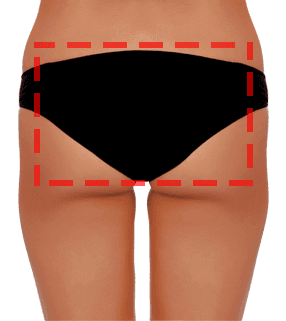
A BBL is liposuction followed by processing and reinjection of the patient's own fat. The patient-facing choice is not a deep versus superficial “type”: the safety-critical standard is keeping all injected fat in the subcutaneous layer above the gluteal fascia and muscle.
- Real-time ultrasound-guided, subcutaneous-only injection — The surgeon uses ultrasound continuously during fat placement to see the cannula and confirm that it remains in subcutaneous tissue. This is intended to avoid deep injection and injury to large gluteal vessels associated with pulmonary fat embolism. A 2026 meta-analysis of 38 studies and 22,151 patients reported lower major complications with ultrasound guidance than without it (0.02% versus 0.08%) and the lowest reported complication rates with subcutaneous-only placement; it also called for better standardized prospective research. Read the meta-analysis.
- Donor-area contouring — Liposuction of the abdomen, waist, flanks, back, thighs, or other suitable areas supplies graft material and shapes the surrounding silhouette. Donor-fat availability, skin quality, pre-existing asymmetry, and the extent of liposuction limit the feasible result.
- Fat processing and layered placement — Clinics may use washing, filtration, centrifugation, decanting, closed processing, microfat, or small layered aliquots. These handling terms are secondary to continuous ultrasound use, strictly subcutaneous injection, and confirmation that the named surgeon performs the critical grafting stage.
- Conservative or staged augmentation — Limited donor fat, thin soft-tissue coverage, or a request for a large increase can require a smaller first procedure or a later second session. Do not accept deep or intramuscular injection as a solution for inadequate donor fat.
A 2025 review of four observational ultrasound-guided cohorts totaling 6,235 patients found no reported deaths or fat embolisms, but rated the evidence Level 3. This is encouraging evidence, not proof of zero risk.
Why Visit Korea for a Brazilian Butt Lift?
Korea has an established international-patient framework that can help with provider registration and medical-travel logistics. That infrastructure is not evidence that a clinic has BBL-specific experience or uses ultrasound for every fat injection. No high-quality Korean national data were identified for BBL volume, ultrasound-use rates, fat-embolism incidence, revisions, or outcomes compared with other destinations.
- International-provider verification — Use the Medical Korea registered-provider system as one administrative starting point when checking facilities that serve overseas patients. Registration or accreditation alone does not verify BBL safety practices.
- Written safety confirmation — Before booking, obtain written answers on continuous real-time ultrasound during all graft injection, strictly subcutaneous-only placement, the named surgeon performing liposuction and injection, named anesthesia staff, monitored recovery arrangements, emergency transfer, and VTE prevention.
- English continuity documents — Request an English operative summary, medication list, wound-care instructions, emergency contact route, and remote-follow-up plan before leaving Korea. These documents are particularly important because complications can appear after return home.
- Evidence limitation — Do not use social-media results, a destination reputation, or general medical-tourism services as proof of safe gluteal fat grafting. The decisive safeguards are technique, clinical setting, anesthesia planning, clot-risk assessment, and documented postoperative support.
Key Information for International Patients
- Minimum stay — Plan for an in-person examination and testing period, surgery, monitored recovery, and at least one postoperative review. A practical planning minimum is 10–14 days after surgery, not a universal medical clearance interval.
- Flight timing — Do not fix the return flight until the operating surgeon clears travel. Long-haul flights combine prolonged sitting with a postoperative period of increased VTE risk; extensive liposuction, anemia, wound concerns, poor mobility, pain, or elevated clot risk can require a longer stay. CDC guidance identifies surgery and prolonged travel as VTE risk factors.
- Sitting and itinerary restrictions — Direct sitting is commonly restricted for about 6–8 weeks, though the exact schedule differs by surgeon. Avoid itinerary plans that require long transfers, tours, strenuous walking, nightlife, or sustained seated activities during the first 1–2 weeks.
- Companion and discharge — Arrange a responsible adult companion for discharge and the first postoperative night. They should be able to help with medication, food, garments, mobility, transport, and urgent care access.
- Remote follow-up — Set up scheduled video or photo reviews and identify a clinician at home before travel. Keep the Korean clinic's English emergency contact information and operative records accessible.
- Travel-clot plan — Ask the surgeon about an aisle seat, walking breaks, calf exercises, hydration, compression stockings, and whether individualized medication-based VTE prevention is appropriate. Do not self-start aspirin or anticoagulants for a flight.
Travel note: Return travel should depend on healing, mobility, pain control, oxygenation, and an individualized clot-risk assessment—not a package itinerary or a pre-booked flight date.
Which Are the Best Clinics in Korea for Brazilian Butt Lift?
Listed below are some of the best clinics in Korea for brazilian butt lift.
1. Lydian Plastic Surgery Clinic
For a Brazilian butt lift, you can expect fat harvesting and transfer planned around your waist, pelvis, chest circumference, and overall proportions rather than a one-size-fits-all contour. Lydian describes a stem-cell-enriched fat-grafting approach, temperature-controlled processing at 4°C, and uniform fat preparation intended to support smooth, balanced volume enhancement.
- URL: Lydian Plastic Surgery Clinic Website
- Location: Gangnam-gu, Seoul
- Fat-grafting approach:
- The clinic states that it extracts and concentrates stem cells from harvested fat using centrifuges operated at 4°C.
- It reports using an Edinizer device to standardize fat-cell cluster size, with the aim of reducing uneven contours and allowing denser graft placement.
- Its stated fat-graft survival estimate is 50–60% with its stem-cell approach, compared with a cited typical range of 20–30%; individual results can vary.
- Planning and contouring:
- Anatomy-based body design considers your individual waist length, pelvis size, chest circumference, proportions, and curves.
- Quantificare 3D imaging is used for pre-surgical design and to document results with 3D video imaging.
- Surgical environment and aftercare:
- Stem-cell separation and concentration are described as taking place in double-door sealed cleanrooms with Clean Class 10,000 air quality and HEPA filtration, approved by the Ministry of Health and Welfare.
- Aftercare addresses swelling reduction, lumpiness correction, skin-elasticity recovery, and residual-fat contouring.
- Body-sculpting expertise:
- Dr. An is described as having more than two decades of body-sculpting experience and as Director of the 5D Liposculpture Academy.
- The clinic also offers liposuction, 5D liposculpture, tummy tuck procedures, full-face fat grafting, and stem-cell therapy.
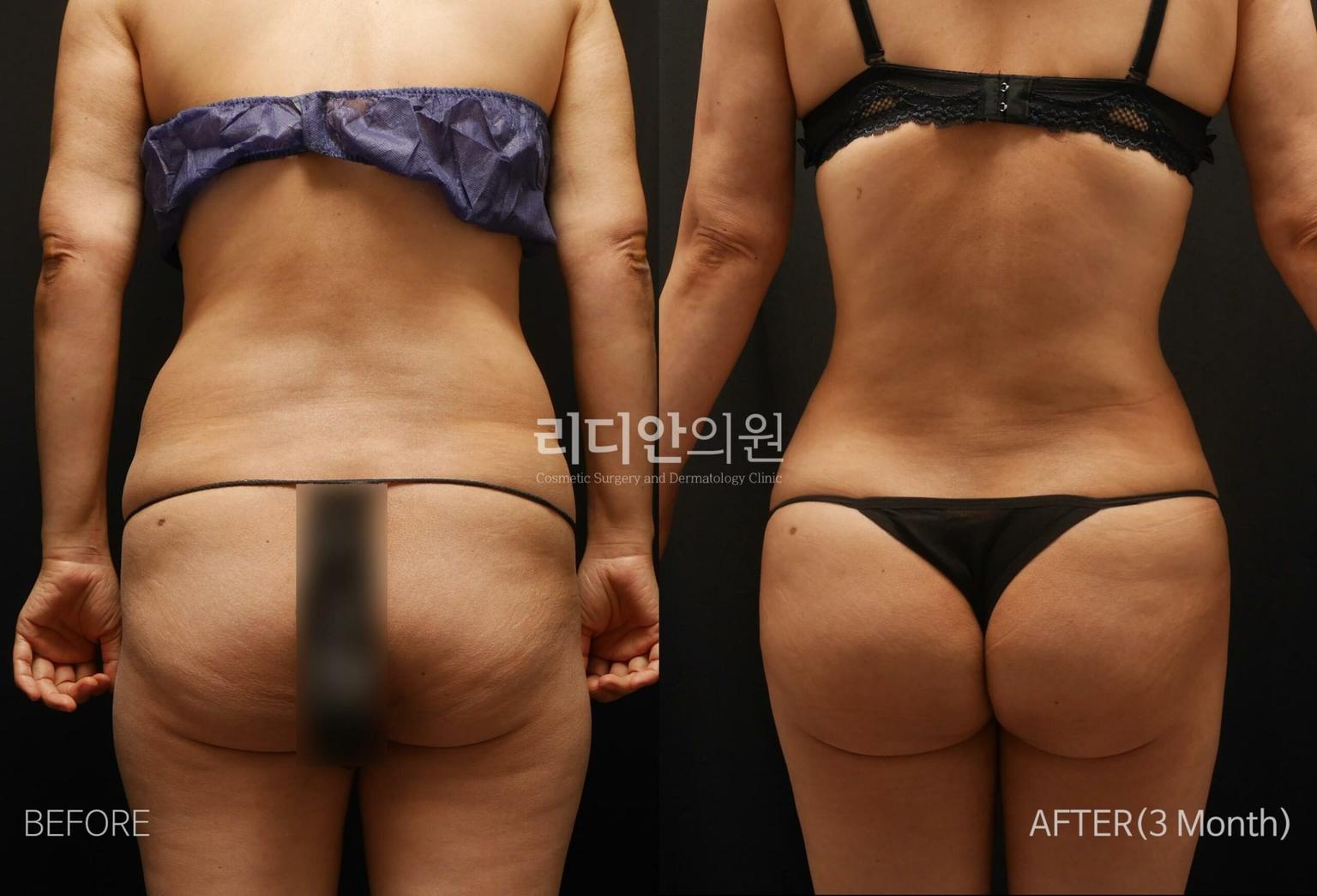
2. THEPLUS Plastic Surgery
For Brazilian butt lift planning, THEPLUS Plastic Surgery’s supplied information is centered on body-contouring liposuction rather than describing a specific buttock fat-transfer technique. You can explore localized fat removal as part of a broader body-shaping consultation, while confirming directly whether BBL surgery, donor-area planning, and fat-transfer details are available for your goals.
- URL: THEPLUS Plastic Surgery Website
- Location: Gangnam-gu, Seoul
- Body contouring: Liposuction is offered to remove localized fat deposits and shape specific areas of the body; the clinic notes that it is intended for contour improvement rather than overall weight loss.
- Surgical team and academic roles:
- Dr. Kim is described as a board-certified plastic surgeon with research awards related to 3D implants and educational sessions for other plastic surgeons.
- Dr. Jeong is described as President of the Korean Society of Plastic Surgeons and as a frequent conference speaker and educator.
- Dr. Lee is described as a board-certified plastic surgeon with breast-augmentation specialization and prior experience as a Surgery Specialist at Seoul National University Hospital.
- Other available services: The clinic lists eye surgery, rhinoplasty and revision rhinoplasty, facial contouring, facelift and thread lift, face fat grafting, breast surgery, and stem-cell treatment.
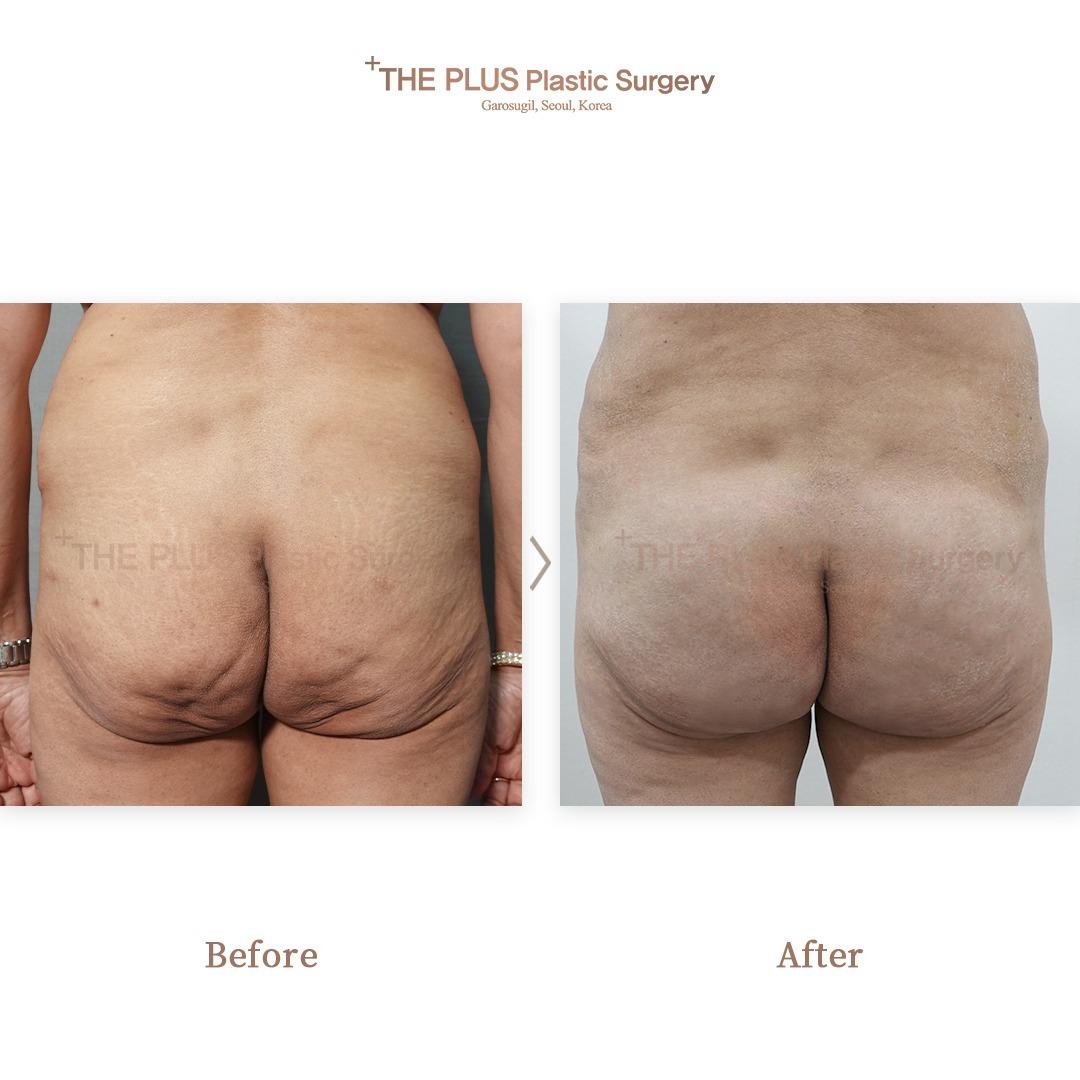
3. 365mc Hospital
If you are considering a Brazilian butt lift, 365mc Hospital’s documented strength is the liposuction and body-contouring side of treatment, including an Hourglass Hip program, rather than a detailed description of buttock fat transfer. You can expect a body-contouring-focused setting with individualized recovery support and nutrition guidance; confirm whether fat grafting for a BBL is offered and appropriate for you.
- URL: 365mc Hospital Website
- Location: Gangnam-gu, Seoul
- Liposuction and contouring:
- 365mc specializes in obesity treatment, body contouring, and fat reduction, with liposuction performed in a hospital setting.
- The clinic treats areas including the abdomen, back, chest, hips, neck, thighs, and arms.
- Its Hourglass Hip program is described as a customized body-contouring option for an hourglass silhouette.
- The M.A.I.L. system uses motion capture and artificial-intelligence-assisted real-time surgical feedback for liposuction.
- Recovery support:
- On the day of surgery, the clinic provides one-to-one intensive care in a dedicated Recovery Center.
- A structured seven-week post-operative program is described, including hyperbaric oxygen chamber therapy and personalized dietary consultations.
- Additional fat-reduction option:
- LAMS is a local-anesthetic, minimally invasive fat-reduction service combining fat extraction and fat-dissolving injections; it is distinct from surgical fat transfer.
- Personalized dietary consultations and a meal-diary app are available to support longer-term weight-management habits.
How Much Does a Brazilian Butt Lift Cost in Korea?
A Brazilian Butt Lift is listed at ₩7,700,000–₩11,000,000 (approximately US$5,700–$8,200). Individual quotes vary because the procedure combines liposuction, fat processing, and gluteal fat transfer, with the operative plan determined by anatomy and safety requirements.
| Procedure Price | Korean Won (₩) | USD ($) |
|---|---|---|
| Low Price | ₩7,700,000 | $5,700 |
| High Price | ₩11,000,000 | $8,200 |
Exchange rate as of 2026-09-06: 1 KRW = 0.000741 USD.
What Affects the Price?
- Number and extent of liposuction donor areas — Harvesting fat from the abdomen, flanks, back, thighs, or multiple areas requires more contouring, aspiration, access sites, and operating time than a limited donor-area plan. Broader 360 liposuction also increases compression-garment and postoperative monitoring needs.
- Amount of available donor fat and staged augmentation plan — Limited donor fat or a conservative volume goal can require a smaller initial transfer; a staged plan requires a separate surgical session with additional liposuction, fat processing, anesthesia, facility time, and recovery care. A large requested result should not be pursued through unsafe injection depth or excessive liposuction.
- Continuous real-time ultrasound-guided, subcutaneous-only injection — A safety-focused BBL requires real-time ultrasound throughout fat injection to confirm that the cannula remains in the subcutaneous plane above the gluteal fascia. This adds imaging equipment, trained operating-room workflow, and time, but addresses the critical risk of deep or intramuscular injection.
- Anesthesia, monitored recovery, and postoperative reviews — The operative extent and clinical condition determine anesthesia requirements, monitored recovery, and whether observation extends beyond routine discharge. Overseas care also requires in-person postoperative review before departure, with written follow-up and emergency arrangements.
Cost tip: Request an itemized quote that states what is included, particularly the liposuction areas, anesthesia, continuous real-time ultrasound guidance for subcutaneous-only injection, facility and recovery use, garments, medicines, and scheduled postoperative reviews.
The US$5,700–$8,200 conversion is approximate, based on the exchange rate dated 2026-09-06. Check the exchange rate again when budgeting.
Brazilian Butt Lift From Start to Finish
- Remote screening and consultation — Submit requested photographs, medical history, prior-operation details, medicine and supplement lists, nicotine use, allergies, and goals. Confirm whether English consultation and written English consent and aftercare materials are available. Remote images are screening tools, not final operative planning.
- Safety questions before travel — Obtain written confirmation of subcutaneous-only grafting, continuous real-time ultrasound guidance during injection, the surgeon who performs the injection, anesthesia arrangements, emergency-transfer capability, VTE planning, required Korea stay, and the postoperative review schedule.
- In-person examination and testing — The surgeon examines donor areas, skin quality, buttock shape, asymmetry, and achievable volume. Expect medical and anesthesia assessment, photographs, laboratory testing when indicated, markings, and consent covering fat embolism, DVT/PE, anesthesia complications, bleeding, infection, contour irregularity, fat loss, and possible revision.
- Anesthesia and liposuction — On surgery day, anesthesia is administered according to the agreed plan. The surgeon removes fat from selected donor areas, commonly the abdomen, flanks, back, or thighs, through liposuction.
- Processing and gluteal fat transfer — Harvested fat is processed, then placed in small deposits while the surgeon uses real-time ultrasound to keep the cannula in the subcutaneous plane. Intramuscular or deep-plane placement is not an acceptable cosmetic tradeoff because of the historical association between deep injection and fatal pulmonary fat embolism. Professional safety guidance emphasizes avoiding deeper planes.
- Monitored recovery and discharge — Recovery staff monitor pain, nausea, mobility, drainage, and overall clinical condition. Depending on the extent of liposuction, anesthesia, and recovery status, discharge can follow monitoring or the team can recommend overnight observation.
- Early postoperative reviews in Korea — Attend all wound and recovery checks before departure. Expect soreness, bruising, swelling, drainage from liposuction access sites, compression-garment instructions, and limited mobility during the first 1–2 weeks.
- Return-home follow-up — Leave with an English operative summary, medication list, wound-care plan, warning signs, and remote-review schedule. Send requested photographs and seek local urgent or emergency care immediately for serious symptoms rather than waiting for an overseas reply.
Alternatives to a Brazilian Butt Lift
Non-surgical options avoid anesthesia and liposuction but deliver smaller or more gradual contour change and often require repeat treatment. Surgical alternatives can help when donor fat is inadequate or loose skin is the main problem, but they bring their own recovery burdens, scars, or device-related risks.
Buttock Implants
Buttock implants can provide volume when there is insufficient donor fat for grafting.
- Best tradeoff — Implants do not depend on fat availability or retention, but introduce risks of infection, malposition, capsular contracture, discomfort, wound problems, and later revision or removal.
Hip-Dip Fat Grafting
Hip-dip fat grafting targets lateral indentation rather than major overall buttock enlargement.
- Best tradeoff — A more limited contour goal can require less volume, but it remains gluteal fat grafting and requires the same continuous ultrasound-guided, subcutaneous-only safeguards.
Sculptra or Body Fillers
Sculptra and body fillers can provide modest staged contour change without liposuction.
- Best tradeoff — These treatments do not create the body-contouring effect of 360 liposuction and fat transfer. Repeat sessions are usually needed, and risks include nodules, infection, and vascular complications.
Buttock Thread Lift
A butt thread lift aims for a limited lifting effect in selected patients.
- Best tradeoff — Threads do not add the volume, projection, or waist-contouring change of a BBL.
Buttock Liposuction or Body Contouring
Buttocks liposuction reduces selected fat deposits without grafting.
- Best tradeoff — It can refine adjacent contours but cannot add buttock volume. Patients with major [skin laxity after weight loss](/blog/skin-laxity-after-weight-loss-korea) may instead need an excisional body-lift discussion, which entails larger scars and more invasive surgery.
How Can I Prepare for a Brazilian Butt Lift?
- Disclose every medicine and substance — Give the surgeon and anesthesiologist a complete list of prescription drugs, over-the-counter medicines, aspirin, NSAIDs, anticoagulants, antiplatelets, diabetes medicines, GLP-1 medicines, steroids, estrogen-containing contraception or HRT, vitamins, herbal products, cannabis, and recreational substances. Do not stop prescribed treatment without instructions from the prescriber, anesthesiologist, and surgeon.
- Stop nicotine early — Stop smoking, vaping, nicotine pouches, patches, gum, and other nicotine exposure for the interval required by the surgeon. A minimum four-week cessation period before surgery is commonly supported in plastic-surgery literature; remain nicotine-free during healing.
- Follow fasting instructions exactly — The facility will provide a fasting schedule for anesthesia. Tell the team about diabetes, reflux, delayed gastric emptying, and GLP-1 treatment because these can change the plan. Anesthesia fasting guidance requires individualized consideration for relevant medical conditions.
- Protect treatment areas — Avoid sunburn, tanning, abrasions, waxing, and active infection over planned liposuction and grafting sites. Report any fever, rash, cough, urinary symptoms, or new illness promptly.
- Arrange recovery logistics — Book accommodation close to the surgical facility and emergency care, private transport after anesthesia, loose front-opening clothing, and a responsible adult companion. Do not plan sightseeing, long road trips, or rail travel in the early recovery period.
- Keep flights flexible — Book changeable return travel and budget for a longer stay. Medical clearance, not a fixed itinerary, determines safe departure.
- Plan home continuity — Identify a local clinician or urgent-care option before departure and save the clinic's emergency contacts. Bring records of relevant medical conditions and enough routine medication for the trip.
Travel note: Long-haul return travel requires a specific plan for limited sitting and postoperative VTE risk. Ask the operating surgeon for written flight instructions before travel.
Confirm the treating clinic's specific testing, fasting, medication, garment, companion, and nicotine requirements; the operating doctor's individualized instructions take precedence over general guidance.
Aftercare Advice
Protect the grafted buttocks from direct pressure, keep moving in short cleared intervals, and treat breathing or chest symptoms as an emergency.
- Pressure and sleep — Avoid direct sitting on the grafted buttocks for the period specified by the surgeon, commonly about 6–8 weeks. Use side or stomach sleeping and a surgeon-approved pressure-relief aid only as instructed; protocols differ materially between surgeons.
- Walking and exercise — Take short, frequent walks once cleared to reduce immobility. Avoid strenuous exercise, heavy lifting, running, squats, and lower-body resistance training until the surgeon clears them.
- Garments and incision care — Wear the prescribed compression garment as directed for liposuctioned areas while avoiding unwanted compression of grafted tissue. Keep incisions clean and dry, take only medicines the surgical team has prescribed or cleared, and do not use aggressive massage over the buttocks unless specifically prescribed.
- Heat, water, and sun — Avoid baths, swimming, hot tubs, saunas, and wound soaking until incisions are sealed and the surgeon approves. Protect healing incision marks from sun exposure; use SPF 50 on healed, exposed scars when cleared.
- Urgent warning signs — Seek emergency care immediately for sudden shortness of breath, chest pain, fainting, confusion, coughing blood, rapid or irregular heartbeat, or rapidly worsening symptoms. Seek urgent assessment for one-sided leg swelling, pain, warmth, or discoloration; fever; spreading redness; foul drainage; wound opening; black or gray skin; rapidly worsening pain or swelling; persistent vomiting; or inability to drink or urinate.
- Results and reviews — Swelling and contour change continue for months, and some transferred fat is resorbed. Assess more stable retention at 3–6 months; do not plan revision until healing and fat retention have stabilized.
Follow the treating doctor's written instructions for sitting, garments, massage, exercise, wounds, and flights, and contact the clinic promptly when anything appears wrong. Do not wait for a remote reply before seeking local emergency care for chest, breathing, fainting, or severe leg symptoms.
Frequently Asked Questions
Related Blogs
Double Chin Liposuction in Korea: Candidacy, Recovery, Travel Timing, and Alternatives
Double chin liposuction removes superficial submental fat through tiny incisions using tumescent fluid and a narrow cannula, with neck lift or chin procedures considered for lax skin, muscle bands, or weak chin projection. International patients visiting Korea should plan a 7–10 day stay, compression and early follow-up, flexible flights, and remote aftercare arrangements.
Updated: Oct 12, 2026
Bra Line Fat: Back Liposuction in Korea
Considering Korea for bra line fat? This guide explains back liposuction—from tumescent, ultrasound-assisted liposuction (UAL) and power-assisted liposuction (PAL) to laser-assisted liposuction (SmartLipo)—plus radiofrequency-assisted lipolysis (BodyTite), Renuvion, and non-surgical options like CoolSculpting and deoxycholic acid. For excess skin, we outline the bra-line back lift and trunkplasty,
Updated: Oct 12, 2026
Upper Back Rolls Treatment in Korea: CoolSculpting and Back Liposuction
Struggling with “bra bulge” or upper back rolls? Our guide explains the medical side—dorsocervical fat pad (buffalo hump), lipedema, and lipoma—and compares treatment options in Korea. Learn who qualifies for CoolSculpting and back liposuction (including VASER and laser-assisted techniques), recovery timelines, costs, and all-inclusive medical tourism packages. Discover why Korea’s technology, sur
Updated: Oct 12, 2026
Full Face Fat Reduction with Face Liposuction in Korea: Ultimate Guide to a Slimmer Look
Discover how Korea leads in facial fat treatments like submental liposuction and buccal fat removal for full face fat and round face concerns. This comprehensive guide highlights medical causes such as Moon Facies and offers expert insights into cosmetic procedures available in South Korea. Learn about costs, recovery, and choosing the right procedure for a more sculpted, confident look—all within
Updated: Oct 12, 2026
Clinics offering Brazilian Butt Lift
BongBong Plastic Surgery Dermatology Korea | Body, Breast & Aesthetic Treatments
Nonhyeon

365mc Hospital: Korea's Leading Liposuction and Body Contouring Clinic with Innovative AI Technologies and Comprehensive Patient Care
Gyodae

THEPLUS Plastic Surgery Korea | Eye, Nose, Face & Body Surgery
Sinsa

Lydian Plastic Surgery Clinic in Korea: Superior Cosmetic Procedures by World-Renowned Expert Dr. An Kyung Chun
Apgujeong