
Medical Tourism Blog
Rejuvenate Menopausal Jowls with Face Lift Procedures in Korea for Youthful, Shape-Enhancing Results
Table of contents
- The Facelift Procedure (Rhytidectomy): A Detailed Medical Overview
- Navigating a Facelift in South Korea: A Medical Tourist's Guide
- Which Are the Best Clinics in Korea for Menopausal Jowls?
- Cost Analysis: Facelift in South Korea vs. Global Medical Tourism Destinations
- Patient Perspectives: Addressing Menopausal Jowls with a Facelift
- Conclusion: Informed Decisions for Rejuvenation
- References
Considering treatment in Korea? Everything you need to know e.g. — how to avoid scams, visas, interpreters, recovery tips — in our Medical Tourism Master Guide. Plan with confidence in minutes, not weeks!
Menopausal jowls are a noticeable change in facial appearance, marked by sagging skin and tissue along the jawline. This change often becomes more visible during and after menopause, altering facial contours and giving an aged look. Along with jowls, deepening fold lines from the nose to the mouth and loose skin or excess fat under the chin are common signs.
The root cause of menopausal jowls lies in hormonal and physiological shifts. A key factor is the sharp decline in estrogen during menopause. Estrogen is vital for skin health because it supports collagen and elastin production—proteins that keep skin firm, elastic, and hydrated. When estrogen drops, collagen production falls dramatically—about 30% within the first five years of menopause, then around 2% annually over the next two decades. This loss weakens skin structure, causing sagging and wrinkles.
Menopause also causes fat redistribution. Facial fat, especially in the cheeks, diminishes, leading to a hollowed look. Meanwhile, fat shifts to areas like the abdomen and thighs. This loss of facial volume worsens sagging and deepens smile lines. The downward movement of cheek fat directly contributes to jowl formation.
Another important but often overlooked factor is bone density loss in the jaw and facial bones. As bone mass decreases, the mid-face hollows, the chin narrows, and jawline definition fades, making jowls more prominent. These combined effects on skin, fat, and bone show that menopausal facial aging is a complex structural issue. Effective treatment often requires addressing multiple layers—skin, fat, muscle, and bone—making surgical options like facelifts a comprehensive solution.
Menopause also slows blood flow to the skin, reducing nutrient delivery and cell renewal, which thins the skin. Lower melanin production increases sun sensitivity, and decreased oil gland activity causes dryness and itchiness.
People searching online about these changes may use various terms. Knowing these common synonyms helps in communication and research.
Table 1: Common Pseudonyms and Related Terms for Menopausal Jowls
| Term | Description |
|---|---|
| Jowls | The direct term for sagging skin and tissue along the jawline. |
| Sagging Skin | General term for loose, drooping facial skin. |
| Slack Skin | Similar to sagging skin, indicating lack of firmness. |
| Turkey Neck | Colloquial term for sagging skin and wrinkles in the neck area, often with jowls. |
| Loss of Jawline Definition | Result of jowl formation and bone loss, where the jawline contour becomes less distinct. |
| Double Chin | Skin and fat sagging below the jawline, often alongside jowls. |
Beyond aesthetics, menopausal changes impact oral health, a fact many women overlook. Studies show 84% of women over 50 are unaware of menopause’s effects on oral health, and only 2% discuss it with their dentist. Jawbone density loss can cause loose teeth, jaw pain, and gum recession. Dentists can detect and manage these issues early, highlighting the importance of a holistic approach that includes dental care alongside facial treatments.
The emotional impact of menopausal jowls is significant. Many describe the desire to "reconnect with a sense of self," gain an "emotional boost," "reclaim vitality," and achieve "enhanced self-confidence." This shows that addressing jowls is not just about looks but about aligning appearance with how one feels inside, making the search for solutions deeply personal and meaningful.
The Facelift Procedure (Rhytidectomy): A Detailed Medical Overview
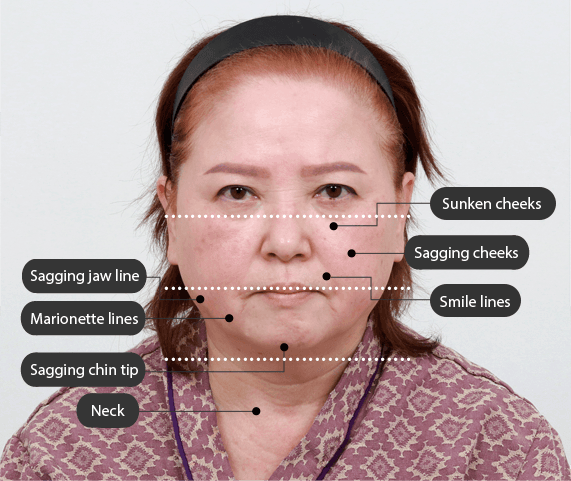
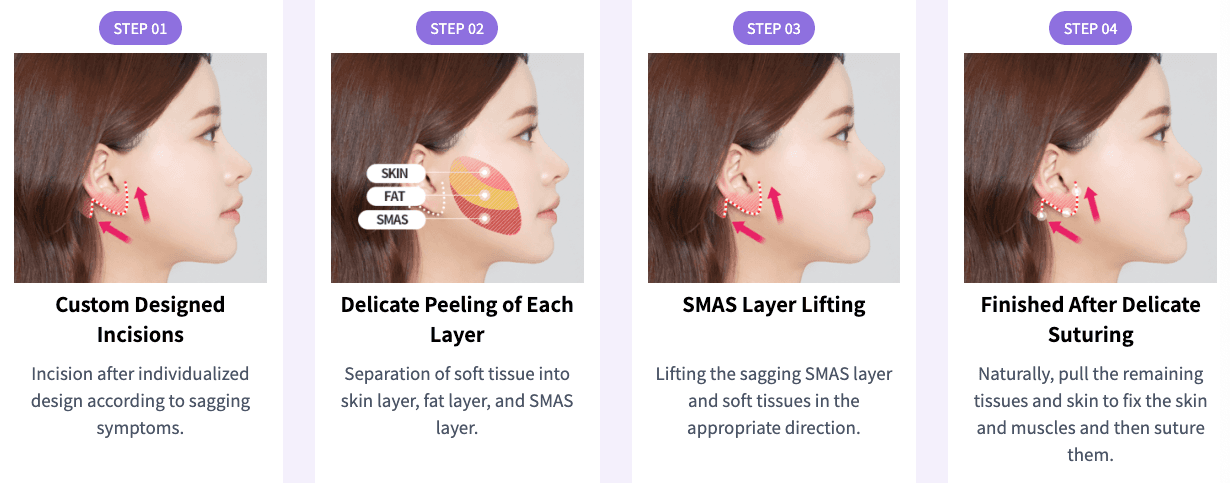
A facelift, or rhytidectomy, is a surgical procedure designed to reverse visible signs of aging in the face and neck. It repositions sagging tissues, tightens muscles, and removes excess skin to restore a youthful, natural appearance.
Facelifts offer multiple benefits: smoother, tighter skin; reduced wrinkles and folds like nasolabial lines; improved cheek volume and contour; and a more defined jawline by eliminating jowls and sagging under the chin. Results often make patients look 10 to 15 years younger.
Common Facelift Techniques
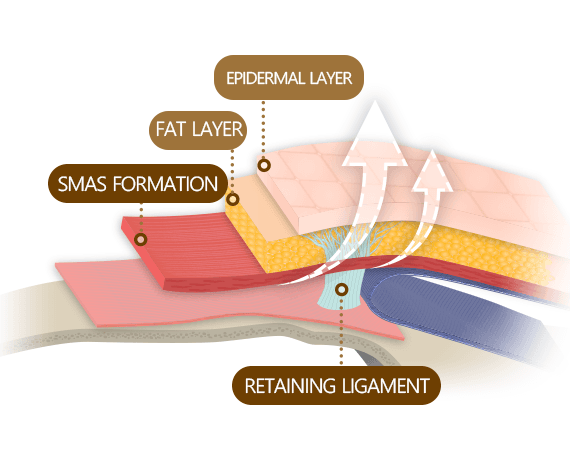
Surgeons tailor facelift techniques to each patient’s anatomy and goals for natural, lasting results:
- SMAS Facelift: Targets the superficial musculoaponeurotic system (SMAS), a tissue layer beneath the skin, lifting and tightening it for significant contouring.
- Extended SMAS Facelift: A more extensive version of the SMAS technique, elevating deeper tissues for a broader lift.
- Deep Plane Facelift: Repositions muscle and fat layers beneath the SMAS, releasing attachments for maximal lift and natural results. Often includes repositioning cheek fat pads.
- Mid-Facelift: Focuses on the central face—cheeks and area around the nose and mouth—lifting sagging cheeks and smoothing nasolabial folds with discreet incisions.
Facelifts have limitations: they don’t soften dynamic wrinkles caused by muscle movement, fix skin texture or discoloration, lift brows or eyelids (which need separate procedures), or change bone structure. Understanding these limits helps set realistic expectations.
Table 2: Facelift Techniques and Their Primary Aims
| Technique | Description | Primary Aim |
|---|---|---|
| SMAS Facelift | Lifts and tightens the SMAS layer beneath the skin. | Significant contouring with natural, long-lasting results. |
| Extended SMAS Facelift | More extensive elevation and repositioning of deeper SMAS tissues. | Comprehensive lift across a broader facial area. |
| Deep Plane Facelift | Repositions muscle and fat beneath SMAS, releasing attachments for maximal movement. | Natural-looking, longer-lasting lift; often repositions cheek fat. |
| Mid-Facelift | Targets central face, lifting cheeks and smoothing nasolabial folds. | Lifts sagging cheeks and smooths folds with discreet incisions. |
Pre-Procedure Considerations and Preparation
Before surgery, a thorough evaluation ensures safety and success. Ideal candidates show visible aging signs, are in good health, and have realistic expectations.
Surgeons review medical history, allergies, medications, and may order tests like blood work or EKG. Patients receive instructions to optimize healing: plan 2-3 weeks off work, stop smoking well before surgery, adjust medications that increase bleeding risk, maintain good nutrition, hydration, and sleep, and prepare a comfortable recovery space with supplies and support. A responsible adult should assist for at least 24-48 hours post-surgery. Facelifts can be done in accredited surgical centers or hospitals.
Potential Risks, Complications, and Limitations
Facelift surgery is generally safe with a qualified surgeon but carries risks such as:
- Infection
- Unfavorable scarring
- Hematoma or seroma requiring drainage
- Temporary or rare permanent nerve damage causing numbness or weakness
- Anesthesia reactions
- Facial asymmetry
- Hair loss near incisions
- Poor wound healing or skin loss
- Prolonged swelling
- Skin irregularities or discoloration
- Visible or irritating sutures needing removal
- Unsatisfactory aesthetic results
Rare serious risks include deep vein thrombosis and cardiac or pulmonary complications.
A facelift can turn back the clock but does not stop aging. It doesn’t improve skin texture, discoloration, or dynamic wrinkles. Maintenance treatments may be needed to prolong results.
Facelifts are often combined with other procedures like blepharoplasty, brow lifts, neck lifts, or fat grafting. Non-surgical options such as injectables, thread lifts, ultrasound, radiofrequency, or laser treatments can complement or delay surgery. Because menopausal aging affects multiple facial layers, a multi-modal approach often yields the best, natural results.
Success depends not only on technique but also on the surgeon’s skill, artistic judgment, and communication. Choosing a board-certified, experienced surgeon is essential for achieving satisfying, natural outcomes.
Navigating a Facelift in South Korea: A Medical Tourist's Guide
South Korea has become a top global destination for plastic surgery, with over 114,000 international patients visiting Seoul in 2023. Its appeal lies in high success rates, advanced technology, and expert surgeons.
Seoul’s Gangnam district offers a sophisticated medical tourism ecosystem with multilingual coordinators guiding patients through consultations, surgery, and aftercare. Social media also boosts South Korea’s reputation, as many patients discover clinics through online reviews and posts.
The Step-by-Step Process for International Patients
- Choose a Reputable Medical Tourism Agency: Agencies like Shin Medical simplify scheduling, translation, and travel logistics.
- Initial Consultation: Upon arrival, patients meet a board-certified surgeon, provide medical history, and undergo an exam. The surgeon discusses risks, outcomes, and sets expectations.
- Pre-Surgical Preparations: Patients follow instructions such as avoiding smoking and alcohol, fasting if required, and completing pre-op tests.
- Surgery: Facelifts take about 3-4 hours, followed by a one-night hospital stay.
- Post-Operative Care and Recovery: Patients arrange for assistance during the first 24-48 hours. Bruising and swelling usually subside in 10-14 days; full recovery takes 2-4 weeks, with final results visible after 6 months to 1 year. Sun protection and follow-up visits are essential.
Key Considerations for Planning Your Trip and Recovery
Plan to stay at least 14 days post-surgery for recovery and follow-ups. Budget for accommodation, possibly with nursing care and meals. Use medical tourism agencies to overcome language and cultural barriers. Be aware of extra charges for transfers or therapies. Comprehensive travel insurance covering medical emergencies is recommended.
South Korea’s medical tourism sector is dynamic, aiming to innovate beyond surgery into wellness tourism, combining physical and mental well-being for future comprehensive makeover experiences.
Which Are the Best Clinics in Korea for Menopausal Jowls?
Listed below are some of the best clinics in Korea for menopausal jowls.
1. THEPLUS Plastic Surgery
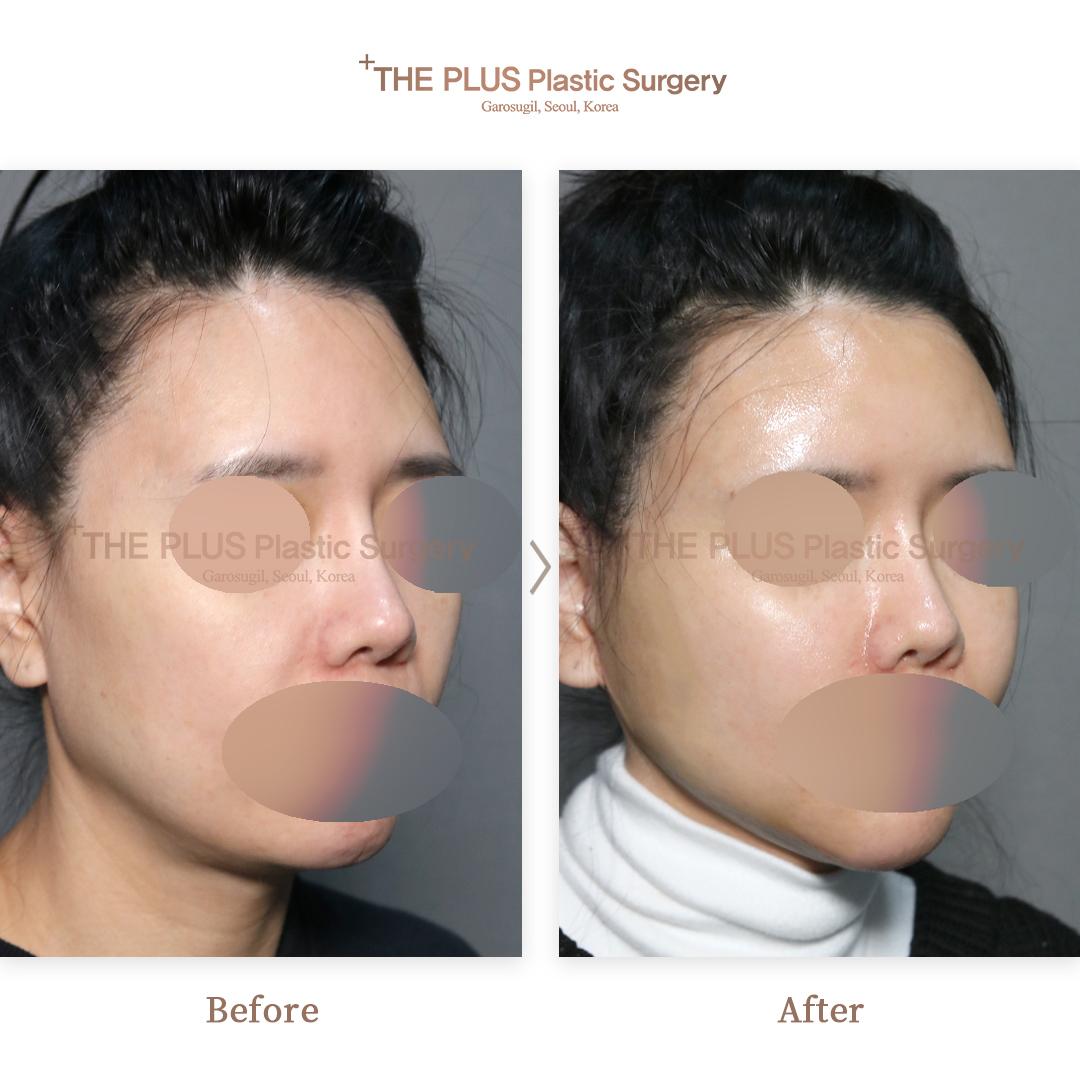
For menopausal jowls, you can discuss a facelift at THE PLUS Plastic Surgery to reposition sagging facial tissue and refine the lower-face contour while aiming to preserve natural facial expression. If your laxity is milder or you also have hollowing, the clinic also offers thread lifting and facial fat grafting as potential components of a tailored plan.
- URL: THEPLUS Plastic Surgery Website
- Location: Gangnam-gu, Seoul
- Lifting options:
- Facelift treatment is described as lifting and repositioning sagging facial tissue to create firmer facial contours.
- Thread lift uses dissolvable threads for mild facial sagging and a less invasive lifting approach.
- Facial fat grafting uses your own fat to restore fullness in areas with volume loss or flattening.
- Relevant surgical expertise:
- Dr. Kim is a board-certified plastic surgeon whose listed areas of expertise include facial contouring and who has received research awards related to 3D implants.
- Dr. Kim’s stated approach emphasizes harmony among facial features and retaining your existing characteristics.
2. Made Young Plastic Surgery
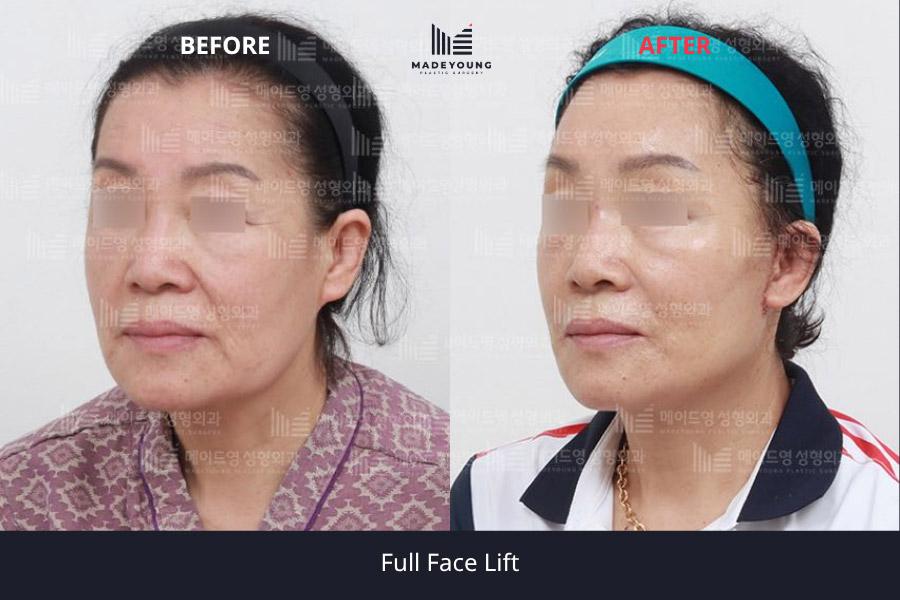
For menopausal jowls, Made Young Plastic Surgery offers a surgical facelift approach that releases stretched supporting tissues beneath the SMAS, then lifts the skin, fat, and SMAS together. The clinic states that it secures the tissues vertically against the direction of sagging, with the goal of comprehensive tightening without over-accentuating the cheekbones; non-surgical thread lifting, ultrasound-based lifting, and neck or double-chin procedures are also available where appropriate.
- URL: Made Young Plastic Surgery Website
- Location: Seocho-gu, Seoul
- Facelift approach:
- Treatment begins with analysis of the areas and causes of facial sagging.
- The stated technique works beneath the SMAS layer and repositions skin, fat, and SMAS together.
- Vertical fixation is intended to support a natural-looking, longer-lasting lift.
- Non-surgical options:
- Dr. Soo-Yeon Park performs the clinic’s signature Silhouette Soft thread lift and is described as a board-certified plastic surgeon with more than 10,000 lifting procedures.
- The clinic also lists Ultherapy, Shurink focused ultrasound, skin boosters, and V-line lifting among non-surgical options.
- Care systems:
- Medical-team consultation and diagnosis are provided before treatment.
- The clinic reports full-time board-certified anesthesiologists, one-to-one anesthetic monitoring, and a dedicated aftercare center.
- Face-lift-related services include neck lift and double-chin lift, which may be relevant when jowls extend into the jawline or neck.
3. LABOM Plastic Surgery
For menopausal jowls, you may consider LABOM Plastic Surgery’s Triple Face Lift, a Deep Plane-based, three-layer procedure that repositions skin, SMAS, and deep malar fat together rather than relying on skin tightening alone. It is designed around your facial structure and degree of aging, with the stated aim of improving jawline laxity, sagging around the mouth, double-chin and neck concerns while maintaining natural expression.
- URL: LABOM Plastic Surgery Website
- Location: Gangnam-gu, Seoul
- Triple Face Lift details:
- The procedure addresses skin, the SMAS layer, and deep fat simultaneously, including repositioning sagging cheek fat.
- Listed target areas include nasolabial folds, marionette lines, jowls, jawline definition, double chin, and neck wrinkles.
- LABOM describes a 3–4 hour procedure under sedation with local anesthesia and an estimated 7–14 day recovery period.
- Individualized planning:
- The clinic states that every procedure is directly performed by a plastic surgery specialist with more than 30 years of clinical experience across facial and hand anti-aging procedures.
- Planning is based on facial anatomy, retaining ligaments, your structure, and the extent of tissue descent.
- Potential customized additions include SMAS grafting, deep fat-pad removal, and platysma muscle sling surgery.
- Recovery and support:
- The clinic lists pre-operative diagnosis, anesthesia monitoring, and high-definition endoscopic technology among its safety systems.
- Aftercare includes regular progress checks and structured management of swelling, bruising, and scars.
- A dedicated aftercare system is described for international patients.
Cost Analysis: Facelift in South Korea vs. Global Medical Tourism Destinations
Cost is a major factor for medical tourists. South Korea balances advanced techniques and skilled surgeons with competitive pricing.
Average Costs of Facelifts in South Korea
- Deep Plane Facelift: $8,000 to $13,000 USD (includes consultations, surgery, anesthesia, post-op care)
- Standard Facelift Packages: $9,000 to $13,000 USD
- Mini Facelift Packages: $2,000 to $6,000 USD
- Premium SMAS Facelift: Starting at $13,500 USD and up
Packages often include consultations, tests, surgery, anesthesia, accommodation, transfers, translation, personalized care, and follow-ups.
Additional costs may include:
- 10% deposit to secure surgery
- Transfers ($50–$150)
- Accommodation with nursing/meals (~$100 per night if not included)
- Recovery therapies ($50–$200 per session)
- Premium add-ons or tours
Cost Comparison with Other Popular Medical Tourism Countries
| Country | Procedure Type | Estimated Price Range (USD) | Typical Savings vs. Western Countries |
|---|---|---|---|
| South Korea | Mini Facelift | $2,000 – $6,000 | 40-65% |
| Standard Facelift | $9,000 – $13,000 | ||
| Deep Plane Facelift | $8,000 – $13,000 | ||
| USA | Standard Facelift | $12,000 – $18,000 | N/A |
| Deep Plane Facelift | $8,000 – $100,000 | N/A | |
| Thailand | Mini Facelift | $2,590 – $3,700 | Generally lower than SK/USA |
| Full Facelift | $3,000 – $6,500 | ||
| Mid-Face Lift | $3,000 – $4,500 | ||
| Turkey | Mini Facelift | $4,000 – $5,000 | 40-70% |
| Full Facelift | $5,500 – $7,500 | ||
| Deep Plane Facelift | $6,000 – $7,500 |
How South Korea Compares from a Medical Tourist Perspective
South Korea offers a unique value: slightly higher prices than Thailand or Turkey but with cutting-edge technology, advanced techniques like deep plane facelifts, and comprehensive patient services. Western patients can save 40-65% compared to home country costs. The focus is on quality, safety, and long-term results rather than just the lowest price.
Surgeon experience and clinic reputation also affect pricing. Top surgeons in Seoul command higher fees due to expertise and operating costs. Medical tourists often prioritize trusted providers over the cheapest option, emphasizing quality and safety.
Patient Perspectives: Addressing Menopausal Jowls with a Facelift
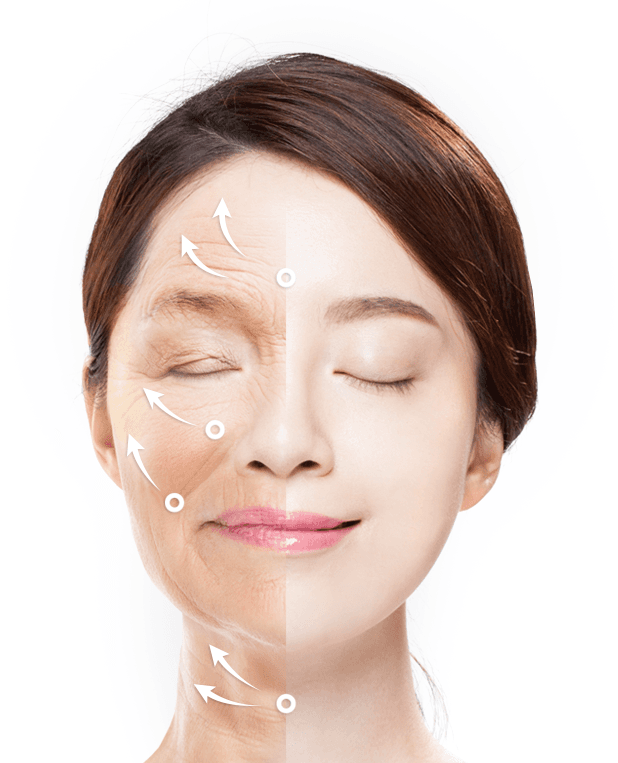
For women with menopausal jowls, facelifts offer significant physical and emotional benefits. The procedure improves lower face and neck laxity, removes jowls, tightens skin, reduces deep creases, enhances cheek volume, and restores jawline definition. Many patients feel they look 10 to 15 years younger. Modern techniques aim for natural, age-appropriate results without an overdone look.
Realistic expectations are vital: facelifts don’t stop aging or fix skin texture, discoloration, or dynamic wrinkles. Complementary treatments like laser resurfacing or injectables may be needed for full rejuvenation.
Insights from Patients Who Have Undergone Facelifts for Menopausal Jowls
Patients often describe a transformation beyond appearance, bridging the gap between how they look and feel inside. Many report high satisfaction, saying things like, "My results are better than I hoped," or "I look 15 years younger." They rarely regret the decision and note a boost in self-confidence and emotional well-being, which improves personal and professional life. This "new lease of life" is a common theme.
Recovery can be challenging with swelling and bruising, which usually resolve in two weeks, but final results take up to a year. Scars tend to be minimal and improve over time. Many women find menopause a good time to dedicate to healing and transformation.
The idea of a "menopause makeover" has grown, combining facial rejuvenation with body contouring and breast enhancements. Menopause often offers women the time and motivation to pursue these changes proactively.
Long-Term Benefits and Maintenance
Facelift results typically last 10 to 15 years or more. Maintenance treatments like Botox, fillers, and Ultherapy, along with good skincare, help prolong results. Procedures during menopause are designed to look natural and age-appropriate, supporting both physical and emotional wellness. Many women report improved quality of life and satisfaction after their makeover.
Conclusion: Informed Decisions for Rejuvenation
Menopausal jowls arise from hormonal changes, fat shifts, and bone loss, creating a complex aging challenge. Facelifts offer a powerful surgical solution by repositioning tissues, tightening muscles, and removing excess skin to restore a youthful jawline and smoother contours. Realistic expectations are key: facelifts reverse visible aging but don’t stop the process or fix all skin issues. Combining surgery with non-surgical treatments often yields the best results. Choosing a skilled, board-certified surgeon is crucial for natural outcomes and satisfaction.
South Korea stands out as a leading medical tourism destination, offering advanced techniques, expert surgeons, and comprehensive patient care. While costs may be higher than some countries, the value in quality and support often justifies the investment. Careful planning ensures a smooth experience.
Ultimately, addressing menopausal jowls with a facelift goes beyond appearance, delivering emotional and psychological benefits that help women feel confident and aligned with their inner vitality. Though recovery requires patience, the lasting transformation is deeply rewarding.
References
1, 2, 3, 4, 5, 6, 7, 8, 9, 10, 11, 12, 13.), 14, 15, 16, 17, 18, 19, 20, 21, 22, 23, 24, 25, 26, 27
Frequently Asked Questions
Related Blogs
Renuvion in Korea: Methods, Recovery, Risks, and Travel Planning
Renuvion uses helium-plasma radiofrequency energy beneath the skin, alone or after liposuction, to address mild-to-moderate localized laxity; Dermal resurfacing treats surface wrinkles with an external ablative handpiece. The article covers candidacy, alternatives, preparation, recovery, risks, Korea travel planning, and the need for surgeon clearance before flying.
Updated: Oct 13, 2026
Temporal Lift in Korea: Methods, Recovery, Risks and Travel Planning
A temporal lift elevates the outer brow through temporal scalp incisions, using open, subcutaneous, endoscopic, or combined techniques chosen for brow position, hairline, and eyelid anatomy. The article covers candidate screening, Korea facility and surgeon verification, a 10–14-day stay, recovery restrictions, aftercare, warning signs, and alternatives such as forehead lift, blepharoplasty, and p
Updated: Oct 13, 2026
Premature aging face treatment in Korea: Face Lift options for younger-looking skin
Early onset facial laxity and wrinkles are rising among 30s–40s. Our Korea medical tourism guide explains rhytids and how a rhytidectomy (face lift) can refresh the lower face and neck. Explore options: Deep Plane Facelift, SMAS Facelift, Mini Facelift, Lower Facelift and Neck Lift, plus non-surgical adjuncts. Learn candidacy, recovery timelines, costs, certifications, and tips for planning surger
Updated: Oct 12, 2026
Brow Ptosis in Korea: Forehead Lift and Subbrow Lift Treatment Options
Thinking about Brow Ptosis surgery in Korea? This expert guide explains diagnosis, functional vs cosmetic concerns, and compares a Forehead Lift with a Subbrow Lift—indications, scars, recovery, and costs. It maps the South Korea medical tourism journey (planning, visas, surgery day, follow-ups), highlights surgeon credentials and safety, and shares real outcomes, risks, and patient stories so you
Updated: Oct 12, 2026
Clinics offering Face Lift
RINE Plastic Surgery Clinic | Facelift and Eye Rejuvenation Surgery
Nonhyeon

SH Clinic: Comprehensive Women's, Men's & Couples' Health Services in Korea
Sinsa

THEPLUS Plastic Surgery Korea | Eye, Nose, Face & Body Surgery
Sinsa

Made Young Plastic Surgery: Rejuvenating Aesthetic Excellence in Korea for Face Lifts, Contouring and More
Gangnam Station