
Medical Tourism Blog
Lip Augmentation in Korea: Methods, Safety, Recovery, and Travel Planning
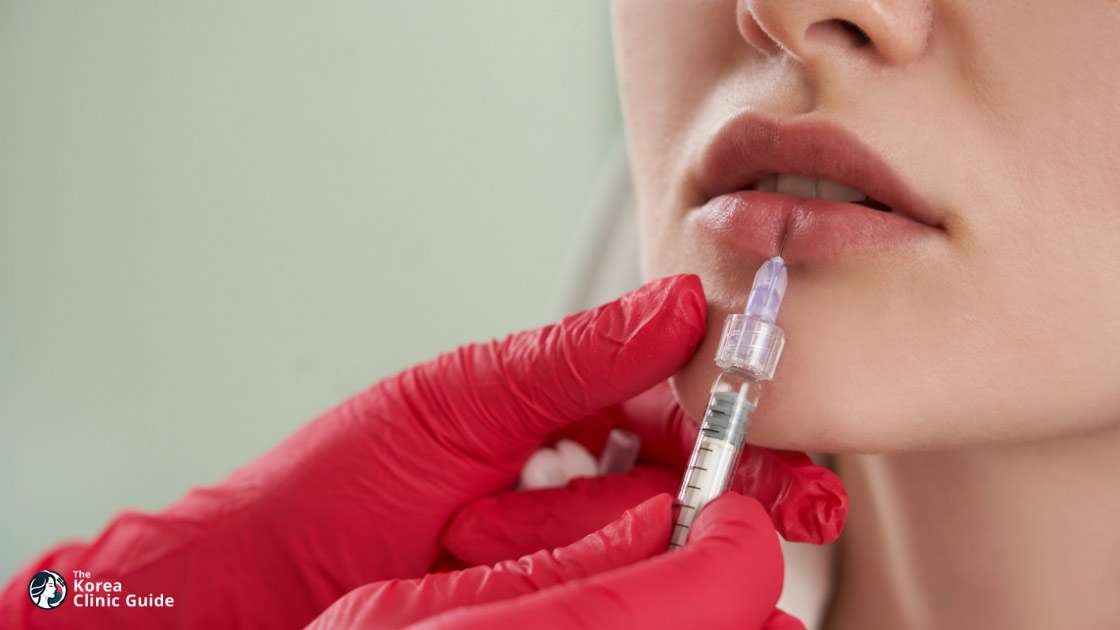
Table of contents
- Lip Augmentation at a Glance
- What Is Lip Augmentation?
- Who Is a Good Candidate for Lip Augmentation?
- How Is Lip Augmentation Performed?
- Why Visit Korea for Lip Augmentation?
- Key Information for International Patients
- Which Are the Best Clinics in Korea for Lip Augmentation?
- Lip Augmentation From Start to Finish
- Alternatives to Lip Augmentation
- How Can I Prepare for Lip Augmentation?
- Aftercare Advice
Considering treatment in Korea? Everything you need to know e.g. — how to avoid scams, visas, interpreters, recovery tips — in our Medical Tourism Master Guide. Plan with confidence in minutes, not weeks!
Last updated: September 2026
Lip Augmentation at a Glance
- Most common option — Lip augmentation most often uses hyaluronic-acid (HA) filler to temporarily add volume, refine the vermilion border or Cupid’s bow, and address selected asymmetry; treatment usually takes 15–45 minutes excluding consultation and numbing.
- Results and longevity — Swelling can distort the lips initially, so the settled HA-filler result is assessed at about 2 weeks; fullness improvement was reported in 91% of participants at 2 months, 74% at 6 months, and 46% at 12 months, with maintenance commonly considered around 6–12 months.
- Recovery timeline — Desk-type activity is often possible the same or next day, but tenderness, swelling, firmness, and bruising are common and may remain visible for up to 2 weeks; avoid strenuous exercise, alcohol, intense heat, and pressure on the lips for 24–48 hours.
- Best candidates — HA filler suits healthy adults seeking a conservative, adjustable trial for true volume or contour concerns; a long philtrum or limited upper-lip show may be better addressed with a surgical lip lift rather than more filler.
- Critical safety risk — Rare vascular occlusion can cause tissue injury, vision loss, or stroke, so severe or increasing pain, pale or dusky/cool skin, spreading discoloration, vision changes, or breathing symptoms require immediate emergency assessment.
- Korea travel planning — Plan at least 2–3 calendar days in Korea after uncomplicated HA filler and avoid a same-day long-haul flight, allowing access to urgent care; request product name, batch number, injected volume, English aftercare, emergency contact, and planned remote review before leaving.
- No Korea-specific advantage — “Korean lip filler” and “cherry lips” are aesthetic labels rather than proven safety or durability categories; prioritize injector credentials, authentic product traceability, immediate hyaluronidase access, and an overseas follow-up plan over destination marketing.
What Is Lip Augmentation?
Lip augmentation is a cosmetic procedure that enhances lip volume, shape, definition, or symmetry, most often with hyaluronic-acid filler. It can address age-related thinning, limited fullness, or contour concerns while aiming for balanced facial proportions. It is usually minimally invasive when performed with filler, while fat transfer, implants, and lip lifts are surgical options.
Who Is a Good Candidate for Lip Augmentation?
- Temporary volume or definition goals — Good candidates want proportionate enhancement of the upper or lower lip, vermilion border definition, Cupid’s bow refinement, or correction of age-related thinning, and prefer a temporary HA-filler trial.
- Anatomy-led goals — Candidates understand that a long philtrum, limited upper-lip show, perioral lines, and natural asymmetry require different treatment plans; adding filler is not the answer to every lip concern.
- Reliable follow-up access — International patients need enough time in Korea for early review and a clear plan for urgent and routine care after returning home.
- Informed decision-making — Suitable patients accept early swelling, bruising, and temporary firmness, and understand that the settled filler result is assessed at about two weeks.
Lip augmentation is for adults whose facial growth is complete and who are in generally good health. Do not inject through an active cold sore, rash, hives, or lip/skin infection; recurrent herpes labialis requires a discussion about antiviral prophylaxis. Postpone elective HA filler during pregnancy or breastfeeding, and seek individualized clearance for uncontrolled autoimmune or inflammatory disease, immunosuppression, bleeding-risk conditions, acute illness, recent or planned invasive dental work, or prior delayed filler reactions. Severe allergy to the selected filler, lidocaine in a lidocaine-containing product, or relevant bacterial-protein residues also rules out that product; untreated body-image concerns or repeated volume escalation warrant reassessment rather than injection.
How Is Lip Augmentation Performed?
Lip augmentation ranges from adjustable HA filler to fat transfer and surgery. The right approach depends on whether the priority is volume, contour, upper-lip show, philtrum length, or a more lasting structural change.
- Hyaluronic-acid filler — Cross-linked HA gel is placed in small deposits with a needle, cannula, or both. Linear retrograde threading, serial puncture, fanning, and microdeposit techniques can be combined for the lip body, vermilion border, Cupid’s bow, and selected perioral lines. HA is temporary and can often be treated with hyaluronidase when clinically indicated.
- Needle and cannula technique — The injector selects the instrument and injection plane based on lip anatomy and the planned deposit. A systematic review of 16 studies involving 3,692 adults found no single HA technique, instrument strategy, or formulation that was demonstrably superior overall.
- Autologous fat grafting — Fat is harvested by liposuction, processed, and transferred to the lips. It avoids manufactured filler and can last longer, but adds donor-site recovery and has variable graft retention; facial fat-grafting evidence remains heterogeneous across harvesting, processing, and follow-up methods.
- Surgical augmentation or implant — Implants, dermal grafts, or mucosal advancement create a more structural change but involve scars, infection, palpability, malposition, removal, and revision risks. They are not equivalent to a reversible filler trial.
- Subnasal lip lift — A bullhorn or subnasal lip lift removes skin beneath the nose to shorten the philtrum and increase upper-vermilion and tooth show. It reshapes the upper lip rather than replacing a primary volume deficit.
Why Visit Korea for Lip Augmentation?
Korea is a practical destination only when the individual clinician, product traceability, complication readiness, and follow-up plan meet the same standard you would require anywhere. Current research does not show that Korean lip-filler styles, products, or techniques produce superior outcomes to comparable care in other countries. Treat social-media terms such as “Korean lip filler” or “cherry lips” as aesthetic references, not safety or durability categories.
- Provider verification resources — Korea’s official Medical Korea registered-provider system gives international patients a starting point for checking participating medical providers; it does not replace confirming the injector’s credentials and scope of practice directly.
- Regulatory information access — The Ministry of Food and Drug Safety publishes English-language regulatory information. Ask the clinic for the exact product name, manufacturer, lot number, expiry date, and injected volume rather than relying on brand descriptions alone.
- Meaningful clinical standard — The strongest evidence supports temporary HA-filler improvement in fullness, not a country-specific advantage: a meta-analysis reported at least a one-grade fullness improvement in 91% of participants at two months, 74% at six months, and 46% at 12 months.
- Complication planning matters — Before booking, confirm written emergency access, immediate hyaluronidase availability for suspected HA-filler vascular compromise, English communication, and overseas follow-up. These operational details cannot be assumed from location or marketing.
Key Information for International Patients
- Minimum stay for HA filler — Plan at least 2–3 calendar days: consultation and treatment on day 1, then access to the treating team during the early post-injection period. This is a risk-management recommendation, not a universal evidence-based no-fly rule.
- Flights — Do not schedule a same-day long-haul departure after lip filler. Rare vascular or allergic complications are time-critical, and there is no reliable procedure-specific evidence that establishes one universally safe flight interval.
- Longer-stay procedures — Plan about 7–10 days for lip fat grafting because the lips and liposuction donor site need review. Plan roughly 10–14 days for a lip lift or other surgical augmentation, subject to wound healing, suture type, and surgeon clearance.
- Itinerary impact — Desk-type activity is often possible the same or next day after uncomplicated HA filler, but visible swelling or bruising can affect photographs, dining plans, and public-facing events for up to two weeks.
- Remote follow-up — Arrange a video or photo review around the two-week mark and obtain an English treatment summary, consent form, product details, injection sites and planes, before-and-after photographs, aftercare instructions, and emergency contact details before departure.
Travel note: Carry the product name and batch number with you. A clinician at home needs this information if delayed swelling, nodules, infection, asymmetry, or possible HA-filler dissolution requires assessment.
Which Are the Best Clinics in Korea for Lip Augmentation?
Listed below are some of the best clinics in Korea for lip augmentation.
1. Geurim Plastic Surgery
For surgical lip enhancement, you can discuss lip reshaping through cheiloplasty at Geurim Plastic Surgery, along with upper-lip procedures that may refine lip position and facial proportions. The clinic also lists bullhorn lip lift and philtrum reduction options, allowing your plan to consider the relationship between your lips, smile, and the area beneath your nose.
- URL: Geurim Plastic Surgery Website
- Location: Seoul
- Lip-focused options:
- Cheiloplasty for lip reshaping with aesthetic and functional considerations.
- Bullhorn lip lift to elevate the upper lip and reduce philtrum length.
- Philtrum reduction surgery for facial-proportion adjustment.
- Gummy smile surgery to reduce gum visibility when you smile.
2. UMI Clinic
You may consider UMI Clinic for a personalized injectable lip-enhancement discussion because its doctor-led aesthetic dermatology care begins with detailed assessment and tailored planning. The clinic offers hyaluronic acid fillers including Juvederm, Restylane, and Belotero; Belotero is specifically described as integrating smoothly and being used around the mouth, which may be relevant when your goal includes subtle refinement in this area.
- URL: UMI Clinic Website
- Location: Seoul
- Injectable options:
- Juvederm hyaluronic acid filler for volume restoration and contour refinement.
- Restylane hyaluronic acid filler for structure and shape-focused definition.
- Belotero, a cohesive hyaluronic acid filler designed for smooth integration, including around the mouth and in thin-skin areas.
- Planning considerations:
- Doctor-led care with detailed assessment and treatment planning tailored to your concerns.
- SkinVive is available when your priority is dermal hydration, radiance, and elasticity rather than noticeable volume.
3. Dr Tak Plastic Surgery
If you are exploring how lip augmentation may fit into broader facial balance, Dr Tak Plastic Surgery offers thorough consultations and tailored surgical planning for facial enhancement. Its listed facial procedures include chin surgery, cheekbone reduction, jaw reduction, and rhinoplasty, which can help frame a discussion of your overall facial proportions; the supplied information does not specify a lip augmentation technique.
- URL: Dr Tak Plastic Surgery Website
- Location: Seoul
- Related facial procedures:
- Chin surgery to enhance or reshape the chin for improved facial proportion.
- Jaw reduction surgery to reshape and slim the lower jaw.
- Cheekbone reduction to address prominent cheekbones and facial contour.
- Rhinoplasty to alter nasal bone, cartilage, or skin structure for facial harmony.
Lip Augmentation From Start to Finish
- Initial contact and virtual consultation — Request English-language communication or an interpreter, send clear photographs at rest and smiling, state prior filler and lip-procedure history, and explain the desired change. Confirm the clinic’s emergency pathway and overseas follow-up process before paying a deposit.
- In-person assessment — The clinician examines lip symmetry, tissue quality, vermilion show, Cupid’s bow, dental show, philtrum length, skin integrity, and animation. Disclose prior facial filler—especially permanent, silicone, or unknown filler—cold sores, allergies, medicines, supplements, dental treatment, and medical conditions.
- Treatment planning and consent — Discuss whether HA filler, fat grafting, a lip lift, or no procedure best addresses the anatomy. For filler, agree on a conservative volume, product, injection areas, expected temporary effects, vascular-occlusion warning signs, and the possibility that a later adjustment is safer than overfilling in one visit.
- Preparation and anesthesia — Straightforward HA filler usually uses topical anesthetic, local anesthetic, or both and does not generally require fasting. Fat grafting or surgery requires preoperative assessment and, when sedation or general anesthesia is planned, clinic-directed fasting and escort arrangements.
- Injection or surgery — HA filler usually takes about 15–45 minutes excluding consultation and numbing. The clinician cleans the lips, injects small anatomy-specific deposits, reassesses contour and proportion, and avoids treating immediate swelling as the final result. Fat transfer includes donor-fat harvesting and processing; lip lift and implant procedures follow the surgical plan.
- Observation and discharge — Review the lips, receive written aftercare and emergency instructions, and confirm how to contact the team outside normal hours. For HA filler, leave only after the clinician is satisfied there are no immediate concerning signs.
- Early recovery review — Use cool compresses and avoid pressure on the lips. Contact the clinic immediately for escalating pain, blanching, dusky or mottled discoloration, cool skin, visual symptoms, or breathing symptoms.
- Remote follow-up after travel — Send requested photographs and complete the planned video review. Assess the settled HA-filler outcome at about two weeks, not on treatment day; discuss maintenance or correction only after swelling has resolved.
Alternatives to Lip Augmentation
Non-surgical choices offer adjustability and shorter recovery but require maintenance. Surgical options address structural anatomy more directly and can last longer, but introduce scars, anesthesia considerations, and a more demanding recovery.
HA Lip Filler
- Best use — A temporary, adjustable trial for volume, contour, Cupid’s bow definition, or selected asymmetry concerns.
- Tradeoff — Results are not permanent; maintenance is commonly considered over about 6–12 months, depending on product, anatomy, volume, metabolism, and treatment goal.
- Related procedure — Read more about lip fillers.
Fat Grafting
- Best use — Patients seeking use of their own tissue and accepting liposuction at a donor site.
- Tradeoff — Retention is variable and a repeat procedure can be needed; evidence does not support one precise lip-specific retention rate.
- Related procedure — Explore facial fat grafting.
Bullhorn Lip Lift
- Best use — An elongated philtrum or limited upper-lip and tooth show rather than simple volume loss.
- Tradeoff — The operation leaves a scar below the nose and does not substitute for volume when the lip itself lacks fullness.
- Related procedure — Learn about a bullhorn lip lift.
Surgical Lip Augmentation or Implant
- Best use — Selected patients seeking a structural, more lasting alteration after specialist surgical assessment.
- Tradeoff — Scarring, infection, palpability, malposition, removal, and revision are important considerations.
- Related procedure — Review lip plastic surgery.
HA Filler Dissolution
- Best use — Clinician-directed reduction of HA filler, including management of some HA-filler complications.
- Tradeoff — Hyaluronidase does not dissolve every filler material and is not a self-treatment or a remedy for all lip concerns.
- Related procedure — See filler dissolver treatment.
How Can I Prepare for Lip Augmentation?
- Medical disclosure — Give the clinician a complete list of previous fillers, lip surgery, allergies, recurrent cold sores, autoimmune or inflammatory disease, bleeding issues, immunosuppressive treatment, and recent or planned dental work.
- Medicines and supplements — Report aspirin, NSAIDs, anticoagulants, antiplatelet medicines, fish oil, vitamin E, ginkgo, and other supplements that can increase bruising. Do not stop prescribed anticoagulants or antiplatelet medicines unless the prescribing clinician approves the plan.
- Cold sores and skin health — Do not attend with an active cold sore, rash, or infection. Discuss antiviral prophylaxis before treatment when cold sores recur.
- Alcohol and nicotine — Avoid alcohol around treatment when feasible because it can worsen bruising and swelling. Stop nicotine as directed, particularly for fat grafting or surgery, because nicotine compromises tissue blood supply and wound healing.
- Fasting and transport — HA filler with topical or local anesthetic usually does not require fasting. Follow fasting instructions exactly for sedation or general anesthesia, and arrange an adult escort and private transport after sedated or surgical treatment.
- Timing and travel — Schedule filler at least two weeks before a major event and keep flights flexible. Choose accommodation that allows rapid return to the clinic if review is needed.
Travel note: Ask for confirmation in writing that the named product will be used, hyaluronidase is available for HA-filler emergencies, and an English-speaking contact is reachable after treatment.
Confirm the treating doctor’s clinic-specific medication, fasting, nicotine, transport, and travel requirements; individualized instructions take precedence over general guidance.
Aftercare Advice
Protect the lips from pressure and monitor them closely during the first 24–48 hours, when time-critical complications need immediate action.
- Cool compresses — Apply a clean cool compress intermittently; never place ice directly on bare lip skin.
- Touch and activity — Do not press, knead, or self-massage the lips unless the injector specifically instructs it. Avoid strenuous exercise for 24–48 hours.
- Heat, alcohol, and sun — Avoid alcohol, sauna, steam rooms, intense heat, and prolonged sun exposure for 24–48 hours. Use SPF 50 on surrounding exposed skin once the skin is intact and follow instructions for lip products.
- Normal early effects — Swelling, tenderness, bruising, firmness, redness, and small palpable irregularities are common early effects. Ordinary desk-type activity is often possible the same or next day, but bruising can remain visible for up to two weeks.
- When to seek urgent help — Contact the injector immediately and seek emergency assessment for severe or increasing pain; white, blue, gray, dusky, mottled, or cool skin; rapidly spreading discoloration; vision changes; severe headache; weakness; speech or walking difficulty; generalized hives; or facial/lip swelling with breathing symptoms. These can indicate vascular occlusion, stroke, or anaphylaxis.
- Infection and delayed reactions — Seek prompt review for worsening redness, warmth, pus, fever, painful enlarging nodules, or recurrent delayed swelling.
- Result timing and review — Do not judge asymmetry or book a touch-up while swelling remains. Review the settled result at around two weeks and follow the agreed remote follow-up plan after returning home.
Follow the treating doctor’s individualized instructions and contact the clinic promptly whenever the lips look or feel wrong.
Frequently Asked Questions
Related Blogs

NK Cell Therapy in Korea: Eligibility, Treatment Methods, Risks, and Travel Planning
NK-cell therapy is an investigational, cancer-specific treatment involving eligibility testing, possible conditioning chemotherapy, IV cell infusion, adjunct medicines, and monitoring. The article explains candidate criteria, Korea regulatory documentation, travel planning, aftercare, and coordination with home and treating oncologists.
Updated: Sep 28, 2026
Discovering the True Cost of Keloid Ear Surgery: Korea vs. Global Alternatives
Discover the cost of keloid ear surgery in Korea, where advanced medical techniques combine with affordability to offer effective treatment options. Learn about factors influencing prices and why many choose Korea for their cosmetic and reconstructive surgery needs.
Updated: Sep 27, 2026

Comparing Costs: Why Korea Is a Top Destination for Foreign Body Removal vs Global Alternatives
Discover the costs and procedures involved in Foreign Body Removal in Korea, a popular destination for affordable and high-quality medical care. Learn about the factors influencing prices and how Korea's healthcare system ensures safe and efficient treatments for overseas patients.
Updated: Sep 26, 2026
Discover the Global Spectrum of Scar Removal Surgery Costs and Why Korea Leads the Way
Discover how much scar removal surgery costs in Korea, a popular destination for affordable cosmetic procedures. Explore factors influencing the pricing and what to expect during your medical journey in this comprehensive guide.
Updated: Sep 25, 2026
Clinics offering Lip Augmentation

UMI Clinic Korea | Doctor-Led Aesthetic Dermatology in Myeongdong (Botox, Fillers, Lasers)
Myeongdong

Respect Plastic Surgery: Premier Facial Rejuvenation and Aesthetic Procedures in Korea
Gangnam Station

Dr Tak Plastic Surgery Korea: Advanced Facial, Eye, Nose, Anti-Aging & Body Procedures in Seoul
Seocho

Hyundai Aesthetics Plastic Surgery: Leading Plastic Surgery Clinic in Korea for Face, Body, Breast Procedures and Non-Surgical Treatments
Sinsa