
Medical Tourism Blog
Prominent Cheekbones: Cheekbone Reduction Procedures in Korea for a Balanced Facial Contour
Table of contents
- Zygoma Reduction (Cheekbone Reduction) Surgery: A Detailed Overview
- The Medical Tourist's Journey: Cheekbone Reduction in South Korea
- Which Are the Best Clinics in Korea for Prominent Cheekbones?
- Cost Analysis: South Korea vs. Global Medical Tourism
- Patient Outcomes and Addressing Concerns
- Conclusion
- References
Considering treatment in Korea? Everything you need to know e.g. — how to avoid scams, visas, interpreters, recovery tips — in our Medical Tourism Master Guide. Plan with confidence in minutes, not weeks!
If you’re looking for solutions to facial features described as “cheeks protrude creating wide face,” it’s vital to understand the underlying facial anatomy, available procedures like zygoma reduction, and practical aspects, especially when considering medical tourism in South Korea. This article provides an accessible overview, covering the definition of prominent cheekbones, the details of cheekbone reduction surgery, key considerations for patients—especially international ones—costs, and what you can expect after surgery. Our goal is to empower you to make informed, confident decisions about this transformative journey.
What are "Prominent Cheekbones"? (Medical Definition and Anatomy)
Prominent cheekbones refer to the noticeable lateral projection of the zygomatic bone—the malar bone that shapes the contour of your cheeks. While “high cheekbones” are often admired in some cultures, in this context, “prominent cheekbones” means the face appears broad because the cheekbones stick out to the sides. Many people seeking change aren’t looking to lower the highness of their cheekbones, but rather to reduce their width, which they may feel creates a masculine, angular, or disproportionate look.
This distinction matters: “high cheekbones” are all about vertical bone placement and are often seen as attractive, but when people worry their “cheeks protrude creating wide face,” it’s the horizontal width that concerns them. For some, prominent cheekbones may also indicate rare medical conditions such as autosomal dominant craniometaphyseal dysplasia, which leads to widened facial structures.
Common Pseudonyms and Related Terms
If you’re researching this topic, you might see a variety of terms used interchangeably. Here’s a handy reference:
Table 1: Common Pseudonyms for “Prominent Cheekbones”
| Term | Description |
|---|---|
| Cheekbone excess | General term for oversized cheekbones |
| Malar hypertrophy | Overgrowth of the malar (cheek) bone |
| Zygomatic hypertrophy | Overgrowth of the zygomatic bone |
| Wide face | Patient description for faces with large bizygomatic width |
| Diamond shaped face | Cheekbones are the widest, chin and forehead are narrower |
| Malar reduction | Surgery to reduce prominence of the malar bone |
| Zygoma reduction | Alternative term emphasizing focus on the zygomatic bone |
| Cheek reduction | May include bone, fat, or other reductions to slim the cheeks |
Cultural Perceptions and Aesthetic Considerations
Beauty ideals differ: while many Western standards treasure “high cheekbones,” cultural aesthetics in places like South Korea tend to favor a softer, oval, or heart-shaped visage. Here, broad cheekbones may be seen as less feminine and more angular or masculine. This has driven South Korea to become a leader in advanced, subtle cheekbone reduction procedures, making local surgeons highly skilled in achieving “Korean beauty standard” outcomes. If you’re a medical tourist from outside East Asia, be sure to communicate your personal preferences, as local beauty ideals may differ from yours.
Over the years, cultural beliefs about cheekbones have varied widely, sometimes even associating “high cheekbones” with luck or leadership, reflecting the complex relationship between facial structure and society.
Zygoma Reduction (Cheekbone Reduction) Surgery: A Detailed Overview
Objectives of the Procedure: Achieving Facial Harmony and Contouring
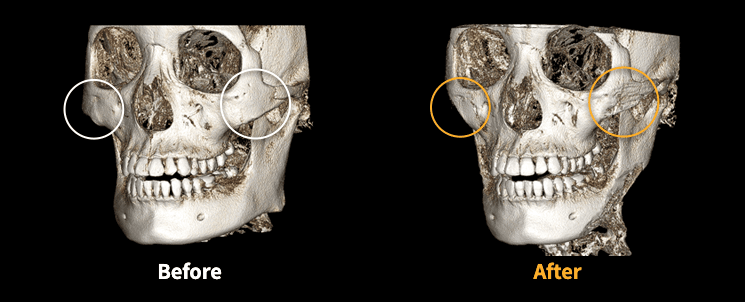
Zygoma reduction, also known as cheekbone reduction or malar reduction, aims to slim overly prominent cheekbones by reshaping the zygomatic bone. This results in a softer, narrower, and more balanced facial contour. The main goal is to turn a broad or angular midface into a more harmonious, oval or heart-shaped look, greatly boosting confidence for many patients.
Key Surgical Techniques
The procedure focuses on permanent bone changes:
- Osteotomy: The most common method involves making surgical cuts (osteotomies) in the zygomatic bone, then repositioning it for a narrower profile. Variations include:
- L-shaped osteotomy: Standard, high L-shaped, and orbital rim shaving techniques offer different benefits in terms of scarring and bone repositioning.
- Arched or curved osteotomy: Cuts follow a gentle curve, allowing specific contouring.
- M-shaped osteotomy: Used for certain anatomies, requires high expertise.
- Repositioning over removal: Modern approaches focus on bone rotation and repositioning rather than cutting pieces away, to minimize sagging and optimize support.
- Bone shaving: Less invasive, bone shaving is used for minor adjustments or refining shapes.
- Fixation: The repositioned bones are usually stabilized with small titanium plates and screws, ensuring good healing, although some surgeons may opt for healing without hardware for minor cases.
Surgical Approaches (Incision Sites)
Approach depends on incision placement:
- Intraoral: Most popular—incisions are inside your mouth, leaving no external scars. However, traditional methods might not fully address sagging.
- External: Incisions on the sideburns (preauricular) or within the scalp (coronal) allow greater access but may leave hidden or visible scars.
- Combined: Some complex cases use a mix of both approaches for optimal results.
Advanced techniques now emphasize soft tissue resuspension along with bone work to prevent sagging—a major concern after earlier intraoral-only procedures. When choosing a clinic, ensure they describe their soft tissue management strategy.
Pre-Surgical Assessment and Planning
Every journey starts with consultation. Your surgeon will assess your bone structure, collect your health history, and discuss your desired outcomes. Cutting-edge clinics use high-resolution 3D CT scans and simulation software to pre-plan surgery and show you likely results, customizing the approach to your anatomy and preferences and improving symmetry and satisfaction.
A careful analysis of your unique zygoma type allows the surgeon to choose the best surgical method and plan the new bone position for the most natural contour.
Associated and Complementary Procedures
Cheekbone reduction is often one component in a larger facial contouring plan. It may be combined with liposuction, buccal fat removal, or midface lifting procedures to further soften the face or prevent drooping. For a true “V-line” jaw shape, many patients combine cheekbone reduction with jaw or chin surgeries.
Table 2: Key Cheekbone Reduction Surgical Techniques & Approaches
| Technique / Approach | Incision Site | Key Feature/Benefit | Potential Drawback |
|---|---|---|---|
| Osteotomy | Varies | Permanent bone shape change | More complex than shaving, longer recovery |
| L-shaped Osteotomy | Intraoral/preauricular | Effective repositioning, precise cuts | Traditional forms risk sagging if not managed well |
| Arched Osteotomy | Intraoral/preauricular | Specific contouring, curved cuts | Soft tissue management still needed |
| M-shaped Osteotomy | Intraoral/temporal | Tailored to bone structure | Requires specialized expertise |
| Bone Shaving | Intraoral/hairline | Less invasive, for minor changes | Only minor reduction possible |
| Intraoral Approach | Inside the mouth | No visible scars | Less access, traditional method may cause sagging |
| Preauricular Approach | Sideburns | Great access to the arch | Scar on sideburn |
| Coronal Approach | Within the scalp | Maximum exposure, best soft tissue repositioning | Longer scar, but typically hidden |
| Combined Approaches | Intraoral + external | Tailored for complex cases | More complexity, more incisions |
The Medical Tourist's Journey: Cheekbone Reduction in South Korea
Why South Korea is a Leading Destination for Facial Contouring
South Korea leads the world in facial bone contouring, thanks to:
- Advanced surgical methods: Korean surgeons focus on innovative, bone-preserving techniques for natural results and minimal scarring.
- Aesthetic standards: The cultural popularity of “V-line” and softer features pushes expertise and innovation.
- Safety and care: Stringent regulations ensure high safety, specialized training, and modern equipment.
- Medical tourism infrastructure: International clinics frequently offer English-speaking support, dedicated international patient care, and bundled packages.
Process of Getting Cheekbone Reduction in South Korea
- Consultation: Begin with a thorough consultation, often online. 3D imaging gives the surgeon a detailed map of your facial structure. Simulation software lets you preview possible results.
- Pre-operative tests: Medical screening ensures you’re healthy for surgery. You’ll also receive instructions on diet and smoking or alcohol restrictions.
- Anesthesia: Cheekbone reduction uses general anesthesia for patient comfort.
- Surgery:
- Incision: Most often through the mouth, avoiding visible scars. Sometimes extra incisions are needed.
- Bone restructuring: The surgeon performs an osteotomy, repositions the bone, and ensures stabilization.
- Soft tissue lift: Advanced clinics actively lift and secure facial soft tissues to prevent sagging.
- Closure: Dissolvable sutures may be used for mouth incisions.
- Aftercare: Most patients don’t need overnight hospitalization, but dressings and compression help reduce swelling.
- Suture removal and follow-ups: External stitches (if any) are removed within 5-14 days. Multiple follow-ups monitor healing.
- Recovery: Expect swelling and bruising for several weeks. A soft or liquid diet is required for 1-2 weeks. Gradually, most return to light activity after 1-2 weeks (but heavy exercise must wait). Full recovery and final results appear after 3-6 months.
- International patient tips: Most overseas patients stay at least 7-14 days, with longer stays beneficial for monitoring. Choose accommodation near the clinic for easy follow-up and ensure language support is available. Consider timing to avoid peak holidays and clarify all package inclusions to budget accurately.
It’s crucial to ask clinics exactly what your package covers—flights, long-term accommodation, and daily living costs are often not included.
Which Are the Best Clinics in Korea for Prominent Cheekbones?
Listed below are some of the best clinics in Korea for prominent cheekbones.
1. THEPLUS Plastic Surgery
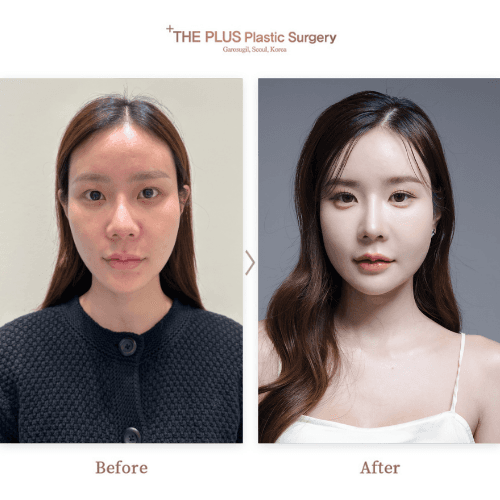
You may consider THEPLUS Plastic Surgery if you want to address prominent cheekbones with an approach centered on repositioning rather than routine bone removal. Dr. Kim’s described technique rotates and moves the cheekbone slightly forward to refine facial width and balance while aiming to preserve bone and reduce the likelihood of cheek drooping associated with more aggressive reduction methods.
- URL: THEPLUS Plastic Surgery Website
- Location: Gangnam-gu, Seoul
- Procedure approach:
- Cheekbone contouring may use precise rotation and repositioning instead of cutting away bone.
- The approach is intended to create a slimmer, more balanced midface while maintaining skin firmness.
- For larger bone structures, the method is tailored to the individual anatomy.
- Surgical expertise:
- Dr. Kim is a board-certified plastic surgeon with a focus on rhinoplasty and facial contouring.
- His background includes research awards related to 3D implants and educational sessions for other plastic surgeons.
- Dr. Jeong is president of the Korean Society of Plastic Surgeons and participates in professional conferences and surgeon education.
- Related facial options:
- Available facial contouring services include full-face contouring, square-jaw surgery, chin surgery, and facial implants.
- Facelift, thread lift, and facial fat grafting are also listed for concerns involving contour or volume.
2. Made Young Plastic Surgery
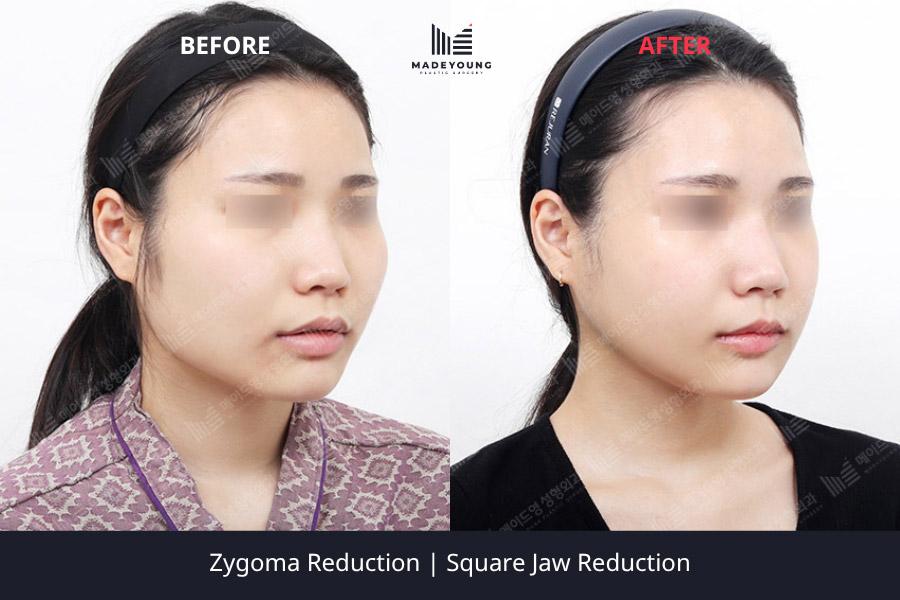
You can expect a customized surgical assessment for prominent cheekbones at Made Young Plastic Surgery, including 3D-CT analysis of your cheekbone prominence, facial proportions, and soft-tissue structure. Its Ultra-Close Contact Cheekbone Reduction technique emphasizes close contact between bone sections and stable fixation, with screw-fixation and metal-free options available according to your needs.
- URL: Made Young Plastic Surgery Website
- Location: Seocho-gu, Seoul
- Procedure planning:
- 3D-CT diagnostics are used to develop an individualized cheekbone-reduction plan.
- Ultra-Close Contact Cheekbone Reduction is designed to minimize gaps between bone sections for precise fixation.
- Both screw-fixation and metal-free cheekbone reduction options are offered.
- Anesthesia and monitoring:
- Full-time board-certified anesthesiologists are on site.
- A dedicated anesthesiologist provides continuous one-to-one monitoring during procedures.
- The clinic describes a cross-check system in which multiple anesthesiologists can cooperate in an emergency.
- CCTV coverage of procedures is listed as part of its transparency measures.
- Aftercare and related contouring:
- A separate aftercare center provides post-procedure care.
- Related options include V-line surgery, jaw reduction, genioplasty, and metal-free V-line surgery.
3. Mind Plastic Surgery
You may consider Mind Plastic Surgery for prominent cheekbones if you want cheekbone reduction considered within a broader facial-contouring plan. The clinic lists cheekbone reduction to soften prominent contours and create a more harmonious facial appearance, alongside jaw, chin, and V-line procedures that may be relevant when balancing overall facial proportions.
- URL: Mind Plastic Surgery Website
- Location: Seocho-gu, Seoul
- Facial contouring options:
- Cheekbone reduction is offered for prominent cheekbones.
- Square-jaw reduction, chin surgery, weak-chin correction, and V-line surgery are also listed.
- Full-face fat grafting and forehead reduction are available facial-proportion procedures.
- Additional facial treatments:
- Non-surgical contouring options include face-contouring injections, fillers, and thread lifting.
- The clinic also lists facelift and mini-facelift procedures for facial laxity concerns.
Cost Analysis: South Korea vs. Global Medical Tourism
Estimated Costs of Cheekbone Reduction Surgery in South Korea
South Korea offers competitive prices, usually 20-50% less than in the US, Australia, or parts of Europe. Generally, zygomatic reduction costs range between $3,784 and $12,900 USD, with most patients paying $4,000–$9,000 USD for comprehensive care. Initial surgery consultation fees are usually $100–$150 USD.
What’s Typically Included in Korean Surgery Packages
Packages for international clients may offer:
- Surgical and anesthesia fees
- Pre-op consultations and imaging
- Medications
- Interpreter services
- Clinic transfers and, sometimes, a limited hotel stay
However, these don’t always include airfare or extended accommodation—always confirm details.
Estimated Cheekbone Reduction Costs: South Korea vs. Other Countries (USD)
Here’s how costs compare:
Table 3: Estimated Cheekbone Reduction Costs: South Korea vs. Other Countries (USD)
| Country | Estimated Cost Range (USD) |
|---|---|
| South Korea | $3,784 - $12,900 |
| Turkey | $1,448 - $7,800 |
| USA | From $5,000; avg $4,194; max $7,800 |
| Mexico | From $4,712 |
| Thailand | From $3,720 |
Factors Influencing the Overall Cost
Several things can affect pricing:
- Surgeon and clinic reputation
- Surgical complexity and additional face procedures
- Surgical technique and anesthesia type
- Post-op medications and follow-up care
- Package inclusions and travel expenses
Combining procedures (like jaw or chin reshaping) significantly increases overall costs.
Patient Outcomes and Addressing Concerns
Expected Aesthetic Outcomes
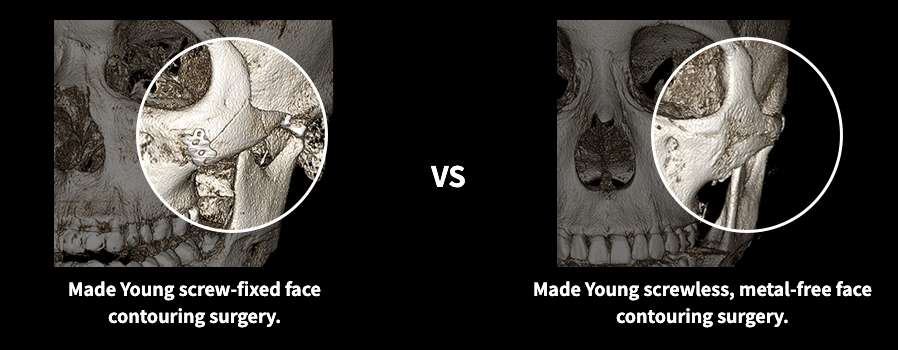
Patients can expect a softer, more harmonious, and elongated facial contour after zygoma reduction. The permanent reshaping reduces width and angularity and aims for a more feminine profile or heart-shaped face, depending on the patient’s wishes.
Addressing Specific Patient Concerns: “Cheeks Protrude Creating Wide Face”
This surgery is specifically designed to resolve concerns about “cheeks protrude creating wide face” by narrowing the lateral projection of your cheekbones. For many, this transformation brings increased confidence and satisfaction.
Preventing Post-Operative Sagging and Complications
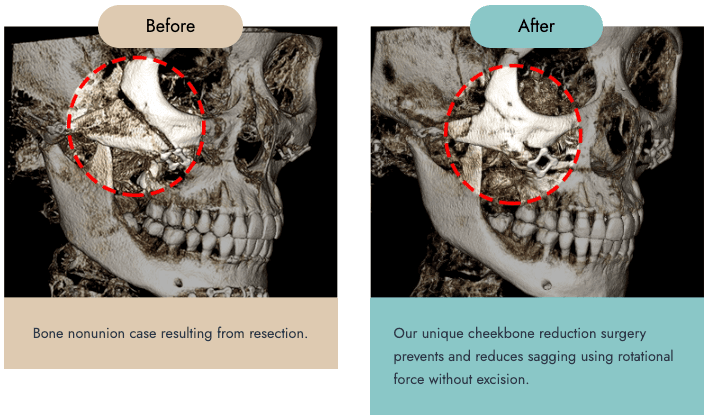
Korean clinics emphasize soft tissue suspension and secure fixation—key advancements that minimize the risk of facial sagging or premature aging. Risks like poor healing, infection, nerve damage, asymmetry, and bone non-union are rare but possible, and can be mitigated by careful surgeon selection, detailed pre-surgery planning, and diligent aftercare. Discuss all potential risks with your provider to set realistic expectations.
Conclusion
Prominent cheekbones can make the face appear wide and angular, prompting many to seek zygoma reduction for a more harmonious look. Korean clinics excel at this surgery, blending advanced bone repositioning and soft tissue techniques to prevent sagging and deliver natural results. South Korea also offers competitive pricing and strong support infrastructure for medical tourists—just be sure to clarify all package details and expectations. With expert care and thoughtful planning, cheekbone reduction can be a safe, satisfying path to lasting facial balance.
References
1, 2, 3, 4, 5, 6, 7, 8, 9, 10, 11, 12, 13, 14, 15, 16, 17, 18, 19, 20, 21, 22, 23, 24, 25, 26, 27, 28, 29
Frequently Asked Questions
Related Blogs

Achieve Your V Line Face Desire with V Line Surgery in Korea: The Premier Destination for Facial Contouring
Discover how South Korea specializes in V-line face surgery and non-surgical treatments to achieve a slender, V-shaped jawline. This sought-after aesthetic combines procedures like mandibular angle reduction, chin osteotomy, and masseter muscle reduction, all performed by expert Korean surgeons. For a subtler approach, options such as Botox jaw reduction and dermal fillers are popular in Korea’s v
Updated: Nov 17, 2026
Protruding Chin Correction: Chin Surgery Procedures in Korea for Improved Facial Balance
Discover how Korea leads in correcting protruding chins caused by prognathism through advanced procedures like genioplasty and orthognathic surgery. This blog explores the causes, functional impacts, and aesthetic benefits of jaw and chin surgeries in Korea, highlighting the country's cutting-edge technology, expert surgeons, and affordable prices. Learn how these transformative treatments can imp
Updated: Nov 15, 2026
Small Chin Solutions: Chin Surgery Procedures in Korea for Enhanced Facial Contour
Discover how Korea leads in small chin correction with advanced chin surgeries like mentoplasty (chinal implants) and genioplasty (sliding genioplasty). This comprehensive blog explores treatment options, cost comparisons, patient journeys, and real success stories—making Korea your top choice for safe, affordable, and expert chin enhancement. Learn everything you need to know about addressing mic
Updated: Nov 15, 2026
Protruding Jaw Correction in Korea: Double Jaw Surgery Solutions for a Balanced Facial Profile
Discover how Korea leads in correcting prognathism through advanced double jaw surgery (bimaxillary osteotomy). This comprehensive procedure realigns both the upper and lower jaws, addressing functional issues like malocclusion, bite problems, and sleep apnea while enhancing facial aesthetics. Korea’s cutting-edge technology, expert surgeons, and cost-effective packages make it an ideal destinatio
Updated: Nov 14, 2026
Clinics offering Cheekbone Reduction

THEPLUS Plastic Surgery Korea | Eye, Nose, Face & Body Surgery
Sinsa

Made Young Plastic Surgery: Rejuvenating Aesthetic Excellence in Korea for Face Lifts, Contouring and More
Gangnam Station

Mind Plastic Surgery: Excellence in Cosmetic & Reconstructive Procedures in Korea
Sinnonhyeon Station
ID Hospital - Main Branch in Korea: Specializing in Safe & Customized Facial Plastic Surgery and Post-Care Services
Sinsa