
Medical Tourism Blog
Hyperpigmentation Spots Treatment: Laser Toning Procedures in Korea for Clearer Skin
Table of contents
- Laser Toning: A Detailed Look at the Procedure
- Best Clinics in Korea for Hyperpigmentation Spots
- Your Journey to Clearer Skin: Getting Laser Toning in South Korea
- Investing in Your Skin: Costs and Value for Medical Tourists
- Real Results: Patient Experiences with Laser Toning for Hyperpigmentation
- Conclusions
- References
Considering treatment in Korea? Everything you need to know e.g. — how to avoid scams, visas, interpreters, recovery tips — in our Medical Tourism Master Guide. Plan with confidence in minutes, not weeks!
Hyperpigmentation, showing up as dark patches on the skin, is a common issue that affects people of all skin types. While generally harmless, these dark spots can impact self-esteem, prompting many to seek solutions. In this guide, we'll take a close look at what hyperpigmentation is, explain how the advanced procedure known as Laser Toning works, outline what it's like to pursue this treatment in South Korea, compare medical tourism costs worldwide, and share real patient experiences.
Hyperpigmentation is a skin condition where patches become darker than the surrounding skin due to excess melanin production. These patches appear as spots or larger areas in shades ranging from brown to red, gray, or pink. Though rarely painful, their appearance can make people feel self-conscious and drive the desire for treatment.
Common Names for Dark Spots
When searching for solutions, you might come across a few terms for these darkened areas. The main types of hyperpigmentation are:
- Age Spots, Sun Spots, Liver Spots, or Solar Lentigines: Flat, brown, tan, or black patches caused by long-term sun exposure, most common on the face and hands in older adults.
- Melasma, Chloasma, or "Mask of Pregnancy": Large dark patches, especially on the forehead, face, or sometimes stomach, often triggered by hormonal changes like pregnancy or birth control. More frequent in women and those with medium to dark skin.
- Post-Inflammatory Hyperpigmentation (PIH): Dark spots that appear after injuries or skin conditions like acne, eczema, or burns. This is particularly common and severe in people with darker skin (Fitzpatrick types III to VI), since their skin cells react more strongly to inflammation.
Why Do Dark Spots Appear?
Dark spots show up when skin cells produce extra melanin in response to various triggers:
- Sun Exposure: Your skin makes more melanin to protect itself, leading to spots.
- Inflammation or Injury: Issues like acne or eczema can cause PIH as skin heals.
- Hormonal Changes: Shifts in hormones, as with pregnancy or taking oral contraceptives, are a classic cause of melasma.
- Medications: Some drugs, such as certain antidepressants or cancer treatments, can lead to skin darkening.
- Medical Conditions: More serious health problems like Addison’s disease or iron overload can also be culprits.
- Genetics: Some people are simply more prone to freckles or certain pigment changes.
- Vitamin Deficiencies: Not getting enough vitamins B12 or folic acid can sometimes cause dark patches.
Even though hyperpigmentation doesn't usually cause physical problems, its emotional impact is real and often motivates people to seek help. It’s worth knowing that new spots can pop up over time, especially with continued sun exposure, so ongoing prevention—mainly through sun protection—is key. This is especially true for those with darker skin, who are more likely to experience severe hyperpigmentation and may need targeted care. Working with an expert familiar with your skin type is crucial, as improper treatments can sometimes make things worse.
Here’s a quick reference for some of the most common types of hyperpigmentation:
Table 1: Common Types of Hyperpigmentation and Their Characteristics
| Type | Common Pseudonyms | Appearance/Symptoms | Common Locations | Key Causes | Who it Commonly Affects |
|---|---|---|---|---|---|
| Age Spots / Sun Spots / Solar Lentigines | Liver spots | Brown, tan, or black spots | Face, hands, sun-exposed | Sun overexposure | Older adults, those with high sun exposure |
| Melasma | Chloasma, "Mask of Pregnancy" | Large patches of darkened skin | Forehead, face, stomach | Hormonal changes, genetics | Women, pregnant people, medium/dark skin tones |
| Post-Inflammatory Hyperpigmentation (PIH) | Spots or patches after inflammation or injury | Anywhere | Acne, eczema, cuts, burns, lupus, procedures | People with darker skin (Fitzpatrick III-VI) |
Laser Toning: A Detailed Look at the Procedure
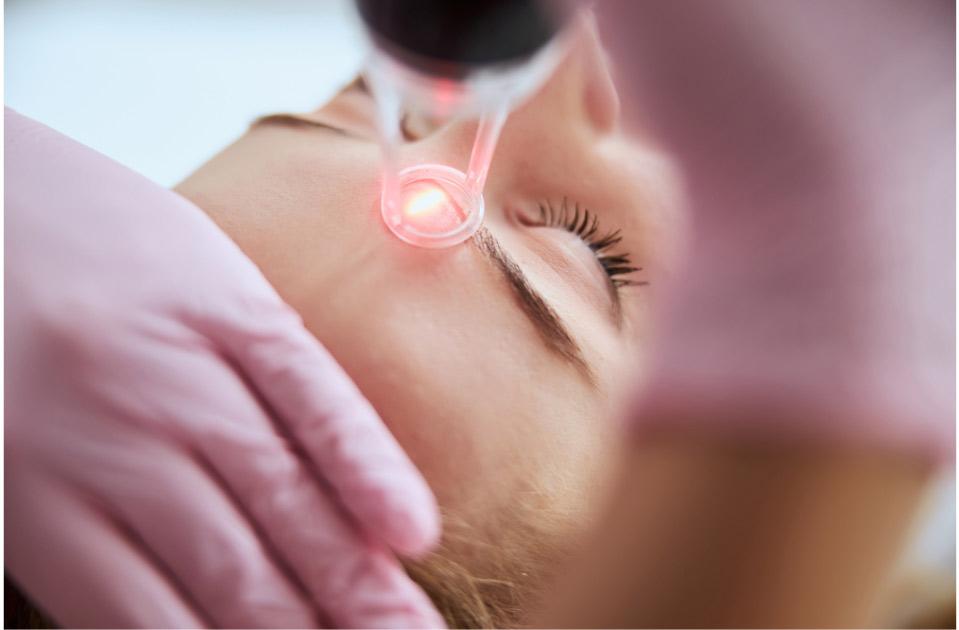
Laser Toning is a non-invasive treatment that improves skin tone and texture using low-energy laser pulses, like Q-switched or Nd:YAG lasers, to target pigmented spots. On top of clearing dark areas, it also helps boost collagen, diminishes fine lines, reduces redness, and refines overall skin appearance for a brighter, clearer look.
The Science Behind the Treatment
Laser Toning works through selective photothermolysis. The laser zeroes in on melanin without harming nearby tissues by emitting short bursts that break up pigment particles. These particles are then naturally cleared away by your body’s immune system. Because the energy pulses are so quick, the heat doesn’t spread into healthy tissue, minimizing the risk of burns or scarring. This is especially useful for treating melasma and sensitive skin types, as gentler treatments reduce the risk of making pigmentation worse.
In addition, laser toning spurs collagen production and refines skin texture while also being safe for darker skin types that can’t tolerate more aggressive laser options. The result? A smoother, more rejuvenated complexion with fewer risks of complications like post-inflammatory hyperpigmentation.
Who Can Benefit from Laser Toning?
Laser Toning works well for a range of concerns:
- Melasma and Sunspots: Effectively reduces these dark areas.
- Post-Inflammatory Hyperpigmentation (PIH): Addresses spots left by acne or skin injuries.
- Uneven Tone and Dullness: Evens out complexion and boosts radiance.
- Redness and Post-Acne Marks: Helps clear leftover redness from acne.
- Fine Lines, Roughness, Large Pores: Stimulates collagen for smoother, tighter skin.
The procedure is particularly safe for Fitzpatrick skin types III-VI (darker skin tones), reducing the likelihood of complications. Treatment can be performed on the face, neck, décolletage, hands, and other pigmented areas.
Important Considerations and Potential Risks
While generally safe, laser toning should be done by qualified dermatologists. Mild redness or swelling are common and usually brief. Sometimes, spots may appear a little darker before fading. Rarely, over-treatment can lighten skin patches or cause pigment to rebound if aftercare isn’t followed. Laser Toning may not be advised for those with active skin infections, recent sunburn, heightened sun sensitivity, or those who are pregnant or breastfeeding. Combining the treatment with solid sun protection is crucial; otherwise, dark spots can quickly return.
Best Clinics in Korea for Hyperpigmentation Spots
Listed below are the best clinics in Korea for hyperpigmentation spots:
| Clinic Name | Key Features | Special Techniques |
|---|---|---|
| id Hospital Korea Website | - Strong facial treatment focus - Customized treatment approach - Patient safety-oriented treatment - Systematic post-care - Comprehensive aesthetic expertise - Reputation for aiming at safe and beautiful outcomes | — |
| ID Hospital - Sinsa Website | - Pico Toning is the clinic’s key treatment for hyperpigmentation spots, using advanced laser technology to target unwanted pigment and promote a brighter, more even complexion. - ID Hospital - Sinsa offers more than a single spot treatment approach, combining pigmentation care with skin-rejuvenating options such as Rejuran Healer and Juvelook to improve skin quality at the same time. - Potenza helps address texture concerns, pores, acne scars, and elasticity, which is especially beneficial for patients who want smoother skin in addition to pigment correction. - Titanium provides lifting, tightening, and skin tone improvement simultaneously, making it a strong option for patients who want clearer and firmer skin with minimal downtime. - Stem Cell Injection and Stem Cell IV Therapy support skin repair, renewal, and overall skin vitality, helping create a more comprehensive recovery and rejuvenation plan. - The clinic’s personalized consultation services allow treatments to be adapted to each patient’s pigmentation pattern, skin condition, and cosmetic goals rather than using a one-size-fits-all method. - Because ID Hospital - Sinsa provides both targeted brightening procedures and full-spectrum skin enhancement treatments, it is one of the best clinics to consider for hyperpigmentation spots in Korea. | - Pico Toning is the clinic’s key treatment for hyperpigmentation spots, using advanced laser technology to target unwanted pigment and promote a brighter, more even complexion. - ID Hospital - Sinsa offers more than a single spot treatment approach, combining pigmentation care with skin-rejuvenating options such as Rejuran Healer and Juvelook to improve skin quality at the same time. - Potenza helps address texture concerns, pores, acne scars, and elasticity, which is especially beneficial for patients who want smoother skin in addition to pigment correction. - Titanium provides lifting, tightening, and skin tone improvement simultaneously, making it a strong option for patients who want clearer and firmer skin with minimal downtime. - Stem Cell Injection and Stem Cell IV Therapy support skin repair, renewal, and overall skin vitality, helping create a more comprehensive recovery and rejuvenation plan. - The clinic’s personalized consultation services allow treatments to be adapted to each patient’s pigmentation pattern, skin condition, and cosmetic goals rather than using a one-size-fits-all method. - Because ID Hospital - Sinsa provides both targeted brightening procedures and full-spectrum skin enhancement treatments, it is one of the best clinics to consider for hyperpigmentation spots in Korea. |
| Club Miz Lamiche Clinic Website | - 22 years of clinical expertise since 2002, giving patients confidence in the clinic’s experience with complex pigmentation concerns. - Strong focus on personalized treatment, with 1:1 customized care rather than a one-size-fits-all approach. - Private individual treatment rooms that provide a more comfortable and discreet patient experience. - Advanced 4D skin analysis technology, allowing more accurate evaluation of hyperpigmentation spots and better treatment planning. - Wide range of pigment and redness treatments, including Excel V, Synergy, Picosure, SilpermX, New Accolade, BBL, Mela Star Ruby, Revlight, Elite MPX, and Photona. - Ability to address different types of discoloration, including superficial pigment, deeper pigmentation, redness-related tone issues, and overall dull or uneven complexion. - Comprehensive aesthetic expertise beyond pigmentation, which is useful for patients who also want to improve skin texture, pores, acne marks, scars, or skin laxity at the same clinic. - Patient-friendly hours with evening availability on Monday, Wednesday, and Friday, plus Saturday opening for added convenience. - Excellent accessibility, located within walking distance of both Jamsilsaenae Station and Sports Complex Station. - Natural-looking, skin health-focused treatment philosophy, making Club Miz Lamiche Clinic an excellent clinic for patients seeking safer, more individualized care for hyperpigmentation spots in Korea. | - 4D skin analysis technology - Wide range of pigment and redness treatments, including Excel V, Synergy, Picosure, SilpermX, New Accolade, BBL, Mela Star Ruby, Revlight, Elite MPX, and Photona. - Natural-looking, skin health-focused treatment philosophy |
id Hospital Korea
ID Hospital Korea is a well-known medical clinic focused on facial treatments and dedicated to delivering safe, beautiful results through customized care. For patients concerned about hyperpigmentation spots, ID Hospital stands out as a strong choice because its treatment philosophy centers on patient safety, individualized treatment planning, and systematic post-care, all of which are important when managing visible skin concerns on the face. In addition to its strong facial treatment focus, the hospital offers a broad range of services including a skin clinic, lifting, petit plastic surgery, orthognathic surgery, facial contouring, eye and nose plastic surgery, breast surgery, and dentistry, reflecting a comprehensive approach to aesthetics and patient care.
• Strong facial treatment focus, making it especially appealing for patients seeking care for visible pigmentation concerns.
• Customized treatment approach, which is important for hyperpigmentation spots because each patient’s skin condition and aesthetic goals can differ.
• Patient safety-oriented treatment, helping patients feel more confident when choosing care for delicate facial skin concerns.
• Systematic post-care, an important advantage for maintaining skin results and supporting recovery after treatment.
• Comprehensive aesthetic expertise, with services ranging from the skin clinic to facial contouring and petit plastic surgery, showing a well-rounded understanding of facial beauty and harmony.
• Reputation for aiming at safe and beautiful outcomes, which is a key reason many patients may view ID Hospital as one of the best clinic options for hyperpigmentation spots in Korea.
Find more about this clinic here: id Hospital Korea Website
ID Hospital - Sinsa
ID Hospital - Sinsa is a leading aesthetic clinic in Seoul’s Sinsa area, offering a broad portfolio of advanced skin, lifting, contouring, and rejuvenation treatments for patients who want clearer, healthier, and more radiant skin. For hyperpigmentation spots in particular, the clinic stands out because it provides Pico Toning, a laser-based brightening treatment specifically designed to target pigmentation such as sun spots, age spots, and uneven skin tone, while also offering complementary procedures like Rejuran Healer, Juvelook, Potenza, Titanium, and stem cell-based therapies to improve overall skin texture, hydration, elasticity, and recovery. With its wide treatment selection and personalized consultation approach, ID Hospital - Sinsa is an excellent choice for patients looking for a tailored plan to reduce pigmentation and achieve long-term skin rejuvenation.
• Pico Toning is the clinic’s key treatment for hyperpigmentation spots, using advanced laser technology to target unwanted pigment and promote a brighter, more even complexion.
• ID Hospital - Sinsa offers more than a single spot treatment approach, combining pigmentation care with skin-rejuvenating options such as Rejuran Healer and Juvelook to improve skin quality at the same time.
• Potenza helps address texture concerns, pores, acne scars, and elasticity, which is especially beneficial for patients who want smoother skin in addition to pigment correction.
• Titanium provides lifting, tightening, and skin tone improvement simultaneously, making it a strong option for patients who want clearer and firmer skin with minimal downtime.
• Stem Cell Injection and Stem Cell IV Therapy support skin repair, renewal, and overall skin vitality, helping create a more comprehensive recovery and rejuvenation plan.
• The clinic’s personalized consultation services allow treatments to be adapted to each patient’s pigmentation pattern, skin condition, and cosmetic goals rather than using a one-size-fits-all method.
• Because ID Hospital - Sinsa provides both targeted brightening procedures and full-spectrum skin enhancement treatments, it is one of the best clinics to consider for hyperpigmentation spots in Korea.
Find more about this clinic here: ID Hospital - Sinsa Website
Club Miz Lamiche Clinic
For patients looking for expert treatment of hyperpigmentation spots in Korea, Club Miz Lamiche Clinic stands out as a top choice thanks to its long history, advanced pigment-focused technology, and highly personalized approach. Since opening in 2002, the clinic has built 22 years of extensive clinical experience in aesthetic medicine, with a strong ability to tailor treatment plans to each patient’s skin type, pigmentation pattern, and overall skin condition. Club Miz Lamiche Clinic provides 1:1 customized care in private individual treatment rooms, supported by advanced 4D skin analysis technology that helps create more precise and effective treatment strategies for concerns such as sun spots, melasma, post-inflammatory pigmentation, and uneven skin tone. Conveniently located just a 5 to 7 minute walk from Jamsilsaenae Station on Line 2 and Sports Complex Station on Line 9, the clinic also offers evening hours on Monday, Wednesday, and Friday, as well as Saturday appointments, making high-quality pigmentation care more accessible for busy patients.
• 22 years of clinical expertise since 2002, giving patients confidence in the clinic’s experience with complex pigmentation concerns.
• Strong focus on personalized treatment, with 1:1 customized care rather than a one-size-fits-all approach.
• Private individual treatment rooms that provide a more comfortable and discreet patient experience.
• Advanced 4D skin analysis technology, allowing more accurate evaluation of hyperpigmentation spots and better treatment planning.
• Wide range of pigment and redness treatments, including Excel V, Synergy, Picosure, SilpermX, New Accolade, BBL, Mela Star Ruby, Revlight, Elite MPX, and Photona.
• Ability to address different types of discoloration, including superficial pigment, deeper pigmentation, redness-related tone issues, and overall dull or uneven complexion.
• Comprehensive aesthetic expertise beyond pigmentation, which is useful for patients who also want to improve skin texture, pores, acne marks, scars, or skin laxity at the same clinic.
• Patient-friendly hours with evening availability on Monday, Wednesday, and Friday, plus Saturday opening for added convenience.
• Excellent accessibility, located within walking distance of both Jamsilsaenae Station and Sports Complex Station.
• Natural-looking, skin health-focused treatment philosophy, making Club Miz Lamiche Clinic an excellent clinic for patients seeking safer, more individualized care for hyperpigmentation spots in Korea.
Find more about this clinic here: Club Miz Lamiche Clinic Website
Your Journey to Clearer Skin: Getting Laser Toning in South Korea
South Korea is a global hotspot for advanced non-surgical skin procedures like laser toning. The “glass skin” aesthetic—clear, radiant, and even—has made Korean clinics experts in these treatments.
Top reasons patients head to South Korea include:
- Expertise and Customization: Dermatologists adept at personalizing treatments and merging different laser methods.
- Advanced Technology: Modern laser machines like Spectra XT are standard in leading clinics.
- Rigorous Safety: Clinics use careful protocols to minimize risks, especially for melanin-rich skin.
- High Patient Satisfaction: Trusted clinics in Seoul are known for lasting, natural results.
The Typical Laser Toning Session in South Korea
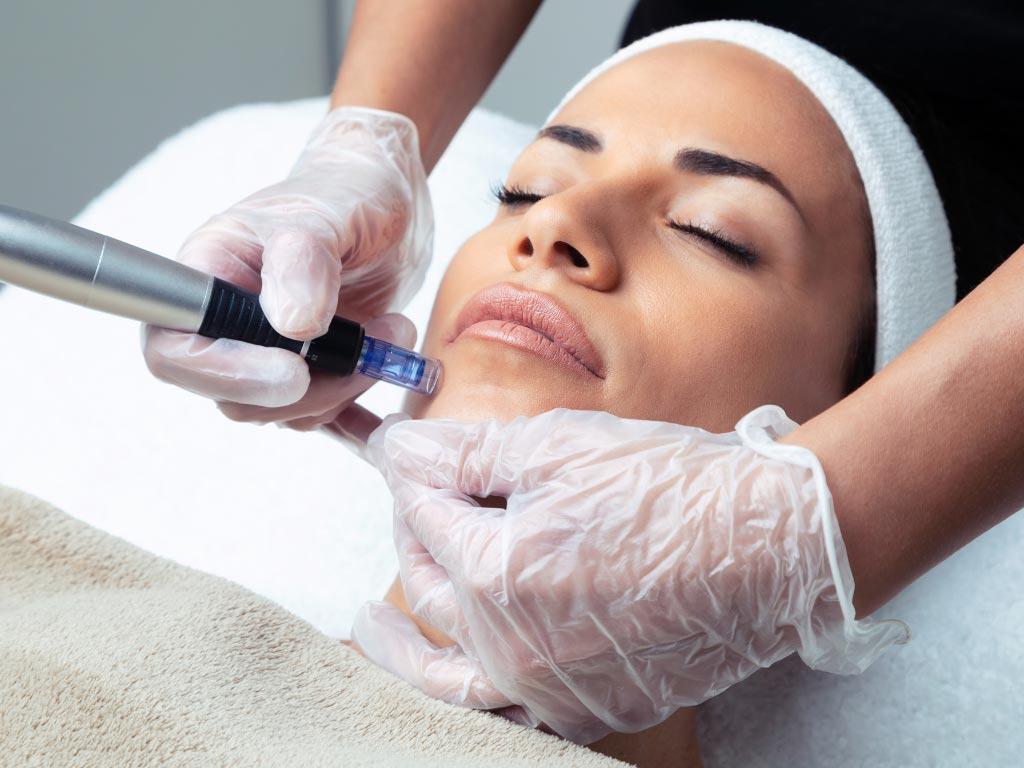
A session usually takes 15-30 minutes and goes like this:
- Consultation and Skin Assessment: Dermatologist evaluates your skin type, pigmentation, and crafts a personalized plan.
- Preparation: Your skin is thoroughly cleansed; numbing cream and eye protection may be used.
- Laser Application: The device is passed over your skin. Many clinics use a "Dual Toning" method — the first pass targets melanin with a Q-switched Nd:YAG laser, and a second (fractional or picosecond laser) pass helps with deeper skin rejuvenation.
- Immediate Aftercare: Soothing serums or masks are applied to reduce any redness or swelling.
What to Expect During and After Your Session
The laser feels like tiny snaps on the skin—mild and very tolerable. Afterwards, you might see a bit of redness or swelling for a day or so, but you can usually return to your normal routine right after.
Essential Post-Treatment Care
To make the most of your treatment and protect your results:
- Use SPF 50+ sunscreen daily, even when it’s cloudy.
- Gentle skincare only; skip harsh products for a couple of days.
- Stay hydrated with recommended moisturizers.
- Avoid heat and strenuous activity for 24-48 hours after your session.
- Follow prescribed aftercare products as directed.
Following these steps is as vital as the procedure itself, especially for preventing dark spots from returning or getting worse. Korean dermatologists are well-versed in treating darker skin and sensitive complexions, making Korea an especially safe destination for diverse patients.
Investing in Your Skin: Costs and Value for Medical Tourists
South Korea’s prices for laser toning are especially attractive when compared to other major destinations.
Cost of Laser Toning in South Korea
A single Laser Toning session usually costs $100–$300 USD (about 145,000 to 435,000 KRW), and clinics often require a 10% deposit to reserve your appointment.
Factors Affecting Cost
Costs can vary depending on:
- Clinic Location: High-end areas (e.g., Gangnam) are pricier.
- Practitioner Experience: Leading dermatologists may charge more.
- Technology: The newest equipment or special laser features might increase the price.
- Extra Services: Some clinics bundle sessions, aftercare products, or consultations.
A Global Comparison of Laser Toning Costs
South Korea offers both high quality and affordability. Here’s how costs stack up in different countries:
Table 2: Laser Toning Costs: South Korea vs. Other Countries (Per Session)
| Country | Procedure/Treatment Name | Cost Range (USD) | Key Considerations |
|---|---|---|---|
| South Korea | Laser Toning (Dual Toning component) | $100 - $300 | Advanced technology, expert care, 10% deposit standard |
| United States | General Laser Toning | $300 - $600 | Higher due to provider/operation costs |
| Jamie’s Dual Facial + Toning Laser | $400 - $600 | Discounts/memberships possible | |
| Halo Laser Treatment | $1,500 - $2,500 | Usually 2-3 sessions needed | |
| BroadBand Light (BBL) | $400 - $800 | Often 3-6 sessions | |
| Mexico | HALO Laser Treatment | $2,000 - $3,000 | Sometimes includes overnight stays |
| Turkey | HALO Laser Treatment | ~$800 | Variable care quality, check credentials |
| Thailand | Fraxel Dual Laser Treatment | $300 - $700 | Beware of less-trained staff |
| Laser Scar Removal | $142 - $880 | Affordable, but variable risk | |
| Australia | Laser Freckles & Sun Damage Removal | ~$200 - $330 | More sessions are common |
When comparing, lower costs sometimes bring higher risks. South Korea has earned its reputation for combining cutting-edge safety and quality with reasonable pricing.
Factoring in Travel Costs
The total cost includes more than just the treatment:
- Airfare: US–Korea round trip $600–$1,500.
- Accommodation: Hostels/guest rooms $20–$50/night; hotels $70–$150/night; luxury $200+/night.
- Local Transport: Subway rides $1–$2; taxis from $3.
- Meals: Budget $5–$15; mid-range $20–$40; fine dining $100+ per person.
- Extras: Travel insurance $50–$150 for short trips, data SIM, and sightseeing.
Most people need 5–10 initial laser toning sessions and occasional touch-ups, so consider these travel-related costs if planning a medical tourism trip.
Real Results: Patient Experiences with Laser Toning for Hyperpigmentation
Patience is important—laser toning yields gradual improvement, not instant change.
What Patients Can Expect
- Results: Most see a gradual lightening of spots, brighter and more even skin tone, smoother skin, and smaller pores. The “toned” or “transparent” look refers to a healthy, clear glow—don’t expect dramatic bleaching or an unnatural tone.
- Timeline: Some see brightness after their first treatment, but it usually takes at least 3–4 sessions to notice distinct changes.
- Number of Sessions: Best results come after 5–10 sessions, spaced 1–2 weeks apart, with maintenance visits every few months, especially for stubborn melasma.
Addressing Specific Hyperpigmentation
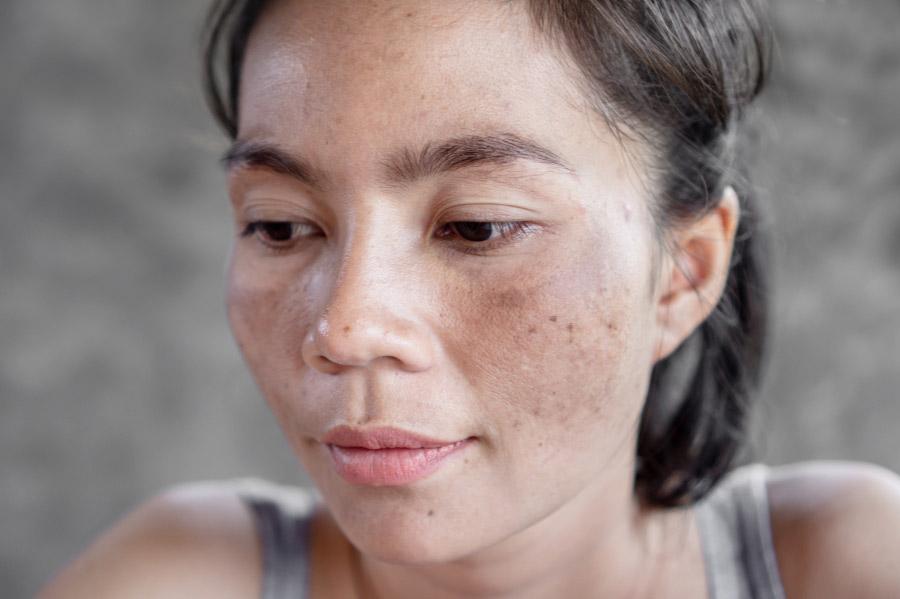
Laser toning works well for melasma, PIH, and sun spots, also helping smooth out skin texture, fine lines, and mild acne scars.
Managing Expectations and Long-Term Care
Temporary redness or darkening after treatment is normal and subsides quickly. Rarely, overdoing sessions or poor aftercare can lead to lightened patches or the return of pigmentation. Korean clinics lower these risks with strict safety measures and personalized aftercare routines.
Using sunscreen and staying consistent with your dermatologist’s instructions is key for long-lasting results—sun exposure is the biggest factor in relapse. Your ongoing commitment is just as essential as the quality of your chosen clinic.
The Importance of Expert Care and Aftercare
Laser toning is a balanced treatment: safe, effective, and especially good for conditions like melasma that might worsen with stronger lasers. For stubborn dark spots, an experienced dermatologist and a trusted clinic in Korea offer a strong chance for clearer skin.
Conclusions
Hyperpigmentation can deeply affect self-image, even though it’s not usually dangerous. Treatments like Laser Toning provide both pigment reduction and skin rejuvenation, without the risks of older, harsher lasers. South Korea’s dermatology clinics offer top-level expertise and technology at competitive prices, making the country an outstanding option for medical tourists seeking safe, effective care. Success relies on both high-quality treatment and diligent aftercare, especially sun protection, empowering patients to play an active role in maintaining the results.
References
Frequently Asked Questions
Related Blogs
Toenail Treatment in Korea: Diagnosis, Fungal Care, Ingrown Nail Procedures, Recovery and Travel Planning
Toenail treatment begins with diagnosis and may include fungal testing, debridement, topical or oral antifungals, or partial nail avulsion with matrix treatment for recurrent ingrown nails. The article covers outpatient care in Korea, suggested stay and wound-review timing, travel planning, aftercare, medication monitoring, and warning signs requiring urgent assessment.
Updated: Sep 21, 2026
Anal Bleaching in Korea: Methods, Safety, Recovery and Travel Planning
Anal bleaching targets intact external perianal skin after a clinician assesses the cause of pigmentation, with options including trigger control, cautious topical regimens, and less commonly superficial peels or energy-based treatment. The article covers candidate screening, Korea travel planning, stay and follow-up needs, preparation, aftercare, warning signs, and alternatives, while noting no v
Updated: Sep 21, 2026
Mirajet in Korea: Treatment Methods, Recovery, Results and Travel Planning
Mirajet uses a 2,940-nm laser-induced microjet to deliver selected liquids into the skin through single-use nozzles, with diffuse passes for skin quality or localized stacking for selected pores and scars. The article covers candidate screening, product and protocol questions, Korea travel timing, preparation, aftercare, warning signs, and alternatives for deeper scars or other treatment goals.
Updated: Sep 21, 2026

Arginine Fluid in Korea: Safety, Evidence Limits, Travel Planning, and Aftercare
Arginine Fluid is an elective, non-standardized IV treatment requiring clinician screening, a disclosed formula and controlled infusion with monitoring. The article covers eligibility, travel planning, preparation, aftercare, warning signs, and the lack of proven wellness, cosmetic, recovery, or weight-loss benefits.
Updated: Sep 21, 2026
Clinics offering Laser Toning

Three Wishes Clinic - Myeongdong, Korea: Advanced Botox, Fillers, Laser, and Skin Treatments for Confidence and Care
Myeongdong

Cellinique Clinic Korea: Advanced Stem Cell and Laser Treatments for Health, Beauty, and Rejuvenation in Gangnam
Apgujeong

Seojin Plastic Surgery Clinic Korea: Pioneering Advanced Cosmetic Procedures for Personalized Aesthetic Transformation
Apgujeong
ID Hospital - Main Branch in Korea: Specializing in Safe & Customized Facial Plastic Surgery and Post-Care Services
Sinsa