
Medical Tourism Blog
Cornea Damage Treatment in Korea: Canthoplasty and Laser Canthoplasty
Table of contents
- Unpacking the Procedures: Canthoplasty and Laser Canthoplasty
- The Patient’s Guide to Cornea Damage
- Which Are the Best Clinics in Korea for Cornea Damage?
- Korea’s Medical Tourism Pathway for Canthoplasty
- A Comparative Analysis of Canthoplasty Costs
- Patient Narratives: The Experience and Outcomes
- Conclusion and Expert Recommendations
- References
Considering treatment in Korea? Everything you need to know e.g. — how to avoid scams, visas, interpreters, recovery tips — in our Medical Tourism Master Guide. Plan with confidence in minutes, not weeks!
Canthoplasty and Laser Canthoplasty are often marketed for cosmetic benefits, but they also play an important preventive role in ocular health. By correcting eyelid malpositions that expose or irritate the eye, these procedures help reduce chronic corneal issues over time. The public focus on aesthetics can overshadow these medical benefits, so choosing an oculoplastic surgeon skilled in both function and aesthetics is essential. For many patients, South Korea’s streamlined medical tourism model and competitive pricing make it a compelling destination to consider.
Unpacking the Procedures: Canthoplasty and Laser Canthoplasty

Canthoplasty: A Dual-Purpose Solution
Canthoplasty reshapes and reconstructs the canthus (where the upper and lower lids meet). It serves both functional and cosmetic goals.
- Functional and reconstructive uses: Tightening a lax lower lid in ectropion protects the eye from dryness and corneal damage. Canthoplasty also helps correct trauma-related deformities, including those from naso-ethmoidal fractures or orbital fractures. By restoring eyelid tension and position, it improves eyelid closure, tear drainage, and overall eye protection.
- Cosmetic uses: Patients seek it to lift drooping lids, refine eyelid tilt, and create a more youthful, almond-shaped appearance. It’s often marketed as “Fox Eye Lift” or “Cat Eye Surgery.” Notably, functional and cosmetic benefits frequently overlap—improved protection can enhance appearance, and aesthetic reshaping can support better eye coverage and symmetry.
Laser Canthoplasty: Precision and Recovery
Laser Canthoplasty replaces the scalpel with a specialized laser for incisions. The laser’s precision and built-in cauterization reduce bleeding and inflammation, improve surgical visibility, and limit tissue trauma. This is especially helpful for trauma patients with scarring or compromised eyelids. Less swelling generally means a faster recovery. While traditional Canthoplasty remains ideal for larger corrections, Laser Canthoplasty offers subtle refinement with minimal downtime.
The Patient’s Guide to Cornea Damage
Defining Corneal Abrasions and Other Injuries
“Cornea damage” refers to injuries to the cornea, the clear outer layer of the eye. A corneal abrasion—often called a “scratched eye” or “scratched cornea”—is a surface scratch that can feel severe despite being small. Symptoms include eye pain, foreign-body sensation, tearing, redness, swelling, blurred vision, and light sensitivity (photophobia).
Symptoms, Causes, and Initial Care
Corneal abrasions can result from dust, dirt, or metal particles, a fingernail, or even a paper edge. Risk rises with contact lens overuse or poor hygiene, dry eyes, eye rubbing, and jobs or sports with eye hazards when safety glasses aren’t used.
Immediate care matters:
- Rinse the eye with clean water or sterile saline.
- Do not rub the eye.
- Gently pull the upper lid over the lower to let lashes sweep out debris.
- Blink or keep the eye closed to promote natural tearing.
- Seek prompt medical care for removal of embedded particles and to obtain antibiotic drops or ointment. This helps prevent infection, corneal ulcer, scarring, and rare vision loss.
A key distinction: Canthoplasty and Laser Canthoplasty do not “repair” existing cornea damage. Instead, they prevent ongoing harm by correcting eyelid conditions—such as ectropion (outward turning) and entropion (inward turning)—that leave the cornea exposed or rubbed by lashes. Left uncorrected, these issues can lead to exposure keratopathy, chronic dry eye, and repeated corneal abrasions and infections. Restoring proper eyelid position protects the cornea long term.
Which Are the Best Clinics in Korea for Cornea Damage?
Listed below are some of the best clinics in Korea for cornea damage.
1. Braun Plastic Surgery Clinic
For cornea damage, Braun Plastic Surgery Clinic may be relevant only if you are also considering cosmetic or reconstructive changes around the eyelids, such as ptosis correction or eyelid revision. Its provided services focus on plastic surgery rather than corneal care, so you would need an ophthalmic assessment elsewhere for cornea-focused diagnosis and treatment.
- URL: Braun Plastic Surgery Clinic Website
- Location: Gangnam-gu, Seoul
- Relevant scope:
- The listed eye-area services are cosmetic eyelid procedures, including double-eyelid surgery, ptosis correction, canthoplasty, anti-aging eyelid surgery, and revision double-eyelid surgery.
- No cornea-specific examination, diagnosis, medical treatment, or corneal surgery is described in the available information.
2. Mate Plastic Surgery Clinic
For cornea damage, Mate Plastic Surgery Clinic may be relevant only if you also want to discuss cosmetic eyelid surgery, as its listed eye-related options are incisional and non-incisional double-eyelid procedures. The available information does not describe corneal evaluation or treatment, so you should seek an ophthalmology provider for care directed at the cornea.
- URL: Mate Plastic Surgery Clinic Website
- Location: Gangnam-gu, Seoul
- Eye-area services listed:
- The clinic lists incisional and non-incisional double-eyelid surgery, which are cosmetic eyelid procedures rather than treatments for the cornea.
- No corneal diagnostics, ophthalmology services, or cornea-specific procedures are included in the available clinic information.
- Other listed services: Services described include facial contouring, rhinoplasty, fat grafting, breast surgery, body contouring, facelift surgery, and Botox injections.
Korea’s Medical Tourism Pathway for Canthoplasty
South Korea is a top choice for both cosmetic and reconstructive eye procedures, including Canthoplasty and Laser Canthoplasty. Clinics often provide end-to-end support for international patients.
A Step-by-Step Guide for International Patients
- Initial consultation and planning: Often done remotely to review medical history, goals, and facial structure with a board-certified oculoplastic surgeon.
- Preoperative preparation: Guidance on medications, fasting, and imaging or eye measurements to tailor the approach.
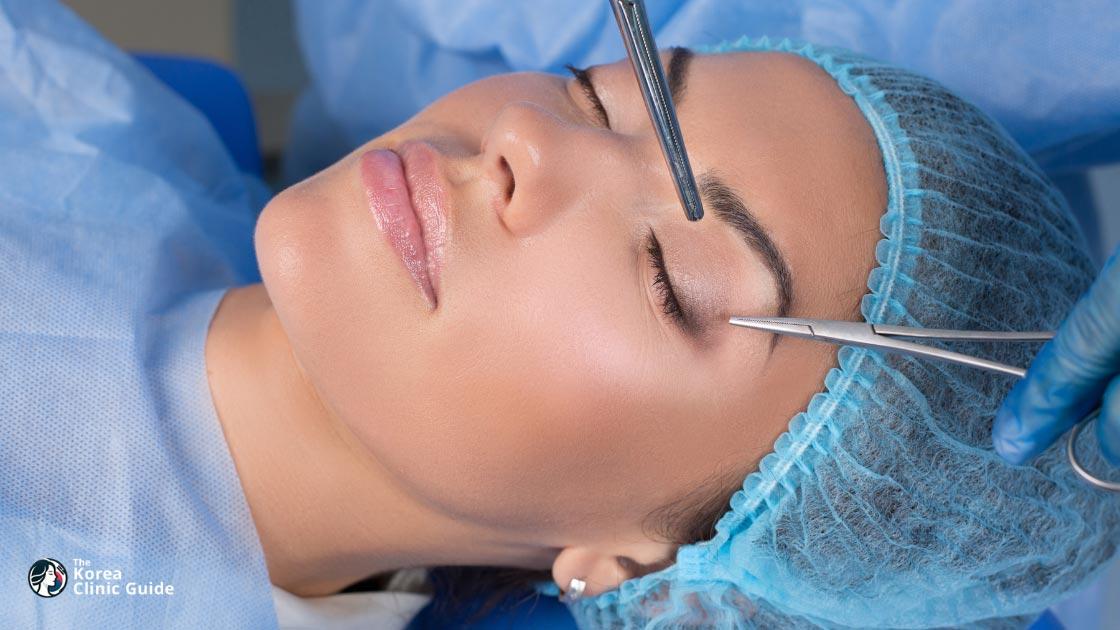
- The surgical procedure: Usually outpatient, lasting 30 minutes to three hours depending on complexity. Most cases use local anesthesia with sedation; general anesthesia may be used for complex cases. A small incision at the outer eye corner allows tightening of the lateral canthal tendon, followed by fine sutures to minimize visible scarring.
- Postoperative care and recovery: Expect mild swelling, bruising, and discomfort for one to two weeks. Typical care includes cold compresses and prescribed antibiotic ointments. While early healing occurs within two weeks, final results can take months. Many clinics offer dedicated aftercare centers and systematic support.
Many South Korean clinics bundle consultations, surgery, tests, medication, airport transfers, lodging assistance, and bilingual support, reducing travel stress and simplifying logistics.
A Comparative Analysis of Canthoplasty Costs
The Cost of Canthoplasty in South Korea
In Seoul, Canthoplasty typically ranges from about $2,151 to $5,020. Laser Canthoplasty often costs $1,000 to $3,000. Prices vary with surgeon expertise, clinic, and whether combined procedures (such as blepharoplasty or a mid-face lift) are included.
International Cost Comparison: A Medical Tourist’s Perspective
Below is a snapshot of average price ranges:
| Country | Average Cost Range (USD) |
|---|---|
| South Korea | $2,151 - $5,020 |
| United States | $5,173 - $10,993 |
| Thailand | $1,400 - $2,000 |
| Turkey | $1,400 - $2,000 |
While South Korea is generally more affordable than the United States (national average around $6,702), Turkey and Thailand can be even more competitive. Always compare total package value, not just base surgery fees. Ancillary services—pre-op consultations, post-op care, transportation, and translation—are often included in international packages, improving convenience and the overall cost equation.
Components of a Standard Medical Tourism Package
| Included Service | Description |
|---|---|
| Pre-Operative Consultations | Thorough discussions of goals and medical history. |
| Surgeon’s Fee | Cost of the procedure and surgical expertise. |
| Anesthesia and Facility Fees | Anesthesia and operating facility costs. |
| Post-Operative Care | Follow-ups, stitch removal, and recovery support. |
| Medication | Pain relievers and antibiotic ointments. |
| Accommodation | Assistance or inclusion of lodging in some packages. |
| Transportation Services | Airport and local clinic transfers. |
| Bilingual Support | Translators or multilingual staff. |
Patient Narratives: The Experience and Outcomes
Patient testimonials overwhelmingly highlight cosmetic and emotional benefits—looking less “tired,” feeling refreshed, and gaining confidence. Some describe enjoying makeup-free outings and a stronger sense of self after subtle, natural-looking results or eye revision surgery.
Notably, testimonials rarely frame Canthoplasty as a direct “cure” for cornea damage. While the medical literature supports its functional benefits for conditions that threaten the cornea, most patients report aesthetic motivations. If your needs are reconstructive, seek a surgeon with proven outcomes in both reconstructive and cosmetic eye surgery.
Conclusion and Expert Recommendations
Canthoplasty and Laser Canthoplasty can meaningfully protect the eye by correcting eyelid malpositions, while also delivering cosmetic improvements. They help prevent ongoing corneal issues but do not directly fix existing cornea damage. For many, South Korea’s advanced clinics and bundled services offer strong value compared to Western prices. Choose a board-certified oculoplastic surgeon to align cosmetic goals with functional eye protection.
References
1, 2, 3, 4, 5, 6, 7, 8, 9, 10, 11, 12, 13, 14, 15, 16, 17, 18, 19, 20, 21, 22, 23, 24
Frequently Asked Questions
Related Blogs
Love Band Surgery in Korea: Methods, Recovery, Risks and Travel Planning
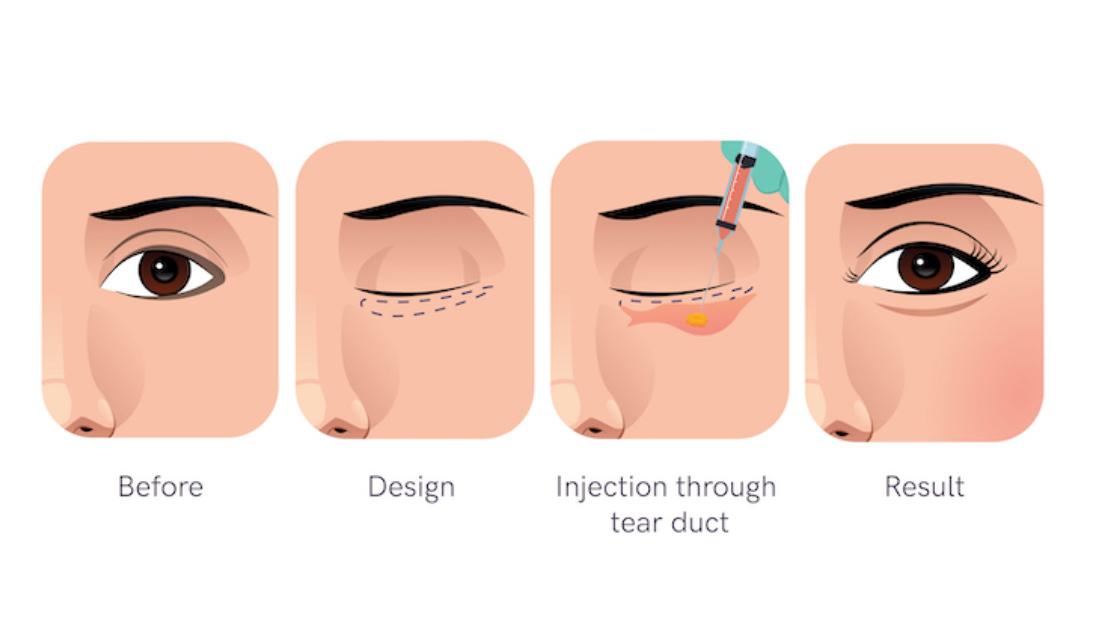
Love band surgery augments the narrow pretarsal aegyo-sal roll beneath the lower lashes using HA filler, fat, grafts, implants, or tissue plication, with method-specific reversibility, recovery, and revision considerations. The article covers candidate screening, Korea travel planning, treatment steps, aftercare, emergency warning signs, follow-up, and alternatives for eye bags, tear troughs, laxi
Updated: Sep 15, 2026
Revision Eye Surgery in Korea: Methods, Recovery, Risks and Travel Planning
Revision eye surgery addresses healed concerns after prior eyelid procedures through scar release, crease or ptosis correction, volume restoration, or lower-lid support while protecting blink and corneal function. In Korea, plan at least 10–14 days for early review and possible suture removal; prices are ₩2,600,000–₩7,500,000 (about US$1,900–$5,600).
Updated: Sep 15, 2026
Under Eye Fat Grafting in Korea: Candidacy, Recovery, Risks, and Travel Planning
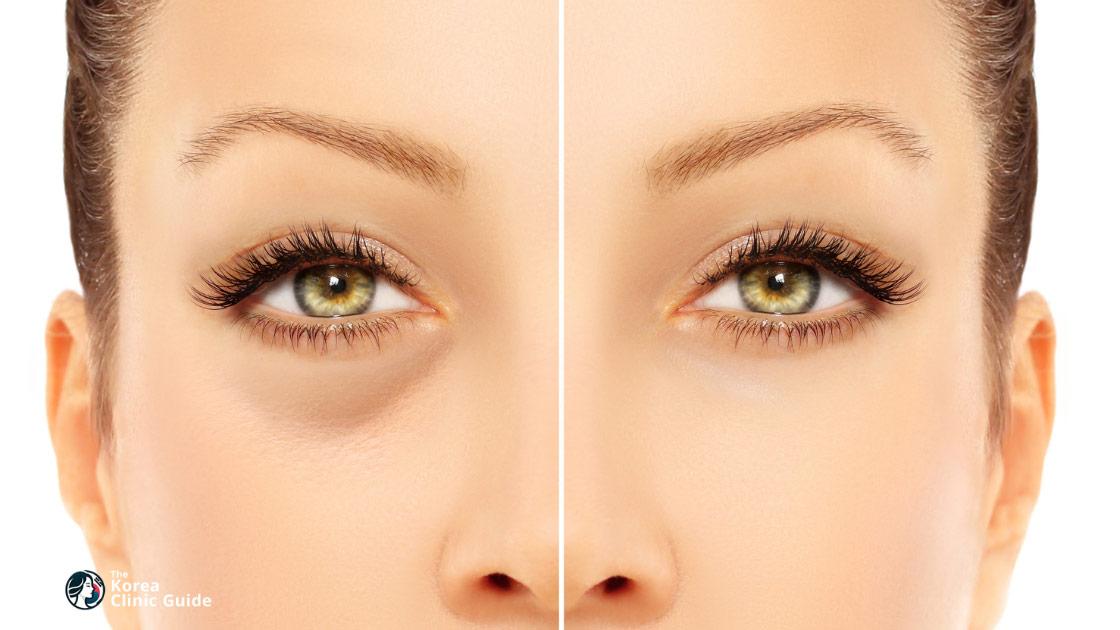
Under-eye fat grafting uses harvested, processed fat placed in small parcels to restore tear-trough and lid-cheek volume; Korea pricing is ₩1,000,000–₩2,000,000 (about US$700–$1,500). International patients should plan 8–10 days for assessment, outpatient treatment, early review and pre-flight clearance, with swelling and bruising often visible for 1–2 weeks.
Updated: Sep 14, 2026
Eyelid Fat Removal or Repositioning in Korea: Methods, Recovery, Risks and Travel Planning
Lower blepharoplasty uses an internal or external incision to conservatively remove or reposition under-eye fat, with skin removal or lid support added when anatomy requires it. The article covers candidacy, Korea travel planning, procedure steps, recovery, aftercare, alternatives, and urgent warning signs.
Updated: Sep 14, 2026
Clinics offering Laser Canthoplasty
RINE Plastic Surgery Clinic | Facelift and Eye Rejuvenation Surgery
Nonhyeon

THEPLUS Plastic Surgery Korea | Eye, Nose, Face & Body Surgery
Sinsa

Made Young Plastic Surgery: Rejuvenating Aesthetic Excellence in Korea for Face Lifts, Contouring and More
Gangnam Station

LABOM Plastic Surgery: Expertise in Non-Surgical Nose, Facial Lifting & Anti-Aging Surgeries in Korea
Apgujeong