
Medical Tourism Blog
Constricted Lower Pole Solutions: Breast Augmentation Options in Korea for Natural Enhancement
Table of contents
- What is "Constricted Lower Pole"?
- Breast Augmentation: The Procedure Explained
- Patient Experiences and Outcomes for Constricted Lower Pole Correction
- Conclusion
- References
Considering treatment in Korea? Everything you need to know e.g. — how to avoid scams, visas, interpreters, recovery tips — in our Medical Tourism Master Guide. Plan with confidence in minutes, not weeks!
If you’re researching “constricted lower pole” breast deformities and considering “Breast Augmentation” as a solution, this guide is for you. Here, you’ll find clear, detailed information about the condition, the surgical options available, what to expect when seeking treatment in South Korea as a medical tourist, and real patient experiences. Our goal is to help you make informed choices about your health and appearance.
What is "Constricted Lower Pole"?
The term “constricted lower pole” describes a breast deformity where the breast appears narrow or “tubular” due to a tight ring at its base. This isn’t just about breast size—it’s about how the breast tissue develops, usually becoming noticeable during puberty.
Summary of the Condition and its Characteristics
Constricted lower pole breast hypoplasia, also called tuberous breast deformity, is a condition that affects breast shape, typically surfacing in the teenage years. It’s marked by a constricting ring at the base, a lack of breast tissue, and herniation of tissue into the nipple-areola complex (NAC), which can enlarge the areola.
Breasts with this condition aren’t just small—they have unique features: enlarged, puffy areolas, wide spacing, minimal tissue, sagging, a high inframammary fold (the crease under the breast), and a narrow base. The shape may be oval, triangular, or tube-like, and nipples often point downward. The distance from nipple to fold is shorter than average. Severity varies, and it can affect one or both breasts. Medical classifications include Type I (lower medial quadrant hypoplasia), Type II (lower medial and lateral quadrants with enough subareolar skin), Type III (lower medial and lateral quadrants with subareolar skin deficiency), and Type IV (severe constriction with minimal base).
Common Pseudonyms
This condition goes by several names, which can be confusing when searching online. Here’s a quick reference:
| Pseudonym | Description |
|---|---|
| Tuberous Breast Deformity | The most common alternative term in medical literature. |
Knowing these terms can help you find the right information and communicate with doctors.
Causes and Prevalence
The exact cause of tuberous breast deformity isn’t fully understood. It’s thought to result from connective tissue not forming properly during puberty, possibly due to hormonal or genetic factors. The condition appears during puberty as breast development is slow or incomplete. While tubular breasts are harmless health-wise, they can have a big cosmetic impact.
This is a developmental variation, not something you “caused.” Surgery, usually after breast development is complete, is a corrective option to reshape the breast.
Beyond physical appearance, this condition can deeply affect self-esteem and emotional well-being. Many patients say that correcting the deformity boosts their confidence and helps them feel less ashamed. Addressing the psychological side is just as important as the surgery itself, and mental health support can be very helpful.
Breast Augmentation: The Procedure Explained
Breast augmentation is a surgery to increase breast size and improve shape. For those with constricted lower pole deformity, it’s the main treatment to reshape the breast, release tight tissue, and create a more natural, symmetrical look.
Overview of Breast Augmentation as a Solution
Breast enlargement involves placing an implant behind the breast tissue or under the chest muscle. For constricted lower pole, the procedure often includes releasing tight tissue, adjusting the fold under the breast, and managing areola size. This specialized approach is key to correcting the unique features of the deformity.
Because this surgery is more complex than standard augmentation, it’s important to choose a surgeon with experience in tuberous breast correction. The right techniques are crucial for the best results.
Types of Breast Implants
Implants have a silicone shell filled with either saline or silicone gel. Choosing the right type, size, and shape is a decision you’ll make with your surgeon.
| Type Category | Specific Type | Key Characteristics/Benefits | Considerations |
|---|---|---|---|
| Filling Type | Saline Implants | Filled with sterile saltwater; inserted empty, then filled. Smaller incisions, uniform feel. | Approved for women 18+. |
| Silicone Gel Implants | Filled with cohesive silicone gel; feels more like natural tissue. | Approved for women 22+. | |
| Highly Cohesive Silicone "Gummy Bear" Implants | Form-stable, keeps shape even if shell is damaged. | May need longer incisions. | |
| Structured Saline Implants | Saline-filled with internal chambers for a natural feel. | Combines benefits of saline and silicone. | |
| Shape | Round Implants | Same shape all over; fuller upper pole, more lift. Less risk of rotating. | Most common. |
| Teardrop/Anatomical Shaped Implants | Gently sloping, natural profile. | A type of form-stable implant. | |
| Shell Surface | Smooth Implants | Silky soft, move naturally with tissue. | |
| Textured Implants | Rougher surface, adheres to tissue to minimize rotation. | Higher risk of BIA-ALCL. |
Implants range from about 150cc to 800cc or more. Surgeons may use different sizes for each breast to improve symmetry.
Choosing an implant isn’t just about size. It involves your desired look, body type, incision preference, cost, feel, and safety (especially the risk of BIA-ALCL with textured implants). A thorough consultation with your surgeon is essential.
Incision Techniques
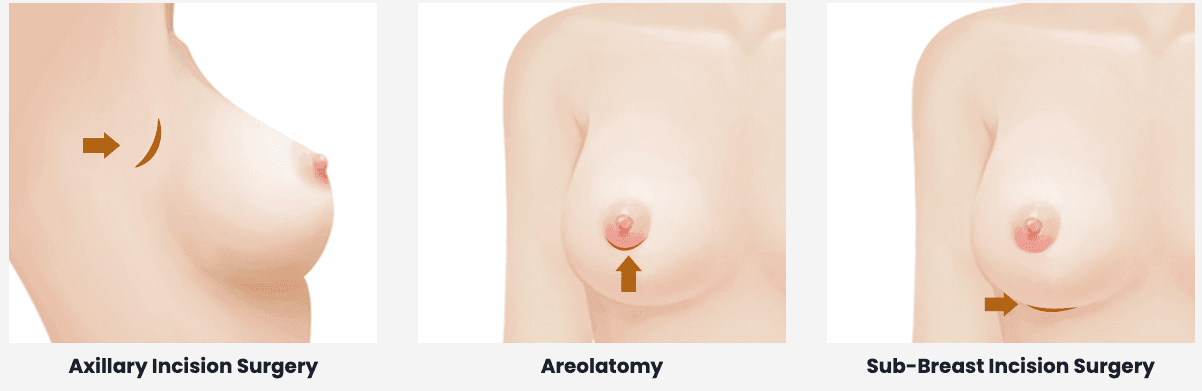
Incision choice depends on your anatomy, implant type, and surgeon’s advice.
- Inframammary Incision: Cut in the fold under the breast; easily hidden.
- Periareolar Incision: Around the areola edge; less visible but may affect sensation and breastfeeding.
- Transaxillary Incision: In the armpit; no breast scar, but a scar under the arm.
- Transumbilical Incision: Near the belly button; used for saline implants, guided by an endoscope.
Implant Placement Options
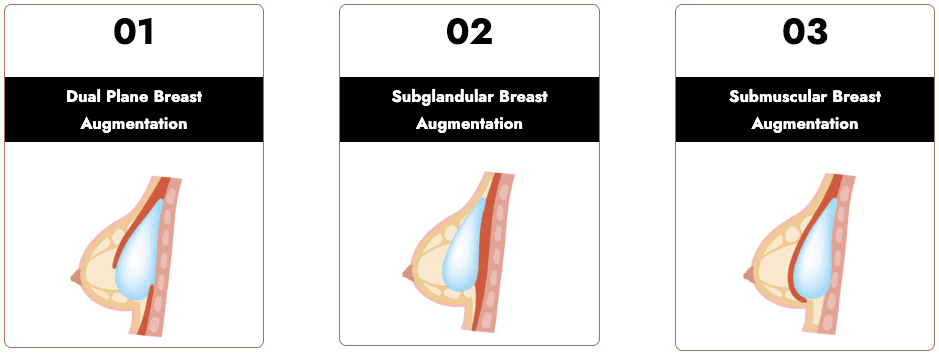
Implants can be placed in different positions:
- Sub-glandular Placement: Behind breast tissue, on top of muscle. Simpler, less discomfort, good for mild drooping.
- Sub-muscular Placement: Behind both breast tissue and muscle. More coverage, good for slender patients, but may move with muscle contraction.
- Dual Plane Augmentation: Combines both, with the upper implant behind muscle and lower behind tissue.
Alternative/Combined Techniques
- Fat Transfer Breast Augmentation: Fat is taken from other body areas and injected into the breasts for a natural look.
- Hybrid Breast Augmentation: Combines implants and fat transfer for a natural feel and more volume. Some Korean clinics use Platelet-Rich Plasma (PRP) to improve fat graft survival.
General Surgical Process, Recovery, and Expected Timeline
Before Surgery: You may need imaging tests and a breast exam. Stop blood thinners and smoking before surgery. Arrange for help at home and fill pain prescriptions ahead of time.
On Surgery Day: Don’t eat or drink after midnight. Wear loose, front-opening clothes and bring a soft, wireless bra.
The Operation: Surgery takes 1–1.5 hours, usually under general anesthesia. The surgeon makes the incision, places the implant, and closes the wound.
After the Procedure: Most people go home the same day or after one night. You’ll wear a surgical bra, and may have drainage tubes for a few days. Pain is managed with medication, and you’ll be encouraged to move around early.
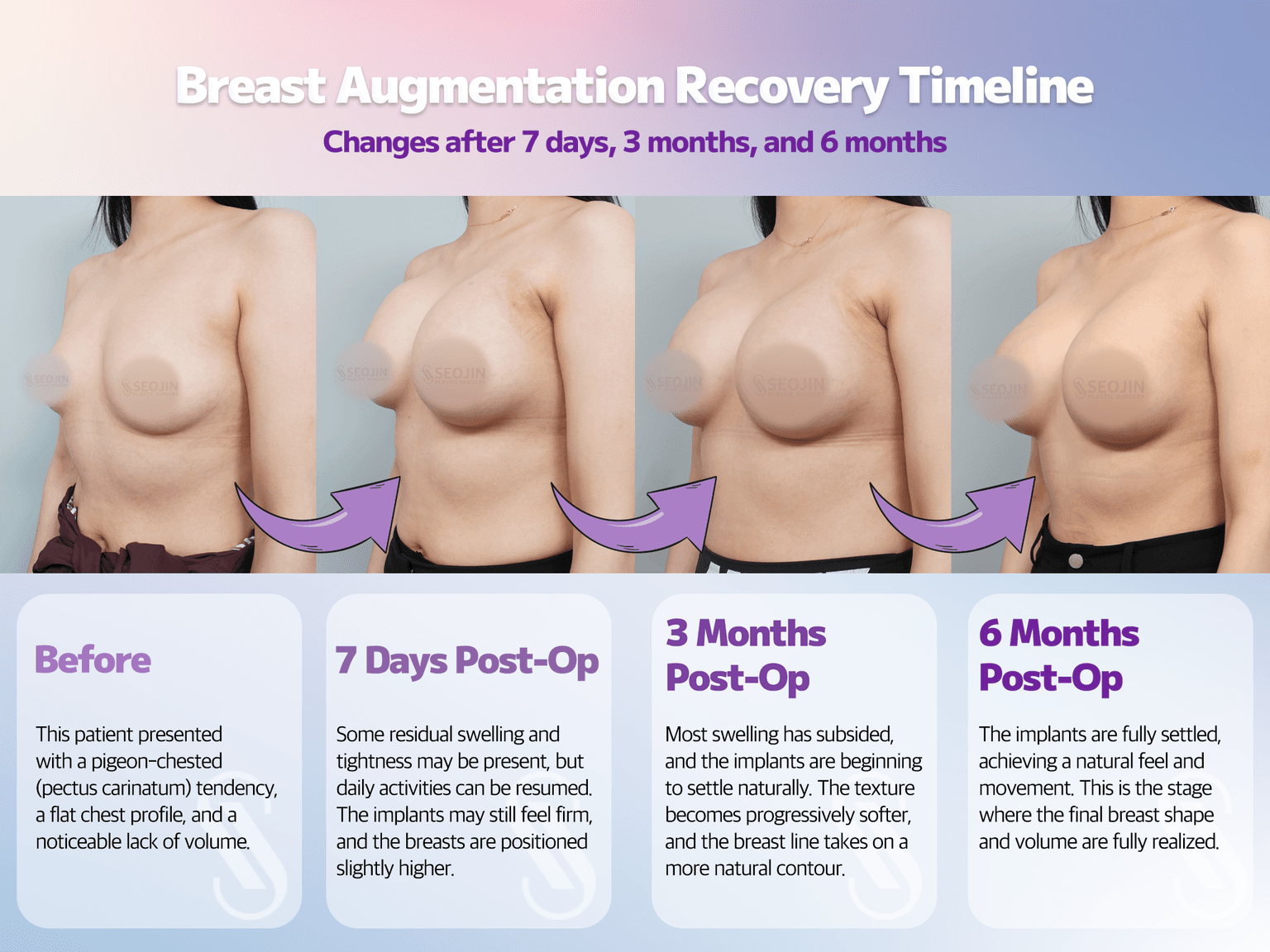
Recovery Timeline: Swelling, bruising, and discomfort are normal and fade in a few weeks. Breasts settle into their final shape over 3–4 months. Most return to work in 1–2 weeks and can exercise fully in six weeks.
Scars: Scars start red, turn purple, then fade to white. Healing varies, and some may scar more than others.
Potential Risks and Complications Specific to Tuberous Breast Correction/Implants
While satisfaction is high, it’s important to have realistic expectations. Breast implants aren’t permanent and may need future revision or replacement.
Risks include:
- Implant Failure: Implants can break or leak, requiring replacement.
- Capsular Contracture: Scar tissue can tighten around the implant, making the breast firm or painful; may need more surgery.
- Implant Extrusion / Tissue Necrosis: If tissue coverage is poor or infection occurs, the implant may become exposed and need removal.
- Skin Wrinkling and Rippling: More likely with saline or textured implants or thin tissue.
- Implant Malposition: Implants can shift, ride high, or “bottom out,” sometimes needing correction.
- Change in Nipple and Skin Sensation: Sensation changes can be temporary or permanent, and breastfeeding may not be possible.
- Breast Implant Associated Anaplastic Large Cell Lymphoma (BIA-ALCL): A rare lymphoma linked to textured implants; treatable if detected early.
- General Surgical Risks: Bleeding, infection, scarring, asymmetry, anesthesia risks, and possible need for more than one surgery.
It’s vital to understand that breast augmentation is a long-term commitment, not a one-time fix. Ongoing monitoring and possible future procedures are part of the journey. Open, honest discussions with your surgeon about risks and maintenance are essential.
Patient Experiences and Outcomes for Constricted Lower Pole Correction
Many who undergo breast augmentation for constricted lower pole deformity report major improvements in appearance and self-esteem. Still, it’s important to know both the benefits and risks.
Reported Patient Outcomes and Satisfaction
Most patients are very satisfied after tuberous breast correction, often calling it “the best decision of my life.” They feel more confident and less self-conscious, especially in intimate situations or certain clothes.
The surgery aims to reshape and reposition breast tissue, release tight areas, and adjust the areola for a natural, balanced look. Many patients appreciate the natural results and improved symmetry. Some need revision surgery, especially after weight changes or if the first surgery wasn’t optimal.
The positive impact goes beyond looks—correcting the deformity can relieve body image distress and improve quality of life. For many, it’s about feeling normal and comfortable in their own skin.
Which Are the Best Clinics in Korea for Constricted Lower Pole?
Listed below are some of the best clinics in Korea for constricted lower pole.
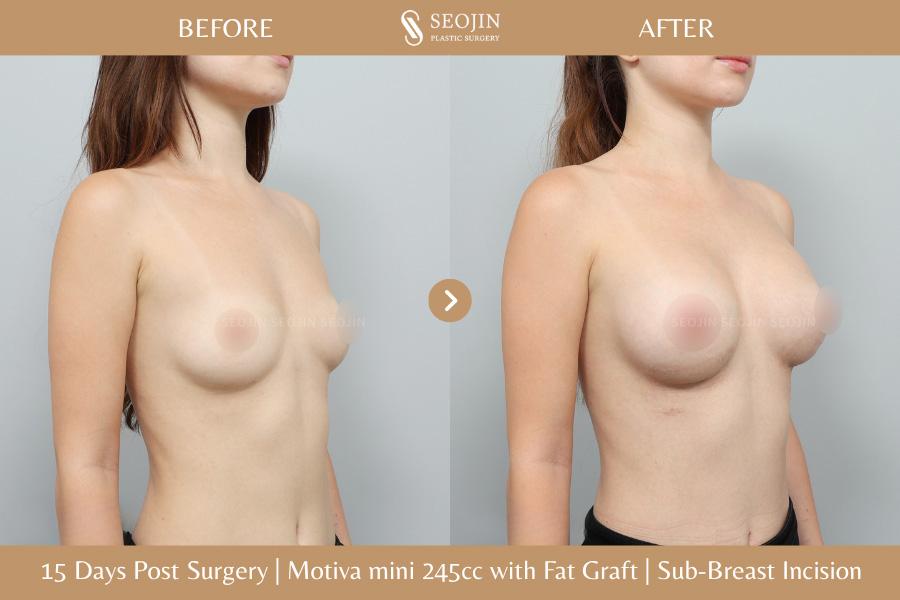
1. Seojin Plastic Surgery Clinic
You may consider Seojin Plastic Surgery Clinic if your constricted lower-pole concern calls for implant-pocket planning tailored to your chest anatomy. Its microscale dual-plane approach, 3D spatial dissection, and use of an intraoperative sizer are presented as ways to individualize implant position, contour, and symmetry, with 3D modeling and implant trial options available during planning.
- URL: Seojin Plastic Surgery Clinic Website
- Location: Gangnam-gu, Seoul
- Procedure approach:
- Microscale dual-plane augmentation is customized to your ribcage, breast tissue, and chest anatomy.
- 3D spatial dissection is used to create a smooth implant pocket, and an intraoperative sizer is used to assess shape, size, and symmetry before final implant placement.
- Hybrid augmentation can combine implants with fat grafting to add softness and refine contour; the clinic states it may use PRP with breast fat grafting.
- Planning and care:
- 3D implant modeling can help you compare implant brands and types and visualize predicted outcomes.
- A complimentary implant trial bra service lets you assess fit and design before surgery.
- Dr. Lee Hyungmin provides end-to-end care in the clinic’s one-doctor model and has more than 16 years of experience.
2. THEPLUS Plastic Surgery
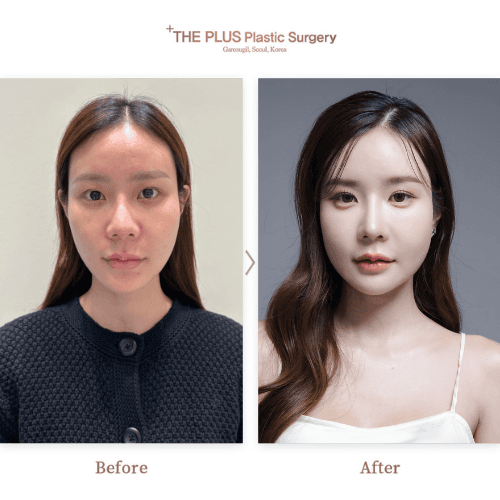
You may consider THEPLUS Plastic Surgery for a constricted lower-pole concern if you want augmentation planning led by a board-certified breast specialist who tailors implant placement and incision choice to your body type. Dr. Lee uses Motiva Ergonomix implants with full-HD endoscopic visualization, while the clinic also offers breast-lift techniques selected through a 3-D assessment of breast shape and skin elasticity.
- URL: THEPLUS Plastic Surgery Website
- Location: Gangnam-gu, Seoul
- Breast-surgery expertise:
- Dr. Lee is a board-certified plastic surgeon specializing in breast augmentation, breast lift, and breast reduction.
- Her background includes work as a Surgery Specialist at Seoul National University Hospital and clinical training at Seoul Metropolitan Boramae Hospital.
- She is affiliated with the Korean Society of Plastic and Reconstructive Surgery and the Korean Society of Aesthetic Plastic Surgery.
- Augmentation planning:
- For augmentation, Dr. Lee uses FDA-approved Motiva Ergonomix implants and individualizes implant placement and incision location to your body type.
- Full-HD endoscopic visualization is used during augmentation planning and surgery.
- Support and follow-up:
- The clinic describes advanced sterilization protocols, systematic postoperative monitoring, and aftercare tailored to your healing pace.
- English-language support and translator assistance are available for international visitors from consultation through recovery.
3. Okay Plastic Surgery Clinic
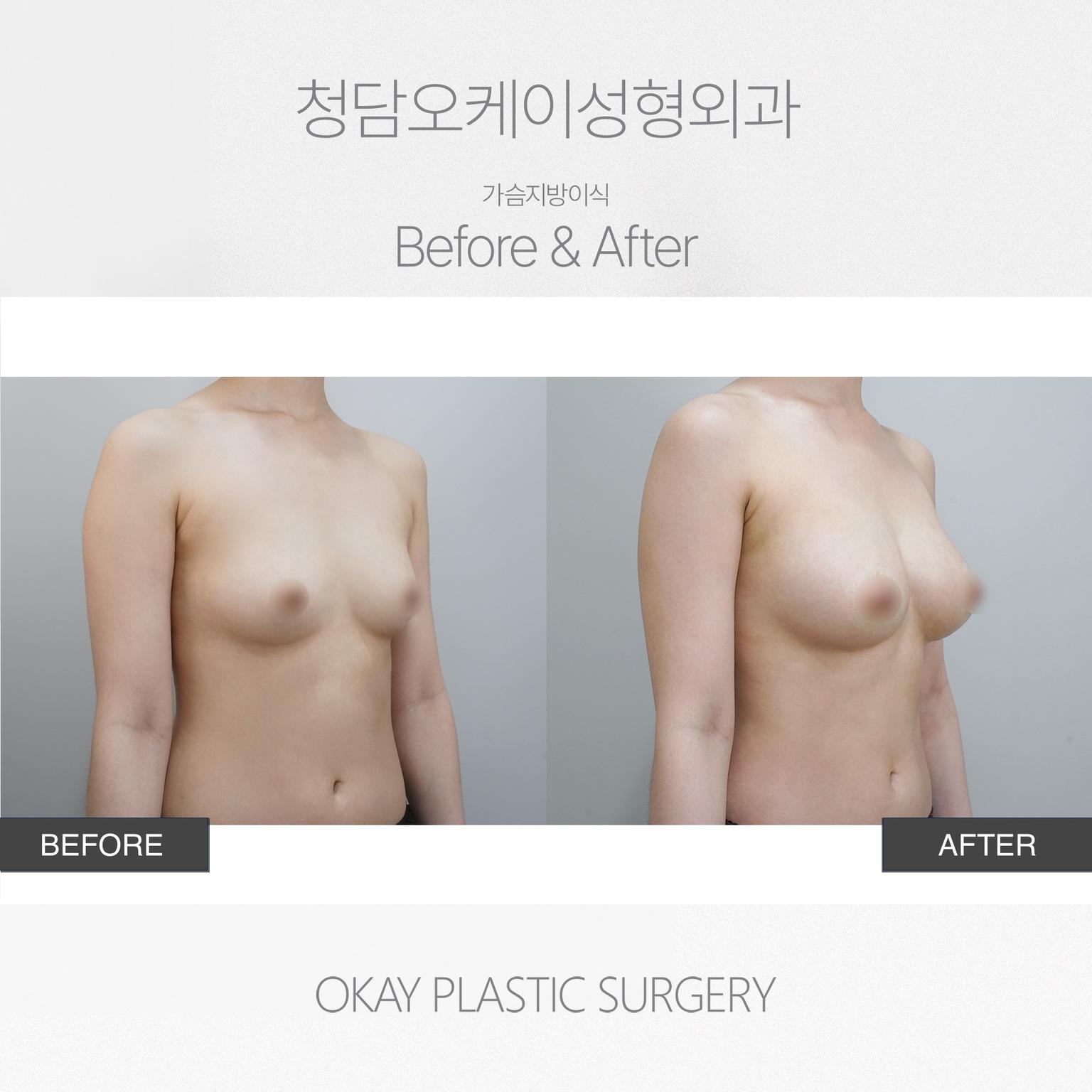
You may consider Okay Plastic Surgery Clinic for a constricted lower-pole concern because its specialized Breast Center brings together augmentation, lift, reduction, and nipple-correction options, allowing your surgical plan to be considered alongside breast shape and related concerns. Dr. Cho’s breast-surgery focus and research background may be relevant when your anatomy requires a more individualized assessment.
- URL: Okay Plastic Surgery Clinic Website
- Location: Gangnam-gu, Seoul
- Breast-focused care:
- Okay Plastic Surgery operates a specialized Breast Center offering breast augmentation, breast reduction, breast lift, and nipple-correction procedures.
- The clinic also lists treatment for sagging breasts, inverted nipples, and gynecomastia.
- Surgeon and follow-up:
- Dr. Cho is described as specializing in breast surgery and as having studied and published research on the subject.
- The clinic emphasizes individualized treatment planning and comprehensive aftercare intended to support natural, lasting results.
Breast Augmentation in Korea: A Medical Tourist's Guide
South Korea is a top destination for plastic surgery, attracting patients worldwide with its advanced techniques and specialized clinics.
Process for International Patients in South Korea
Here’s what to expect as an international patient:
- Initial Consultation: Start with an online consultation, then meet your surgeon in person. You’ll discuss your health, goals, and options. Many clinics offer translation and multilingual staff to help you understand every step.
- Pre-operative Assessments and Preparation: You’ll have medical tests to ensure you’re ready for surgery. Avoid certain medications, alcohol, and smoking before your procedure. Plan to stay in Korea for 1–2 weeks for surgery and recovery.
- Surgery and Immediate Post-operative Care: Surgery is done under general anesthesia and lasts 1–2 hours. Afterward, you’ll manage discomfort with medication, wear a support bra, and attend follow-ups. Some clinics use advanced techniques like 3D dissection and intraoperative sizers for the best results.
- Recovery and Follow-up: Recovery varies, but you’ll need rest and limited activity. Swelling and bruising are common but improve in weeks. Follow your surgeon’s aftercare instructions and attend all follow-ups.
Costs Associated with Breast Augmentation in South Korea
Breast implants in South Korea typically cost $3,000–$10,900 USD (about 4,360,000–15,850,000 KRW). Costs depend on the surgeon’s experience, clinic reputation, and location.
For international patients, packages often include:
- Special Medical Insurance: Covers unexpected complications.
- Medical Tests: Pre-op tests are usually included.
- Accommodation: Many clinics provide guesthouses or hotel stays.
- Airport Transfer: Pick-up and drop-off services are common.
- Language Assistance: Interpretation and translation services are standard.
Additional costs may include flights ($700–$1,500), extra accommodation ($60–$200/night if not included), and post-surgery care ($400–$1,000). Medical tourists spend about 13.5 days in Korea on average.
Cost Comparison with Other Countries (Medical Tourist Perspective)
Here’s how South Korea compares to other destinations:
| Country | Breast Augmentation Cost Range (USD) | Reputation and Considerations |
|---|---|---|
| South Korea | $7,000 - $10,000 | Advanced surgery, high standards, skilled surgeons, comprehensive packages. |
| Turkey | $3,000 - $4,000 | Affordable, high-quality care, experienced surgeons. |
| Thailand | $3,500 - $5,000 | Competitive prices, modern facilities, skilled surgeons. |
| United States | Higher, varies | Includes all fees, often more expensive than international options. |
| United Kingdom | $10,000 - $12,000 | High-quality care, strict standards, higher costs, extras may not be included. |
| Europe | $8,500 - $9,500 | Competitive, but may not include travel or post-op care. |
| Malaysia | $6,000 - $11,000 | Often includes insurance, tests, accommodation, transfers, and language help. |
South Korea’s prices are higher than Turkey and Thailand, but the value comes from comprehensive care packages and high standards. For those seeking a seamless, secure experience, South Korea’s bundled approach may be worth the higher price.
Conclusion
Constricted lower pole deformity is a developmental breast condition that can deeply affect self-esteem, but breast augmentation offers a specialized corrective solution. South Korea stands out for its advanced techniques and comprehensive care packages, making it a top choice for medical tourists seeking quality and support. While most patients experience significant improvements in confidence and appearance, it’s important to understand the long-term commitment and potential risks involved. Choosing an experienced surgeon and staying informed are key to achieving the best results.
References
1, 2, 3, 4, 5, 6, 7, 8, 9, 10, 11, 12, 13, 14, 15, 16, 17, 18
Frequently Asked Questions
Related Blogs
Implant Removal in Korea: Revision Breast Surgery Solutions for Desire for Implant Removal
Updated: Aug 18, 2026
Lateral Breast Fullness: Breast Reduction Procedures in Korea for Contoured Results
Updated: Aug 18, 2026
Male Chest Enlargement Solutions: Gynecomastia Surgery Procedures in Korea for Effective Results
Updated: Aug 18, 2026
Ptotic Breasts Solutions: Breast Lift Procedures in Korea for Youthful, Firm Results
Updated: Aug 18, 2026
Clinics offering Breast Augmentation

THEPLUS Plastic Surgery Korea | Eye, Nose, Face & Body Surgery
Sinsa

Seojin Plastic Surgery Clinic Korea: Pioneering Advanced Cosmetic Procedures for Personalized Aesthetic Transformation
Apgujeong

Okay Plastic Surgery Clinic in Korea: Comprehensive Aesthetic Procedures with Sincerity and Care
Cheongdam

Banobagi Plastic Surgery: A Pioneering and Trusted Plastic Surgery Clinic in Korea
Seolleung