
Medical Tourism Blog
Male Chest Enlargement Solutions: Gynecomastia Surgery Procedures in Korea for Effective Results
Table of contents
- The Surgical Solution: Reduction Mammaplasty for Gynecomastia
- Which Are the Best Clinics in Korea for Male Chest Enlargement?
- Navigating Medical Tourism in South Korea: The Patient's Journey
- Financial Analysis for the Medical Tourist
- Patient Experiences and the Psychological Transformation
- Conclusion
- References
Considering treatment in Korea? Everything you need to know e.g. — how to avoid scams, visas, interpreters, recovery tips — in our Medical Tourism Master Guide. Plan with confidence in minutes, not weeks!
Gynecomastia—the benign enlargement of male breast glandular tissue—may not be dangerous physically, but it can cause considerable psychological and emotional distress. This guide explores the definitions, causes, and surgical correction options for the condition (reduction mammaplasty), with a special focus on medical tourism to South Korea. The report highlights South Korea’s world-class medical care, expert surgeons, and comprehensive support services offered at prices far lower than those in many Western nations. Patient experiences reveal that for many, gynecomastia surgery is much more than a cosmetic fix—it is a transformative procedure that enhances overall psychological well-being and quality of life.
Defining Gynecomastia, Pseudogynecomastia, and Common Pseudonyms
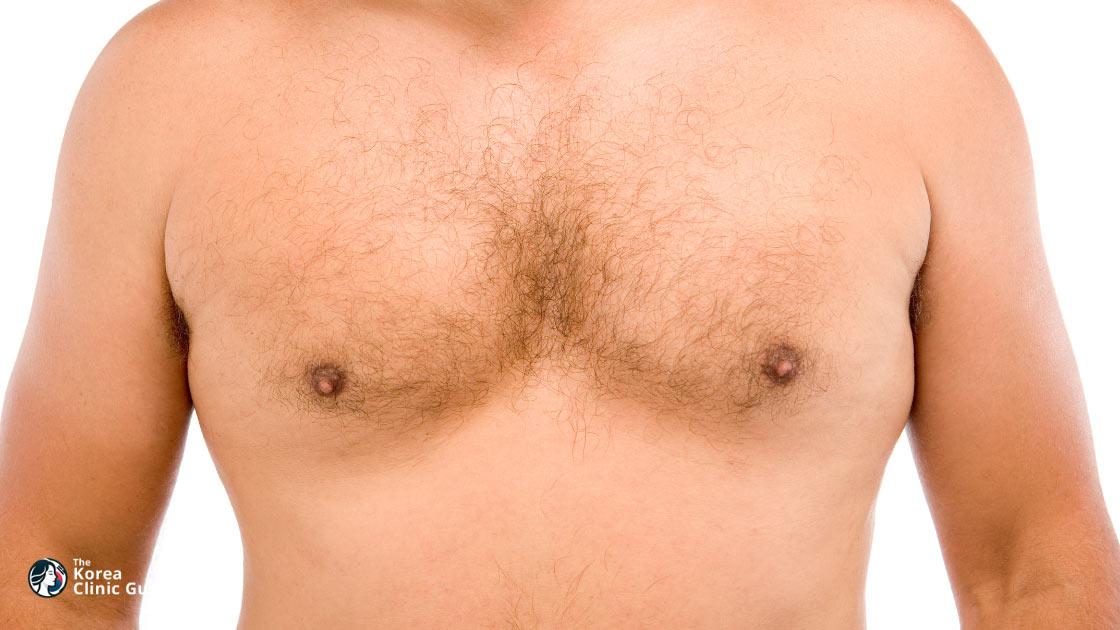
Male chest enlargement is commonly discussed both in casual language and precise medical terminology. The most specific term is gynecomastia, defined as benign proliferation of male breast glandular tissue. Unlike simple fat build-up, this involves palpable, often tender glandular tissue centered beneath the nipple—generally felt as a firm, mobile disc-shaped mass. While this condition typically appears on both sides, it can also affect just one side or be asymmetrical.
It’s essential to distinguish gynecomastia from pseudogynecomastia, where the enlargement is due to fat accumulation alone, with no glandular growth. Examination will identify a diffuse enlargement but no firm lump. This difference critically affects treatment: pseudogynecomastia can usually be managed with liposuction alone, while true gynecomastia with dense glandular tissue requires surgical excision. Accurate diagnosis is the key to appropriate, effective treatment.
In addition to clinical terminology, everyday language includes terms such as "male chest enlargement," "man boobs," and "moobs." The formal name for surgical correction is reduction mammaplasty.
Etiology and Pathophysiology: Causes and Contributing Factors
Gynecomastia results primarily from an imbalance between estrogen and androgen hormones. Such imbalances often occur naturally during specific life stages: infancy (due to maternal estrogen), puberty (where over half of all teenage boys may experience symptoms), and older age (especially after age 50).
Other factors also contribute, ranging from lifestyle habits to medical conditions and certain medications. Obesity, for instance, modifies hormone levels and increases risk. Gynecomastia can also be associated with health conditions such as hyperthyroidism, hypogonadism, chronic liver disease, and kidney failure. In rare instances, it signals serious issues like tumors of the adrenal, pituitary, or testicular glands.
Many medications—including digoxin, chemotherapy agents, and spironolactone—as well as some recreational drugs such as marijuana and heroin, have been implicated as causes.
Table 1: Common Causes of Gynecomastia
| Category | Specific Causes |
|---|---|
| Hormonal | Neonatal (maternal estrogen), Puberty, Aging (over 50 years of age) |
| Medical Conditions | Hyperthyroidism, Hypogonadism, Chronic liver disease, Kidney failure, Tumors (adrenal, pituitary, testes) |
| Pharmacological / Drug Use | Anabolic steroids, Marijuana, Heroin, Methadone, Chemotherapeutic drugs (e.g., methotrexate), Digoxin, Estrogens |
| Lifestyle Factors | Obesity, Alcohol use |
Differential Diagnosis and Medical Consultation
A professional medical consultation is crucial for anyone experiencing breast enlargement. Though most cases are harmless, distinguishing gynecomastia from more serious conditions like male breast cancer is essential. Healthcare providers use thorough history-taking and physical examination as first steps.
Sometimes, further investigations—blood tests (for hormones, liver, kidney function) and imaging (mammogram or ultrasound)—are necessary to clarify the diagnosis and plan treatment. These steps form the foundation for both the surgical approach and expected recovery, underscoring the importance of an accurate, comprehensive diagnosis.
The Surgical Solution: Reduction Mammaplasty for Gynecomastia
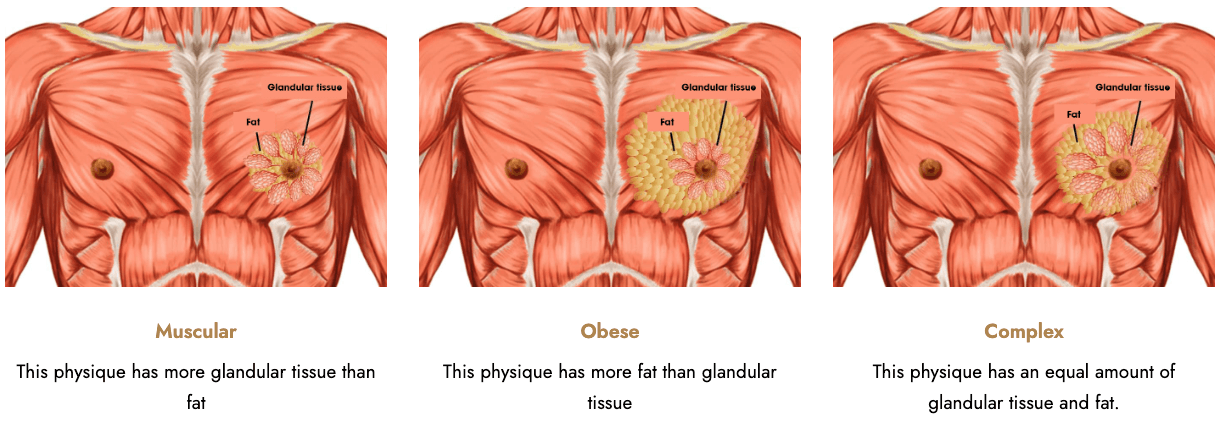
Surgery, specifically reduction mammaplasty, remains the only permanent option for cases that don’t resolve naturally. The procedure is tailored to the patient’s specific anatomy, severity of the condition, and whether there is excess skin or primarily glandular versus fatty tissue.
A Detailed Guide to Surgical Techniques
Modern gynecomastia surgery combines advanced methods for optimal results.
- Liposuction: Suitable for removing excess fat, liposuction can treat pseudogynecomastia and is typically used in combination with glandular excision for true gynecomastia. Surgeons create small incisions to remove fat and reshape the chest; VASER liposuction offers even greater precision and muscle definition.
- Glandular Excision: Necessary for dense glandular tissue, excision is performed via incisions along the areola to minimize scarring. Severe cases may need additional incisions for removing skin or repositioning the nipple.
- Combined Techniques and Skin Reduction: Most procedures use both liposuction and glandular excision. For higher-grade cases with excess skin, skin reduction or breast lift techniques may be added.
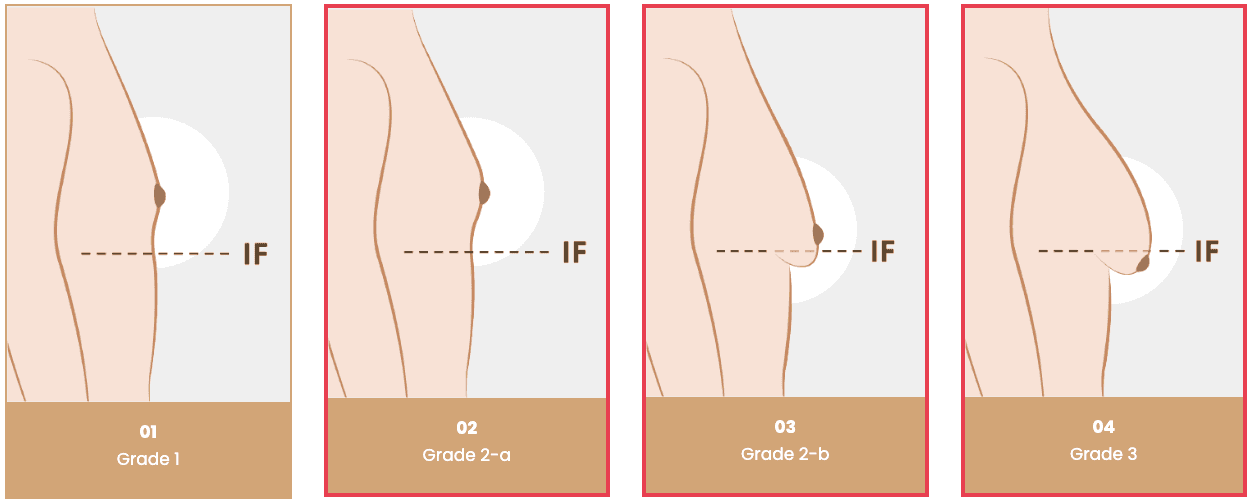
Table 2: Gynecomastia Grades and Corresponding Surgical Techniques
| Gynecomastia Grade | Description | Common Surgical Technique(s) |
|---|---|---|
| Grade I | Small enlargement, no skin excess | Liposuction only, or Skin-Sparing Mastectomy (SSPM) with/without liposuction |
| Grade IIa | Moderate enlargement, no skin excess | Liposuction with SSPM |
| Grade IIb | Moderate enlargement, extra skin | Excision with possible skin resection; combined liposuction and SSPM |
| Grade III | Marked enlargement, extra skin | Mastectomy with skin reduction (MSR), often with liposuction and nipple repositioning |
Pre-operative Preparation and Medical Testing
During the initial consultation, the surgeon and patient set shared goals and outline a personalized surgical plan. Patients are instructed to avoid nicotine in all forms for at least six weeks before and after surgery to aid healing and lower risk of complications. Other pre-op steps include stopping certain medications, abstaining from alcohol and illicit substances, avoiding sun exposure, and removing chest and underarm hair to reduce infection risks.
The Post-operative Recovery Timeline: A Day-by-Day and Week-by-Week Guide
Recovery proceeds in distinct phases, and following instructions is vital for optimal outcomes.
- Immediate Post-Op (First 1-3 Days): Discomfort and swelling are managed with pain control and compression garments. Gentle walking is encouraged.
- Weeks 1-2: Pain subsides, stitches may be removed after about a week, and most patients return to light activities. Strenuous activity is still restricted and compression garments should be worn continuously.
- Weeks 3-4: Most swelling resolves. The compression garment may be discontinued, and routine activity (except chest workouts) resumed.
- Week 6 and Beyond: Full recovery is usual by this stage, allowing return to all activities, including workouts.
Meticulous adherence to these guidelines, including caring for incisions and avoiding smoking and alcohol, contributes directly to healing speed and surgical results.
Which Are the Best Clinics in Korea for Male Chest Enlargement?
Listed below are some of the best clinics in Korea for male chest enlargement.
1. Lydian Plastic Surgery Clinic
For male chest contour concerns, Lydian Plastic Surgery Clinic emphasizes anatomy-based liposuction planning, custom cannulas, and 3D imaging to tailor fat removal to your proportions. The supplied information focuses on body sculpting rather than a dedicated male chest-enlargement procedure, so your suitability and the specific chest technique would need individualized assessment.
- URL: Lydian Plastic Surgery Clinic Website
- Location: Gangnam-gu, Seoul
- Body contouring approach:
- Uses anatomy-based planning that considers your chest circumference, proportions, and overall body shape rather than a standardized fat-removal pattern.
- Offers more than 30 custom-designed liposuction cannulas for different body areas and body types.
- Quantificare 3D imaging is used for pre-procedure design and to document results.
- Incisions and aftercare:
- The clinic describes using one to two strategically placed, inconspicuous incisions for its liposuction approach, although incision needs depend on the treatment area and plan.
- Aftercare addresses swelling, contour irregularities, skin-elasticity recovery, and residual-fat contouring.
- The clinic also reports devices intended to address stretch marks and skin laxity alongside liposuction.
- Surgeon and related services:
- Dr. An Kyung Chun is described as having over two decades of body-sculpting experience and as Director of the 5D Liposculpture Academy.
- Available services described in the source include liposuction, 5D/high-definition liposculpture, tummy tuck, fat grafting, and Brazilian butt lift.
2. Seojin Plastic Surgery Clinic
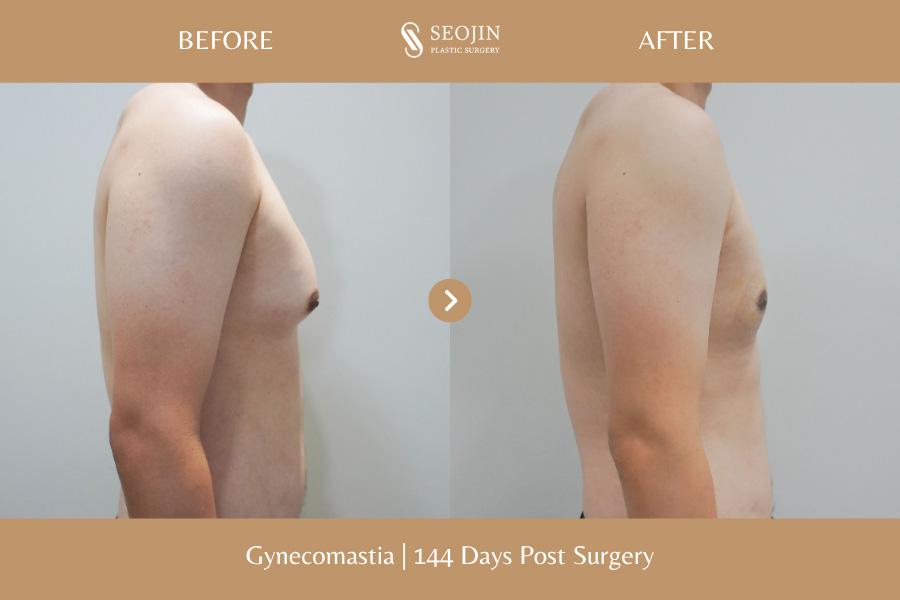
If your concern is excess male chest tissue or fullness, Seojin Plastic Surgery Clinic describes gynecomastia surgery that combines glandular-tissue removal with surrounding liposuction and, when appropriate, Velody II lifting. Its approach aims to improve chest contour while using a partial areola incision and avoiding extra incisions for the adjacent contouring and lifting steps.
- URL: Seojin Plastic Surgery Clinic Website
- Location: Gangnam-gu, Seoul
- Gynecomastia procedure:
- The clinic describes a combined approach that may include glandular-tissue removal, liposuction of nearby areas, and Velody II lifting.
- Glandular tissue is removed through a partial areola incision, rather than the larger full-areola, vertical, or anchor-shaped incisions described in the source.
- Nearby liposuction and Velody II lifting are described as being performed without additional incisions to help manage sagging.
- Care team and follow-up:
- Dedicated male staff are described as supporting comfort and privacy during consultations and procedures.
- Seojin describes care from consultation through postoperative follow-up, including a specialized scar-management center for scar concealment.
- International support includes bilingual assistance, personalized treatment planning, and online consultations.
- Lead surgeon:
- Dr. Lee Hyungmin is described as providing end-to-end care in a one-doctor clinic model.
- The source states that Dr. Lee has more than 16 years of experience and was recognized among Korea’s 100 Good Doctors.
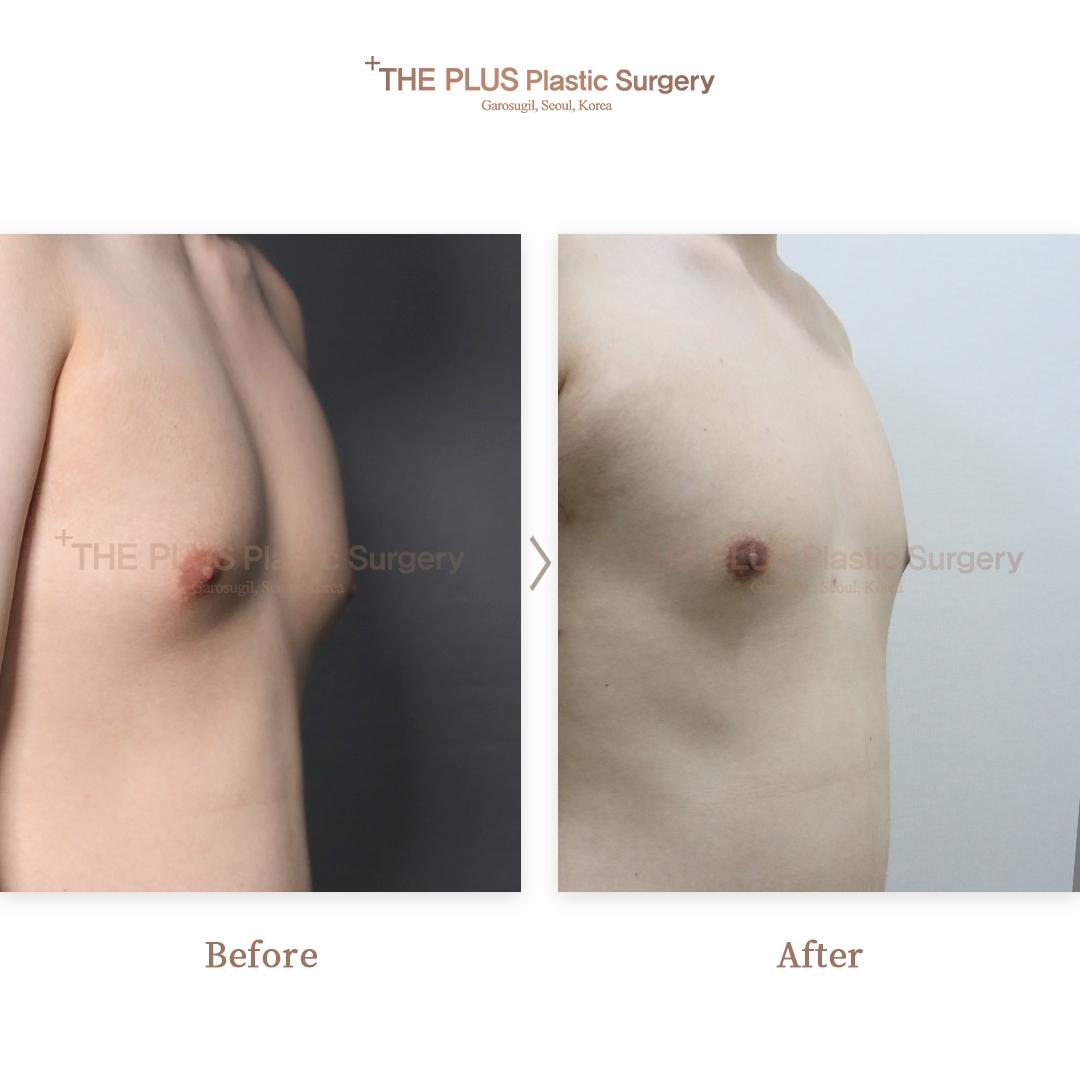
3. THEPLUS Plastic Surgery
For a male chest-enlargement inquiry, THEPLUS Plastic Surgery’s supplied information does not describe a dedicated male chest procedure, but it does document breast-reduction expertise under board-certified plastic surgeon Dr. Lee. You can expect individualized surgical planning and follow-up protocols; whether its breast-reduction techniques apply to your chest goals would require a direct consultation.
- URL: THEPLUS Plastic Surgery Website
- Location: Gangnam-gu, Seoul
- Relevant breast-surgery expertise:
- Dr. Lee is a board-certified plastic surgeon whose stated specialties include breast augmentation, breast lift, and breast reduction.
- For breast reduction, the source describes use of a pedicle technique intended to preserve nipple sensation while removing excess volume and pursuing balanced proportions.
- Dr. Lee previously held a Surgery Specialist position at Seoul National University Hospital and is a member of Korean plastic-surgery societies.
- Planning and aftercare:
- The clinic describes individualized planning based on body type and 3-D assessment for its breast procedures.
- It reports advanced sterilization protocols, systematic postoperative monitoring, and aftercare tailored to your healing pace.
- English-language support and translator assistance are available for international visitors from consultation through recovery.
Navigating Medical Tourism in South Korea: The Patient's Journey
South Korea is now a leading destination for medical tourists seeking plastic surgery, thanks to its skilled professionals, advanced technology, and patient-centered process.
The Step-by-Step Process for International Patients
- Initial Online Consultation: Many clinics provide free remote consultations, allowing patients to share photos and medical histories for a preliminary assessment and quote—no need to travel until ready for surgery.
- Pre-Arrival Arrangements: Clinics help arrange accommodation, airport transfers, and translation, while patients are responsible mainly for travel.
- In-Person Consultation and Pre-Operative Testing: Upon arrival, a face-to-face consultation finalizes the plan; pre-surgical testing ensures patient safety.
- The Day of Surgery: The procedure is typically outpatient and lasts 60 to 90 minutes, administered under general anesthesia or IV sedation with an anesthesiologist present.
- Post-Operative Care and Follow-up: South Korea’s clinics are acclaimed for comprehensive aftercare, including pain management, follow-up appointments, and sometimes accommodations within the clinic for convenience and ongoing support.
Choosing a Clinic: Criteria for a Successful Outcome
Important considerations include:
- Surgeon Expertise and Reputation: Board-certified surgeons—often with credentials from renowned institutions—should have significant experience and positive outcomes.
- Advanced Technology: Look for clinics using innovations like VASER liposuction and minimally invasive techniques.
- Integrated Patient Services: Reliable clinics offer online consultations, translation, airport pickup, and on-site lodging for a streamlined experience.
Key Logistical Services for a Seamless Experience
Korean clinics stand out by responding proactively to the needs of international patients, minimizing stress and maximizing convenience through integrated support, language assistance, and carefully coordinated logistics from first contact to post-surgical recovery.
Financial Analysis for the Medical Tourist
Financial transparency is crucial for medical tourism decisions.
Costs of Gynecomastia Surgery in South Korea
The average cost for gynecomastia surgery in South Korea is about $4,110 (ranging from $2,800 to $5,402), though the overall span is $1,600 to $18,000 depending on complexity and clinic. Standard quotes cover surgical, anesthesia, and facility fees. Extras may include:
- Pre-operative medical tests
- Prescriptions
- Recovery garments
- Additional treatments such as lymphatic massage or scar care
- Accommodation, travel, and meals unless part of a package
A Comparative Cost Analysis: South Korea vs. Western Nations and Other Medical Tourism Hubs
South Korea’s prices for gynecomastia surgery are highly competitive:
- United States: $4,250 - $9,500 (average $5,587)
- United Kingdom: $5,200 - $8,500
- South Korea: $2,800 - $5,402
- Turkey: $1,950 - $3,500
- Thailand: $2,400 - $5,500
- Mexico: $2,750 - $4,250
Table 3: Comparative Cost of Gynecomastia Surgery
| Country | Average Cost Range |
|---|---|
| United States | $4,250 - $9,500 |
| United Kingdom | $5,200 - $8,500 |
| South Korea | $2,800 - $5,402 |
| Turkey | $1,950 - $3,500 |
| Thailand | $2,400 - $5,500 |
| Mexico | $2,750 - $4,250 |
While South Korea may have higher prices than some other tourist destinations, it offers exceptional value relative to Western nations, standing out for its advanced care and integrated patient experience.
Patient Experiences and the Psychological Transformation
While gynecomastia is medically benign, it can have significant emotional impacts, affecting self-esteem and day-to-day life.
The Emotional and Social Burden of Living with Gynecomastia
The psychological weight of gynecomastia leads many to feel embarrassed and ashamed, avoiding activities like swimming or going to the gym. Some patients describe their struggles with social withdrawal, wardrobe changes, and even severe conditions like depression or suicidal thoughts.
Some stories stand out, like Brandon’s, whose daily life and relationships suffered, or the Reddit user who dreaded simple acts like removing a shirt in public. These powerful accounts reveal the real-world impact and challenge the notion that gynecomastia is merely cosmetic.
The Impact of Surgery on Self-Confidence and Quality of Life
Most patients describe surgery as transformative. Relief from the physical symptoms—such as excessive glandular swelling or discomfort—is matched by a dramatic boost in self-confidence and social participation. Patients repeatedly use language like "life-changing," enjoying newfound freedoms such as swimming without anxiety or sleeping more comfortably.
Patient Testimonials and Relatable Journeys
Patient narratives illustrate the journey from distress to transformation:
- The Athlete’s Struggle: Daniel, a competitive physique athlete, underwent surgery to overcome distress and succeed in his sport.
- The Teenage Burden: For Brandon, early onset gynecomastia affected him profoundly into adulthood.
- The Liberated Professional: Another patient described finally feeling comfortable wearing fitted shirts and enjoying public spaces freely.
While most experiences are positive, there are cautionary tales—like one patient who faced complications due to inadequate surgical care—highlighting the importance of thorough research and realistic expectations.
Conclusion
Gynecomastia is more than a physical condition—its impact on emotional health can be considerable. For those seeking surgical correction, South Korea stands out for its advanced techniques, expert care, and comprehensive support, all at costs far lower than in Western countries. Patients are advised to seek professional diagnosis, understand all treatment options, evaluate clinics for comprehensive care, adhere to recovery instructions, and approach their decision thoughtfully. With the right approach, surgery can lead to meaningful improvements in both confidence and quality of life.
References
1, 2, 3, 4, 5, 6, 7, 8, 9, 10, 11, 12, 13, 14, 15, 16, 17, 18, 19, 20, 21, 22, 23, 24, 25, 26, 27, 28, 29, 30, 31, 32, 33, 34
Frequently Asked Questions
Related Blogs
Gynecomastia in Korea: Surgery Methods, Recovery, Travel Planning and Alternatives
Gynecomastia surgery in Korea may use liposuction, gland excision, or skin reduction based on chest tissue, skin elasticity, and nipple position. Costs range from ₩4,000,000–₩8,000,000, with international patients advised to stay 7–10 days for early review and travel clearance.
Updated: Sep 17, 2026
Gynecomastia in Korea: Surgery Methods, Recovery, Travel Planning, and Alternatives
Gynecomastia surgery in Korea may use liposuction, gland excision, or skin reduction based on gland, fat, skin excess, and nipple position; costs range from ₩4,000,000–₩8,000,000. International patients should plan 11–14 nights, avoid flying for at least 10 days after chest surgery, and arrange early reviews and remote follow-up.
Updated: Sep 16, 2026
Areola Tattoo in Korea: Types, Recovery, Travel Planning and Safety
Areola micropigmentation restores areolar color, borders, symmetry, or a 2D/3D visual nipple effect after stable reconstruction, surgery, trauma, or selected top surgery cases. The article covers candidacy, treatment steps, Korea travel planning, 10–14-day healing restrictions, aftercare, touch-up timing, risks, and alternatives.
Updated: Sep 15, 2026

Breast Reduction in Korea: Methods, Recovery, Travel Planning and Risks
Breast reduction removes breast tissue and excess skin under general anesthesia to reduce heaviness and reshape the breasts; pedicle and incision techniques depend on anatomy and reduction goals. In Korea, costs are ₩15,000,000–₩20,000,000, with international patients advised to stay at least 10–14 days for wound checks and surgeon-approved travel clearance.
Updated: Sep 14, 2026
Clinics offering Gynecomastia

THEPLUS Plastic Surgery Korea | Eye, Nose, Face & Body Surgery
Sinsa

StanTop Urology & Andrology: Korea's Premier Clinic for Advanced Urological and Andrological Treatments
Sinnonhyeon Station

Lydian Plastic Surgery Clinic in Korea: Superior Cosmetic Procedures by World-Renowned Expert Dr. An Kyung Chun
Apgujeong

Seojin Plastic Surgery Clinic Korea: Pioneering Advanced Cosmetic Procedures for Personalized Aesthetic Transformation
Apgujeong