
Medical Tourism Blog
Chubby Cheeks in Adults: Effective Face Contouring Procedures in Korea for a Slimmer Look
Table of contents
- Understanding "Chubby Cheeks" in Adulthood
- Medical Procedures for Face Contouring
- The Medical Tourism Journey for Face Contouring in South Korea
- Cost Analysis: Face Contouring in South Korea vs. Global Destinations
- Patient Experiences and Real-World Outcomes
- Conclusions
- References
Considering treatment in Korea? Everything you need to know e.g. — how to avoid scams, visas, interpreters, recovery tips — in our Medical Tourism Master Guide. Plan with confidence in minutes, not weeks!
Excess cheek fat in adulthood—often called "chubby cheeks"—can be a source of self-consciousness for many. While full cheeks are seen as youthful in children, their persistence into adulthood may lead to concerns about looking "too young," "too fat," or having a "baby face." This mismatch between how people feel and how they look can impact confidence and overall well-being. For many, seeking solutions is about more than just appearance—it's about achieving a self-image that feels right.
This guide explores solutions for excess cheek fat, focusing on face contouring procedures and the growing trend of medical tourism to South Korea. You'll find clear explanations of available options, what to expect from each, cost breakdowns, and real patient experiences.
Understanding "Chubby Cheeks" in Adulthood
"Chubby cheeks" describe a soft, rounded fullness from beneath the eyes to the jawline, mainly due to the buccal fat pad—a rounded mass of fat beneath the cheekbone. When this fat pad is large, it creates a more pronounced, "chubby" look. Patients often use terms like "chipmunk cheeks" and "baby face" to describe this, while medical professionals refer to procedures like "Buccal Fat Removal" or "Cheek Reduction."
Underlying Causes and Contributing Factors
The main reason for persistent "chubby cheeks" in adults is genetics—some people naturally have larger buccal fat pads, regardless of their overall weight or fitness. This explains why even those who are fit may still have full cheeks. Since buccal fat doesn't respond to diet or exercise, many turn to surgical options as the only effective solution. Lifestyle factors like weight gain, diet, alcohol, and hydration can also affect facial fullness, but genetics and facial structure play the biggest roles.
Distinguishing from Medical Conditions (e.g., Moon Facies)
It's important to distinguish cosmetic "chubby cheeks" from "Moon Facies" (or "moon face"), a medical condition where the face becomes round and puffy due to fat buildup, often linked to Cushing's syndrome or long-term steroid use. Diagnosing moon facies involves blood and urine tests for cortisol and sometimes imaging. If caused by medication, adjusting the dose under medical supervision can help. Proper diagnosis ensures that cosmetic procedures aren't performed when a medical solution is needed.
Overview of Non-Surgical and Lifestyle Approaches
While lifestyle changes rarely affect genetically determined buccal fat, they can help with general facial fullness. Staying hydrated, limiting alcohol, reducing sodium, and regular cardio can help. Non-surgical treatments are also available:
- Botox for Masseter Reduction: Botox injections can slim the jawline by relaxing the masseter muscles, creating a more tapered look.
- Dermal Fillers: Fillers add volume to areas like the cheekbones or jawline, balancing facial proportions and making cheeks appear less full. Results last 6–18 months.
- Radiofrequency Treatments: These use energy to heat and disrupt fat cells, tightening skin with minimal downtime.
- Other Non-Surgical Fat Reduction: Options like injectable deoxycholic acid and cryolipolysis target and dissolve or freeze cheek fat for less invasive results.
Table 1: Common Pseudonyms and Medical Terms for "Chubby Cheeks"
| Category | Terms |
|---|---|
| Common Patient Terms | Chubby cheeks, baby face, chipmunk cheeks, round face |
This table helps bridge communication between patients and providers, clarifying concerns and highlighting the importance of medical evaluation.
Medical Procedures for Face Contouring
For those seeking lasting results, surgical face contouring offers targeted solutions. The main options are buccal fat removal and facial liposuction, each with unique benefits.
Buccal Fat Removal (Buccal Lipectomy / Cheek Reduction Surgery)
Buccal fat removal is a plastic surgery that reduces fullness in the lower cheeks by removing the buccal fat pad. The goal is a more defined, V-shaped face and enhanced cheekbones and jawline. The amount of fat removed is customized for each patient.
Ideal Candidates: Healthy adults with stable weight and persistent cheek fullness not responsive to diet or exercise. It's best for those wanting a more angular look. It's not recommended for people with narrow faces or older adults with less skin elasticity, as it can cause a gaunt appearance. Most surgeons suggest waiting until age 18–20.
Surgical Process: The procedure takes about an hour and is done under local or general anesthesia. A small incision is made inside the mouth, and the fat pad is removed. The incision is closed with dissolvable stitches. Some advanced techniques may also remove a strip of mucosa or muscle for extra definition.
Outcomes and Recovery: Results are permanent, with a slimmer face and sharper jawline. Recovery is quick—most return to daily activities the next day. Swelling and discomfort are mild and usually resolve within a week, but final results appear after 2–3 months. Good oral hygiene is important during healing.
Risks: Risks include bleeding, infection, nerve injury, facial asymmetry, and the possibility of looking too gaunt over time, especially as the face naturally loses fat with age.
Facial Liposuction (Cheek Liposuction)
Facial liposuction removes fat from various areas of the cheeks and lower face using a thin tube (cannula) and suction. Unlike buccal fat removal, it targets broader fat deposits.
Key Differences: Buccal fat removal targets a specific fat pad, while liposuction is more customizable for different areas. Liposuction is less invasive than a facelift and can be combined with other procedures for balanced results.
Ideal Candidates: Those with localized fat pockets and good skin elasticity. It's not ideal for people with thin skin, as it may appear loose after fat removal.
Surgical Process: The procedure lasts 30–60 minutes, with small incisions near the target areas. Advanced techniques like VASER liposuction use ultrasound to melt fat for more precise removal and skin tightening.
Outcomes and Recovery: Results are long-lasting, with a slimmer face and refined jawline. Recovery takes about 10–14 days, with swelling and bruising common. Full results appear in 3–6 months.
Risks: Risks include bruising, infection, uneven skin, nerve damage, and rare complications like fat embolism.
Table 2: Comparison of Buccal Fat Removal vs. Facial Liposuction
| Feature | Buccal Fat Removal | Facial Liposuction |
|---|---|---|
| Target Area | Specific buccal fat pad (deep) | General fat deposits in lower face/cheeks |
| Procedure Type | Surgical | Surgical (less invasive than facelift) |
| Incision Location | Inside mouth (no visible scar) | Small external or internal cuts |
| Anesthesia | Local or General | Local or Twilight Sedation |
| Duration | <1 hour | 30–60 minutes |
| Recovery (Initial) | 1–2 weeks swelling | Up to 2 weeks swelling/bruising |
| Full Results | 2–3 months | 3–6 months |
| Scarring | Internal (no visible scar) | Minimal/hidden |
| Permanence | Permanent | Permanent |
| Ideal Candidate | Naturally round/full cheeks, non-smoker | Localized fat pockets, good skin, non-smoker |
| Advantages | Targeted, no external scars, quick recovery | Customizable, multiple areas, less invasive |
| Risks | Gaunt look, nerve/gland injury, asymmetry | Loose/uneven skin, nerve damage |
Other Relevant Face Contouring Procedures
Face contouring often involves a combination of techniques for balanced results:
- Chin Liposuction: Removes fat under the chin for a refined jawline, often combined with other procedures.
- VASER Liposuction: Uses ultrasound for precise fat removal and skin tightening.
- Non-Surgical Injectables: Fillers (like Juvederm, Restylane) add volume, while Botox slims the jawline by relaxing muscles.
- Fat Grafting / Lipofilling: Transfers fat from other body areas to the face for natural, long-lasting volume.
- Bone Contouring Surgeries: More invasive procedures like jaw reduction, cheekbone reduction, and chin augmentation reshape the facial structure.
The Medical Tourism Journey for Face Contouring in South Korea
South Korea is a global leader in plastic surgery, performing over a million procedures annually. Korean surgeons are highly trained, especially in bone and soft tissue contouring, and clinics use advanced technology like AI-assisted 3D imaging. Safety is a top priority, with low complication rates and international accreditations. The "natural aesthetic philosophy" in Korea focuses on balanced, subtle results.
Korea offers competitive pricing—often 30–60% less than in the US or Western Europe—without sacrificing quality. The influence of K-pop and social media has made Korea a top destination for those seeking a specific aesthetic ideal.
Step-by-Step Process for International Patients
Korean clinics provide a comprehensive medical tourism package, making the process smooth for international patients:
- Initial Consultation: Often virtual, with 3D imaging to plan the procedure and visualize results.
- Pre-Surgery Evaluations: Medical checks and instructions to ensure safety.
- Travel and Accommodation: Many clinics help arrange travel, airport pickup, and hotel stays.
- Surgery: Performed with advanced techniques, usually under general anesthesia.
- Post-Surgical Care: Includes monitoring, medication, and follow-up appointments. Patients usually stay in Korea for 1–2 weeks after surgery.
- Long-Term Follow-up: Virtual consultations and, if needed, collaboration with local clinics for ongoing care.
Which Are the Best Clinics in Korea for Chubby Cheeks Adult?
Listed below are some of the best clinics in Korea for chubby cheeks adult.
1. THEPLUS Plastic Surgery
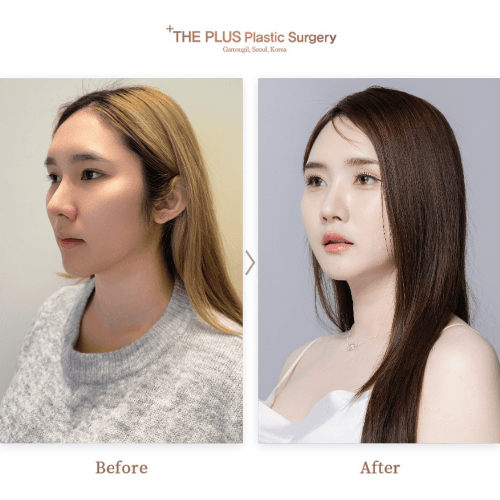
If your fuller-cheek appearance is related to prominent cheekbones rather than facial fat alone, you can discuss cheekbone contouring at THEPLUS Plastic Surgery. Dr. Kim’s described approach rotates and repositions the cheekbone slightly forward instead of relying on aggressive bone removal, with the aim of creating a slimmer, balanced midface while considering skin firmness and your underlying bone structure.
- URL: THEPLUS Plastic Surgery Website
- Location: Gangnam-gu, Seoul
- Cheekbone contouring approach:
- The clinic describes a rotation-and-repositioning method for cheekbone reduction rather than cutting away bone.
- Your plan can be tailored when you have a larger underlying bone structure.
- Cheekbone surgery, square-jaw surgery, chin surgery, facial implants, fat grafting, thread lifting, and facelift procedures are listed facial-contouring options.
- Surgical expertise:
- Dr. Kim is a board-certified plastic surgeon with a focus on rhinoplasty and facial contouring.
- His background includes research recognition for 3D implants and educational sessions for other plastic surgeons.
- Dr. Jeong is identified as President of the Korean Society of Plastic Surgeons and has experience presenting at professional forums.
2. Made Young Plastic Surgery
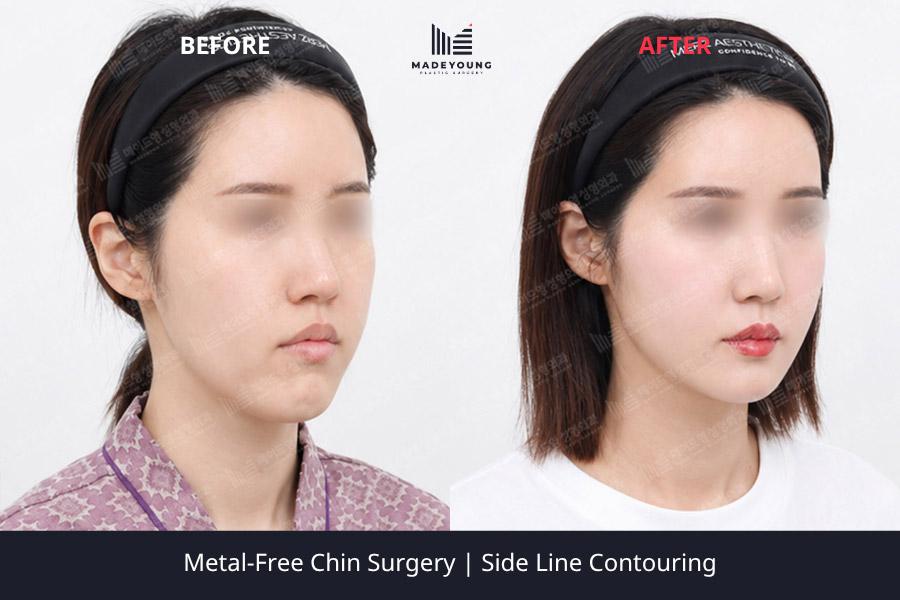
You may consider Made Young Plastic Surgery when prominent cheekbones contribute to the look of chubby cheeks and you want to explore surgical facial contouring. The clinic lists cheekbone reduction, including a metal-free cheekbone reduction option, alongside individualized medical-team consultation and diagnosis before a procedure.
- URL: Made Young Plastic Surgery Website
- Location: Seocho-gu, Seoul
- Facial contouring options:
- Cheekbone reduction and metal-free cheekbone reduction are listed for reshaping prominent cheekbones.
- Related contouring options include V-line surgery, metal-free V-line surgery, jaw reduction, and genioplasty.
- Non-surgical lifting options listed include thread lifting, ultrasound-based Shurink, Ultherapy, and skin boosters.
- Safety and aftercare:
- Full-time board-certified anesthesiologists are on site.
- The clinic describes one-to-one anesthesiology monitoring and a cross-check response system for emergencies.
- A separate aftercare center is listed, along with full CCTV coverage of procedures.
3. Banobagi Plastic Surgery
You can explore a customized facial-contouring consultation at Banobagi Plastic Surgery if you want to assess whether your fuller-cheek appearance may be addressed through contour-focused treatment. Established in 2000 by plastic-surgery specialists from Seoul National University Hospital, the clinic states that it aims to avoid recommending unnecessary or excessive surgery.
- URL: Banobagi Plastic Surgery Website
- Location: Gangnam-gu, Seoul
- What the clinic offers:
- The clinic has a dedicated facial-contouring center as part of its multi-specialty plastic-surgery facilities.
- Other listed centers include body contouring, breast surgery, wrinkle surgery, eye surgery, nose surgery, fillers and special surgery, and obesity care.
- The clinic describes one-to-one customized treatment and field-specific medical equipment.
- Clinic background:
- Banobagi was established in 2000 by four medical professionals specializing in plastic surgery from Seoul National University Hospital.
- Its facilities include a six-story main building and a five-story annex.
Cost Analysis: Face Contouring in South Korea vs. Global Destinations
Cost is a major factor for many patients. South Korea offers advanced care at competitive prices.
Detailed Cost Breakdown for Buccal Fat Removal in South Korea
Buccal fat removal costs between ₩1,000,000 and ₩5,400,000 ($746–$3,000 USD), with an average of $1,165 in Seoul. A 10% deposit is usually required to secure a date.
Detailed Cost Breakdown for Facial Liposuction in South Korea
Facial liposuction ranges from ₩3,000,000 to ₩4,000,000 ($2,000–$5,000 USD). Chin liposuction costs $2,200–$2,900. It's generally pricier than buccal fat removal due to technique and equipment.
Comparative Analysis of Costs: South Korea vs. Key International Markets
While not always the cheapest, Korea offers 30–60% lower prices than the US or Western Europe, with high standards and comprehensive care. This value proposition attracts patients seeking both quality and affordability.
Table 3: Estimated Costs of Buccal Fat Removal: South Korea vs. Global Destinations (USD)
| Country/Region | Price Range (USD) | Key Considerations |
|---|---|---|
| South Korea | $746–$3,000 | High standards, advanced tech, care packages |
| USA | $2,000–$8,000 | Higher costs, high standards, travel for non-locals |
| Mexico | $500–$3,000 | Lower costs, safety varies |
| Turkey | $1,000–$2,500 | Competitive, check clinic reputation |
| UK | $2,000–$6,500 | High standards, travel costs |
| Australia | $2,000–$10,000 | High standards, may exclude aftercare |
| Germany | $3,000–$4,500 | High clinical quality |
| France | $3,500–$5,000 | High clinical quality |
| Italy | $2,500–$4,000 | Advanced tech, regional variation |
| Spain | $2,000–$3,500 | Balance of quality and cost |
| Thailand | $425–$2,656 | Competitive, check clinic reputation |
| Philippines | ~$720 | Affordable, check standards |
Table 4: Estimated Costs of Facial Liposuction: South Korea vs. Global Destinations (USD)
| Country/Region | Procedure Type | Price Range (USD) | Key Considerations |
|---|---|---|---|
| South Korea | General Facial Lipo | $2,000–$5,000 | Affordable, high standards |
| Chin Liposuction | $2,200–$2,900 | Lower than US | |
| USA | General Liposuction | $3,500–$20,000 | Higher costs |
| Chin Liposuction | $3,000–$7,500+ | Higher than Korea | |
| Mexico | Face Contouring | $3,000–$4,200 | Affordable, varies |
| Jawline Contouring | $1,260–$1,800 | Affordable |
Factors Influencing the Overall Cost of Procedures
Final costs depend on several factors, including surgeon expertise, clinic location, procedure complexity, technique, anesthesia, included services, amount of fat removed, and whether additional procedures are combined. Patients should seek transparent, all-inclusive quotes to avoid surprises.
Table 5: Key Factors Influencing Face Contouring Procedure Costs
| Factor | Impact on Cost |
|---|---|
| Surgeon's Expertise | Higher fees for renowned surgeons |
| Clinic Location and Quality | Urban centers and top facilities cost more |
| Procedure Complexity | More complex procedures are pricier |
| Technique Used | Advanced methods may cost more |
| Anesthesia Type | General anesthesia adds to cost |
| Pre/Post-op Services | Bundled packages increase total but add value |
| Body Mass/Fat Amount | More fat removal can increase cost |
| Additional Procedures | Combining procedures raises overall price |
Patient Experiences and Real-World Outcomes
Patients who undergo face contouring for "chubby cheeks" often see dramatic improvements in appearance and self-confidence.
Transformative Results: Sharpened Jawlines, Defined Cheekbones, Enhanced Facial Harmony
Many report a slimmer face, more prominent cheekbones, and a sharper jawline. Buccal fat removal is praised for creating a defined "V-shape," while facial liposuction (especially VASER) tightens skin and enhances harmony. Fat transfer can restore youthful volume for natural, lasting results.
Patient Satisfaction and Confidence Boost
Patient reviews show high satisfaction—buccal fat removal has a 91% "Worth it" rating on RealSelf. Beyond physical changes, many feel more confident and comfortable in their skin, with minimal discomfort and quick recovery.
Important Considerations: Realistic Expectations, Aging Effects, and Potential for Revision
It's crucial to have realistic expectations. Surgeons should explain how facial features may change over time, especially as aging can make the face look gaunter after fat removal. Weight changes can also affect results. While complications are rare in accredited Korean clinics, risks include nerve damage, infection, and asymmetry. Choosing a board-certified surgeon and following post-op instructions are key to success.
Conclusions
Face contouring procedures like buccal fat removal and facial liposuction offer effective, lasting solutions for adults with "chubby cheeks," especially when genetics are the main cause. South Korea stands out as a top destination, combining skilled surgeons, advanced technology, and competitive pricing with a supportive medical tourism experience. Patient satisfaction is high, but success depends on thorough evaluation, realistic expectations, and choosing the right provider.
References
1, 2, 3, 4, 5, 6, 7, 8, 9, 10, 11, 12, 13, 14, 15, 16, 17, 18, 19, 20, 21, 22, 23, 24, 25, 26, 27, 28, 29, 30, 31, 32, 33
Frequently Asked Questions
Related Blogs
Cheekbone Reduction in Korea: Methods, Recovery, Risks, and Travel Planning
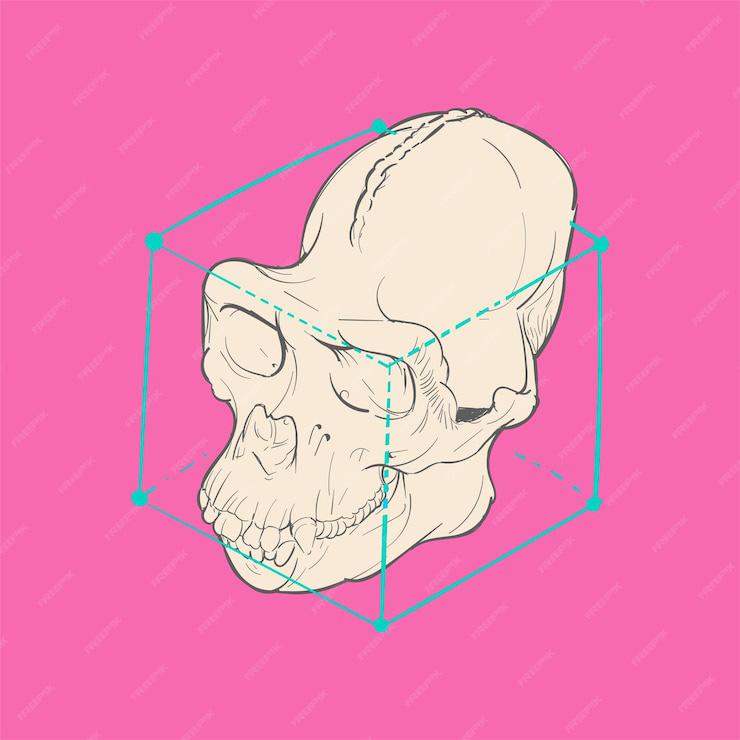
Cheekbone reduction uses bone shaving, partial cuts, or L-shaped osteotomy with repositioning to narrow prominent zygomatic body or arch contours. In Korea, costs range from ₩5,500,000–₩18,000,000; international patients should plan 10–14 days locally for recovery and postoperative review.
Updated: Sep 20, 2026
Masseter Reduction in Korea: Candidacy, Surgery, Recovery, Risks, and Travel Planning
Masseter reduction removes a planned portion of deep chewing muscle through an intraoral incision after confirming muscle-driven lower-face width and assessing dental, bite, jaw, and anesthesia factors. International patients can review Korea provider registration, plan at least 10–14 days after isolated surgery, attend follow-ups, arrange flexible flights, and obtain operative records and emergen
Updated: Sep 19, 2026
Paranasal Implant in Korea: Materials, Recovery, Risks, and Travel Planning
Paranasal implant surgery places a silicone, ePTFE, or porous polyethylene implant over the premaxillary bone to improve localized nasal-base support, with assessment of facial anatomy, dental occlusion, and alternatives such as filler, fat grafting, rhinoplasty, or jaw treatment. International patients should plan 10–14 days in Korea for review and travel clearance, follow infection-prevention an
Updated: Sep 18, 2026

Facial Asymmetry Correction in Korea: Diagnosis, Treatment Options, Recovery and Travel Planning
Facial asymmetry correction is selected by cause and may involve orthodontics, jaw surgery, genioplasty, muscle botulinum toxin, filler, fat grafting, implants, or condition-specific reconstruction. The article covers candidacy, Korea travel planning, expected stays and follow-up, preparation, recovery, and warning signs requiring urgent care.
Updated: Sep 16, 2026
Clinics offering Face Contouring

THEPLUS Plastic Surgery Korea | Eye, Nose, Face & Body Surgery
Sinsa

Made Young Plastic Surgery: Rejuvenating Aesthetic Excellence in Korea for Face Lifts, Contouring and More
Gangnam Station

Banobagi Plastic Surgery: A Pioneering and Trusted Plastic Surgery Clinic in Korea
Seolleung

Mind Plastic Surgery: Excellence in Cosmetic & Reconstructive Procedures in Korea
Sinnonhyeon Station