Medical Tourism Blog
White Scar Discoloration Solutions in Korea: Dual Toning Procedure for Even Skin Tone
Table of contents
- Understanding Hypopigmented Scars: Characteristics, Causes, and Pseudonyms
- Dual Toning: A Detailed Medical Procedure for Skin Rejuvenation
- Best Clinics in Korea for White Scar Discoloration
- The Medical Tourist’s Journey: Getting Dual Toning in South Korea
- Cost Analysis: Dual Toning in South Korea vs. Global Medical Tourism Destinations
- Patient Outcomes and Expectations for Hypopigmented Scars Treated with Dual Toning
- Conclusion
- References
Considering treatment in Korea? Everything you need to know e.g. — how to avoid scams, visas, interpreters, recovery tips — in our Medical Tourism Master Guide. Plan with confidence in minutes, not weeks!
Hypopigmented scars appear lighter than the surrounding skin, which often leads to both aesthetic worries and psychological distress. Common triggers include self-harm, surgeries such as C-sections, injury, or severe acne. The visible contrast these scars create can be difficult to mask and may affect how individuals feel about themselves or are perceived by others. Addressing these scars is not only about improving skin—it’s about reclaiming confidence and improving quality of life.
Because the skin's natural ability to restore pigmentation is limited, treating hypopigmented scars is especially challenging. Current therapies aim to repigment the white areas and reduce their visual contrast, using options including topical treatments, microneedling, multiple lasers, and sometimes surgical melanocyte transfer. Treatment choice depends on details like the scar’s age, skin type, and the scar’s depth and severity.
Understanding Hypopigmented Scars: Characteristics, Causes, and Pseudonyms
What are Hypopigmented Scars?
Hypopigmentation means lighter skin due to a deficiency of melanin—the pigment that gives skin, hair, and eyes their color. Hypopigmented scars show up as flat or raised pale spots where melanocytes (the cells that make melanin) are missing or nonfunctional. Though these scars aren’t usually painful, they can seriously impact a person’s self-esteem.
During wound healing, the skin repairs itself through three phases: inflammation, proliferation, and remodeling. Hypopigmentation usually follows damage to the basal epithelial layer, which hinders melanocyte regeneration. As a result, the skin can’t naturally restore its previous color, which explains why treating hypopigmented scars often means aiming for improvement, not perfection.
Common Causes of Hypopigmentation in Scars
Skin injuries—burns, surgery, or trauma—are the leading causes. Stitches from operations, minor falls, even acne or self-harm, can all result in lighter scars, sometimes made more prominent by clothing or lifestyle. Other causes include:
- Albinism: A rare genetic condition causing lifelong pale coloring.
- Pityriasis Alba: Flaky patches that leave hypopigmented spots.
- Vitiligo: An autoimmune condition wiping out melanocytes and leaving white patches; topical bimatoprost has shown promise here.
- Tinea Versicolor: A fungal overgrowth that causes lighter blotches.
- Lichen Sclerosus, Psoriasis, Eczema: Various skin disorders that can create light spots after flares.
Ironically, some cosmetic treatments, such as laser skin resurfacing, can actually cause hypopigmentation, especially if performed too aggressively. The kind of laser, its intensity, and the experience of the practitioner all play big roles, underlying the need for expert assessment and customization.
Pseudonyms and Related Terminology
The phrase "white scar discoloration" is most commonly described in medical settings as "hypopigmented scars." Related phrases include "White Scar Treatment," "Micro Dermal Melanin Grafting," and "Hypopigmented Scar Treatment." It’s important to distinguish hypopigmentation (too little melanin) from hyperpigmentation (too much melanin). While “Dual Toning” is usually used for hyperpigmentation, with the right approach it can also aid some hypopigmentation cases. Patients searching online should use accurate medical terms for clarity and effective learning.
Table 1: Common Pseudonyms and Key Characteristics of Hypopigmented Scars
| Term/Pseudonym | Key Characteristic | Common Causes |
|---|---|---|
| White Scar Discoloration | Lighter than surrounding skin, lack/reduction of melanin | Trauma, burns, surgery, acne, self-harm, conditions |
| Hypopigmented Scars | Lighter, lack/reduction of melanin, can be flat or raised, not painful | Trauma, burns, surgery, acne, self-harm, conditions |
| Micro Dermal Melanin Grafting | Surgical procedure to restore natural pigmentation to white scar tissue | Trauma, burns, surgery, acne, self-harm, etc. |
| Hypopigmented Scar Treatment | Procedures aimed at restoring pigmentation to white scars | Trauma, burns, surgery, acne, self-harm, etc. |
Dual Toning: A Detailed Medical Procedure for Skin Rejuvenation
Defining Dual Toning
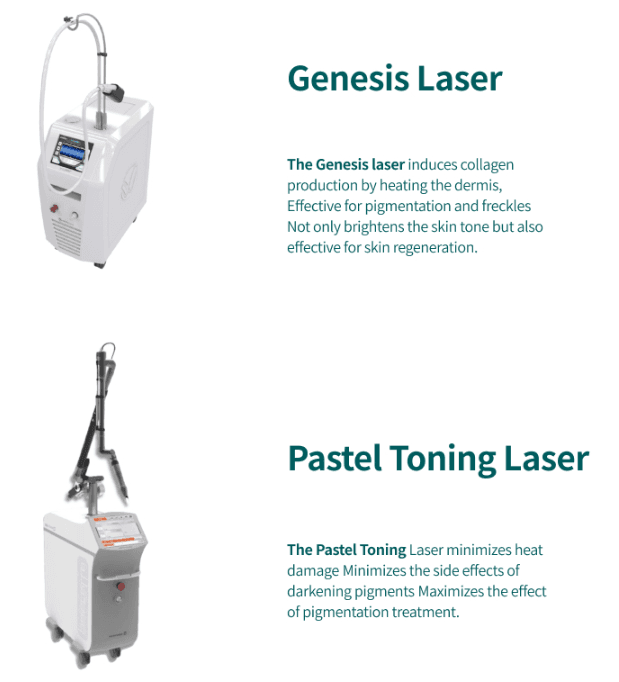
Dual Toning is an advanced laser treatment that has gained popularity in South Korea for its effectiveness in treating various skin concerns. It involves using two laser technologies together, typically targeting different skin layers for more comprehensive results than single-laser methods. Importantly, “Dual Toning” refers to a category of treatment rather than one rigid protocol—clinics may use different pairings, such as Q-switched Nd:YAG with fractional lasers or picosecond lasers, tailored to patients’ needs.
Core Laser Technologies Utilized in Dual Toning
Dual Toning’s success relies on its two core components:
-
Q-switched Nd:YAG Laser: Targets pigment issues (melasma, sun spots, etc.) by breaking up melanin; operates at multiple wavelengths (1064 and 532 nm) and usually causes minimal downtime.
-
Fractional Lasers (Er:YAG, CO2, Picosecond): Promote healing by creating tiny injuries in the skin, which boosts collagen production and improves skin tone and texture.
- Picosecond Laser: Delivers rapid, intense laser bursts, effectively treating deeper pigment and stimulating new collagen.
- Er:YAG Laser: Ablates precise layers of skin for scar revision.
- CO2 Laser: Powerful resurfacing for scars, treating micro-areas of skin to encourage healing with less downtime than full-field ablative lasers.
Combined, these lasers help address both superficial and deeper concerns and can be tailored to extend tissue remodeling effects.
Mechanism of Action: How Dual Toning Addresses Skin Concerns
Dual Toning is great for hyperpigmentation (melasma, sun spots), where the lasers break down excess melanin. For hypopigmented scars, the focus is on improving texture and blending scars into surrounding skin. The fractional component can stimulate dormant cells and collagen, partly improving the appearance, while careful application of pigment-targeting lasers helps blend skin tones without risking harm to existing melanocytes. Achieving results requires nuanced use and may be combined with medical creams or grafting for best outcomes.
Benefits of Dual Toning
- Comprehensive: Simultaneously targets multiple layers and issues.
- Minimal Downtime: Most people return to daily life the same or next day, with redness resolving quickly.
- Non-invasive: Well-tolerated, often without anesthesia, and suitable for a range of skin tones.
- Adaptable: With professional oversight, works for darker skin tones as well.
Potential Risks and Side Effects
- Temporary Redness and Swelling for about a day.
- Pigment Changes: Temporary darkening, or—rarely—hypos or hyper-pigmentation that could last months.
- Other Risks: Rare infections or prolonged inflammation; these are minimized with qualified providers and great aftercare (especially sunscreen).
Table 2: Dual Toning Laser Technologies and Their Primary Actions
| Laser Type | Primary Wavelength(s) | Mechanism of Action | Primary Target/Benefit | Relevance to Hypopigmented Scars |
|---|---|---|---|---|
| Q-switched Nd:YAG | 1064 nm, 532 nm | Melanin breakdown, pigment targeting | Hyperpigmentation, uneven skin tone | Treats surrounding skin to reduce scar visibility |
| Fractional Laser (e.g., Picosecond, Er:YAG, CO2) | Various (e.g. 1540 nm, 10,600 nm) | Micro-injury, collagen/elastin stimulation | Skin texture, pores, scar revision | Blends scars and may stimulate pigment in viable cells |
Best Clinics in Korea for White Scar Discoloration
Listed below are the best clinics in Korea for white scar discoloration:
| Clinic Name | Key Features | Special Techniques |
|---|---|---|
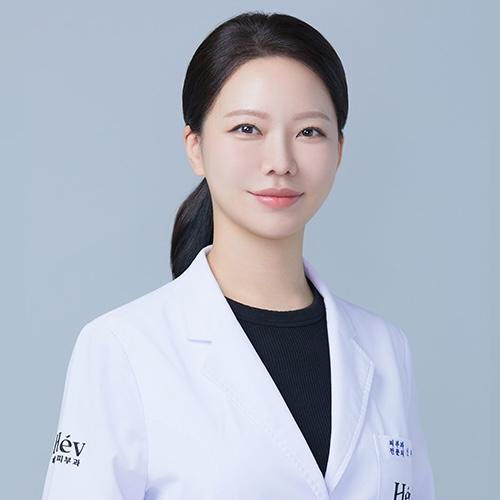
| Hev Dermatology Clinic | Hev Dermatology Clinic, located in Sinsa, is a dermatologist-led clinic specializing in advanced skin lifting and regenerative treatments, with a strong focus on skin health, rejuvenation, and natural-looking results. For concerns such as white scar discoloration, the clinic emphasizes precise skin analysis and expert consultation to design a safe, personalized plan, guided by board-certified dermatologists who actively participate in domestic and international academic societies. From consultation through completion, all procedures are carried out responsibly by the same attending dermatologist to ensure consistency, safety, and trust. Depending on the scar’s tone and texture, Hev Clinic offers a wide range of options that may be incorporated into a comprehensive approach, including pigment and redness-focused lasers (Pico Laser, IPL, Pulsed Dye Laser), resurfacing and texture treatments (Fraxel, CO2 laser, chemical peels, microneedling, RF microneedling), regenerative care (PRP, skin boosters such as Rejuran and Juvelook, and stem cell therapy with hyperbaric oxygen therapy), and supportive injectables (Botox and dermal fillers) when appropriate. | Pico Laser, IPL, Pulsed Dye Laser; Fraxel, CO2 laser, chemical peels, microneedling, RF microneedling; PRP, Rejuran, Juvelook; stem cell therapy with hyperbaric oxygen therapy; Botox; dermal fillers |
| Wannabeline Clinic | Wannabeline Clinic in Seomyeon stands out as a top choice in Korea for patients concerned about white scar discoloration because it approaches aesthetic concerns with a comprehensive, individualized philosophy rooted in precision and care. While every scar concern is unique, the clinic’s breadth of skin-focused and contour-refining options supports a tailored plan that prioritizes overall skin quality and a balanced, natural-looking appearance—supported by treatments such as Skin Booster for hydration, texture, and radiance, and energy-based tightening with Ulthera to promote collagen and improve skin firmness, alongside injectables like Botox and fillers that can refine surrounding contours when appropriate. This full-spectrum aesthetic capability—paired with meticulous, patient-specific planning—makes Wannabeline Clinic a strong destination for those seeking thoughtful, appearance-focused management of white scar discoloration in Busan. Address: 66 Seomyeon-ro, Busanjin-gu, Busan, 2F. Phone: 051-710-7117. Fax: 051-710-7118. | Skin Booster for hydration, texture, and radiance; Ulthera energy-based tightening; injectables like Botox and fillers |
| VandS Clinic - Hongdae | VandS Clinic Hongdae Branch is a conveniently located clinic in the heart of Hongdae, making it easy to visit for patients seeking care for concerns such as white scar discoloration and uneven skin tone. The clinic is open every day of the week without a lunch break, supporting flexible scheduling for consultations and ongoing treatment plans. VandS Clinic offers a wide range of aesthetic and skincare procedures designed to improve overall skin clarity and confidence, including treatments for whitening, melasma, redness, and pigmentation. In addition, the clinic provides laser lifting, skin boosters, customized skincare treatments, acne treatment, and mole removal, along with services such as Botox, fillers, thread lifting, fat-focused options like Zero Fat Injection and contour injection, laser hair removal, IV therapy, and semi-permanent makeup. With skilled, experienced staff and the use of modern technology and techniques, the Hongdae branch supports patients with individualized care toward their beauty and skincare goals. | Laser lifting; Skin boosters; Botox; fillers; Thread lifting; Zero Fat Injection; Contour injection; Laser hair removal; IV therapy; Semi-permanent makeup |
Hev Clinic
Hev Dermatology Clinic, located in Sinsa, is a dermatologist-led clinic specializing in advanced skin lifting and regenerative treatments, with a strong focus on skin health, rejuvenation, and natural-looking results. For concerns such as white scar discoloration, the clinic emphasizes precise skin analysis and expert consultation to design a safe, personalized plan, guided by board-certified dermatologists who actively participate in domestic and international academic societies.
From consultation through completion, all procedures are carried out responsibly by the same attending dermatologist to ensure consistency, safety, and trust. Depending on the scar’s tone and texture, Hev Clinic offers a wide range of options that may be incorporated into a comprehensive approach, including pigment and redness-focused lasers (Pico Laser, IPL, Pulsed Dye Laser), resurfacing and texture treatments (Fraxel, CO2 laser, chemical peels, microneedling, RF microneedling), regenerative care (PRP, skin boosters such as Rejuran and Juvelook, and stem cell therapy with hyperbaric oxygen therapy), and supportive injectables (Botox and dermal fillers) when appropriate.
You can check out their website here: Hev Clinic Website
Wannabeline Clinic
Wannabeline Clinic in Seomyeon stands out as a top choice in Korea for patients concerned about white scar discoloration because it approaches aesthetic concerns with a comprehensive, individualized philosophy rooted in precision and care. While every scar concern is unique, the clinic’s breadth of skin-focused and contour-refining options supports a tailored plan that prioritizes overall skin quality and a balanced, natural-looking appearance—supported by treatments such as Skin Booster for hydration, texture, and radiance, and energy-based tightening with Ulthera to promote collagen and improve skin firmness, alongside injectables like Botox and fillers that can refine surrounding contours when appropriate. This full-spectrum aesthetic capability—paired with meticulous, patient-specific planning—makes Wannabeline Clinic a strong destination for those seeking thoughtful, appearance-focused management of white scar discoloration in Busan. Address: 66 Seomyeon-ro, Busanjin-gu, Busan, 2F. Phone: 051-710-7117. Fax: 051-710-7118.
Find more about this clinic here: Wannabeline Clinic Website
VandS Clinic - Hongdae
VandS Clinic Hongdae Branch is a conveniently located clinic in the heart of Hongdae, making it easy to visit for patients seeking care for concerns such as white scar discoloration and uneven skin tone. The clinic is open every day of the week without a lunch break, supporting flexible scheduling for consultations and ongoing treatment plans.
VandS Clinic offers a wide range of aesthetic and skincare procedures designed to improve overall skin clarity and confidence, including treatments for whitening, melasma, redness, and pigmentation. In addition, the clinic provides laser lifting, skin boosters, customized skincare treatments, acne treatment, and mole removal, along with services such as Botox, fillers, thread lifting, fat-focused options like Zero Fat Injection and contour injection, laser hair removal, IV therapy, and semi-permanent makeup. With skilled, experienced staff and the use of modern technology and techniques, the Hongdae branch supports patients with individualized care toward their beauty and skincare goals.
Find more about this clinic here: VandS Clinic - Hongdae Website
The Medical Tourist’s Journey: Getting Dual Toning in South Korea
Why South Korea for Dermatological Procedures?
South Korea is a global front-runner in skin treatments, thanks to progressive technology and high standards of care. Clinics here regularly offer customized approaches, with international patient services like airport pick-ups, accommodation help, in-house anesthesiologists, and English-speaking staff ensuring a stress-free experience.
Step-by-Step Process for International Patients
- Initial Research & Consultation: Patients research clinics, confirm their needs, and often have video consults (2–4 weeks before travel).
- Visa & Travel: Advance planning (4–6 weeks) is a must. Most opt for a C-3 Tourist Visa, unless their treatment schedule requires a longer stay. Clinics in Gangnam or Apgujeong are popular due to proximity.
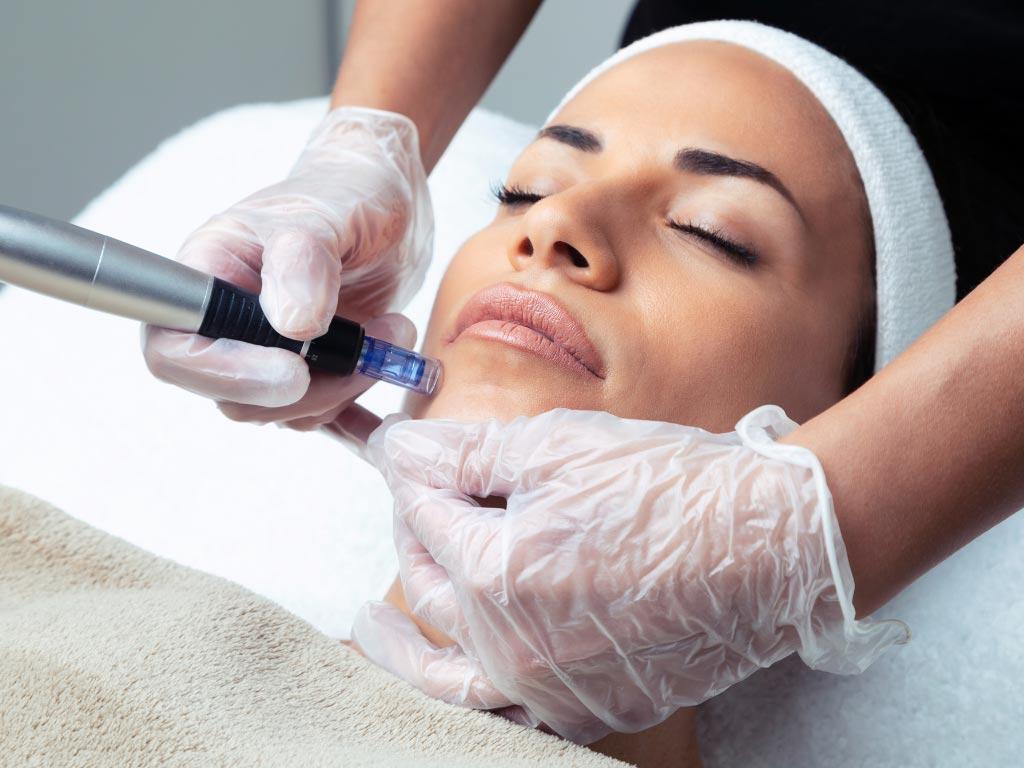
- Onsite Evaluation & Procedure: On arrival, patients have an in-person assessment. Procedures last 15–30 minutes for small areas, or up to 2 hours for larger ones.
- Recovery Period: Most can return to activities the same day, though redness can persist briefly. Multiple sessions (often 3–5) are recommended, spaced out over weeks. Staying 10–14 days post-procedure helps with recovery.
- Discharge & At-home Care: At discharge, clinics provide records and aftercare plans. Ongoing follow-ups (sometimes by video) support continued healing.
Key Considerations for Choosing a Clinic
- Qualifications: Seek clinics with KHIDI registration, board-certified surgeons, and—ideally—JCI accreditation.
- Language Support: Multilingual staff, clear documentation in English, and use of translation apps.
- Logistical Help: Airport pick-up, local accommodation, and aftercare significantly enhance experience.
- Warning Signs: Avoid clinics offering steep discounts or using aggressive sales tactics.
Pre- and Post-Treatment Care Protocols
Sun protection is essential before and after treatment. Post-treatment, prescribed topical agents like bimatoprost, tretinoin, or tacrolimus can speed pigment return and healing. Strict adherence to protocols ensures the best outcome.
Cost Analysis: Dual Toning in South Korea vs. Global Medical Tourism Destinations
Cost of Dual Toning in South Korea
Dual Toning is relatively affordable in Korea, with Laser Toning costing $100–$300 USD per session (₩145,000–₩435,000 KRW). In Seoul’s Gangnam, a session ranges from ₩100,000–₩250,000 for the face, with packages for multiple sessions offering discounts. Full packages for several sessions or larger body areas may run ₩600,000–₩1,200,000.
Factors affecting price include clinic location, area and severity of treatment, number of sessions, and any included extras. Expect to pay a 10% deposit for booking.
Comparative Analysis with Other Countries
- USA: $400–$600 USD/session for basic treatments, with advanced options like Halo running up to $2,500/session.
- Mexico: $2,000–$3,000 USD for skin resurfacing packages.
- Turkey: $800 USD for Halo, but variable quality.
- Thailand: $300–$700 USD for Fraxel treatments.
- Australia: $200–$330 USD for facial freckle removal.
- UK: Similar treatments start at £295 for an individual session.
South Korea’s value comes from cost savings, experienced staff, and comprehensive support.
Additional Medical Tourism Expenses
Budget beyond medical fees for:
- Airfare: $600–$1,500 round trip (from US).
- Accommodation: $20–$50/night for hostels; $70–$150 for mid-range hotels.
- Transportation & Meals: Public transit is affordable; meals range from $5–$15.
- Insurance, Data & Extras: $50–$150 for insurance, plus optional sightseeing.
Combining competitive medical prices with these travel costs, South Korea presents an attractive value for high-quality care.
Patient Outcomes and Expectations for Hypopigmented Scars Treated with Dual Toning
How Dual Toning Addresses Hypopigmented Scars
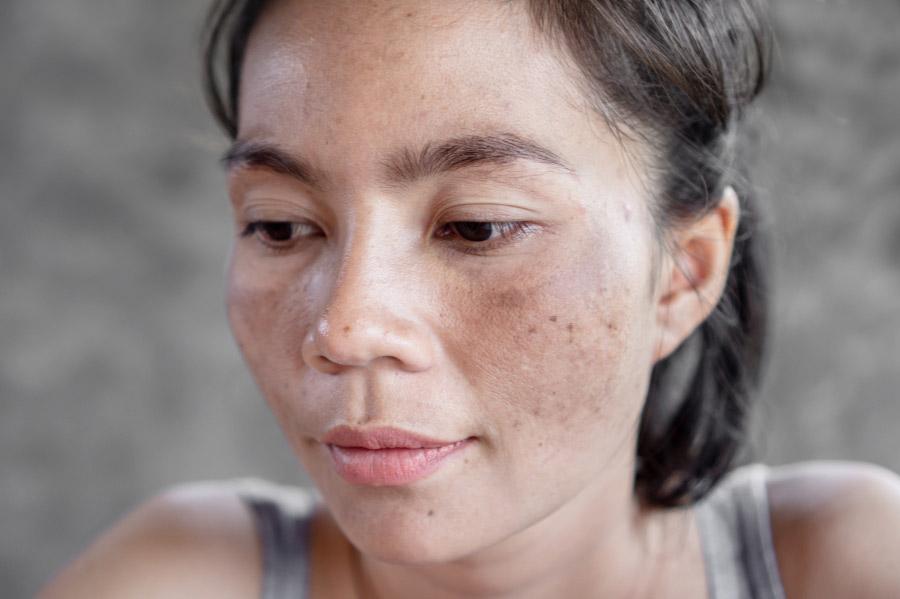
Dual Toning’s multi-pronged approach—collagen stimulation, texture refinement, and contrast reduction—can make hypopigmented scars less visible. While the lasers don’t directly add pigment, they sometimes encourage dormant melanocytes if present, or at least make scars blend better into surrounding skin.
Realistic Expectations
Patients should expect noticeable improvement in scar visibility and texture, but rarely complete color restoration. The procedure aims for "better, not perfect," focusing on natural blending and increased confidence.
Factors Influencing Results
- Scar Age: Older scars may be harder to treat.
- Skin Type: Darker skin requires careful laser use to avoid new pigment changes.
- Scar Depth: Deep scars might need several sessions.
- Adherence to Aftercare: Sun protection and topical agents are critical.
Observed Patient Experiences and Outcomes
Patients commonly report better skin texture, reduced visibility of scars, and improved confidence after a typical 3–5 treatment schedule. High satisfaction rates are typical, especially when realistic, gradual progress is expected.
Conclusion
Hypopigmented scars are difficult to treat, often requiring a focus on improvement rather than cure. Dual Toning in South Korea offers a comprehensive approach through advanced lasers—enhancing texture, promoting blending, and sometimes helping pigment return, especially when combined with medical creams. South Korea stands out for expertise and value, though patients must have realistic expectations and commit to ongoing care and sun protection for best results.
References
1, 2, 3, 4, 5, 6, 7, 8, 9, 10, 11, 12, 13, 14, 15, 16, 17, 18, 19, 20, 21, 22, 23, 24, 25, 26, 27, 28, 29, 30, 31, 32, 33, 34, 35, 36, 37, 38, 39, 40, 41, 42