
Medical Tourism Blog
Mole Removal in Korea | Best Clinics, Costs, Procedure Types & More
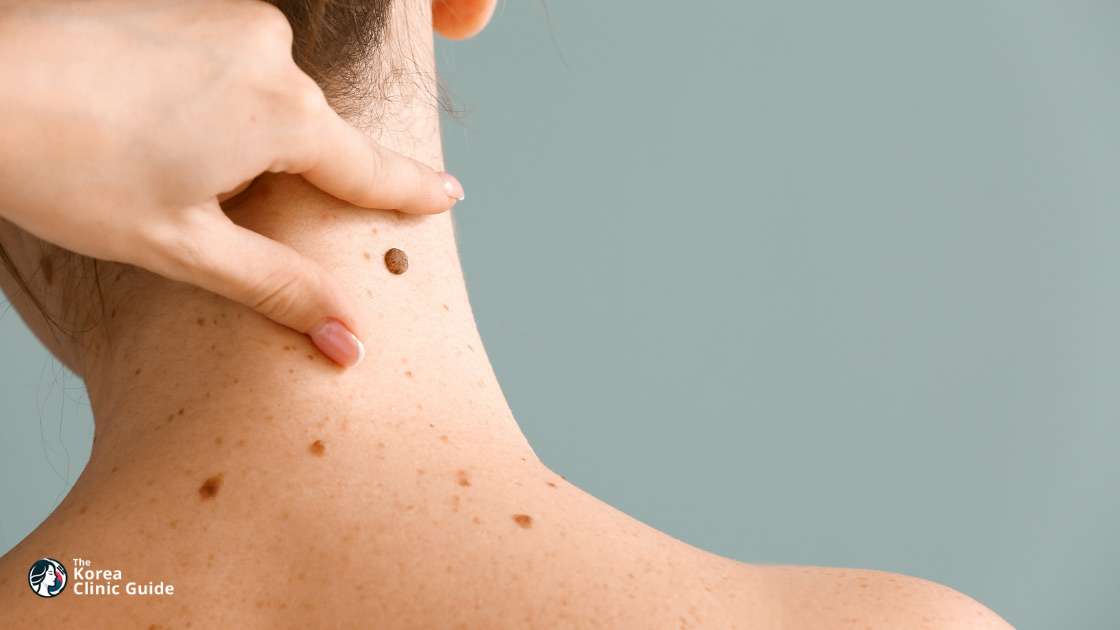
Table of contents
- What Is Mole Removal?
- Which Are the Best Clinics in Korea for Mole Removal?
- Mole Removal in Korea
- Cost of Mole Removal in Korea
- Alternatives to Mole Removal
- Conclusion
Considering treatment in Korea? Everything you need to know e.g. — how to avoid scams, visas, interpreters, recovery tips — in our Medical Tourism Master Guide. Plan with confidence in minutes, not weeks!
Have you ever glanced in the mirror and pondered whether that one persistent mole is more of a distraction or a potential health concern? As mole removal becomes increasingly popular for both cosmetic and medical reasons, Korea emerges as a leading destination for cutting-edge treatments and expert care in this delicate yet transformative procedure.
What Is Mole Removal?
Mole removal is a medical procedure that eliminates benign or suspicious moles (nevi) from the skin for cosmetic or medical reasons. Because only a skin biopsy can confirm whether a mole is cancerous, any lesion with ABCDE warning signs—Asymmetry, irregular Border, varied Color, Diameter enlarging, or Evolution—should be evaluated first and sampled when indicated before cosmetic laser treatment is considered.
Who Is It For?
Mole removal is suitable for individuals who have:
-
Cosmetic concerns: Prominent facial or body moles you’d like removed with minimal marks—often via laser mole removal when the mole is clearly benign and superficial.
-
Discomfort or irritation: Moles that catch on razors, jewelry, collars, or waistbands.
-
Medical concerns: Any mole changing in size, color, border, or shape, or that looks different from your other moles. These require a clinician’s assessment and often a biopsy; suspicious lesions are not candidates for purely cosmetic laser removal.
Types of Mole Removal Procedures
Several methods exist; the right choice depends on the mole’s depth, appearance, and diagnostic needs.
1. Excision with Stitches
A scalpel removes the entire mole plus a safety margin, and the site is sutured. This is preferred when malignancy is a concern because the whole specimen goes to pathology. Scar lines are planned along natural skin creases for better cosmetic outcomes.
2. Excision with Cauterization (Shave + Electrocautery/RF)
A raised benign mole can be shaved flush with the skin and the base cauterized to control bleeding and reduce recurrence risk. No stitches are typically required, and downtime is short.
3. Laser Removal (Ablative)
CO2 laser (often written “co2 laser”) precisely vaporizes superficial tissue by targeting water in the skin, making it popular in Korea for small, benign, and raised moles where histology has been addressed or is not required. It can achieve a smooth blend with surrounding skin, though deeper or recurrent moles may need more than one session. Laser treatment is not appropriate if melanoma is suspected, because it destroys tissue needed for biopsy.
4. Cryotherapy
Liquid nitrogen freezes certain superficial benign lesions. It’s less commonly chosen for nevi because of variable pigment changes and the inability to obtain a full specimen.
5. Shave Removal
A quick technique using a fine blade to level a raised benign mole at the surface. Healing is fast; a faint flat mark is possible.
Safety and Considerations
-
Assessment first: A board-certified dermatologist should examine the lesion (often with dermoscopy) and decide whether a biopsy or removal method is best. Dermoscopy improves accuracy when screening for melanoma features.
-
Scarring & pigment shift: Any removal can leave a mark. With laser mole removal—especially in medium to darker skin tones—post-inflammatory hyperpigmentation (PIH) can occur; rigorous sun protection during healing is critical.
-
Expectation setting: “Scar-free” claims are misleading. Choose experienced clinicians who discuss risks, benefits, and alternatives.
In Korea, clinics commonly pair ablative CO2 laser with meticulous aftercare (occlusive ointment or hydrocolloid dressings, sunscreen) to minimize downtime and pigment change, aligning with the country’s strong reputation for precise cosmetic laser treatment outcomes.
Which Are the Best Clinics in Korea for Mole Removal?
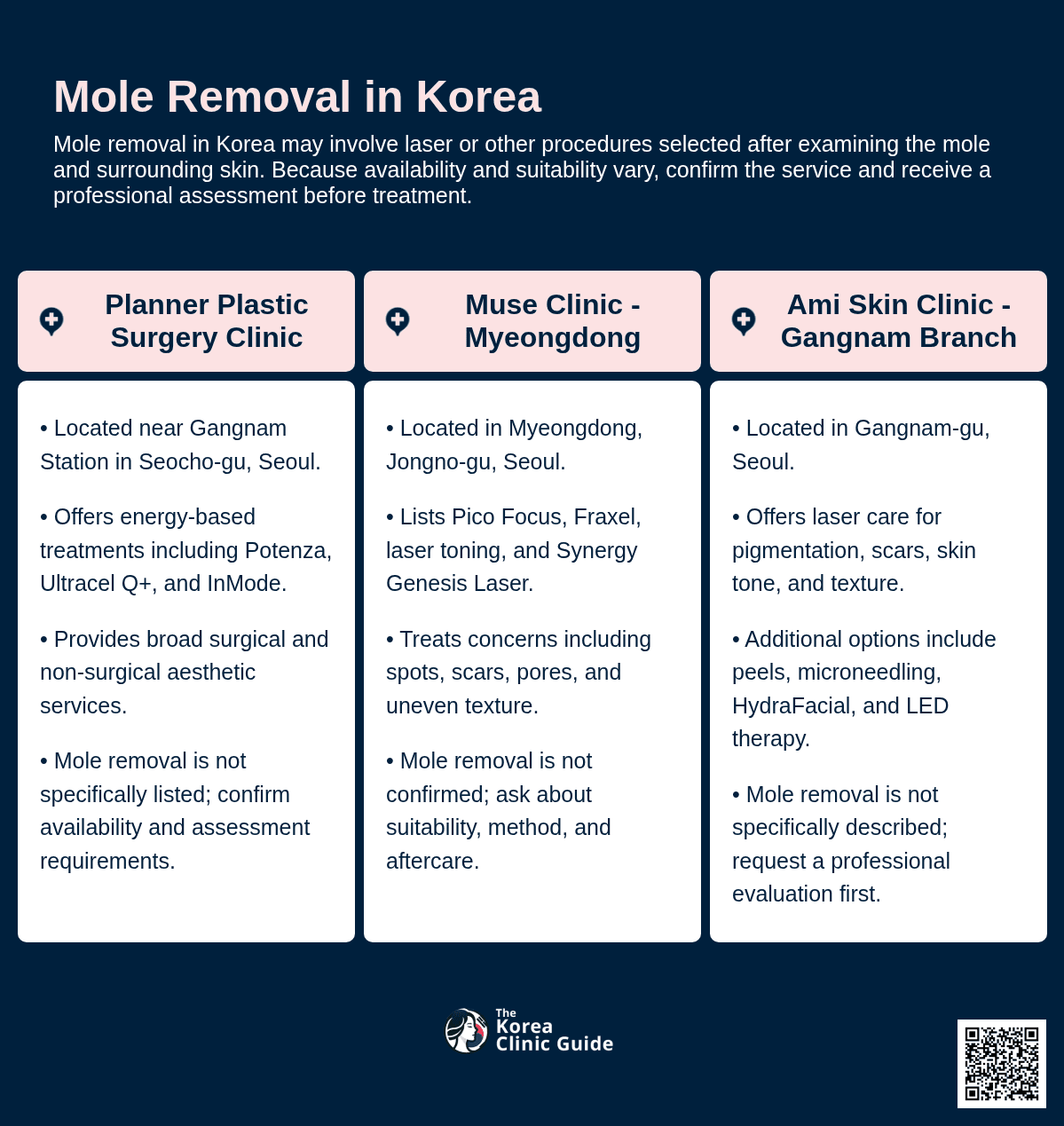
Listed below are some of the best clinics in Korea for mole removal.
1. Planner Plastic Surgery Clinic
If you are considering mole removal at Planner Plastic Surgery Clinic, the available information shows a Gangnam Station clinic with a broad menu of surgical and non-surgical aesthetic services, including energy-based skin treatments. Because mole removal itself is not listed, you should expect to confirm availability and receive an assessment of the specific spot you want treated before planning care.
- URL: Planner Plastic Surgery Clinic Website
- Location: Seocho-gu, Seoul
- Relevant aesthetic options:
- The listed petite procedures include Potenza radiofrequency microneedling, Ultracel Q+ ultrasound treatment, InMode radiofrequency treatment, fillers, Botox, and Fitline fat-dissolving injections.
- Additional surgical offerings include eyelid procedures, rhinoplasty, lifting procedures, fat transfer, liposuction, and facial contouring treatments.
- For mole removal: Mole removal is not specifically described in the available clinic information, so you should confirm whether it is offered, which removal method may be appropriate for your lesion, and what aftercare is recommended.
2. Muse Clinic - Myeongdong
For mole removal, Muse Clinic - Myeongdong may be worth considering if you are also seeking laser-focused skin care: its listed treatments address pigmentation, spots, scars, pores, and texture. The supplied information does not specifically confirm mole removal, so you should first verify that the service is available and that your individual mole can be assessed for an appropriate approach.
- URL: Muse Clinic - Myeongdong Website
- Location: Jongno-gu, Seoul
- Related skin treatments:
- The clinic lists Pico Focus, Fraxel, laser toning, Synergy Genesis Laser, Pico toning, peels, pore injections, Venus Viva, and O2Derm therapy for concerns including spots, scars, pores, texture, and skin tone.
- Laser-based tattoo removal is also listed.
- For mole removal: Mole removal is not specifically included in the supplied service list. Confirm whether the clinic offers it, the assessment process for your mole, and the treatment and aftercare plan before booking.
3. Ami Skin Clinic - Gangnam Branch
If you are exploring mole removal at Ami Skin Clinic - Gangnam Branch, its most relevant listed capability is a skin-focused laser program for pigmentation, scars, texture, and overall tone. Since the available information does not explicitly list mole removal, you should confirm service availability and obtain an evaluation of your specific mole before proceeding.
- URL: Ami Skin Clinic - Gangnam Branch Website
- Location: Gangnam-gu, Seoul
- Skin-focused treatments:
- The clinic lists laser treatments intended to improve skin tone and texture and reduce pigmentation and scars.
- Chemical peels, microneedling, HydraFacial, and LED light therapy are listed for exfoliation, texture, acne-related concerns, hydration, and skin healing.
- For mole removal: Mole removal is not specifically described in the available information. Ask whether it is offered and what evaluation, treatment method, and aftercare may apply to the spot you want removed.
Mole Removal in Korea
South Korea is a popular destination for mole care thanks to wide access to CO2 laser technology, consistent clinician experience with cosmetic cases, and efficient clinic workflows.
Initial Consultation
A dermatologist reviews your history, photographs the mole(s), and performs dermoscopy. If anything looks atypical, the doctor will biopsy or excise for histology rather than proceed directly to cosmetic laser treatment. Many clinics also discuss scar tendency (e.g., keloid risk) and PIH risk up front.
Treatment Options
-
CO2 Laser Mole Removal
- Procedure: Topical or local anesthesia → CO2 passes that precisely ablate the lesion; edges are feathered for a smooth transition.
- Benefits: High precision, usually no stitches, rapid visits; popular for small raised benign nevi.
- Notes: Deeper components may persist; occasional touch-ups are normal. Not for suspicious moles.
-
Surgical Excision
- Procedure: Full-thickness removal with sutures; specimen sent to pathology.
- Use case: Larger, deep, or clinically atypical lesions; when a definitive diagnosis is required.
-
Shave Excision ± Cautery/Radiofrequency
- Procedure: Levels raised benign moles; the base is lightly cauterized.
- Use case: Cosmetic smoothing of clearly benign intradermal nevi.
-
Cryotherapy (Selected Cases)
- Procedure: Quick freezing for certain superficial benign lesions; less common for moles due to pigment-shift risk.
Procedure Experience
Visits are streamlined: consent, numbing, removal, dressing, and written aftercare. Most CO2 laser treatment sessions take 5–20 minutes depending on the number and size of moles. Expect a flat scab that sheds in ~5–10 days; pinkness gradually blends in 2–8 weeks with consistent sunscreen use.
Aftercare and Follow-up
-
Keep the site clean and lightly occluded (petrolatum or hydrocolloid per clinic instructions).
-
Avoid UV exposure; daily broad-spectrum SPF is non-negotiable to reduce PIH.
-
Silicone gels or fractional laser treatment may be discussed later for scar refinement if needed.
About “stem cell” add-ons: Some clinics market stem-cell–derived serums, growth-factor or exosome boosts to support post-procedure healing. These may help hydration and barrier recovery.
Costs and Accessibility
Transparent menus and package pricing are common. Typical per-mole fees in Seoul:
-
Small (≈1–3 mm): ₩30,000–₩50,000
-
Medium (≈4–7 mm): ₩50,000–₩100,000
-
Large/deep (≥8 mm): ₩100,000–₩200,000
-
Biopsy (if needed): ~₩30,000–₩60,000
Discounts often apply for multiple moles; deeper moles may require additional CO2 sessions.
Cost of Mole Removal in Korea
Korea remains cost-effective relative to many Western markets, especially given access to CO2 laser mole removal and board-certified dermatologists.
Procedure Costs
Per-mole pricing typically ranges from ₩30,000 to ₩200,000 depending on size, depth, and whether excision, biopsy, or multiple laser treatment passes are needed. Bundled pricing is common for multiple moles.
Consultation Fees
Most clinics charge $10–$50 (₩13,000–₩65,000) for an initial consult, sometimes waived if same-day treatment proceeds.
Additional Costs
Plan for pathology fees when a specimen is sent (often ₩30,000–₩60,000) and aftercare items (ointment, dressings, silicone gel).
Airfare
Round-trip flights vary by origin and season (rough guide: $500–$1,500 from many long-haul markets).
Accommodation
Expect $30–$60/night for budget stays, $70–$150/night for mid-range hotels, and $200+ for premium options.
Daily Expenses
Transit is inexpensive (≈**$5–$10/day** on subway/bus). Food averages $30–$50/day, depending on dining choices.
Total Estimated Cost
For a 1-week visit combining procedure, consult, and travel, many patients land in the $900–$2,500 range, driven mostly by flight and lodging choices rather than the procedure itself.
Alternatives to Mole Removal
If a mole is benign and purely cosmetic, you can consider:
Cosmetic Concealment
Color-correcting concealers and high-coverage foundations provide a non-invasive option—useful for photo days or events.
Pros: No medical risk, immediate effect.
Cons: Temporary; not ideal for raised moles; requires re-application.
Regular Monitoring
When your dermatologist confirms a benign status, periodic self-checks plus annual professional skin exams are reasonable. Escalate to biopsy/excision if the mole evolves. Do not attempt at-home removal or unverified remedies.
Skincare & Scar Care Adjuncts
Silicone gels/sheets and diligent SPF reduce visible marks after any procedure. “Stem cell” or exosome topicals may be offered as adjuncts.
Conclusion
Korea offers fast access to experienced dermatologists and precision devices for laser mole removal, with CO2 laser a mainstay for clearly benign, raised moles and surgical options reserved for deeper or suspicious lesions. A proper exam—often with dermoscopy—and biopsy when indicated come first; cosmetic laser treatment should never compromise diagnosis.
If you’re comparing clinics, prioritize board certification, conservative claims (no “scar-free” guarantees), clear aftercare, and transparent pricing. With the right plan, you can balance aesthetics and safety, minimize downtime and pigment change, and get a result that looks natural long after the pink fades.
Frequently Asked Questions
Related Blogs
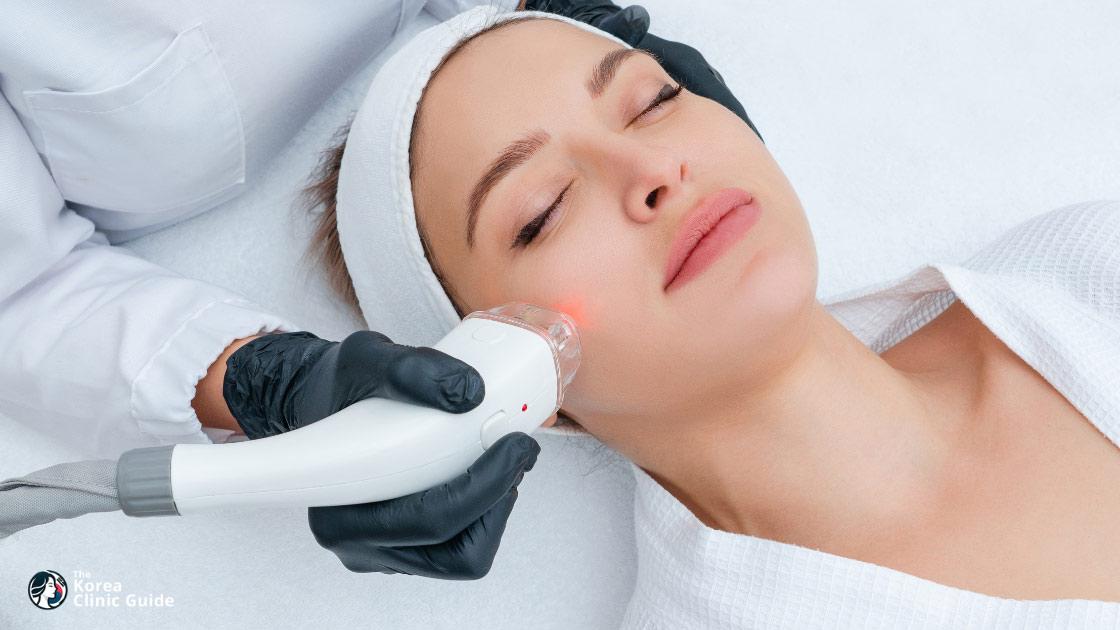
Dual Toning in Korea: Methods, Results, Recovery, Risks, and Travel Planning
Dual toning uses low-fluence Nd:YAG laser passes for medically assessed melasma, PIH, or uneven tone, typically as a gradual series with conservative settings and sun protection. The article covers candidate screening, travel timing, treatment steps, recovery, aftercare, warning signs, and the need for documented protocols and follow-up care.
Updated: Sep 12, 2026
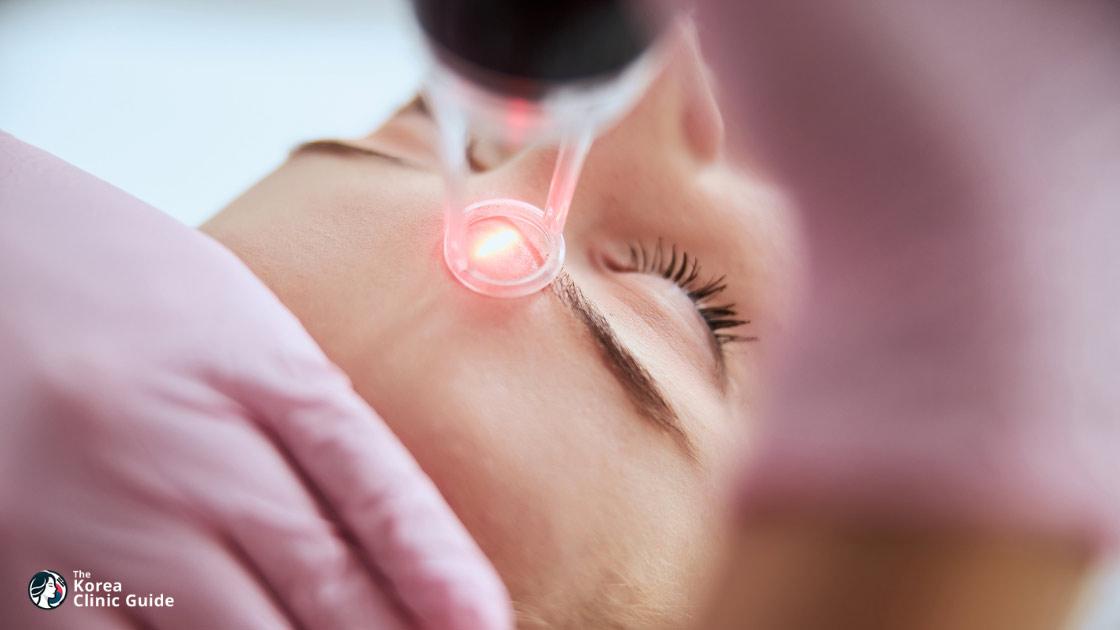
CO2 Laser in Korea: Resurfacing Methods, Recovery, Risks and Travel Planning
CO₂ laser resurfacing uses fractional, full-field, or targeted 10,600-nm laser treatment for acne scars, texture, pores, wrinkles, and photodamage, with technique and settings tailored to skin and scar characteristics. The article covers candidacy, contraindications, 5–7 days of fractional peeling, Korea travel planning, preparation, aftercare, warning signs, and alternatives such as Er:YAG, RF mi
Updated: Sep 12, 2026

Scalp Care in Korea: Assessment, Treatment Options, Travel Planning and Aftercare
Scalp care in Korea ranges from cosmetic cleansing and scaling to dermatologist-led assessment with trichoscopy, patch testing, fungal testing, or biopsy when indicated. International patients should confirm whether care is cosmetic or medical, allow extra time for test results and follow-up, and seek prompt assessment for painful, infected, rapidly worsening, or patchy hair loss.
Updated: Sep 11, 2026
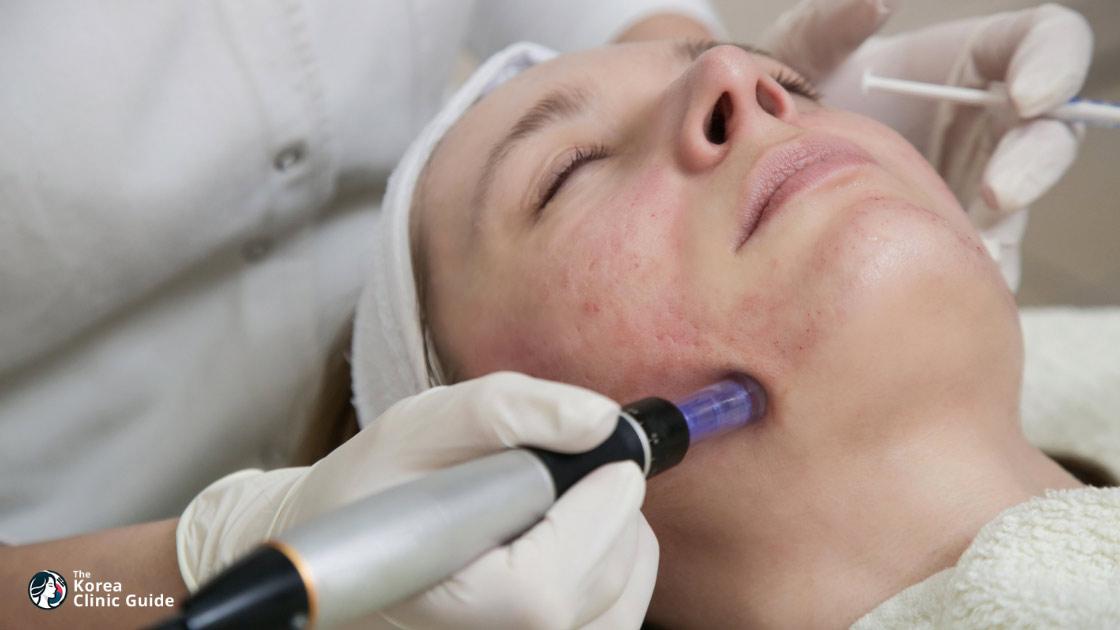
MTS Facial Treatment in Korea: Results, Recovery, Safety and Travel Planning
MTS facial treatment uses sterile microneedling passes to address selected acne scars, texture, and early photoaging, with settings adjusted by facial area and scar type. The article covers candidate screening, Korea travel planning, treatment steps, recovery, aftercare, risks, and follow-up for a treatment series.
Updated: Sep 11, 2026
Clinics offering Mole Removal

VandS Dermatology Clinic - Dongtan, Korea: Comprehensive Skin Care and Cosmetic Procedures for Youthful, Radiant Skin
Hwaseong

Personal Beauty GU Clinic Ilsan, Korea - Unveiling Hidden Beauty with Tailored Treatments and Advanced Cosmetic Procedures
Ilsan
VandS Clinic - Pangyo: Leading Advanced Medical Procedures in Korea for Enhanced Beauty and Health
Pangyo

Ami Skin Clinic - Gangnam Branch: Premier Aesthetic Treatments and Advanced Skincare in Korea
Sinnonhyeon Station