Medical Tourism Blog
Korea Paranasal Implant: Effective Sunken Midface Treatment Solutions
Table of contents
- Paranasal Implants: The Medical Procedure
- Best Clinics in Korea for Sunken Midface
- The Journey to Paranasal Implant Surgery in South Korea: A Medical Tourist's Guide
- Cost Analysis: Paranasal Implants in South Korea vs. Global Options
- Patient Experiences and Outcomes with Paranasal Implants
- Conclusion
- References
Considering treatment in Korea? Everything you need to know e.g. — how to avoid scams, visas, interpreters, recovery tips — in our Medical Tourism Master Guide. Plan with confidence in minutes, not weeks!
"Sunken midface," often described as a "concave area around the nose and mouth," is a distinct facial characteristic that can influence both appearance and function. This condition typically involves the underdevelopment or posterior positioning of the central facial region, creating a flat or inwardly curved profile.
Medically, "sunken midface" is marked by a backward or shortened infraorbital and perialar region or overall increased facial concavity. This leads to a reduced nasolabial angle—the measure between the nose’s base and the upper lip. While a convex profile is usually associated with facial attractiveness, a sunken midface often includes features such as a small or flattened nose, recessed upper jaw, shortened columella, underdeveloped nasal bridge, and comma-shaped nostrils, frequently linked to the absence of the anterior nasal spine. Affected individuals may also have an acute columellar-labial angle, less visible upper teeth, and an actual or perceived underbite.
Common Medical Pseudonyms and Associated Conditions
This condition is often called "Midface hypoplasia," "Midface retrusion," "Nasomaxillary hypoplasia," or "Maxilla-facial dysplasia." The surgical correction is most often referred to as "Pyriform Surgery."
Sunken midface appears in various genetic disorders, such as Achondroplasia, Apert syndrome, Cleidocranial dysplasia, and Aarskog syndrome. Binder Syndrome is a notable congenital condition leading to an underdeveloped central face and upper jaw. While often viewed aesthetically, sunken midface can impact chewing, speech, and nasal breathing due to anatomical changes.
Importantly, sunken midface spans both congenital and acquired causes, affecting people of all ages. Age-related volume loss, especially at the nasolabial fold, adds to the prevalence among adults, with options like fillers or fat grafting sometimes recommended for less severe cases.
Augmenting the paranasal area can address multiple concerns—correcting the upper lip angle, subtly raising the nose tip, and reducing laugh lines. As these areas are connected, patients often benefit from comprehensive assessment and, if needed, combined procedures for facial harmony.
Table 1: Common Pseudonyms and Characteristics of "Sunken Midface"
| Pseudonym | Brief Definition/Characteristic |
|---|---|
| Midface Hypoplasia | Posterior positioning or shortening of infraorbital and perialar regions; increased facial concavity |
| Midface Retrusion | Abnormal midface shape; often seen in genetic syndromes |
| Nasomaxillary Hypoplasia | Undergrowth of midface, nose, and upper jaw |
| Maxilla-facial Dysplasia | Undergrowth of central face, nose, and upper jaw |
| Pyriform Surgery | Surgery correcting nasolabial fold depression in the skeleton |
| Concave Area Around Nose and Mouth | Layman's term for flat/inward midface |
| Flat/Underdeveloped Midface | Main sign, often with flattened nose |
| Deep Nasolabial Folds | Prominent laugh/smile lines due to skeletal insufficiency or volume loss |
| Recessed Upper Jaw / Underbite | Underdeveloped upper jaw, leading to malocclusion |
| Shortened Columella & Comma-shaped Nostrils | Absence of anterior nasal spine causes distinctive nose shape |
Paranasal Implants: The Medical Procedure
Paranasal implants are a surgical answer to the deficits behind a sunken midface, aiming to restore facial contours and balance.
What Are Paranasal Implants? (Purpose and Aesthetic Goals)
Paranasal, or pyriform aperture, implants are designed to improve the bone structure around the nose. By augmenting the pyriform aperture, these implants enhance midface projection, correct the upper lip angle, gently lift the nasal tip, and lessen deep nasolabial folds. In selected cases, they help manage a mild underbite and provide facial refinement akin to a two-jaw surgery but in a more straightforward, less invasive way.
Types of Implant Materials and Alternatives
Implants (Alloplastic – Synthetic Materials)
- Silicone: Widely used, customizable, cost-effective, and removable for revision if needed.
- Porous Polyethylene (Medpor): Rigid and commonly screw-fixated to ensure stability.
- PTFE (Gore-Tex): Softer and sometimes paired with silicone.
- Silitek/Chimera: Composite implants pairing skin adherence with support.
- Alloderm: Another material option for facial augmentation.
- Titanium: Used primarily in the US for facial implants.
Autologous Grafts
- Cartilage Grafts: Harvested mainly from the ribs, used for both the nose and paranasal region; less predictable due to possible resorption.
- Bone Grafts: Once common but now less favored due to unpredictability.
Non-Surgical Alternatives
- Autologous Fat Grafting (AFG): Fat is transferred from the patient’s own body to provide semi-permanent volumization with minimal risk.
- Filler Injection: Best for minor corrections, using hyaluronic acid or poly-L-lactic acid for immediate and sometimes longer-lasting effects.
- Microneedling: Boosts skin quality and reduces nasolabial folds by stimulating collagen.
- Orthognathic Surgery: For severe skeletal deficiencies, although paranasal implants offer a less invasive option for many patients.
Material choice should be based on anatomy, desired permanence, surgeon’s expertise, and the nuances of biological integration or resorption risk.
A key benefit of the paranasal implant approach is its relatively low invasiveness compared to full orthognathic surgery. Furthermore, intraoral incisions mean no visible scarring—a significant draw for those seeking discreet results.
Table 2: Paranasal Implant Materials and Key Characteristics
| Material Type | Description | Pros | Cons/Considerations |
|---|---|---|---|
| Silicone | Custom-made, carved for patient; removable | Predictable, customizable | Possible migration if not fixed |
| Porous Polyethylene | Rigid, screw-fixed | Stable, promotes tissue ingrowth | Rigid |
| PTFE (Gore-Tex) | Softer, sometimes layered with silicone | Flexible, adaptable | May not require screws if fit is precise |
| Silitek/Chimera | Composite implant | Combined material strengths | Special use |
| Alloderm | Used for augmentation | Biologically derived | Specifics vary |
| Titanium | Metal facial implant material | Biocompatible | Allergy risk |
| Rib Cartilage | Harvested from patient, used as autograft | Fewer long-term synthetic implant risks | Resorption risk, donor site morbidity |
| Autologous Fat | Patient’s own tissue, injected | Natural feel, minimal risk | Volume may decrease over time |
Surgical Technique: A Detailed Overview
The procedure generally takes 15-60 minutes and includes:
- Anesthesia: Local/sedative anesthesia is most common; general anesthesia is available for some cases.
- Incision: Made inside the mouth above the gum line, avoiding external scars.
- Pocket Creation: Meticulous dissection under the periosteum along the pyriform region.
- Implant Selection/Customization: Implants are carved or tailored to the patient’s needs.
- Placement and Fixation: The implant is positioned and may be secured with sutures or screws to prevent migration.
- Closure: The intraoral incision is closed with absorbable sutures.
- Possible Combination: Paranasal implant surgery often pairs with rhinoplasty or other contouring procedures for comprehensive results.
Potential Risks and Complications
While generally safe, potential risks include:
- Infection (rare), hematoma, or bleeding.
- Implant migration/slippage; fixation techniques address this.
- Implant extrusion (rare).
- Persistent discomfort or need for removal.
- Temporary numbness or paresthesia, usually resolving in two weeks.
- Swelling, bruising, or asymmetry.
- Allergic reaction, especially to metals.
- Sinus issues if the implant interferes with sinus cavity.
- Patient dissatisfaction.
Higher complication risks are associated with poor oral health, insufficient jaw bone, smoking, or certain chronic conditions.
Recovery and Post-Operative Care
- First Days: Dressings and ice to reduce swelling and bruising; follow an oral hygiene routine with mouth rinses.
- Pain: Mostly mild to moderate, easing after a week.
- Diet: Start with fluids, progressing to soft food.
- Swelling/Numbness: Generally decreases over 1-2 weeks, but minor swelling may persist longer.
- Activity: Minimal exertion for 2 weeks; return to normalized activity in 2.5 weeks.
- Stitch Removal: Typically at 7-10 days post-op.
- Hospital Stay: An overnight stay is common for observation, though not always required.
- Follow-up: Appointments ensure proper healing.
Best Clinics in Korea for Sunken Midface
Listed below are the best clinics in Korea for sunken midface:
| Clinic Name | Key Features | Special Techniques |
|---|---|---|
| Cha Min Plastic Surgery Clinic | Located near Sinnonhyeon Station; well known for its expertise in rhinoplasty, including revision rhinoplasty, costal cartilage rhinoplasty, contracted nose reconstruction, implant removal, and functional rhinoplasty; strong foundation in complex nasal surgery reflects a detailed understanding of central facial balance, important when evaluating midface volume loss, flatness, or age-related hollowing; in addition to rhinoplasty, offers cosmetic and rejuvenation treatments such as fillers, fat grafting, skin boosters, and nutrient infusions; emphasizes personalized treatment planning, infection and inflammation care, and comprehensive pre- and post-surgery management to support safety and recovery; presents a patient-centered option for refined facial enhancement in Korea. | Rhinoplasty, including revision rhinoplasty, costal cartilage rhinoplasty, contracted nose reconstruction, implant removal, and functional rhinoplasty; fillers; fat grafting; skin boosters; nutrient infusions. |
| Soonplus Plastic Surgery | Located in Apgujeong, Korea; comprehensive aesthetic clinic offering a wide range of specialized surgical and non-surgical procedures designed to enhance and rejuvenate appearance; personalized care with treatment plans tailored to each patient’s facial structure, concerns, and goals; approaches the sunken midface from multiple angles, including volume restoration with fat graft, contour improvement with paranasal augmentation, lifting support with thread lift or SMAS face lift, and fine refinements through Botox, filler, and skin booster treatments; broad expertise allows addressing not only hollow or flat midface volume, but also surrounding features that influence overall facial harmony; offers both surgical and minimally invasive options; backed by an expert team committed to helping patients achieve their aesthetic goals with a high level of care. | Fat graft for volume restoration; Paranasal augmentation; Thread lift; SMAS face lift; Botox; Filler; Skin booster; Chin augmentation; Rhinoplasty; Facial contouring. |
| Petit Party Clinic | Petit Party Clinic in Seolleung is a well-known aesthetic clinic in Korea, recognized for treatments that enhance natural beauty while supporting a more confident appearance; for patients concerned about a sunken midface, the clinic offers procedures that can help create a smoother, fuller, and more refreshed facial impression, with treatment plans tailored by experienced medical professionals; its overall approach focuses on subtle, balanced improvement rather than an overdone look. | Dual Undereye Fat Transfer; AcuV-Lifting; Upper Blepharoplasty; GPC Fox Line Injection; FATBRA using autofat transfer. |
Chamin plastic surgery
For patients researching treatment options for a sunken midface in Korea, Cha Min Plastic Surgery Clinic is a notable name to consider, especially for those who value both facial aesthetics and surgical precision. Conveniently located near Sinnonhyeon Station, the clinic is well known for its expertise in rhinoplasty, including revision rhinoplasty, costal cartilage rhinoplasty, contracted nose reconstruction, implant removal, and functional rhinoplasty. This strong foundation in complex nasal surgery reflects a detailed understanding of central facial balance, which is especially important when evaluating concerns such as midface volume loss, flatness, or age-related hollowing.
In addition to its rhinoplasty focus, Cha Min Plastic Surgery Clinic offers cosmetic and rejuvenation treatments that may be relevant for improving the appearance of a sunken midface, including fillers, fat grafting, skin boosters, and nutrient infusions. The clinic also emphasizes personalized treatment planning, infection and inflammation care, and comprehensive pre- and post-surgery management to support safety and recovery. With a tailored approach to both aesthetic and functional concerns, Cha Min Plastic Surgery Clinic presents itself as a patient-centered option for individuals seeking refined facial enhancement in Korea.
Find more about this clinic here: Chamin plastic surgery Website
Soonplus Plastic Surgery
Soonplus Plastic Surgery in Apgujeong, Korea, is a comprehensive aesthetic clinic known for offering a wide range of specialized surgical and non-surgical procedures designed to enhance and rejuvenate appearance. With an expert team dedicated to personalized care, the clinic creates treatment plans tailored to each patient’s facial structure, concerns, and goals. For patients concerned about a sunken midface, Soonplus Plastic Surgery stands out because it can approach the problem from multiple angles, including volume restoration with fat graft, contour improvement with paranasal augmentation, lifting support with thread lift or SMAS face lift, and fine refinements through Botox, filler, and skin booster treatments. This broad expertise allows the clinic to address not only hollow or flat midface volume, but also the surrounding features that influence overall facial harmony.
• Located in Apgujeong, one of Korea’s most recognized beauty and aesthetic districts
• Offers personalized solutions rather than a one-size-fits-all approach
• Strong treatment options for sunken midface, including fat graft to restore facial volume and rejuvenate contours
• Provides paranasal augmentation to improve the area around the nose and mouth and soften the appearance of nasolabial folds
• Includes thread lift and SMAS face lift options for patients who need lifting and structural support along with volume correction
• Complements midface treatment with Botox, filler, and skin booster procedures for smoother, fresher, and more youthful-looking skin
• Can improve total facial balance through related procedures such as chin augmentation, rhinoplasty, and facial contouring
• Offers both surgical and minimally invasive options, making it easier to match treatment to different needs and recovery preferences
• Backed by an expert team committed to helping patients achieve their aesthetic goals with a high level of care
Find more about this clinic here: Soonplus Plastic Surgery Website
Petit Party Clinic
Petit Party Clinic in Seolleung is a well-known aesthetic clinic in Korea, recognized for treatments that enhance natural beauty while supporting a more confident appearance. For patients concerned about a sunken midface, the clinic offers procedures that can help create a smoother, fuller, and more refreshed facial impression, with treatment plans tailored by experienced medical professionals. Its overall approach focuses on subtle, balanced improvement rather than an overdone look.
Among its notable options are Dual Undereye Fat Transfer, which helps brighten and soften the under-eye area by adding volume, and AcuV-Lifting, a minimally invasive treatment designed to improve skin tightness and definition for a more youthful contour. Petit Party Clinic also provides Upper Blepharoplasty for sagging upper eyelids, GPC Fox Line Injection for a sharper and lifted facial appearance, and FATBRA for natural body contour enhancement using autofat transfer. With its range of personalized cosmetic treatments, Petit Party Clinic is a strong option for those seeking refined facial rejuvenation in Seoul.
Find more about this clinic here: Petit Party Clinic Website
The Journey to Paranasal Implant Surgery in South Korea: A Medical Tourist's Guide
South Korea is now a global hub for paranasal implant surgery, attracting patients with its technological edge, experienced practitioners, and seamless care.
Initial Research and Clinic Selection
International patients should research clinics and surgeons, focusing on those experienced in paranasal implants with strong reputations. Many, such as Wonjin Beauty, Cinderella Plastic Surgery Clinic, Girin Plastic Surgery Clinic, and VIP Plastic Surgery Korea, offer support for overseas patients, including virtual consultations and multilingual services.
Pre-Procedure Logistics and Travel Planning
Most clinics assist with travel logistics, including airport transfer, hotel booking, and even local tours. Patients should prepare to stay in Korea for about one to two weeks—time needed for post-op care and follow-up. Visa requirements vary by country, and some travelers need to arrange a K-ETA. Spring and fall offer the best weather for travel and recovery.
In-Person Consultation and Evaluation
On arrival, a detailed consultation and preoperative medical tests are performed. Surgeons may use computer imaging to plan implant customization and ensure patient expectations are realistic.
The Surgical Procedure: What to Expect on the Day
Sterile conditions are ensured, with antiseptic rinses and tailored anesthesia. The paranasal implant is custom-fitted and secured, and incisions are closed with absorbable sutures. Surgery duration is brief—often under one hour.
Post-Operative Recovery and Follow-up in Korea
After surgery, many patients stay overnight for observation, then attend follow-up appointments during their visit to monitor recovery. Swelling usually diminishes in days to weeks, while sensations of numbness may linger for months. Many patients use this period to explore local culture, turning their recovery into a broader experience.
Korean clinics stand out for all-inclusive service packages, which can cover everything from transfers to accommodation—minimizing the stress of international medical travel.
A hallmark of Korean plastic surgery is the emphasis on natural results, achieved through custom implants and advanced planning. Comprehensive aftercare, including daily post-op monitoring and the option of extended stays, helps international patients enjoy a safe and seamless recovery.
Table 3: Step-by-Step Process for Paranasal Implant Surgery in South Korea (for Medical Tourists)
| Stage | Key Actions/Details | Timeframes |
|---|---|---|
| Pre-Procedure Planning | Research clinics, virtual consults, coordinate travel and accommodation, secure visas or K-ETA | 1-2 weeks in Korea; flights ~14 hours from US; best: spring/fall |
| Initial Consultation & Evaluation in Korea | Facial analysis, consultation, medical clearance, 3D imaging, implant planning | On arrival |
| The Surgical Procedure Day | Sterile prep, anesthesia, intraoral incision, implant placement and fixation, closure | 15-60 minutes |
| Post-Operative Care & Recovery in Korea | Overnight stay, aftercare, follow-up, oral hygiene, dietary progression, limited activity | Stitches out 5-10 days; return to daily life 4-5 days; swelling reduces in weeks |
Cost Analysis: Paranasal Implants in South Korea vs. Global Options
Cost is a major driver for choosing South Korea’s medical tourism model for paranasal implant surgery.
Cost Breakdown in South Korea
Paranasal implants in South Korea cost about $2,000 to $4,000 USD (≈2.9–5.8 million KRW). This fee often includes:
- Surgery and anesthesia
- Overnight hospital stay
- Preoperative medical tests
- Medications
- Consultations, follow-up appointments
- Transfers and accommodation (in premium packages)
- Translation and care coordination
Costs vary based on the surgeon’s reputation, clinic location (Seoul is typically 20% higher), specific equipment, implant type, and the scope of services included. Deposits are generally 10% upfront. Some extras like additional lodging or therapies may increase the total fee.
More valuable than the base cost is the integration of services into a package, which streamlines the process and minimizes surprises or hidden expenses.
Comparative Costs: South Korea vs. USA, Thailand, and Turkey
| Country | Estimated Cost Range (USD) | Inclusions | Notes |
|---|---|---|---|
| South Korea | $2,000–$4,000 (paranasal implants) | Surgery, anesthesia, hospital stay, tests, post-op meds, consultations, transfers, accommodation, translation, follow-ups | 40-65% less than USA; cost varies by surgeon, location, material, package |
| United States | $4,000–$12,000 (general facial implants) | Typically covers surgery + anesthesia—other items extra | Highest costs, less often comprehensive |
| Thailand | $800–$5,500 (rhinoplasty/facial implants) | Some packages include surgery, hospitalization, transfer | Competitive pricing, specific paranasal costs rare |
| Turkey | $1,300–$5,000 (facial/rhinoplasty implants) | Known for affordable, quality surgery | Lower costs vs. Western countries |
Many countries use broader categories like "facial implants" instead of "paranasal implants," so patients should seek specific quotes for accurate comparison. Ultimately, value isn’t just about price but also surgeon skill, clinic reputation, and included services.
Value Proposition for Medical Tourists
South Korea’s advantage rests in:
- Notable cost savings (40–70% less than Western countries)
- Leading-edge medical technology and highly skilled surgeons
- All-inclusive, stress-minimizing service models
- The ability to combine treatment with leisure and cultural experiences
Patient Experiences and Outcomes with Paranasal Implants
Reported experiences with paranasal implants are largely positive, often addressing both physical and emotional concerns.
Addressing Aesthetic and Functional Concerns
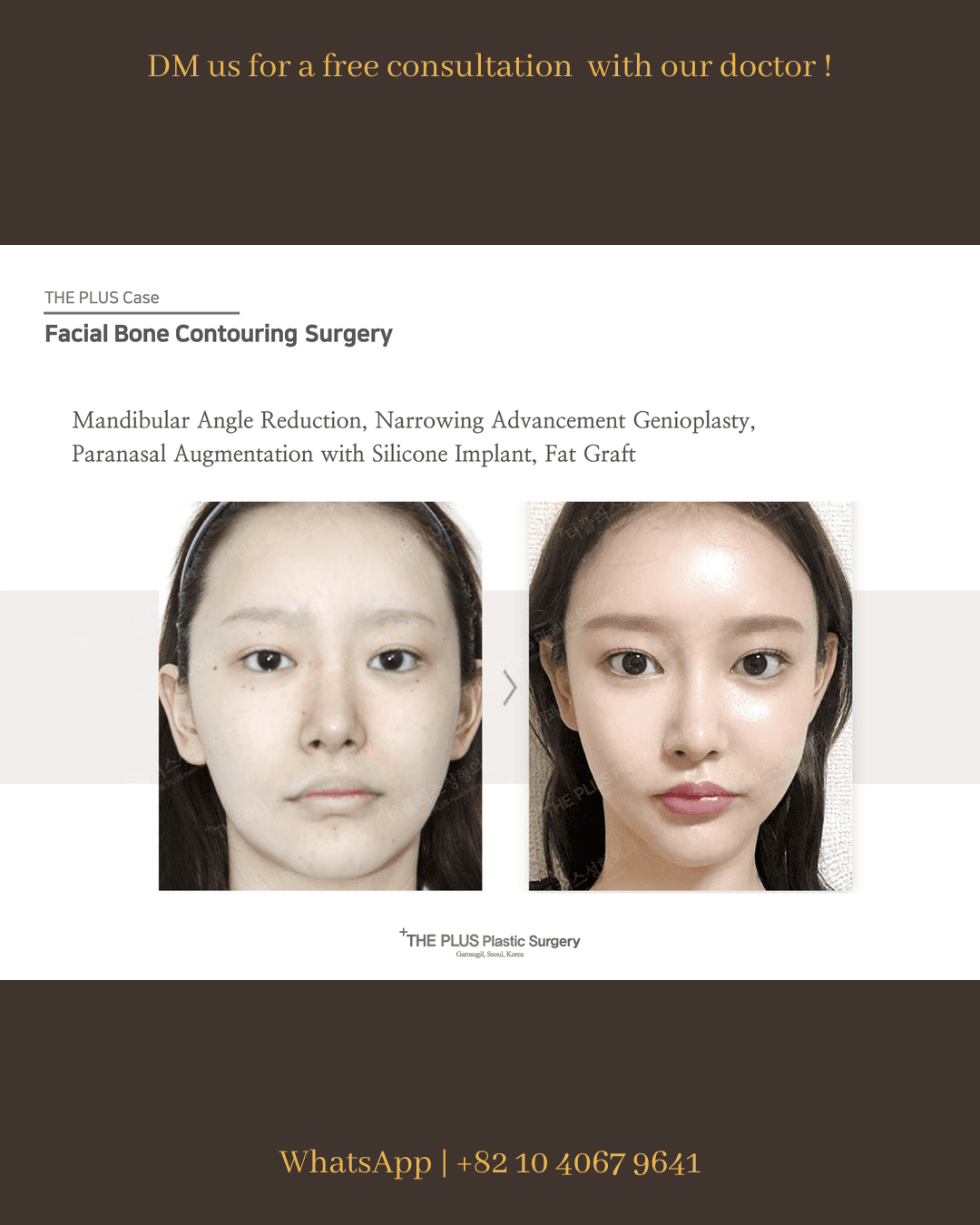
Paranasal augmentation tackles issues such as a sunken midface, protruded mouth, and deep laugh lines, helping create a more harmonious profile and sometimes yielding benefits similar to two-jaw surgery with less complexity.
Reported Patient Satisfaction and Improvements
Patient feedback generally emphasizes natural, satisfying results and improved profile harmony. Many feel more confident, better respected in social circles, and pleased with the subtlety of the changes. For congenital cases like Binder Syndrome, improvements in nasal breathing and jaw function greatly boost overall well-being.
Impact on Confidence and Quality of Life
Beyond looks, patients often report greater self-assuredness and quality of life. Enhancing facial harmony can positively affect interpersonal interactions and self-image.
Considerations for Realistic Expectations
Results take time, with swelling possibly lasting weeks or even months. Some people may need minor adjustments or revision surgery. It’s key for patients to consult in-depth with their surgeons to set realistic expectations.
The interconnected nature of facial features means that subtle changes can create a dramatic improvement without appearing unnatural—something Korean clinics prioritize through their custom, holistic approach.
Conclusion
The sunken midface, whether congenital or age-related, can affect both appearance and function. Paranasal implants offer a focused solution through detailed, scarless surgery, and manageable recovery. South Korea stands out globally for its skilled surgeons, comprehensive packages, and commitment to natural, individualized results—making it a top destination for medical tourism in this field. Patients benefit not only from facial enhancement but also from improved confidence and overall quality of life.
References
1, 2, 3, 4, 5, 6, 7, 8, 9, 10, 11, 12, 13, 14, 15, 16, 17, 18, 19, 20, 21, 22, 23, 24, 25, 26, 27, 28, 29, 30, 31, 32, 33, 34, 35, 36, 37, 38