
Medical Tourism Blog
Cavity Treatment in Korea: Resin Filling Procedures for Effective Dental Care
Table of contents
- Resin Fillings: A Modern Solution for Cavities
- Best Clinics in Korea for Cavity
- Getting a Resin Filling in Korea: A Medical Tourist's Guide
- Costs and Value: Resin Fillings in South Korea vs. Other Countries
- Patient Experiences and Outcomes with Resin Fillings
- Conclusion
- References
Considering treatment in Korea? Everything you need to know e.g. — how to avoid scams, visas, interpreters, recovery tips — in our Medical Tourism Master Guide. Plan with confidence in minutes, not weeks!
If you’re looking to better understand cavities and how they’re treated—especially with resin fillings—this patient-friendly guide will walk you through everything you need to know. We’ll break down what cavities really are, what happens during a resin filling procedure, why South Korea is an attractive spot for dental tourists, how costs compare globally, and what you can expect during and after treatment. With these insights, you’ll be better prepared to make confident decisions about your oral health—at home or abroad.
Let’s start with the basics: cavities are decayed spots that create tiny holes in your teeth. Also known as dental caries or simply tooth decay, these are some of the most widespread health problems across all ages. Over 80% of Americans, for example, will have at least one cavity by their mid-30s.
Types of Cavities
- Smooth surface cavities: Develop slowly on the flat sides of teeth, often between them.
- Pit and fissure cavities: Show up quickly on the chewing surfaces of back teeth (molars, premolars) where food and bacteria get stuck.
- Root cavities: Occur on exposed roots, especially in adults with gum recession.
- Coronal cavities: The most typical type, found on chewing surfaces or between teeth.
- Recurrent decay: New decay that forms around old fillings or crowns.
- Arrested caries: Decay that has stopped progressing—these look like brown or white hard spots.
How Cavities Develop
Cavities form in stages:
- Plaque formation: Bacteria combine with food sugars to create a sticky film (plaque). Unremoved plaque can harden into tartar.
- Acid attack (demineralization): Bacteria in plaque create acids that weaken enamel, sometimes visible as white spots.
- Enamel decay: Continued acid exposure turns white spots brown and opens small holes.
- Dentin decay: When acids reach the dentin, decay spreads faster and tooth sensitivity often develops.
- Pulp infection: If left unchecked, bacteria invade the tooth pulp, causing pain, swelling, and possibly a dangerous abscess.
Symptoms and When to Visit a Dentist
Cavities can go unnoticed early on, so routine dental visits are invaluable. As decay worsens, watch for:
- Toothache or spontaneous pain
- Sensitivity to touch, pressure, sweet, hot, or cold
- Visible holes, pits, or discoloration
- Pain while biting down
If you notice severe pain, swelling, redness, or a persistent bad taste, see your dentist right away.
| Symptom Category | Specific Symptoms | Description/Severity |
|---|---|---|
| Early/Mild | White spots, No symptoms | Chalky look, often reversible, hard to detect without a dentist |
| Progressive | Sensitivity, Toothache, Visible changes, Pain on biting | Discomfort on temperature or pressure, pain appears, holes and stains may show up |
| Severe/Infection | Throbbing pain, Swelling/Pus, Bad taste/smell | Signs of infection, may indicate serious decay or abscess |
Risk Factors and What Happens If Cavities Go Untreated
You’re more likely to get cavities if you have:
- Back teeth with lots of grooves
- Diets high in sugar or sticky foods
- Frequent snacking or sipping sugary/acidic drinks
- Poor oral hygiene
- Low fluoride intake
- Older age, dry mouth, or chronic health conditions like GERD
- Worn or poorly fitting dental work
Untreated cavities can cause pain, abscesses, tooth loss, chewing difficulties, shifting teeth, and require more advanced treatments (like root canals or extractions). Infections can even become life-threatening.
Why Cavities Can Seem "Silent" (and Why Regular Care Matters)
Cavities often cause no pain until significant damage sets in, so don’t wait for symptoms to see your dentist. Early detection and routine care are essential for stopping small problems before they get big.
The Bigger Picture: Oral and Overall Health
Neglecting cavities does more than harm your teeth. Poor oral health has links to wider health concerns, like heart disease. Your mouth and body are connected—so take both seriously.
Good News: You Can Prevent and Sometimes Reverse Early Decay
Catching decay early (even just a white spot) means it might be reversed with professional fluoride treatments and top-notch home care. Quick action is your best defense!
Resin Fillings: A Modern Solution for Cavities
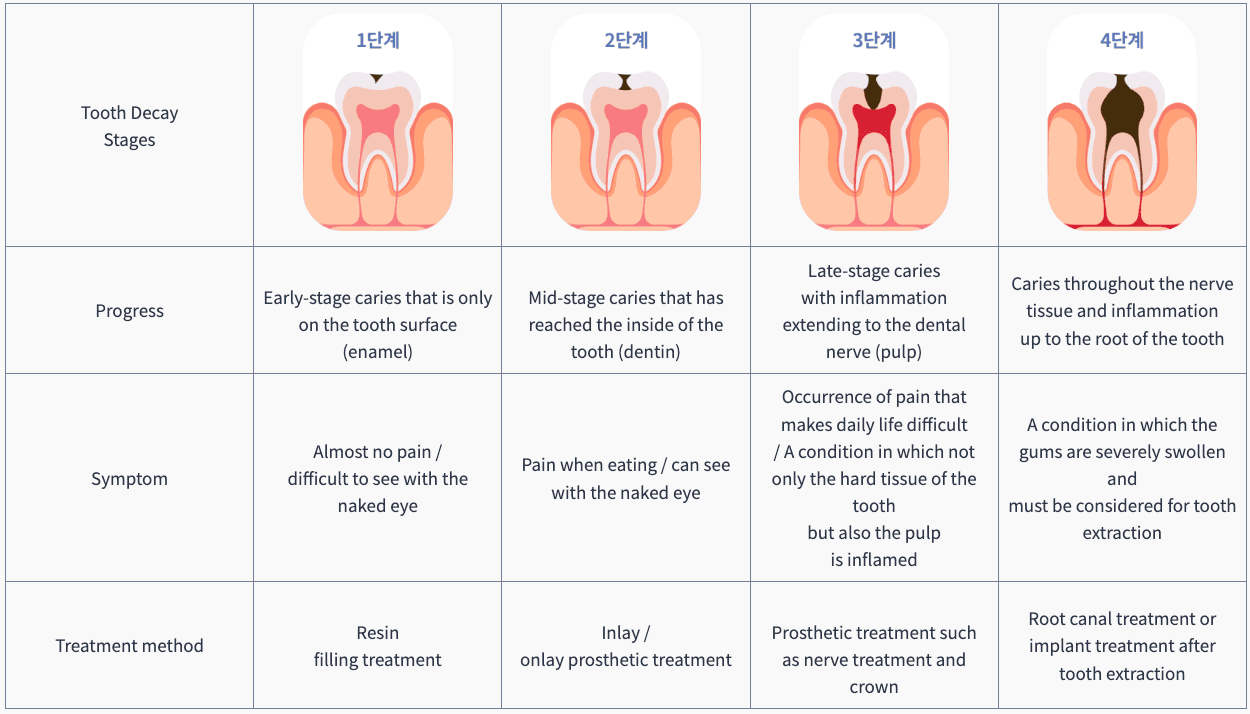
Resin fillings (also called composite fillings or tooth-colored fillings) are now a go-to for treating cavities, thanks to their natural look and improved strength.
What is a Resin Filling (Composite Filling)?
Resin fillings are made from a blend of plastic and glass that can be customized to match your tooth color. They’re tough enough for both front and back teeth and are continually improving with advancements like added minerals and fluoride for extra protection against future decay.
Key Benefits
- Aesthetics: They blend with your teeth for a virtually invisible fix.
- Bonding: Composite material sticks right to your tooth, adding strength.
- Minimal Drilling: Dentists can save more of your healthy tooth structure.
- Mercury-Free: No metals—just a biocompatible material.
- Reduces Fracture Risk: Its flexibility helps absorb chewing forces.
How the Resin Filling Procedure Works
- Diagnosis: Your dentist uses an exam and X-rays to plan the procedure.
- Numbing: Local anesthesia keeps you comfortable.
- Decay Removal: The damaged area is cleaned out.
- Tooth Prep: The area is etched and a bonding agent applied.
- Layering & Curing: Composite resin is placed in thin layers, each hardened with a special light.
- Shaping & Polishing: The filling is shaped to match your bite and polished for a natural finish.
- Final Check: Your dentist adjusts, if needed, for a comfortable bite.
The Shift from Amalgam to Composite
Most dentists now use resin over amalgam for fillings, especially where appearance is a priority. Composites look better, require less tooth removal, and are safer for those avoiding metal.
Functional and Artistic Benefits
Placing resin fillings is as much about technical skill as artistry. The dentist’s eye for color and shape ensures a natural-looking, comfortable result.
Weighing Durability and Cost
While resin fillings generally cost more and may need replacement sooner than amalgam, they win on appearance and tooth preservation. Talk with your dentist to balance cost, placement, and your personal preferences.
Best Clinics in Korea for Cavity
Listed below are the best clinics in Korea for cavity:
| Clinic Name | Key Features | Special Techniques |
|---|---|---|
| Gangnam Gentle Dental Clinic | For patients seeking cavity treatment in Korea, Gangnam Gentle Dental Clinic in Seocho-gu, Seoul stands out as an exceptional choice because it combines advanced, patient-centered dentistry with outstanding accessibility and comfort. Led by Dr. Travis Kim, who studied at Ohio State University and St. Johnsbury Academy, the clinic is especially welcoming for international patients thanks to his fluent English and clear communication, helping eliminate the language barriers that often make dental care abroad stressful. For cavity and filling treatment, Dr. Kim provides customized care tailored to each patient’s unique condition, focusing on thorough consultation, precise diagnosis with advanced digital equipment, and only the necessary treatment to restore oral health efficiently. The clinic is also committed to reducing treatment time and unnecessary hospital visits through continued research and development, while maintaining honest and safe care, minimal pain, and maximum comfort. With weekday and weekend hours, emergency dental care availability, and a strict infection prevention and sterilization system, Gangnam Gentle Dental Clinic offers the high level of safety, convenience, and personalized attention that makes it one of the best options for cavity treatment in Korea. | - Customized care tailored to each patient’s unique condition, focusing on thorough consultation, precise diagnosis with advanced digital equipment, and only the necessary treatment to restore oral health efficiently. - Reducing treatment time and unnecessary hospital visits through continued research and development, while maintaining honest and safe care, minimal pain, and maximum comfort. - Weekday and weekend hours, emergency dental care availability, and a strict infection prevention and sterilization system. |
| Minish Dental Hospital | For patients seeking cavity treatment in Korea, Minish Dental Hospital in Gangnam stands out as one of the country’s most trusted and advanced dental destinations. Widely known as Korea’s premier dental hospital, Minish is especially popular with expats and international patients thanks to its 14-floor facility, world-class care, and seamless multilingual support. The hospital is also a favorite among celebrities, with visits from leading K-pop stars such as BLACKPINK and NewJeans, reflecting its reputation for excellence, comfort, and discretion. As the most highly awarded dental clinic in Asia, Minish combines personalized treatment with exceptional scale and expertise, backed by 113,118 clinical cases, 84,504 hours of research and development, and a team of 102 dentists and technicians. In addition to cosmetic and restorative dentistry, Minish provides comprehensive care for cavities and prosthodontics, helping patients treat tooth decay early and restore long-term oral function with precision. Located in the heart of Seoul and equipped with 19 advanced dental devices, the hospital offers thorough diagnostics and tailored treatment plans designed to preserve as much natural tooth structure as possible. Minish also operates its own technology company and in-house laboratory, allowing it to stay at the forefront of dental innovation while delivering efficient, high-quality results. Whether a patient needs routine cavity care, restorative treatment, or a broader smile rehabilitation plan, Minish Dental Hospital is known for ethical guidance, advanced techniques, and patient-first service. | - 14-floor facility, world-class care, and seamless multilingual support. - Popular with expats and international patients; celebrity visits reflecting excellence, comfort, and discretion. - Most highly awarded dental clinic in Asia; 113,118 clinical cases, 84,504 hours of R&D, and a team of 102 dentists and technicians. - Comprehensive care for cavities and prosthodontics. - 19 advanced dental devices; thorough diagnostics and tailored treatment plans to preserve natural tooth structure. - In-house technology company and in-house laboratory enabling innovation and efficient results. - Ethical guidance, advanced techniques, and patient-first service. |
| 365SeoulOneTop Dental Clinic | 365SeoulOneTop Dental Clinic in Hwagok is a specialist-led dental clinic known for dental surgery, cosmetic dentistry, orthodontics, and restorative care delivered with detailed planning and careful patient-centered attention. For patients seeking cavity care, the clinic stands out because it combines precise diagnosis and treatment planning with a broad range of restorative solutions, making it an excellent choice whether decay is caught early or has already weakened the tooth significantly. Its thoughtful approach to function, aesthetics, comfort, and long-term stability helps patients receive care that is not only effective but also tailored to their overall oral condition. | - Specialist-led care means cavity-related problems can be managed with a high level of clinical planning and attention to detail. - Patient-centered treatment helps each person receive care based on their comfort level, oral condition, and long-term needs. - Conscious sedation is available for patients who feel anxious about dental treatment, helping cavity care feel calmer and more manageable. - Sleep dentistry can support patients who need longer or more sensitive treatment in a more relaxed state. - If a cavity has caused major tooth damage, dental crowns can restore strength, shape, and stable chewing function. - The clinic’s emphasis on precise planning supports predictable restorative results and careful treatment decisions. - If decay has progressed to tooth loss, the clinic also offers implant dentistry and dentures, allowing continuity of care in one place. - For patients concerned about appearance after restorative treatment, cosmetic options such as whitening and veneers can help refine the final smile. - Its comprehensive approach makes 365SeoulOneTop Dental Clinic one of the best clinic choices for cavity care in Korea, especially for patients who want both clinical precision and personalized support. |
Gangnam Gentle Dental Clinic
For patients seeking cavity treatment in Korea, Gangnam Gentle Dental Clinic in Seocho-gu, Seoul stands out as an exceptional choice because it combines advanced, patient-centered dentistry with outstanding accessibility and comfort. Led by Dr. Travis Kim, who studied at Ohio State University and St. Johnsbury Academy, the clinic is especially welcoming for international patients thanks to his fluent English and clear communication, helping eliminate the language barriers that often make dental care abroad stressful. For cavity and filling treatment, Dr. Kim provides customized care tailored to each patient’s unique condition, focusing on thorough consultation, precise diagnosis with advanced digital equipment, and only the necessary treatment to restore oral health efficiently. The clinic is also committed to reducing treatment time and unnecessary hospital visits through continued research and development, while maintaining honest and safe care, minimal pain, and maximum comfort. With weekday and weekend hours, emergency dental care availability, and a strict infection prevention and sterilization system, Gangnam Gentle Dental Clinic offers the high level of safety, convenience, and personalized attention that makes it one of the best options for cavity treatment in Korea.
You can check out their website here: Gangnam Gentle Dental Clinic Website
Minish Dental Hospital
For patients seeking cavity treatment in Korea, Minish Dental Hospital in Gangnam stands out as one of the country’s most trusted and advanced dental destinations. Widely known as Korea’s premier dental hospital, Minish is especially popular with expats and international patients thanks to its 14-floor facility, world-class care, and seamless multilingual support. The hospital is also a favorite among celebrities, with visits from leading K-pop stars such as BLACKPINK and NewJeans, reflecting its reputation for excellence, comfort, and discretion. As the most highly awarded dental clinic in Asia, Minish combines personalized treatment with exceptional scale and expertise, backed by 113,118 clinical cases, 84,504 hours of research and development, and a team of 102 dentists and technicians.
In addition to cosmetic and restorative dentistry, Minish provides comprehensive care for cavities and prosthodontics, helping patients treat tooth decay early and restore long-term oral function with precision. Located in the heart of Seoul and equipped with 19 advanced dental devices, the hospital offers thorough diagnostics and tailored treatment plans designed to preserve as much natural tooth structure as possible. Minish also operates its own technology company and in-house laboratory, allowing it to stay at the forefront of dental innovation while delivering efficient, high-quality results. Whether a patient needs routine cavity care, restorative treatment, or a broader smile rehabilitation plan, Minish Dental Hospital is known for ethical guidance, advanced techniques, and patient-first service.
You can check out their website here: Minish Dental Hospital Website
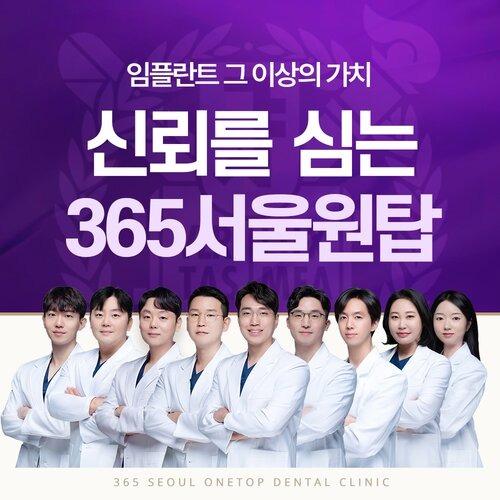
365SeoulOneTop Dental Clinic
365SeoulOneTop Dental Clinic in Hwagok is a specialist-led dental clinic known for dental surgery, cosmetic dentistry, orthodontics, and restorative care delivered with detailed planning and careful patient-centered attention. For patients seeking cavity care, the clinic stands out because it combines precise diagnosis and treatment planning with a broad range of restorative solutions, making it an excellent choice whether decay is caught early or has already weakened the tooth significantly. Its thoughtful approach to function, aesthetics, comfort, and long-term stability helps patients receive care that is not only effective but also tailored to their overall oral condition.
- Specialist-led care means cavity-related problems can be managed with a high level of clinical planning and attention to detail.
- Patient-centered treatment helps each person receive care based on their comfort level, oral condition, and long-term needs.
- Conscious sedation is available for patients who feel anxious about dental treatment, helping cavity care feel calmer and more manageable.
- Sleep dentistry can support patients who need longer or more sensitive treatment in a more relaxed state.
- If a cavity has caused major tooth damage, dental crowns can restore strength, shape, and stable chewing function.
- The clinic’s emphasis on precise planning supports predictable restorative results and careful treatment decisions.
- If decay has progressed to tooth loss, the clinic also offers implant dentistry and dentures, allowing continuity of care in one place.
- For patients concerned about appearance after restorative treatment, cosmetic options such as whitening and veneers can help refine the final smile.
- Its comprehensive approach makes 365SeoulOneTop Dental Clinic one of the best clinic choices for cavity care in Korea, especially for patients who want both clinical precision and personalized support.
Find more about this clinic here: 365SeoulOneTop Dental Clinic Website
Getting a Resin Filling in Korea: A Medical Tourist's Guide
Thinking about dental care overseas? Here’s why South Korea is on so many people’s radar—and what to expect.
Why Choose South Korea for Dental Care?
South Korea is becoming a top dental tourism destination. Clinics are known for:
- Affordable, high-quality work
- State-of-the-art technology
- English-speaking staff
- Fast service—often same-day treatments
- Meticulous cleanliness and professionalism
Major clinics like S-Plant Dental Hospital and Seoul Today Dental Clinic cater specifically to international patients with convenient, patient-centered care.
The Process for International Patients
- Consultation & Exam: Book an appointment, get a full oral check-up and X-rays. Expect smooth communication.
- Treatment Plan & Scheduling: Dentists map out your needs and you quickly lock in your procedure date—often with minimal wait time.
- On Procedure Day: Local anesthesia, advanced tools, and expert care make the process comfortable and efficient. Most resin fillings are completed in 30-60 minutes.
- Aftercare: Dentists provide thorough instructions. You may feel mild sensitivity for a few days. Most patients can return to normal activity right away, but it's wise to go easy on very hard foods for about a week.
What Sets Korean Dental Tourism Apart
The “efficiency premium” is real—expect fast turnarounds, professionalism, and clear communication thanks to multilingual staff. The wider medical tourism sector in Korea means robust health infrastructure, reliable support, and options for combining dental work with other procedures.
Costs and Value: Resin Fillings in South Korea vs. Other Countries
How do prices stack up? South Korea offers exceptional value, blending quality treatment with attractive pricing.
Typical Resin Filling Costs in South Korea
- Cost Range: ₩70,000 to ₩250,000 KRW (roughly $48 to $172 USD)
- Deposit: Often a 10% deposit ($5–$17 USD)
- Factors like location, cavity size, resin quality, dentist expertise, and extra procedures may influence your final bill.
International Comparison
| Country | Typical Cost Range (USD) |
|---|---|
| South Korea | $48 – $172 |
| USA | $100 – $450 |
| UK | $113 – $754 |
| Australia | $88 – $400 |
| Mexico | $19 – $150 |
| Turkey | $40 – $250 |
| India | $20 – $90 |
| Thailand | $45 – $55 |
| Costa Rica | $70 – $170 |
| New Zealand | $240 – $280 |
Travel costs (flights $600–$1,500, hotels, transportation, daily expenses) should also be considered. While some destinations are even cheaper, South Korea’s consistent quality, advanced technology, and strong hygiene practices set it apart.
What Makes Korea’s Dental Value Stand Out?
Korean clinics combine reasonable prices with expert care, so you get both affordability and high standards. Remember, the total cost includes travel, but if you need multiple fillings or pair dental care with other treatments, the savings can be substantial.
Hidden Costs and Smart Planning
Traveling for dental care has extra expenses (and can limit follow-up after you return home). Always research clinics carefully for quality, not just price, and keep an eye on exchange rates to maximize your savings.
Patient Experiences and Outcomes with Resin Fillings
Here’s what to expect after your procedure, how long your filling might last, and how to keep your smile healthy.
Immediately After Your Filling
It’s common to feel mild sensitivity to hot/cold or slight gum soreness for a few days. Over-the-counter pain medications help, and most people return to their regular routine the same day—just avoid very hard foods initially.
Long-Term Effectiveness and Benefits
Resin fillings stop decay, prevent further infection, match your natural teeth, and minimize additional damage by preserving healthy structure. With good care, composite fillings last on average 5–10 years, and advances in material science are enhancing their durability.
What Impacts How Long a Resin Filling Lasts?
| Factor | How It Impacts Longevity |
|---|---|
| Oral hygiene | Prevents new decay around the filling's edge |
| Filling location | Back teeth wear down faster due to chewing pressure |
| Filling size | Larger fillings are less durable |
| Diet | Frequent sugar/acid or chewing hard items can shorten lifespan |
| Oral habits | Grinding or clenching teeth stresses the filling |
| Dentist's skill | Proper placement and bonding enhance longevity |
If your filling becomes discolored, sensitive, or visibly chipped, see your dentist.
How Resin Fillings Solve Cavity Problems
They remove decay, fill the gap, stop pain, and seal out bacteria for healthy, strong teeth.
Managing Pain, Complications, and When to Seek Help
Don’t worry about pain during the procedure—proper anesthesia means you should stay comfortable. Complications are rare but include possible root canal needs if pain continues, cracked/worn fillings, or allergies (especially with metals). If you experience severe or lasting pain, swelling, or a broken filling, call your dentist immediately.
Your Role in Filling Success
A great outcome relies on both dentist and patient. Good oral hygiene and routine check-ups go hand-in-hand with expert placement for a filling that lasts.
Ongoing Care is Key
Fillings don’t last forever—they can wear down or fail if neglected. Regular dental visits catch problems early, so keep up with your appointments.
Smile With Confidence
Natural-looking resin fillings do more than repair teeth—they can boost your self-confidence and overall satisfaction with your smile.
Conclusion
Cavities are incredibly common but treatable, and resin fillings offer a blend of aesthetics, durability, and tooth preservation. South Korea distinguishes itself for dental tourists through affordable, high-quality, and efficient care. While costs are attractive, be sure to weigh the total expense and focus on both safety and quality. The best outcomes depend on the partnership between you and your dental provider, as well as ongoing preventive care.
References
1, 2, 3, 4, 5, 6, 7, 8, 9, 10, 11, 12, 13, 14, 15, 16, 17, 18, 19, 20, 21, 22, 23, 24, 25, 26, 27, 28, 29, 30, 31, 32, 33
Frequently Asked Questions
Related Blogs
Korea vs. USA: Cost of Correcting Protruding Teeth and Why Korea’s Clinics Are Worth the Journey
Discover the latest insights into the cost of protruding teeth correction in Korea, where advanced orthodontic treatments are both accessible and affordable. Explore various options and price factors that make Korea a leading destination for dental transformations.
Updated: Oct 23, 2026
Korean vs Global Costs: Why Clippy-C Braces in Korea Offer Unmatched Value for Orthodontic Patients
Discover the affordability and advanced technology behind Clippy-C Braces in Korea, where quality orthodontic care meets competitive pricing. Explore why Korea is becoming a popular destination for those seeking effective and cost-efficient orthodontic solutions.
Updated: Oct 23, 2026
Exploring Periodontal Treatment Costs: Why Korea is a Top Destination Compared to the USA, Mexico, and Beyond
Explore the affordable and high-quality options for periodontal disease treatment in Korea, a leading destination for dental care. Discover how cutting-edge technology and skilled professionals make it a cost-effective choice for maintaining oral health.
Updated: Oct 22, 2026
Korea vs Global: Discover the True Cost of Gum Bleaching Across Major Destinations
Discover the ins and outs of gum bleaching in Korea, where advanced dental procedures meet affordability. Explore how this cosmetic treatment can rejuvenate your smile, and gain insights into the costs and considerations involved.
Updated: Oct 21, 2026
Clinics offering Resin Filling

Minish Dental Hospital: Korea's Premier Dental Clinic Offering Advanced Treatments and Personalized Care
Sinsa

Gangnam Gentle Dental Clinic: Your Trusted Dental Care Provider in Korea Offering Comprehensive Services with Optimal Comfort and Safety
Sinnonhyeon Station
365SeoulOneTop Dental Clinic Korea | Specialist Implants, Sedation, Cosmetic Dentistry & Invisalign in Hwagok
Hwagok

D Day Dental Clinic in Korea: Offering a Range of Aesthetic, Restoration, and General Dental Procedures
Seolleung