Medical Tourism Blog
Scar Contracture on Chest: Breast Fat Grafting Procedures in Korea for Improved Results
Table of contents
- The Procedure: A Deep Dive into Breast Fat Grafting (Autologous Fat Transfer)
- Best Clinics in Korea for Scar Contracture On Chest
- A Medical Tourist's Guide to South Korea: From Consultation to Recovery
- Cost Analysis and Comparison: South Korea vs. Other Markets
- Patient Experiences and Clinical Outcomes: A Synthesis of Anecdotal and Clinical Evidence
- Summary
- References
Considering treatment in Korea? Everything you need to know e.g. — how to avoid scams, visas, interpreters, recovery tips — in our Medical Tourism Master Guide. Plan with confidence in minutes, not weeks!
This article provides a clear, evidence-based overview for anyone researching solutions for chest scar contracture. Here, you’ll find an accessible breakdown of the medical condition, a detailed look at the breast fat grafting procedure, a practical roadmap for medical tourism in South Korea, and a review of real-world outcomes and patient experiences. The goal is to give you the knowledge needed to make informed decisions with your doctor. Please note, this information is not a substitute for professional medical advice, diagnosis, or treatment.
Scar contracture occurs when the skin tightens and restricts movement due to abnormal scarring. The problem happens when scar tissue pulls skin edges together, causing pain, discomfort, and limited movement. This is largely due to myofibroblasts—specialized cells that drive rigid, fibrous scar development.
The chest is especially vulnerable to scar contracture, since it moves constantly and often undergoes medical procedures. Two frequent causes are severe burn injuries and prior breast implants. Deep burns can lead to severe contractures over the ribs, interfering with breathing and movement. On the chest, these contractures often cause both functional limitations and visible changes.
Patients with breast implants are often concerned about capsular contracture. Here, the body’s response to the implant leads to a tough, fibrous “capsule” around it. Some scarring after surgery is normal, but the capsule can tighten and harden, shifting the implant and causing pain. Capsular contracture can happen even with highly skilled surgeons and isn’t necessarily due to surgical error.
Medical Pseudonyms and Related Conditions
Knowing related medical terms can help when talking with your doctor. Fibrosis, also called fibrotic scarring, refers to excess collagen buildup by fibroblasts, thickening and scarring tissue. While helpful for healing, too much fibrosis can limit movement and function. Both burn contractures and capsular contracture share this underlying mechanism.
You might also hear about tethering, which describes scar tissue anchoring the skin to deeper structures, leading to dimples or creases and affecting movement. Treatment for tethering may include releasing these bands and placing fat to keep tissues separate.
Signs and Symptoms
Symptoms of chest scar contracture range from physical discomfort to emotional stress, and may include:
- Tight, restrictive skin causing pain
- Decreased movement in muscles and joints
- Changes in breast shape, especially implants moving upward
- Visible scar changes such as color, lumps, dimples, itchiness, or pain
Here’s a helpful table to distinguish common scar types:
| Condition | Key Characteristics | Common Causes on the Chest |
|---|---|---|
| Scar Contracture | Tight, rigid area limiting mobility | Burns, major surgery, trauma |
| Capsular Contracture | Firm, painful breast implant capsule with shape changes | Breast implants |
| Hypertrophic Scar | Raised, thick scar within the wound boundary | Injury, surgery, slow healing |
| Keloid Scar | Raised scar spreading beyond initial wound | Genetic, more common in darker skin, trauma |
| Fibrosis/Fibrotic Scar | Excess fibrous tissue, general scarring | Chronic inflammation, repeated trauma |
| Tethering | Skin adheres to deeper tissue, causing dimpling | Male breast reduction, surgical incisions |
The Procedure: A Deep Dive into Breast Fat Grafting (Autologous Fat Transfer)
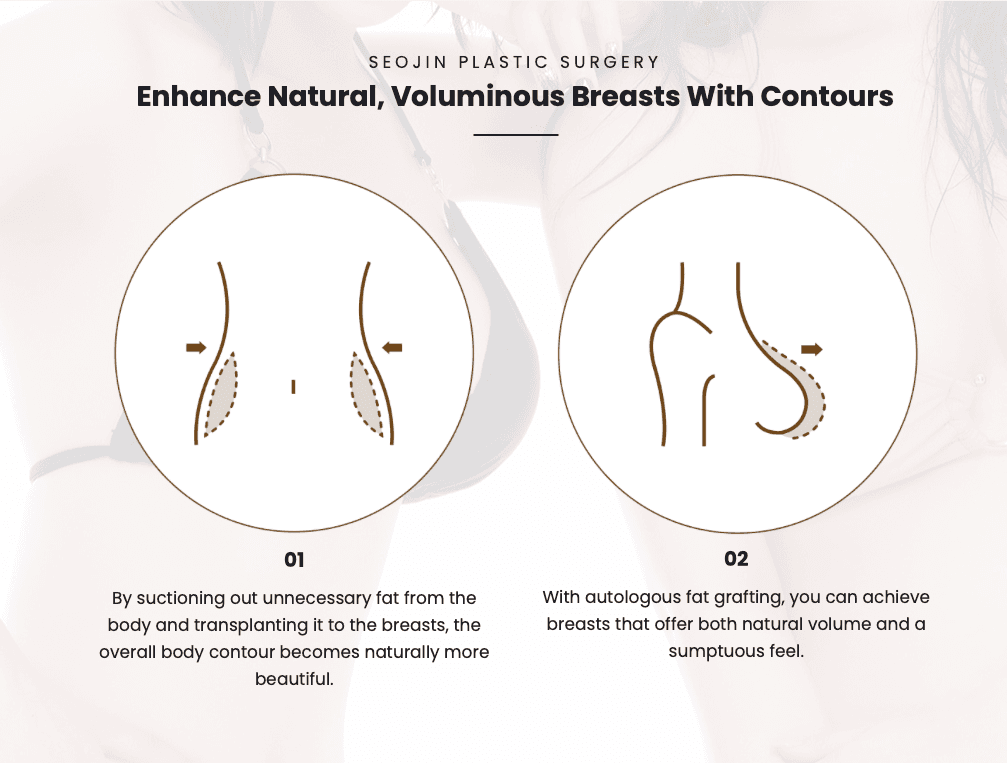
Autologous fat grafting (also called fat transfer, fat grafting, or microlipoinjection) is a minimally invasive, versatile technique using your own fat to repair or add volume to parts of the body—including areas affected by scarring. Using your own tissue has the advantage of avoiding allergic reactions or rejection.
This treatment is done in three main steps: harvesting, purification, and placement.
Stage 1: Fat Harvesting (Liposuction)
First, a donor area—like the belly, thighs, flanks, or buttocks—is chosen. After marking these areas, local anesthetic or tumescent solution is used to reduce pain and bleeding. Fat is gently removed using liposuction and a syringe or cannula. Many South Korean clinics use careful, low-suction methods to protect fat cell viability for later transfer.
Stage 2: Purification and Processing
The collected fat (lipoaspirate) also contains fluid, blood, and other debris. It’s purified using a centrifuge to isolate the healthiest fat cells. Handling is minimized to keep the cells intact. Some advanced centers also use stem cell enrichment and temperature control for maximum fat survival.
Stage 3: Placement (Injection)
Next, fat is injected in small amounts using micro-cannulas into the muscle, subcutaneous layer, and just under the skin. The surgeon layers the fat to maximize contact with blood supply, ensuring better survival of the transferred cells and lasting, natural-looking results.
The Regenerative Mechanism: Why Fat Grafting Works on Scars
While autologous fat grafting can enhance volume, its real benefit for scars comes from the regenerative powers of fat tissue. This is mainly due to Adipose-Derived Stem Cells (ADSCs) and growth factors within the graft.
Research suggests ADSCs promote healing by:
- Neoangiogenesis: Creating new blood vessels to nourish scarred tissue
- Inflammation Modulation: Reducing chronic inflammation that worsens scarring
- Extracellular Matrix Remodeling: Softening scar tissue by reorganizing collagen fibers
Altogether, fat grafting works on a cellular level to soften scars, decrease itching or pain, and improve tissue flexibility—not just fill out contours.
Expected Results, Recovery, and Potential Risks
Results are generally long-lasting, as fat that survives beyond six months will become a permanent part of the body. Surgeons often “overfill” to offset some fat loss; several sessions may be needed for the best effect. Typical volume increase ranges from half to one cup size per session.
Recovery usually takes one to two weeks for regular activity, and four to six weeks for more exertion. Patients may experience bruising, swelling, and soreness at both donor and recipient sites, with swelling lasting up to six months.
Complications are rare but include fat necrosis, infection, bleeding, and some risk of lumpiness or contour irregularities if technique or follow-up isn’t ideal.
Best Clinics in Korea for Scar Contracture On Chest
Listed below are the best clinics in Korea for scar contracture on chest:
| Clinic Name | Key Features | Special Techniques |
|---|---|---|
| Lydian Plastic Surgery Clinic | Unmatched outcomes in treating chest scar contracture in Korea by combining precise surgical release with advanced stem cell–enriched fat grafting to restore softness, pliability, and natural chest contours. Led by Dr. An Kyung Chun—one of Korea’s Top 18 Aesthetic Plastic Surgery Experts and a global leader in stem cell aesthetic medicine—the clinic elevates fat graft survival from the typical 20–30% to approximately 50–60% by extracting and concentrating stem cells with high-performance centrifuges operated at an optimal 4°C. Safety and quality are safeguarded in Ministry of Health and Welfare–approved, double-door sealed cleanrooms that maintain Clean Class 10,000 air with HEPA filtration, minimizing contamination during stem cell separation for reliably high-quality grafts. Lydian also utilizes the Edinizer to uniformly size fat cells, reducing surface irregularities and necrosis risk while enabling denser, smoother graft layering—critical for releasing tight, fibrotic chest scars and rebuilding soft tissue. With an anatomy-based, customized design philosophy, continuous investment in the latest devices, and a 4-step aftercare system targeting swelling reduction, irregularity correction, skin elasticity recovery, and residual contour refinement, the boutique Cheongdam clinic delivers meticulous, personalized care that prioritizes both function and aesthetics for durable, natural-looking chest reconstruction. | Precise surgical release; stem cell–enriched fat grafting with stem cells concentrated via high-performance centrifuges at 4°C; Edinizer-based fat cell sizing; denser, smoother graft layering; 4-step aftercare system (swelling reduction, irregularity correction, skin elasticity recovery, residual contour refinement). |
| THEPLUS Plastic Surgery | THE PLUS Plastic Surgery in Garosu-gil, Gangnam, is a four-floor, full-service center where consultation, surgery, and post-operative skincare are integrated under one roof. Led by surgeons who actively publish, teach, and present at domestic and international symposiums, the clinic is known for rigorous safety standards, evidence-driven techniques, and clear, personalized communication. This academic and infrastructural depth makes the clinic well suited for patients seeking careful evaluation and surgical solutions for chest-related concerns, with systems in place to support meticulous operative planning and comprehensive scar care. | Rigorous safety standards; evidence-driven techniques; meticulous operative planning; comprehensive scar care; integrated four-floor center enabling a seamless care pathway; personalized communication. |
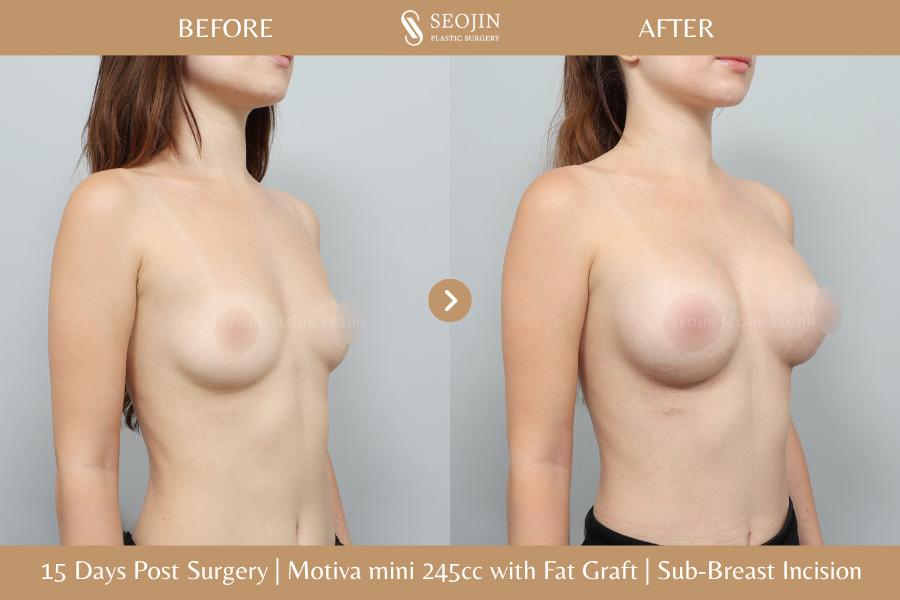
| Seojin Plastic Surgery Clinic | Seojin Plastic Surgery Clinic, located in the heart of Gangnam, Seoul, is led by Dr. Lee Hyungmin—a one-doctor system that ensures truly personalized, end-to-end care from consultation through recovery. With more than 16 years of experience and recognition as one of Korea’s 100 Good Doctors, Dr. Lee combines precision and artistry using state-of-the-art technology such as 3D imaging and high-definition endoscopy. Renowned for chest-focused procedures including breast surgery and gynecomastia, alongside dermatologic solutions and scar camouflage techniques, the clinic provides a comprehensive pathway for patients seeking effective, aesthetic, and safe management of chest scar contracture. | 3D imaging and high-definition endoscopy; chest-focused procedures including breast surgery and gynecomastia; dermatologic solutions and scar camouflage techniques (Rejuran, skin boosters, scar microblading); over 16 years of experience; one-doctor system. |
Lydian Plastic Surgery Clinic
For patients seeking unmatched outcomes in treating chest scar contracture in Korea, Lydian Plastic Surgery Clinic stands apart by combining precise surgical release with advanced stem cell–enriched fat grafting to restore softness, pliability, and natural chest contours. Led by Dr. An Kyung Chun—one of Korea’s Top 18 Aesthetic Plastic Surgery Experts and a global leader in stem cell aesthetic medicine—the clinic elevates fat graft survival from the typical 20–30% to approximately 50–60% by extracting and concentrating stem cells with high-performance centrifuges operated at an optimal 4°C. Safety and quality are safeguarded in Ministry of Health and Welfare–approved, double-door sealed cleanrooms that maintain Clean Class 10,000 air with HEPA filtration, minimizing contamination during stem cell separation for reliably high-quality grafts. Lydian also utilizes the Edinizer to uniformly size fat cells, reducing surface irregularities and necrosis risk while enabling denser, smoother graft layering—critical for releasing tight, fibrotic chest scars and rebuilding soft tissue. With an anatomy-based, customized design philosophy, continuous investment in the latest devices, and a 4-step aftercare system targeting swelling reduction, irregularity correction, skin elasticity recovery, and residual contour refinement, the boutique Cheongdam clinic delivers meticulous, personalized care that prioritizes both function and aesthetics for durable, natural-looking chest reconstruction.
You can check out their website here: Lydian Plastic Surgery Clinic Website
THEPLUS Plastic Surgery
THE PLUS Plastic Surgery in Garosu-gil, Gangnam, is a four-floor, full-service center where consultation, surgery, and post-operative skincare are integrated under one roof. Led by surgeons who actively publish, teach, and present at domestic and international symposiums, the clinic is known for rigorous safety standards, evidence-driven techniques, and clear, personalized communication. This academic and infrastructural depth makes the clinic well suited for patients seeking careful evaluation and surgical solutions for chest-related concerns, with systems in place to support meticulous operative planning and comprehensive scar care.
The medical team includes Dr. Lee, a board-certified plastic surgeon specializing in breast augmentation with experience at Seoul National University Hospital and active roles in leading Korean plastic surgery societies; her focus on natural, long-lasting outcomes aligns with nuanced chest aesthetics and soft-tissue balance. Dr. Kim, an award-winning researcher in 3D implants and global society member, and Dr. Jeong, President of the Korean Society of Plastic Surgeons, bring international thought leadership and a philosophy of harmonizing function and beauty. Together, their collective expertise and commitment to ongoing education inform individualized treatment strategies aimed at restoring comfort, mobility, and aesthetic confidence for patients concerned about chest scarring.
You can check out their website here: THEPLUS Plastic Surgery Website
Seojin Plastic Surgery Clinic
Seojin Plastic Surgery Clinic, located in the heart of Gangnam, Seoul, is led by Dr. Lee Hyungmin—a one-doctor system that ensures truly personalized, end-to-end care from consultation through recovery. With more than 16 years of experience and recognition as one of Korea’s 100 Good Doctors, Dr. Lee combines precision and artistry using state-of-the-art technology such as 3D imaging and high-definition endoscopy. Renowned for chest-focused procedures including breast surgery and gynecomastia, alongside dermatologic solutions and scar camouflage techniques, the clinic provides a comprehensive pathway for patients seeking effective, aesthetic, and safe management of chest scar contracture.
- One-doctor, personalized care: Dr. Lee oversees every step, offering attentive, consistent, and accountable treatment.
- Recognized excellence: Named among the 100 Good Doctors in Korea, reflecting trusted skill and ethics.
- Chest-focused expertise: Proficiency in breast surgery, gynecomastia, and nipple procedures supports nuanced management of chest scars.
- Technology-driven precision: 3D imaging and high-definition endoscopy aid in meticulous planning and tissue-sparing techniques.
- Multimodal solutions: From surgical refinement to dermatologic therapies (e.g., Rejuran, skin boosters) and scar microblading for camouflage.
- Over 16 years of experience: Depth of clinical judgment for complex scarring patterns and individualized strategies.
- Comprehensive follow-up: Structured, long-term care to optimize healing and final aesthetic outcomes.
- Convenient Gangnam location: Discreet, modern setting with a streamlined patient experience.
You can check out their website here: Seojin Plastic Surgery Clinic Website
A Medical Tourist's Guide to South Korea: From Consultation to Recovery
South Korea’s combination of advanced medicine, supportive infrastructure, and strict accreditation has made it a key destination for medical tourism. Hospitals and clinics are equipped for international patients, and the country offers a seamless, patient-centered journey from initial consultation through recovery.
Here’s a step-by-step overview for those considering breast fat grafting in South Korea:
Step 1: Initial Research and Online Consultation (2-4 weeks)
Start by researching clinics and surgeons who are board-certified and recognized by bodies like the Korea Health Industry Development Institute. Many clinics provide free virtual consultations, allowing you to discuss your goals, submit photos, and receive quotes before traveling.
Step 2: Securing Travel and Documentation (4-6 weeks in advance)
After choosing a clinic, confirm your visa requirements. Most patients can use a C-3 tourist visa for a 30-90 day stay, but more complex cases may need a G-1 medical visa. Book flights and arrange accommodation near the clinic, often with help from specialized medical travel agencies, making your arrival as stress-free as possible.
Step 3: Onsite Evaluation and Pre-Op Preparation
Upon arrival, meet with your surgeon for a detailed consultation and undergo pre-surgery tests (bloodwork, EKG, chest X-ray). Ultrasounds may check current breast tissue and shape for precise surgical planning.
Step 4: The Procedure and Immediate Post-Op Care
Surgery lasts three to four hours, usually under anesthesia. Afterward, patients are closely monitored and can often leave the clinic the same day, though a short hospital stay is sometimes included for observation.
Step 5: The Recovery Period in Korea (10-14 days)
A stay of 10-14 days post-op is recommended for follow-up visits, bandage removal, and monitoring. Light activity, like walking, helps recovery, but avoid anything strenuous or direct pressure on the chest. Language barriers are addressed with English-speaking coordinators and written aftercare instructions.
Step 6: Discharge and Return Home
Once cleared, patients receive medical records and ongoing care instructions for home recovery. Many clinics offer virtual follow-up appointments to monitor healing from afar.
| Phase | Key Activities | Estimated Timeline |
|---|---|---|
| Initial Research | Choose clinics, virtual consultations, submit records | 2-4 weeks |
| Securing Travel | Apply for visa, book flights and lodging | 4-6 weeks prior |
| Onsite Evaluation & Pre-Op | Arrive in Korea, in-person assessment, medical testing | 1-2 days before procedure |
| Procedure Day | Undergo surgery, immediate monitoring | 1 day |
| Local Recovery | Attend checkups, manage swelling, light activity encouraged | 10-14 days |
| Discharge & Return Home | Deliver records, plan at-home recovery | Ongoing |
Cost Analysis and Comparison: South Korea vs. Other Markets
Affordability is a significant appeal of South Korean medical tourism. Procedures like breast fat grafting typically cost 30-60% less than in countries like the United States, even after including travel and lodging.
Breaking Down the Costs in South Korea
In South Korea, you can expect to pay roughly $3,445 to $11,024 USD for breast fat grafting. This usually covers pre-op tests, anesthesia, a short hospital stay, and follow-up appointments. Final prices depend on the clinic’s reputation, the surgeon’s experience, and the procedure’s complexity.
Global Cost Comparison
Comparatively, the same procedure in the United States can range from $4,400 to over $17,500 USD. Related surgeries, like a Brazilian Butt Lift, are also pricier due to extra charges for liposuction or other add-ons. Despite lower costs in Korea, quality remains high thanks to experience, streamlined operations, and high procedure volume.
When budgeting, remember to include airfare, accommodation, meals, and local transport. Still, even with two weeks’ lodging (about $70–$180 per night), the overall cost is far less than a single procedure in the U.S., making South Korea an attractive option.
| Country | Procedure Cost (USD) | Typical Inclusions |
|---|---|---|
| South Korea | $3,445 - $11,024 | Pre-op tests, anesthesia, hospital stay, post-op care |
| United States | $4,400 - $17,500+ | Surgeon, anesthesia, facility, sometimes extra for liposuction |
Patient Experiences and Clinical Outcomes: A Synthesis of Anecdotal and Clinical Evidence
The benefits of breast fat grafting for chest scar contracture are reinforced by both clinical research and patient stories.
Clinical Study Findings
A retrospective study of 15 patients with severe, Baker grade 4 capsular contracture found all reported less pain after fat grafting, with 11 having complete relief. Even those without full relief saw life-changing improvements, like being able to sleep or exercise comfortably again.
Other studies showed that nanofat grafting for post-burn scars significantly softened the tissue, reduced itching and pain, and improved mobility. While larger studies would be helpful, existing data and real-world outcomes are quite encouraging.
Patient Testimonials and Anecdotal Evidence
Patients consistently highlight the easing of pain and tightness after treatment, with a marked softening of previously hard or rigid areas. Many appreciate the natural feel and improved shape of their breasts, even after mastectomy or prior surgeries. A bonus frequently mentioned is how the procedure slims down the donor site, offering a “dual benefit.”
Stories often detail improved confidence and overall quality of life, as the procedure not only addresses physical discomfort but also helps restore natural appearance and mobility.
| Outcome | Clinical Findings | Patient-Reported Benefits |
|---|---|---|
| Pain | Significant reduction or complete relief | Less tightness; return to activities |
| Sensation/Feeling | Improved breast sensitivity, less “foreign body” feeling | Softer, looser tissue; eased tension |
| Scar Quality | Softer, thinner, improved scars, less itching | Better skin quality, reduced fibrosis |
| Aesthetics/Volume | Enhanced contours, natural look and feel | More natural shape, moderate size increase |
| Quality of Life | Big jump in comfort, function, and mental well-being | Boosts confidence, dual body benefit |
Summary
Chest scar contracture, often from burns or breast implants, can severely affect comfort and appearance due to fibrosis. Autologous fat grafting is a lasting, regenerative solution that repairs tissue from within. South Korea stands out as a safe, affordable option, offering advanced care and a well-supported medical tourism experience. Both studies and patient accounts show significant relief of tightness, improved aesthetics, and better quality of life after treatment.
References
1, 2, 3, 4, 5, 6, 7, 8, 9, 10, 11, 12, 13, 14, 15, 16, 17, 18, 19, 20, 21, 22, 23, 24, 25, 26, 27, 28, 29, 30, 31, 32, 33, 34, 35, 36, 37, 38, 39, 40, 41, 42, 43, 44, 45, 46, 47, 48, 49, 50, 51, 52, 53, 54, 55, 56, 57, 58, 59, 60, 61, 62, 63, 64, 65, 66