
Medizintourismus-Blog
Fragen und Antworten zu Brustimplantaten mit Dr. Lee, Brustchirurg bei Seojin Plastic Surgery
Table of contents
- Einleitung: Warum ziehen Menschen eine Brustvergrößerung in Betracht?
- Was ist eine Brustvergrößerung, und was kann sie verbessern?
- Wie wählt man Implantatgröße in cc, Profil und Form?
- Ist es besser, das Implantat über oder unter dem Muskel zu platzieren?
- Welcher Schnittbereich ist für eine Brustvergrößerung am besten geeignet?
- Was ist der häufigste Grund, warum Patientinnen eine Brustvergrößerung wünschen?
- Sind bestimmte Implantatgrößen oder -formen derzeit beliebter?
- Haben Sie jemals eine Brustvergrößerung abgelehnt, und warum?
- Fazit: Wie plant man eine Brustvergrößerung am besten?
- Mehr über die Seojin Plastic Surgery Clinic
Planen Sie eine Behandlung in Korea? Alles, was Sie wissen müssen, z. B. wie Sie Betrug vermeiden, Visa, Dolmetscher und Tipps für die Erholung, finden Sie in unserem Master Guide für Medizintourismus. Planen Sie mit Vertrauen in Minuten statt in Wochen!
Haftungsausschluss: Der folgende Beitrag ist ein Gastbeitrag. Die darin enthaltenen Informationen und Ansichten stammen nicht von koreaclinicguide.com, sondern von Seojin Plastic Surgery Clinic
Einleitung: Warum ziehen Menschen eine Brustvergrößerung in Betracht?
Hallo, ich bin Dr. Hyukmin Lee von Seojin Plastic Surgery in Apgujeong, Gangnam (Seoul). In meiner Sprechstunde begegne ich Menschen mit sehr unterschiedlichen Zielen, Hintergründen und Körpertypen – und wir sind in unserer Klinik stolz darauf, auch unsere LGBTQ-Community willkommen zu heißen und zu unterstützen. Die Brustvergrößerung gehört zu den Eingriffen, nach denen Patientinnen und Patienten besonders häufig fragen, weil sie eine wirkungsvolle Möglichkeit sein kann, Brustgröße, Volumen und die Gesamtform zu verbessern.
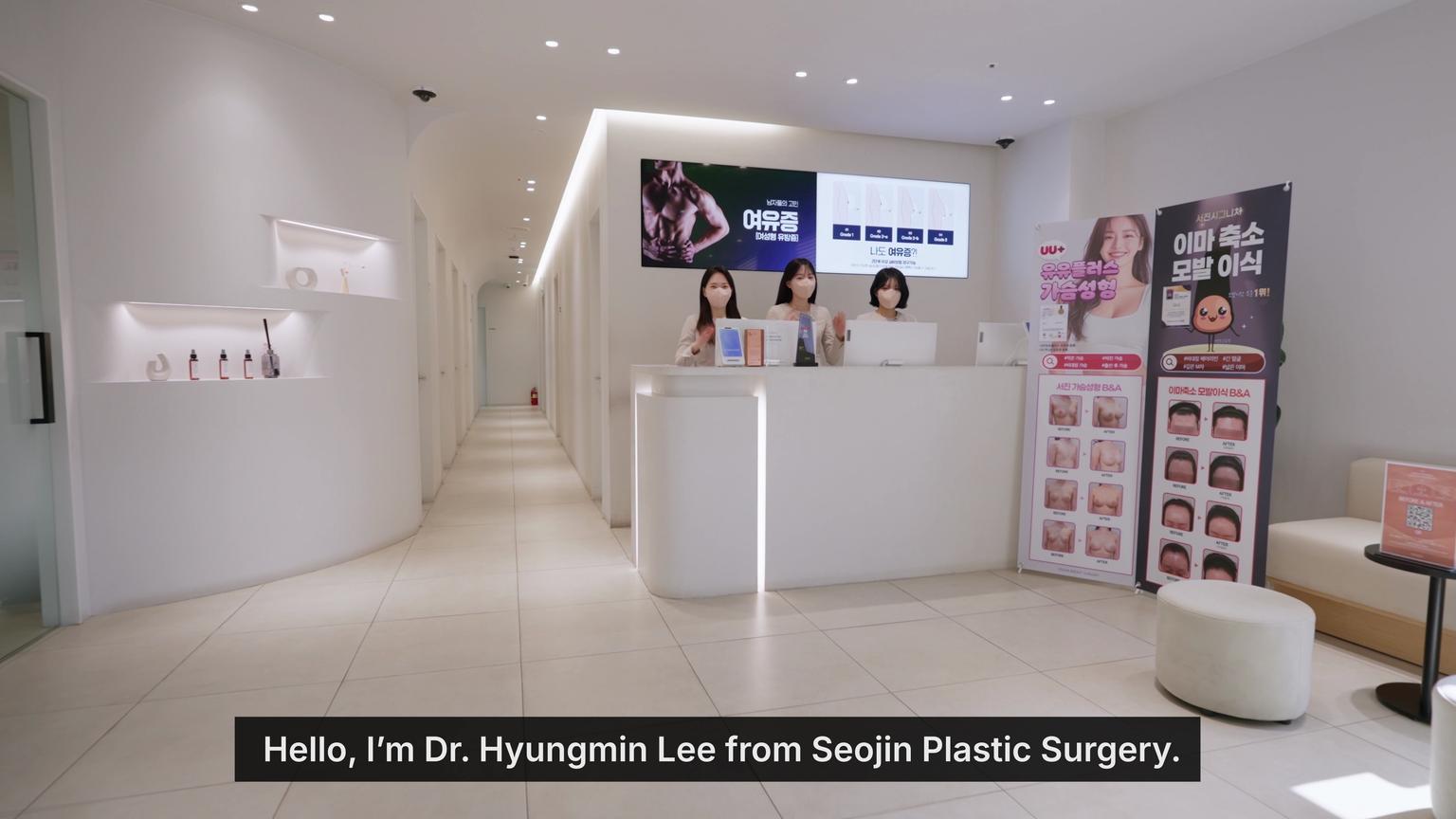
In diesem Artikel gehe ich auf die Fragen ein, die ich täglich höre: wie die Implantatgröße gewählt wird, ob ein Implantat über oder unter dem Muskel platziert werden sollte, wo Schnitte gesetzt werden können und in welchen Fällen ich empfehle, eine Operation zu verschieben oder davon abzuraten. Mein Ziel ist es, Ihnen zu zeigen, wie dieser Entscheidungsprozess abläuft, damit Sie eine Brustvergrößerung mit Klarheit und realistischen Erwartungen angehen können.

Was ist eine Brustvergrößerung, und was kann sie verbessern?
Eine Brustvergrößerung ist ein Eingriff, bei dem Implantate eingesetzt werden, um Brustgröße, Volumen und Form zu verbessern. Menschen entscheiden sich häufig dafür, wenn sie das Gefühl haben, dass ihre Brüste im Verhältnis zum Körper eher klein sind, wenn sie eine Asymmetrie zwischen beiden Seiten wahrnehmen oder wenn es zu Erschlaffung beziehungsweise einem Verlust der oberen Fülle gekommen ist. Ein sehr häufiger Anlass, den ich höre, betrifft die Zeit nach einer Schwangerschaft: Patientinnen berichten, dass Volumen und Hautelastizität abgenommen haben, und möchten eine Silhouette zurückgewinnen, die sich wieder mehr nach „ihnen selbst“ anfühlt.
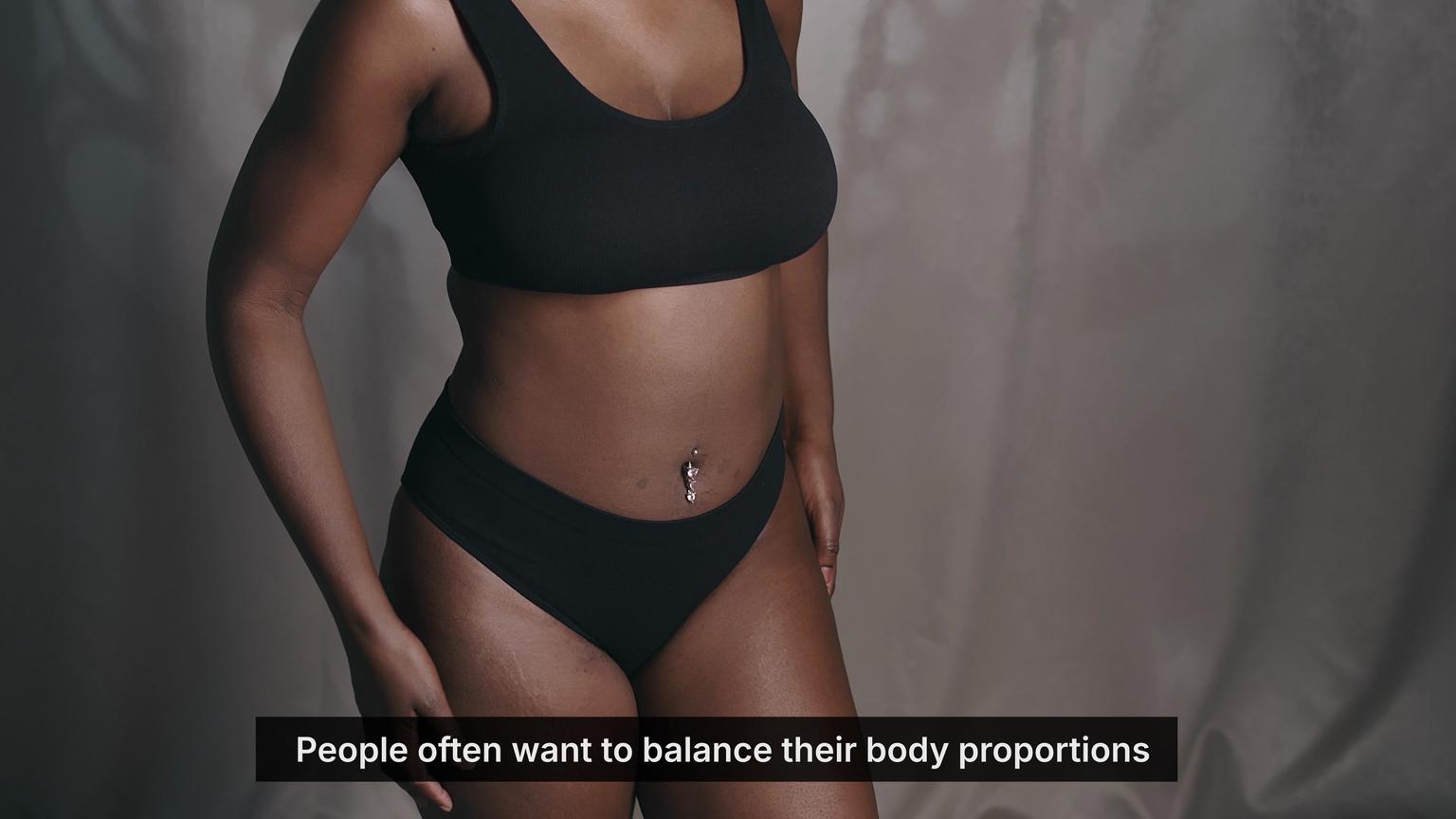
Wichtig ist, zu verstehen, dass es bei einer Brustvergrößerung nicht nur darum geht, „größer“ zu werden. Für viele Patientinnen steht vielmehr die Proportion im Vordergrund – also ein ausgewogenes Erscheinungsbild, das zu Schultern, Brustkorb und der gesamten Körperform passt. Bei der Planung des Eingriffs konzentriere ich mich darauf, was zu Ihrer Anatomie natürlich aussieht, sich im Alltag angenehm anfühlt und auch bei Bewegung sowie mit zunehmendem Alter stabil bleibt.
Wie wählt man Implantatgröße in cc, Profil und Form?
Wenn Patientinnen mich fragen: „Wie viele cc sollte ich wählen?“, lenke ich das Gespräch immer auf zwei zentrale anatomische Faktoren: die Breite Ihres Brustkorbs und die Elastizität Ihrer Haut. Die Breite des Brustkorbs hilft zu bestimmen, welchen maximalen Implantatdurchmesser Ihre Brust sicher und ästhetisch aufnehmen kann. Die Hautelastizität beeinflusst wiederum die maximale Projektion, die Ihr Gewebe zulässt – also wie weit das Implantat nach vorn ragen kann, ohne übermäßige Spannung zu erzeugen.
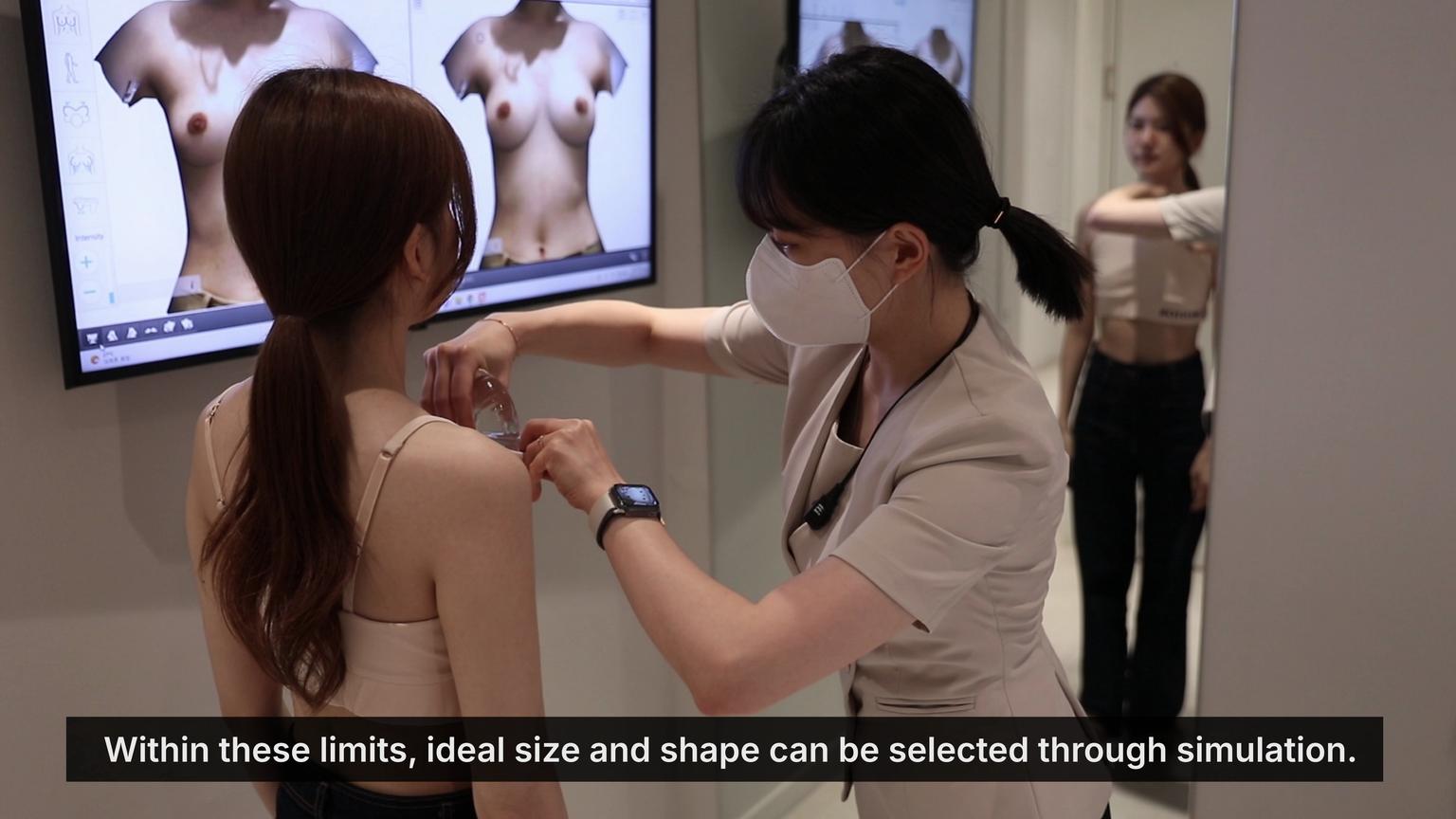
Wenn wir diese Grenzen verstanden haben, wird der Prozess deutlich konkreter. Statt mich nur auf Zahlen zu stützen, bevorzuge ich einen simulationsbasierten Ansatz, damit Sie Größe und Form am eigenen Körper besser visualisieren können. Die cc-Zahl kann je nach Implantatbreite und Profil stark variieren, sodass zwei Personen dieselbe „cc-Zahl“ wählen und dennoch sehr unterschiedliche Ergebnisse erhalten können. Deshalb ist für mich wichtiger, wie gut ein Implantat zu Ihrer Anatomie passt und Ihre Ziele unterstützt, als das Verfolgen einer bestimmten Zahl.
Bei Seojin Plastic Surgery haben wir außerdem einen hybriden Ansatz namens „Yuyu Plus“ entwickelt, der Implantate mit PRP-Nanofett und Eigenfetttransplantation kombiniert. Diese Methode ist beim Korean Intellectual Property Office als Marke eingetragen und zeigt, wie ernst wir Verfeinerung und Individualisierung nehmen – besonders bei Patientinnen und Patienten, die sich neben implantatbasiertem Volumen auch mehr Weichheit, eine verbesserte Kontur oder eine differenziertere Formgebung wünschen.
Ist es besser, das Implantat über oder unter dem Muskel zu platzieren?
Dies ist eine der wichtigsten Entscheidungen bei einer Brustvergrößerung, und die beste Antwort hängt von Ihrer Anatomie, den Eigenschaften Ihres Gewebes und Ihrem Lebensstil ab. Beide Optionen haben Vor- und Nachteile.
Bei einer Platzierung unter dem Muskel ist das Implantat beim Abtasten oft weniger auffällig und wirkt bei vielen Patientinnen natürlicher und stabiler. Allerdings kann ein spezielles Problem auftreten, das als „Animation Deformity“ bezeichnet wird: Dabei verschiebt sich das Implantat oder verändert sein Erscheinungsbild, wenn Sie die Brustmuskulatur anspannen. Für Patientinnen, die ihre Brustmuskeln häufig stark beanspruchen – oder die besonders sensibel auf bewegungsbedingte Veränderungen reagieren –, ist das ein wichtiger Aspekt.
Bei einer Platzierung über dem Muskel lässt sich eine Animation Deformity vermeiden, weil das Implantat nicht in derselben Weise von Muskelkontraktionen beeinflusst wird. Allerdings können je nach Dicke Ihres natürlichen Brustgewebes andere Nachteile stärker ins Gewicht fallen. In meinen Beratungen wäge ich diese Kompromisse sorgfältig ab und passe den Behandlungsplan daran an, was für Sie am besten aussieht und sich am besten anfühlt – nicht nur direkt nach der Operation, sondern auch im Alltag.
Welcher Schnittbereich ist für eine Brustvergrößerung am besten geeignet?
In vielen Fällen – sofern es keinen besonderen Grund im Zusammenhang mit Ihrem Brustgewebe gibt – können Sie zwischen einem Schnitt in der Unterbrustfalte (inframammäre Falte) oder in der Achselhöhle (axillärer Zugang) wählen. Jeder Ansatz bringt eigene Vor- und Nachteile in Bezug auf Narbenbildung, Heilungsverlauf und chirurgischen Zugang mit sich.
Bei einem Schnitt in der Unterbrustfalte ist das Präparationsgebiet kleiner, sodass Patientinnen in der Regel weniger Schmerzen und Schwellungen haben. Außerdem ermöglicht dieser Zugang einen direkten Weg, was für die präzise Präparation der Implantattasche und die genaue Positionierung des Implantats hilfreich sein kann. Der Nachteil ist, dass die Narbe sichtbarer sein kann – insbesondere abhängig davon, wie sich Ihre Unterbrustfalte ausbildet und wie Ihre Haut heilt.
Bei einem Schnitt in der Achselhöhle ist die Narbe an der Brust selbst weniger sichtbar, was manche Patientinnen klar bevorzugen. Allerdings ist das Präparationsgebiet größer, sodass Schmerzen und Schwellungen länger anhalten können. In der Beratung helfe ich Patientinnen dabei, nicht nur die Lage der Narbe isoliert zu betrachten, sondern die gesamte Erholungsphase und das langfristige Ergebnis – denn der „beste“ Schnitt ist derjenige, der sowohl zu Ihren Prioritäten als auch zu Ihrer Anatomie passt.
Was ist der häufigste Grund, warum Patientinnen eine Brustvergrößerung wünschen?
Es gibt mehrere Gründe, warum Menschen sich für eine Brustoperation entscheiden, doch am häufigsten geht es schlicht darum, kleine Brüste zu vergrößern. Viele Patientinnen sagen mir, dass sie sich mehr Volumen wünschen, weil ihre Brüste im Verhältnis zu ihrem Körperbau klein wirken, und dass sie sich in Kleidung und im Alltag ein ausgewogeneres Erscheinungsbild wünschen.
Ein weiterer sehr häufiger Grund sind Veränderungen nach einer Schwangerschaft. Nach der Geburt können Volumen und Hautelastizität abnehmen, und viele Patientinnen beschreiben, dass ihre Brüste nicht mehr zu ihrem inneren Empfinden passen. In diesen Fällen geht es bei der Vergrößerung darum, Form zurückzugewinnen, Fülle wiederherzustellen und das Selbstbewusstsein zu stärken – nicht darum, die eigene Identität grundlegend zu verändern.
Sind bestimmte Implantatgrößen oder -formen derzeit beliebter?
Trends kommen und gehen, aber für mich haben Sicherheit und Vorhersehbarkeit Priorität. Aus Sicherheitsgründen verwenden wir heutzutage im Allgemeinen nur noch runde Implantate und keine tropfenförmigen Implantate mehr. Das überrascht viele Patientinnen, weil sie annehmen, tropfenförmige Implantate sähen automatisch natürlicher aus. Tatsächlich können moderne runde Implantate sehr natürliche Ergebnisse erzielen – insbesondere dann, wenn sie passend zur Brustkorbbreite, zu den Projektionsgrenzen und zu den Gewebeeigenschaften ausgewählt werden.
Einige Implantatmarken sind zudem so konzipiert, dass sich ihre Form mit der Körperhaltung verändert, also im Stehen anders aussieht als im Liegen. Dadurch kann im Alltag und in Bewegung ein natürlicherer Eindruck entstehen, nicht nur auf einem statischen Foto.
Was die Größe betrifft, glaube ich nicht an eine einzelne „beliebteste“ cc-Zahl, die für alle geeignet ist. Die beste Größe hängt von Ihren Zielen und Ihrer Anatomie ab. Deshalb empfehle ich, eine Simulation mit dem von mir vorgeschlagenen Implantat durchzuführen und erst danach zu entscheiden. So können wir eine Größe wählen, die sich für Sie stimmig und ansprechend anfühlt und zugleich berücksichtigt, was Ihr Körper schön und sicher tragen kann.
Haben Sie jemals eine Brustvergrößerung abgelehnt, und warum?
Ja. Wie bei jeder Operation halte ich es für essenziell, dass Patientinnen den Eingriff und seine realistischen Möglichkeiten verstehen. Wenn eine große Lücke zwischen dem besteht, was die Operation leisten kann, und dem, was sich eine Patientin wünscht, kann das zu Enttäuschung führen – selbst wenn die Operation technisch erfolgreich verläuft. In solchen Fällen halte ich lieber inne, erkläre die Situation noch einmal und gleiche die Erwartungen neu ab, statt unter Druck fortzufahren.
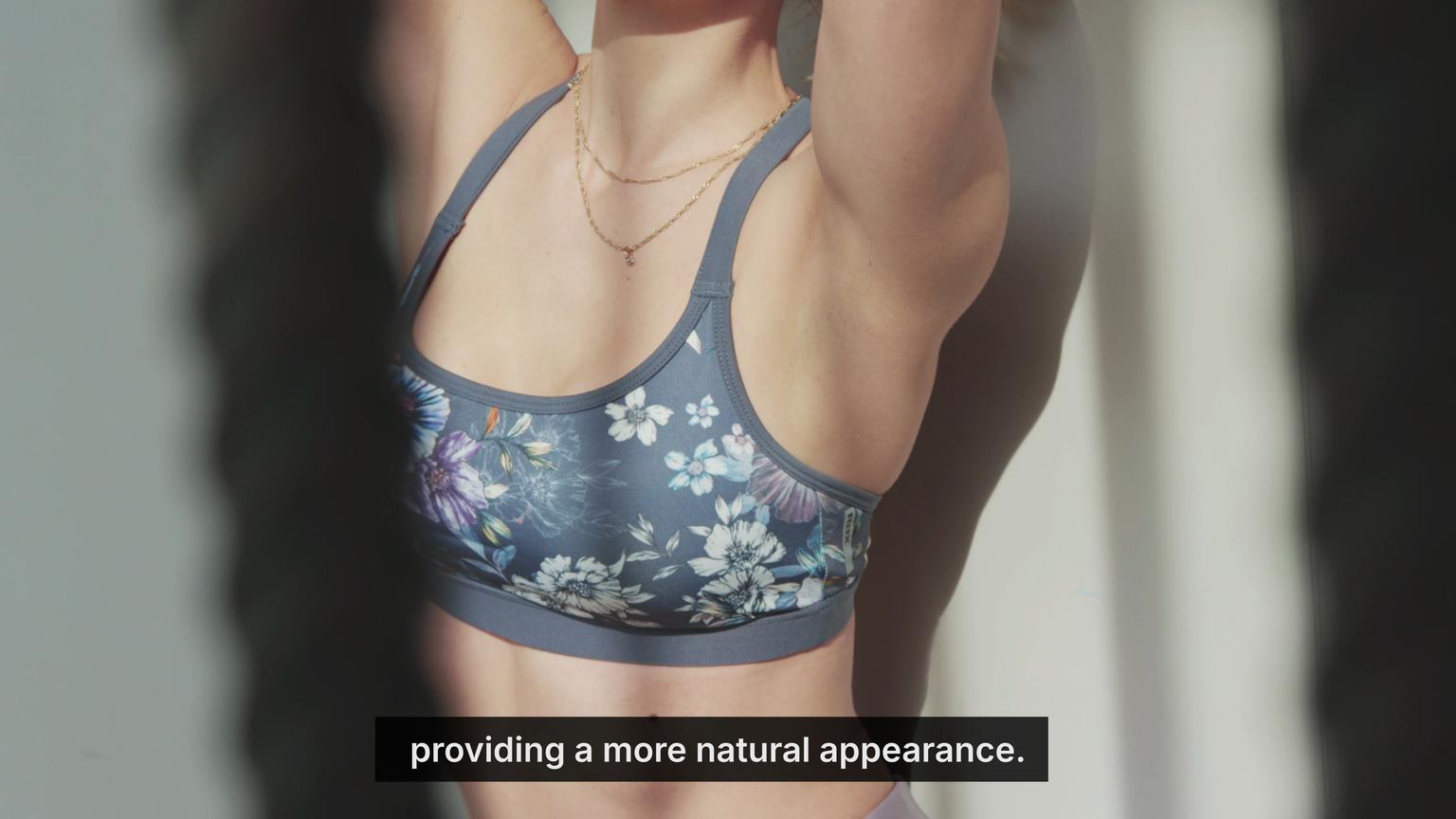
Ich kann auch empfehlen, noch zu warten, wenn Ihr aktueller körperlicher Zustand oder Ihre Lebenssituation für eine Operation nicht ideal sind. Das Timing ist wichtig: Am besten geht man den Eingriff an, wenn man körperlich und mental in guter Verfassung ist und die Erholungsphase ohne übermäßigen Stress bewältigen kann. Eine Operation sollte Ihr Leben unterstützen – nicht zusätzlich belasten. Deshalb gehört die Wahl des richtigen Zeitpunkts zu einem guten Ergebnis dazu.
Fazit: Wie plant man eine Brustvergrößerung am besten?
Der beste Plan für eine Brustvergrößerung ist immer individuell. Ich beginne mit der Breite Ihres Brustkorbs und der Elastizität Ihrer Haut, um sichere und natürlich wirkende Grenzen festzulegen, und nutze dann eine Simulation, um Implantatgröße und Profil mit Ihren Zielen abzugleichen. Anschließend wählen wir die Implantatlage (über oder unter dem Muskel) anhand der Vor- und Nachteile, die für Ihren Körper und Ihren Lebensstil am wichtigsten sind, und entscheiden uns für einen Schnittzugang, der zu Ihren Prioritäten in Bezug auf Narbenbildung und Erholung passt.
Ganz gleich, ob Ihr Ziel bessere Proportionen, die Wiederherstellung von Volumen nach einer Schwangerschaft, die Korrektur einer Asymmetrie oder eine vollere Silhouette ist, die Ihrer gewünschten Selbstdarstellung entspricht: Der wichtigste Schritt ist eine sorgfältige Beratung und ein Plan, der sowohl auf Anatomie als auch auf realistischen Erwartungen basiert. Wenn diese Elemente zusammenkommen, kann eine Brustvergrößerung eine selbstbewusste und stärkende Entscheidung sein – und eine, die für Sie richtig aussieht und sich richtig anfühlt.
Mehr über die Seojin Plastic Surgery Clinic
Die Seojin Plastic Surgery Clinic in Gangnam, Seoul, ist eine Anlaufstelle für Patientinnen und Patienten, die sich bei einer Brustvergrößerung eine klare Orientierung bei der Auswahl von Implantatgröße und Schnittführung im Rahmen eines hochgradig individuellen Behandlungsplans wünschen. Als Klinik mit nur einem behandelnden Arzt betreut Dr. Lee Hyungmin jeden Schritt persönlich – von der Beratung und der 3D-basierten Planung über die Operation bis zur Nachsorge –, sodass Entscheidungen über den Implantattyp (einschließlich hybrider Verfahren mit Implantat und Eigenfetttransplantation für eine weichere, natürlichere Kontur) und das operative Vorgehen auf Ihre Anatomie, Ihre Ziele und Ihren Lebensstil abgestimmt werden können. Mit mehr als 16 Jahren Erfahrung und der Auszeichnung als einer der 100 Good Doctors in Korea ist Dr. Lee für seine aufmerksame Betreuung über den gesamten Behandlungsverlauf und seine präzise Technik bekannt, unterstützt durch moderne Instrumente wie hochauflösende Endoskopie zur Verbesserung von Präzision und Sicherheit. Neben Brustvergrößerungen bietet Seojin das gesamte Spektrum der Brustchirurgie an (Bruststraffung, Brustverkleinerung, Mamillenchirurgie, Behandlung von Gynäkomastie und Brustimplantate für Transgender-Personen), was ein umfassendes Verständnis von Brustästhetik und Proportionen widerspiegelt und Patientinnen und Patienten dabei hilft, ausgewogene und selbstbewusst machende Ergebnisse zu erreichen.
Mehr über diese Klinik finden Sie hier: Seojin Plastic Surgery Clinic
Häufig gestellte Fragen
Verwandte Blogbeiträge
Global Cost Showdown: Understanding Breast Surgery Expenses in Korea vs. Other Major Destinations
Discover the factors that influence the cost of breast surgery in Korea, from medical expertise to facilities and post-operative care. Explore how Korea's competitive pricing and advanced technology make it a popular destination for cosmetic procedures.
Aktualisiert: Oct 21, 2026
Korean Excellence in Cosmetic Tattooing: A Global Price Comparison for Areola Tattoos
Discover the factors that influence the cost of areola tattoos in Korea, offering insights into pricing variations based on location, artist expertise, and design complexity. Explore why more individuals are choosing this empowering procedure and learn what to expect in terms of investment.
Aktualisiert: Oct 21, 2026
Brustverkleinerung: Das Preis-Leistungs-Verhältnis in Korea im Vergleich zu Kosten und Leistungen führender Behandlungsziele weltweit
Erfahren Sie mehr über die Kosten einer Brustverkleinerung in Korea und die Faktoren, die die Preisgestaltung beeinflussen, darunter die angewandte Operationstechnik und der Ruf der Klinik. Entdecken Sie, wie Koreas medizinische Infrastruktur wettbewerbsfähige Optionen für Menschen bietet, die diesen beliebten ästhetisch-chirurgischen Eingriff in Erwägung ziehen.
Aktualisiert: Oct 20, 2026
Ein Blick auf die Preisspanne: Kosten für Brust-Revisionsoperationen in Korea im Vergleich zu internationalen Alternativen
Entdecken Sie kostengünstige Möglichkeiten für Brustkorrekturoperationen in Korea, wo erstklassige medizinische Einrichtungen und erfahrene Chirurginnen und Chirurgen eine Behandlung auf hohem Niveau anbieten. Erfahren Sie, warum internationale Patientinnen und Patienten Korea wählen, wenn sie eine erschwingliche Behandlung suchen, ohne Kompromisse bei Sicherheit und Ergebnissen einzugehen.
Aktualisiert: Oct 19, 2026
Kliniken für Breast Augmentation
BongBong Plastic Surgery Dermatology Korea | Body, Breast & Aesthetic Treatments
Nonhyeon

THEPLUS Plastic Surgery Korea | Eye, Nose, Face & Body Surgery
Sinsa

Lydian Plastic Surgery Clinic in Korea: Superior Cosmetic Procedures by World-Renowned Expert Dr. An Kyung Chun
Apgujeong

Seojin Plastic Surgery Clinic Korea: Pioneering Advanced Cosmetic Procedures for Personalized Aesthetic Transformation
Apgujeong