
Medical Tourism Blog
Side Effects of Breast Implants with a Breast Surgeon - Dr. Lee from Seojin Plastic Surgery
Table of contents
- Introduction: What patients worry about most
- Nipple sensation changes after breast implants: what’s normal and what isn’t
- Capsular contracture: why it happens and how prevention works
- Breastfeeding after breast augmentation: is it possible?
- Rippling after implants: what it is and why implant choice matters
- Implant rupture and safety: how modern implants reduce risk
- Flying after breast augmentation: is it safe right away?
- Conclusion: making side effects less scary through good planning
- More about Seojin Plastic Surgery Clinic
Considering treatment in Korea? Everything you need to know e.g. — how to avoid scams, visas, interpreters, recovery tips — in our Medical Tourism Master Guide. Plan with confidence in minutes, not weeks!
Disclaimer: The following is a guest post. The information and opinions expressed are not of koreaclinicguide.com but of Seojin Plastic Surgery Clinic
Introduction: What patients worry about most
I’m Dr. Hyungmin Lee from Seojin Plastic Surgery in Apgujeong, Gangnam, Seoul, and one of the most common reasons patients hesitate about breast augmentation isn’t the surgery itself—it’s the “what ifs” afterward. People often ask about nipple sensation, capsular contracture, breastfeeding, rippling, implant rupture, and even whether it’s safe to fly soon after surgery. These are all valid concerns, and they deserve clear, practical explanations.
Breast augmentation is a procedure that uses implants to improve the size, volume, and shape of the breasts. It’s commonly chosen by patients with naturally smaller breasts, asymmetry, or sagging who want a fuller silhouette and better balance in clothing. At our clinic, I also perform our UUU+ Hybrid Breast Augmentation technique, which combines implants with PRP nano-fat grafting to help refine contours and support a natural-looking result.
Below, I’ll walk through the most important potential side effects and safety questions I hear in consultation—what causes them, what’s normal, and what can be done to reduce risk.
Nipple sensation changes after breast implants: what’s normal and what isn’t
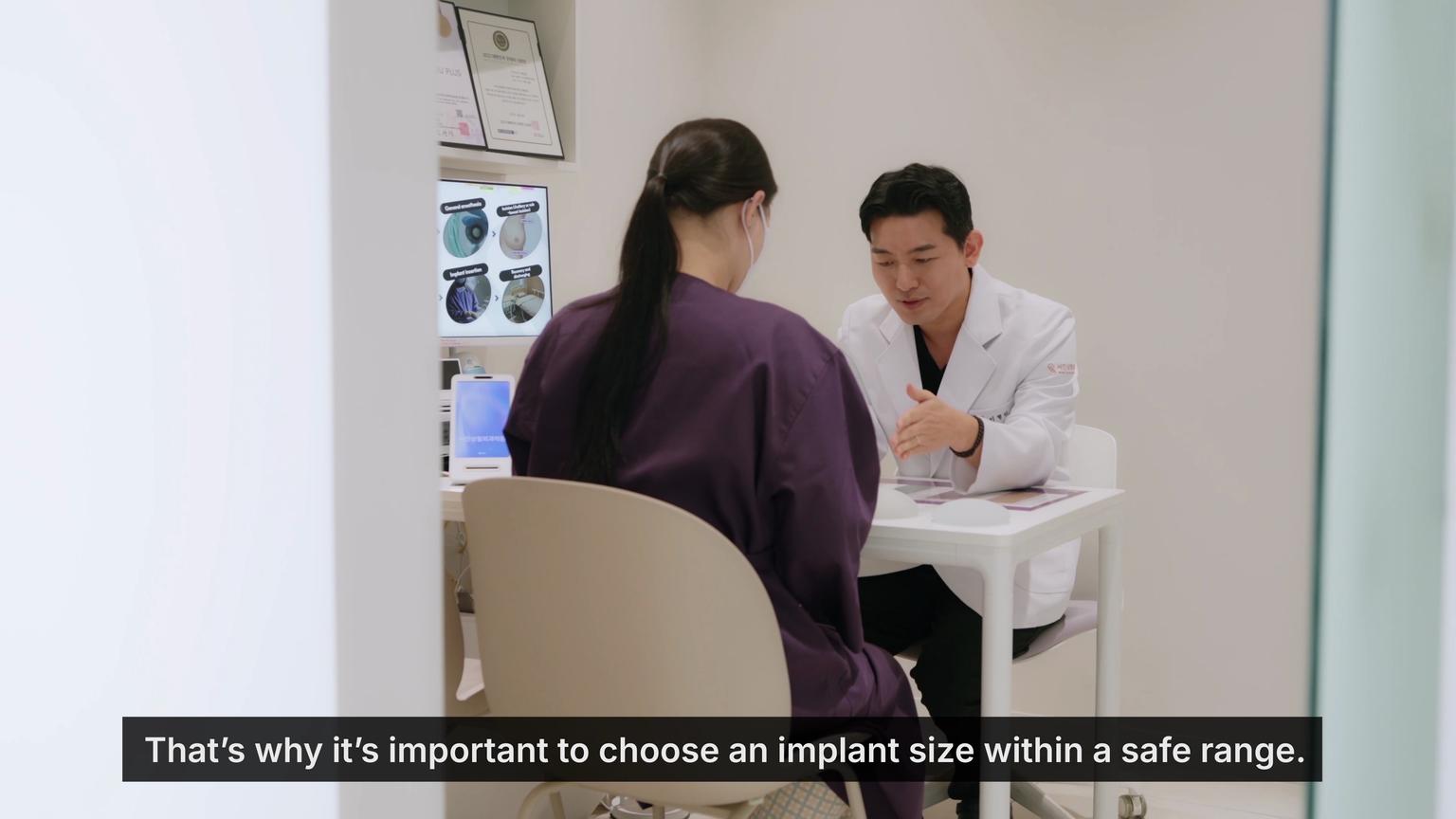
A frequent concern is whether breast implants can change nipple sensation. Sensation is closely tied to the sensory nerves that travel upward from the lower outer rib area toward the breast and nipple. Because of that anatomy, one of the most important safety principles in planning surgery is choosing an implant size that remains within a safe range for the patient’s body.
After surgery, it’s normal to experience temporary changes in sensation. Swelling can affect how nerves transmit signals, and some patients notice numbness, hypersensitivity, or “tingly” sensations early on. In most cases, this improves gradually, and many patients continue to recover sensation over a long window—often up to two years. That timeline can surprise people, but nerve recovery is typically slow and steady rather than immediate.
My focus during planning is to match implant size and placement to the patient’s anatomy so that nerves aren’t placed under unnecessary tension. This is one reason personalized implant selection matters more than chasing a specific cup size.
Capsular contracture: why it happens and how prevention works
Whenever an implant is placed in the body, the body naturally forms a capsule around it. This is normal. Early on, that capsule often thickens slightly, then—importantly—tends to soften and become thinner as healing progresses.
Capsular contracture occurs when that capsule doesn’t relax as expected and instead becomes thicker and tighter around the implant. When it tightens, the breast can feel firmer than intended, look less natural, or become uncomfortable depending on the severity.
In my experience, capsular contracture is often associated with factors such as inflammation or bleeding, which can stimulate the capsule to thicken. Prevention is therefore a shared effort between surgeon and patient. Of course, I have to perform the procedure carefully and cleanly, but post-operative behavior also matters.
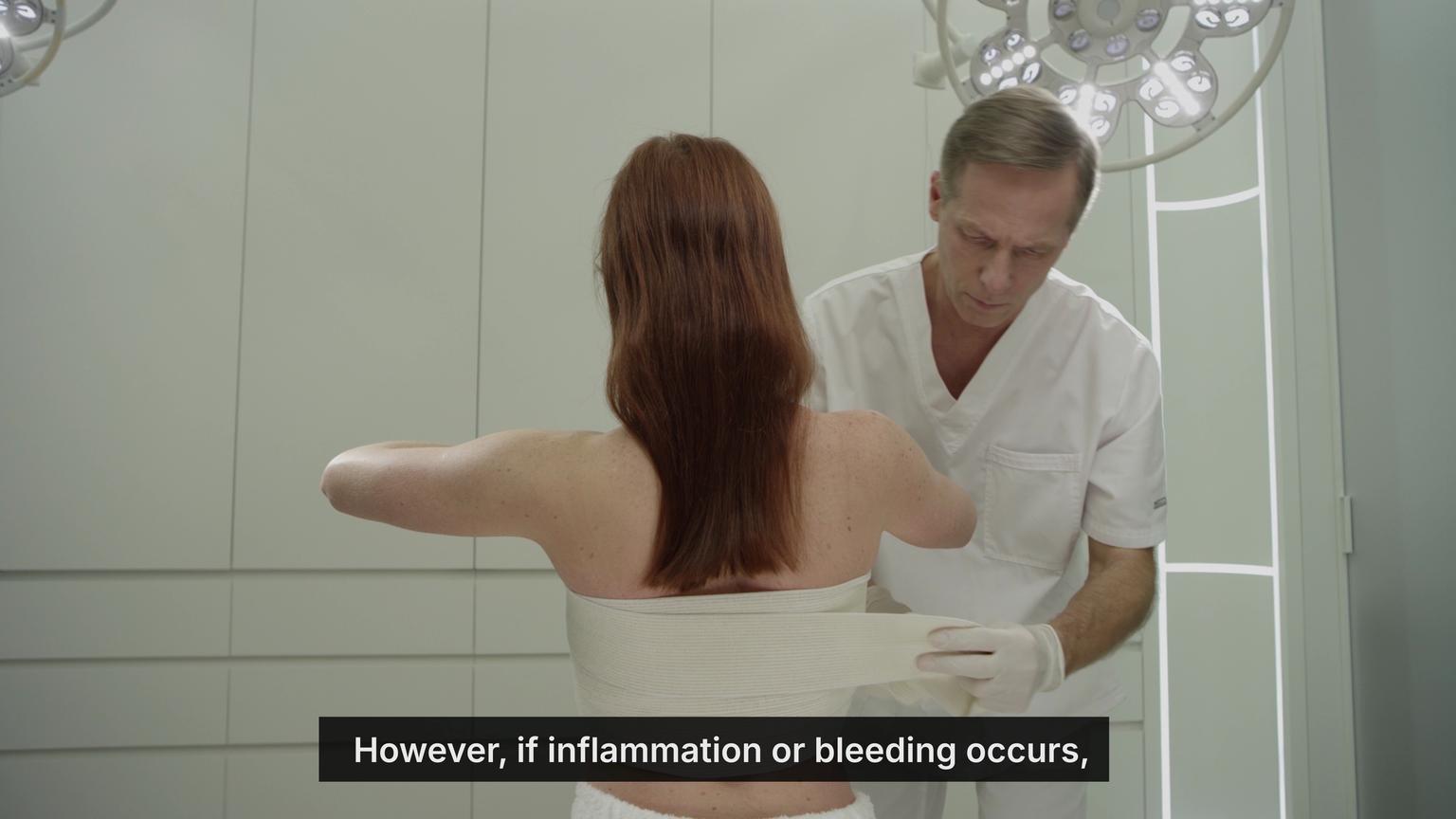
For roughly three months, I advise patients to avoid intense exercise or any activity that could cause impact or strain to the chest—anything that could trigger bleeding during the early healing phase. In the same period, reducing inflammation is key. That means no smoking and avoiding alcohol, because both can interfere with healing and increase inflammatory stress on the body.
Breastfeeding after breast augmentation: is it possible?
Another major question is whether patients can breastfeed after implant surgery. In most cases, yes, breastfeeding is possible.
The reason is surgical technique. I operate in a way that avoids damaging the nipple structure and the breast gland tissue. When the gland and the pathways involved in milk production and delivery are respected, breastfeeding can remain feasible after surgery.
Every patient’s anatomy and surgical plan is different, but in general, implant placement can be performed without disrupting the structures necessary for nursing. For patients who are planning future pregnancies, I consider that goal during planning so we can choose an approach that aligns with long-term priorities.
Rippling after implants: what it is and why implant choice matters
“Rippling” refers to visible wrinkling that can appear when an implant folds and the folds show through the skin. Patients may notice it more in certain positions or postures.
One of the biggest contributors is the type of implant fill. Lower gel-fill implants tend to ripple more easily, so I generally recommend avoiding them. Even with fully filled implants, however, rippling can still happen in some individuals depending on posture and tissue characteristics. This is why pre-operative evaluation matters: the thickness of the patient’s existing tissue coverage and their lifestyle can influence how likely rippling is to be noticeable.
In hybrid approaches—where implants are combined with targeted fat grafting—fat can help refine transitions and improve softness in selected areas, which can be useful for patients who want a more natural contour. The goal is always to match technique to anatomy rather than applying a one-size-fits-all plan.
Implant rupture and safety: how modern implants reduce risk
Patients often ask, “Can implants break inside me?” The truth is that implant technology has advanced significantly.
Lower-fill implants not only wrinkle more easily, but the repeated folding and friction from those wrinkles can increase stress on the implant shell. Over time, that can raise the risk of rupture. This is another reason I tend to avoid low-fill options.
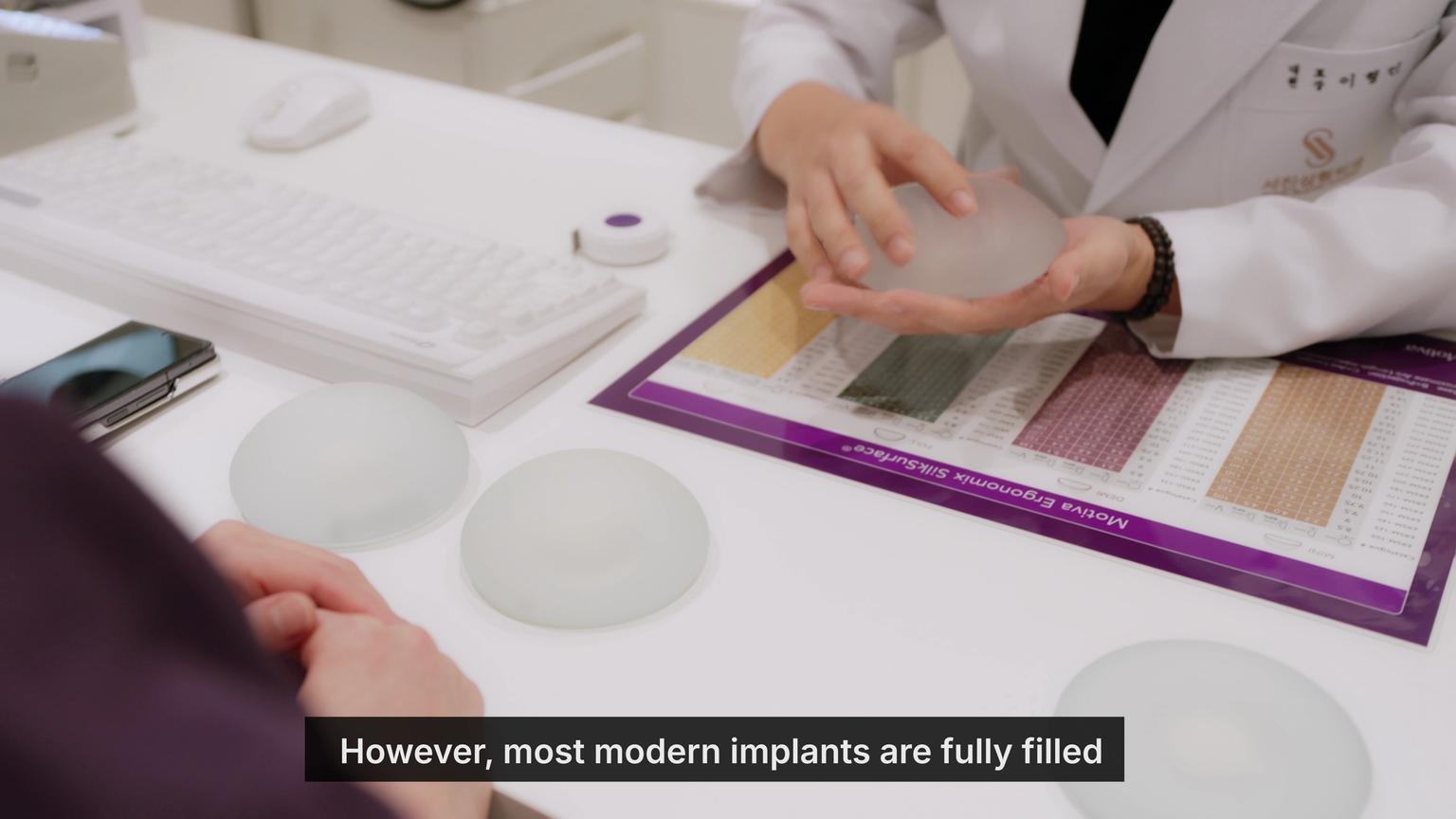
Modern implants are generally fully filled, and their shells are manufactured with multiple layers, which makes rupture much less likely than in earlier generations. While no medical device is indestructible, today’s implants are designed with durability and safety in mind, and careful implant selection is an important part of risk reduction.
For patients, the key takeaway is that “implant safety” isn’t just about the brand—it’s about selecting an implant type that fits the body, placing it properly, and minimizing factors that could contribute to unnecessary mechanical stress.
Flying after breast augmentation: is it safe right away?
The question of air travel comes up often, especially for patients visiting Seoul from abroad. Historically, flying soon after surgery was more concerning because earlier techniques and equipment often required the use of drains. With drains in place, pressure changes during flight were considered potentially risky.
Today, with improved surgical techniques and equipment, drains usually aren’t needed, and in many cases it’s generally fine to fly even right after surgery. The practical details still depend on the individual patient’s recovery and the specifics of the procedure, but overall, post-op travel is far more manageable now than it used to be.

If a patient is planning to travel soon after surgery, I discuss timing, activity level, and comfort strategies in advance so the recovery period is as smooth as possible.
Conclusion: making side effects less scary through good planning
Breast augmentation can be a highly satisfying procedure, but it’s wise to go into it understanding potential side effects and how to reduce risk. In my experience, many concerns—like temporary nipple sensation changes, rippling, and fears about rupture—become much less intimidating when patients understand what causes them and how modern planning and implant technology address them.
The most important themes are consistent: choose an implant size within a safe range, prioritize techniques that protect key anatomy, reduce inflammation during recovery, and follow activity restrictions—especially avoiding strenuous exercise and chest impact for the first three months. With thoughtful surgical planning and good post-operative care, patients can feel more confident about both their results and their safety.
More about Seojin Plastic Surgery Clinic
Seojin Plastic Surgery Clinic in Gangnam, Seoul is a one-doctor clinic led by Dr. Lee Hyungmin (Director Lee Hyeong-Min), which can be an important advantage for patients focused on breast implant surgery side effects and safety because it offers consistent, end-to-end care from consultation through surgery and follow-up, rather than rotating between multiple providers. With more than 16 years of experience and recognition as one of the 100 Good Doctors in Korea, Dr. Lee is known for attentive, individualized planning and a patient-specific approach to risk reduction. Seojin emphasizes personalized consultations supported by state-of-the-art tools such as 3D imaging and high-definition endoscopy to help plan implant selection and surgical strategy, and it offers a full range of breast procedures—including standard breast implants, hybrid implants combining implants with fat grafting for a more natural result, lifts, reductions, nipple procedures, gynecomastia surgery, and specialized transgender breast augmentation—so patients can choose the most suitable option with safety-centered guidance.
Find more about this clinic here: Seojin Plastic Surgery Clinic
Frequently Asked Questions
Related Blogs
Implant Removal in Korea: Revision Breast Surgery Solutions for Desire for Implant Removal
Updated: Aug 18, 2026
Lateral Breast Fullness: Breast Reduction Procedures in Korea for Contoured Results
Updated: Aug 18, 2026
Male Chest Enlargement Solutions: Gynecomastia Surgery Procedures in Korea for Effective Results
Updated: Aug 18, 2026
Ptotic Breasts Solutions: Breast Lift Procedures in Korea for Youthful, Firm Results
Updated: Aug 18, 2026
Clinics offering Breast Surgery

THEPLUS Plastic Surgery Korea | Eye, Nose, Face & Body Surgery
Sinsa

Lydian Plastic Surgery Clinic in Korea: Superior Cosmetic Procedures by World-Renowned Expert Dr. An Kyung Chun
Apgujeong

Seojin Plastic Surgery Clinic Korea: Pioneering Advanced Cosmetic Procedures for Personalized Aesthetic Transformation
Apgujeong

Okay Plastic Surgery Clinic in Korea: Comprehensive Aesthetic Procedures with Sincerity and Care
Cheongdam