
Medical Tourism Blog
Rough Skin Texture Solutions: Peeling Procedures in Korea for Smoother, Healthier Skin
Table of contents
- Medical Peeling Procedures: A Detailed Overview
- Best Clinics in Korea for Rough Skin Texture
- Navigating Peeling Procedures in South Korea for Medical Tourists
- Cost Analysis: Peeling Procedures in South Korea vs. Global Destinations
- Patient Experiences and Outcomes: Addressing Rough Skin Texture with Peeling
- Conclusion
- References
Considering treatment in Korea? Everything you need to know e.g. — how to avoid scams, visas, interpreters, recovery tips — in our Medical Tourism Master Guide. Plan with confidence in minutes, not weeks!
Rough skin texture—think flaky, bumpy, or uneven skin—can impact both your comfort and confidence. This guide outlines the basics you need to know about rough skin, covers popular “peeling” procedures, guides you through the process of getting these treatments in South Korea, details typical costs, and explores real-world patient experiences.
Defining Rough Skin Texture: Medical Terms and Common Descriptions
Rough skin texture shows up frequently in dermatology, most often as xeroderma—also known as dry skin, xerosis cutis, or asteatosis. Xeroderma happens when your skin doesn’t get enough hydrolipids, weakening its moisture barrier. When it’s severe, doctors call it xerosis.
Patients describe this condition in many ways: “textured skin,” “bumpy skin,” “flaky skin,” “scaly skin,” and feelings of tightness. Sometimes it looks “crepey” (thin and finely wrinkled). If your skin feels like “chicken skin”—small hard bumps—that’s usually Keratosis Pilaris (KP).
You might notice dry, rough patches, a tight feeling, or flaking. Some people report pain, burning, or persistent itchiness (called pruritus). If the condition worsens, you can also develop cracks or pimple-like bumps (dermatitis), or see changes in your skin color—anything from lighter or darker tones to red or purple hues. For flakiness, look for small “snowflake” or “dust-like” particles on your skin.
Etiology: Unraveling the Causes of Rough Skin
Rough skin texture rarely has a single cause. It’s the result of many factors working together, all relating to a compromised skin barrier and insufficient natural moisturizing factors. Here’s what can contribute:
- Age: As you get older, your skin makes less oil and collagen, leaving it thinner and drier—especially after age 60.
- Environmental Factors: Dry, windy, or cold climates zap moisture. Sun exposure breaks down collagen and can trigger roughness—sunburn is a big culprit.
- Genetics: Some folks are simply more prone to dry or uneven skin.
- Underlying Medical Conditions: Conditions like diabetes, renal failure, hypothyroidism, and certain skin problems (atopic dermatitis, seborrheic dermatitis, psoriasis, rosacea) can bring on rough textures. Infectious causes, like athlete’s foot, shouldn’t be overlooked.
- Medications: Some prescription drugs can dry your skin.
- Clogged Pores and Bumps: Dead skin cells, ingrown hairs, milia, and all types of acne—blackheads, whiteheads, cysts—can cause texture problems or pitted scars. Keratosis Pilaris results from keratin buildup.
- Lifestyle Factors: Stress and habits like smoking can throw hormones off balance and harm your skin.
Diagnosis and Severity Grading
Doctors usually diagnose rough skin texture by examining your skin and medical history. Sometimes, additional tests (like labs for thyroid hormone or vitamins) are done if another condition is suspected. Rarely, a skin biopsy may be needed.
To grade xerosis severity:
- Mild: Scaling in skin furrows.
- Moderate: Scaling beyond furrows plus marked skin lines.
- Severe: Plate-like scaling with skin fissures.
Most cases are managed at first with moisturizers containing humectants, occlusives, and emollients. General skincare tips: moisturize daily, use sunscreen, treat acne early, avoid harsh products, and maintain a healthy lifestyle.
Deeper Understanding of Rough Skin Texture
Rough skin can signal more than a cosmetic issue—it may reflect broader health concerns like aging or internal illnesses. Neglecting the root cause by focusing only on the surface may mean temporary fixes instead of long-term solutions. Seeing a dermatologist for a thorough evaluation can pinpoint the real reason for your skin’s texture, preventing worse health outcomes.
Many patients jump straight to “peeling” procedures, but in most cases of dryness and roughness, simple, less invasive treatments—especially consistent moisturizing—should come first. Peeling procedures tend to be for stubborn cases, like scarring or severe pigmentation, and aren’t always needed for mild roughness.
Table 1: Common Pseudonyms and Medical Terms for Rough Skin Texture
| Medical Term(s) | Common Pseudonym(s) / Description | Context / Key Characteristics |
|---|---|---|
| Xeroderma, Dry Skin, Xerosis Cutis, Asteatosis | Dry skin, rough patches, flaky skin, scaly skin, tight skin | Results from insufficient skin moisture and hydrolipids; itchy, cracked, or discolored |
| Textured Skin | Textured/uneven skin | Raised, uneven, or bumpy skin, often from pores, acne, or dryness |
| Keratosis Pilaris (KP) | Chicken skin, hard white bumps | Keratin buildup clogs hair follicles, often on arms/thighs/cheeks |
| Milia | Small white bumps | Trapped dead skin cells under new skin, usually under the eyes/face |
| Crepey Skin | Crepey skin | Finely wrinkled, thin skin, often from age or dryness |
| Dermatitis | Skin rash, inflamed skin | Swelling/inflammation, dry, itchy, red patches, sometimes bumpiness |
Medical Peeling Procedures: A Detailed Overview
If you’re looking for a major texture improvement, especially with fine lines or scars, you might consider a peeling procedure. Here’s an overview of how they work and your treatment options.
What is Medical Peeling?
Medical peeling—also known as chemoexfoliation or chemical peeling—is a clinical treatment targeting skin texture. A chemical solution is applied to your skin, creating a controlled injury. As the damaged top layers peel off, your body increases growth of healthy new skin; the result is usually smoother, clearer skin.
Mechanism of Action: How Peels Work
Chemical peels use caustic agents to trigger keratocoagulation, denaturing your skin proteins (keratin, collagen) and causing a visible “white frost.” This process launches your skin’s healing response, prompting new collagen and elastin formation and keratinocyte regeneration. Over time, this helps rejuvenate and thicken skin, softening lines and scars while improving tone.
Types of Peeling Procedures
Chemical Peels
Chemical peels come in three levels:
- Light (Superficial) Peels: Target only the outermost layer (epidermis) with gentle Alpha Hydroxy Acids (AHAs) (like glycolic, lactic, citric, malic acids) or Beta Hydroxy Acids (BHAs) (salicylic acid). Great for mild concerns and require minimal downtime.
- Medium-Depth Peels: Penetrate deeper using Trichloroacetic Acid (TCA), sometimes mixed with other acids. They work for pigmentation issues, deeper wrinkles, acne scars, and pre-cancerous spots. Expect about a week of recovery.
- Deep Peels: Use Phenol (carbolic acid) or high-strength TCA for the most dramatic results, hitting deep wrinkles and severe sun damage. These carry higher risks and longer recovery and should only be performed by experienced physicians.
Other Skin Resurfacing Methods
- Mechanical Exfoliation: Uses scrubs, brushes, or microdermabrasion to physically remove surface cells. Best for mild texture issues; overdoing it can irritate.
- Laser Resurfacing: Lasers destroy outer skin layers and heat the deeper skin to boost collagen growth. There are ablative lasers (remove skin surface, more downtime) and non-ablative lasers (penetrate beneath the skin, gradual results, less downtime). Lasers effectively address wrinkles, scars, and uneven tone.
Deeper Understanding of Peeling Procedures
All peeling methods trigger a controlled injury that prompts your skin’s natural repair process—building new collagen and elastin. The deeper the peel, the greater the results but the higher the risks and downtime. For patients with darker skin, some peels can cause permanent pigmentation changes, making a dermatologist’s judgment crucial. Not all “peeling” is chemical—mechanical and laser treatments can also improve texture; your doctor can help you pick what fits your needs and tolerates your skin best.
Table 2: Types of Peeling Procedures: Depth, Agents, and Primary Uses
| Procedure Type | Sub-Type / Depth | Key Agents / Technology | Primary Skin Concerns Addressed | Typical Recovery Time |
|---|---|---|---|---|
| Chemical Peels | Light (Superficial) | AHAs, BHAs, Jessner's | Fine lines, dry skin, minor acne, mild tone issues | Hours–days |
| Medium-Depth | TCA | Pigment, sun damage, wrinkles, scars, actinic keratosis | 5–14 days, up to 3 days off work | |
| Deep | Phenol, high concentration TCA | Deep wrinkles, severe sun damage, hyperpigmentation | 14–21 days, redness for months | |
| Other Methods | Mechanical Exfoliation | Granules, brushes, microdermabrasion | Surface impurities, mild roughness | Minimal–immediate |
| Laser Resurfacing | Ablative, Non-ablative lasers | Lines, scars, color, tone/texturizing | Non-ablative: Hours; Ablative: 7–10 days skin regrows |
Best Clinics in Korea for Rough Skin Texture
Listed below are the best clinics in Korea for rough skin texture:
| Clinic Name | Key Features | Special Techniques |
|---|---|---|
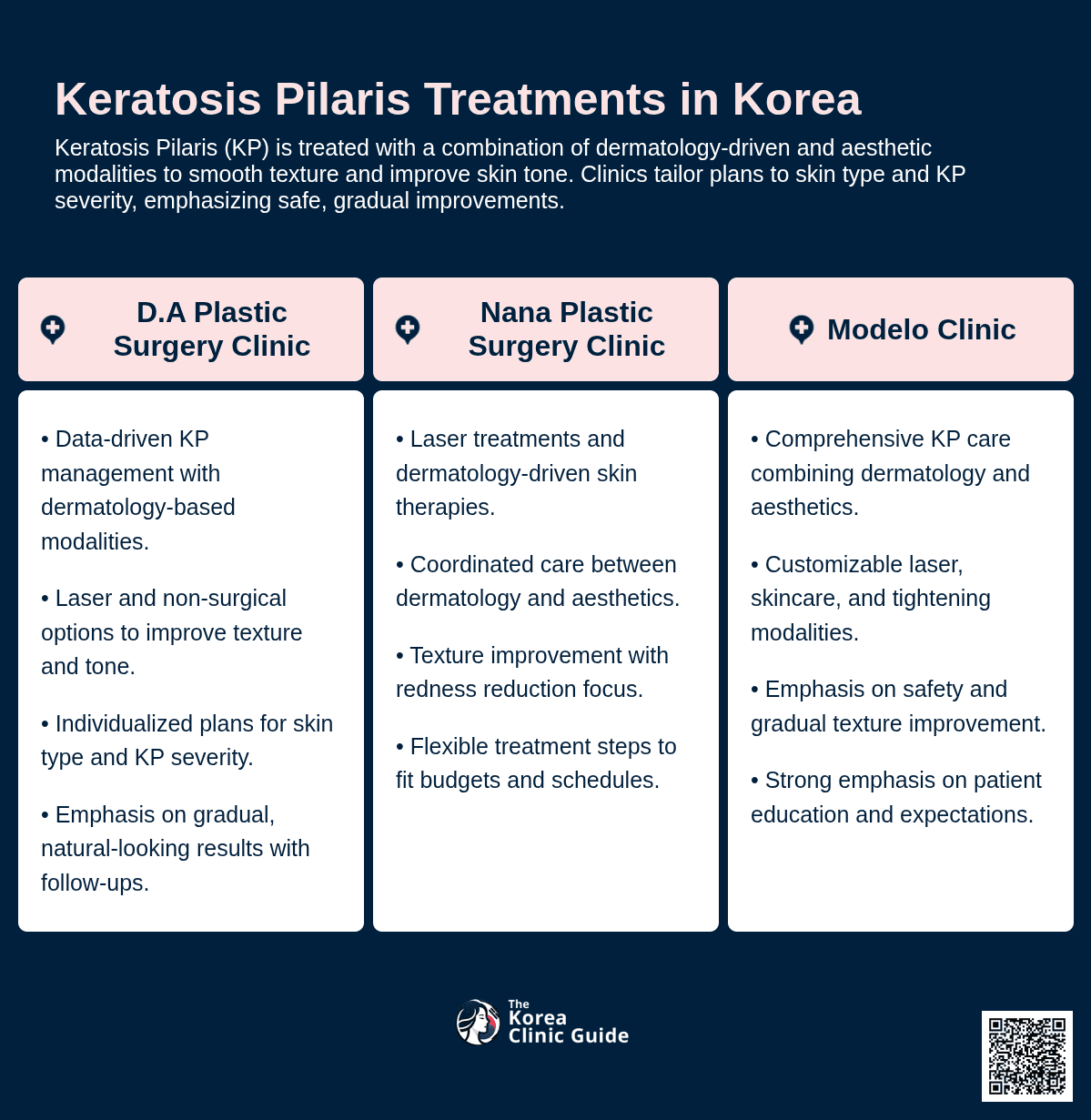
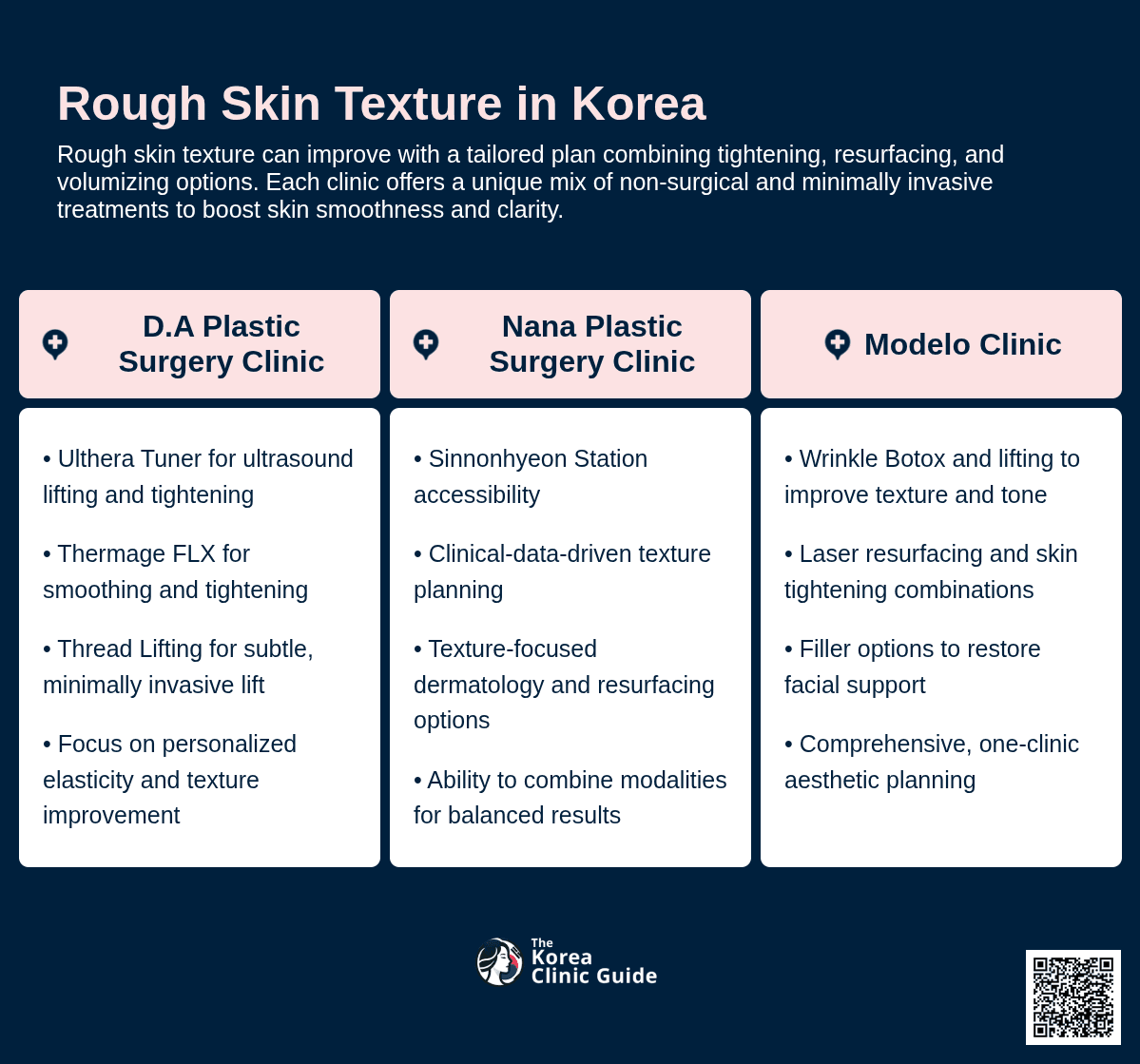
| D.A Plastic Surgery Clinic | DA Plastic Surgery Clinic, located at Gangnam Station, offers advanced cosmetic care in a safe, comfortable setting, with a skilled team focused on personalized treatment plans; for patients concerned about rough skin texture, the clinic provides non-surgical skin-focused options designed to support firmer, smoother-looking skin by promoting elasticity and collagen renewal. | Ulthera Tuner (ultrasound lifting and tightening); Thermage FLX (radiofrequency-based smoothing and tightening); Thread Lifting |
| Nana Plastic Surgery Clinic | Nana Plastic Surgery Clinic, located near Sinnonhyeon Station in Seoul, is widely recognized for advanced aesthetic care supported by extensive clinical data and broad surgical experience; for patients concerned about rough skin texture, Nana supports a plan that combines skin-tightening, laser-based resurfacing and refinement, and (when needed) structural procedures to improve contour and tension so the skin surface looks more even. | Prime location and accessibility: Sinnonhyeon Station; Clinical-data-driven care; Texture-targeted dermatology options; Ability to combine modalities for better texture outcomes; Facial expertise that supports skin smoothness; Broad aesthetic scope for individualized planning; Comprehensive aesthetic services under one clinic |
| Modelo clinic | Modelo Clinic focuses on long-term skin quality improvements centered on “your beautiful individuality,” not chasing short-lived trends; it uses proven options such as Wrinkle Botox to soften fine lines with natural results optimized for Asian skin and facial structures, Lifting treatments to firm and refine overall contour based on your unique aging pattern, and Whitening laser or combination treatments to improve clarity and evenness when freckles, blemishes, or melasma contribute to a dull, uneven surface. For patients whose texture concerns are worsened by under-eye hollows or facial volume changes, Baby Filler and Fullface Filler can support smoother-looking skin with immediate, natural volumization, while Comfort Thermage offers comfortable radiofrequency tightening that gradually improves smoothness over time; if more lift is needed, Thread Lifting can provide immediate tightening with continued collagen-driven improvement. | Wrinkle Botox to soften fine lines; Lifting treatments to firm and refine contour; Whitening laser or combination treatments to improve clarity and evenness; Baby Filler; Fullface Filler; Comfort Thermage for gradual tightening; Thread Lifting for immediate tightening with collagen-driven improvement |
D.A Plastic Surgery Clinic
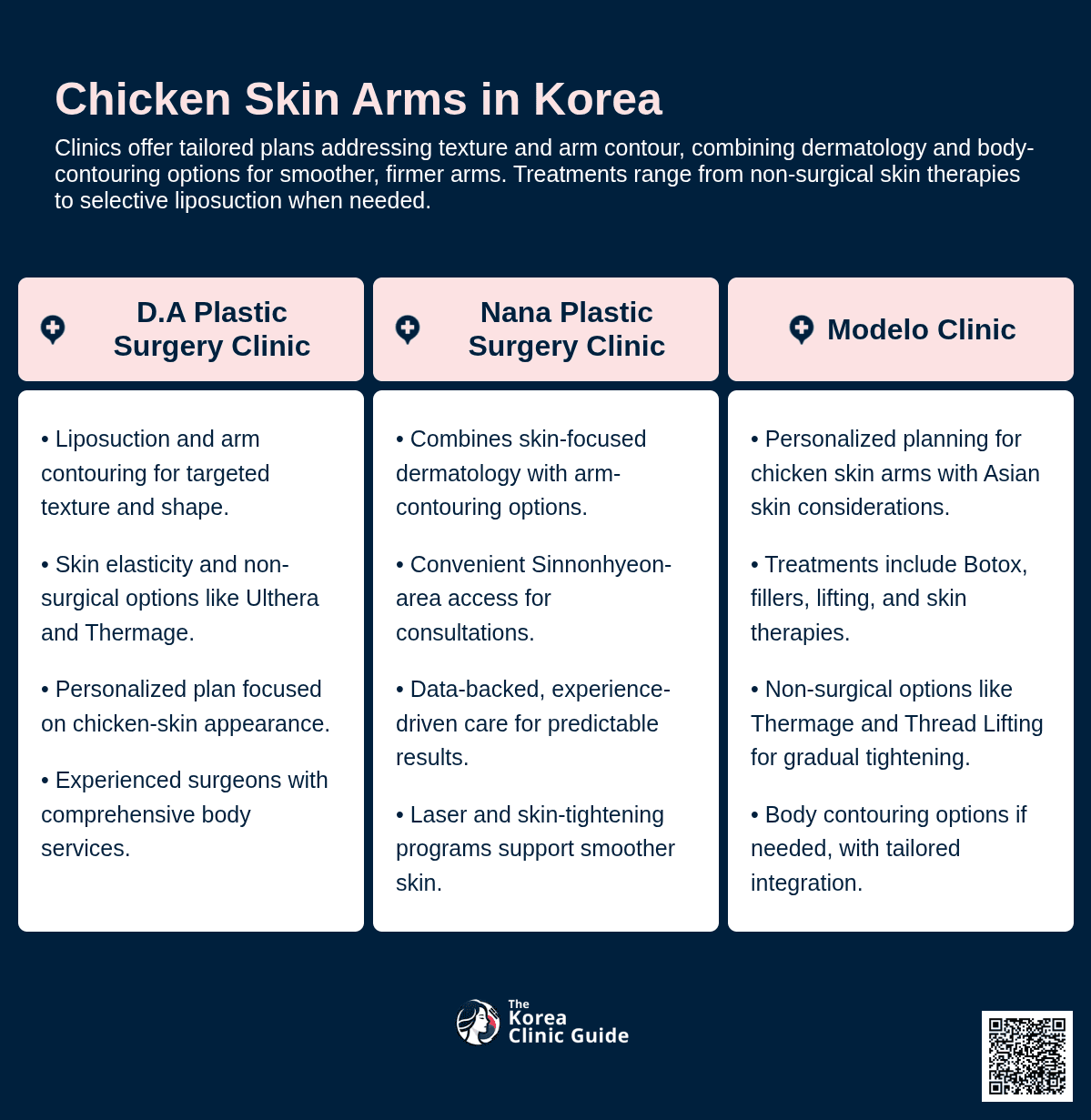
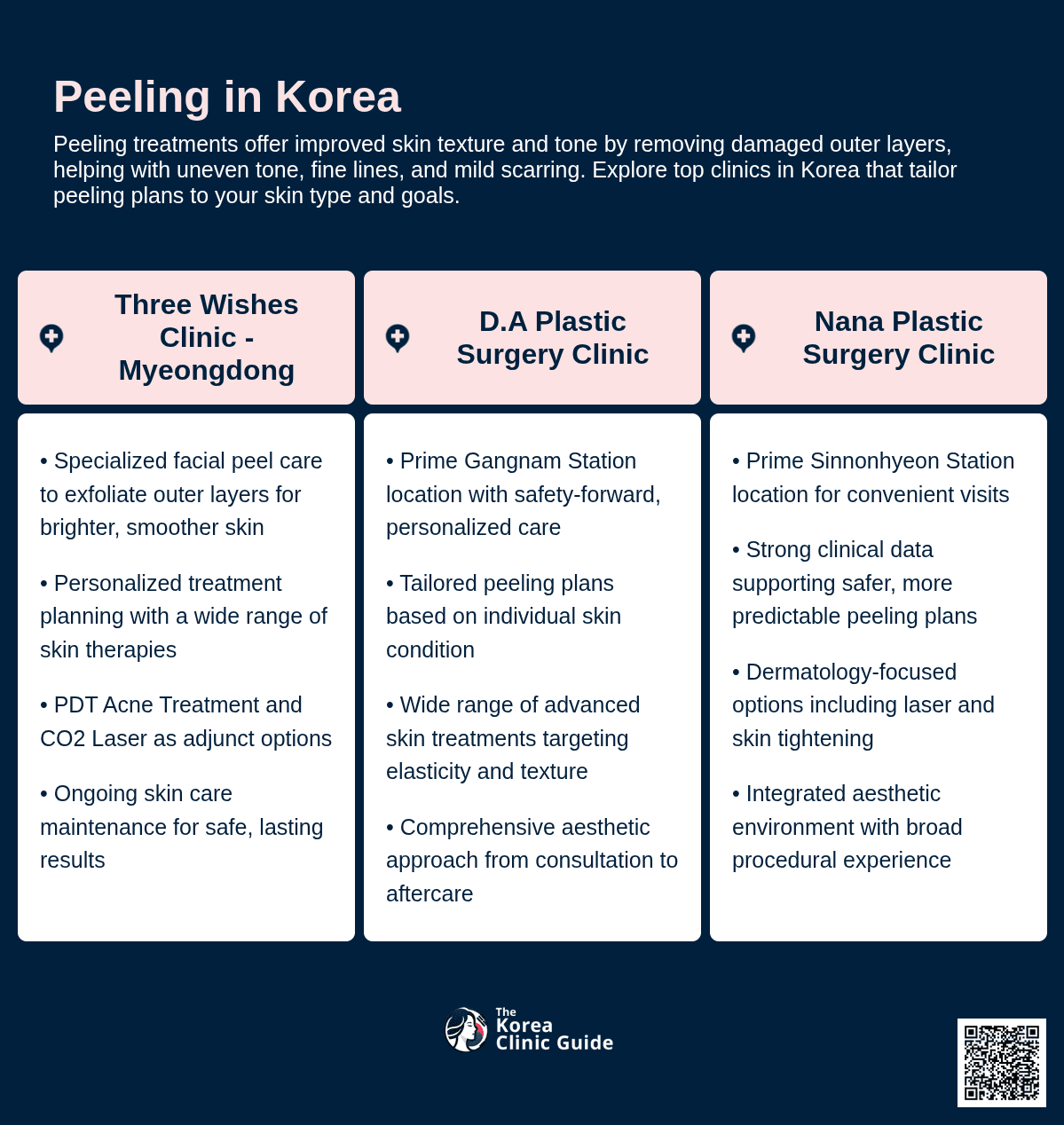
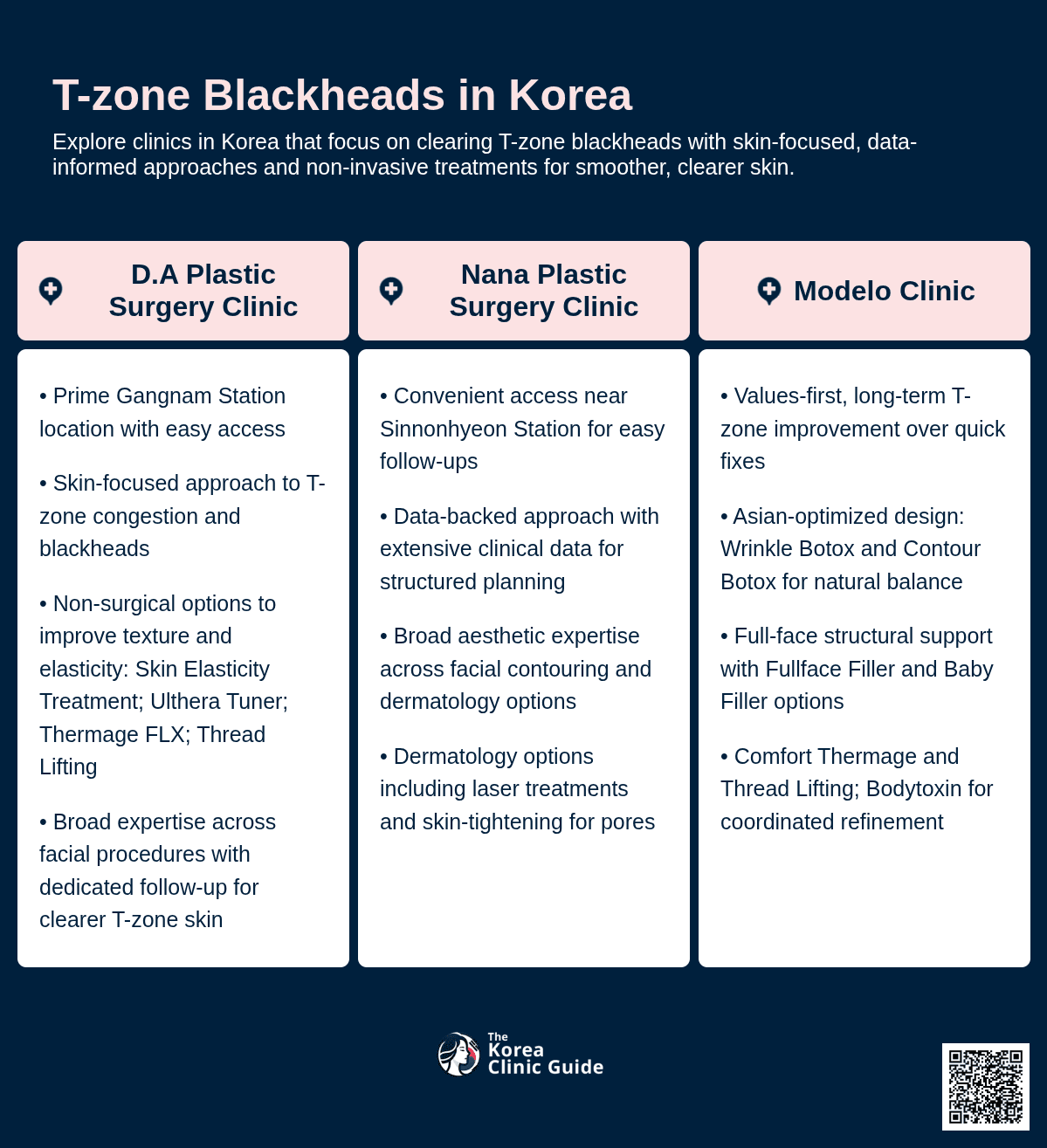
DA Plastic Surgery Clinic, located at Gangnam Station, offers advanced cosmetic care in a safe, comfortable setting, with a skilled team focused on personalized treatment plans. For patients concerned about rough skin texture, the clinic provides non-surgical skin-focused options designed to support firmer, smoother-looking skin by promoting elasticity and collagen renewal.
In addition to dedicated Skin Elasticity Treatment programs, DA Plastic Surgery Clinic offers device-based procedures such as Ulthera Tuner (ultrasound lifting and tightening) and Thermage FLX (radiofrequency-based smoothing and tightening), as well as Thread Lifting for subtle, minimally invasive support. With a wide range of facial, nose, lifting, eye, body, and breast procedures available, the clinic is positioned to address both skin quality concerns and overall aesthetic balance when a broader approach is needed.
Find more about this clinic here: D.A Plastic Surgery Clinic Website
Nana Plastic Surgery Clinic
Nana Plastic Surgery Clinic, located near Sinnonhyeon Station in Seoul, is widely recognized for advanced aesthetic care supported by extensive clinical data and broad surgical experience. For patients concerned about rough skin texture, Nana stands out because smoother skin is rarely achieved through a single method; it often requires a plan that combines skin-tightening, laser-based resurfacing and refinement, and (when needed) structural procedures that improve contour and tension so the skin surface looks more even. With comprehensive capabilities spanning dermatology treatments and high-level facial surgery, Nana can tailor a texture-focused approach while maintaining natural-looking balance.
- Prime location and accessibility: Conveniently located by Sinnonhyeon Station, making follow-up visits and treatment courses more manageable.
- Clinical-data-driven care: Treatment planning is backed by extensive clinical data, supporting safer decisions and more predictable improvement in skin quality and texture.
- Texture-targeted dermatology options: Dedicated dermatology procedures such as laser treatments and tightening therapies help address roughness, unevenness, fine lines, and overall skin refinement with minimal downtime.
- Ability to combine modalities for better texture outcomes: Options like tightening plus laser treatments can be coordinated to improve both surface smoothness and underlying firmness.
- Facial expertise that supports skin smoothness: Diverse experience in facial contouring (V Line surgery, genioplasty, cheekbone reduction, facial implants) and lifting (mini/full face lifting, thread lifting, neck lifting, platysma plasty, Endotine forehead lifting) can enhance facial balance and reduce laxity that may contribute to a crepey, uneven texture appearance.
- Broad aesthetic scope for individualized planning: From dermatology to surgical procedures across the face, eyes, nose, body, and breast, Nana can tailor recommendations to the patient’s overall goals rather than treating texture in isolation.
- Comprehensive aesthetic services under one clinic: Patients can access evaluation and staged treatment planning in one place, which is especially helpful when rough skin texture is linked to multiple factors (tone, firmness, pores, and contour).
Find more about this clinic here: Nana Plastic Surgery Clinic Website
Modelo clinic
Modelo Clinic is an ideal choice in Korea for addressing rough skin texture because it does not chase short-lived trends, but instead focuses on results that protect and enhance your value over time—centering every plan on “your beautiful individuality,” not someone else’s standard. Rough texture is often a combined issue of fine lines, uneven tone, early laxity, and surface irregularities, so Modelo’s strength is its ability to tailor a balanced approach using proven options: Wrinkle Botox to soften fine lines with natural results optimized for Asian skin and facial structures, Lifting treatments to firm and refine overall contour based on your unique aging pattern, and Whitening laser or combination treatments to improve clarity and evenness when freckles, blemishes, or melasma contribute to a dull, uneven surface. For patients whose texture concerns are worsened by under-eye hollows or facial volume changes, Baby Filler and Fullface Filler can support smoother-looking skin with immediate, natural volumization, while Comfort Thermage offers comfortable radiofrequency tightening that gradually improves smoothness over time; if more lift is needed, Thread Lifting can provide immediate tightening with continued collagen-driven improvement. By combining these options thoughtfully and conservatively, Modelo Clinic aims for refined, long-term skin quality improvements that look like you—only smoother, healthier, and more confident.
Find more about this clinic here: Modelo clinic Website
Navigating Peeling Procedures in South Korea for Medical Tourists
South Korea is now famous for cosmetic and dermatological medical tourism. Here’s what to expect if you want a peeling procedure as an international patient.
The Process of Getting a Peeling Procedure in South Korea
- Consultation & Clinic Choice: Book an appointment online or by phone at clinics like Renovo Skin Clinic or Seoul Delight Dermatology Clinic. Look for those with government approval, English-speaking staff, and board-certified dermatologists.
- During the Procedure: Outpatient visits typically begin with skin cleansing and protection for your eyes and hair. The chemical solution is applied, causing a warm or stinging sensation; a “white frost” may appear. Pain management ranges from none (light peels) to local anesthesia (deep peels).
- Aftercare & Recovery:
- Light Peels: Redness fades in days, and you can wear makeup soon. You may need a series for best results.
- Medium Peels: Expect 1–2 days off work, skin flaking for 1–2 weeks, and redness after.
- Deep Peels: Need 1–2 weeks off work; skin heals in 10–14 days but remains red for weeks or months.
- General Care: Don’t pick at peeling skin. Moisturize with hypoallergenic creams. Avoid sun, use SPF 30+, and drink water. Follow all instructions for pain control, antibiotics, and follow-up visits.
Key Considerations for International Patients
South Korean clinics offer advanced technology, skilled staff, foreigner-friendly packages, and competitive prices. Many clinics have English-speaking teams and support to help international patients navigate each step.
Be sure to plan recovery time and adhere strictly to aftercare to avoid complications like redness, pigment changes, or infections. Recovery timing can impact your travel plans, so build that into your stay.
Cost Analysis: Peeling Procedures in South Korea vs. Global Destinations
Costs of Peeling Procedures in South Korea
Prices can vary depending on the technique, depth, clinic, and treatment area:
- Chemical Peels: $50–$200 per session (sometimes up to $800/session or $3,000 for complex cases)
- Light: $100–$300 per session
- Medium/Deep: $300–$3,000 per session
- Aqua Peel: $100–$300 per session
- Laser Resurfacing: $800–$1,500 per session (average near $1,774, topping out at $2,550)
- Fractional CO2 Laser: ₩250,000–₩600,000 ($170–$410 USD)
- Multi-session packages: ₩800,000–₩2,500,000 ($550–$1,700 USD)
- Other Costs: Consultations $50–$150, aftercare visits $100–$300.
Factors Influencing Procedure Costs
- Peel Depth/Type: Superficial peels are cheaper; deeper, riskier peels cost more.
- Clinic Location/Reputation: Central, popular clinics charge more.
- Dermatologist’s Expertise: More experienced doctors can command higher fees.
- Materials/Equipment: High-quality serums and advanced devices raise costs.
- Session Count/Length: More sessions or longer treatments mean higher costs.
Comparative Costs for Medical Tourists
| Procedure | South Korea (USD) | USA/Europe (USD) | Thailand (USD) | Mexico (USD) | Other Asian Countries (USD) |
|---|---|---|---|---|---|
| Chemical Peel | $50–$3,000 | $200–$6,000 (UK) | $44–$148 | $175 (Light/Medium) | $150 (Malaysia) |
| Light Peel | $100–$300 | — | — | — | — |
| Medium/Deep Peel | $300–$3,000 | $1,000–$4,000 (Turkey-Medium) | $25–$594 (Deep) | $1,000 (Deep) | — |
| Laser Resurfacing | $800–$2,550 | From $800 (USA) | $388–$554 | $700 | $109 (Malaysia), $252 (Indonesia), $387 (China), $583 (Singapore) |
| Fractional CO2 Laser | $170–$410 | $1,000–$2,500 (Germany/France) | $179–$1,192 | — | — |
Deeper Understanding of Cost Dynamics
South Korea’s blend of quality and affordability makes it attractive to medical tourists. Still, wide price ranges—in both Korea and abroad—mean patients must check not only costs but also what’s included (depth, technology, physician credentials). “Low” prices may reflect light treatments or less experienced practitioners, while “high” ones often mean deeper, higher-risk procedures and a more expert touch—so always ask questions before committing.
Patient Experiences and Outcomes: Addressing Rough Skin Texture with Peeling
Expected Results and Benefits
Most patients see smoother, clearer, more even-toned skin—often with reduced lines, scars, and pigmentation. Many feel more radiant and confident, sometimes ditching concealer altogether.
Potential Side Effects and Risks
Peeling means controlled skin injury, and the healing phase brings:
- Tingling, stinging, and a temporary tight, red, or “frosted” look.
- Deep peels can cause more swelling and burning.
- Dryness, flaking, sunburn-like reactions, or temporary milia (tiny white bumps).
- Rarely: prolonged redness, darkening (post-inflammatory hyperpigmentation) or lightening (hypopigmentation) of the skin, scarring, and infection. Deep phenol peels carry very serious, though rare, systemic risks.
Some patients report rougher or sandpaper-like skin months later or scarring that improves only with time and further care. Prompt follow-up with your specialist helps manage any issues.
Recovery and Aftercare Guidelines
Best results come from careful aftercare:
- Don’t pick at peeling skin—it prevents infection.
- Hydrate with gentle, hypoallergenic creams and drink plenty of water.
- Avoid sun: use SPF 30+, cover up, and avoid long sun exposure.
- Avoid smoking, use warm (not hot) water, and humidify your air.
- Take prescribed painkillers or antibiotics as needed, and keep all follow-up appointments.
Long-Term Considerations and Maintenance
While peels give impressive results, they aren’t permanent—aging and sunlight will bring back some lines and texture over time. Maintenance peels or ongoing skincare (especially sunscreen) help preserve your new look.
Navigating Patient Experiences
Every journey is different, with results ranging from “life-changing” to “slow and bumpy.” Understanding that discomfort, temporary darkening, and even transient worsening are normal (and usually fade) can help keep anxiety at bay. Those with darker skin, who are more susceptible to pigmentation changes, should choose clinics with experience in treating diverse skin types and consider safer alternatives if needed. Ultimately, expect to invest in continual care—maintenance sessions, top-quality skincare, and sensible sun protection—to keep your skin looking its best.
Conclusion
Rough skin texture has many causes, from environment and aging to systemic issues. A thorough dermatological evaluation is key for an effective, long-lasting fix. Medical peeling procedures—chemical peels, lasers, and more—offer real improvements, but must be chosen with care. South Korea stands out for its blend of expertise, technology, and value, but following recovery instructions and setting realistic expectations are both essential. Results are rewarding but not forever, so ongoing care is important for the healthiest, smoothest skin.
References
1, 2, 3, 4, 5, 6, 7, 8, 9, 10, 11, 12, 13, 14, 15, 16, 17, 18, 19, 20, 21, 22, 23, 24, 25, 26, 27, 28, 29, 30, 31, 32, 33, 34, 35, 36, 37, 38, 39
Frequently Asked Questions
Related Blogs
Nuviju in Korea | Best Clinics, Costs, Procedure Types & More
Updated: Jul 3, 2026
Juveacell in Korea | Best Clinics, Costs, Procedure Types & More
Updated: Jul 3, 2026
Skin Botox in Korea | Best Clinics, Costs, Procedure Types & More
Updated: Jul 2, 2026
Rolling Acne Scars: Acne Scar Treatment & Stem Cell Acne Scar Procedures in Korea
Updated: Jun 30, 2026
Clinics offering Peeling

Three Wishes Clinic - Myeongdong, Korea: Advanced Botox, Fillers, Laser, and Skin Treatments for Confidence and Care
Myeongdong

Seojin Plastic Surgery Clinic Korea: Pioneering Advanced Cosmetic Procedures for Personalized Aesthetic Transformation
Apgujeong

D.A Plastic Surgery Clinic in Korea: Advanced Cosmetic Procedures for Natural Beauty Enhancement
Gangnam Station

Cheongdam Oracle Dermatology & Plastic Surgery Clinic in Korea: Offering Advanced Skin, Anti-Aging, Body Contouring Treatments and More
Seolleung