
Medical Tourism Blog
Skin Botox in Korea: Methods, Results, Recovery, and Travel Planning
Table of contents
- What Is Skin Botox?
- Best Clinics in Korea for Skin Botox
- Getting Skin Botox in Korea
- Cost of Skin Botox in Korea
- Alternatives to Skin Botox
- Conclusion
Considering treatment in Korea? Everything you need to know e.g. — how to avoid scams, visas, interpreters, recovery tips — in our Medical Tourism Master Guide. Plan with confidence in minutes, not weeks!
Have you ever wondered why Korea has become such a global hotspot for subtle, skin-perfecting cosmetic treatments? Skin Botox has gained attention for its ability to smooth texture, reduce oiliness, and create a more refined, luminous look without the frozen effect many people associate with traditional Botox. In Korea, this treatment is especially popular among patients seeking natural-looking results with minimal downtime. This article explores how Skin Botox works, what it costs in Korea, who it may suit best, and what alternatives are worth considering.
Skin Botox in Korea has become a popular cosmetic treatment for people seeking smoother, more refined-looking skin with minimal downtime, and this article will explain everything readers need to know before considering it. We will start by outlining what Skin Botox is and how it differs from traditional Botox, then discuss what it is like to get Skin Botox in Korea, including who may be a good candidate for the treatment. The article will also cover the typical cost of Skin Botox in Korea, factors that can affect pricing, and what patients can generally expect from clinics. Finally, we will look at common alternatives to Skin Botox for those who may want other options for improving skin texture, pore appearance, and overall skin quality.
What Is Skin Botox?
Skin Botox is a cosmetic medical procedure in which very small amounts of botulinum toxin are injected superficially into the skin rather than deep into the facial muscles. It is often called Microbotox, Mesobotox, or intradermal botulinum toxin. In Korea, it is widely used as a skin-quality treatment because the goal is usually not dramatic muscle freezing, but a smoother, more refined, less oily, and more refreshed appearance.
Traditional Botox is typically placed into specific facial muscles to reduce dynamic wrinkles such as frown lines, forehead lines, or crow’s feet. Skin Botox is different. The injections are delivered into the upper layers of the skin or very superficially into the tissue just beneath it. This changes how the toxin works and what results patients can expect.
How Skin Botox works
Botulinum toxin blocks the release of acetylcholine, a chemical messenger that nerves use to communicate with muscles and certain glands. In standard Botox treatments, this reduces muscle contraction. In Skin Botox, because the injections are more superficial and more diffusely spread, the treatment can affect:
- Very fine superficial muscle fibers
- Sebaceous glands, which produce oil
- Sweat glands
- Small structures around pores and the skin surface
This is why Skin Botox is often used not only for fine lines, but also for concerns such as:
- Enlarged-looking pores
- Excess facial oiliness
- Increased sweating on the face
- Rough or uneven skin texture
- Fine crepey lines
- Mild skin laxity in some areas
- A shiny or greasy appearance, especially in the T-zone
The treatment does not literally shrink pores permanently, because pores do not open and close like muscles. Instead, by reducing oil production and subtle skin movement around the pores, Skin Botox can make pores look less noticeable.
What makes Skin Botox different from regular Botox
The main difference is the depth, concentration, and distribution of the injections.
Traditional Botox
- Injected more deeply into targeted facial muscles
- Used to weaken muscle movement
- Best for dynamic wrinkles caused by expression
Skin Botox
- Injected very superficially into the skin
- Usually more diluted and spread over a broader area
- Aims to improve skin texture and surface appearance
- Often creates a softer, more polished look rather than an obviously “treated” look
Because of this difference, Skin Botox is often chosen by patients who want subtle refinement rather than major wrinkle correction.
Common treatment areas
Skin Botox can be used in several parts of the face and neck. The most common areas include:
- Forehead
- Cheeks
- Nose
- Under-eye area in selected patients
- Jawline
- Chin
- Neck
- T-zone, especially when oiliness is a concern
In Korea, Skin Botox is frequently used across the cheeks and central face to create the appearance of smoother skin and a more “glass skin” type finish. It may also be combined with other skin treatments as part of a broader complexion-improvement plan.
What concerns it is used for
Skin Botox is generally used for skin quality improvement, not volume replacement or major lifting. It may help with:
Fine superficial lines
Very shallow lines caused by repetitive movement and skin dehydration can become less visible when superficial muscle activity is softened.
Oily skin
Patients with excessive sebum production may notice that their skin becomes less greasy after treatment.
Enlarged-looking pores
By reducing oil and refining the skin surface, Skin Botox can make pores appear tighter and less prominent.
Facial sweating
Some patients seek Skin Botox for sweating that affects makeup wear, shine, or general comfort.
Uneven texture
The skin may look smoother and more uniform after the treatment takes effect.
Mild lower-face relaxation
In certain treatment plans, Skin Botox can be used strategically around the jawline, chin, or neck to create a subtly more refined appearance, although this effect is usually modest.
What happens during the procedure
A Skin Botox session is usually performed in a clinic by a qualified medical professional. The exact technique varies depending on the practitioner, the product used, and the patient’s anatomy, but the process generally includes the following steps:
1. Consultation and facial assessment
The provider examines the skin, facial movement, oiliness, pore visibility, and wrinkle pattern. They determine whether the patient is better suited for Skin Botox, standard Botox, another skin treatment, or a combination approach.
2. Cleansing and preparation
The skin is cleaned thoroughly. Some clinics apply a topical numbing cream, especially if a large area will be treated.
3. Marking the treatment area
The injector may identify specific zones for superficial placement, especially on the forehead, cheeks, nose, jawline, or neck.
4. Microinjections
Very small injections are placed in a grid-like or evenly distributed pattern across the treatment area. Because the injections are shallow and numerous, patients often describe the session as involving many tiny pricks rather than a few deep injections.
5. Post-treatment care
The patient is usually able to return to daily activities quickly, although there may be temporary redness, small bumps, or mild swelling at the injection points.
How the injections are placed
The technique is one of the most important parts of Skin Botox. The injections are typically placed into the superficial dermis or just below it, rather than into the main bulk of the muscle. This allows the toxin to have more of a surface-level effect.
If the injections are placed too deeply, the result may act more like traditional Botox and can lead to unwanted muscle weakening. If they are placed too superficially or unevenly, the result may be less effective or inconsistent. This is why Skin Botox is considered technique-sensitive and should be performed by an experienced injector.
What patients usually feel during treatment
Most patients experience:
- Tiny pinching or stinging sensations
- Mild discomfort rather than significant pain
- Temporary warmth or irritation afterward
A treatment may take approximately 15 to 30 minutes, depending on how many areas are being addressed.
When results appear
Results from Skin Botox do not usually appear immediately. Most patients begin to notice changes within several days, with fuller results developing over about 1 to 2 weeks.
The timeline can vary depending on:
- The botulinum toxin product used
- The dilution and injection method
- The treatment area
- Individual metabolism
- Whether the patient has had botulinum toxin before
How long Skin Botox lasts
The effects are temporary. In many patients, results last around 2 to 4 months, though this can vary. Some people find that oil control and pore-refining effects fade earlier, while others notice that smoother texture lasts somewhat longer.
Repeat treatments are commonly done to maintain the result.
What the skin may look like after treatment
Immediately after the procedure, it is normal to have:
- Small raised bumps at injection sites
- Mild redness
- Slight swelling
- Occasional pinpoint bruising
These effects often settle within hours to a couple of days. Makeup is usually postponed for a short period according to the clinic’s instructions.
As the treatment begins to work, patients may notice:
- A less oily skin surface
- Slightly smoother texture
- Softer appearance of very fine lines
- More even makeup application
- A “refined” or “filtered” skin effect
Who may be a good candidate
Skin Botox may be appropriate for adults who want subtle skin-surface improvement and have concerns such as:
- Oily skin
- Visible pores
- Fine textural lines
- Mild facial sweating
- A desire for a smoother overall look without major change in expression
It is often attractive to younger patients who do not yet need strong wrinkle correction, as well as to older patients who want a complementary treatment to other anti-aging procedures.
Who may not be an ideal candidate
Skin Botox is not ideal for every cosmetic concern. It may not be the best choice for:
- Deep folds or advanced wrinkles
- Significant skin laxity
- Volume loss in the cheeks or under-eyes
- Acne scars requiring resurfacing
- Patients expecting a surgical lifting effect
It may also be unsuitable or require caution in people who are:
- Pregnant or breastfeeding, depending on physician guidance and local standards
- Allergic to components of the product
- Experiencing infection or inflammation at the treatment site
- Living with certain neuromuscular disorders
- Taking medications that may affect neuromuscular transmission
A medical consultation is important before treatment.
Skin Botox compared with fillers and laser treatments
Patients often confuse Skin Botox with other aesthetic procedures, but each serves a different purpose.
Skin Botox vs dermal fillers
- Skin Botox improves texture, oiliness, and fine lines
- Fillers add volume, contour, and structural support
Skin Botox vs laser or energy-based treatments
- Skin Botox works through nerve signaling and gland activity
- Laser treatments resurface skin, stimulate collagen, or target pigmentation/redness
Skin Botox vs skin boosters
- Skin Botox uses botulinum toxin
- Skin boosters usually involve hyaluronic acid, polynucleotides, or other hydrating/rejuvenating ingredients
These treatments are often combined in Korean aesthetic practice because they address different layers and concerns of the skin.
Best Clinics in Korea for Skin Botox
Listed below are the best clinics in Korea for skin botox:
| Clinic Name | Key Features | Special Techniques |
|---|---|---|
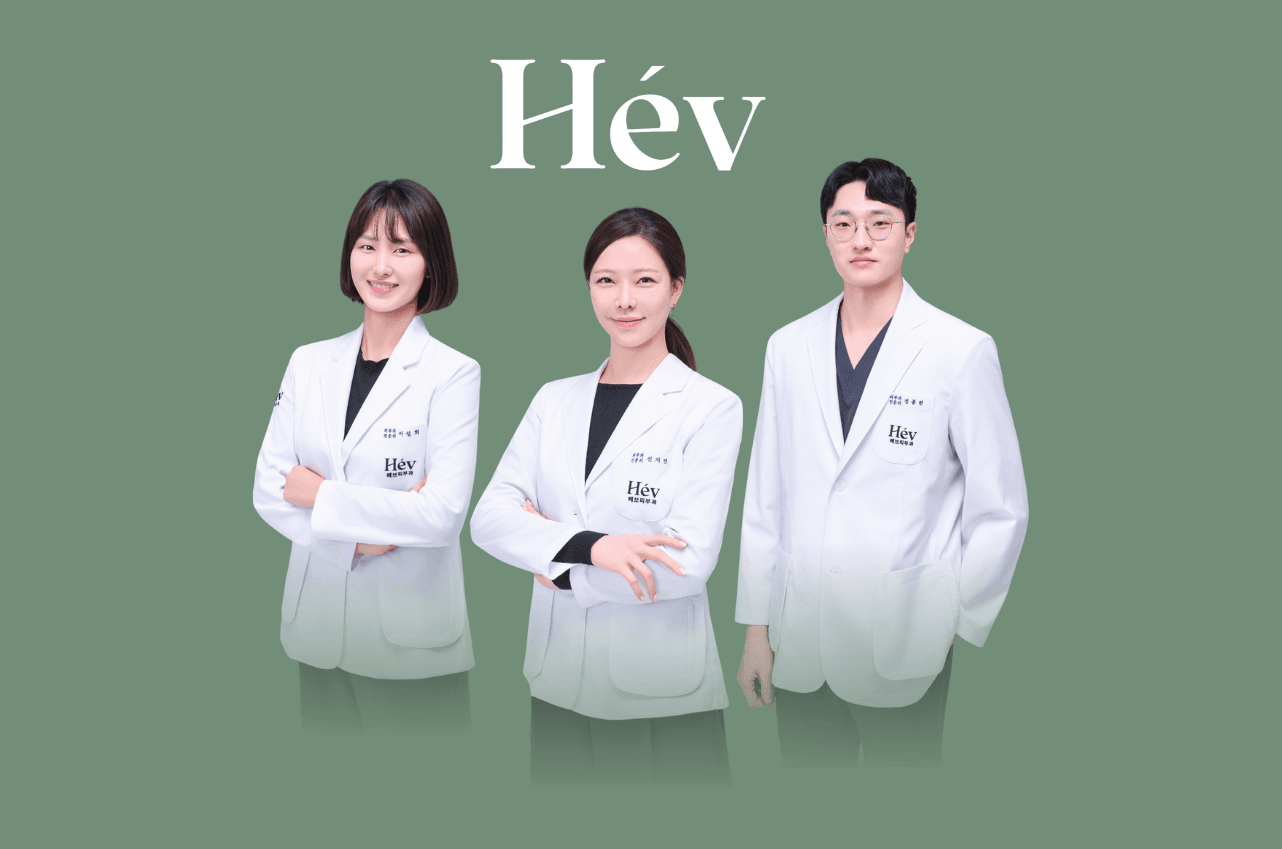
| Hev Clinic | Dermatologist-led clinic known for personalized skin rejuvenation and advanced injectable care, making it a strong choice for Skin Botox in Korea. Located just a one-minute walk from Sinsa Station, the clinic focuses on precise, low-irritation treatment plans built around detailed skin analysis. For Skin Botox, which uses superficial micro-droplets to reduce sebum, refine pores, and smooth fine lines without creating a stiff expression, Hev emphasizes individualized planning and natural-looking results under the care of board-certified dermatologists. A key point of distinction is that the same attending dermatologist oversees the entire process from consultation to treatment and aftercare. Dr. Shin Ji-yeon, a board-certified dermatologist active in major academic and anti-aging dermatology societies, brings expertise in anatomy-based customized treatments designed to minimize discomfort and improve precision. Hev also combines AI-based skin diagnosis, careful pain-control techniques without sleep sedation, and a structured aftercare program to help patients recover comfortably and maintain results over time. | For Skin Botox, uses superficial micro-droplets to reduce sebum, refine pores, and smooth fine lines without creating a stiff expression; anatomy-based customized treatments designed to minimize discomfort and improve precision; same attending dermatologist oversees the entire process from consultation to treatment and aftercare; AI-based skin diagnosis; careful pain-control techniques without sleep sedation; structured aftercare program to help patients recover comfortably and maintain results over time. |
Hev Clinic
Hev Dermatology Clinic in Sinsa is a dermatologist-led clinic known for personalized skin rejuvenation and advanced injectable care, making it a strong choice for Skin Botox in Korea. Located just a one-minute walk from Sinsa Station, the clinic focuses on precise, low-irritation treatment plans built around detailed skin analysis rather than standardized procedures. For patients considering Skin Botox, which uses superficial micro-droplets to reduce sebum, refine pores, and smooth fine lines without creating a stiff expression, Hev emphasizes individualized planning and natural-looking results under the care of board-certified dermatologists.
A key point of distinction is that the same attending dermatologist oversees the entire process from consultation to treatment and aftercare, supporting consistency and safety. Dr. Shin Ji-yeon, a board-certified dermatologist active in major academic and anti-aging dermatology societies, brings particular expertise in anatomy-based customized treatments designed to minimize discomfort and improve precision. Hev also combines AI-based skin diagnosis, careful pain-control techniques without sleep sedation, and a structured aftercare program to help patients recover comfortably and maintain results over time.
You can check out their website here: Hev Clinic Website
Why Skin Botox is especially popular in Korea
In Korea, aesthetic treatments often emphasize natural-looking refinement, preventive care, and improved skin quality rather than only dramatic wrinkle removal. Skin Botox fits this approach well because it can produce:
- A smoother overall complexion
- Reduced shine and sebum
- More even-looking skin texture
- Subtle improvement without a “frozen” appearance
It is also commonly included in combination treatment plans with facials, lasers, lifting devices, and injectable skin boosters. The popularity of the procedure is partly tied to beauty preferences that prioritize clear, even, luminous skin.
What products are used
Skin Botox is usually performed with botulinum toxin type A products. Different countries and clinics may use different brands. What matters most from a patient perspective is not only the brand, but also:
- Proper product handling
- Correct dilution
- Accurate superficial injection technique
- Appropriate dosing for the treatment area
Because Skin Botox often uses a different dilution and delivery style than standard wrinkle Botox, experience with this specific technique is important.
Possible side effects and risks
Although Skin Botox is generally considered minimally invasive, it is still a medical procedure and carries potential risks. These may include:
- Redness
- Swelling
- Bruising
- Tenderness
- Temporary asymmetry
- Unintended muscle weakness
- Heaviness in a treated area
- Uneven results
- Headache in some patients
- Rare allergic or hypersensitivity reactions
If injections are placed too deeply or too close to certain muscles, patients may experience effects such as:
- Brow heaviness
- Changes in smile
- Altered lip movement
- Temporary facial stiffness
Most side effects are temporary, but technique is critical to minimizing complications.
Recovery and aftercare
Downtime is usually minimal, but aftercare instructions may include avoiding:
- Rubbing or massaging the treated area for several hours
- Strenuous exercise for the rest of the day
- Excessive heat, saunas, or hot baths for a short period
- Alcohol immediately after treatment if bruising is a concern
- Lying flat for a few hours, depending on provider preference
Patients should follow the specific instructions given by their clinic, since protocols may vary.
What kind of results Skin Botox cannot provide
It is important to understand the limits of the procedure. Skin Botox generally does not:
- Replace a facelift
- Restore lost facial volume
- Remove deep static wrinkles on its own
- Permanently reduce pores
- Cure acne or major pigmentation issues
- Dramatically tighten loose skin
Its benefits are usually best described as subtle, polishing, and texture-oriented.
Why provider skill matters
Skin Botox is often marketed as a simple treatment, but the result depends heavily on injector judgment. The practitioner must decide:
- Whether Skin Botox is appropriate for the patient
- Which areas should be treated
- How diluted the toxin should be
- How many units should be used
- How superficial the injections must be
- How to avoid unwanted spread into muscles that should not be weakened
This is especially important in high-movement areas such as around the mouth, lower face, and neck.
Typical treatment patterns
Depending on the concern, a provider may adapt the pattern:
- Forehead: for fine lines and smoother surface texture
- Nose: for excess oil and pore visibility
- Cheeks: for refinement of pores and skin texture
- Jawline/chin: for a slightly smoother, more polished lower-face appearance
- Neck: for fine horizontal lines or mild textural concerns
The treatment is often customized rather than standardized.
Combination approaches
Skin Botox is frequently combined with other procedures when patients want broader improvement. Examples include:
- Standard Botox for deeper expression lines plus Skin Botox for texture
- Laser resurfacing for tone and scars plus Skin Botox for oil control
- Skin boosters for hydration plus Skin Botox for pore and shine reduction
- Ultrasound or radiofrequency devices for tightening plus Skin Botox for surface refinement
This is one reason it is commonly seen in advanced aesthetic clinics in Korea, where combination treatment planning is very common.
Expectations patients should have
Patients considering Skin Botox should expect improvement in skin behavior and surface quality, not a major structural transformation. The best candidates are usually those who understand that the treatment is meant to create:
- A fresher appearance
- A smoother finish
- Reduced oiliness
- Softer fine lines
- Less visible pores
The change is often noticeable in photos, makeup wear, and overall skin polish, but may be too subtle for someone hoping for dramatic anti-aging correction.
Getting Skin Botox in Korea
Skin Botox in Korea usually refers to a technique often called microbotox, mesobotox, or intradermal botulinum toxin treatment. Unlike traditional Botox, which is placed deeper into specific facial muscles to soften dynamic wrinkles, Skin Botox is typically injected very superficially into the skin or just under it in many tiny droplets. The goal is usually not to freeze major facial movement, but to improve the surface quality of the skin.
In Korean dermatology and aesthetic clinics, Skin Botox is commonly used as part of a broader “glass skin” or “skin texture refinement” approach. It is often marketed for concerns such as:
- enlarged pores
- excessive oil production
- fine, crepey lines
- mild skin laxity
- rough texture
- facial sweating
- redness related to overactive superficial muscle pull in some patients
- a smoother, more refined look, especially in the T-zone, cheeks, jawline, and neck
Because the technique is different from standard botulinum toxin injection, the results, side effects, and ideal candidates are also different.
What Skin Botox actually is
Botulinum toxin is a purified neurotoxin used in very small medical doses. In standard wrinkle Botox, it is injected into muscles such as the glabella, forehead, or crow’s feet area to reduce muscle contraction.
In Skin Botox, the toxin is usually diluted and placed into the superficial dermis or very shallow subcutaneous layer in a grid-like pattern across a treatment area. This can reduce the activity of tiny muscle fibers attached to the skin and may also affect sweat and oil glands. The result is often described as:
- smoother skin texture
- reduced pore visibility
- less oily shine
- softer fine lines
- a slight tightening or “airbrushed” look
It is important to understand that Skin Botox is not a replacement for a facelift, laser resurfacing, or deep wrinkle treatment. It works best for subtle refinements rather than dramatic structural change.
Why Skin Botox is especially popular in Korea
Korea has a highly developed aesthetic medicine market, and many clinics emphasize treatments that create a natural, polished, camera-ready skin finish rather than an obvious “done” look. Skin Botox fits well within that approach because it can improve overall skin appearance without necessarily creating the heavy immobility some patients associate with traditional Botox.
Several factors contribute to its popularity in Korea:
- strong demand for minimally invasive treatments with limited downtime
- emphasis on pore refinement and skin smoothness
- combination treatment culture, where Skin Botox may be paired with lasers, skin boosters, lifting devices, or facials
- frequent availability of both international and Korean-made botulinum toxin products
- widespread familiarity among dermatologists with superficial injection techniques
Common treatment areas
In Korea, Skin Botox may be performed on several regions depending on the patient’s concerns.
Face
The face is the most common treatment area. Clinics often treat:
- forehead
- cheeks
- nose sidewalls
- chin
- jawline
- areas around the mouth
- under-eye region in selected cases, with great caution
- T-zone for oil control
Facial Skin Botox is often chosen by patients who want their skin to look smoother and less greasy, especially under makeup or in photographs.
Neck
The neck is another frequently treated area, particularly for:
- fine horizontal neck lines
- mild crepiness
- superficial textural irregularity
Neck Skin Botox is usually performed conservatively because the anatomy is delicate, and deeper spread can affect swallowing or neck movement if technique is poor.
Scalp
Some Korean clinics offer botulinum toxin in the scalp for excessive sweating or oiliness. While this is not always referred to as Skin Botox in the strict facial sense, it is related to the same broader concept of superficial toxin use for gland-related concerns.
Lower face
The lower face may be treated to improve orange-peel chin texture, fine perioral lines, or mild banding from superficial muscle activity. This requires precision because the mouth is highly mobile, and over-treatment can affect smiling, speaking, or drinking from a straw.
How Korean clinics evaluate a patient before treatment
A proper consultation is important because not everyone is a good candidate for Skin Botox, and not every skin issue will respond to it.
A clinician usually assesses:
- skin thickness
- pore size and oil production
- degree of fine wrinkling
- facial muscle strength
- baseline facial symmetry
- prior Botox history
- previous filler, laser, or lifting treatments
- current medications
- history of neuromuscular disease
- pregnancy or breastfeeding status
- allergy history
- patient expectations
Good candidates often include people who:
- have oily or combination skin
- want subtler refinement than traditional Botox
- have fine superficial lines rather than deep folds
- want limited downtime
- want to reduce pore prominence and skin shine
Patients may be less suitable if they:
- are pregnant or breastfeeding
- have certain neuromuscular disorders
- have active skin infection at the treatment site
- have unrealistic expectations of lifting or wrinkle removal
- need deeper muscle Botox rather than intradermal placement
- have a history of strong sensitivity to botulinum toxin components
Botulinum toxin brands commonly seen in Korea
Korea is known for both imported and domestic botulinum toxin products. Depending on the clinic, products may include:
- Botox
- Dysport
- Xeomin
- Nabota
- Botulax
- Meditoxin or related Korean-market formulations
- Coretox
- other locally approved brands
Different brands vary in formulation, diffusion behavior, protein complexing, and clinician preference. For patients, the most important issue is usually not the brand alone, but:
- whether the product is legitimate and properly stored
- whether the injector is experienced with intradermal technique
- whether dilution and dosing are appropriate for Skin Botox rather than standard deep injection
The procedure step by step
Although protocols differ from clinic to clinic, Skin Botox in Korea generally follows a similar process.
1. Consultation and photography
The visit usually begins with a consultation, skin analysis, and medical screening. Many clinics take standardized photographs under bright lighting to document:
- skin texture
- pore size
- oiliness
- fine lines
- baseline asymmetry
Some clinics use skin imaging devices to evaluate pores, redness, pigment, or sebum levels.
2. Cleansing and preparation
The treatment area is thoroughly cleansed to remove:
- sunscreen
- makeup
- oil
- debris
A disinfectant is then applied. Because Skin Botox involves many superficial injections, clinics may use a topical numbing cream for 20 to 40 minutes, especially for sensitive patients. Not all clinics numb, since the injections are quick and relatively shallow, but many do.
3. Marking the treatment zones
The doctor may mark areas to be treated in a grid or pattern. This is especially common for:
- cheeks
- forehead
- jawline
- neck
Marking helps keep injection spacing even and reduces the chance of overly concentrated toxin in one spot.
4. Dilution of the toxin
One defining feature of Skin Botox is that the toxin is usually prepared in a way that supports microdroplet intradermal injection. Specific dilution protocols vary by practitioner, product, and target area. Clinics may combine the toxin with saline, and sometimes pair it in treatment plans with other injectables, though pure toxin microdroplets are common.
This is an important technical point: the dose per point is usually much smaller than with standard muscle Botox, but the number of injection points is much larger.
5. Superficial injections
Using a very fine needle, the physician places many tiny injections into the superficial skin. In some cases, a mesotherapy injector or multi-needle device may be used, but many experienced doctors prefer hand injection for accuracy.
Patients often feel:
- repeated pinpricks
- mild stinging or pressure
- temporary warmth or tightness
Small raised bumps resembling mosquito bites may appear immediately after injection. These are usually expected and often settle over several hours.
The entire injection stage may take roughly 10 to 20 minutes, depending on the size of the area and how many points are treated.
6. Immediate aftercare
After the injections, the clinic may apply:
- cooling packs
- soothing serum
- barrier-repair cream
- LED light therapy in some settings
Patients are usually given written aftercare instructions before leaving.
What the injections are trying to accomplish biologically
Skin Botox is thought to work through several mechanisms, depending on where exactly the toxin is placed.
Reduction of superficial muscle pull
Tiny facial muscle fibers can create micro-wrinkling and textural irregularity at the skin surface. When those fibers are softened, the skin may look smoother.
Reduced activity of sebaceous and sweat glands
Botulinum toxin may decrease signaling involved in sweat production and may also help reduce oiliness in some patients. This is one reason many people notice less shine and more makeup longevity after treatment.
Visual pore refinement
Pores do not literally disappear or permanently shrink, but decreased oil output and smoother surrounding skin can make them appear smaller.
Softening of fine lines
Very fine, shallow lines may improve because of reduced superficial motion and a more even skin surface. Deep etched lines usually require other treatments, such as lasers, microneedling, collagen-stimulating procedures, or standard Botox in deeper muscle targets.
How Skin Botox differs from regular Botox
This distinction is important for patients seeking treatment in Korea.
| Feature | Skin Botox | Traditional Botox |
|---|---|---|
| Injection depth | Superficial, intradermal or very shallow | Deeper into target muscles |
| Main goal | Skin texture, pore appearance, oil control, subtle smoothing | Reduce dynamic wrinkles caused by muscle movement |
| Facial movement | Usually preserved more | More noticeable reduction in movement |
| Typical pattern | Many tiny injection points | Fewer strategically placed points |
| Best for | Oily skin, fine lines, crepiness, texture concerns | Frown lines, forehead lines, crow’s feet, masseter reduction |
A patient may receive both in the same visit. For example, someone in Korea might get:
- traditional Botox in the glabella and crow’s feet
- Skin Botox across the cheeks and jawline
- masseter Botox for lower-face slimming
- skin boosters or laser toning during a separate session
How long the procedure takes
A typical Skin Botox appointment in Korea may take about 30 to 60 minutes total, depending on:
- length of consultation
- numbing time
- size of treatment area
- whether additional procedures are performed the same day
The injection portion itself is usually relatively quick, but pre-treatment preparation may take longer.
Recovery and downtime
One reason Skin Botox is popular is that downtime is usually limited. That said, because it involves many small superficial injections, short-term visible aftereffects are common.
Immediately after treatment, patients may notice:
- small bumps or welts
- pinpoint bleeding
- mild redness
- slight swelling
- temporary tenderness
- a feeling of tightness
These effects often improve within several hours to a couple of days. In some cases, especially with sensitive skin, faint bruising can last longer.
Patients are often advised to:
- avoid rubbing or massaging the area for several hours
- avoid strenuous exercise the same day
- avoid saunas, very hot baths, or intense heat exposure for 24 hours
- avoid alcohol right after treatment if possible
- postpone harsh exfoliants, retinoids, or strong active skincare briefly if the skin feels irritated
- use sunscreen carefully
Different clinics give slightly different instructions, but the general goal is to minimize irritation and reduce unintended toxin migration.
When results appear
Skin Botox does not usually produce its full effect immediately.
A general timeline may look like this:
- Day 1 to 3: bumps and redness settle
- Day 3 to 7: early smoothing may begin
- 1 to 2 weeks: most patients see more noticeable changes in texture, oiliness, and fine lines
- 2 to 4 weeks: peak effect is often visible
The exact timeline depends on the brand used, the concentration, the injection depth, and the patient’s skin and muscle activity.
How long results last
Skin Botox typically lasts around 2 to 4 months, though this can vary. Some patients report longer benefit, especially when treatment is repeated consistently, while others metabolize the toxin faster.
Duration depends on factors such as:
- dose
- dilution
- treatment area
- injection technique
- product used
- individual metabolism
- how active the treated muscles are
In Korean aesthetic practice, repeat treatments every few months are common for maintenance.
Expected benefits
Patients often seek Skin Botox for subtle but visible refinement rather than a dramatic transformation. Reported benefits may include:
- smoother skin surface
- reduced fine, superficial creasing
- less oily shine
- improved makeup application
- reduced pore prominence
- softer jawline or neck texture
- fresher overall appearance
The best outcomes often occur in patients with mild to moderate concerns who understand that the treatment enhances texture rather than replacing structural rejuvenation procedures.
Risks and side effects
Even though Skin Botox is considered minimally invasive, it is still a medical procedure with meaningful risks. These risks are heavily influenced by the injector’s technique and anatomical knowledge.
Common temporary side effects
- redness
- swelling
- pinpoint bleeding
- bruising
- tenderness
- itching
- temporary unevenness while bumps settle
Technique-related complications
If toxin diffuses too deeply or spreads into adjacent muscles, patients can develop:
- eyebrow heaviness
- forehead stiffness
- asymmetrical smile
- lip movement changes
- cheek weakness
- neck weakness
- difficulty with certain facial expressions
These issues are usually temporary, but they can be distressing and may last weeks to months until the toxin wears off.
Less common but important risks
- infection
- allergic or hypersensitivity reaction
- headache
- dry skin in treated areas
- unsatisfactory cosmetic result
- over-treatment leading to an unnatural look
- resistance or reduced responsiveness after repeated toxin exposure in some cases
Patients should seek prompt medical attention if they develop severe swelling, signs of infection, breathing difficulty, or swallowing problems.
Special considerations for foreign patients getting Skin Botox in Korea
Medical tourism is common in Korea, but Skin Botox should still be approached carefully.
Foreign patients should consider:
- whether the clinic provides clear English-language communication
- whether the doctor performing the procedure is licensed and experienced
- what product is being used
- whether the product packaging is shown or documented
- what aftercare support is available after leaving Korea
- whether there is enough time in the travel schedule for follow-up
It is usually wise not to schedule a major event immediately after treatment, especially if it is your first time, because even minor bruising or temporary movement changes can be hard to predict.
Cost in Korea
Pricing varies widely based on:
- clinic location
- physician expertise
- brand of toxin
- number of units used
- size of treatment area
- whether Skin Botox is bundled with other treatments
In Korea, Skin Botox may be less expensive than in some Western countries, but pricing can range significantly from budget aesthetic chains to premium dermatologist-run clinics. Very low pricing should be interpreted carefully, since technique, product authenticity, dilution practices, and physician oversight matter a great deal.
Patients should ask:
- how many units are used
- which brand is used
- whether the injector is a doctor
- whether the treatment is truly intradermal Skin Botox or standard Botox marketed under a trendier name
- whether follow-up or touch-up is included
Skin Botox versus skin boosters
In Korea, patients often confuse Skin Botox with skin boosters because both may involve multiple superficial injections and aim to improve skin quality. They are different treatments.
Skin Botox
- uses botulinum toxin
- primarily affects superficial muscle activity, sweating, and oil production
- best known for pore refinement, reduced oiliness, and fine-line smoothing
Skin boosters
- usually contain hyaluronic acid, polynucleotides, amino acids, or other hydrating/regenerative ingredients
- primarily aim to improve hydration, elasticity, glow, and skin repair
- do not function like botulinum toxin
Some Korean clinics combine both approaches in staged treatment plans, but they should not be considered interchangeable.
Skin Botox versus Rejuran, lasers, and lifting procedures
Because Korean clinics often offer many skin-focused treatments, it helps to understand where Skin Botox fits.
Compared with Rejuran or PN-based injectables
- Rejuran-type treatments target skin regeneration and repair
- Skin Botox targets texture smoothing and oil control more directly
- Rejuran may improve skin quality through a different biological pathway
- Skin Botox generally has a different “finish,” often described as smoother and less shiny
Compared with lasers
- lasers can address pigmentation, redness, acne scars, and collagen remodeling
- Skin Botox is usually better for superficial motion-related texture and oil/sweat reduction
- lasers may have more downtime depending on intensity
Compared with ultrasound or radiofrequency lifting
- lifting devices target deeper tissue support and laxity
- Skin Botox provides more of a skin-surface refinement effect
- some patients need both if they have texture concerns plus sagging
Who is likely to be happiest with the results
The best candidates for Skin Botox in Korea are often patients who say things like:
- “My skin gets very oily by midday.”
- “My pores look enlarged in photos.”
- “I want smoother makeup wear.”
- “I want a subtle polished look, not a frozen face.”
- “I have fine creases and mild textural aging.”
Patients expecting major wrinkle erasure, dramatic lifting, or permanent pore elimination may be disappointed unless a doctor clearly explains what the treatment can and cannot do.
Questions to ask at a Korean clinic before treatment
A well-informed patient may want to ask:
- What brand of botulinum toxin are you using?
- Is this treatment intradermal Skin Botox or regular Botox?
- How many units will be used?
- Which areas are being treated?
- What side effects are most likely for my anatomy?
- How much facial movement will I still have?
- When will I see results?
- How long are they expected to last?
- What should I avoid after the procedure?
- What happens if I experience asymmetry or heaviness?
These questions can help distinguish a thoughtful medical consultation from a sales-driven encounter.
Practical aftercare points patients are often given
Aftercare instructions vary, but many Korean clinics recommend some version of the following:
- stay upright for several hours
- do not press hard on the treated area
- avoid facials or massage immediately afterward
- delay intense exercise until the next day
- use gentle skincare for 24 to 48 hours if the skin is irritated
- avoid very hot environments briefly
- contact the clinic if unusual weakness or asymmetry develops
Patients who bruise easily may also be told to discuss blood-thinning supplements or medications with their doctor beforehand, though they should never stop prescribed medication without medical advice.
What a natural result should look like
A good Skin Botox result usually does not make a person look dramatically different. Instead, the skin may appear:
- more even
- less greasy
- smoother under light
- softer in motion
- subtly tightened in certain areas
Friends may comment that the patient looks well-rested or that their skin looks especially polished, without being able to identify a specific procedure.
Situations where extra caution is needed
Some facial areas are riskier than others for Skin Botox because even a small amount of diffusion can affect function.
These include:
- around the mouth
- under the eyes
- the neck
- the lower cheeks near smile muscles
Patients with naturally weaker muscle tone, previous facial nerve issues, or a history of asymmetry may need modified treatment plans or lower dosing.
Repeat treatment and long-term planning
Many patients in Korea receive Skin Botox as part of an ongoing aesthetic maintenance schedule. Rather than treating it as a one-time event, clinics often plan repeat sessions at intervals based on:
- return of oiliness
- fading of smoothing effect
- upcoming events
- season, especially humid summer months
- pairing with other skin procedures
Some people alternate Skin Botox with lasers, peels, or regenerative injectables depending on their skin goals. The best long-term strategy depends on whether the main issue is:
- oiliness
- texture
- early aging
- redness
- acne scarring
- laxity
- dehydration
Signs of a quality treatment plan
A thoughtful Skin Botox plan in Korea typically includes:
- a clear diagnosis of the patient’s actual concern
- explanation of why Skin Botox is being recommended
- realistic expectations
- conservative dosing in high-risk zones
- discussion of alternative treatments
- documentation of product and units
- follow-up instructions
This is especially important because “Skin Botox” can sometimes be used loosely as a marketing term. A high-quality clinic should explain exactly what is being injected, where, and why.
Summary of what patients should expect from the procedure itself
From a procedural standpoint, Skin Botox in Korea is usually a superficial microinjection treatment using botulinum toxin across broad skin areas to improve texture, reduce oiliness, soften fine lines, and create a smoother overall appearance. The appointment often involves consultation, cleansing, optional numbing, careful grid-based injection, and short recovery with mild redness or bumps. Results usually develop over one to two weeks and last a few months, with maintenance sessions commonly performed in Korean aesthetic practice.
Who is Skin Botox for?
-
People with enlarged pores
- Skin Botox is often considered by people who want a smoother-looking skin surface, especially in areas such as the cheeks, nose, and forehead where pores may appear more visible.
-
Those with oily or combination skin
- It may help people who struggle with excess oil production and want a more refined, less shiny appearance throughout the day.
-
Individuals with fine lines caused by repeated facial movement
- People with very mild, early lines on the forehead or around the eyes may benefit when the goal is subtle softening rather than a “frozen” look.
-
Patients seeking overall skin texture improvement
- Skin Botox is commonly chosen by those who want the skin to look smoother, fresher, and more even without dramatically changing facial expressions.
-
People who want a natural-looking result
- It can be a good option for patients who prefer gentle skin refinement over the stronger muscle-relaxing effect of traditional Botox injections.
-
Those bothered by facial sweating
- Some patients with mild facial sweating, especially in hot and humid climates like Korea’s summer season, may consider Skin Botox to help reduce perspiration in treated areas.
-
Adults noticing early signs of skin aging
- It may appeal to people in their late 20s to 40s who are beginning to notice changes in skin quality and want a minimally invasive preventative or maintenance treatment.
-
Patients preparing for events or photo-focused occasions
- Individuals wanting their skin to appear smoother and more polished for weddings, work events, or travel may choose Skin Botox as part of a short-term skin improvement plan.
-
People interested in low-downtime aesthetic treatments
- Skin Botox is often suitable for those who want a quick in-clinic procedure with relatively little interruption to daily routines.
-
Patients combining it with other skin treatments
- It may benefit those already undergoing facials, laser treatments, microneedling, or lifting procedures and who want an additional treatment aimed at skin quality and pore appearance.
-
People who are not ideal candidates for more aggressive procedures
- Some individuals prefer or require a less invasive option than surgery or more intensive resurfacing treatments, making Skin Botox an appealing alternative.
-
Men and women looking for subtle facial refinement
- Skin Botox is not limited by gender and may be suitable for anyone who wants improvement in oiliness, texture, and fine surface lines without obvious cosmetic change.
-
People who should first seek medical assessment
- Those who are pregnant or breastfeeding, have certain neuromuscular conditions, active skin infections, allergies to ingredients in the product, or unrealistic expectations should consult a qualified medical professional before treatment.
Cost of Skin Botox in Korea
Skin Botox in Korea is often marketed as microbotox or mesobotox, and pricing can differ from standard Botox because clinics may charge by treatment area, units used, brand, or whether the procedure is combined with other skin treatments.
Based on the Korean low and high price range provided as N/A–N/A, a strict numerical comparison cannot be calculated from that benchmark. Still, it is useful to compare Korea with the typical price levels seen in other countries, including the USA.
| Country | Typical Skin Botox Price Range | Approx. USD Equivalent | Cost Comparison Notes |
|---|---|---|---|
| Korea | N/A | N/A | Exact comparison is limited because the Korean low/high range was not provided. |
| USA | $300–$800 per session | $300–$800 | Usually one of the more expensive markets due to physician fees, clinic overhead, and city-based pricing. |
| UK | £250–£600 | about $320–$770 | Often priced similarly to the USA at higher-end clinics, especially in London. |
| Japan | ¥30,000–¥80,000 | about $190–$510 | Mid-to-high pricing depending on brand and clinic reputation. |
| Thailand | ฿4,000–฿12,000 | about $110–$330 | Often lower-priced than Western markets, especially in local clinics. |
| Singapore | S$300–S$900 | about $220–$660 | Frequently more expensive than Thailand and sometimes close to US mid-range pricing. |
| Australia | A$300–A$700 | about $200–$470 | Typically mid-range, with higher fees in major cities. |
A few factors make international Skin Botox prices difficult to compare directly:
- Treatment style varies: Some clinics use very superficial injections for pore and oil-control benefits, while others use a broader microbotox technique over larger areas.
- Botox brand matters: Pricing may change depending on whether the clinic uses Korean botulinum toxin brands or international brands such as Botox, Dysport, or Xeomin.
- Units are not always disclosed clearly: One clinic may advertise a low entry price for a small area, while another may include a larger full-face treatment.
- Clinic location affects cost: Premium neighborhoods and dermatologist-led clinics usually charge more.
In general market perception, Korea is often considered more affordable than the USA and the UK for cosmetic injectables, but with the Korean range listed as N/A–N/A, the comparison here should be treated as a broad market reference rather than a direct price ranking.
Alternatives to Skin Botox
1. Hyaluronic Acid Skin Boosters
Hyaluronic acid skin boosters are injectable treatments designed to improve hydration, elasticity, and overall skin quality rather than relax facial muscles. Unlike Skin Botox, which is often used to reduce fine lines, pore appearance, and oiliness through superficial botulinum toxin injections, skin boosters focus on plumping and revitalizing the skin from within.
Why it may be recommended:
- Suitable for dull, dehydrated, or crepey skin
- Helps improve skin texture and glow
- Can soften the appearance of fine lines caused by dryness
Who may benefit most: Patients with dry skin, early signs of aging, or a tired-looking complexion often respond well to this option. It is especially useful when the main goal is hydration and radiance rather than oil control or reduction of superficial muscle activity.
2. RF Microneedling
Radiofrequency (RF) microneedling combines tiny needles with controlled heat energy delivered into the skin. This stimulates collagen remodeling and can improve enlarged pores, acne scars, skin laxity, and uneven texture. It is a strong alternative to Skin Botox for patients who want structural improvement in the skin rather than the temporary smoothing effect of microdosed toxin.
Why it may be recommended:
- Helps tighten skin and refine pores
- Encourages collagen production
- Can improve acne scars and rough texture at the same time
Who may benefit most: This treatment is often recommended for people with enlarged pores, mild sagging, post-acne textural changes, or thicker, oilier skin. In Korean aesthetic clinics, it is commonly chosen by patients seeking a more device-based approach to skin refinement.
3. Polynucleotide or Rejuran-Type Skin Rejuvenation Treatments
Polynucleotide-based injectables, often known in Korea through treatments such as Rejuran, are used to support skin repair and improve elasticity, texture, and overall skin health. Rather than relaxing the superficial muscles like Skin Botox, these treatments aim to improve the skin environment itself by promoting regeneration.
Why it may be recommended:
- Supports skin healing and repair
- May improve fine lines, elasticity, and texture
- Often chosen for fragile, aging, or stressed skin
Who may benefit most: This alternative is well suited for patients concerned about early aging, thinning skin, or a loss of resilience. It may also appeal to those who want a more regenerative treatment and are less focused on the oil-reducing or pore-minimizing effects associated with Skin Botox.
Conclusion
In summary, Skin Botox in Korea has become a popular option for people seeking smoother texture, reduced oiliness, and a more refined overall complexion without dramatically changing facial expression, and understanding what the treatment involves, who it may suit, typical pricing, and available alternatives can help patients make a more informed decision. As with any cosmetic procedure, the best results come from choosing a qualified provider, having realistic expectations, and selecting a treatment plan tailored to your skin type, concerns, and budget.
Frequently Asked Questions
Related Blogs

Dehydrated Lips Treatment with Hydro Injection in Korea: Effective Solutions for Moisturizing and Rejuvenation
Discover the benefits of Hydro Injection in Korea, a leading solution for dehydrated lips caused by cheilitis and related conditions. This minimally invasive procedure uses hyaluronic acid-based treatments to deeply hydrate, smooth, and rejuvenate lips, addressing issues such as chapped lips and fine lines. Korea’s advanced clinics offer expert care, streamlined processes, and cost-effective optio
Updated: Oct 3, 2026

Allergic Pigmentation Treatment with Pico Toning in Korea: Effective Solutions for Clear Skin
Discover how Pico Toning laser treatment in Korea effectively addresses Post-Inflammatory Hyperpigmentation (PIH), also known as allergic pigmentation or post-inflammatory brown spots. This advanced skin pigmentation procedure uses ultra-short pulses to break down melanin, making Korea a top destination for safe, affordable, and expert care. Learn about the treatment process, benefits, costs, and
Updated: Oct 3, 2026
Sallow Complexion Solutions: Skin Whitening Injection Treatment in Korea for Radiant Skin
Discover how Korea leads in medical tourism for skin whitening and treatment of sallow complexion. This blog explores causes like anemia and vitamin deficiencies, details Korea’s innovative skin whitening injections—featuring glutathione, vitamin C, and tranexamic acid—outlining procedures, costs, and patient experiences. Learn how Korea’s advanced clinics offer safe, effective treatments to brigh
Updated: Oct 2, 2026

Effective Korea PDRN Injection Treatments for New Stretch Marks
Discover how PDRN injections in Korea offer an advanced treatment for new stretch marks (striae rubrae). Known for stimulating collagen, elastin, and skin regeneration, Korea's expert clinics provide effective solutions for early-stage stretch marks. Benefit from cutting-edge techniques in medical tourism-friendly environments, with affordable costs and proven results. Learn how Korea’s PDRN tre
Updated: Oct 1, 2026
Clinics offering Skin Botox
BongBong Plastic Surgery | Premium Breast and Body Shaping with Innovative Autologous Fat Grafting and Hybrid Techniques
Nonhyeon
Hev Clinic Korea | Premium Sinsa Clinic for Skin, Laser & Injectables
Sinsa

Three Wishes Clinic - Myeongdong, Korea: Advanced Botox, Fillers, Laser, and Skin Treatments for Confidence and Care
Myeongdong