Medical Tourism Blog
Ptosis Correction in Korea | Best Clinics, Costs, Procedure Types & More
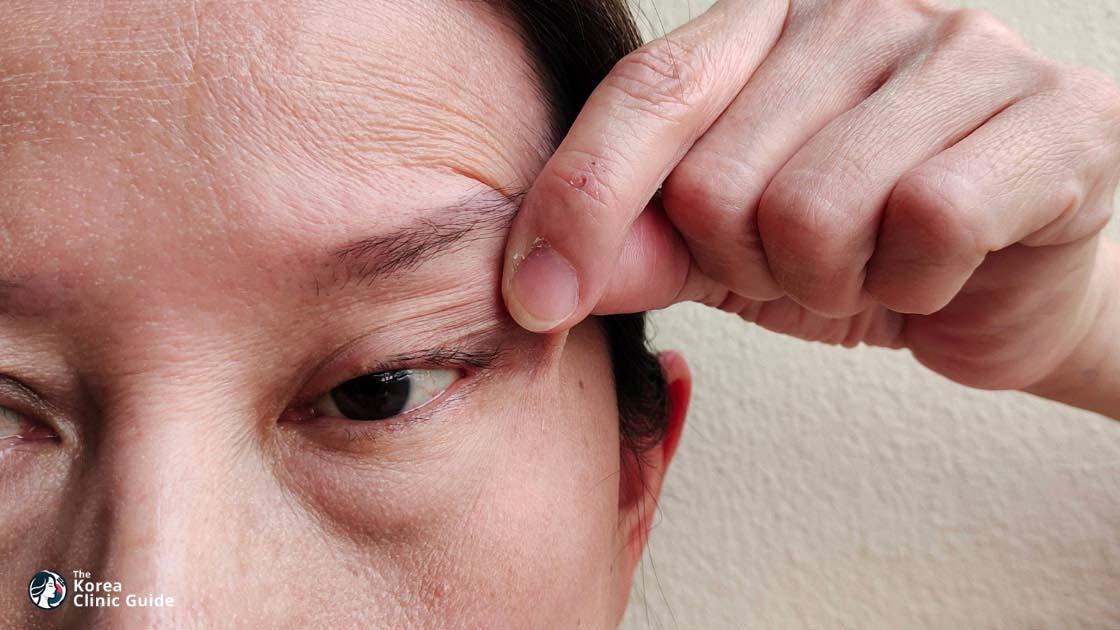
Table of contents
- What Is Ptosis Correction?
- Best Clinics in Korea for Ptosis Correction
- Ptosis Correction in Korea
- Alternatives to Ptosis Correction
- Conclusion
Considering treatment in Korea? Everything you need to know e.g. — how to avoid scams, visas, interpreters, recovery tips — in our Medical Tourism Master Guide. Plan with confidence in minutes, not weeks!
Are drooping eyelids affecting your vision or self-esteem? Discover why Korea is becoming a global hub for ptosis correction, where cutting-edge techniques and world-class expertise promise not just improved eyesight but also a boost in confidence.
What Is Ptosis Correction?
Ptosis correction is a medical procedure designed to address ptosis, a condition characterized by the drooping or falling of the upper eyelid. This condition can affect one or both eyes and can range from mild to severe, potentially obstructing vision and leading to aesthetic concerns. Ptosis can be congenital, occurring at birth due to undeveloped eyelid muscles, or acquired, developing later in life due to factors such as aging, trauma, or certain medical conditions.
Who Can Benefit from Ptosis Correction?
Individuals who suffer from ptosis can benefit from this procedure, particularly those experiencing:
- Obstructed Vision: Severe drooping can impair vision, making everyday activities such as reading or driving challenging.
- Aesthetic Concerns: People seeking to improve the symmetry and appearance of their eyes for cosmetic reasons.
- Eye Strain and Fatigue: Chronic eyelid drooping can lead to muscle strain and discomfort.
- Underlying Medical Issues: Those with ptosis as a symptom of another condition like muscular dystrophy or myasthenia gravis.
Procedure Types

Several surgical methods are available for ptosis correction, chosen based on the severity of the condition and specific patient needs. Common procedures include:
- Levator Muscle Resection or Advancement: The levator muscle, which lifts the eyelid, is shortened or advanced to provide better eyelid elevation.
- Müller's Muscle-Conjunctival Resection (MMCR): Ideal for mild to moderate ptosis, this technique involves resecting part of the Müller's muscle to lift the eyelid.
- Frontalis Sling Operation: Used for severe ptosis, this method connects the eyelid to the frontalis muscle in the forehead using a sling material, allowing the forehead muscle to assist in lifting the eyelid.
- External Ptosis Surgery: An incision is made on the outside of the eyelid to manipulate the levator muscle.
- Internal Ptosis Surgery (Conjunctival Approach): Accessing the levator muscle via the inside of the eyelid, leaving no external scars.
Pros & Cons
Pros
- Improved Vision: Restoring the eyelid position can significantly enhance visual field and reduce eye strain.
- Aesthetic Enhancement: Correcting eyelid droop can lead to a more youthful and symmetrical appearance.
- Enhanced Quality of Life: Patients often experience increased confidence and comfort in daily activities.
- Minimally Invasive Options: Some procedures, such as the MMCR, are less invasive with quicker recovery times.
Cons
- Surgical Risks: Possible complications include infection, bleeding, or adverse reactions to anesthesia.
- Temporary Side Effects: Patients might experience bruising, swelling, or temporary dry eyes.
- Revision Surgery: In some cases, additional surgeries may be needed if the initial results are not satisfactory.
- Recovery Time: Depending on the procedure, recovery can take several weeks, during which patients need to limit certain activities.
Ptosis correction can be a highly effective solution for both functional and cosmetic concerns related to drooping eyelids. Consulting with a qualified and experienced ophthalmic plastic surgeon is essential to determine the best approach tailored to individual needs and goals.
Best Clinics in Korea for Ptosis Correction
Listed below are the best clinics in Korea for ptosis correction:
| Clinic Name | Key Features | Special Techniques |
|---|---|---|
| THEPLUS Plastic Surgery | Located in Garosu-gil, Gangnam, Seoul; four-floor facility that streamlines care from initial consultation through surgery and dedicated post-operative skincare. Surgeons are active researchers who publish in journals and books and present at domestic and international symposiums, reflecting a constant pursuit of refinement. With a focus on clear communication, safety, and individualized planning, their approach to ptosis correction unites improved eyelid function with naturally balanced aesthetics in line with the clinic’s harmony-driven philosophy. The program is led by director Dr. Jeong Jae Yong, President of the Korean Society of Plastic Surgeons, and Dr. Kim Taek Kyun, a board-certified plastic surgeon recognized for award-winning research on 3D implants, a leading authority in rhinoplasty and facial contouring, and an educator who conducts annual training for peers and has authored key references such as Rebuilding Nose. Together with board-certified colleague Dr. Lee—an experienced specialist who has served at top hospitals including Seoul National University Hospital—and a team with over a decade of practice and active participation in global societies including the American Society of Plastic Surgeons, THE PLUS applies deep facial anatomy expertise and a function-meets-beauty ethos to deliver meticulous, personalized ptosis correction and attentive follow-up care. | Ptosis correction; emphasis on eyelid function and balanced aesthetics; deep facial anatomy expertise; 3D implant research context (rhinoplasty and facial contouring) |
| Made Young Plastic Surgery | Made Young Plastic Surgery in Seoul’s Gangnam district is the best choice for ptosis correction in Korea, uniting elite eye-specialist expertise with rigorous safety and comprehensive aftercare. Led by Dr. Park Byung-Chan—who has devoted 15 years exclusively to eye surgery and is renowned for delivering natural, beautiful results even on the day of surgery—the clinic provides genuinely patient-centered care from consultation through the procedure. Every case is meticulously tailored, with precise customization of incision lines, double eyelid height, eyelid thickness, and overall eye image to achieve the most natural, harmonious outcome. As a premium clinic specializing in facial and anti-aging procedures, Made Young features a verified medical team averaging over 15 years of experience, proven skills grounded in extensive clinical work, and direct physician consultations and diagnoses. Safety is uncompromising, with full-time board-certified anesthesiologists, a 1:1 dedicated monitoring system, a cooperative cross-check protocol for emergencies, and full CCTV coverage for transparency. Results are supported by a dedicated aftercare center and systematic follow-up, and the clinic’s excellence is recognized with the 2022 Korea No.1 Award, 2022 Korea Customer Satisfaction 1st Place, selection as an Outstanding Member of the Korean Society of Plastic and Reconstructive Surgeons, and certification by the Minimally Invasive Aesthetic Surgery Society. | Ptosis correction; incision line customization; double eyelid height; eyelid thickness; overall eye image optimization; anesthesia monitoring; CCTV safety; awards and certifications. |
| SH Clinic | SH Clinic in Sinsa, Seoul is a multi-specialty center that brings stem-cell science, women’s healthcare, aesthetic dermatology, and modern plastic surgery together under one roof. For patients considering ptosis correction, the clinic’s plastic surgery offerings include eyelid-focused procedures such as upper and lower blepharoplasty, alongside face contouring, facelift, and other cosmetic options. Beyond surgery, the SH Stem Cell Center delivers personalized, comprehensive treatment plans ranging from facial rejuvenation and anti-aging to advanced stem cell therapies for serious conditions, while the SH Gynecology Clinic provides the full spectrum of women’s health care and vaginal rejuvenation. Aesthetic dermatology services—including laser lifting, skin booster injections, medical skin care, Botox, dermal fillers, and thread lift—round out a complete platform for eye-area rejuvenation and overall facial harmony. | Eyelid-focused procedures including upper and lower blepharoplasty; face contouring; facelift; stem cell therapies; vaginal rejuvenation; laser lifting; skin booster injections; Botox; dermal fillers; thread lift. |
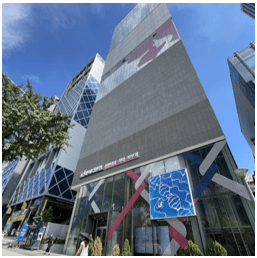
THEPLUS Plastic Surgery
Located in Garosu-gil, Gangnam, Seoul, THE PLUS Plastic Surgery offers ptosis correction within a world-class, four-floor facility that streamlines care from initial consultation through surgery and dedicated post-operative skincare. The clinic’s surgeons are active researchers who publish in journals and books and present at domestic and international symposiums, reflecting a constant pursuit of refinement. With a focus on clear communication, safety, and individualized planning, their approach to ptosis correction unites improved eyelid function with naturally balanced aesthetics in line with the clinic’s harmony-driven philosophy.
The program is led by director Dr. Jeong Jae Yong, President of the Korean Society of Plastic Surgeons, and Dr. Kim Taek Kyun, a board-certified plastic surgeon recognized for award-winning research on 3D implants, a leading authority in rhinoplasty and facial contouring, and an educator who conducts annual training for peers and has authored key references such as Rebuilding Nose. Together with board-certified colleague Dr. Lee—an experienced specialist who has served at top hospitals including Seoul National University Hospital—and a team with over a decade of practice and active participation in global societies including the American Society of Plastic Surgeons, THE PLUS applies deep facial anatomy expertise and a function-meets-beauty ethos to deliver meticulous, personalized ptosis correction and attentive follow-up care.
You can check out their website here: THEPLUS Plastic Surgery Website
Made Young Plastic Surgery
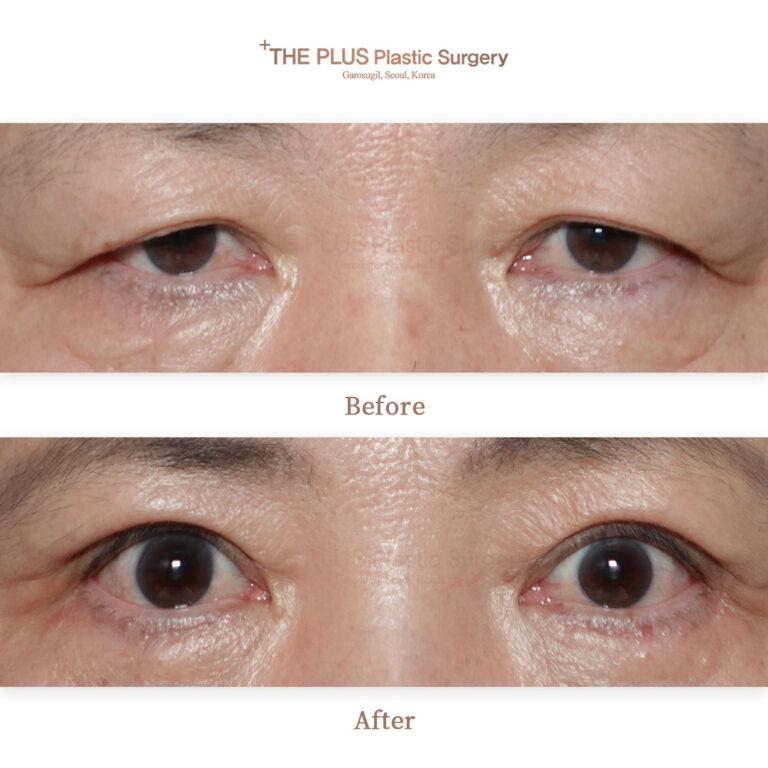
Made Young Plastic Surgery in Seoul’s Gangnam district is the best choice for ptosis correction in Korea, uniting elite eye-specialist expertise with rigorous safety and comprehensive aftercare. Led by Dr. Park Byung-Chan—who has devoted 15 years exclusively to eye surgery and is renowned for delivering natural, beautiful results even on the day of surgery—the clinic provides genuinely patient-centered care from consultation through the procedure. Every case is meticulously tailored, with precise customization of incision lines, double eyelid height, eyelid thickness, and overall eye image to achieve the most natural, harmonious outcome. As a premium clinic specializing in facial and anti-aging procedures, Made Young features a verified medical team averaging over 15 years of experience, proven skills grounded in extensive clinical work, and direct physician consultations and diagnoses. Safety is uncompromising, with full-time board-certified anesthesiologists, a 1:1 dedicated monitoring system, a cooperative cross-check protocol for emergencies, and full CCTV coverage for transparency. Results are supported by a dedicated aftercare center and systematic follow-up, and the clinic’s excellence is recognized with the 2022 Korea No.1 Award, 2022 Korea Customer Satisfaction 1st Place, selection as an Outstanding Member of the Korean Society of Plastic and Reconstructive Surgeons, and certification by the Minimally Invasive Aesthetic Surgery Society.
You can check out their website here: Made Young Plastic Surgery Website
SH Clinic
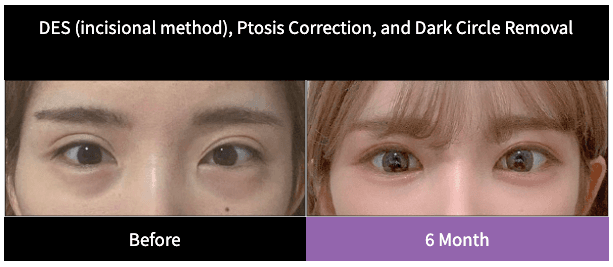
SH Clinic in Sinsa, Seoul is a multi-specialty center that brings stem-cell science, women’s healthcare, aesthetic dermatology, and modern plastic surgery together under one roof. For patients considering ptosis correction, the clinic’s plastic surgery offerings include eyelid-focused procedures such as upper and lower blepharoplasty, alongside face contouring, facelift, and other cosmetic options.
Beyond surgery, the SH Stem Cell Center delivers personalized, comprehensive treatment plans ranging from facial rejuvenation and anti-aging to advanced stem cell therapies for serious conditions, while the SH Gynecology Clinic provides the full spectrum of women’s health care and vaginal rejuvenation. Aesthetic dermatology services—including laser lifting, skin booster injections, medical skin care, Botox, dermal fillers, and thread lift—round out a complete platform for eye-area rejuvenation and overall facial harmony.
You can check out their website here: SH Clinic Website
Ptosis Correction in Korea
South Korea has earned its reputation as a premier destination for medical tourism, particularly for cosmetic and elective surgeries. Among these, ptosis correction surgery is a common procedure sought by both locals and international patients. This corrective surgery, designed to lift droopy eyelids caused by weak levator muscles, is highly specialized and widely available in South Korea, renowned for its advanced medical technologies and skilled surgeons.
Selecting the Right Clinic
When planning for ptosis correction in Korea, one of the first steps is selecting the right clinic and surgeon. Many clinics in Seoul, the capital city, specialize in eye surgeries, providing consultations in multiple languages, including English, Mandarin, and Japanese, to cater to foreign patients. It's advisable to research clinics thoroughly, looking at reviews, before-and-after photos, and the credentials of surgeons. Most top-tier clinics will also offer online consultations to discuss your condition and expectations before you decide to travel.
Travel and Accommodation
Travel to Korea is relatively straightforward, with Incheon International Airport being a major hub for international flights. Many clinics offer concierge services to help arrange airport pickups, accommodation, and even a local mobile phone or SIM card. Staying in Seoul, patients often prefer the bustling districts of Gangnam or Apgujeong, which are home to many high-quality hotels and are in close proximity to major medical facilities.
Initial Consultation and Examination
Upon arrival, your initial face-to-face consultation will involve a more detailed examination of your eyelid condition. This might include physical assessments, photographs, and possibly even MRI or CT scans to determine the extent of muscle weakness. The consultation is an opportunity to discuss desired outcomes, potential risks, and the recommended surgical technique. Clinics in Korea are known for their thorough and professional approach, ensuring that patients are well-informed every step of the way.
The Surgical Procedure
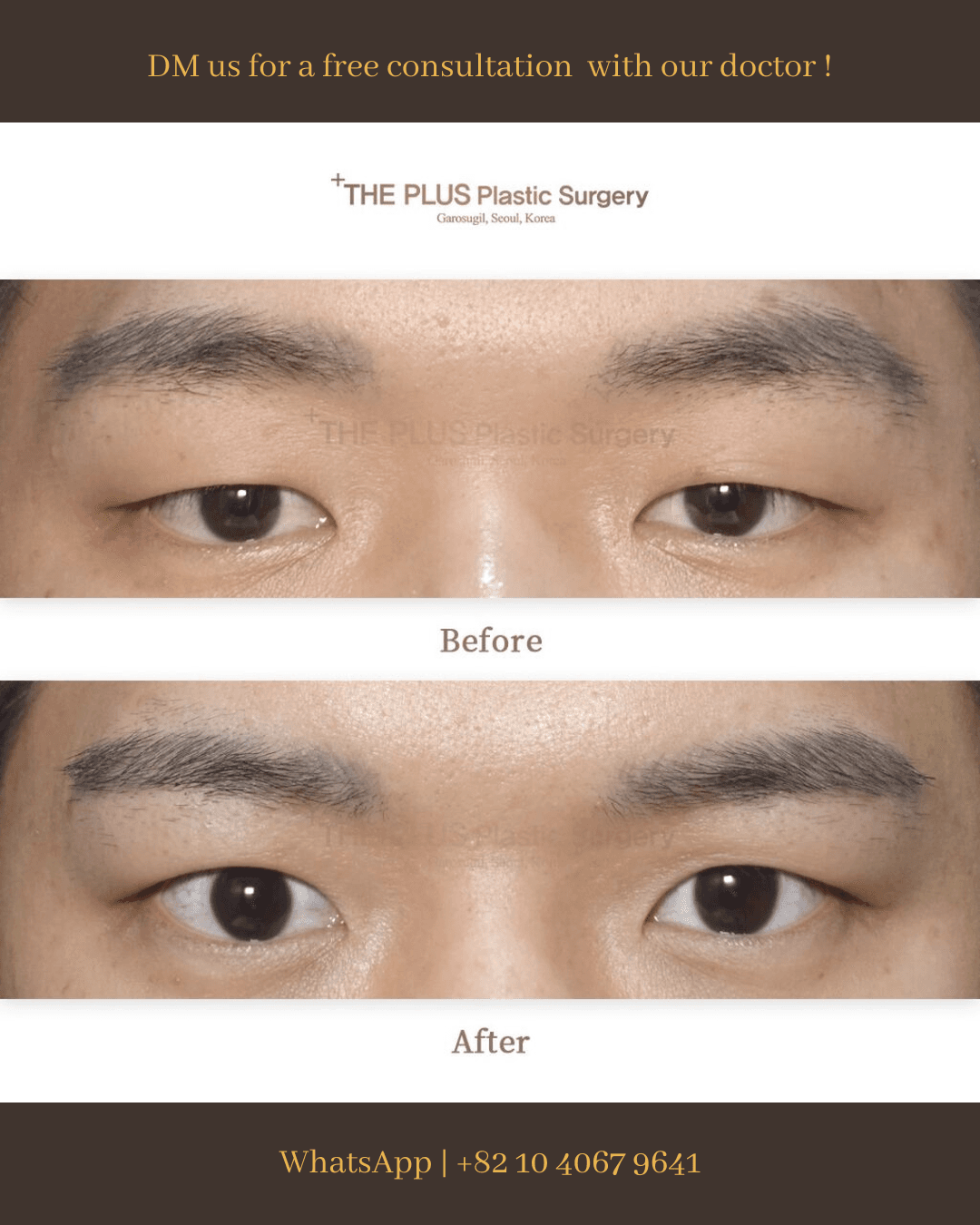
Ptosis correction surgery in Korea is typically performed under local anesthesia with sedation, although general anesthesia may be used in some cases. The surgery usually takes around 1 to 2 hours. Surgeons in Korea employ the latest techniques, such as the Müller muscle-conjunctival resection or levator resection, depending on the patient's specific condition. The goal is to achieve a natural look with minimal scarring, which is a hallmark of Korean aesthetic surgery.
Postoperative Care and Follow-ups
After the surgery, postoperative care is of utmost importance. Most clinics provide detailed aftercare instructions and schedule regular follow-up appointments to monitor healing. Patients can expect some swelling and bruising, but these typically subside within a couple of weeks. The clinics may also offer additional treatments such as LED therapy or herbal compresses to speed up the recovery process.
Enjoying Korea During Recovery
While recovery involves some limitations, patients often take the opportunity to enjoy the cultural and culinary delights that Korea has to offer. With a plethora of museums, palaces, shopping districts, and traditional markets, there's plenty to explore while maintaining light activities.
Language and Communication
Language barriers are minimal as most top-tier clinics employ multilingual staff. Moreover, the Korean hospitality industry is well-versed in catering to international visitors, ensuring that communication is smooth and stress-free.
Medical Tourism Support
South Korea’s emphasis on medical tourism means that support services are abundant. From initial consultation to postoperative care, patients have access to concierge services, medical coordinators, and even translators, making the entire process seamless and efficient.
Financial Considerations
The cost of ptosis correction surgery in Korea can vary widely depending on the clinic and the complexity of the procedure. However, it’s generally more affordable than in many Western countries, while maintaining high standards of medical care. Many clinics offer package deals that include surgery, accommodation, and aftercare services.
Alternatives to Ptosis Correction
If you are not ready for ptosis correction surgery, several alternative treatments can help manage and potentially improve the condition. Here are three recommended alternatives to ptosis correction:
1. Non-Surgical Eyelid Creams and Eye Drops
Non-surgical options such as oxymetazoline hydrochloride (an FDA-approved eye drop) can temporarily lift the eyelids by stimulating the levator muscles. Available through prescription, these drops can be a viable option for individuals with mild ptosis. They work by contracting the muscles that lift the eyelid, thus providing a temporary elevation of the upper eyelid. Eye creams with lifting and firming properties can also help to some extent, especially when used regularly as part of your skincare routine.
Pros:
- Non-invasive and easy to use
- No recovery time required
Cons:
- Effects are temporary and require continuous application
- Not effective for all types of ptosis
2. Eyelid Taping
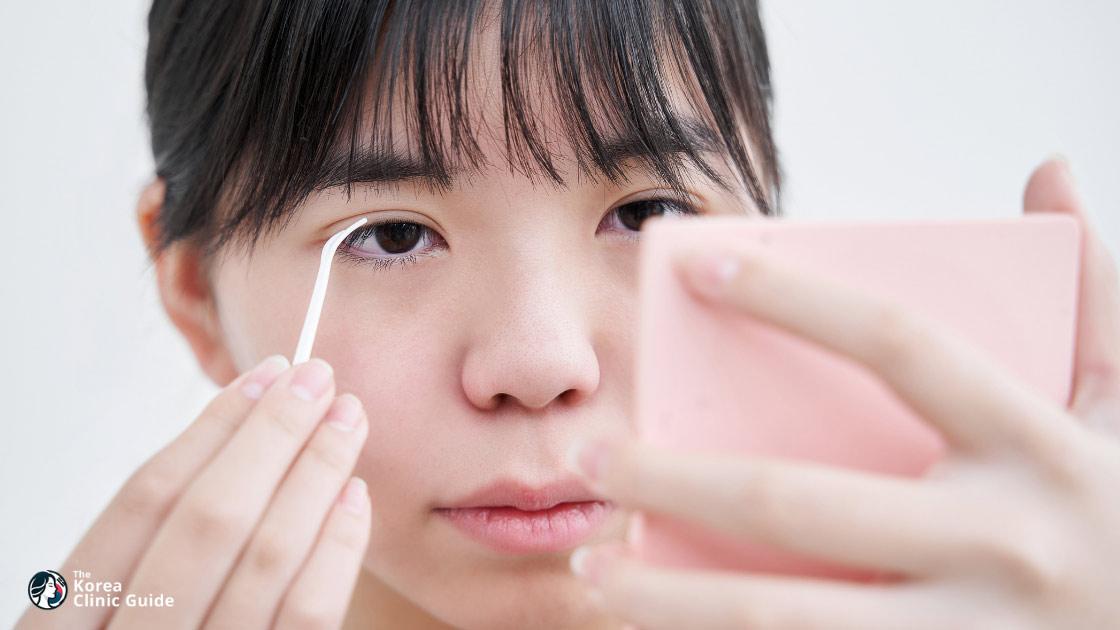
Eyelid taping is a non-invasive method that involves placing a special adhesive tape on the upper eyelid. This helps to physically lift the eyelid and correct its position. Many people use this method as a temporary solution, particularly in cosmetic settings to improve the appearance of the eyes for special occasions or short-term activities.
Pros:
- Immediate results
- Non-invasive and easily removable
Cons:
- Can cause skin irritation if used frequently
- Provides only temporary improvement
- May not be comfortable for extended wear
3. Physical Therapy and Exercises
Physical therapy exercises targeting the eyelid muscles can help strengthen them over time. Specific exercises can encourage better control and strength in the levator muscles, potentially reducing the degree of ptosis. These exercises might include close and hold techniques, and repeatedly raising and lowering the eyelids.
Pros:
- Non-invasive and risk-free
- Can be done at home without any special equipment
Cons:
- Results might take time and are not guaranteed
- Effectiveness varies from person to person, depending on the underlying cause of ptosis
While these alternatives offer some relief, it's important to consult with a medical professional to determine the best course of action for your specific condition. They can provide guidance on the most suitable treatments and whether a surgical option might eventually be necessary.
| Procedure Price | Korean Won (₩) | USD ($) |
|---|---|---|
| Low Price | ₩1,500,000 | $1100 |
| High Price | ₩4,500,000 | $3300 |
Exchange rate as of 2025-05-22: 1 KRW = 0.0007 USD
Please note that these prices are approximate guidelines and can vary significantly based on the clinic and your individual circumstances.
Conclusion
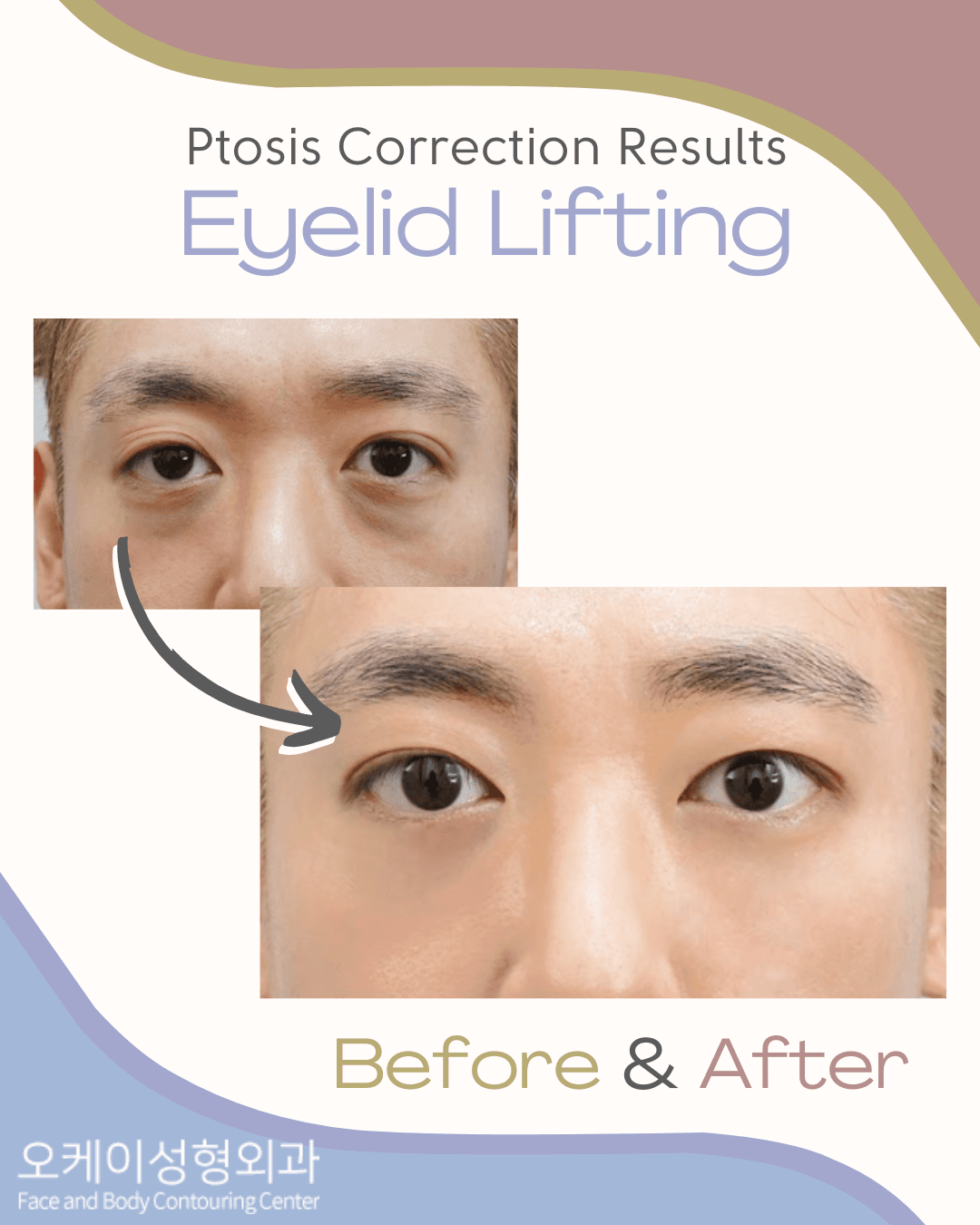
In conclusion, ptosis correction in Korea has grown to become a highly sought-after procedure, thanks to the country's advanced medical technology, skilled surgeons, and comprehensive post-operative care. Patients from around the world are drawn to Korea not only by the promise of exemplary outcomes but also by the holistic approach to treatment that emphasizes patient safety and satisfaction. By choosing to undergo ptosis correction in Korea, individuals are taking advantage of state-of-the-art facilities and expertise, ensuring natural-looking results and a significantly improved quality of life.