Medical Tourism Blog
Effective Laser Toning for Lentigo Spots Treatment in Korea: Clear Skin Solutions
Table of contents
- Understanding Lentigo Spots (Solar Lentigines)
- Laser Toning: A Detailed Medical Procedure
- Best Clinics in Korea for Lentigo Spots
- The Process of Getting Laser Toning in South Korea: A Medical Tourist's Guide
- Costs of Laser Toning: South Korea vs. Global Destinations
- Patient Experiences and Outcomes with Laser Toning for Lentigo Spots
- Conclusion: Making an Informed Decision for Clearer Skin
- References
Considering treatment in Korea? Everything you need to know e.g. — how to avoid scams, visas, interpreters, recovery tips — in our Medical Tourism Master Guide. Plan with confidence in minutes, not weeks!
Solar lentigines—often called age spots or sunspots—are common, harmless skin growths that develop from years of sun exposure. While they don’t pose a medical risk, their appearance can be a cosmetic concern and a visible sign of photoaging. This guide offers a clear, evidence-based overview for anyone considering laser toning for solar lentigines, especially those looking into treatment options in South Korea. Our goal is to help you make informed choices about your skin health and cosmetic care.
Understanding Lentigo Spots (Solar Lentigines)
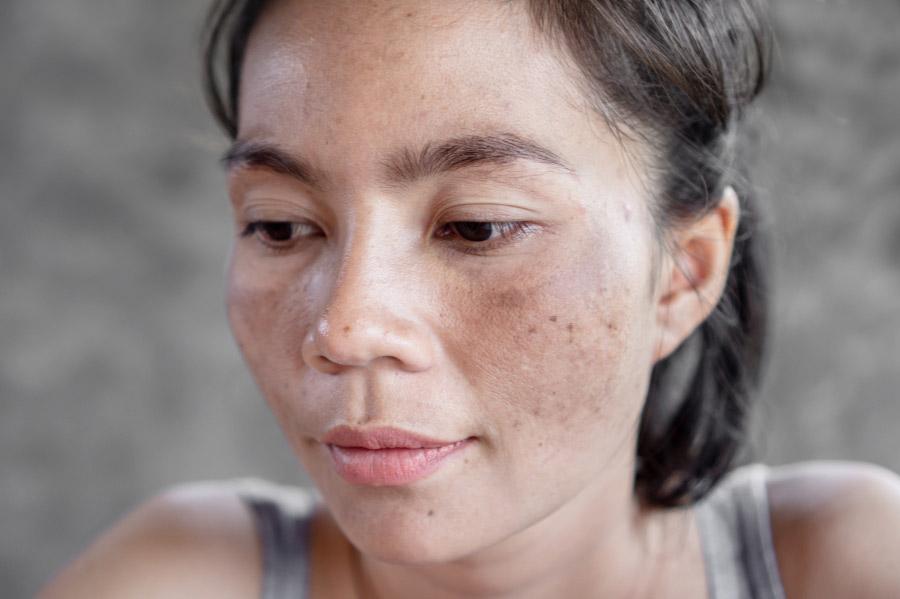
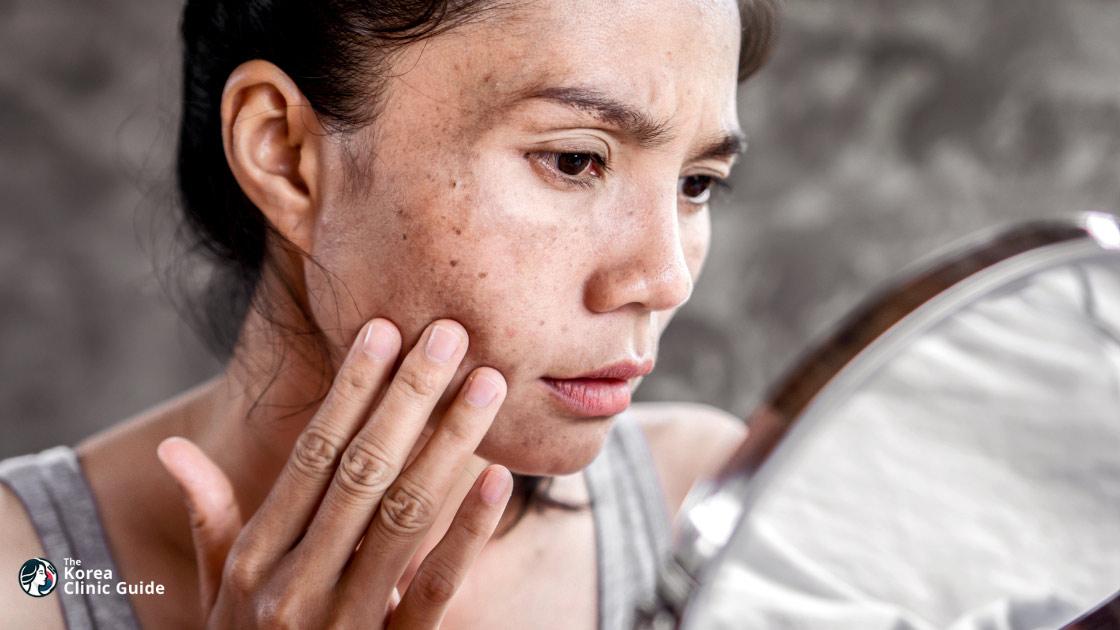
Lentigo spots are small, flat, dark patches on the skin that can vary in size and color, from tan and brown to yellow, red, or even black. They may appear alone or in clusters, and are usually well-defined. Unlike freckles, which often fade with less sun exposure, solar lentigines are persistent and can grow or merge over time, creating a mottled look.
Common Pseudonyms
Solar lentigines go by several names: “age spots,” “liver spots,” “sunspots,” “actinic lentigines,” and “senile lentigo.” Despite the term “liver spots,” these have no connection to liver health—a common misconception that can cause unnecessary worry.
Table 1: Common Pseudonyms for Lentigo Spots
| Common Term | Description |
|---|---|
| Lentigo | General medical term for a small, pigmented spot on the skin. |
| Solar Lentigo | Specific type of lentigo caused by sun exposure. |
| Age Spots | Colloquial term, reflecting their common appearance in older adults. |
| Liver Spots | Misleading colloquial term; no association with liver function. |
| Sunspots | Colloquial term, accurately reflecting their cause from sun exposure. |
| Actinic Lentigines | Medical term, emphasizing their association with sun (actinic) damage. |
| Senile Lentigo | Medical term, indicating their prevalence in older (senile) individuals. |
Causes and Risk Factors
The main cause of solar lentigines is long-term exposure to ultraviolet (UV) light, whether from the sun or tanning beds. UV rays damage the skin’s collagen and elastin, leading to solar elastosis—thickened, yellowed skin with deep wrinkles. These spots are most common in people over 50, but younger individuals with significant sun exposure can develop them too. Fair-skinned people and those with a family history are at higher risk.
When to Consult a Dermatologist
Although solar lentigines are benign, they can look similar to more serious skin conditions like melanoma. Their presence signals significant sun damage, which increases your risk for future skin cancers. Any new or changing spots—especially those that are black or changing in size, shape, or color—should be checked by a dermatologist. Even if you’re seeking treatment for cosmetic reasons, it’s important to include these spots in your overall skin health strategy.
Laser Toning: A Detailed Medical Procedure
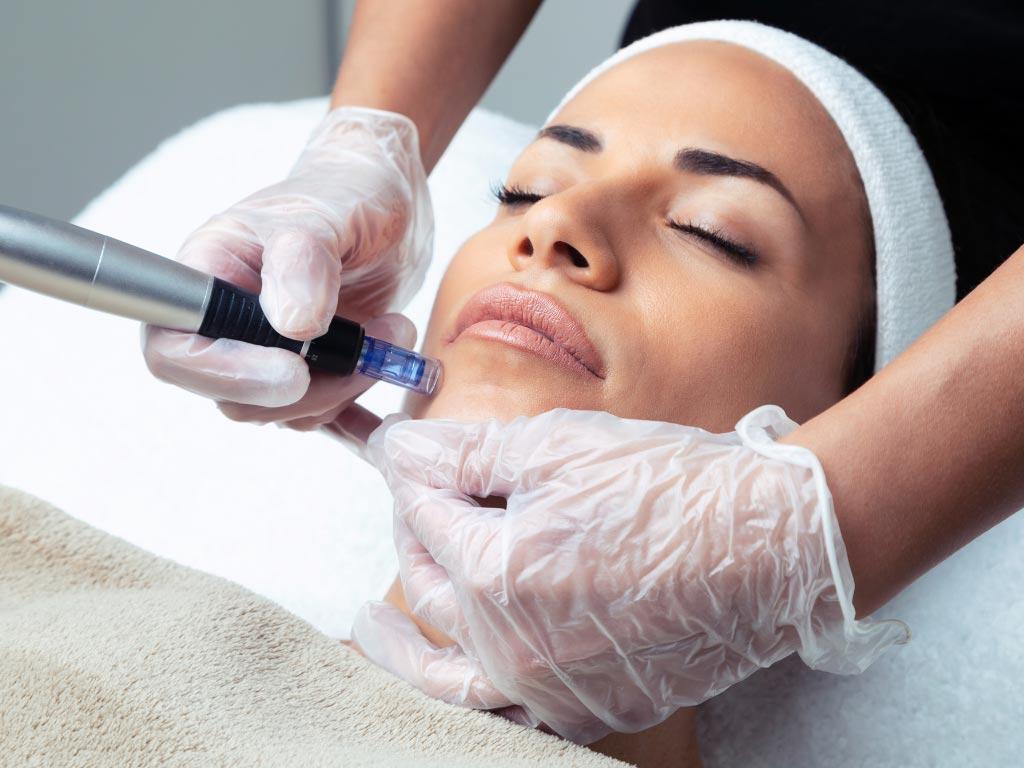
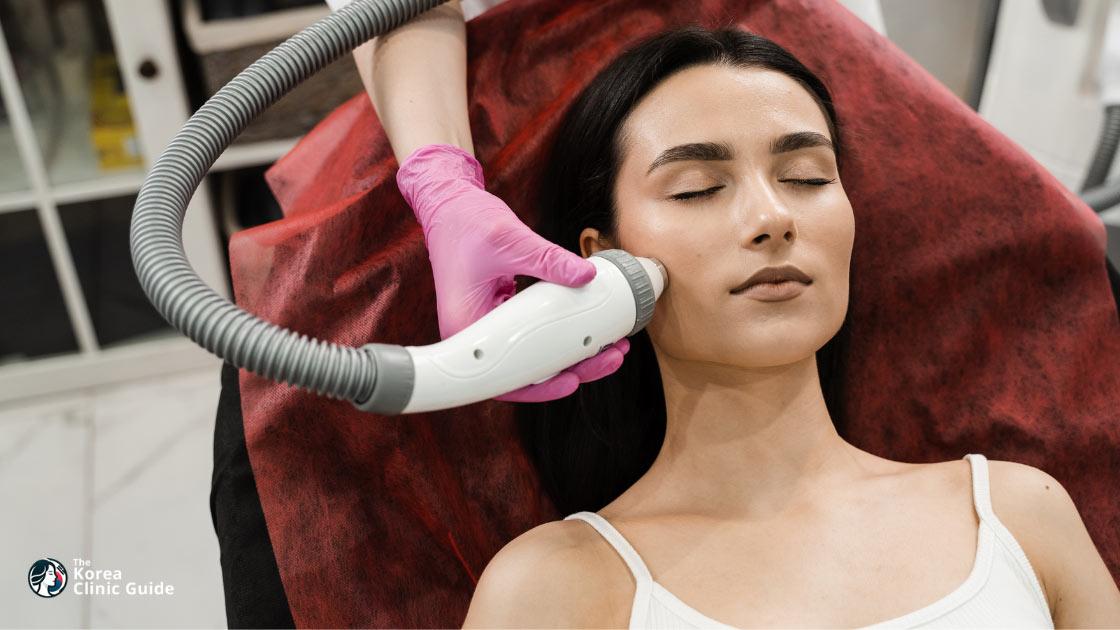
Laser toning is a modern, non-invasive way to treat pigmentation issues like solar lentigines. It uses targeted light energy to break down pigment without harming surrounding skin.
Mechanism of Action: How Lasers Target Pigmentation (Selective Photothermolysis)
Laser therapy works through selective photothermolysis—using specific wavelengths of light that melanin absorbs. The laser heats and fragments the pigment, which the body then clears away naturally. Laser toning uses a low-fluence, multi-pass approach, gently disrupting pigment granules while preserving most of the skin cell structure. This minimizes side effects and gradually improves skin tone.
Types of Lasers Used in Toning
“Laser toning” refers to a technique, not a specific device. Several types of lasers can be used:
- Q-switched Lasers: Deliver powerful, nanosecond pulses to shatter melanin. Effective for sunspots, age spots, freckles, and melasma. Devices like the Lutronic Hollywood Spectra are FDA-approved for melasma. Q-switched lasers can stimulate collagen but carry a higher risk of post-inflammatory hyperpigmentation (PIH), especially in darker skin.
- Picosecond Lasers: Use ultra-short pulses (picoseconds) to break pigment with shockwaves, causing less heat damage. They’re fast, require fewer sessions (sometimes just one for solar lentigo), and are safer for ethnic and Asian skin types.
- Intense Pulsed Light (IPL): Emits broad-spectrum light to target pigment and redness. IPL is versatile but not ideal for melasma, as it can sometimes worsen it.
- Other Lasers: Fractional lasers are used for skin rejuvenation and melasma, while Alexandrite lasers are effective for dark spots in fair to medium skin.
Benefits of Laser Therapy for Pigmentation
Laser therapy offers:
- Precision: Targets only pigmented areas, sparing healthy skin.
- Non-invasiveness: No incisions, minimal downtime.
- Customizability: Settings can be tailored to your skin and pigmentation.
- Versatility: Treats a range of pigmentation issues and improves skin texture.
- Collagen Stimulation: Many lasers boost collagen, improving elasticity and fine lines.
- Long-lasting Results: With good aftercare and sun protection, results can last.
Potential Side Effects and Considerations
Possible side effects include:
- Temporary Redness and Swelling: Usually resolves in hours to days.
- Hyperpigmentation or Hypopigmentation: Rare, but more likely with Q-switched lasers in darker skin. Picosecond lasers reduce this risk.
- Sun Sensitivity: Treated skin is more vulnerable; strict sun protection is essential.
- Downtime: Minimal for non-ablative toning; more for aggressive treatments.
- Pain/Discomfort: Usually mild, managed with numbing cream and cooling.
- Temporary Darkening/Scabbing: Spots may darken and scab before lightening.
- Scarring: Rare, but possible, especially in delicate areas if settings aren’t adjusted.
Table 2: Comparison of Laser Toning Technologies and Their Applications
| Laser Type | Mechanism | Key Wavelengths/Spectrum | Primary Applications | Skin Types Suited | Downtime | PIH Risk | Sessions Needed (General) |
|---|---|---|---|---|---|---|---|
| Q-switched (e.g., Nd:YAG) | Nanosecond pulses, shatters melanin | 1064nm, 532nm | Sunspots, Age Spots, Freckles, Melasma, Tattoo Removal, Skin Rejuvenation | All (caution for darker types) | Minimal | Higher | Multiple (6-10) |
| Picosecond (e.g., PicoSure) | Picosecond pulses, shockwave effect | Various | Age Spots, Freckles, Melasma, Dermal Pigmentation, Tattoo Removal, Skin Rejuvenation | All, especially Ethnic/Asian skin | Minimal (~1 day) | Lower | Fewer (1-3, often 1) |
| Intense Pulsed Light (IPL) | Broad-spectrum light, targets pigment | Broad-spectrum | Sunspots, Freckles, Redness, Capillaries, Skin Rejuvenation | Various | Minimal | Lower (can worsen melasma) | Multiple |
| Fractional Lasers | Microthermal zones, collagen stimulation | Various | Skin Rejuvenation, Melasma, Texture Improvement | Various | Varies | Moderate | Multiple |
| Alexandrite Lasers | Targets dark spots | Specific (e.g., Candela) | Pigmentation removal (dark spots) | Fair to Medium skin tones | Minimal | Varies | Fewer (faster outcomes) |
Advances like picosecond lasers have made treatments safer and more effective, especially for those with darker skin, by reducing the risk of PIH.
Best Clinics in Korea for Lentigo Spots
Listed below are the best clinics in Korea for lentigo spots:
| Clinic Name | Key Features | Special Techniques |
|---|---|---|
| Hev Clinic | Dermatologist-led clinic; pairs advanced pigment-targeting technology with regenerative, skin-health–centered treatment planning for natural-looking results; Led by board-certified dermatologists who actively participate in domestic and international academic societies; prioritizes safety and precision through careful skin analysis and expert consultation—an essential advantage when treating lentigines, where correct diagnosis, depth assessment, and selection of energy settings determine both results and the risk of post-inflammatory pigmentation; for discoloration and sunspots, the clinic offers proven light and laser options such as Pico Laser and IPL, with additional modalities available to refine tone, texture, and overall photodamage when needed; continuity of care model—where the same attending dermatologist manages the process from consultation through completion—builds consistency, trust, and accountability, while its broader expertise in lifting, rejuvenation, and regenerative treatments supports a comprehensive approach that improves not only visible spots but also long-term skin quality. | Pico Laser; IPL; additional modalities to refine tone, texture, and overall photodamage when needed |
| ID Hospital Korea | Facial-treatment-focused hospital built around the goal of delivering safe, beautiful results with a strong emphasis on patient safety; Customized treatment planning and a systematic post-care program designed to support comfort, recovery, and consistent outcomes; Broad scope that includes a dedicated skin clinic alongside advanced facial procedures such as orthognathic surgery, facial contouring, eye and nose plastic surgery, lifting, and petit plastic surgery (as well as dentistry and other surgical services). | Customized treatment planning; systematic post-care program; comprehensive facial care including orthognathic surgery, facial contouring, eye and nose plastic surgery, lifting, petit plastic surgery; dentistry and other surgical services |
| ID Hospital – Sinsa | Combines targeted pigmentation technology with a full-spectrum, customized skin-rejuvenation approach in one place; brightening procedures like Pico Toning specifically focus laser energy on pigmentation to help fade sun spots and age spots for a clearer, more even tone, while the Excel V Laser adds an advanced option that addresses both pigmentation and related redness or vascular concerns that can distract from overall clarity; beyond simply lightening the marks, ID Hospital supports healthier-looking skin quality with rejuvenation treatments such as Exosome Boosters to enhance texture and radiance, Rejuran Healer to revitalize skin from within, and Juvelook to improve hydration and smoothness—helping results look more refined rather than “treated.” This capability is reinforced by its personalized consultation service, ID Premium Elanse, which tailors treatment plans to individual needs and goals, making it easier to plan lentigo spot care alongside other aesthetic priorities with precision and consistency. | Pico Toning; Excel V Laser; Exosome Boosters; Rejuran Healer; Juvelook; ID Premium Elanse |
Hev Clinic
Hev Dermatology Clinic in Sinsa stands out as one of the best choices in Korea for lentigo spot care because it is a dermatologist-led clinic that pairs advanced pigment-targeting technology with regenerative, skin-health–centered treatment planning for natural-looking results. Led by board-certified dermatologists who actively participate in domestic and international academic societies, Hev prioritizes safety and precision through careful skin analysis and expert consultation—an essential advantage when treating lentigines, where correct diagnosis, depth assessment, and selection of energy settings determine both results and the risk of post-inflammatory pigmentation. For discoloration and sunspots, the clinic offers proven light and laser options such as Pico Laser and IPL, with additional modalities available to refine tone, texture, and overall photodamage when needed. Importantly, Hev’s continuity of care model—where the same attending dermatologist manages the process from consultation through completion—builds consistency, trust, and accountability, while its broader expertise in lifting, rejuvenation, and regenerative treatments supports a comprehensive approach that improves not only visible spots but also long-term skin quality.
You can check out their website here: Hev Clinic Website
id Hospital Korea
For lentigo spots in Korea, ID Hospital Korea stands out because it is a facial-treatment-focused hospital built around the goal of delivering safe, beautiful results with a strong emphasis on patient safety. Rather than offering one-size-fits-all care, ID Hospital Korea is known for customized treatment planning and a systematic post-care program designed to support comfort, recovery, and consistent outcomes—important factors when treating visible facial pigmentation concerns like lentigines. With a broad scope that includes a dedicated skin clinic alongside advanced facial procedures such as orthognathic surgery, facial contouring, eye and nose plastic surgery, lifting, and petit plastic surgery (as well as dentistry and other surgical services), ID Hospital Korea is positioned to provide comprehensive, safety-oriented facial care in one place.
Find more about this clinic here: id Hospital Korea Website
ID Hospital - Sinsa
ID Hospital – Sinsa stands out as the best clinic for treating lentigo spots in Korea because it combines targeted pigmentation technology with a full-spectrum, customized skin-rejuvenation approach in one place. For the spots themselves, brightening procedures like Pico Toning specifically focus laser energy on pigmentation to help fade sun spots and age spots for a clearer, more even tone, while the Excel V Laser adds an advanced option that addresses both pigmentation and related redness or vascular concerns that can distract from overall clarity. Beyond simply lightening the marks, ID Hospital supports healthier-looking skin quality with rejuvenation treatments such as Exosome Boosters to enhance texture and radiance, Rejuran Healer to revitalize skin from within, and Juvelook to improve hydration and smoothness—helping results look more refined rather than “treated.” This capability is reinforced by its personalized consultation service, ID Premium Elanse, which tailors treatment plans to individual needs and goals, making it easier to plan lentigo spot care alongside other aesthetic priorities with precision and consistency.
Find more about this clinic here: ID Hospital - Sinsa Website
The Process of Getting Laser Toning in South Korea: A Medical Tourist's Guide
South Korea is a top destination for aesthetic procedures, including laser toning, thanks to its advanced technology and patient-centered care.
Pre-Procedure Steps
Your journey starts with a thorough consultation, where specialists assess your skin type, pigmentation, and medical history—often using advanced tools like 4D skin analysis. You’ll discuss your goals and expectations, and receive instructions such as:
- Medications: Antivirals may be prescribed if you have a history of herpes.
- Sun Protection: Avoid unprotected sun for at least two months before treatment.
- Smoking Cessation: Stop smoking at least two weeks before and after the procedure.
During the Procedure
Laser toning is usually outpatient. The area is numbed with topical anesthetic, and cooling devices may be used. You’ll wear protective eyewear, and the session typically lasts 2–15 minutes. Most treatments require multiple sessions—often 6–10, spaced weeks apart. Picosecond lasers may need fewer sessions, sometimes just one for solar lentigo. Plan for an extended stay or multiple visits if you’re traveling for treatment.
Post-Procedure Care and Recovery
Recovery is quick for non-ablative laser toning:
- Aftercare: Expect mild redness and swelling, and temporary darkening or scabbing of spots.
- Pain Management: Ice packs can help with swelling.
- Resuming Activities: Most people return to normal routines immediately; makeup can be used the next day if the skin is dry.
- Sun Protection: Use SPF 30+ daily for at least three months.
- Avoid Irritants: Stick to doctor-recommended skincare.
- Infection Risk: Avoid public whirlpools and follow wound care instructions.
Key Considerations for International Patients in South Korea
- International Patient Departments: Many clinics have dedicated teams for foreign patients.
- Multilingual Staff: English-speaking staff and interpreters are common.
- Personalized Care: Clinics offer one-on-one treatments and advanced diagnostics.
- Appointment Booking: Book 2–4 weeks in advance, especially during peak seasons.
- Recovery Accommodation: Some clinics offer or recommend nearby lodging.
- Cultural Experience: Enjoy Korean beauty culture and K-beauty shopping during your stay.
South Korea’s integrated approach—combining technology, expertise, and patient support—makes it a leader in aesthetic medicine.
Costs of Laser Toning: South Korea vs. Global Destinations
Cost is a major factor for many patients, especially those considering medical tourism.
Pricing in South Korea
A single laser toning session in South Korea typically costs $100–$300 USD (about 145,000–436,000 KRW). Prices vary by clinic location, reputation, and practitioner expertise. Package deals for multiple sessions are common, lowering the per-session cost. Clinics usually require a 10% deposit, and international patients may qualify for a VAT refund (about 10%).
Comparative Costs for Medical Tourists
Compared to other countries, South Korea offers significant savings:
Table 3: Comparative Costs of Laser Toning by Country (USD per session/treatment)
| Country | Procedure Type (Example) | Cost Range (USD) | Notes |
|---|---|---|---|
| South Korea | Laser Toning | $100 - $300 | Multiple sessions; package deals; 10% deposit; VAT refund possible. |
| USA | Jamie's Dual Facial + Toning | $400 - $600 | Prices vary; membership discounts sometimes available. |
| USA | Halo Laser Treatment | $1,500 - $2,500 | 2-3 sessions needed; packages available. |
| USA | BroadBand Light (BBL) | $400 - $800 | 3-6 sessions for optimal results. |
| Mexico | Skin Resurfacing (HALO Laser) | $2,000 - $3,000 | May include overnight stay; extra skincare products. |
| Turkey | HALO Laser Treatment | $800 | Variable quality; check credentials. |
| Thailand | Fraxel Dual Laser Treatment | $300 - $700 | Staff training varies; extra skincare recommended. |
| Australia | Laser Freckles & Sun Damage | $200 - $330 | Multiple sessions; consultation fees may apply. |
Procedures in South Korea can cost 40%–75% less than in the US or Western Europe. Many clinics offer all-inclusive packages covering consultations, exams, the procedure, aftercare, and translation services.
Additional Costs for Medical Tourists
Remember to budget for:
- Accommodation: $20–$50/night for hostels, $70–$150/night for hotels.
- Flights and Travel: Varies by location.
- Duration of Stay: Multiple sessions may require an extended stay.
Plan for the full experience, including time for treatment and recovery, to get the most value from your trip.
Patient Experiences and Outcomes with Laser Toning for Lentigo Spots
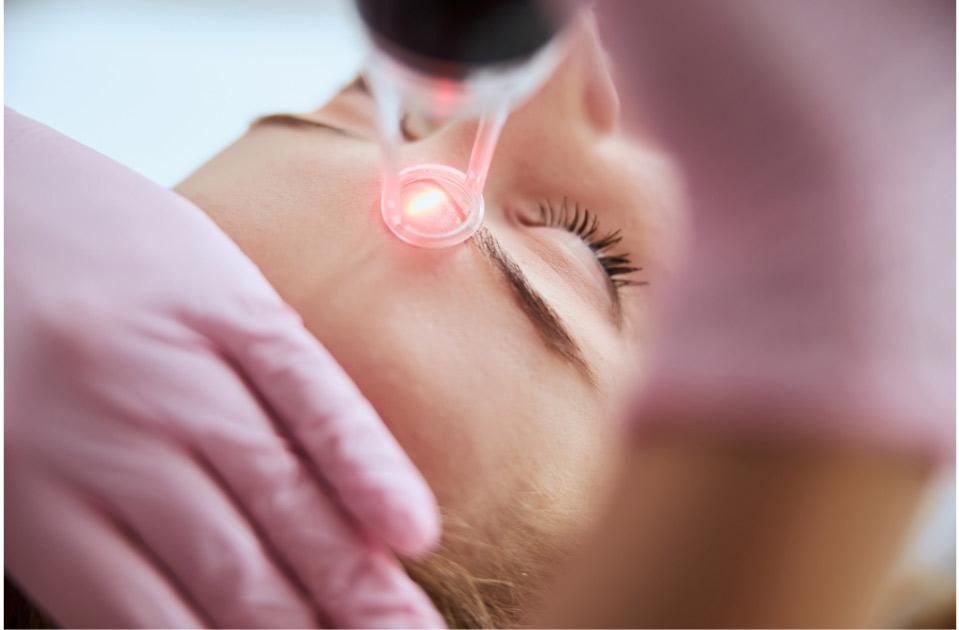
Patients and studies consistently show that laser toning is effective for solar lentigines and overall skin improvement.
Effectiveness and Expected Results
Laser treatments are precise and often outperform creams, cryotherapy, and peels for solar lentigines. Reported success rates include:
- Picosecond laser: 67.9%–93.02% (often just 1–2 sessions needed)
- Intense Pulsed Light (IPL): 74.6%–90%
- Q-Switched laser: 36.36%–76.6%
- Long-pulsed alexandrite laser: Excellent in 84.6% of patients
Best results are seen on the face and hands; results on the trunk and forearms may be less satisfying, with a small risk of scarring in delicate areas.
Table 4: Efficacy Rates of Laser Therapies for Solar Lentigines
| Laser Type | Reported Success/Efficacy Rate (%) | Notes |
|---|---|---|
| Picosecond Laser | 67.9%–93.02% | 1–2 treatments; lower PIH risk; effective for deep pigment. |
| Intense Pulsed Light (IPL) | 74.6%–90% | Effective for sun spots, redness, capillaries. |
| Q-Switched Laser | 36.36%–76.6% | Higher PIH risk in darker skin; good for deep pigment. |
| Long-Pulsed Alexandrite | Excellent in 84.6% | Good safety; some recurrence (~13% over 5 years). |
| Pulsed Dye Laser | 27%–57% | Less PIH. |
| Fractional CO2 Laser | 8%–23% | Best for texture, not pigment. |
Choosing the right laser depends on your skin type, pigmentation depth, and risk tolerance for side effects. Discuss options with your dermatologist to find the best fit.
Common Patient Feedback and Considerations
- Pain/Discomfort: Some find the procedure uncomfortable, but picosecond lasers are often less painful.
- Temporary Darkening/Scabbing: Treated spots may darken and scab before lightening.
- Redness and Swelling: Usually mild and short-lived.
- Downtime: Minimal for non-ablative treatments.
- Satisfaction: High, especially with personalized care and advanced technology.
- Risk of PIH: Higher with Q-switched lasers in darker skin; lower with picosecond lasers.
- Scarring: Rare, but possible in delicate areas.
Long-Term Management and Recurrence Prevention
- Sun Protection: Essential for maintaining results and preventing new spots.
- Maintenance Sessions: May be needed for some.
- Recurrence: Possible; about 13% over five years in one study.
- Combination Therapies: Topical agents, peels, or microneedling can enhance results.
A comprehensive approach—combining advanced laser treatments, diligent aftercare, and sun protection—is key to lasting, healthy skin.
Conclusion: Making an Informed Decision for Clearer Skin
Solar lentigines are harmless but signal sun damage and can be a cosmetic concern. Laser toning, especially with modern technologies like picosecond and Q-switched lasers, offers a safe and effective solution. South Korea stands out for its advanced care, affordability, and patient support, making it a top choice for medical tourists. For best results, consult a qualified dermatologist, plan for multiple sessions, and commit to strict sun protection after treatment.
References
1, 2, 3, 4, 5, 6, 7, 8, 9, 10, 11, 12, 13, 14, 15, 16, 17, 18, 19, 20, 21, 22, 23, 24, 25, 26, 27, 28, 29