Medical Tourism Blog
Injury to Eyelid: Ptosis Correction Procedures in Korea for Effective Eyelid Injury Treatment
Table of contents
- Medical Procedure(s): Ptosis Correction
- Best Clinics in Korea for Injury To Eyelid
- Process of Getting Procedure(s) Ptosis Correction in South Korea
- Costs Associated with Ptosis Correction in South Korea and Comparison with Other Countries
- Patients Who Have Undergone Ptosis Correction for Eyelid Injury and How It Has Addressed Their Issues
- Conclusions
- References
Considering treatment in Korea? Everything you need to know e.g. — how to avoid scams, visas, interpreters, recovery tips — in our Medical Tourism Master Guide. Plan with confidence in minutes, not weeks!
Eyelid injuries are a notable subset of facial trauma, especially those involving the upper eyelid, with serious implications for vision and appearance. Knowing how these injuries happen, what risks they pose, and how to identify them is crucial for patients seeking effective care. Here’s a readable overview to help patients understand key concepts and the importance of prompt medical evaluation.
An eyelid laceration refers to a partial or full-thickness tear in the eyelid, different from mere scratches as these wounds cut through the skin and sometimes deeper tissues. The eyelid's thinness and lack of underlying fat make it especially vulnerable.
"Damage to the upper eyelid" is a broader term and can lead to conditions like "ptosis" or "blepharoptosis"—which means the upper eyelid droops. Other terms you may see include "eyelid drooping," "dermatochalasis" (excess upper eyelid skin), and "baggy eyelids." Note that while "lazy eye" sometimes refers to ptosis in conversation, it actually means amblyopia—a distinct vision issue. Using the right terms helps ensure you get accurate diagnoses and information.
How Eyelid Injuries Occur: Common Causes and Risk Factors
Eyelid lacerations generally happen through two mechanisms: sharp objects or blunt force. Sharp injuries often slice through the skin or deeper layers, while blunt injuries can tear or separate tissues.
For children and young adults, causes include dog bites, falls, bike handlebar injuries, or bumps into sharp furniture. In teens and young adults, sports, fights, and car accidents are common sources. Anatomical and external risk factors include animal bites (dogs, cats), workplace accidents (especially among less-skilled or manual labor workers), and environments with fast-moving objects or machinery. Males and the elderly are at higher risk—males due to greater involvement in physical activities, and older adults because of coordination or vision issues. Taking steps like wearing protective eyewear during sports and close supervision for at-risk groups can reduce risks.
Recognizing the Signs: Symptoms of Eyelid Trauma
Signs of eyelid trauma range from pain, irritation, or bleeding in and around the eyelid to visible swelling, "black eye" bruising, and numb or puffy eyelids. People may also experience fuzzy or double vision, trouble moving the eyelid, a feeling of a sunken or protruding eye, or numbness that spreads across the cheek and upper lip. Early detection of these symptoms is critical for timely care and avoiding complications.
Potential Complications of Eyelid Injuries
Eyelid lacerations are often a warning sign of deeper issues like corneal abrasions, eye foreign bodies, open globe injuries, or orbital fractures. They may also disrupt the lacrimal system, causing chronic tearing (epiphora). If a laceration affects the eyelid muscles—especially the levator palpebrae—it can cause traumatic ptosis. Nerve involvement can further worsen ptosis.
Orbital fractures may trap eye muscles (leading to double vision or restricted movement), cause vision loss, or result in sunken eye appearance. For children, untreated ptosis risks permanent vision development problems like amblyopia. Early and thorough medical evaluation, ideally within 12-24 hours, is emphasized to avoid these serious complications.
When to Seek Immediate Medical Attention
Immediate care is needed for deep eyelid cuts, uncontrolled bleeding, injuries near the tear duct, or if a foreign object is in the wound. Warning signs also include sudden vision changes, severe swelling, difficulty moving the eyelid, new double vision, persistent pain, or signs of infection. Recognizing emergencies and getting prompt professional help is crucial to protect vision and eyelid function.
Table 1: Common Causes and Risk Factors for Eyelid Lacerations
| Risk Factor Category | Specific Details/Examples |
|---|---|
| Age | Children (dog bites, falls, sharp objects); Adolescents/Young Adults (sports, vehicular accidents, fistfights); Elderly (falls due to poor eyesight/coordination) |
Medical Procedure(s): Ptosis Correction

Ptosis, often called blepharoptosis, is when the upper eyelid droops and can block vision or affect appearance. When caused by injury, especially damage to the levator muscle, it’s termed traumatic ptosis. This section outlines the types of ptosis, purposes of correction surgery, and main surgical techniques.
Understanding Ptosis: Types and Causes
- Traumatic Ptosis: Results from injury to the eyelid affecting the levator muscle, its tendon, or nerves, and can include swelling that stretches the muscle’s attachment.
- Congenital Ptosis: Present at birth due to underdeveloped levator muscle, sometimes causing vision problems like amblyopia.
- Acquired Ptosis (Other Forms):
- Aponeurotic Ptosis: Most common, due to aging, chronic inflammation, past surgery, or long-term contact lens use.
- Neurogenic Ptosis: Caused by nerve issues (diabetes, tumors, stroke, Horner’s syndrome, myasthenia gravis).
- Myogenic Ptosis: From muscle weakness, possibly related to diseases like chronic progressive external ophthalmoplegia.
- Mechanical Ptosis: Results from excess skin, tumors, or scarring that restrict eyelid movement.
Accurate diagnosis is key since the treatment approach differs by cause.
Purpose of Ptosis Correction Surgery
The main goal of ptosis correction is raising the drooping eyelid to clear the visual field, resolving visual problems as well as cosmetic concerns. This improves peripheral vision, reduces eye fatigue, and helps achieve a symmetrical and alert appearance. For kids, early correction can prevent long-term vision issues like lazy eye.
Detailed Medical Procedure(s): Ptosis Correction Techniques
Surgical technique depends on ptosis severity and muscle function. Most procedures are outpatient, under local anesthesia with sedation, and take about 45-90 minutes.
External Levator Advancement (Transcutaneous Approach)
- What’s done: An incision is made in the natural eyelid crease to access and tighten the levator muscle or its tendon, then reattached for eyelid elevation. Surgeons often make adjustments while the patient opens and closes their eyes.
- Pros/Cons: Provides precise control and crease definition, but may leave a subtle scar and cause swelling or bruising.
Internal Müller's Muscle-Conjunctival Resection (MMCR)
- What’s done: Done from the inside of the eyelid, removing part of Müller's muscle and the conjunctiva. No external scar.
- Pros/Cons: Less bruising, faster recovery, and suited for mild cases, but less precise and less impact on eyelid crease.
Frontalis Sling Technique
- What’s done: Connects the upper eyelid to the forehead’s frontalis muscle using a silicone rod or tissue graft. Used when the levator muscle is very weak or nonfunctional.
- Pros/Cons: Allows eyelid elevation via eyebrow movement—useful in severe cases—but can result in incomplete eyelid closure, requiring extra eye lubrication.
Combined Procedures and Revisional Surgery
Some patients need correction of both droopy eyelids and excess skin, which may be done together. Non-incisional suturing techniques are also available for some. If surgery doesn’t fully correct the problem or over-corrects, revision procedures can refine the result.
Surgical choice depends on a thorough assessment by an experienced oculoplastic surgeon, often including function tests and consideration of desired results.
Best Clinics in Korea for Injury To Eyelid
Listed below are the best clinics in Korea for injury to eyelid:
| Clinic Name | Key Features | Special Techniques |
|---|---|---|
| THEPLUS Plastic Surgery | THE PLUS Plastic Surgery in Garosu-gil, Gangnam, Seoul, is a four-floor, fully integrated center delivering world-class care from consultation through surgery and post-operative skincare. Backed by a team of board-certified surgeons who actively publish, teach, and present at domestic and international symposiums, the clinic combines rigorous academic insight with meticulous clinical practice. Safety and patient communication are core values, and the team’s decade-plus experience ensures precise, reliable care. For patients seeking restoration after eyelid injury, THE PLUS offers comprehensive eye procedures—including ptosis correction, canthoplasty, blepharoplasty, and double eyelid surgery—designed to address functional issues and aesthetic balance for natural-looking results. | Periorbital restoration following eyelid injury guided by facial harmony; individualized plans for natural-looking, structurally sound results. |
| Made Young Plastic Surgery | Made Young Plastic Surgery Clinic in Gangnam, Seoul, is a premium center specializing in facial and anti-aging procedures with genuine dedication and expertise. For eyelid injuries, the clinic stands out under the care of Dr. Park Byung-Chan, who has 15 years of experience devoted exclusively to eye surgery. From a sincere, patient-centered consultation through surgery, Dr. Park customizes incision lines, double eyelid height, eyelid thickness, and the overall eye image to restore both function and aesthetics—delivering natural, beautiful results that many patients appreciate even on the day of surgery. Backed by a verified, high-experience medical team, a comprehensive safety system, and thorough aftercare, Made Young is a leading destination in Korea for precise and transparent eyelid injury repair. | Tailored incision lines, crease height, eyelid thickness, canthal balance, and symmetry for the most natural eye shape; 1:1 doctor-led consultation and diagnosis; comprehensive safety system with full-time board-certified anesthesiologists; 1:1 intraoperative monitoring; cross-check system with multiple anesthesiologists; full CCTV coverage of procedures for maximum transparency; dedicated aftercare center providing scar care and functional recovery support. |
| SH Clinic | SH Clinic in Sinsa, Seoul is a multi-specialty medical center that brings stem-cell science, women’s healthcare, aesthetic dermatology, and modern plastic surgery together under one roof. The SH Stem Cell Center delivers personalized, comprehensive plans ranging from facial rejuvenation and anti-aging to advanced regenerative options for serious conditions, while the SH Gynecology Clinic offers a full spectrum of women’s health services and vaginal rejuvenation treatments. This breadth of expertise allows the team to treat both function and aesthetics holistically—an approach that is especially valuable for patients in Korea recovering from delicate facial concerns such as injury to the eyelid. | Precision eyelid surgery: Upper and Lower Blepharoplasty; regenerative strategies via SH Stem Cell Center; laser lifting and physician-guided medical skincare; hyaluronic acid dermal fillers for tear-trough refinement; multidisciplinary planning under one roof (plastic surgery, dermatology, regenerative medicine); 3-D guidance for select facial procedures; personalized, goal-driven care; central Seoul convenience in Sinsa. |
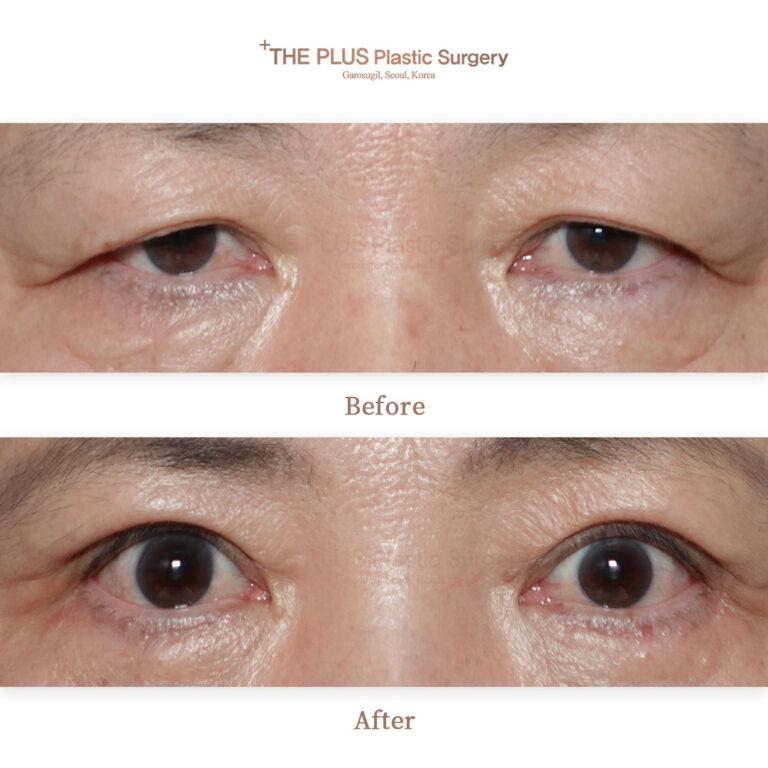
THEPLUS Plastic Surgery
THE PLUS Plastic Surgery in Garosu-gil, Gangnam, Seoul, is a four-floor, fully integrated center delivering world-class care from consultation through surgery and post-operative skincare. Backed by a team of board-certified surgeons who actively publish, teach, and present at domestic and international symposiums, the clinic combines rigorous academic insight with meticulous clinical practice. Safety and patient communication are core values, and the team’s decade-plus experience ensures precise, reliable care. For patients seeking restoration after eyelid injury, THE PLUS offers comprehensive eye procedures—including ptosis correction, canthoplasty, blepharoplasty, and double eyelid surgery—designed to address functional issues and aesthetic balance for natural-looking results.
Leadership at THE PLUS is anchored by Dr. Jeong Jae Yong and Dr. Kim Taek Kyun, internationally recognized figures in plastic surgery. Dr. Jeong, President of the Korean Society of Plastic Surgeons, champions the union of function and beauty in every case, while Dr. Kim—a board-certified surgeon, global society member, and award-winning 3D implant researcher—brings leading expertise in rhinoplasty and facial contouring, running annual educational sessions and authoring seminal texts. Their shared philosophy of facial harmony guides individualized plans for periorbital restoration following eyelid injury, ensuring outcomes that are both structurally sound and aesthetically refined.
You can check out their website here: THEPLUS Plastic Surgery Website
Made Young Plastic Surgery
Made Young Plastic Surgery Clinic in Gangnam, Seoul, is a premium center specializing in facial and anti-aging procedures with genuine dedication and expertise. For eyelid injuries, the clinic stands out under the care of Dr. Park Byung-Chan, who has 15 years of experience devoted exclusively to eye surgery. From a sincere, patient-centered consultation through surgery, Dr. Park customizes incision lines, double eyelid height, eyelid thickness, and the overall eye image to restore both function and aesthetics—delivering natural, beautiful results that many patients appreciate even on the day of surgery. Backed by a verified, high-experience medical team, a comprehensive safety system, and thorough aftercare, Made Young is a leading destination in Korea for precise and transparent eyelid injury repair.
- Specialized eyelid injury expertise led by Dr. Park Byung-Chan (15 years exclusively in eye surgery)
- Natural-looking results even immediately post-op, minimizing visible downtime after trauma
- Tailored design for traumatized eyelids: incision placement, crease height, eyelid thickness, canthal balance, and symmetry for the most natural eye shape
- Verified medical team with average 15+ years of experience and proven skills backed by extensive clinical experience
- Direct, doctor-led consultation and diagnosis before any procedure
- Comprehensive safety system with full-time board-certified anesthesiologists
- 1:1 dedicated intraoperative monitoring for every patient
- Cross-check system where multiple anesthesiologists cooperate in emergencies
- Full CCTV coverage of procedures for maximum transparency
- Dedicated aftercare center providing complete, systematic post-procedure care, including scar care and functional recovery support
- Recognized excellence: 2022 Korea No.1 Award and 2022 Korea Customer Satisfaction 1st Place
- Selected as an Outstanding Member of the Korean Society of Plastic and Reconstructive Surgeons and certified by the Minimally Invasive Aesthetic Surgery Society
- Comprehensive eye surgery portfolio (ptosis correction, upper/lower blepharoplasty, canthoplasty) that complements complex eyelid trauma reconstruction
- Centrally located in Gangnam with a premium, patient-focused environment and unwavering commitment to safety
You can check out their website here: Made Young Plastic Surgery Website
SH Clinic
SH Clinic in Sinsa, Seoul is a multi-specialty medical center that brings stem-cell science, women’s healthcare, aesthetic dermatology, and modern plastic surgery together under one roof. The SH Stem Cell Center delivers personalized, comprehensive plans ranging from facial rejuvenation and anti-aging to advanced regenerative options for serious conditions, while the SH Gynecology Clinic offers a full spectrum of women’s health services and vaginal rejuvenation treatments. This breadth of expertise allows the team to treat both function and aesthetics holistically—an approach that is especially valuable for patients in Korea recovering from delicate facial concerns such as injury to the eyelid.
- Precision eyelid surgery expertise: Upper and Lower Blepharoplasty are core offerings, reflecting deep familiarity with eyelid anatomy and meticulous techniques that are directly relevant when refining contour and addressing post-injury asymmetry or tissue laxity.
- Regenerative perspective: The SH Stem Cell Center can consider regenerative, stem cell–based strategies on a personalized basis to support tissue quality and healing alongside conventional care, aligning with current evidence and safety standards.
- Laser and skin-quality optimization: Laser lifting (fractional and tightening modalities) helps remodel collagen, and physician-guided medical skincare supports texture and tone—useful for managing changes that may follow eyelid trauma.
- Subtle contour restoration without incisions: When appropriate, hyaluronic acid dermal fillers can refine tear-trough contours and address minor irregularities related to volume loss.
- Multidisciplinary planning under one roof: Integrated plastic surgery, dermatology, and regenerative medicine streamline evaluation and follow-up, reducing handoffs and helping patients progress through clear, coordinated recovery plans.
- Personalized, goal-driven care: Treatment is tailored to the severity of injury and individual priorities, from conservative office procedures to formal surgical correction, with an emphasis on natural-looking, balanced results.
- Culture of precision: SH Clinic’s plastic surgery program employs meticulous planning (including 3-D guidance for select facial procedures) and exacting technique—standards that benefit delicate eyelid work.
- Central Seoul convenience: Located in Sinsa, the clinic provides easy access for staged treatments and long-term maintenance, supporting consistent outcomes and continuity of care.
You can check out their website here: SH Clinic Website
Process of Getting Procedure(s) Ptosis Correction in South Korea
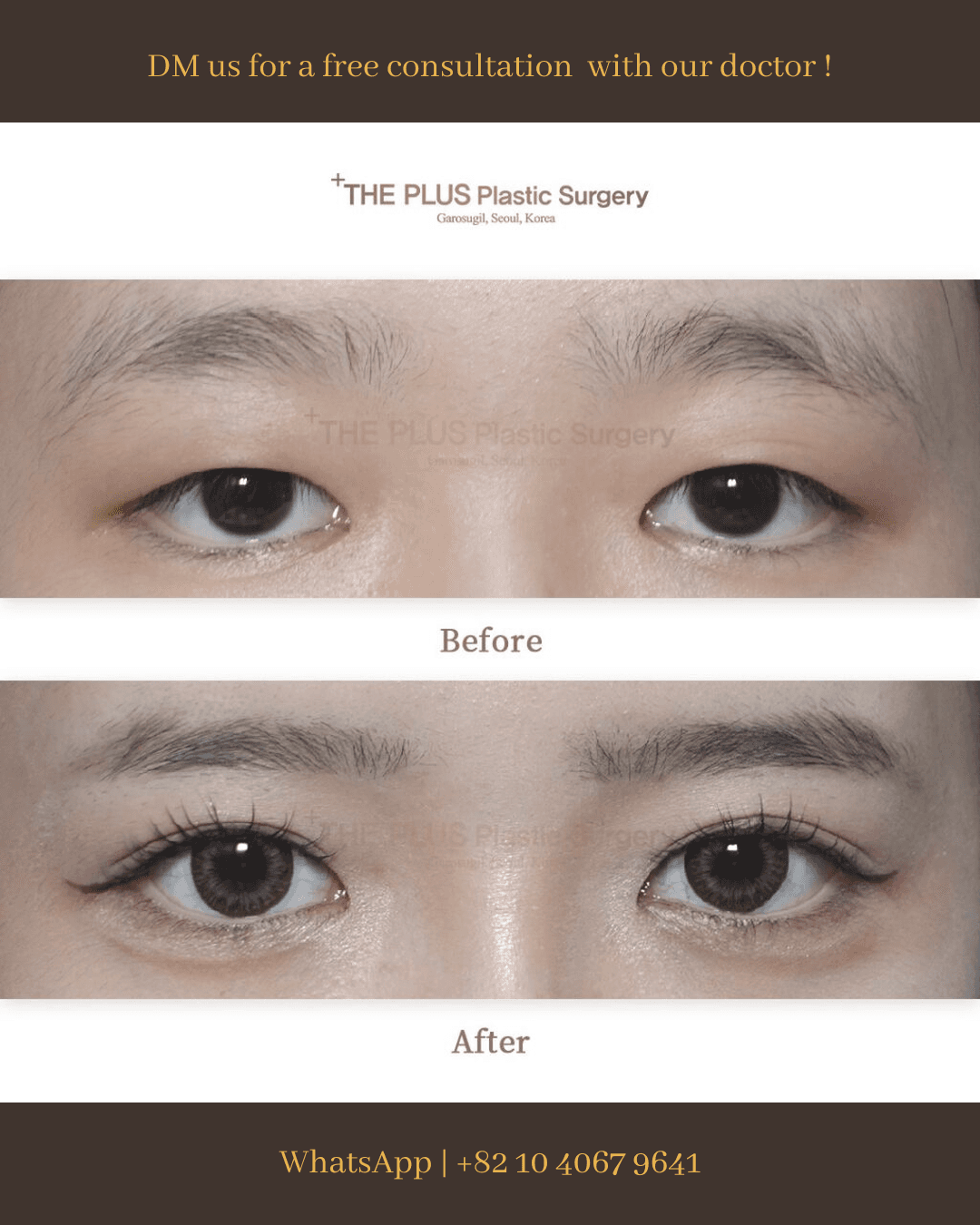
South Korea is a popular destination for eye surgeries like ptosis correction, thanks to advanced techniques and patient-centered care. Here’s a patient-friendly, step-by-step outline for international patients:
Step-by-Step Process for International Patients
- Research and Choose a Clinic: Start by researching clinics—particularly in districts like Gangnam. Review surgeon credentials, before-and-after photos, and ensure clinics offer multilingual support.
- Online Consultation: Many clinics offer free remote assessments. Patients submit photos and health histories to receive early feedback and quotes. Surgeries are often scheduled in advance.
- Travel and Accommodation: Clinics help with airport pickups, lodging, and sometimes provide local SIM cards. Accommodations are readily available near medical centers.
- In-Person Consultation: On arrival, a thorough physical exam and discussion about expectations, risks, and recommended procedures takes place. Health checks may be required and can often be done in Korea or beforehand.
- Pre-Operative Prep: Patients are given instructions like fasting before surgery, pausing certain medications, and not smoking for at least two weeks.
- Surgery Day: Most procedures are under local anesthesia with sedation, taking 40-90 minutes. Surgeons often wake patients briefly during surgery to check eyelid position.
- Aftercare and Follow-Ups: Post-surgery, patients rest with frequent cold compresses to reduce swelling. Lubricating drops and other medication are provided, and most sutures are removed in 5-10 days. Activities and eye makeup should be avoided for about two weeks, and swelling can persist for weeks to months.
Many clinics offer extra support, like nurse care after major surgery, and encourage patients to enjoy Korea’s attractions during recovery.
Costs Associated with Ptosis Correction in South Korea and Comparison with Other Countries
Surgery costs are a top concern for medical tourists. South Korea’s combination of advanced care and competitive pricing makes it a strong choice.
Costs in South Korea
- Range: About $1,500–$5,500 USD, with ptosis correction averaging $3,500–$5,500. Double eyelid surgery is less.
- What Affects Price: Complexity, technique, surgeon expertise, and whether extra procedures are included all play a role. Revisional surgery is pricier, up to 100% more than primary procedures. Most clinics offer all-inclusive quotes, but confirm in advance.
Comparison with Other Countries
| Procedure | South Korea (Average USD) | USA (Average USD) | Japan (Average USD) | Savings vs. USA |
|---|---|---|---|---|
| Eyelid Surgery | $2,800 | $5,500 | $4,500 | ~49% |
| Ptosis Correction | $3,500-$5,500+ | $2,800-$6,000* | N/A | Variable |
(*General range; exact US ptosis correction costs vary.)
- Turkey: Around $1,770 USD
- Thailand: Starting from $3,933 USD (noted for great savings)
- India: About $797 USD
- Europe (general): Around $1,800 USD, with deals as low as $178 in places like Lithuania
Overall, even after airfare and accommodations, patients can often save compared to Western prices—while benefiting from Korea’s advanced techniques and high standards.
Patients Who Have Undergone Ptosis Correction for Eyelid Injury and How It Has Addressed Their Issues
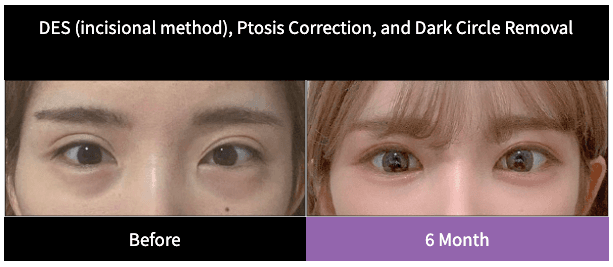
Ptosis correction surgery typically leads to significant improvements for patients with trauma-related droopy eyelids.
Functional Improvements
Surgery often restores the patient’s upper field of vision, meaning no more manual eyelid lifting or head tilting. Patients report less eye strain, fewer headaches, and improvements in tasks like reading or night driving. Even individuals with long-standing vision blockage often notice rapid benefits.
Aesthetic and Psychological Benefits
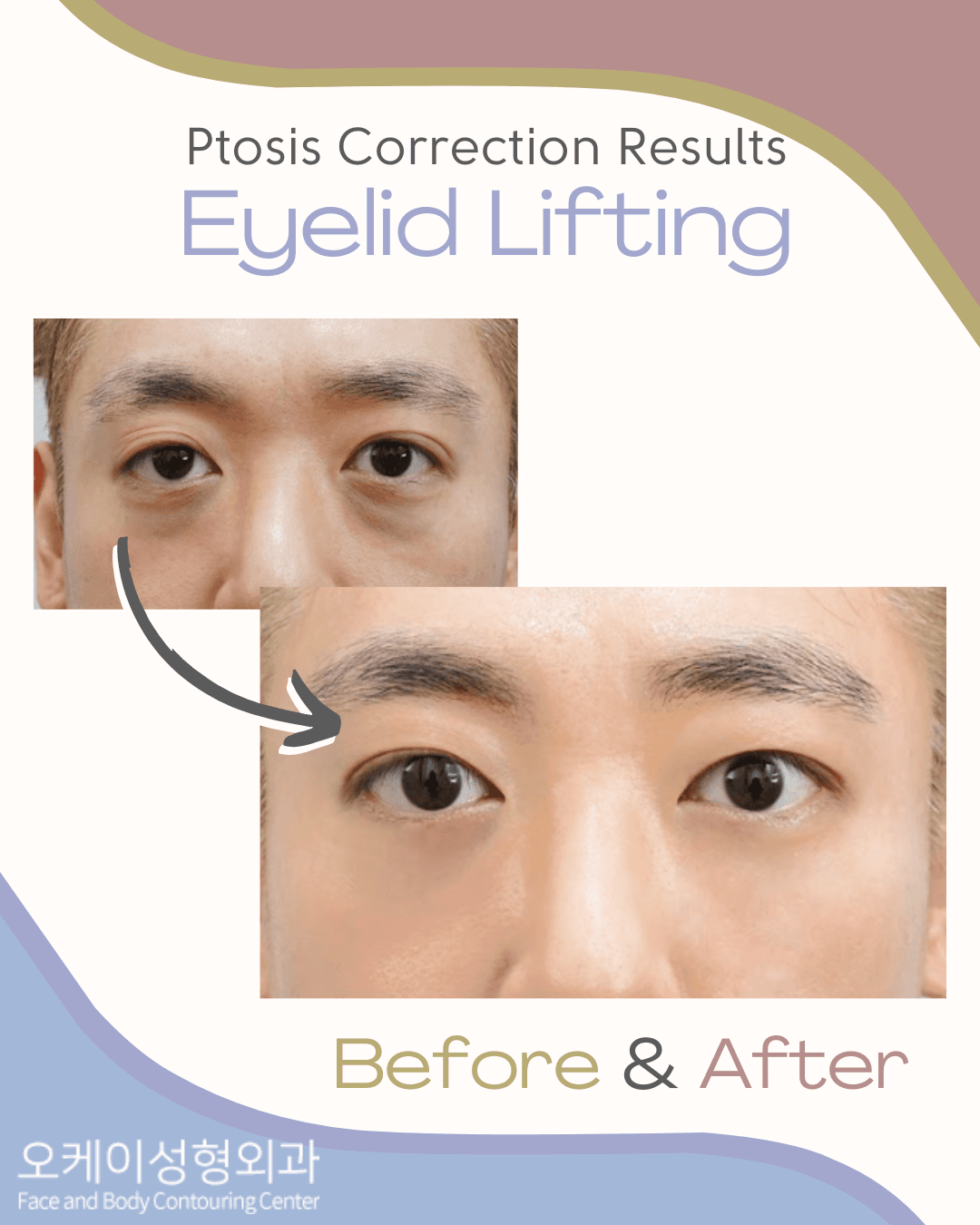
The procedure helps create symmetry, removing the "tired" or "dull" look associated with ptosis. Patients feel more confident, look more refreshed, and are often complimented on their new appearance. Restoring eyelid contour also frequently improves self-esteem.
Recovery and Expected Outcomes
Full recovery typically takes up to three months, with most patients able to resume normal life within weeks. Short-term effects include swelling, bruising, tightness, and temporary dry eyes or blurry vision. Most patients need less than two weeks before returning to desk jobs, but should avoid strenuous activity for three weeks. Around 95% of people achieve a satisfying result in one operation, though a small percentage may require minor revision. Strict adherence to aftercare plays a major role in optimal results.
Conclusions
Eyelid injuries, especially to the upper lid, can lead to significant issues including traumatic ptosis and visual impairment. Ptosis correction surgery effectively restores function and appearance using tailored techniques suited to each patient. South Korea stands out as an affordable, high-quality destination for these procedures, and most patients experience strong functional and aesthetic improvements. Careful clinic selection and rigorous aftercare are key for the best outcomes.