
Medical Tourism Blog
Sunken Eyes Solutions in Korea: Under Eye Fat Grafting and Eyelid Fat Grafting Procedures Explained

Table of contents
- Understanding Sunken Eyes (Enophthalmos): Causes, Symptoms, and Terminology
- Autologous Fat Grafting for Periorbital Rejuvenation: Under Eye and Eyelid Procedures
- Navigating Medical Tourism for Periorbital Fat Grafting in South Korea
- Which Are the Best Clinics in Korea for Sunken Eyes?
- Patient Experiences and Outcomes: Addressing Sunken Eyes with Fat Grafting
- Conclusion
- Disclaimer
- References
Considering treatment in Korea? Everything you need to know e.g. — how to avoid scams, visas, interpreters, recovery tips — in our Medical Tourism Master Guide. Plan with confidence in minutes, not weeks!
This guide is tailored for healthcare researchers and advisors to help patients concerned about the appearance of "sunken eyes." It offers an approachable breakdown of the medical background, advanced treatment solutions, and practical advice for those considering medical tourism—especially in South Korea. The goal is to bridge complex medical knowledge with accessible guidance, promoting smart choices and self-confidence in patients worried about deep-set, tired, or hollow eyes.
Understanding Sunken Eyes (Enophthalmos): Causes, Symptoms, and Terminology
Definition and Common Pseudonyms
The clinical term for “sunken eyes” is enophthalmos—a condition where the eye appears recessed or deep within its socket, in contrast to exophthalmos (bulging eyes). This distinction means sunken eyes sometimes signal a medical issue, not just a cosmetic one. A range of everyday terms—like "hollow eyes," "tear trough hollows," or "eye hollows"—reflects the way people experience this appearance. These expressions convey the tiredness, aging, or ill-health affected individuals might feel.
Table 1: Common Pseudonyms and Associated Descriptions for Sunken Eyes
| Medical Term | Common Pseudonyms | Associated Descriptions |
|---|---|---|
| Enophthalmos | Hollow eyes, Deep-set eyes, Tear trough hollows, Hollow under eyes, Eye hollows | Tired, Aged, Unhealthy, Haggard, Gaunt, Thin, Pale, Fatigued, Wan |
Clinical Symptoms and Associated Concerns
While many patients seek help for the cosmetic aspects, enophthalmos may also cause functional issues like double vision (diplopia) or difficulty focusing—especially if resulting from trauma. Aesthetic symptoms include hollowness, dark circles, loss of facial symmetry, and visible blood vessels. Loss of fat in the tear trough area often lies at the root of these changes. Some people report upper eyelid sagging (ptosis) or deep upper eyelid grooves. Occasionally, ocular dryness signals further medical issues and should be brought up during consultations.
Underlying Causes of Sunken Eyes
Sunken eyes can be congenital or acquired, affecting one or both eyes.
- Age-Related Changes: Fat in the eye socket diminishes with age, leading to deepening of tear trough hollows and thinning of the skin around the eyes. These features often respond well to volume-restoration treatments.
- Trauma and Injury: Blunt injuries can cause a “blowout fracture” around the eye. Here, loss or shifting of tissue can quickly lead to visible enophthalmos and sometimes functional problems.
- Lifestyle Factors: Dehydration, insufficient sleep, or rapid weight loss may contribute to a sunken appearance. These lifestyle elements are often reversible with hydration, nutrition, and quality rest.
- Medical Conditions and Medications: Some systemic diseases and medications (e.g., prostaglandin analogs, HIV medicines, steroids, SSRIs) can cause facial fat loss, leading to enophthalmos. A careful history and review of current medications are essential for anyone seeking treatment.
Non-Surgical and Conservative Management Approaches (Brief Overview)
Lifestyle optimization—hydration, sleep, a nutritious diet, and exercise—can sometimes improve mild cases. For temporary relief, cold compresses can reduce puffiness. Dermal fillers (typically hyaluronic acid) offer a convenient, quick fix but require repeat visits and carry a risk of puffiness if overused. Fat grafting, explored below, provides a more permanent treatment.
Autologous Fat Grafting for Periorbital Rejuvenation: Under Eye and Eyelid Procedures
What is Autologous Fat Grafting (Fat Transfer)?
Autologous fat grafting (also called fat transfer or fat injection) involves removing the patient’s own fat from one body area and carefully re-injecting it into another region in need of volume. The process—harvesting, purifying, and then injecting fat—is designed for long-term integration and natural results. Since the tissue is from the patient, there’s little risk of rejection or allergy.
Distinction: Under Eye Fat Grafting vs. Eyelid Fat Grafting
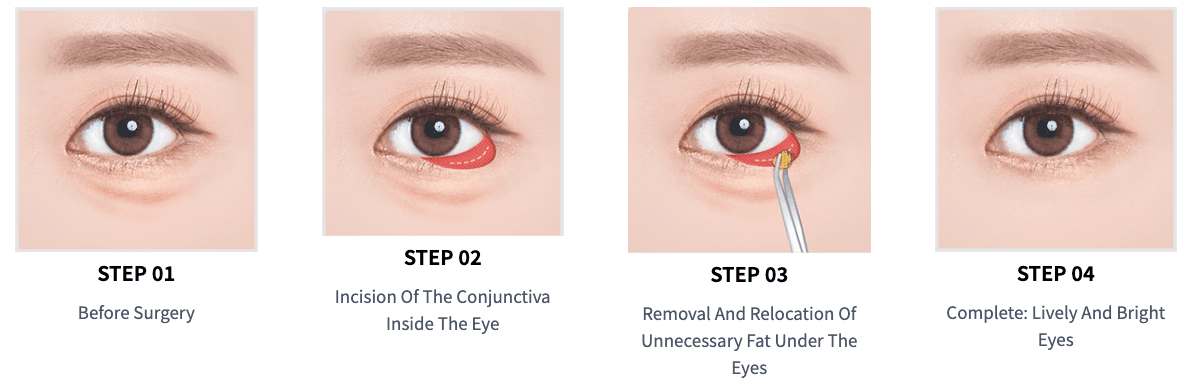
"Under Eye Fat Grafting" typically fills the tear trough below the eyes, while "Eyelid Fat Grafting" can address hollowness in the upper eyelid or the region beneath the eyebrow (superior sulcus). Some cases use the patient’s native eyelid fat (fat repositioning) rather than fat from elsewhere on the body (traditional grafting). The right approach depends on individual anatomy and surgical goals.
The Procedure: A Detailed Step-by-Step Breakdown
- Candidate Selection: Candidates for fat grafting are those with fat deficiency in the eye region, realistic expectations, and good general health. They must have enough donor fat and be willing to avoid smoking and certain medications.
- Fat Harvesting: Gentle liposuction removes fat—usually from the abdomen, thighs, or buttocks.
- Fat Processing: The fat is purified (washed, filtered, or spun) to maximize healthy cell survival. Nano fat transfer refers to an advanced, finer preparation for delicate areas.
- Injection Technique: The purified fat is injected in tiny droplets to ensure even distribution and minimize lumps, sculpting a natural contour.
- Anesthesia: Procedures can use intravenous sedation, local anesthesia with sedation, or general anesthesia, depending on patient needs.
Expected Recovery and Post-Procedure Care
Recovery is gradual, with swelling and bruising peaking in the first few days and subsiding over several weeks. By 3–6 months, results are stable. Standard recommendations include keeping the head elevated, using cold compresses, maintaining hydration and good nutrition, and following wound care instructions.
Table 2: Typical Recovery Timeline for Under Eye Fat Grafting
| Recovery Phase | Timeframe | Expected Symptoms/Changes | Key Care Instructions/Milestones |
|---|---|---|---|
| Immediate Post-Op | Day 0-3 | Maximum swelling/bruising; aching | Rest; cold compresses; head elevation |
| Early Recovery | Day 4-7 | Swelling/bruising subside | Resume gentle hygiene; light activities |
| Mid-Term Healing | Weeks 2-4 | Continued improvement | Return to non-strenuous work; daily life |
| Long-Term Integration | Months 1-6 | Contours refine; stable results | Continue aftercare; expect ~30% reabsorption |
Benefits of Fat Grafting for Sunken Eyes
Fat grafting stands out for its durability—many patients see results that last for years, even lifetime, with natural feel and appearance. Unique among fillers, autologous fat transfers stem cells that enhance skin quality, boosting collagen production and elasticity. As the treatment uses your own tissue, risks of allergic reaction are minimal. It’s effective for under-eye hollows, cheeks, and smoothing out fine lines and shadows.
Potential Risks, Complications, and Limitations
Like any surgical procedure, fat grafting carries risks—swelling, bruising, temporary numbness, rare lumpiness, unevenness, or a need for touch-up treatments. About 30% of fat may naturally be reabsorbed, which is factored into the initial surgical plan. Risks are minimized in the hands of an experienced surgeon.
Comparison: Autologous Fat Grafting vs. Dermal Fillers for Under-Eye Rejuvenation
Fat grafting lasts years and feels more natural, though recovery is longer and upfront costs higher. Dermal fillers are faster and less invasive but require repeated treatments, with more risk for unnatural puffiness if overused.
Table 3: Comparison: Under Eye Fat Grafting vs. Dermal Fillers
| Feature | Autologous Fat Grafting | Dermal Fillers |
|---|---|---|
| Longevity | Long-lasting, sometimes permanent | Temporary (6–18 months) |
| Material | Patient’s own fat | Synthetic (e.g., hyaluronic acid) |
| Naturalness | Very natural appearance | Can look puffy if overused |
| Skin Quality | Improves skin, adds collagen | No effect on skin quality |
| Allergic Risk | Minimal | Possible with synthetics |
| Recovery Time | 1–2 weeks | Minimal downtime |
| Cost-Effect | Higher upfront, more cost-effective over time | Lower upfront, higher long-term |
Navigating Medical Tourism for Periorbital Fat Grafting in South Korea
Why South Korea? Advantages for Cosmetic Procedures
South Korea is globally recognized for its advanced cosmetic surgery techniques, skilled surgeons, and high patient satisfaction. Innovations like minimally invasive approaches and unique procedures such as "Aegyo Sal" originated there. Clinics invest heavily in the latest tech such as 3D imaging, and adhere to rigorous safety standards—often at 40–75% less than comparable Western procedures. Many clinics specialize, with surgeons performing hundreds of the same procedures a year, boosting expertise. The support infrastructure is robust, featuring multilingual staff, medical tourism agencies, and "total care" services from arrival to post-op recovery.
The Medical Tourist Journey: A Step-by-Step Guide for Patients
- Pre-Travel Planning and Clinic Selection: Research clinics (e.g., JK Plastic Surgery Center, VG Plastic Surgery, SAERO Plastic Surgery, Onlif Plastic Surgery Korea) and consider using government-licensed medical tourism agencies like Beauty Hopper for free assistance and personalized recommendations. These agencies ensure direct consultation with your surgeon and help prevent “ghost surgery.”
- Financial Planning: Clinics require a 10% deposit to book surgery; payments can be made in local currency or major cards.
- Travel Logistics: Make sure your passport and visas are in order. Clinics or agencies arrange airport pickup, hotel stays, and local transportation.
- Pre-Op and Surgery: Undergo pre-op exam and detailed consultation. The procedure is done according to your treatment plan, followed by monitored recovery in a hospital setting.
- Post-Op Recovery: Expect to stay 7–14 days for follow-up care. Many all-inclusive packages cover accommodation, exams, surgery, follow-up care, and translation services. After returning home, agencies remain available for support.
Cost Analysis: Under Eye/Eyelid Fat Grafting in South Korea
Under-eye fat grafting typically costs ₩1,000,000–₂,000,000 KRW ($850–$1,700 USD). Broader facial fat transfer ranges average around $2,300, but can vary from $791 to $4,000 depending on clinic and complexity. These costs are lower than in the U.S. or Europe, and often include all medical and logistic services.
Table 4: Estimated Costs for Facial Fat Transfer: South Korea vs. Other Countries (USD)
| Country/Region | Facial Fat Transfer (USD) | Notes |
|---|---|---|
| South Korea | $791–$4,000 (avg. ~$2,297) | Advanced, all-inclusive packages |
| Turkey | From $2,250 (premium to $9,875) | Competitive, some package deals |
| USA | From $4,500 | Highest average costs |
| Thailand | From $5,280 | Premium packages available |
| Mexico | From $500 | Lowest entry cost |
Which Are the Best Clinics in Korea for Sunken Eyes?
Listed below are some of the best clinics in Korea for sunken eyes.
1. THEPLUS Plastic Surgery
For sunken-looking eyes, you can explore face fat grafting to restore fullness to hollow or flattened facial contours, alongside eyelid procedures that address excess tissue or drooping lids. The clinic’s approach emphasizes facial harmony and natural-looking balance rather than treating the eye area in isolation.
- URL: THEPLUS Plastic Surgery Website
- Location: Gangnam-gu, Seoul
- Relevant options:
- Face fat grafting transfers your own fat to facial areas needing volume, helping restore fullness and soften hollow contours.
- Blepharoplasty adjusts excess skin and tissue around the eyelids for a smoother, refreshed eye-area contour.
- Ptosis correction addresses drooping upper eyelids by correcting the muscles that open the eyes.
- Double-eyelid surgery is available to create an upper-lid crease matched to your facial features.
- Surgical perspective:
- Dr. Kim is a board-certified plastic surgeon with research recognition for 3D implants and a practice focused on rhinoplasty and facial contouring.
- Dr. Jeong is President of the Korean Society of Plastic Surgeons and emphasizes combining function with appearance in surgical planning.
2. Made Young Plastic Surgery
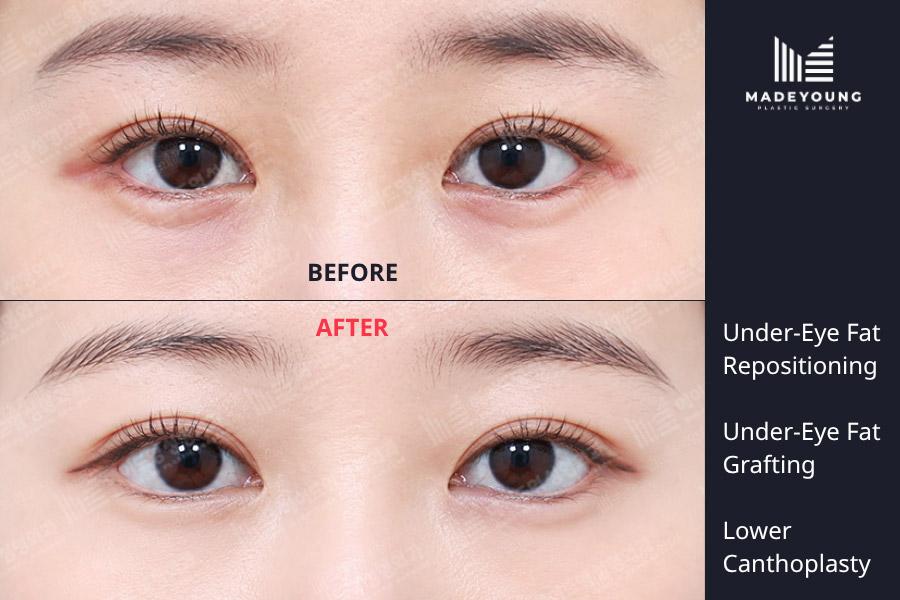
For a sunken or tired-looking eye area, you can discuss lower blepharoplasty and dark-circle treatments, which may involve fat repositioning or fillers depending on your concerns. Made Young also offers upper-eyelid and ptosis procedures when lid skin, fat, or eyelid position contributes to the overall appearance.
- URL: Made Young Plastic Surgery Website
- Location: Seocho-gu, Seoul
- Eye-area options:
- Lower blepharoplasty targets under-eye bags through fat removal or repositioning and may include skin tightening.
- Dark-circle treatment options listed include fillers, fat repositioning, and laser treatments.
- Upper blepharoplasty removes excess upper-lid skin and fat and may improve vision affected by overhanging skin.
- Ptosis correction tightens the muscle that lifts the eyelid, while incisional and non-incisional double-eyelid procedures are also available.
- Eye-surgery experience:
- Dr. Park Byung-Chan is described as having 15 years of experience dedicated exclusively to eye surgery.
- Your eye-surgery plan can be customized around incision lines, eyelid-crease height, lid thickness, and the overall eye shape sought.
- Safety and aftercare:
- Full-time board-certified anesthesiologists are on site, with one-to-one anesthetic monitoring and a cross-check process for emergencies.
- The clinic describes CCTV coverage during procedures and a separate dedicated aftercare center for post-procedure care.
3. LABOM Plastic Surgery
For sunken eyes caused by facial volume loss, LABOM offers autologous facial fat grafting, using purified fat from your own donor area to add volume to deficient facial areas. If your concern also involves sagging lids or under-eye changes, you can discuss blepharoplasty as part of a plan designed around your anatomy and degree of aging.
- URL: LABOM Plastic Surgery Website
- Location: Gangnam-gu, Seoul
- Volume restoration:
- Facial fat grafting harvests fat from areas such as the abdomen, thighs, or buttocks, purifies it by centrifugation, and injects it into volume-deficient facial areas.
- The procedure is presented as an autologous alternative to implants and can address overall facial volume loss, sunken foreheads, and deep nasolabial folds.
- Eyelid options:
- Blepharoplasty can address upper- and lower-eyelid sagging related to loss of skin elasticity, using an incisional approach for more significant excess skin or a less invasive natural-adhesion approach.
- Double-eyelid surgery is offered through non-incisional, micro-incision natural-adhesion, or full-incision techniques selected according to your eye characteristics; ptosis correction may be combined when appropriate.
- Planning and recovery support:
- A plastic-surgery specialist directly performs each procedure, with customized design based on facial anatomy, structure, and degree of aging.
- The clinic describes pre-operative diagnosis, anesthesia monitoring, regular progress checks, and individualized swelling, bruising, and scar-management plans.
- An aftercare system specifically designed for international visitors is available.
Patient Experiences and Outcomes: Addressing Sunken Eyes with Fat Grafting
Transformative Results: Before and After Perspectives
Case studies consistently show reversal of under-eye hollows and dark circles, plumping of cheeks, and smoothing of crow’s feet. Fat grafting is also effective in revision cases and for enhancing both lower and upper eyelids. Before-and-after images typically reveal a more youthful and refreshed look.
Addressing Specific Patient Concerns
Fat grafting not only fills hollows but also reduces eye bags and dark circles, while improving fine wrinkles and overall skin quality. Patients often notice brighter, fuller contours and softer skin thanks to the regenerative qualities of the transferred fat.
Patient Satisfaction and Long-Term Efficacy
Surveys show satisfaction rates topping 90%, with results remaining stable for years in most patients. The technique not only avoids ongoing treatments but often supports a long-lasting boost in self-image and confidence.
Realistic Expectations and Individual Variability
Outcomes depend on patient anatomy, skin quality, and adherence to aftercare instructions. Choosing a skilled, experienced surgeon is the single most important factor for optimal, natural results.
Conclusion
Sunken eyes are a multifaceted concern with causes ranging from age to trauma or medical conditions. Autologous fat grafting offers a natural and lasting solution, going beyond volume restoration to improve skin quality with regenerative properties. South Korea is an outstanding choice for this procedure thanks to advanced expertise, high value-to-quality ratio, and comprehensive medical tourism support. Patients should prioritize researching reputable clinics, using accredited agencies, and following all pre-and post-op instructions for the best results and smooth recovery.
Disclaimer
This guide is for informational purposes only. Always consult with a qualified healthcare provider for personalized advice. Treatment availability, costs, and protocols may change and should be confirmed directly with medical professionals or agencies.
References
1, 2, 3, 4, 5, 6, 7, 8, 9, 10, 11, 12, 13, 14, 15, 16, 17, 18, 19, 20, 21, 22, 23, 24, 25, 26
Frequently Asked Questions
Related Blogs
Fox Eye Surgery in Korea: Methods, Recovery, Risks and Travel Planning
Fox eye surgery may involve lateral canthopexy, canthoplasty, or a brow lift, selected after assessment of eyelid support, ocular surface health, and facial anatomy. The guide covers candidacy, recovery, travel planning for Korea, aftercare, alternatives, and urgent symptoms requiring in-person care.
Updated: Oct 21, 2026

Upper Blepharoplasty in Korea: Methods, Recovery, Risks, and Travel Planning
Upper blepharoplasty conservatively removes excess upper-lid skin and, when indicated, limited muscle or fat after assessment of ptosis, brow position, eyelid closure, and eye health. International patients should plan a 7–10-day stay in Korea, attend early follow-up, arrange flexible travel and aftercare, and seek urgent assessment for vision changes or severe swelling.
Updated: Oct 13, 2026
Lower Canthoplasty in Korea: Methods, Recovery, Risks, and Travel Planning
Lower canthoplasty includes lower-eyelid-lowering and lateral canthal techniques, with candidacy based on lid support, ocular-surface health, and realistic anatomical goals. International patients can find guidance on technique clarification, 8–10 day travel planning, follow-up, aftercare, and urgent eye symptoms.
Updated: Oct 13, 2026
Upper Canthoplasty in Korea: Methods, Recovery, Risks and Travel Planning
Upper canthoplasty releases or redrapes the upper-medial epicanthal fold to improve visibility of an upper-eyelid crease, often alongside double-eyelid surgery. The article covers candidacy, surgical approaches, recovery, aftercare, travel planning for Korea, and warning signs requiring urgent eye care.
Updated: Oct 13, 2026
Clinics offering Under Eye Fat Grafting

THEPLUS Plastic Surgery Korea | Eye, Nose, Face & Body Surgery
Sinsa

Made Young Plastic Surgery: Rejuvenating Aesthetic Excellence in Korea for Face Lifts, Contouring and More
Gangnam Station

LABOM Plastic Surgery: Expertise in Non-Surgical Nose, Facial Lifting & Anti-Aging Surgeries in Korea
Apgujeong

Okay Plastic Surgery Clinic in Korea: Comprehensive Aesthetic Procedures with Sincerity and Care
Cheongdam