
Medical Tourism Blog
Revolutionizing Midface Descent Treatment in Korea with Deep Plane Facelift Procedures

Table of contents
- The Deep Plane Facelift: A Comprehensive Medical Overview
- Navigating Your Deep Plane Facelift Journey in South Korea
- Which Are the Best Clinics in Korea for Midface Descent?
- Cost Analysis: Deep Plane Facelift in South Korea vs. Global Options
- Patient Perspectives: Real-World Experiences with Deep Plane Facelift for Midface Descent
- Conclusions
- References
Considering treatment in Korea? Everything you need to know e.g. — how to avoid scams, visas, interpreters, recovery tips — in our Medical Tourism Master Guide. Plan with confidence in minutes, not weeks!
Midface descent, also known as mid-face ptosis or malar descent, is a common age-related change in facial structure. It happens when the cheek fat pads and their supporting ligaments shift downward, which affects the youthful shape and volume of the midface. This process is driven by natural aging, gravity, and repeated facial movements that weaken key ligaments like the orbicularis retaining ligaments and the zygomaticocutaneous ligament. As these ligaments weaken, the malar fat pad, suborbicularis oculi fat (SOOF) pad, and lower eyelid gradually descend and shrink.
When looking for treatments, patients might come across terms related to midface descent or its effects. "Malar bags" are visible pockets of fat or fluid on the upper cheeks beneath the eyes, while "festoons" are more swollen versions of these bags. "Jowls" describe sagging along the lower jawline, often occurring when both midface and lower face tissues drop. A "tear trough deformity" appears as a hollow or groove under the eyes, becoming more noticeable with midface descent. "Deepened nasolabial folds" are the lines running from the nose to the mouth corners, which deepen with sagging. Additionally, "volume loss in the infraorbital region" contributes to a tired or hollow look beneath the eyes.
It’s important to distinguish midface descent from midface hypoplasia. Midface hypoplasia is a developmental condition where the midface is underdeveloped, often present from birth and sometimes affecting breathing. It requires different surgical treatments like midface advancement or implants. In contrast, midface descent is an acquired sagging due to aging.
The visible signs of midface descent—such as hollow cheeks, pronounced tear troughs, deep nasolabial folds, and jowls—can make a face look older and more tired. These changes often affect how people feel about themselves, impacting confidence and social interactions. Since patients usually experience a mix of these issues, treatment often needs to be customized and comprehensive.
Midface descent rarely occurs alone; it’s part of a larger facial aging process that often starts with laxity in the lower face. This means that focusing only on the midface might not give the best results. For example, the American Society of Plastic Surgeons notes that lower face aging often appears before midface descent, raising doubts about the effectiveness of a midface lift alone. A skilled surgeon will assess the whole face and may recommend a procedure like the Deep Plane Facelift, which addresses both midface and lower face concerns together. This holistic approach helps set realistic expectations and leads to natural, balanced results rather than partial fixes.
The Deep Plane Facelift: A Comprehensive Medical Overview
The Deep Plane Facelift (DPFL) is a sophisticated surgical technique designed to tackle advanced facial aging signs. What sets it apart is its focus on deeper facial layers, especially the Superficial Musculoaponeurotic System (SMAS) and deep facial fat pads. Unlike traditional facelifts that mainly tighten skin or superficially adjust the SMAS, the DPFL involves careful dissection beneath the SMAS. This allows the surgeon to release the retaining ligaments that hold the SMAS and overlying tissues in place. By freeing these structures, the entire SMAS layer, along with deep fat pads, muscles, and sometimes salivary glands, can be lifted and repositioned as one unit. This method directly addresses the root causes of sagging, restoring midface volume, eliminating jowls, and smoothing the cheeks, jawline, and neck for a youthful, natural look.
The main difference between the Deep Plane Facelift and traditional facelifts lies in the layers targeted and how the lift is achieved. The DPFL repositions deeper tissues like the SMAS, fat pads, and ligaments, while traditional facelifts often focus on pulling the skin or superficially tightening the SMAS without releasing deeper attachments.
Advantages of the Deep Plane Facelift include more natural results, avoiding the stretched or "overpulled" look sometimes seen with skin-focused facelifts. By restoring foundational structures, the DPFL preserves facial expressions and identity. Its results are also longer-lasting, often 10 years or more, depending on genetics and lifestyle. The procedure rejuvenates the midface, jowls, and neck comprehensively.
This technique marks a major advancement in facial rejuvenation by focusing on anatomical restoration rather than just surface tightening. By repositioning the SMAS, deep fat pads, and ligaments, the DPFL "resets" these tissues to a youthful position without stressing the skin. Traditional methods that pull only the skin create unnatural tension and shorter-lasting results. The DPFL’s ability to lift the entire mobile facial unit as one, while releasing ligaments, leads to authentic, harmonious rejuvenation that maintains natural facial dynamics.
To understand why the DPFL works so well, it helps to know the key facial layers: the outer skin, subcutaneous fat that adds fullness, the SMAS (a fibrous and muscular layer crucial for facial movement), deep facial fat pads that support midface volume, facial muscles controlling expressions, and the bone structure forming the facial framework. Aging causes skin to lose elasticity, fat pads to shrink and descend, the SMAS to loosen, muscles to change, and bone to resorb. The DPFL counters these by lifting and repositioning the SMAS and deep fat pads to their youthful spots.
The Deep Plane Facelift restores midface volume, reduces jowls and deep creases like nasolabial folds, tightens sagging skin, defines the jawline and chin, and refreshes overall facial contours. It can be combined with eyelid surgery (blepharoplasty) or brow lifts for fuller rejuvenation. Ideal candidates show advanced aging signs such as midface sagging, prominent jowls, and neck laxity, usually between their 40s and 70s, but candidacy depends more on tissue condition than age. Good health and realistic expectations are essential. Risks include infection, bleeding, scarring, nerve injury, and asymmetry, but these are minimized with experienced surgeons. Results typically last up to 10 years or more, influenced by genetics and lifestyle.
| Feature | Deep Plane Facelift | Traditional Facelift |
|---|---|---|
| Targeted Layers | Deeper tissues: SMAS, deep fat pads, retaining ligaments | Skin and superficial tissue layers, or superficial SMAS |
| Mechanism of Lift | Dissection below SMAS, releasing ligaments, lifting entire mobile unit as one | Lifts skin; may superficially tighten SMAS |
| Result Appearance | Natural, harmonious, avoids "overpulled" look | Can appear "pulled" or less natural |
| Longevity of Results | Longer-lasting, typically 10+ years | Shorter-lasting, underlying descent not fully addressed |
| Comprehensive Rejuvenation | Addresses midface, jowls, and neck comprehensively | Primarily midface and jowls; less neck improvement |
This comparison helps patients understand why the Deep Plane Facelift is often preferred for midface descent and overall facial aging. It clarifies the anatomical and procedural reasons behind its superior, natural, and durable results.
Navigating Your Deep Plane Facelift Journey in South Korea
For international patients, South Korea offers a well-organized medical tourism experience for the Deep Plane Facelift, guided by agencies that support a smooth, multi-phase process.
Phase 1: Pre-Departure Planning starts with a remote consultation, usually via video call, to discuss goals, assess suitability, and provide a treatment plan and cost estimate. Agencies help select reputable clinics and board-certified surgeons, advise on verifying credentials, and encourage reviewing before-and-after photos and testimonials. They assist with scheduling consultations and surgery dates, visa applications, flights, and accommodation near the clinic. Patients receive pre-surgery instructions like stopping smoking 7-14 days before, avoiding blood thinners and alcohol, dissolving dermal fillers if needed, continuing prescribed meds, showering on surgery day, and wearing loose clothing.
Phase 2: Arrival and Treatment includes airport pickup and hotel check-in, often arranged by the agency. An in-person consultation with the surgeon confirms the plan and customizes the "designer facelift" approach. Translation services are usually available. The Deep Plane Facelift is performed under general anesthesia or local sedation in an accredited operating room. Incisions are discreetly placed in the hairline, around the ears, temples, and sometimes under the chin. The surgeon carefully dissects below the SMAS, releases retaining ligaments, lifts the SMAS, fat pads, and muscles as one unit, and repositions them to youthful locations, often anchoring them to facial bones. Neck muscles (platysma) may be tightened, and excess fat removed or redistributed. Skin is redraped and trimmed without tension, and incisions closed with fine stitches or glue. Temporary drains may be used. Hospitalization is usually not required unless combined with longer procedures.
Phase 3: Post-Treatment and Departure involves a recommended stay of about 14 days for healing, monitoring, and stitch removal. Some clinics offer in-house accommodation and advanced recovery therapies like hyperbaric oxygen and daily laser treatments, plus practical services such as daily shampooing. Post-op care instructions include wearing compression garments, keeping the head elevated, avoiding strenuous activity, and gentle skincare. Stitches are removed within 7-14 days. Agencies arrange airport transport and often provide online follow-up support after patients return home.
Recovery is often surprisingly quick and manageable. Patients wear bandages and keep their head elevated immediately after surgery. Many can wash their hair the next day and resume light activities or public transport within 3-4 days. Bruising and swelling reduce significantly by stitch removal time, allowing a comfortable return to social life. Pain is minimal or absent, even for those sensitive to pain. Enhanced post-op care services in Korean clinics are highly praised and likely contribute to faster, more comfortable healing.
South Korea’s medical tourism system offers comprehensive support beyond surgery, including logistics, language assistance, and advanced recovery treatments. This holistic approach reduces common anxieties about international medical travel and creates a superior patient experience, turning a potentially stressful journey into a well-managed, reassuring process.
Which Are the Best Clinics in Korea for Midface Descent?
Listed below are some of the best clinics in Korea for midface descent.
1. THEPLUS Plastic Surgery
For midface descent, you can discuss a surgical facelift at THEPLUS Plastic Surgery to lift and reposition sagging facial tissue, with facial fat grafting available when lost midface volume or hollow contours are also a concern. The clinic frames facial treatment around balanced proportions and maintaining natural expression.
- URL: THEPLUS Plastic Surgery Website
- Location: Gangnam-gu, Seoul
- Lifting and volume options:
- Facelift treatment is described as lifting and repositioning sagging facial tissue to improve facial contours.
- Thread lifting uses dissolvable threads for mild sagging when you are considering a less invasive lifting approach.
- Face fat grafting uses your own fat to restore fullness in areas with hollow or flattened contours.
- Facial planning:
- The clinic offers full-face contouring, cheekbone surgery, chin surgery, and facial implants, which may be relevant if you are also evaluating facial structure and overall proportion.
- Dr. Kim is a board-certified plastic surgeon whose stated areas of expertise include facial contouring; his research has received awards for 3D implants.
- Practice approach:
- Dr. Kim’s stated approach emphasizes harmony among facial features and enhancement of existing features.
- The clinic describes a focus on personalized aesthetic care, safety, research, and specialized surgical expertise.
2. id Hospital Korea
For midface descent, you may consider id Hospital Korea if you want an evaluation within a clinic that lists lifting among its facial treatment services and describes its approach as customized, safety-oriented care with systematic post-care.
- URL: id Hospital Korea Website
- Location: Gangnam-gu, Seoul
- Related services:
- Listed treatment areas include lifting, facial contouring, eye and nose plastic surgery, skin-clinic care, and petit plastic surgery.
- The clinic also lists orthognathic surgery, breast surgery, and dentistry among its services.
- Care approach: The clinic describes its plastic-surgery planning as customized and patient-safety-oriented, with systematic post-care.
3. LiMO Plastic Surgery Clinic
For midface descent, you can explore LiMO Plastic Surgery Clinic’s facelift and Mini-SMAS lift options, which are described as addressing sagging facial tissue and deeper SMAS-layer support; facial fat grafting can also be considered for cheek or under-eye volume loss. The clinic specializes in anti-aging procedures and emphasizes individualized planning for natural-looking rejuvenation.
- URL: LiMO Plastic Surgery Clinic Website
- Location: Seoul
- Lifting options:
- Facelift surgery is described as lifting and tightening sagging facial tissue through incisions near the ears, with adjustment of deep layers and buccal fat to refine the jawline.
- The Mini-SMAS lift targets the skin and SMAS layer through hidden incisions and is presented as a faster-recovery option than a full facelift.
- Absorbable thread lifting is available for a minimally invasive approach to lifting sagging tissue and improving facial contours; thread selection is individualized.
- Midface volume and eye-area care:
- Facial fat grafting transfers purified fat to areas such as the cheeks and under-eyes; the clinic describes PRP enrichment and advanced placement techniques as part of this service.
- Lower blepharoplasty and transconjunctival fat repositioning are available for under-eye bags, hollowness, and lower-eyelid aging concerns.
- Clinical approach:
- The clinic states that its surgical team consists of board-certified plastic surgeons.
- Procedures are described as tailored through consultation, with an emphasis on safety and natural aesthetic outcomes.
Cost Analysis: Deep Plane Facelift in South Korea vs. Global Options
South Korea offers highly competitive pricing for the Deep Plane Facelift, combining advanced care with affordability. Costs range from about $8,000 to $13,000 USD on average, with some sources citing $11,000–$14,000 USD, and premium packages reaching up to $30,000 USD depending on surgeon experience and inclusions. These prices usually cover pre-op consultations, surgery, anesthesia, and initial post-op care.
Additional expenses include a deposit (around 10%), travel and accommodation for a 9-15 day stay, local transportation, prescribed medications, and possibly visa fees. Combining the DPFL with other procedures like neck lifts or blepharoplasty increases costs by $3,000 to $7,000 or more per procedure.
Compared to Western countries, South Korea offers significant savings. In the USA, DPFL costs range from $15,000 to $30,000 USD, with general facelifts averaging $17,500–$50,000 USD, excluding travel and post-op care. The UK sees similar fees ($17,000–$26,500 USD for DPFL). Other medical tourism hubs like Thailand ($5,500–$11,800 USD), Turkey ($6,000–$14,000 USD), and Mexico ($5,500–$13,000 USD) offer competitive or lower prices, often with comprehensive packages.
South Korea’s "all-inclusive" packages bundle many services—consultations, surgery, anesthesia, post-op care, medications, accommodation, and transfers—reducing hidden costs and logistical hassles. This transparency and convenience make the overall expense more predictable and affordable compared to fragmented costs in Western countries.
Factors influencing cost include surgeon expertise, clinic reputation, facility quality, geographic location, facelift technique, additional procedures, and anesthesia type. Facelifts are cosmetic and typically not covered by insurance or HSAs/FSAs unless medically necessary.
| Location | Average DPFL Cost Range (USD) | Typical Inclusions | Notes for Medical Tourists |
|---|---|---|---|
| USA | $15,000–$30,000 | Surgeon’s fee, facility fees, anesthesia, operating room costs | Travel, accommodation, and extensive post-op care usually not included, adding significant extra costs. |
| UK | $17,000–$26,500 | Surgeon’s fee, facility fees, anesthesia, operating room costs | Similar to USA, additional travel and post-op care costs apply. |
| South Korea | $8,000–$30,000 | Pre-op consultations, surgery, anesthesia, initial post-op care; often agency support, transfers, accommodation, recovery treatments | Competitive pricing with high-quality care and comprehensive support, reducing out-of-pocket expenses. |
| Thailand | $5,500–$11,800 | Often all-inclusive: consultations, post-op care, blood tests, medications, compression garments, accommodation, transfers | Among the most affordable with comprehensive packages. |
| Turkey | $6,000–$14,000 | Often all-inclusive: consultations, post-op care, blood tests, medications, compression garments, accommodation, transfers | Major medical tourism hub with high success rates and JCI-accredited facilities. |
| Mexico | $5,500–$13,000 | Often all-inclusive: consultations, post-op care, blood tests, medications, compression garments, accommodation, transfers |
This comparison helps medical tourists understand the true cost and value differences between countries, emphasizing the benefits of all-inclusive packages in South Korea.
Patient Perspectives: Real-World Experiences with Deep Plane Facelift for Midface Descent
Patients who have had Deep Plane Facelifts, especially in South Korea, report very high satisfaction. They describe results as "really satisfying" and "very different from general facelift surgery," praising the natural, refreshed look without an overdone or pulled appearance. Many say they "couldn’t be happier" and "would totally recommend" the procedure and surgeons.
A standout theme is the surprisingly quick and manageable recovery. Patients often experience minimal to no pain, even those sensitive to discomfort, with swelling and bruising fading rapidly. Many can wash their hair the day after surgery and resume light activities or public transport within 3-4 days. Stitches are removed by day 7, and patients feel comfortable returning to social life soon after. Enhanced post-op care like laser and oxygen treatments and shampoo services are highly valued and likely speed healing. Temporary numbness, such as in the forehead, is common but usually resolves within months.
The Deep Plane Facelift is praised for producing natural results by repositioning deeper structures rather than just tightening skin. Patients report their faces feel firm and lifted, effectively addressing midface descent issues like cheek volume loss, under-eye hollows, and jowls.
Conclusions
Midface descent involves the downward shift of cheek fat pads and ligaments, causing visible aging signs like jowls, tear troughs, and deepened nasolabial folds. Because these changes are interconnected, effective facial rejuvenation often requires addressing multiple facial areas, not just isolated spots.
The Deep Plane Facelift offers a highly effective solution by repositioning deeper facial structures beneath the SMAS layer, directly tackling the root causes of sagging. This leads to natural, long-lasting results that restore midface volume, reduce jowls, and tighten skin, often lasting a decade or more.
South Korea stands out as a top destination for this procedure, thanks to its advanced medical tourism infrastructure, comprehensive patient support, and competitive pricing with all-inclusive packages. Patients benefit from seamless care, fast recovery, and high satisfaction.
For those considering treatment, it’s important to seek a thorough facial assessment, prioritize experienced surgeons skilled in the Deep Plane Facelift, evaluate the full value of medical tourism packages, and maintain realistic expectations about recovery and outcomes.
References
Frequently Asked Questions
Related Blogs
Renuvion in Korea: Methods, Recovery, Risks, and Travel Planning
Renuvion uses helium-plasma radiofrequency energy beneath the skin, alone or after liposuction, to address mild-to-moderate localized laxity; Dermal resurfacing treats surface wrinkles with an external ablative handpiece. The article covers candidacy, alternatives, preparation, recovery, risks, Korea travel planning, and the need for surgeon clearance before flying.
Updated: Oct 13, 2026
Temporal Lift in Korea: Methods, Recovery, Risks and Travel Planning
A temporal lift elevates the outer brow through temporal scalp incisions, using open, subcutaneous, endoscopic, or combined techniques chosen for brow position, hairline, and eyelid anatomy. The article covers candidate screening, Korea facility and surgeon verification, a 10–14-day stay, recovery restrictions, aftercare, warning signs, and alternatives such as forehead lift, blepharoplasty, and p
Updated: Oct 13, 2026
Premature aging face treatment in Korea: Face Lift options for younger-looking skin
Early onset facial laxity and wrinkles are rising among 30s–40s. Our Korea medical tourism guide explains rhytids and how a rhytidectomy (face lift) can refresh the lower face and neck. Explore options: Deep Plane Facelift, SMAS Facelift, Mini Facelift, Lower Facelift and Neck Lift, plus non-surgical adjuncts. Learn candidacy, recovery timelines, costs, certifications, and tips for planning surger
Updated: Oct 12, 2026

Brow Ptosis in Korea: Forehead Lift and Subbrow Lift Treatment Options
Thinking about Brow Ptosis surgery in Korea? This expert guide explains diagnosis, functional vs cosmetic concerns, and compares a Forehead Lift with a Subbrow Lift—indications, scars, recovery, and costs. It maps the South Korea medical tourism journey (planning, visas, surgery day, follow-ups), highlights surgeon credentials and safety, and shares real outcomes, risks, and patient stories so you
Updated: Oct 12, 2026
Clinics offering Deep Plane Face Lift

THEPLUS Plastic Surgery Korea | Eye, Nose, Face & Body Surgery
Sinsa
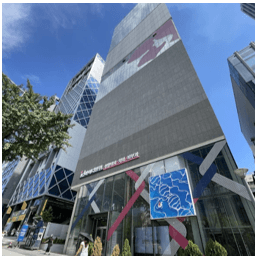
ID Hospital - Main Branch in Korea: Specializing in Safe & Customized Facial Plastic Surgery and Post-Care Services
Sinsa

Jeio Plasticsurgery Korea: Expert Cosmetic & Plastic Surgery Clinic in Seomyeon**Alternative SEO Titles:** - Jeio Plasticsurgery Korea – Leading Cosmetic Surgery & Rhinoplasty Clinic in Seomyeon - Jeio Plasticsurgery Korea: Premier Plastic & Aesthetic Surgery Center in Seomyeon - Jeio Plasticsurgery Korea | Best Rhinoplasty, Eye, and Anti-Aging Procedures in Seomyeon - Jeio Plasticsurgery Korea: Top Facial Contouring & Beauty Clinic in SeomyeonLet me know if you’d like a tailored meta description as well!
Seomyeon

Dr Tak Plastic Surgery Korea: Advanced Facial, Eye, Nose, Anti-Aging & Body Procedures in Seoul
Seocho