
Medical Tourism Blog
Korea Blepharoplasty for Loose Eyelid Skin: Effective Solutions to Rejuvenate Your Eyes
Table of contents
- Blepharoplasty: The Surgical Solution
- Considering Blepharoplasty in South Korea
- Which Are the Best Clinics in Korea for Loose Eyelid Skin?
- Real-Life Impact: Patient Experiences with Blepharoplasty
- Conclusion
- References
Considering treatment in Korea? Everything you need to know e.g. — how to avoid scams, visas, interpreters, recovery tips — in our Medical Tourism Master Guide. Plan with confidence in minutes, not weeks!
If you've noticed your eyelid skin becoming loose or saggy, it's helpful to understand what’s happening and what can be done about it. This article explains "loose eyelid skin," medically called dermatochalasis, and explores blepharoplasty, a surgical procedure that can help improve this condition.
Loose eyelid skin corresponds to dermatochalasis, a condition where excess, sagging skin appears on the eyelids. It’s a common sign of aging, especially in middle-aged and older adults. While it’s more noticeable on the upper eyelids, the lower eyelids can also be affected. This matters because the effects and treatment goals differ: excess upper eyelid skin can sometimes block vision, while lower eyelid changes are usually cosmetic.
People often call this condition "baggy eyes" or "droopy eyelids," but it’s important to distinguish dermatochalasis from ptosis. Ptosis is the drooping of the upper eyelid caused by muscle weakness, not excess skin. Sometimes, a person can have both conditions at once. Knowing the difference helps in choosing the right treatment.
The main cause of loose eyelid skin is aging around the eyes. Over time, the connective tissues weaken and skin loses elasticity, while gravity pulls the skin downward, causing the upper eyelids to hood. Genetics also play a big role in who develops dermatochalasis. Other factors include higher body mass index, being male, lighter skin, smoking, eye trauma, systemic diseases like connective tissue disorders or Graves’ disease, a rare inflammatory condition called blepharochalasis, and previous eye surgeries. Chronic eye rubbing and environmental factors such as sun exposure and poor skincare can speed up skin aging, worsening the condition. These combined factors explain why some people experience loose eyelid skin more than others.
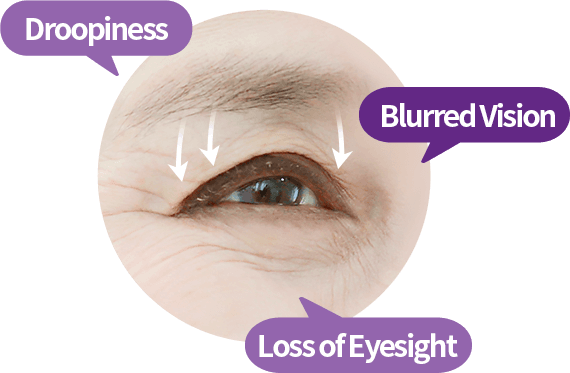
Symptoms vary depending on severity and whether the upper or lower eyelids are involved. Excess upper eyelid skin can droop over the eyelid margin, reducing peripheral vision (called lateral hooding). Many feel heaviness or tiredness around their eyes, dull brow aches, or even central vision interference if skin or lashes block sight. Some notice shadows in their vision or mild skin irritation (dermatitis) in skin folds due to trapped moisture. Cosmetically, upper eyelid dermatochalasis can make the face look tired. Lower eyelid involvement usually causes cosmetic concerns like "bags" under the eyes but can also cause dermatitis from sweat or discomfort wearing glasses. Excess skin may prevent full eye opening or proper eyelid closure during sleep, leading to dry eye symptoms. Eyelid skin resting on eyelashes or lashes interfering with vision can also occur. These symptoms show dermatochalasis affects both appearance and vision.
Here’s a quick comparison between ptosis and dermatochalasis:
| Feature | Ptosis | Dermatochalasis |
|---|---|---|
| Definition | Drooping of upper eyelid due to muscle weakness | Excess, loose, or sagging skin on eyelids |
| Primary Cause | Weakening or dysfunction of levator muscle | Loss of skin elasticity from aging |
| Key Symptom | Low eyelid margin, possibly covering pupil | Excess skin folds on eyelid |
| Primary Treatment | Ptosis repair surgery (muscle tightening/repositioning) | Blepharoplasty (removal of excess skin and fat) |
Blepharoplasty: The Surgical Solution
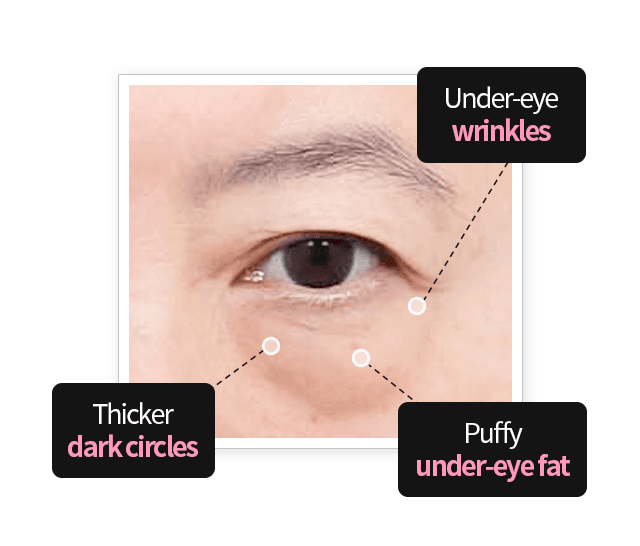
Blepharoplasty, or eyelid lift surgery, corrects sagging or drooping eyelids by removing extra skin, muscle, and sometimes fat. It aims to improve eyelid appearance—making eyes look more rested and youthful—and can also restore vision if dermatochalasis is severe. People choose blepharoplasty for cosmetic reasons or to fix vision problems.
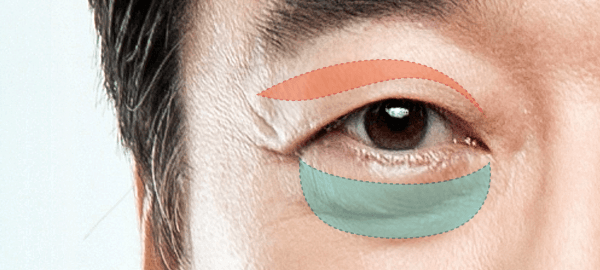
There are different types depending on which eyelids are treated. Upper eyelid blepharoplasty removes excess skin and fat, often improving upper peripheral vision and reducing a tired look. Lower eyelid blepharoplasty mainly targets fat bulges and excess tissue to reduce "bags" and smooth the area. Many patients have both upper and lower eyelid surgery together for a fuller rejuvenation. The approach depends on individual needs and surgeon evaluation.
Surgeons plan blepharoplasty carefully to hide scars. For upper eyelids, incisions are made in the natural eyelid crease, making scars nearly invisible once healed. Through these cuts, excess skin and fat are removed. Lower eyelid incisions are placed just below the lash line or inside the eyelid (transconjunctival approach), the latter leaving no visible scar and used mainly when fat removal is the goal. Blepharoplasty is usually outpatient, done under local anesthesia with sedation, lasting 1–2 hours depending on the extent. After tissue removal, incisions are closed with fine sutures, typically removed within 1–2 weeks.
Like any surgery, blepharoplasty carries risks. Common side effects include swelling, bruising, and temporary discomfort. Dry eye can occur, usually temporary but sometimes persistent. Less common risks are infection, bleeding, altered eyelid sensation, and difficulty fully closing the eyes (lagophthalmos). Rarely, vision problems or need for additional surgery arise. It’s vital to discuss risks and expectations thoroughly with your surgeon before proceeding.
Recovery is generally manageable. Swelling and bruising fade within 1–2 weeks. Cold compresses and pain meds help ease discomfort. Most return to work and daily activities within 7–10 days. Full healing and final results may take weeks or months as swelling resolves and tissues settle. Scars fade over time and are usually well-hidden. Results typically last long, giving a refreshed, youthful eye appearance.
Considering Blepharoplasty in South Korea
South Korea is a popular destination for blepharoplasty, especially for international patients. The process usually starts with researching reputable clinics specializing in oculoplastic surgery with experienced surgeons. Many offer online consultations to discuss goals remotely. After choosing a clinic, patients arrange travel, visas, flights, and accommodation. Upon arrival, pre-op assessments and in-person consultations finalize the surgical plan. The procedure is performed, followed by post-op care instructions. Patients often stay in South Korea for follow-up visits, with further check-ins done remotely or locally after returning home.
South Korea’s reputation in cosmetic surgery is strong. Surgeons there have extensive experience and perform many blepharoplasties, which can lead to refined techniques and excellent results. Costs are often competitive compared to other countries, offering affordable care without sacrificing quality. Facilities use advanced technology and maintain high care standards. The cultural focus on aesthetics drives surgeons to achieve natural, satisfying outcomes. While specific benefits of blepharoplasty in South Korea aren’t detailed here, the country’s standing as a cosmetic surgery hub suggests these advantages. Still, thorough research and careful consideration of international medical travel are essential before deciding.
Which Are the Best Clinics in Korea for Loose Eyelid Skin?
Listed below are some of the best clinics in Korea for loose eyelid skin.
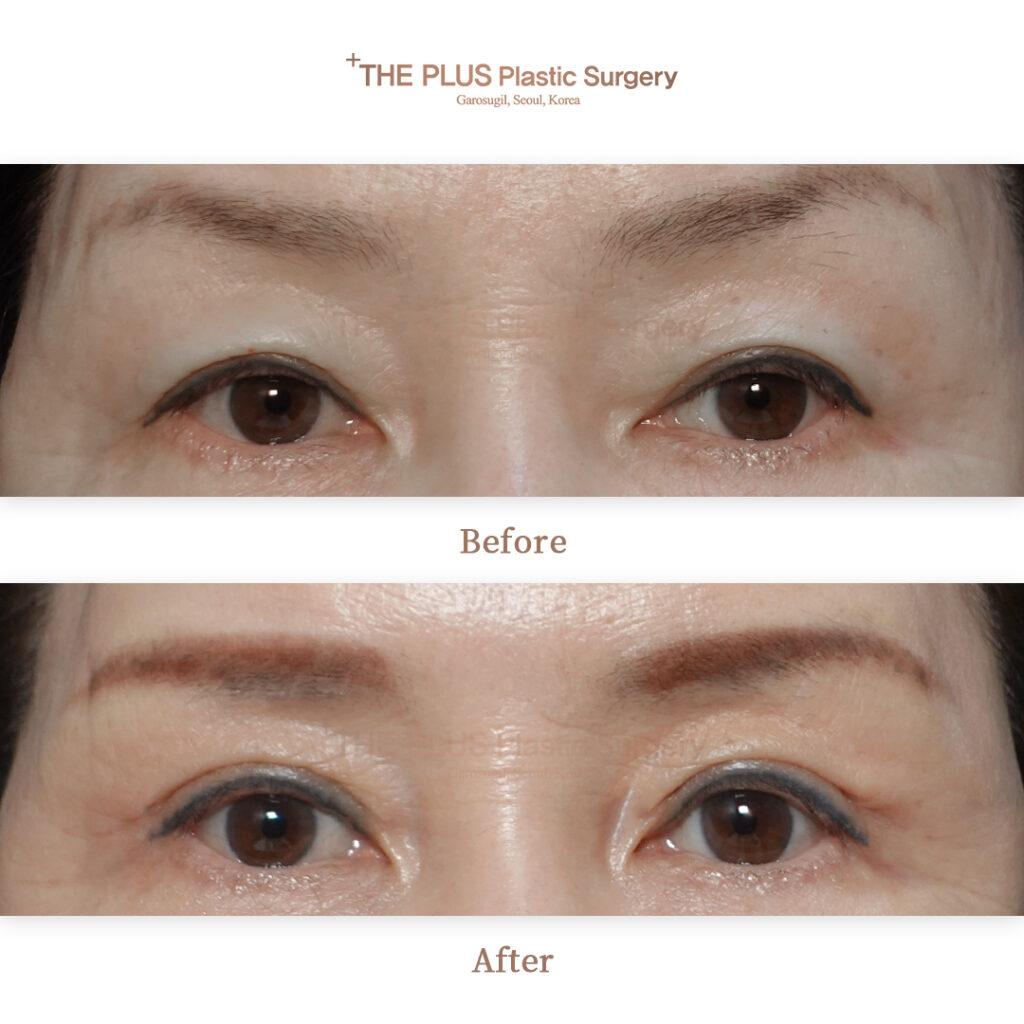
1. THEPLUS Plastic Surgery
You may consider THEPLUS Plastic Surgery for loose eyelid skin if you are looking for blepharoplasty that removes or adjusts excess eyelid skin and tissue to create a smoother, refreshed eye contour, with double-eyelid surgery and ptosis correction also available when your eyelid crease or lid-opening muscle needs assessment.
- URL: THEPLUS Plastic Surgery Website
- Location: Gangnam-gu, Seoul
- Eyelid options:
- Blepharoplasty addresses excess skin and tissue around the eyelids.
- Double-eyelid surgery creates a defined upper-lid crease designed to suit your facial features.
- Ptosis correction targets drooping upper eyelids by correcting the muscles that open the eyes.
- Practice approach:
- The clinic describes a personalized approach focused on facial harmony and natural-looking enhancement.
- Its surgeons include board-certified plastic surgeons, and the practice emphasizes research and specialized surgical expertise.
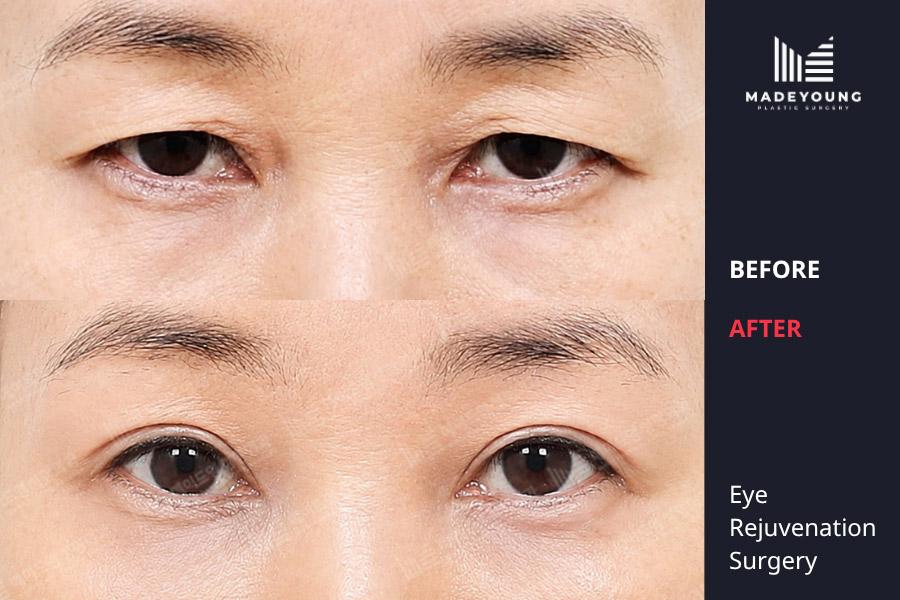
2. Made Young Plastic Surgery
You may consider Made Young Plastic Surgery for loose eyelid skin if you want upper blepharoplasty to remove excess upper-eyelid skin and fat, with planning by an eye-surgery-focused surgeon who customizes incision lines, crease height, eyelid thickness, and your overall eye shape.
- URL: Made Young Plastic Surgery Website
- Location: Seocho-gu, Seoul
- Procedure details:
- Upper blepharoplasty is offered to remove excess skin and fat from the upper eyelids and may improve a restricted visual field as well as eyelid appearance.
- Incisional double-eyelid surgery can create a permanent crease while allowing tissue removal or rearrangement.
- Ptosis correction is available when drooping is related to the muscle that lifts the eyelid.
- A sub-brow lift is also offered for laxity immediately above the eyebrow and upper eyelid.
- Eye-surgery experience:
- Dr. Park Byung-Chan is described as having 15 years of experience exclusively in eye surgery.
- The clinic states that the medical team provides direct consultation and diagnosis before a procedure.
- Safety and aftercare:
- Full-time board-certified anesthesiologists are on site, with one-to-one anesthesiologist monitoring and a cross-check system for emergencies.
- The clinic reports full CCTV coverage of procedures and a dedicated aftercare center.
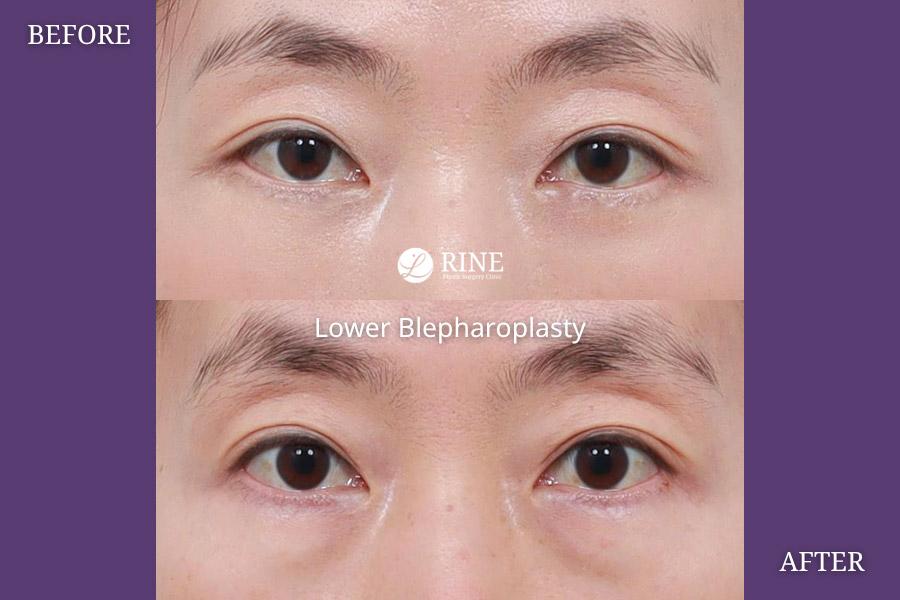
3. RINE Plastic Surgery Clinic
You may consider RINE Plastic Surgery Clinic for loose eyelid skin if you want an upper blepharoplasty tailored to the degree of hooding and heaviness, with excess upper-lid skin and fat addressed through an incisional or non-incisional approach intended to preserve a natural eye contour.
- URL: RINE Plastic Surgery Clinic Website
- Location: Seocho-gu, Seoul
- Procedure details:
- Upper blepharoplasty is offered in incisional and non-incisional forms depending on the degree of eyelid sagging.
- A sub-brow lift can remove skin beneath the brow to improve a heavy or drooping brow line while maintaining brow position.
- Ptosis correction is available when lid drooping limits iris exposure.
- For lower-lid concerns, lower blepharoplasty with lifting addresses sagging skin, fat herniation, and reduced midface support.
- Surgeon continuity:
- Board-certified plastic surgeon Director Jang Nam personally handles consultation, surgery, and recovery.
- The clinic reports more than 10,000 eye surgeries personally performed by its director and over 15 years of clinical experience in eye surgery and anti-aging procedures.
- Planning and recovery:
- Your plan is based on one-to-one line design that considers facial proportions, skin condition, and individual features.
- The clinic reports a continuous aftercare system, advanced infection control, strict surgical safety protocols, emergency preparedness, and private one-person recovery rooms.
Real-Life Impact: Patient Experiences with Blepharoplasty
Patients who have had blepharoplasty for loose eyelid skin often report major improvements in both function and appearance. Those with upper eyelid dermatochalasis blocking vision notice clearer peripheral and sometimes central sight after surgery, as excess skin is removed. Many feel relief from heaviness or tiredness around their eyes and experience fewer brow aches caused by straining to lift drooping lids. If excess skin made wearing glasses uncomfortable, surgery often resolves this. These functional benefits help with daily tasks like reading, driving, and computer use, boosting quality of life.
Cosmetically, blepharoplasty creates a younger, refreshed, and more alert look by removing excess skin and puffiness. Patients often feel less self-conscious and gain confidence. The surgery can redefine the eye area, making it appear more open and vibrant, and improve wrinkles and fine lines around the eyelids. This positive change in appearance often leads to better self-image and satisfaction.
Together, improved vision, enhanced looks, and increased confidence greatly improve overall quality of life. Better vision makes hobbies and activities easier and more enjoyable, increasing independence. Feeling good about appearance can improve social interactions and well-being. Relief from physical discomfort like brow aches also enhances daily comfort. Patient stories show blepharoplasty addresses both physical and emotional effects of loose eyelid skin, helping people live more comfortably and confidently.
Conclusion
Loose eyelid skin, or dermatochalasis, is a common aging-related condition causing excess, sagging eyelid skin that can affect appearance and vision. Blepharoplasty effectively removes this excess tissue to restore a youthful look and improve function. Consulting a qualified oculoplastic surgeon is key to choosing the right treatment. South Korea offers skilled surgeons and competitive options for those considering surgery abroad. Overall, blepharoplasty can significantly enhance vision, appearance, and quality of life for those affected by loose eyelid skin.
References
1, 2, 3, 4, 5, 6, 7, 8, 9, 10, 11, 12, 13, 14, 15, 16, 17, 18, 19, 20, 21, 22, 23, 24, 25, 26, 27, 28
Frequently Asked Questions
Related Blogs
Fox Eye Surgery in Korea: Methods, Recovery, Risks and Travel Planning
Fox eye surgery may involve lateral canthopexy, canthoplasty, or a brow lift, selected after assessment of eyelid support, ocular surface health, and facial anatomy. The guide covers candidacy, recovery, travel planning for Korea, aftercare, alternatives, and urgent symptoms requiring in-person care.
Updated: Oct 21, 2026

Upper Blepharoplasty in Korea: Methods, Recovery, Risks, and Travel Planning
Upper blepharoplasty conservatively removes excess upper-lid skin and, when indicated, limited muscle or fat after assessment of ptosis, brow position, eyelid closure, and eye health. International patients should plan a 7–10-day stay in Korea, attend early follow-up, arrange flexible travel and aftercare, and seek urgent assessment for vision changes or severe swelling.
Updated: Oct 13, 2026
Lower Canthoplasty in Korea: Methods, Recovery, Risks, and Travel Planning
Lower canthoplasty includes lower-eyelid-lowering and lateral canthal techniques, with candidacy based on lid support, ocular-surface health, and realistic anatomical goals. International patients can find guidance on technique clarification, 8–10 day travel planning, follow-up, aftercare, and urgent eye symptoms.
Updated: Oct 13, 2026
Upper Canthoplasty in Korea: Methods, Recovery, Risks and Travel Planning
Upper canthoplasty releases or redrapes the upper-medial epicanthal fold to improve visibility of an upper-eyelid crease, often alongside double-eyelid surgery. The article covers candidacy, surgical approaches, recovery, aftercare, travel planning for Korea, and warning signs requiring urgent eye care.
Updated: Oct 13, 2026
Clinics offering Blepharoplasty
RINE Plastic Surgery Clinic | Facelift and Eye Rejuvenation Surgery
Nonhyeon

SH Clinic: Comprehensive Women's, Men's & Couples' Health Services in Korea
Sinsa

THEPLUS Plastic Surgery Korea | Eye, Nose, Face & Body Surgery
Sinsa

Made Young Plastic Surgery: Rejuvenating Aesthetic Excellence in Korea for Face Lifts, Contouring and More
Gangnam Station