
Medical Tourism Blog
Witch Chin Correction with Chin Surgery in Korea: Effective Procedures for a Balanced Jawline
Table of contents
- Chin Surgery: A Detailed Look at Procedures and Techniques
- Best Clinics in Korea for Witch Chin
- The Medical Tourist's Journey: Chin Surgery in South Korea
- Cost Analysis: Chin Surgery in South Korea vs. Global Destinations
- Patient Experiences and Outcomes: Addressing "Witch Chin" Through Surgery
- Conclusion: Making an Informed Decision for Facial Harmony
- References
Considering treatment in Korea? Everything you need to know e.g. — how to avoid scams, visas, interpreters, recovery tips — in our Medical Tourism Master Guide. Plan with confidence in minutes, not weeks!
The chin is a major feature in facial harmony and often shapes how we see ourselves. One common concern is the so-called "witch chin," a term many patients use to describe a narrow, downward-pointing, or sagging chin. Here, we’ll clarify what "witch chin" means, its clinical terminology, and why it matters for a person’s appearance and self-confidence.
"Witch's chin" is an informal way to describe a chin with extra soft tissue and loose skin, creating a drooping look that hangs below the bony part of the chin. Medically, this is part of what’s called chin ptosis—a broader category that covers different types of soft tissue descent below the lower edge of the jaw, with "witch chin" being a specific example usually tied to too much soft tissue. Many people searching for help might also find terms like "chin ptosis" or "chin droop" used similarly. Getting these terms right matters—it helps pinpoint whether the issue is mostly soft tissue or if the underlying bones play a role, which is key for finding the best treatment.
Table 1: Common Pseudonyms for "Witch Chin"
| Term | Description |
|---|---|
| Witch's Chin | Downward-pointed, narrow chin with soft tissue excess and skin laxity |
| Chin Ptosis | Medical term for the descent or drooping of soft tissues of the chin |
| Chin Droop | General term for the sagging appearance of the chin |
| Downward pointed chin | Descriptive term for the aesthetic appearance |
The Aesthetic and Psychological Impact
A "witch chin" can throw off the balance of your facial features, giving a tired, older look, or sometimes a more masculine profile. It may even make other features like the nose look larger by comparison. What starts as a cosmetic concern often becomes deeply personal, affecting self-esteem and confidence. Many patients seek chin surgery not just for their looks, but for improved self-image and overall well-being. These surgeries can truly be life-changing by addressing concerns that go beneath the surface.
Chin Surgery: A Detailed Look at Procedures and Techniques
Chin surgery—including genioplasty and mentoplasty—offers many techniques to reshape the chin and bring the face into better balance, including solutions for "witch chin."
Overview of Genioplasty (Chin Surgery)
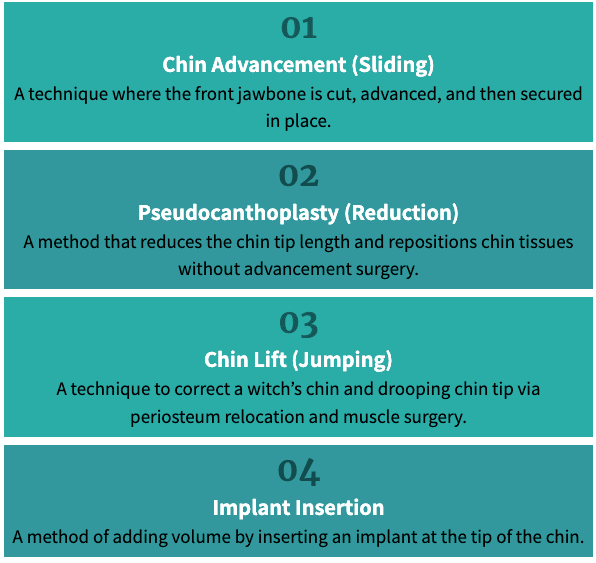
Genioplasty reshapes the chin by either augmenting it with implants or reducing it via bone adjustments. Board-certified plastic or oral-maxillofacial surgeons typically perform these procedures. The main goal is to enhance facial proportions, correcting issues like receding, protruding, too short, or misaligned chins. Although often viewed as cosmetic, these surgeries also treat functional problems. Choosing the right procedure is highly individualized, based on whether you need augmentation, reduction, or specific soft tissue correction.
Chin Augmentation: Implants vs. Sliding Genioplasty
For a chin that’s too small or lacks definition, two main augmentation techniques are available:
- Chin Implants: Surgeons use silicone (Silastic), porous polyethylene (Medpor), or mesh materials, placing them on the bone via an incision inside the mouth or under the chin. This is the go-to for boosting projection and contour but has limited ability to fix asymmetry or increase chin height. Recovery is pretty quick—most people are back within a week—but this does not tighten neck skin or correct significant droop.
- Sliding Genioplasty: Here, the surgeon cuts and moves part of your own chin bone forward, backward, or sideways to reshape the chin in three dimensions. This is more versatile, can tighten neck tissues, and uses your own bone (so no implants to worry about). A soft or liquid diet is needed during recovery, and some numbness is common but usually fades in a few weeks.
Chin Reduction: Techniques for Reshaping
Chin reduction, or mentoplasty, makes an oversized chin smaller and more proportional. The surgeon removes or shaves bone, often through an incision inside the mouth or under the chin, sometimes using endoscopic techniques to lower the risk of nerve injury. Segment removal is used for major reductions, while bone shaving suffices for smaller tweaks. This surgery is common in Facial Feminization Surgery to create a softer jawline. Recovery is typically straightforward, with most people back to daily life within a week.
Addressing "Witch Chin" Specifically
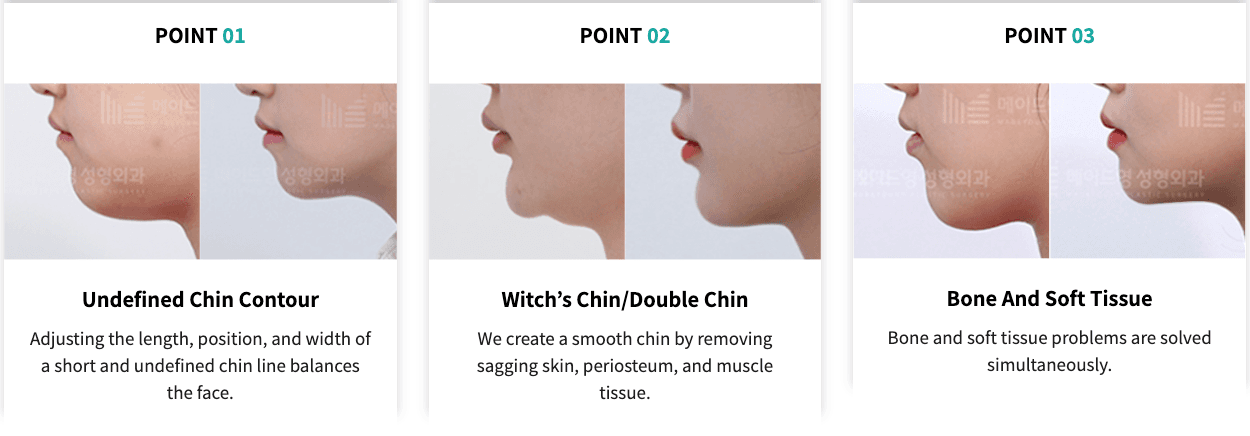
"Witch chin" correction focuses primarily on soft tissue, often made worse by previous surgery if the chin pad was not properly supported—or by natural tissue laxity. Liposuction won’t fix "witch chin"—it needs direct surgical repair. Options include:
- Soft Tissue Resection and Resuspension: Redundant tissue is removed and the rest of the chin pad and muscles are anchored firmly to the bone, often through an under-chin approach.
- Reduction Genioplasty with Soft Tissue Management: For cases with bony prominence, both bone and soft tissue are surgically altered for a more feminine and convex profile.
- Surgical Net Technique: This modern approach uses surgical netting (like polypropylene) to hold the chin tissues in place for more predictable results.
- Submental Chin Tuck: If the issue is only excess soft tissue, this approach removes and tightens the under-chin area, avoiding visible scarring or nerve risk from inside the mouth.
Correcting "witch chin" requires a surgeon skilled in both bone and soft tissue techniques—improperly managed soft tissue is a major cause of failed surgeries and new deformities.
Potential Risks and Considerations
As with all surgery, chin procedures carry risks such as reaction to anesthesia, bleeding, infection, and nerve injury resulting in temporary or rare permanent numbness in the lower lip and chin. The incision site can affect this risk: intraoral incisions sometimes lead to more nerve issues than submental (under-chin) cuts. Implant risks include shifting, infection, or extrusion, while poor soft tissue management can actually create a "witch chin" complication. Not everyone is a candidate—good health, no major medical issues, and maturity (full bone growth) are required. Pre-operative instructions may include stopping certain medications or quitting smoking. Choose an experienced, board-certified surgeon who explains every step and helps you weigh risks and outcomes.
Table 2: Overview of Chin Surgery Procedures
| Procedure Type | Primary Goal | Main Techniques | Key Advantages | Key Disadvantages/Risks |
|---|---|---|---|---|
| Chin Augmentation (Implants) | Increase projection, define small chin | Synthetic implants (silicone, polyethylene, mesh) | Simple, quick recovery, no bone cutting | Risk of implant movement/infection, no neck tightening |
| Chin Augmentation (Sliding Genioplasty) | Increase projection, adjust height/width/asymmetry | Bone segment cut and repositioned, secured with hardware | Natural bone used, precise 3D change, neck tightening | More complex, temporary numbness, longer recovery |
| Chin Reduction | Reduce oversized chin | Bone shaving, segment removal | Feminine/balanced profile, permanent change | Limited reduction for shaving, nerve risk |
| Chin Ptosis Correction (Soft Tissue) | Correct drooping soft tissue ("witch's chin") | Tissue resection, resuspension, net technique, chin tuck | Fixes soft tissue, permanent | Specialist needed, risk of scarring, numbness |
Best Clinics in Korea for Witch Chin
Listed below are the best clinics in Korea for witch chin:
| Clinic Name | Key Features | Special Techniques |
|---|---|---|
| THEPLUS Plastic Surgery Website | Garosu-gil, Gangnam clinic led by Dr. Kim Taek Kyun and Dr. Jeong Jae Yong—internationally recognized for rhinoplasty and facial contouring; rare combination of world-class credentials, technical innovation, and an aesthetic philosophy centered on natural balance; clinic brings high-level facial design expertise to the chin, where millimeters and angles determine whether the lower face looks tense, heavy, or harmonious; four dedicated floors designed for consultation, surgery, and aftercare skincare; active academic research and ongoing education for other surgeons. | - High-level facial design expertise for chin contouring; emphasis on harmonious facial proportions to enhance existing features. - Dr. Kim’s research and recognition for 3D implants. - Dr. Jeong’s emphasis on integration of function and beauty for results that look right and feel right over time. - Dr. Lee’s board-certified expertise and Seoul National University Hospital Surgery Specialist experience. - Four floors for consultation, surgery, and aftercare skincare; ongoing academic activity and surgeon education. |
| Made Young Plastic Surgery Website | Made Young Plastic Surgery Clinic in Seoul’s Gangnam district is a premium destination for facial refinement and anti-aging solutions, including evaluation and treatment planning for concerns such as a “witch chin” appearance. The clinic emphasizes verified expertise with doctors averaging over 15 years of experience, direct consultation and diagnosis before procedures, and a broad scope of facial procedures—from chin surgery (genioplasty) and V-line approaches to non-invasive lifting options—focused on personalized strategies that support balanced facial proportions. | - Chin surgery (genioplasty) and V-line approaches; non-invasive lifting options. - Direct consultation and diagnosis before any procedure. - 1:1 dedicated monitoring system; on-site board-certified anesthesiologists; cross-check emergency response protocol; full CCTV coverage of procedures. - Separate dedicated aftercare center for complete and systematic recovery management. - Recognized by awards such as 2022 Korea No.1 Award, 2022 Korea Customer Satisfaction 1st Place; other certifications. |
| Banobagi Plastic Surgery Website | Banobagi is a trusted, well-known plastic surgery brand in Korea, founded in February 2000 by four Seoul National University Hospital plastic surgery specialists; renovated in 2008 to a modern medical environment; large, specialized clinic recognized for strong surgical skills and a sincere medical philosophy. Features include a comprehensive system of specialty centers, a strict stance against unnecessary or excessive procedures, and a focus on precise, natural-looking correction for Witch Chin. | - Founded by SNUH-trained plastic surgery specialists; experience-based know-how for detailed facial balance corrections. - Dedicated facial contouring within a clinic structured around specialized centers; targeted evaluation and treatment planning for Witch Chin. - Large-scale facility: 6-story main building (600 pyeong) plus a 5-story annex; modern medical environment. - 1:1 customized treatment approach; tailored correction strategies to chin shape, proportions, and overall facial harmony. - Equipped with professional medical equipment; careful assessment and refined technique selection. - Patient-first philosophy; avoidance of unnecessary or excessive surgeries; “family-like” care and warm medical philosophy; surgical skill recognized by patients. |
THEPLUS Plastic Surgery
For patients seeking correction of a “witch chin” in Korea (a chin that appears overly projected, droopy, or sharply downturned, often requiring refined facial contouring and, in some cases, implant or structural adjustment), THEPLUS Plastic Surgery in Garosu-gil, Gangnam stands out for the rare combination of world-class credentials, technical innovation, and an aesthetic philosophy centered on natural balance. Led by director doctors Dr. Kim Taek Kyun and Dr. Jeong Jae Yong—both internationally recognized for rhinoplasty and facial contouring—the clinic brings high-level facial design expertise to the chin, where millimeters and angles determine whether the lower face looks tense, heavy, or harmonious. Dr. Kim, a board-certified plastic surgeon with global society memberships and awards for his research on 3D implants, is known for prioritizing harmonious facial proportions to enhance each patient’s existing features—an essential approach when correcting a witch chin without creating an artificial look. Dr. Jeong, President of the Korean Society of Plastic Surgeons, is widely invited to speak and sit on expert panels internationally and emphasizes the integration of function and beauty, supporting results that look right and feel right over time. Complementing this leadership, Dr. Lee’s board-certified expertise and top-tier hospital experience—including a Surgery Specialist role at Seoul National University Hospital—reflects the clinic’s broader standard for meticulous technique and long-lasting, natural outcomes. Across four dedicated floors designed for consultation, surgery, and aftercare skincare, THEPLUS pairs advanced surgical experience with active academic research, frequent participation in domestic and international symposiums, and ongoing education for other surgeons—making it a top choice in Korea for patients who want their witch chin correction planned with both high-level precision and a refined sense of overall facial harmony.
You can check out their website here: THEPLUS Plastic Surgery Website
Made Young Plastic Surgery
Made Young Plastic Surgery Clinic in Seoul’s Gangnam district is a premium destination for patients seeking facial refinement and anti-aging solutions, including evaluation and treatment planning for concerns such as a “witch chin” appearance. The clinic is built on verified expertise, with only highly skilled doctors averaging over 15 years of experience, and a system where the medical team provides direct consultation and diagnosis before any procedure. With a broad scope of facial procedures—ranging from chin surgery (genioplasty) and V-line approaches to non-invasive lifting options—Made Young focuses on personalized strategies that support balanced facial proportions.
Safety and recovery support are central to the Made Young approach. The clinic maintains full-time, board-certified anesthesiologists on site and a 1:1 dedicated monitoring system, backed by a cross-check emergency response protocol and full CCTV coverage of procedures for transparency. Post-treatment, patients are supported through a separate dedicated aftercare center designed for complete and systematic recovery management. Made Young’s standards have also been recognized through major awards and certifications, including a 2022 Korea No.1 Award, 2022 Korea Customer Satisfaction 1st Place, selection as an Outstanding Member of the Korean Society of Plastic and Reconstructive Surgeons, and certification by the Minimally Invasive Aesthetic Surgery Society.
You can check out their website here: Made Young Plastic Surgery Website
Banobagi Plastic Surgery
Banobagi Plastic Surgery is a trusted, well-known plastic surgery brand in Korea, founded in February 2000 by four plastic surgery specialists from Seoul National University Hospital with an artisan spirit for beauty and a commitment to warm, patient-centered care. After a full-building renovation on October 7, 2008, Banobagi was reborn into a modern medical environment and has continued to grow into a large, specialized clinic recognized by patients for strong surgical skills and a sincere medical philosophy. With a comprehensive system of specialty centers and a strict stance against unnecessary or excessive procedures, Banobagi is considered a top choice for patients seeking precise, natural-looking correction for concerns such as Witch Chin.
- Founded by Seoul National University Hospital–trained plastic surgery specialists, offering experience-based know-how for detailed facial balance corrections.
- Dedicated facial contouring expertise within a clinic structured around specialized centers, supporting targeted evaluation and treatment planning for chin shape concerns like Witch Chin.
- Large-scale, specialized facility: a 6-story main building (total floor area of 600 pyeong) plus a 5-story annex, built to support comprehensive care in a modern medical environment.
- 1:1 customized treatment approach, helping tailor correction strategies to each patient’s chin shape, proportions, and overall facial harmony.
- Equipped with professional medical equipment by field, supporting careful assessment and refined technique selection.
- Clear patient-first philosophy: Banobagi strictly avoids recommending unnecessary or excessive surgeries for hospital profit.
- A “family-like” care approach and a warm medical philosophy, paired with surgical skill recognized by patients, making it a dependable option for those seeking thoughtful Witch Chin correction.
Find more about this clinic here: Banobagi Plastic Surgery Website
The Medical Tourist's Journey: Chin Surgery in South Korea
South Korea is a hotspot for medical tourists, especially for facial procedures like chin surgery. Here’s how the process typically unfolds for international patients.
Initial Consultation and Pre-operative Planning
Patients start with a deep-dive consultation where aesthetic goals and medical history are reviewed. Advanced imaging and simulations are a routine part of Korean clinics, allowing patients to preview their potential new look—ideal for those traveling from afar. Once a plan is set, pre-surgery prep usually includes lab tests, X-rays, 3D CT scans, medication adjustments, and sometimes skin treatments to ensure optimal results.
The Surgical Procedure: What to Expect
On surgery day, most Korean clinics use general anesthesia for comfort. Incisions may be inside the mouth or under the chin depending on what’s being done. For augmentation, the implant is placed and secured; for reduction or sliding genioplasty, bone is shaved/reshaped or moved as needed. After surgery, incisions are closed with dissolvable stitches, and the procedure often lasts about an hour.
Post-operative Care and Recovery
Post-op, patients are monitored while the anesthesia wears off. Swelling, mild pain, and some numbness are normal and managed with meds and compressive chin wraps. Soft or liquid diets are common for a few days. Stitches (if not dissolvable) come out after a week or so, often during follow-up at the clinic. Numbness and swelling subside over weeks, and most people resume work within seven days.
Cost Analysis: Chin Surgery in South Korea vs. Global Destinations
Understanding the cost of chin surgery worldwide is important for any patient considering medical tourism. Here’s a breakdown of expenses in South Korea compared to other leading countries.
Estimated Costs in South Korea
Chin surgery (genioplasty) in South Korea runs about $4,000–$8,000 USD, with chin implant procedures typically at $3,000–$6,000 USD. These amounts usually include the surgeon, anesthesia, hospital stay, and immediate aftercare. For medical tourists, add flight costs ($1,000–$1,500 USD), accommodations ($1,120–$2,100 USD for a two-week stay), and living expenses ($210–$910 USD for two weeks).
Comparative Costs: Thailand, Turkey, Mexico, and Western Countries
Chin surgery prices vary widely:
- United States/United Kingdom: Much higher, with chin implants averaging about $8,000 USD and complex facial surgeries ranging far higher.
- Thailand: Competitive, at $800–$4,500 USD (chin implants $800–$2,500 USD, sliding genioplasty $2,500–$4,500 USD). Savings can reach 75% compared to US/UK.
- Turkey: Generally $3,000–$5,000 USD for genioplasty (chin implants $2,000–$2,500 USD, with some packages up to $7,200–$10,300 USD).
- Mexico: Chin implants go for $900–$2,200 USD. Savings can be up to 78% compared to US prices.
South Korea offers high skill and quality at a cost above Thailand, Turkey, and Mexico but below the US/UK. Many choose Korea for its blend of expertise and technology rather than just lower surgical fees.
Table 3: Estimated Chin Surgery Costs: South Korea vs. Key Medical Tourism Destinations
| Country | Procedure Type | Cost Range (USD) | Key Inclusions (Typical) | Potential Savings vs. US (Approx.) |
|---|---|---|---|---|
| South Korea | Genioplasty | $4,000–$8,000 | Surgeon, anesthesia, hospital, immediate aftercare | 50–75% (for comparable procedures) |
| Chin Implant | $3,000–$6,000 | Same as above | 25–60% | |
| Thailand | Chin Surgery | $800–$4,500 | Usually all-inclusive | Up to 75% |
| Chin Implant | $800–$2,500 | Usually all-inclusive | Up to 78% | |
| Sliding Genioplasty | $2,500–$4,500 | Usually all-inclusive | Significant | |
| Turkey | Genioplasty | $3,000–$5,000 | Often all-inclusive | Up to 80% |
| Chin Implant | $2,000–$2,500 | Often all-inclusive | Up to 75% | |
| Mexico | Chin Implant | $900–$2,200 | Often all-inclusive | Up to 78% |
Factors Influencing Cost and Value for Medical Tourists
- Procedure Complexity: Advanced surgeries cost more.
- Surgeon & Clinic Reputation: Famed surgeons and modern clinics command higher fees.
- Implant Type: Specific materials affect price.
- Location: Major cities may cost more.
- Package Inclusions: Some clinics offer all-in deals (surgery, aftercare, accommodations, transfers); always read the fine print.
- Economic Variables: Local labor costs and government policies can alter pricing.
- Quality and Safety: Research thoroughly—cost savings shouldn’t compromise quality.
Medical tourists should seek itemized quotes and compare like-for-like packages, keeping in mind the importance of safety, clinic experience, and reputation.
Patient Experiences and Outcomes: Addressing "Witch Chin" Through Surgery
Patient satisfaction and successful results are key when considering chin surgery, especially for "witch chin."
Overall Patient Satisfaction with Chin Surgery

Satisfaction rates for genioplasty are impressive, with 94% of patients reporting positive outcomes and the majority awarding top ratings. Reports on the surgical net technique for chin ptosis show mean patient satisfaction scores shooting up from 34 to 86 one year post-op. With the right surgery and experienced hands, most patients feel their aesthetic goals are achieved, helping boost confidence and self-assurance.
Real-World Results: Before & After Insights
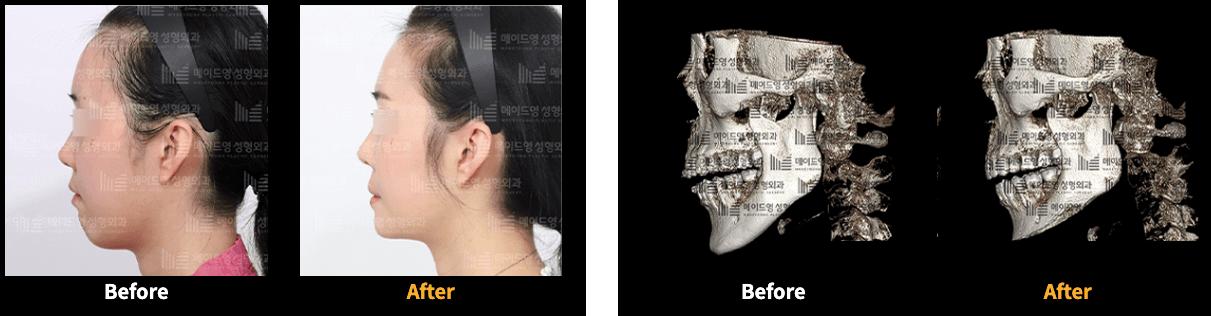
Chin surgery often delivers immediate and dramatic facial improvement. Patients usually mention a more defined jawline, increased symmetry, and even psychological benefits, such as renewed confidence. Correcting "witch chin" through reduction genioplasty or soft tissue repair gives a less pronounced, more feminine chin and reduces the sagging fold beneath the lower lip. Patient stories often highlight the life-changing effects, from comfort and muscle function to emotional wellness.
Managing Expectations and Potential Challenges
Complications aren’t common, but patients should be prepared for:
- Numbness: Temporary numbness around the chin or lower lip is expected and usually resolves, but can sometimes persist.
- "Witch Chin" as Complication: Poor management of soft tissue can cause new "witch chin" deformities, especially after prior reductions. This shows why soft tissue expertise is essential.
- Soft Tissue Behavior: After reduction, the skin may not shrink as hoped and can "ball up," requiring surgical correction rather than liposuction.
- Outcome Assessments: There’s no universal tool for measuring success—so clear discussions with your surgeon are vital.
Clear, realistic conversations with your team and a thorough understanding of risks are essential for a positive experience.
Table 4: Patient-Reported Outcomes and Satisfaction
| Category | Description |
|---|---|
| Overall Satisfaction | 94% rate, 79.6% 5-star for genioplasty; significant increase in "net" cases |
| Common Benefits | Improved facial harmony, certainty, confidence, jaw definition |
| "Witch's Chin" Fix Outcome | Smaller, subtler fold under the lip, feminine look |
| Quality of Life Improvement | Reports of feeling "better," improved social and professional life |
| Common Challenges | Temporary/rare persistent numbness, implant movement, soft tissue "balling" |
| "Witch's Chin" Complication Risk | Can happen if soft tissue poorly managed in prior surgery |
Conclusion: Making an Informed Decision for Facial Harmony
Chin surgery is a personal journey that can greatly enhance facial harmony and confidence—especially for those with "witch chin." Surgery options, from augmentation with implants or sliding genioplasty to focused soft tissue repair, offer powerful solutions. South Korea stands out for its expertise and advanced technologies, though at a higher price point than some other countries. Patient satisfaction is generally excellent, but understanding risks and working with a truly skilled, experienced surgeon—particularly for soft tissue management—is essential. With the right preparation and expectations, chin surgery can be life-changing.
References
1, 2, 3, 4, 5, 6, 7, 8, 9, 10, 11, 12, 13, 14, 15, 16, 17, 18, 19, 20, 21, 22, 23, 24, 25, 26, 27, 28, 29, 30, 31, 32, 33
Frequently Asked Questions
Related Blogs
Chin Surgery in Korea: Methods, Recovery, Risks, and Travel Planning
Updated: Aug 5, 2026
Face Contouring in Korea: Surgery Types, Recovery, Risks and Travel Planning
Updated: Aug 5, 2026
Double Chin Tightening in Korea: Methods, Recovery, Results and Travel Planning
Updated: Aug 5, 2026
Korea Paranasal Implant: Solution for Weak Midface Structure with Advanced Procedures
Updated: Jun 10, 2026
Clinics offering Chin Surgery

THEPLUS Plastic Surgery Korea | Eye, Nose, Face & Body Surgery
Sinsa

Made Young Plastic Surgery: Rejuvenating Aesthetic Excellence in Korea for Face Lifts, Contouring and More
Gangnam Station

Banobagi Plastic Surgery: A Pioneering and Trusted Plastic Surgery Clinic in Korea
Seolleung

Mind Plastic Surgery: Excellence in Cosmetic & Reconstructive Procedures in Korea
Sinnonhyeon Station