
Medical Tourism Blog
Waist Liposuction in Korea: Techniques, Recovery, Travel Planning, and Alternatives
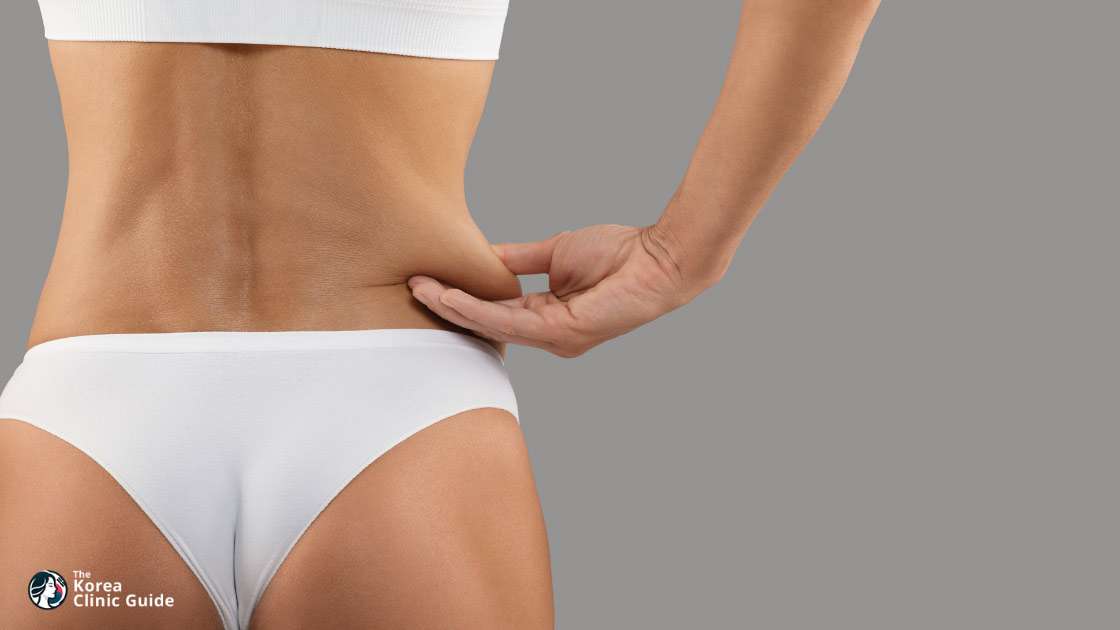
Table of contents
- Waist Liposuction at a Glance
- What Is Waist Liposuction?
- Who Is a Good Candidate for Waist Liposuction?
- How Is Waist Liposuction Performed?
- Why Visit Korea for Waist Liposuction?
- Key Information for International Patients
- Which Are the Best Clinics in Korea for Waist Liposuction?
- Waist Liposuction From Start to Finish
- Alternatives to Waist Liposuction
- How Can I Prepare for Waist Liposuction?
- Aftercare Advice
Considering treatment in Korea? Everything you need to know e.g. — how to avoid scams, visas, interpreters, recovery tips — in our Medical Tourism Master Guide. Plan with confidence in minutes, not weeks!
Last updated: September 2026
Waist Liposuction at a Glance
- What it treats — Waist liposuction removes subcutaneous fat from the flanks and love-handle area through small cannula incisions; it is surgical contouring, not a weight-loss treatment.
- Best candidates — The best fit is localized, pinchable waist fat with stable weight, reasonably elastic skin, realistic expectations, and medical clearance for surgery and anesthesia.
- Important limitation — It cannot remove visceral abdominal fat or repair loose skin, rectus diastasis, or a hernia, so an abdominoplasty or another approach may be more appropriate when those are the main concerns.
- Recovery and results — Bruising, swelling, soreness, drainage, and temporary numbness are common initially; desk work may be possible after several days for limited treatment, swelling improves substantially around 6 weeks, and contour refinement can continue for up to 6 months.
- Travel planning — International patients should plan at least 10 to 14 days in Korea for wound, mobility, swelling, and flight-readiness reviews, and should not schedule departure within the first 5 postoperative days.
- Key risks — Contour irregularity or asymmetry, seroma, infection, bleeding, persistent numbness, skin injury, anesthesia complications, and blood clots are possible; long-haul travel and personal clot-risk factors require an individualized plan.
- Korea-specific check — Korea offers a formal registered-medical-institution system for overseas patients, but registration does not prove superior surgeon outcomes; verify the facility and obtain a written English treatment, emergency, and remote-follow-up plan.
What Is Waist Liposuction?
Waist liposuction is a procedure that removes localized fat from the flanks and love-handle area to reshape the waistline. It addresses stubborn subcutaneous fat and aims to create a smoother, more defined torso contour rather than overall weight loss. It is a surgical body-contouring procedure.
Who Is a Good Candidate for Waist Liposuction?
- Localized flank fat — Good candidates have pinchable subcutaneous fat at the lateral waist or love-handle area and want surgical contouring rather than overall weight loss.
- Stable weight and skin quality — A stable weight, relatively elastic skin, and realistic expectations support a smoother result as swelling resolves.
- Medically fit for surgery — Candidates need an assessment of anesthesia fitness, healing capacity, medicines, nicotine exposure, and clotting risk.
- Clear anatomical goal — The examination should distinguish treatable subcutaneous fat from visceral abdominal fullness, loose skin, rectus diastasis, or a hernia. Waist liposuction does not correct the latter problems.
Elective treatment should be postponed during pregnancy or breastfeeding and in the presence of active infection, uncontrolled diabetes, serious cardiopulmonary disease, a bleeding disorder, or current nicotine use until the surgeon’s required nicotine-free interval is complete. Liposuction is not a treatment for generalized obesity or a substitute for medical weight management. Marked skin laxity, cellulite, abdominal-wall separation, or hernia can leave an unsatisfactory contour after fat removal alone and require assessment for a different operation. Previous DVT or pulmonary embolism, thrombophilia, obesity, estrogen-containing medicines, limited mobility, and long-haul travel all require an individualized VTE plan. Unrealistic expectations or unassessed body-image distress are also reasons to defer surgery for further counselling.
How Is Waist Liposuction Performed?
Technique selection should reflect the amount and distribution of fat, skin quality, planned treatment zones, anesthesia needs, and the surgeon’s experience—not a device name.
- Tumescent suction-assisted liposuction (SAL) — The surgeon infiltrates dilute tumescent fluid, then uses a cannula to loosen and aspirate fat through small incisions. This is the conventional approach for subcutaneous waist and flank fat.
- Power-assisted liposuction (PAL) — A powered cannula assists the surgeon’s movement through fibrous fat. It remains liposuction, with the same need for controlled, even fat removal.
- Ultrasound-assisted liposuction (UAL) — Ultrasound energy is used before aspiration in selected cases. It has device-specific considerations and is not automatically better for waist contouring.
- Laser- or radiofrequency-assisted liposuction — These systems add energy intended to assist fat treatment and skin contraction, but they introduce thermal-injury risk. A 2026 systematic review of technology-assisted liposuction found highly heterogeneous evidence and serious risk of bias in about half of included studies; it does not establish superior long-term waist results for any branded device.
- Combined torso contouring — Waist treatment is often combined with abdominal liposuction, back liposuction, or broader circumferential contouring. Combining zones increases recovery and can change anesthesia, observation, and travel requirements.
Why Visit Korea for Waist Liposuction?
Korea has a national framework for attracting and supporting overseas patients, including registered medical institutions and medical-tourism information services. These systems can help international patients verify a provider’s participation in the formal inbound-care system, but they do not prove that one surgeon or technique has better waist-liposuction outcomes than another. No high-quality comparative evidence shows that waist liposuction in Korea is safer or produces better contours than the same operation elsewhere.
- Registered-provider verification — Check the Medical Korea registered medical institution system and its provider directory when researching facilities that receive overseas patients.
- Medical-visa pathway — Eligible patients and accompanying persons can review the official Korea medical visa information before travel; visa eligibility and documentation remain the traveler’s responsibility.
- Structured overseas-patient planning — Ask for a written English plan covering exact treatment zones, anesthesia, after-hours contact, scheduled reviews, discharge documents, and remote follow-up. This is particularly important because “waist liposuction” is not a standardized operation and can range from limited flank treatment to combined torso surgery.
- Evidence limitation — Published liposuction complication estimates are not Korea-specific or waist-only. Two 2024 reviews reported materially different pooled overall rates because of differing study definitions, procedure extent, follow-up, and observational source data; these estimates are not a personal risk prediction.
Key Information for International Patients
- Minimum stay — Plan at least 10 to 14 days in Korea after isolated waist liposuction for wound, swelling, mobility, and fitness-to-travel reviews. This is a practical care-planning recommendation, not a universally validated threshold.
- Avoid an early departure — Do not schedule departure within the first 5 postoperative days. A small retrospective study of aesthetic-surgery complication presentations found that stays of 5 days or less were associated with more inpatient admission and IV-antibiotic use; it was not specific to Korea or waist liposuction and does not define a safe flight date, but it supports avoiding very short stays.
- Flights and clot prevention — The operating surgeon and anesthetist must clear a long-haul return flight individually. Procedure extent, general anesthesia, mobility, BMI, personal or family clot history, estrogen medicines, and postoperative recovery affect the plan. Walk regularly and avoid prolonged immobility as instructed.
- Repeat visits — Expect early in-person checks before travel and remote photo or video follow-up after returning home. Arrange a local clinician or urgent-care route at home in case complications develop.
- Itinerary impact — Expect bruising, swelling, drainage from access incisions, soreness, and temporary numbness during the first several days. Limited isolated treatment can permit desk-based work after several days, while combined abdomen, back, or other surgery requires more downtime.
- Documents before departure — Obtain an English discharge summary, operative report, anesthesia record, medication list, test results, compression instructions, and emergency contact details.
Travel note: Book flexible flights and accommodation close enough for unplanned reviews. Arrange a responsible adult for discharge after IV sedation or general anesthesia and for the first night.
Which Are the Best Clinics in Korea for Waist Liposuction?
Listed below are some of the best clinics in Korea for waist liposuction.
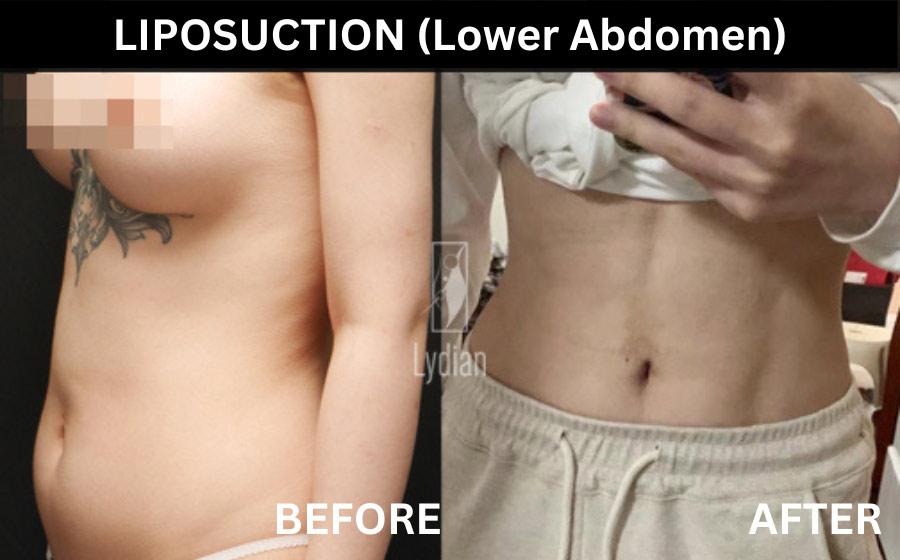
1. Lydian Plastic Surgery Clinic
For waist liposuction, you can expect an anatomy-based contouring plan that considers your waist length, pelvic structure, chest circumference, and overall proportions rather than using a uniform fat-removal approach. The clinic uses more than 30 custom cannula types and describes performing full abdominal and back contouring through one or two strategically concealed incisions when appropriate.
- URL: Lydian Plastic Surgery Clinic Website
- Location: Gangnam-gu, Seoul
- Procedure details:
- Custom cannulas are selected to suit differing body shapes and treatment areas, with the aim of reaching abdominal, back, thigh, and knee areas through fewer access points.
- Incisions may be placed in less conspicuous locations, including inside the navel or pubic region.
- Quantificare 3D imaging is used for pre-procedure design and to document three-dimensional before-and-after results.
- Aftercare:
- Aftercare addresses swelling reduction, unevenness or lumpiness, skin-elasticity recovery, and residual-fat contouring.
- The clinic also has devices intended to address stretch marks and skin laxity alongside liposuction.
- Lead surgeon:
- Dr. An Kyung Chun is listed as Director of the 5D Liposculpture Academy and as responsible for domestic physician training in high-definition body sculpting and liposuction devices.
- The clinic describes Dr. An as having more than two decades of body-sculpting experience.
- Related services: Available body-contouring services described in the source include 5D/high-definition liposculpture, tummy tuck procedures, fat grafting, and Brazilian butt lift procedures.
2. Seojin Plastic Surgery Clinic
For waist liposuction, you can expect a three-step micro-liposuction process: preparation intended to separate and liquefy fat, cannula selection based on your body type and fat volume, and manual syringe refinement to help create an even, smooth contour. If you have mild skin laxity, Velody2 laser lifting may be added to support skin firmness.
- URL: Seojin Plastic Surgery Clinic Website
- Location: Gangnam-gu, Seoul
- Procedure details:
- The final manual-refinement stage works on the subcutaneous fat layer after device-assisted suctioning to refine shaping and smooth the skin surface.
- Velody2 lifting laser is offered as an adjunct when slight sagging is a concern after liposuction.
- Surgeon care:
- As a one-doctor clinic, Dr. Lee Hyungmin provides end-to-end care.
- Dr. Lee is described as having more than 16 years of experience and as having been recognized among Korea’s 100 Good Doctors.
- Related services: Other body-contouring options listed include liposuction and hip-dip fat grafting.
3. 365mc Hospital
For waist liposuction, you can expect treatment within a practice focused solely on body contouring and fat reduction, with individualized recovery support beginning on the day of surgery. The clinic describes one-to-one Recovery Center care followed by a structured seven-week post-operative program that can include hyperbaric oxygen chamber therapy and dietary consultation.
- URL: 365mc Hospital Website
- Location: Gangnam-gu, Seoul
- Procedure and technology:
- Waist contouring can be planned as part of liposuction for areas including the stomach and back.
- The clinic describes using its Motion-Capture and Artificial-Intelligence Assisted Liposuction System (M.A.I.L.) for real-time surgical feedback.
- LAMS is a local-anesthetic, minimally invasive option combining fat extraction and fat-dissolving injections for targeted reduction with minimal downtime, according to the clinic.
- Recovery and maintenance:
- The post-operative program includes structured care for approximately seven weeks.
- Personalized dietary consultations and a meal-diary app are available to support weight-management habits after treatment.
- Practice focus:
- The hospital is dedicated to body contouring and fat reduction and reports recognition through the Korean Health Ministry Seal.
- The source describes more than 20 years in the field, 18 clinics in Korea, and 22 main doctors.
Waist Liposuction From Start to Finish
- Remote enquiry and preliminary review — Send unedited standing front, side, and back photographs, along with medical history, allergies, medicines and supplements, nicotine use, height and weight, previous surgery, pregnancy possibility, and travel dates. Virtual or English-language consultation can clarify goals, but it cannot replace examination.
- Treatment planning before travel — Confirm the proposed zones: lateral waist alone, or waist with abdomen, back rolls, or circumferential torso treatment. Request a written outline of technique, anesthesia, expected stay, recovery restrictions, and emergency contact route.
- In-person examination and clearance — On arrival, the surgical team examines fat distribution, skin elasticity, scars, asymmetry, abdominal-wall concerns, and medical fitness. Complete clinician-directed testing and anesthesia assessment; disclose every prescribed, over-the-counter, hormonal, injectable, herbal, and recreational substance.
- Marking and anesthesia — The surgeon marks the standing treatment areas. Limited treatment can be performed with tumescent local anesthesia in selected patients, while IV sedation or general anesthesia is more likely when treatment is extensive, combined, or medically indicated.
- Fat removal — After tumescent fluid is infiltrated, small cannula-entry incisions are made. The surgeon passes cannulas within the subcutaneous layer to loosen and aspirate fat, using SAL, PAL, UAL, or an energy-assisted method when appropriate. The operation does not remove visceral fat or repair diastasis or a hernia.
- Recovery and discharge — Dressings and a compression garment are applied according to the surgical plan. Isolated treatment is often outpatient; larger-volume treatment, general anesthesia, combined surgery, or medical risk can justify longer observation or overnight care. Begin short, frequent walks as directed.
- Korea-based reviews — Attend early wound and swelling checks before travel. The team reviews drainage, pain control, mobility, garment use, and flight readiness; do not leave simply because a pre-booked flight is approaching.
- Remote follow-up — Send photographs and attend video reviews on the clinic’s schedule after returning home. Contour assessment takes time: swelling commonly improves substantially around 6 weeks, while skin contraction and refinement can continue for up to 6 months.
Alternatives to Waist Liposuction
The right alternative depends on whether the main issue is localized fat, generalized weight, loose skin, or abdominal-wall separation. Non-surgical treatments offer more modest change and do not remove substantial skin; excisional surgery addresses laxity but creates longer scars and a more demanding recovery.
Medical Weight Management
- Best for generalized adiposity — Lifestyle, medical obesity treatment, or bariatric care is more appropriate when weight reduction rather than a localized waist contour is the goal.
- Tradeoff — These approaches reduce body weight and can reduce waist size, but they do not selectively sculpt the flanks.
Noninvasive Fat Reduction
- Best for small deposits — CoolSculpting, body fat-dissolving laser treatment, or fat-dissolving injections can suit selected people seeking a less invasive approach.
- Tradeoff — Results are generally more modest than liposuction and repeated sessions can be needed. These options do not repair muscle separation or remove substantial loose skin.
Abdominoplasty
- Best for loose skin or diastasis — A tummy tuck removes excess abdominal skin and can address rectus diastasis when clinically appropriate.
- Tradeoff — It is a larger operation with a longer scar and recovery. It is often paired with liposuction rather than treated as interchangeable with it.
Excisional Body Contouring
- Best after major weight loss — Panniculectomy, flankplasty, or lower-body lift can address major circumferential skin laxity.
- Tradeoff — These are substantially different operations from isolated liposuction, with longer scars, more wound-care needs, and higher recovery demands. A flank-contouring study illustrates that excisional flank surgery addresses a different clinical problem.
How Can I Prepare for Waist Liposuction?
- Disclose medicines early — Give the surgeon and anesthetist a complete list of anticoagulants, antiplatelets, diabetes medicines, weight-management drugs, hormonal medicines, prescription drugs, supplements, herbs, vitamins, and recreational substances. Do not stop anticoagulants, antiplatelets, diabetes medicines, or injectable weight-loss drugs without instructions from the prescribing clinician and surgical team.
- Follow the anesthesia plan — Follow the anesthetist’s exact fasting and clear-liquid instructions. Do not use a generic online fasting cutoff.
- Stop nicotine on schedule — Stop smoking, vaping, nicotine pouches, patches, gum, and other nicotine products for the surgeon’s specified pre- and postoperative interval. Nicotine impairs healing and can alter surgical eligibility.
- Avoid heavy alcohol — Avoid heavy alcohol around surgery and do not combine alcohol with sedating pain medicines.
- Arrange recovery support — Book accommodation that allows easy access to the clinic, arrange a companion after sedation or general anesthesia, and prepare loose front-opening clothing, prescribed garments, and simple meals.
- Plan for immobility risks — Tell the team about prior DVT/PE, thrombophilia, family clot history, estrogen use, obesity, and long flights. These factors determine whether surgery timing, medication, or flight plans need to change.
- Protect the treatment area — Avoid sunburn, skin irritation, waxing, or shaving injuries around planned incision areas. Report rashes, boils, fever, or other infection symptoms before surgery.
Travel note: Keep flights changeable, do not schedule demanding sightseeing during the first postoperative week, and retain enough funds and time for an extended stay if the surgeon advises it.
Confirm all clinic-specific medicine, fasting, garment, testing, and arrival requirements with the treating surgeon and anesthetist; their individualized instructions take precedence over general guidance.
Aftercare Advice
Protect healing tissues, keep moving safely, and treat new or worsening symptoms as a reason to contact the surgical team rather than something to manage alone.
- Compression garment — Wear the garment for the duration and tightness prescribed by the surgeon. Compression is common after liposuction, but direct evidence for every claimed benefit after isolated cosmetic waist treatment remains incomplete; do not alter the plan based on marketing claims.
- Walking and activity — Take short, frequent walks from the day of surgery or as directed, hydrate, and avoid prolonged sitting or bed rest. Avoid strenuous exercise, heavy lifting, and core-intensive training until the surgeon clears gradual return, often around 2 to 4 weeks depending on treatment extent and healing.
- Incisions and drainage — Follow instructions for showering, dressings, drainage, antibiotics if prescribed, and pain medicines. Expect early fluid leakage, soreness, bruising, swelling, and temporary numbness; do not apply unapproved creams or massage aggressively over healing areas.
- Heat and sun — Avoid saunas, hot baths, intense heat, and direct sun until cleared. Once incisions have healed, protect exposed scars with SPF 50 to reduce darkening.
- Urgent symptoms — Seek emergency care for chest pain, shortness of breath, coughing blood, fainting, a racing or irregular heartbeat, or one-sided leg pain or swelling. Contact the surgical team urgently for fever, spreading redness or warmth, pus or foul drainage, persistent bleeding, sudden asymmetric swelling, escalating severe pain, black or gray skin change, widespread rash, or inability to keep fluids down.
- Results and revision timing — Do not judge the outcome in the first weeks. Swelling commonly improves substantially by about 6 weeks, while fibrosis, skin contraction, numbness, and contour refinement can take up to 6 months. Remaining fat cells can enlarge with weight gain, even though removed fat cells do not regenerate.
Follow the treating doctor’s instructions and scheduled follow-up plan. Contact the clinic promptly when anything appears wrong, including after returning home.
Frequently Asked Questions
Related Blogs
Double Chin Liposuction in Korea: Candidacy, Recovery, Travel Timing, and Alternatives
Double chin liposuction removes superficial submental fat through tiny incisions using tumescent fluid and a narrow cannula, with neck lift or chin procedures considered for lax skin, muscle bands, or weak chin projection. International patients visiting Korea should plan a 7–10 day stay, compression and early follow-up, flexible flights, and remote aftercare arrangements.
Updated: Oct 12, 2026
Bra Line Fat: Back Liposuction in Korea
Considering Korea for bra line fat? This guide explains back liposuction—from tumescent, ultrasound-assisted liposuction (UAL) and power-assisted liposuction (PAL) to laser-assisted liposuction (SmartLipo)—plus radiofrequency-assisted lipolysis (BodyTite), Renuvion, and non-surgical options like CoolSculpting and deoxycholic acid. For excess skin, we outline the bra-line back lift and trunkplasty,
Updated: Oct 12, 2026
Upper Back Rolls Treatment in Korea: CoolSculpting and Back Liposuction
Struggling with “bra bulge” or upper back rolls? Our guide explains the medical side—dorsocervical fat pad (buffalo hump), lipedema, and lipoma—and compares treatment options in Korea. Learn who qualifies for CoolSculpting and back liposuction (including VASER and laser-assisted techniques), recovery timelines, costs, and all-inclusive medical tourism packages. Discover why Korea’s technology, sur
Updated: Oct 12, 2026
Full Face Fat Reduction with Face Liposuction in Korea: Ultimate Guide to a Slimmer Look
Discover how Korea leads in facial fat treatments like submental liposuction and buccal fat removal for full face fat and round face concerns. This comprehensive guide highlights medical causes such as Moon Facies and offers expert insights into cosmetic procedures available in South Korea. Learn about costs, recovery, and choosing the right procedure for a more sculpted, confident look—all within
Updated: Oct 12, 2026
Clinics offering Waist Liposuction
BongBong Plastic Surgery Dermatology Korea | Body, Breast & Aesthetic Treatments
Nonhyeon

365mc Hospital: Korea's Leading Liposuction and Body Contouring Clinic with Innovative AI Technologies and Comprehensive Patient Care
Gyodae

THEPLUS Plastic Surgery Korea | Eye, Nose, Face & Body Surgery
Sinsa

Lydian Plastic Surgery Clinic in Korea: Superior Cosmetic Procedures by World-Renowned Expert Dr. An Kyung Chun
Apgujeong