
Medical Tourism Blog
Hip Dip Hollows Correction with Hip Dip Fat Grafting in Korea: Effective Solutions for Buttock Contouring
Table of contents
- Understanding "Hip Dips": Anatomy, Causes, and Common Terms
- Hip Dip Fat Grafting: A Detailed Medical Procedure
- Navigating Hip Dip Fat Grafting in South Korea: A Medical Tourist's Perspective
- Cost Analysis: Hip Dip Fat Grafting in South Korea vs. Global Comparisons
- Patient Experiences and Long-Term Outcomes: Real-World Insights
- Achieving Natural-Looking and Harmonious Results
- Long-Term Fat Retention Rates and Durability of Results
- High Patient Satisfaction Rates
- Impact on Confidence, Self-Esteem, and Body Image
- Importance of Realistic Expectations vs. Social Media Ideals
- The Role of Post-Operative Care and Lifestyle in Sustaining Results
- Potential Need for Touch-Up Procedures
- Conclusion
- References
Considering treatment in Korea? Everything you need to know e.g. — how to avoid scams, visas, interpreters, recovery tips — in our Medical Tourism Master Guide. Plan with confidence in minutes, not weeks!
This guide is designed for anyone considering solutions for "buttock hip dip hollows," with a special focus on Hip Dip Fat Grafting. Here, you'll find a clear explanation of what hip dips are, how fat grafting works, what to expect as a medical tourist in South Korea, a breakdown of costs, and real patient experiences. The goal is to provide you with practical, trustworthy information so you can make informed choices about this cosmetic procedure.
Understanding "Hip Dips": Anatomy, Causes, and Common Terms
Definition and Anatomical Explanation
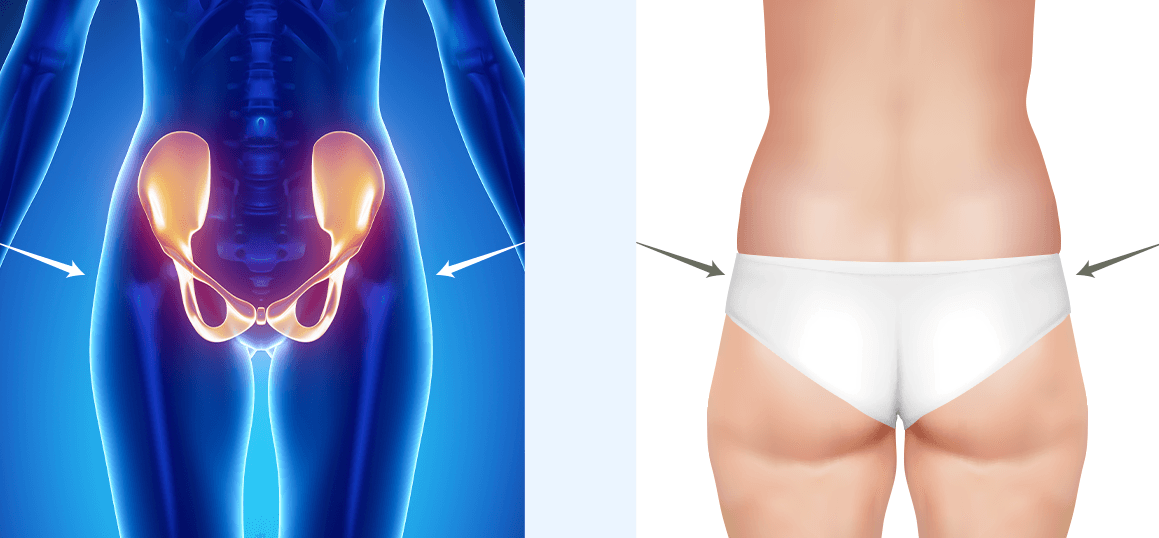
Hip dips are the inward curves or hollows found just below the hip bone and above the thigh, sometimes giving the body a "violin" shape. These dips are a normal part of human anatomy and are not a sign of illness, fitness, or weight. Genetics and body structure are the main reasons some people have more noticeable hip dips than others. It's important to know that wanting to change hip dips is a personal choice, not a medical necessity.
Common Pseudonyms
When researching hip dips, you might come across several different terms. Knowing these can help you find more information.
| Term | Description |
|---|---|
| Hip Dips | The most common colloquial term. |
| Trochanteric Depression | The scientific or anatomical term. |
| Violin Hip | Refers to the inward curve resembling a violin's shape. |
| Shelf Hips | Another descriptive term for the indentation. |
| Indentations on the sides of the upper thighs | A descriptive phrase used to explain the appearance. |
Underlying Causes
Hip dips are mostly determined by your genetics and bone structure. Factors like the size of the greater trochanter, the length of the femoral neck, hip width, and the shape of the pelvis all play a role. Fat and muscle distribution can also affect how visible hip dips are. People with less body fat may notice their hip dips more. It's a myth that exercise alone can eliminate hip dips—while building muscle can help a bit, it won't change your bone structure. This is why many people turn to cosmetic procedures for a more dramatic change. Social media and celebrity culture have also increased interest in correcting hip dips.
Hip Dip Fat Grafting: A Detailed Medical Procedure
What is Autologous Fat Transfer (Fat Grafting)?
Hip Dip Fat Grafting, also called autologous fat transfer to the hips, lipofilling, or fat transfer lipoplasty, is a cosmetic surgery that fills in hip dips using your own fat. Fat is taken from areas where you have extra, purified, and then injected into the hip hollows. The results can be long-lasting because the transferred fat becomes part of your body.
Mechanism: Harvesting, Purification, and Injection of Fat Cells
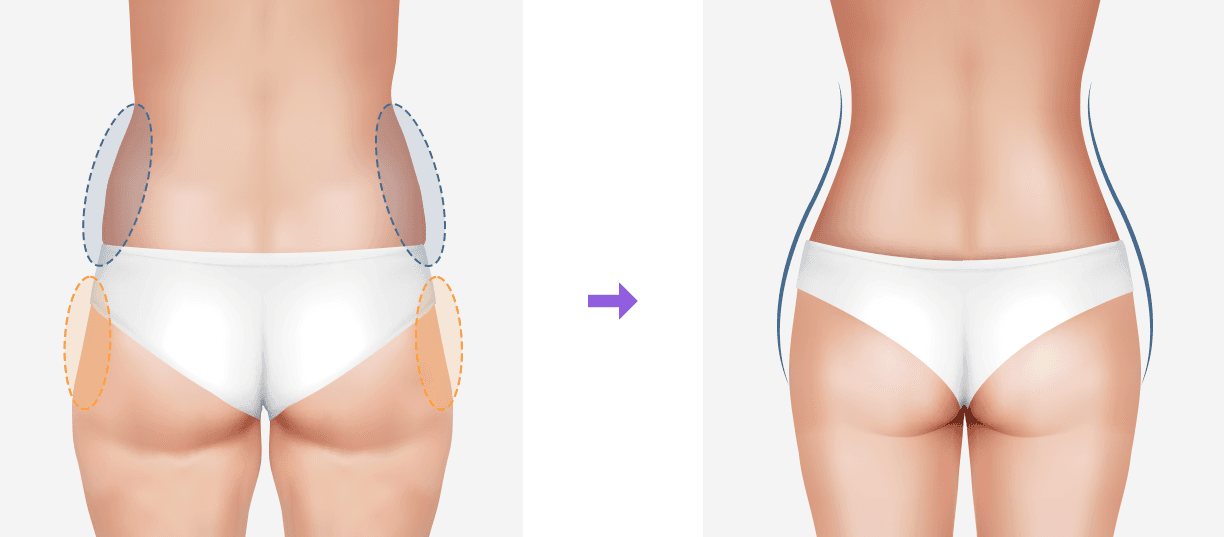
The procedure involves three main steps:
- Fat Harvesting: Fat is removed from donor areas like the abdomen, flanks, thighs, or arms using liposuction. This is usually done under local anesthesia with sedation or sometimes general anesthesia.
- Fat Purification: The collected fat is cleaned to remove impurities using methods like centrifugation or filtration, ensuring only healthy fat cells are used.
- Precise Fat Injection: The purified fat is carefully injected into the hip dips. The surgeon uses skill and artistry to create a smooth, natural curve that matches your body.
Benefits of Using the Patient's Own Tissue
Using your own fat for hip dip correction has several advantages:
- Natural-Looking Results: The area feels and looks natural because it's your own tissue.
- Dual Body Contouring Effect: You lose unwanted fat from one area and gain volume in another, improving your overall shape.
- Reduced Risk of Complications: Since it's your own fat, there's little risk of allergic reactions or rejection.
Ideal Candidate Profile
The best candidates for Hip Dip Fat Grafting:
- Have enough extra fat in other areas for harvesting.
- Have good skin elasticity for smooth results.
- Are in good overall health and preferably non-smokers.
- Have realistic expectations about what the procedure can achieve.
The Procedure Steps
Here’s what you can expect during the process:
| Step | Description |
|---|---|
| Initial Consultation and Comprehensive Assessment | The surgeon reviews your anatomy, goals, and donor sites. |
| Pre-operative Preparations | Instructions on medications, diet, and smoking cessation are given. |
| Fat Harvesting via Liposuction | Fat is removed from donor areas under anesthesia. |
| Fat Purification | The fat is processed to ensure only healthy cells are used. |
| Precise Fat Injection into Hip Dips | The fat is injected to sculpt the hips. |
| Immediate Post-operative Monitoring | You are monitored after surgery and usually go home the same day. |
Recovery Process and Timeline
- First 1-2 Weeks: Expect soreness, bruising, and swelling. Compression garments help with healing. Most people return to light activities in about a week.
- Up to 6 Months: Swelling fades and final results appear over several months. Full recovery can take 8 weeks or more.
- Activity Restrictions: Avoid strenuous activity and pressure on the hips for at least six weeks.
- Follow-up Appointments: Regular check-ins with your surgeon are important for monitoring progress.
Potential Risks and Complications
While generally safe, Hip Dip Fat Grafting does have some risks:
- General Surgical Risks: Infection or bleeding.
- Fat-Specific Complications: Fat reabsorption (30-70% of the fat may be lost in the first year), asymmetry, or rare fat necrosis (lumps).
- Surgeon Choice: Choosing a skilled, board-certified surgeon is crucial for safety and good results.
Navigating Hip Dip Fat Grafting in South Korea: A Medical Tourist's Perspective
South Korea as a Leading Destination for Cosmetic Surgery
South Korea is a top choice for cosmetic surgery thanks to its advanced technology, experienced surgeons, and high standards of care. Korean surgeons perform over a million plastic surgeries each year, including many fat grafting procedures. The country is known for competitive prices and excellent patient support, making it attractive for international patients.
The Medical Tourism Process in South Korea
Here’s how the process typically works for international patients:
- Remote Consultation: Many clinics offer virtual consultations to discuss your goals and develop a personalized plan.
- Travel and Accommodation: Clinics or agencies like Seoul Guide Medical can help arrange flights and recovery accommodations. Flights from the USA cost $700–$1,500, and lodging ranges from $30 to $500 per night.
- In-Person Evaluation: Once in Korea, you’ll have a thorough evaluation to finalize the surgical plan.
- Surgery Day: The procedure is performed by experienced surgeons, and most patients go home the same day.
- Post-Procedure Care: Detailed recovery instructions are provided, and follow-up visits are scheduled. Stitches are usually removed after about a week, or self-dissolving stitches may be used.
- Language Support: Many clinics have English-speaking staff and interpreters to help international patients.
- Extended Stay Considerations: Patients are often advised to stay in Korea for recovery. Scheduling surgery during less busy seasons can make for a more comfortable experience.
Which Are the Best Clinics in Korea for Buttock Hip Dip Hollows?
Listed below are some of the best clinics in Korea for buttock hip dip hollows.
1. Lydian Plastic Surgery Clinic
For buttock and hip-dip hollows, you can explore fat-transfer-based contouring alongside Lydian’s anatomy-based liposuction planning, which considers your pelvis, waist length, proportions, and existing curves when shaping donor areas and adding volume. The clinic also describes 3D imaging for surgical planning and follow-up contour assessment.
- URL: Lydian Plastic Surgery Clinic Website
- Location: Gangnam-gu, Seoul
- Body contouring approach:
- Offers Brazilian butt lift and stem-cell fat grafting, which use your own harvested fat to add buttock volume and shape.
- Uses more than 30 custom cannula types to tailor fat extraction to body area, volume, and individual body shape.
- States that liposuction may be performed through 1–2 strategically placed incisions, including for abdominal, back, thigh, and knee areas.
- Planning and aftercare:
- Quantificare 3D imaging is used for detailed pre-procedure design and before-and-after assessment.
- Describes aftercare addressing swelling, contour irregularities, skin-elasticity recovery, and residual-fat contouring.
- Offers device-based treatment for stretch marks and skin sagging in conjunction with liposuction concerns.
- Surgeon information:
- Dr. An Kyung Chun is described as having more than two decades of body-sculpting experience and as Director of the 5D Liposculpture Academy.
- The clinic states that Dr. An provides physician training in high-definition body sculpting and liposuction devices.
2. Seojin Plastic Surgery Clinic
For hip-dip hollows, Seojin offers hip-dip fat grafting, using fat from another area to help smooth the transition from your waist and outer hip to the buttock. As a one-doctor clinic, it states that Dr. Lee Hyungmin provides care from consultation through follow-up.
- URL: Seojin Plastic Surgery Clinic Website
- Location: Gangnam-gu, Seoul
- Procedure details:
- Hip-dip fat grafting is listed alongside liposuction, allowing donor-area contouring and volume placement to be considered together.
- Its three-step micro-liposuction process includes separating fat from surrounding structures, selecting a cannula for your body type and fat volume, and manual syringe refinement for an even subcutaneous layer and smooth surface.
- Velody2 lifting laser may be added when mild skin laxity is a concern after liposuction, with the aim of supporting skin firmness.
- Surgeon information:
- Dr. Lee Hyungmin is described as having more than 16 years of experience.
- The clinic states that Dr. Lee was recognized as one of Korea’s 100 Good Doctors.
3. BongBong Plastic Surgery Dermatology
For buttock and hip-dip hollows, BongBong Plastic Surgery Dermatology offers several volume-focused options: a Brazilian butt lift using your own transferred fat, buttock implants when donor fat is limited, and temporary buttock fillers for contour irregularities. You can discuss which approach aligns with your available donor fat, desired projection, and preference for surgical or injectable treatment.
- URL: BongBong Plastic Surgery Dermatology Website
- Location: Gangnam-gu, Seoul
- Buttock contour options:
- Brazilian butt lift transfers fat from areas such as the abdomen, waist, or thighs to increase buttock volume while contouring donor areas.
- Buttock implant augmentation uses silicone implants and is presented as an option if you do not have sufficient donor fat for fat transfer.
- Buttock fillers can add volume or address contour irregularities; the clinic notes that results are temporary and vary by filler used.
- Related services:
- Liposuction is available for localized fat deposits that may serve as donor fat for transfer-based contouring.
- Lymphatic drainage massage, oxygen therapy, and IV therapy are listed among the clinic’s supportive recovery and wellness services.
- Scar and stretch-mark treatments are available based on the skin concern, location, and condition.
Cost Analysis: Hip Dip Fat Grafting in South Korea vs. Global Comparisons
Average Cost Range for Hip Dip Fat Grafting in South Korea
Hip Dip Fat Grafting in South Korea typically costs $3,000 to $7,000 USD (about 4,350,000 to 10,150,000 KRW). Some clinics may charge more, depending on the specifics. A 10% deposit is usually required to book the procedure.
Factors Influencing the Cost
- Surgeon's Experience: More experienced surgeons may charge higher fees.
- Clinic Location and Prestige: High-end clinics in prime locations may cost more.
- Procedure Complexity: The amount of fat needed and the number of donor areas can affect the price.
- Package Inclusions: Many clinics offer all-inclusive pricing, which helps avoid hidden fees.
Breakdown of Additional Expenses for Medical Tourists
- Flights: $700–$1,500 round-trip from the USA.
- Accommodation: $30–$500 per night.
- Daily Expenses: $30–$100 per day for food and transportation.
- Consultation Fees: $50–$100, though some clinics offer free consultations.
- Medications and Supplies: $100–$200.
- Follow-up Appointments: $50–$150 per visit if not included.
- Multiple Sessions: Some patients may need more than one session due to fat reabsorption.
Cost Comparison: South Korea vs. Other Countries
| Country | Average Cost Range (USD) |
|---|---|
| South Korea | $3,000 - $7,000 |
| United States | $7,500 - $13,500 |
| Mexico | $6,000 - $7,000 |
| Turkey | $2,200 - $7,900 |
Discussion on Value and Affordability
South Korea offers high-quality care at prices often much lower than in the US, UK, or Australia. All-inclusive pricing and advanced techniques make it a strong choice for medical tourists. However, it's important to consider the total cost, including travel and living expenses, when planning your budget.
Patient Experiences and Long-Term Outcomes: Real-World Insights
Achieving Natural-Looking and Harmonious Results
Patients often praise Hip Dip Fat Grafting for its natural look and feel. Using your own fat helps the results blend seamlessly with your body, and skilled surgeons can create smooth, harmonious contours.
Long-Term Fat Retention Rates and Durability of Results
While some fat is reabsorbed (30-70%), the remaining fat is permanent. Most patients see lasting improvements, especially if they maintain a stable weight and healthy lifestyle.
High Patient Satisfaction Rates
Satisfaction rates are very high—about 91% of patients report being happy with their results, even a year after surgery. Many describe the procedure as quick, reliable, and transformative.
Impact on Confidence, Self-Esteem, and Body Image
Beyond physical changes, patients often experience a boost in confidence and self-esteem. Many feel more comfortable in their clothes and report a positive impact on their social and personal lives.
Importance of Realistic Expectations vs. Social Media Ideals
It's important to have realistic expectations. Social media often shows edited images that aren't achievable. The goal of Hip Dip Fat Grafting is to create subtle, natural improvements, not exaggerated curves.
The Role of Post-Operative Care and Lifestyle in Sustaining Results
Following your surgeon’s instructions and maintaining a healthy lifestyle are key to keeping your results. Wearing compression garments and avoiding pressure on the hips help with healing and fat retention.
Potential Need for Touch-Up Procedures
Because some fat is naturally reabsorbed, touch-up procedures are sometimes needed. On average, patients may need about 1.5 sessions to reach their desired look.
| Outcome/Metric | Description |
|---|---|
| Patient Satisfaction Rate | 91.1% overall satisfaction; over 90% satisfied after one year. |
| Fat Volume Retention Rate | 50-60% of injected fat typically remains after one year. |
| Average Number of Sessions | About 1.5 sessions needed for best results. |
| Common Benefits | Natural look, dual contouring, increased confidence. |
| Key Considerations | Fat reabsorption is normal; realistic expectations and good aftercare are essential. |
Conclusion
Hip dips are a normal part of anatomy, and Hip Dip Fat Grafting offers a natural, long-lasting way to enhance hip contours using your own fat. South Korea is a top destination for this procedure, thanks to skilled surgeons, advanced techniques, and competitive pricing. For the best results, choose an experienced surgeon, have realistic expectations, and commit to proper aftercare and a healthy lifestyle.
References
1, 2, 3, 4, 5, 6, 7, 8, 9, 10, 11, 12, 13, 14, 15, 16, 17, 18, 19, 20, 21, 22, 23, 24, 25, 26, 27, 28
Frequently Asked Questions
Related Blogs
partial abdominoplasty desire in Korea | Best Clinics, Costs, Procedure Types & More
{"@context":"https://schema.org","@type":"FAQPage","mainEntity":[{"@type":"Question","name":"Mini Abdominoplasty vs Full Abdominoplasty — which is right for me?","acceptedAnswer":{"@type":"Answer","text":"Choosing between a Mini (partial) and Full Abdominoplasty depends on your anatomy—not your preference—and this guide explains key differences in technique, candidacy (skin tone, diastasis, umbili
Updated: Nov 26, 2026
Achieve an Hourglass Silhouette in Korea: Brazilian Butt Lift & 5D Liposculpture
Chasing the hourglass silhouette? Our expert guide to Korea explains how Brazilian Butt Lift (BBL) and 5D Liposculpture combine to contour a narrow waist and fuller hips. Learn surgical techniques, safety (ultrasound-guided fat transfer), realistic recovery, timelines, and transparent costs in Korea, plus what patient advisors should know about clinic accreditation, packages, and aftercare. From 3
Updated: Nov 26, 2026
Weak Abdominal Muscles: Emsculpt in Korea for Effective Core Strengthening
Struggling with weak abdominal muscles or Diastasis Recti Abdominis? Discover how Emsculpt and Emsculpt NEO in Korea use HIFEM technology to trigger supramaximal contractions that build muscle and reduce fat—without surgery. Our guide covers the science, session experience, safety, results, costs, and medical tourism planning in South Korea, plus real-world outcomes and maintenance tips.
Updated: Nov 26, 2026
Neuroma Pain Abdomen Treatment in Korea: Nerve Block Procedure Explained
Chronic abdominal neuroma pain after surgery? Our Korea medical tourism guide explains how a diagnostic nerve block confirms the source and maps next steps—cryoablation, radiofrequency ablation (RFA), chemical neurolysis, neurectomy, and Targeted Muscle Reinnervation (TMR)—with clear costs, logistics, and outcomes in South Korea.
Updated: Nov 25, 2026
Clinics offering Hip Dip Fat Grafting

BongBong Plastic Surgery Dermatology Korea | Body, Breast & Aesthetic Treatments
Nonhyeon

365mc Hospital: Korea's Leading Liposuction and Body Contouring Clinic with Innovative AI Technologies and Comprehensive Patient Care
Gyodae

Lydian Plastic Surgery Clinic in Korea: Superior Cosmetic Procedures by World-Renowned Expert Dr. An Kyung Chun
Apgujeong

Seojin Plastic Surgery Clinic Korea: Pioneering Advanced Cosmetic Procedures for Personalized Aesthetic Transformation
Apgujeong