
Medical Tourism Blog
Revision Liposuction in Korea: Methods, Recovery, Travel Planning, and Alternatives
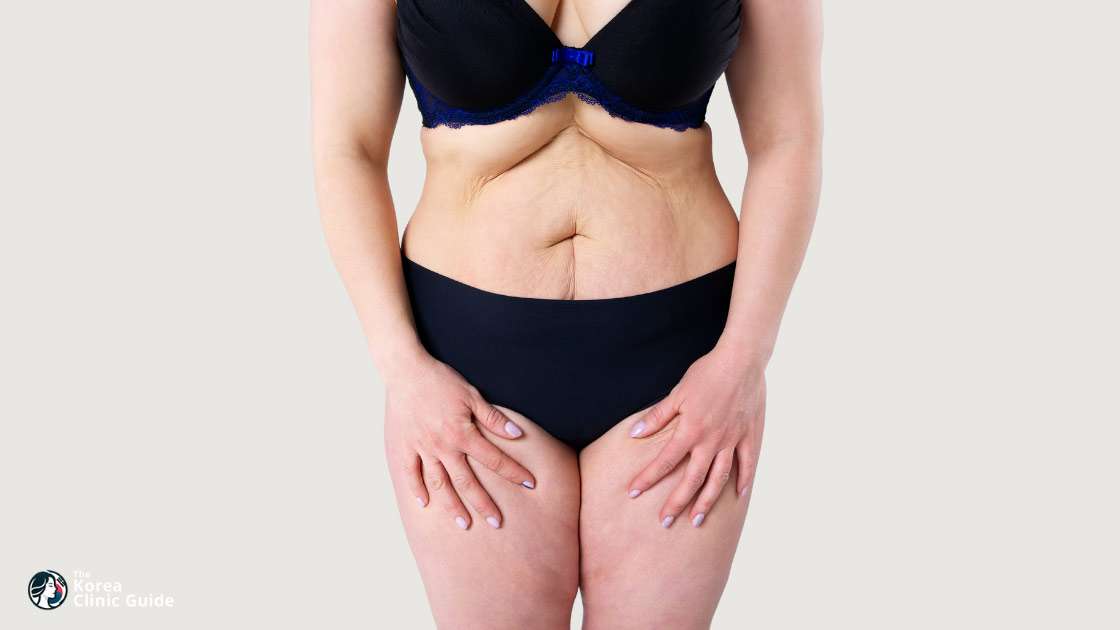
Table of contents
- Revision Liposuction at a Glance
- What Is Revision Liposuction?
- Who Is a Good Candidate for Revision Liposuction?
- How Is Revision Liposuction Performed?
- Why Visit Korea for Revision Liposuction?
- Key Information for International Patients
- Which Are the Best Clinics in Korea for Revision Liposuction?
- Revision Liposuction From Start to Finish
- Alternatives to Revision Liposuction
- How Can I Prepare for Revision Liposuction?
- Aftercare Advice
Considering treatment in Korea? Everything you need to know e.g. — how to avoid scams, visas, interpreters, recovery tips — in our Medical Tourism Master Guide. Plan with confidence in minutes, not weeks!
Last updated: September 2026
Revision Liposuction at a Glance
- Corrective, not weight-loss surgery — Revision liposuction treats a specific problem after prior liposuction—such as residual fat, asymmetry, cannula-track irregularity, a tethered scar, or an over-resected hollow—rather than serving as a general weight-loss procedure.
- Technique follows the defect — Localized residual fullness may need conservative repeat suction, while tethered depressions often need scar release with fat grafting and loose skin or displaced landmarks may require excisional body contouring instead of more suction.
- Wait for tissues to settle — A 3–6-month delay after the original procedure is common practice to allow swelling and fibrosis to mature, although no evidence-based universal revision interval exists and some cases need longer observation.
- Recovery takes months to finalize — Bruising, drainage, swelling, and soreness are typical in the first 48–72 hours; most early swelling improves in 4–6 weeks, but scarred tissue and fat-grafted areas may take 3–6 months or longer to stabilize.
- Allow 7–14 days in Korea — International patients should generally plan 7–10 days in Korea for a limited uncomplicated revision and 10–14 days for multi-area work, fat grafting, scar release, excision, drains, medical conditions, or long-haul travel.
- Flying requires individual clearance — There is no universal safe date for a long-haul flight after revision liposuction; the operating surgeon should assess healing, mobility, procedure extent, and clot risk before clearing travel.
- Korea’s advantage is logistical, not proven outcomes — South Korea’s Medical Korea registered-provider system can help international patients verify participating providers, but no high-quality evidence shows Korean revision liposuction has superior safety, satisfaction, or durability versus treatment elsewhere.
What Is Revision Liposuction?
Revision liposuction is corrective surgery performed after prior liposuction to improve a specific contour problem. It aims to address concerns such as residual fullness, unevenness, asymmetry, tethered scars, or hollows while restoring a more balanced body contour. It is a surgical procedure, though treatment can combine limited suction with scar release, fat transfer, or skin removal when needed.
Who Is a Good Candidate for Revision Liposuction?
- Defined, stable contour concern — Good candidates have localized residual fat, asymmetry, a cannula-track irregularity, a tethered scar, or a depression after prior liposuction, with stable weight and realistic corrective goals.
- Enough time for tissue to settle — Revision is usually considered only after postoperative swelling and fibrosis have matured. A 3–6-month wait is common clinical practice, but there is no evidence-based universal revision interval.
- Medically fit for another operation — Candidates need a review of diabetes control, anemia, heart or lung disease, medications, anesthesia history, clotting history, and nicotine exposure.
- Able to complete follow-up — International patients need local recovery support, time for in-person reviews, and a realistic plan for urgent care and remote follow-up after returning home.
Revision liposuction is unsuitable when the treatment area has active infection, open wounds, untreated seroma, suspected tissue injury, or unexplained persistent swelling. Pregnancy, uncontrolled medical disease, unacceptable anesthesia risk, and active nicotine use require postponement or specialist assessment. Further suction can worsen an over-resected area, tethered depression, or lax skin; examination must distinguish removable subcutaneous fat from fibrosis, fluid, skin excess, displaced landmarks, or visceral fat. Significant body-image distress, unstable weight, or an inability to arrange postoperative care also warrant deferring surgery.
How Is Revision Liposuction Performed?
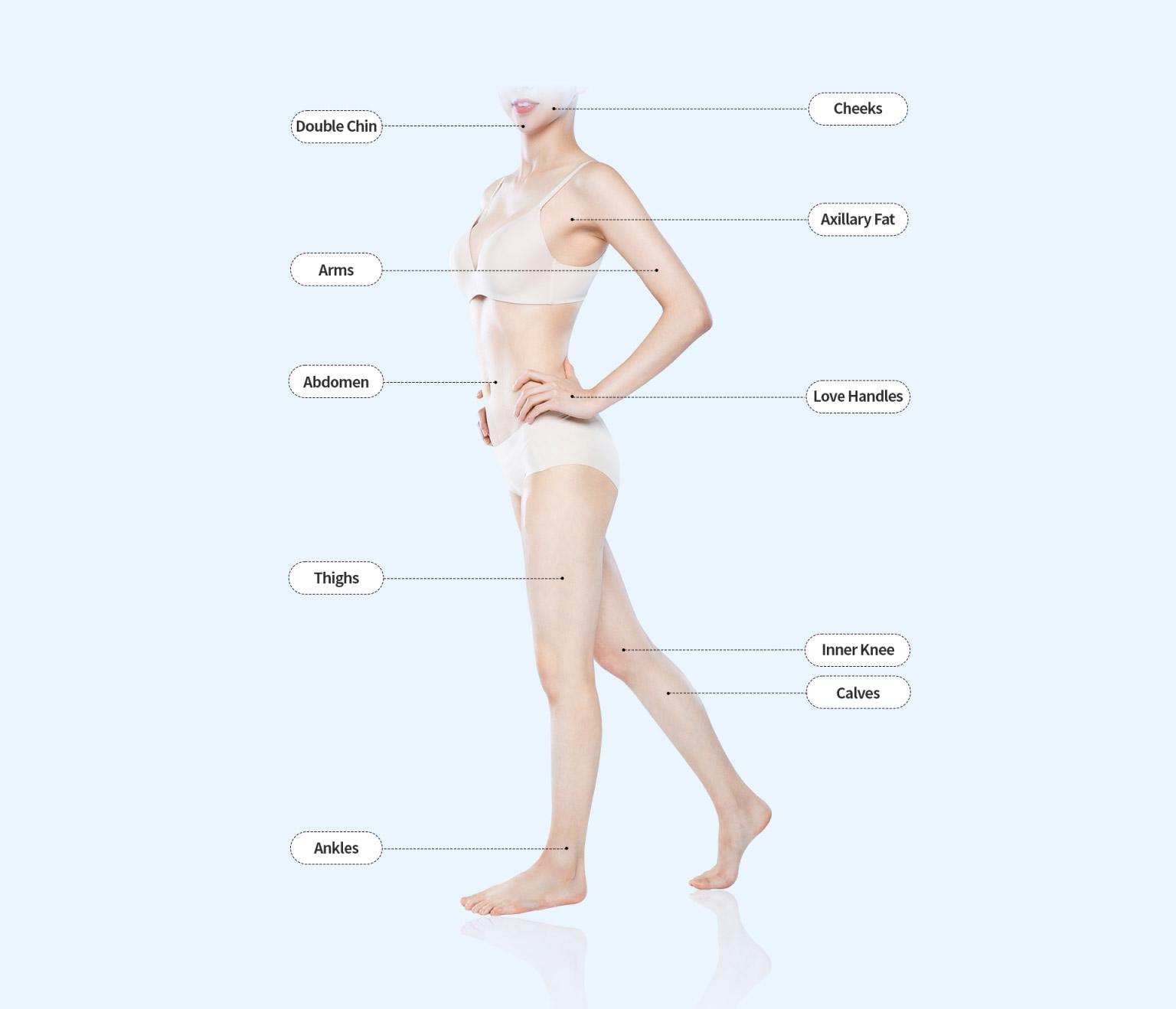
Revision surgery is planned around the cause of the defect, not simply around removing more fat. Prior liposuction can leave dense fibrosis, adhesions, and altered tissue planes, so a correction often combines techniques or is staged.
- Conservative repeat suction — Small-volume, targeted suction addresses a defined residual fat pocket or mild fullness. It is not appropriate for a hollow, tethered, or skin-dominant defect.
- Power-assisted liposuction (PAL) — A vibrating cannula can help the surgeon work through selected fibrous areas with controlled movements. Its use does not remove the risks of irregularity, seroma, bleeding, or further tissue trauma.
- Ultrasound-assisted liposuction (UAL/VASER) — Ultrasound energy can be selected for dense scarred fat before aspiration. This approach adds energy-specific risks, including thermal injury and seroma, and requires careful case selection.
- Subcision and autologous fat grafting — The surgeon releases a tethered scar or adhesion, then places the patient’s own processed fat to restore a depression. Evidence for scar-related fat grafting is heterogeneous and low quality, and variable graft retention means more than one session can be necessary.
- Scar or skin excision — Direct scar revision, a body-contouring lift, or skin excision is more suitable when loose skin, scar malposition, or distorted landmarks drive the contour problem.
Why Visit Korea for Revision Liposuction?
Korea has a formal international-patient framework that can help with the practical side of arranging treatment abroad. That infrastructure does not prove that a Korean clinic, device, or revision technique produces better revision-liposuction outcomes. The decision should rest on the individual surgeon’s assessment of a scarred, previously treated area and the facility’s ability to manage complications.
- International-patient verification — Use the Medical Korea registered-provider system to check whether a provider participates in the national international-patient framework, then independently confirm the surgeon’s credentials and scope of practice.
- Written cross-border planning — Request a written operative plan that identifies the defect being corrected, proposed technique, anesthesia provider, observation arrangements, compression plan, emergency contact, and home-country follow-up pathway.
- Records-based assessment — Bring operative and anesthesia reports, treated areas, aspirate volumes, device or energy details, drain and complication records, cultures, medication and allergy lists, imaging, and standardized before-and-after photographs. These records help distinguish a technical contour issue from an unresolved complication.
- Evidence limitation — No high-quality comparative evidence identified shows that revision liposuction in South Korea has superior safety, satisfaction, or durability compared with treatment elsewhere. Published risk estimates for primary liposuction should not be presented as revision-surgery risk estimates; a 2024 meta-analysis of primary isolated aesthetic liposuction reported heterogeneous observational data, not outcomes for scarred revision cases.
Key Information for International Patients
- Minimum stay — Plan at least 7–10 days in Korea after an uncomplicated, limited revision for assessment, surgery, early wound review, and a pre-flight examination. Plan 10–14 days for multi-area correction, scar release, fat grafting, skin excision, drains, medical comorbidity, or a long-haul flight.
- Flight clearance — There is no evidence-based universal date for a long-haul flight after revision liposuction. The operating surgeon should clear travel based on wound healing, mobility, procedure extent, and venous thromboembolism (VTE) risk.
- Clot-risk planning — Recent surgery, obesity, pregnancy or postpartum status, estrogen-containing medication, previous VTE, family history, and prolonged immobility need individualized assessment. Travel-related VTE prevention guidance supports risk-based planning rather than a fixed flight rule.
- Itinerary impact — Expect drainage, bruising, swelling, soreness, compression garments, and short frequent walks during the first 48–72 hours. Do not schedule sightseeing, strenuous activities, spa visits, or a transfer between cities during this period.
- Repeat visits and remote follow-up — Fat grafting or staged scar correction can require later treatment. Before booking, establish who will review wound photographs, respond across time zones, provide records to a home clinician, and direct urgent care after departure.
Travel note: Do not book a non-changeable return flight until the surgeon has reviewed the planned extent of surgery and your individual clot-risk factors.
Which Are the Best Clinics in Korea for Revision Liposuction?
Listed below are some of the best clinics in Korea for revision liposuction.
1. Lydian Plastic Surgery Clinic
For revision liposuction, you may value Lydian’s anatomy-based contour planning, more than 30 custom cannulas, and structured aftercare aimed at concerns that can matter after prior fat removal, including unevenness, residual fat contouring, skin elasticity, and swelling. The clinic states that it can treat broad areas such as the abdomen, back, thighs, and knees through one to two strategically placed incisions.
- URL: Lydian Plastic Surgery Clinic Website
- Location: Gangnam-gu, Seoul
- Contour planning and technique:
- Your plan is designed around your waist length, pelvic size, chest circumference, and overall proportions rather than a standard fat-removal pattern.
- The clinic uses more than 30 cannula types intended for differing body areas and body shapes.
- It describes 1–2 minimal incisions placed in less conspicuous locations, such as the navel or pubic region, for applicable areas.
- Assessment and aftercare:
- Quantificare 3D imaging is used for pre-procedure design and visual before-and-after assessment.
- The stated four-part aftercare program addresses swelling reduction, irregularity correction, skin-elasticity recovery, and residual-fat contouring.
- Specialized devices are available for stretch marks and skin sagging alongside liposuction care.
- Surgeon and related services:
- Dr. An Kyung Chun is identified as Director of the 5D Liposculpture Academy and is involved in physician training for high-definition body sculpting and liposuction devices.
- Related body procedures listed by the clinic include 5D liposculpture, tummy tuck surgery, fat grafting, and Brazilian butt lift procedures.
2. Seojin Plastic Surgery Clinic
For revision liposuction, Seojin offers a one-doctor care model in which Dr. Lee Hyungmin provides consultation and care throughout your treatment, with body sculpting and liposuction among the clinic’s listed services. This may suit you if consistent planning and direct surgeon involvement are priorities when refining a prior contour result.
- URL: Seojin Plastic Surgery Clinic Website
- Location: Gangnam-gu, Seoul
- Care model:
- As a one-doctor clinic, Seojin states that Dr. Lee Hyungmin provides end-to-end care.
- Dr. Lee is described as having more than 16 years of experience and as a recipient of the 100 Good Doctors in Korea recognition.
- The clinic emphasizes personalized consultations and uses 3D imaging and high-definition endoscopy.
- Body contouring services:
- Liposuction is listed for contouring specific body areas.
- Hip-dip fat grafting is listed as an option for smoothing the hip-dip area through fat transfer.
- Other listed services: The clinic also lists breast procedures, hair transplantation, scalp micropigmentation, and dermatology treatments including temporal lift, Rejuran, fillers, Botox, and skin boosters.
3. 365mc Hospital
You may consider 365mc Hospital for revision liposuction if you need a clinic that states it accepts complex cases and pairs surgical body contouring with a dedicated Recovery Center and a structured seven-week postoperative program. Its focus is solely on obesity treatment, body contouring, and fat reduction, with personalized intensive care on the day of surgery and follow-up support that includes dietary consultation.
- URL: 365mc Hospital Website
- Location: Gangnam-gu, Seoul
- Revision-relevant contour care:
- The clinic states that it accepts complex liposuction cases and focuses on retaining an essential amount of fat for contouring.
- Liposuction services are described for the abdomen, back, chest, hips, neck, thighs, and arms.
- Its M.A.I.L. system combines motion capture and artificial-intelligence-assisted real-time surgical feedback.
- Recovery and follow-up:
- You receive one-to-one intensive care in the dedicated Recovery Center on the day of surgery, according to the clinic.
- The Care Team provides a structured seven-week postoperative program, including hyperbaric oxygen chamber therapy and personalized dietary consultations.
- Dietary support can include lifestyle-based diet prescriptions and use of a meal-diary app.
- Additional fat-reduction option:
- LAMS, or Local Anesthetic Minimal-Invasive Liposuction, combines fat extraction with fat-dissolving injections for targeted reduction and is presented as a minimally invasive option.
- The clinic describes LAMS as including tunneling, fat extraction, injection of fat-dissolving solution, and post-conversion management.
Revision Liposuction From Start to Finish
- Remote records review — Send clear photographs, the original operative and anesthesia reports, treatment details, complication history, medication list, allergies, and relevant imaging. Ask whether an English-speaking or virtual consultation is available, but treat it as preliminary rather than a substitute for examination.
- In-person diagnosis in Korea — The surgeon examines fat thickness, skin quality, scars, tethering, asymmetry, swelling, and possible fluid collection. The key decision is whether the concern is residual fat, fibrosis, an adhesion, an over-resected hollow, loose skin, or another diagnosis.
- Surgical plan and safety review — Discuss whether correction needs conservative suction, PAL or UAL in fibrous tissue, subcision, fat grafting, scar revision, or excision. Review anesthesia, expected observation, compression, drains if relevant, VTE prevention, emergency arrangements, costs of staged care, and limitations of the expected correction.
- Preoperative testing and consent — Complete the tests and medical clearance the surgeon and anesthesia team require. Consent should cover risks including recurrent or new irregularity, asymmetry, numbness, seroma, hematoma, infection, skin injury, VTE, reoperation, and the possibility that a staged approach is safer than one extensive operation.
- Anesthesia and treatment — The anesthesia approach depends on the area, extent of revision, and combination procedures. The surgeon makes small access incisions, works carefully through altered scar planes, and performs the planned suction, scar release, fat placement, or excision. Operative duration varies substantially with the number of areas and whether grafting or excision is added.
- Observation and discharge — Recovery staff monitor pain, nausea, wound drainage, circulation, and mobility. Leave with prescribed medication, garment and incision instructions, emergency contact details, and a confirmed early review appointment; arrange a companion and transport rather than travelling alone after anesthesia.
- Early in-person follow-up — Attend wound and drainage checks before flying. The surgeon assesses swelling, bruising, skin condition, garment fit, mobility, and signs of seroma, infection, or hematoma, then decides whether travel clearance is appropriate.
- Home recovery and remote follow-up — Send photographs only through the clinic’s agreed secure channel and keep copies of the operative note and discharge instructions for a clinician at home. Scarred tissue and grafted areas often need 3–6 months or longer to stabilize, so final contour assessment should not be rushed.
Alternatives to Revision Liposuction
The right alternative depends on the structural cause of the contour concern. Non-surgical fat reduction has less downtime but cannot reliably release tethering, restore a significant hollow, remove excess skin, or correct distorted landmarks; excisional surgery offers greater correction for skin excess but leaves longer scars and requires more recovery.
Observation and Delayed Reassessment
- Best for evolving tissue change — Continued observation is appropriate when swelling, fibrosis, skin contraction, or a previous complication is still changing.
- Tradeoff — It avoids operating on unstable tissue but does not immediately correct a fixed defect.
Fat Grafting and Scar Release
- Best for hollows and tethering — Body fat grafting with subcision can restore volume after over-resection and release an adherent scar.
- Tradeoff — Graft survival is variable, and staged sessions can be needed; published scar-related evidence remains low quality and heterogeneous.
Excisional Body Contouring
- Best for excess skin or displaced landmarks — A tummy tuck, panniculectomy, arm lift, or thigh lift can address meaningful skin redundancy that further suction would not fix.
- Tradeoff — These operations create longer scars and generally require more intensive recovery than limited revision suction.
Noninvasive Fat Reduction
- Best for small residual fat deposits — CoolSculpting is an option for selected localized fullness when skin quality is good and there is no major scar tethering or contour hollow.
- Tradeoff — It does not correct major post-liposuction irregularities, adhesions, or lax skin, and it is not a replacement for reconstructive revision.
How Can I Prepare for Revision Liposuction?
- Prior-surgery records — Gather operative and anesthesia reports, aspirate volumes, device details, complication and drain records, cultures, imaging, photographs, medication lists, and allergies before the consultation.
- Medication and supplements — Disclose prescription anticoagulants, antiplatelet drugs, estrogen-containing contraception or hormone therapy, diabetes medicines, weight-loss drugs, herbal products, fish oil, vitamin E, and all supplements. Do not stop aspirin, anticoagulants, hormones, or prescribed medicines on your own; the surgeon and prescribing clinician must give the timing.
- Nicotine and alcohol — Stop cigarettes, vaping, nicotine replacement, and other nicotine products for the surgeon’s specified period. Avoid alcohol as directed before anesthesia and while using prescription pain medicine.
- Medical disclosure — Report prior VTE, bleeding disorders, pregnancy or postpartum status, sleep apnea, diabetes, anemia, heart or lung disease, prior infections, wound-healing problems, and all prior body-contouring procedures.
- Fasting and hygiene — Follow the clinic’s exact fasting instructions for anesthesia. Shower as directed, keep the treatment area free of lotions or self-tanner, and do not shave or use hair-removal products unless the clinic specifically instructs it.
- Recovery logistics — Reserve accommodation close enough for early reviews, arrange a responsible adult for discharge and the first night if required, prepare loose front-opening clothing, and plan simple meals and short walking routes.
- Travel flexibility — Purchase changeable flights and avoid scheduling other procedures, long day trips, or demanding work commitments immediately after surgery.
Travel note: Bring paper and digital copies of the operative plan, discharge instructions, and clinic emergency number; a home clinician cannot safely assess an overseas complication without accurate records.
Confirm all clinic-specific testing, fasting, medication, nicotine-cessation, and companion requirements with the treating doctor, whose instructions take precedence over general guidance.
Aftercare Advice
Protect the healing tissue, maintain safe mobility, and report deterioration early rather than trying to manage a possible complication while travelling.
- Walking and activity — Take short, frequent walks from the day of surgery or the next day as directed. Avoid strenuous exercise, heavy lifting, and activities that increase pain or swelling until the surgeon clears them.
- Compression and drainage — Wear the prescribed compression garment exactly as instructed and attend all wound or drain checks. Compression is common after liposuction, but duration is not standardized in the literature, especially for revision work.
- Incisions, scars, and massage — Keep incisions clean and dry according to the clinic’s instructions. Do not start deep massage, manual lymphatic drainage, heat, sauna, scar products, supplements, or antibiotics independently; scar release and fat grafting change what is appropriate.
- Swelling and final contour — Bruising, swelling, drainage, and soreness are expected during the first 48–72 hours. Early swelling often improves over 4–6 weeks, while scarred tissue and grafted areas can take 3–6 months or longer to stabilize.
- Urgent warning signs — Seek urgent local assessment and contact the operating team for increasing pain, fever or chills, spreading redness, foul drainage, rapidly changing wounds, one-sided calf pain or swelling, chest pain, shortness of breath, coughing blood, fainting, or rapid heartbeat.
- Follow-up and flying — Attend the pre-flight review and do not travel until cleared by the surgeon. Continue scheduled remote reviews after returning home and retain all surgical records.
Follow the treating doctor’s individualized instructions, and contact the clinic promptly when anything appears wrong.
Frequently Asked Questions
Related Blogs
BodyTite in Korea: Candidacy, Recovery, Travel Planning, and Alternatives
BodyTite uses internal and external bipolar radiofrequency electrodes, often followed by liposuction, to treat localized fat and modest skin laxity in areas such as the abdomen, arms, thighs, flanks, back, knees, and male chest. The article covers candidacy, anesthesia, recovery, Korea travel planning, aftercare, warning signs, and alternatives including liposuction, Renuvion, tummy tuck, and arm
Updated: Sep 21, 2026
Inmode Body Laser Lifting in Korea: Devices, Results, Recovery and Travel Planning
InMode Body Laser Lifting refers to external RF treatments such as BodyFX, MiniFX, Plus, or Forma Plus that heat targeted areas without surgical fat removal, typically requiring weekly sessions over 6–8 weeks for gradual contour refinement. International patients can fit one external session into a 1–2-day Korea stay, but should confirm the exact handpiece, external-only treatment plan, contraindi
Updated: Sep 20, 2026
Arm Lift in Korea: Types, Recovery, Risks, and Travel Planning
Arm lift surgery removes excess upper-arm skin through limited, full, or extended incisions, with liposuction added selectively; candidates generally have stable weight, adequate nutrition, controlled health conditions, and acceptance of permanent scars. Practical guidance covers Korea provider and visa checks, a 10–14-day postoperative stay, travel planning, preparation, recovery restrictions, wo
Updated: Sep 20, 2026
Thigh Lift in Korea: Types, Recovery, Scars, Risks, and Travel Planning
Thigh lift surgery removes excess thigh skin through an incision pattern matched to localized or extensive laxity, with permanent scars and wound-care needs as key trade-offs. The article covers candidacy, procedure steps, recovery, complication warning signs, alternatives, and international travel planning including at least 14 days in Korea and surgeon clearance before long-haul flights.
Updated: Sep 20, 2026
Clinics offering Revision Liposuction

365mc Hospital: Korea's Leading Liposuction and Body Contouring Clinic with Innovative AI Technologies and Comprehensive Patient Care
Gyodae

Lydian Plastic Surgery Clinic in Korea: Superior Cosmetic Procedures by World-Renowned Expert Dr. An Kyung Chun
Apgujeong

Seojin Plastic Surgery Clinic Korea: Pioneering Advanced Cosmetic Procedures for Personalized Aesthetic Transformation
Apgujeong

Okay Plastic Surgery Clinic in Korea: Comprehensive Aesthetic Procedures with Sincerity and Care
Cheongdam