
Medical Tourism Blog
Improve Thinning Skin Around Eyes with Eyelid Fat Grafting Procedures in Korea
Table of contents
- Understanding Thinning Skin Around the Eyes: Causes, Symptoms, and Terminology
- Eyelid Fat Grafting: A Natural Solution for Periorbital Rejuvenation
- Navigating Eyelid Fat Grafting in South Korea: A Step-by-Step Guide
- The South Korean Advantage: Why Choose Korea for Eyelid Fat Grafting?
- Which Are the Best Clinics in Korea for Thinning Skin Around Eyes?
- Patient Journeys: Outcomes, Expectations, and Important Considerations
- Conclusion: Empowering Your Decision for Periorbital Rejuvenation
- References
Considering treatment in Korea? Everything you need to know e.g. — how to avoid scams, visas, interpreters, recovery tips — in our Medical Tourism Master Guide. Plan with confidence in minutes, not weeks!
The skin around the eyes is delicate and often shows signs of aging first, leading to a tired or aged look. Many people worry about "thinning skin around the eyes," where the skin becomes noticeably thinner, revealing underlying structures and contributing to a fatigued appearance. This guide explores this common issue and introduces eyelid fat grafting—also called fat transfer or lipofilling—as a natural, increasingly popular way to rejuvenate the periorbital area. This innovative procedure uses the body’s own fat to restore youthful volume and refresh the eye region. We will cover the causes of thinning skin, explain the eyelid fat grafting process, highlight why South Korea is a leading destination for this treatment, and discuss patient outcomes and key considerations for those thinking about this transformative procedure.
Understanding Thinning Skin Around the Eyes: Causes, Symptoms, and Terminology
Thinning skin around the eyes is a common concern marked by reduced thickness of the dermis and epidermis, the skin’s outer layers. This thinning makes the area more prone to aging signs and damage. The dermis thins mainly because collagen production decreases and existing collagen breaks down, weakening the skin’s structure and causing wrinkles and sagging.
Several factors contribute to thinning skin:
- Aging: The main cause, as collagen declines and the epidermis and fat layer beneath the skin (hypodermis) shrink. The eye area is naturally thinner and more delicate, making it especially vulnerable.
- Genetics: Family history can influence skin thickness and the likelihood of thinning.
- Environmental Factors: UV radiation and pollution accelerate skin aging and damage.
- Lifestyle Choices: Smoking breaks down elastic fibers, causing premature aging and sagging; excessive alcohol also harms skin health.
- Diet and Hydration: Poor nutrition, especially low Vitamin C, and dehydration reduce skin elasticity and thickness.
- Medication: Some drugs, like topical steroids and prostaglandin analogs (e.g., bimatoprost for glaucoma), can cause skin thinning and fat loss around the eyes, leading to conditions like periorbital lipodystrophy and prostaglandin-associated periorbitopathy (PAP).
Symptoms of thinning skin include:
- Creased or Sagging Appearance: Fine lines and wrinkles become more visible.
- Visible Blood Vessels: Thinner skin reveals veins, causing bluish or purplish discoloration.
- Dark Circles: Often from visible vessels and pigmentation changes.
- Puffiness/Bags: Fluid retention under thin skin leads to puffiness.
- Fragility: Skin becomes prone to tearing, bruising, and slower healing.
- Bruising and Bleeding: Fragile vessels cause easy bruising and purpura.
Thinning skin around the eyes is also known by terms such as:
| Common Pseudonyms for Thinning Skin Around the Eyes |
|---|
| Thin Skin / Thinning Skin Around Eyes |
| Skin Atrophy |
| Periorbital Lipodystrophy |
| Prostaglandin-Associated Periorbitopathy (PAP) |
Because many factors contribute to thinning skin, a thorough diagnosis is essential to tailor the best treatment. For example, if medication causes thinning, stopping it under medical supervision may reverse the condition without surgery. Addressing lifestyle factors like smoking is also crucial for lasting results. Beyond aesthetics, thinning skin compromises skin protection and healing, increasing risks of injury and infection. Treating it improves both appearance and skin health.
Eyelid Fat Grafting: A Natural Solution for Periorbital Rejuvenation
Autologous eyelid fat grafting—also called fat transfer, fat injection, or lipofilling—is a minimally invasive procedure that rejuvenates the delicate skin around the eyes. It involves harvesting a small amount of fat from the patient’s own body (usually abdomen, thighs, or flanks) and injecting it into areas around the eyes that have lost volume. Using the patient’s own fat avoids allergic reactions or rejection linked to synthetic fillers.
Fat grafting does more than restore volume. The transferred fat contains stem cells and growth factors that stimulate new collagen production and improve skin quality and texture over time. This regenerative effect makes fat grafting superior to synthetic fillers. Once the fat integrates and develops blood supply, results are long-lasting.
There are different fat preparations tailored for specific goals:
- Structural Fat: Small fat globules for foundational volume in larger areas like cheeks and temples.
- Microfat: Filtered fat with a thick liquid consistency for finer contouring in tear troughs and fine lines.
- Nanofat: The most refined form, rich in stem cells and growth factors but without intact fat cells, ideal for skin rejuvenation, improving texture, and treating dark circles by thickening thin skin and reducing transparency.
Eyelid fat grafting addresses:
- Hollows Under the Eyes (Tear Troughs): Smooths sunken areas for a refreshed look.
- Thinning Skin and Visible Veins: Adds cushioning to reduce vein visibility; nanofat thickens skin and protects underlying vessels.
- Dark Circles: Nanofat effectively improves discoloration by augmenting thin skin.
- Wrinkles and Fine Lines: Reduces their appearance.
- Overall Contour and Fullness: Restores natural curves for a youthful face.
Fat grafting is often combined with other procedures like Blepharoplasty (Eyelid Surgery), which removes excess skin and fat, enhancing overall results by adding volume. It also complements Laser Skin Resurfacing by improving skin texture and filling volume loss.
The development of structural fat, microfat, and nanofat reflects a sophisticated understanding of periorbital aging, addressing both volume loss and skin quality degradation. This allows for highly customized treatments that target specific concerns, offering superior outcomes compared to simple volume fillers.
The natural advantage of fat grafting goes beyond compatibility; the stem cells and growth factors actively rejuvenate skin by stimulating collagen and hyaluronic acid production, improving skin resilience and glow. Patients receive both immediate volume restoration and long-term skin health benefits.
Eyelid Fat Grafting: Fat Types and Their Applications
| Fat Type | Characteristics | Primary Application | Target Areas |
|---|---|---|---|
| Structural Fat | Small globules of fat | Foundational structure and volume restoration | Cheeks, outer brow, temples |
| Microfat | Filtered to 1.4–2.4mm, thick liquid consistency | Finer contouring, filling tear troughs, fine lines | Tear troughs, lid-cheek junction, fine lines |
| Nanofat | Ultra-refined, high concentration of stem cells/growth factors, no intact fat cells | Skin rejuvenation, improving skin quality/texture, addressing dark circles | Overall skin quality, dark circles, fine lines |
Navigating Eyelid Fat Grafting in South Korea: A Step-by-Step Guide
Initial Consultation and Pre-Procedure Preparation
The journey begins with a consultation with a board-certified plastic surgeon who reviews medical history, discusses goals, and examines the patient. Many South Korean clinics offer free online consultations for convenience.
Before surgery, patients must follow instructions to ensure safety:
- Fasting: No food or drink for 8 hours before surgery.
- Hygiene: Shower before arriving.
- Medication Avoidance: Avoid blood-thinning drugs like Aspirin and Ibuprofen for 2 weeks; Tylenol is usually prohibited 3 days prior.
- Smoking Cessation: Stop all smoking forms, including e-cigarettes, as smoking impairs healing and fat graft survival.
Patient compliance with these guidelines is critical to minimize risks like bleeding and poor graft integration. This active patient role contributes to South Korea’s high safety standards and excellent outcomes.
The Eyelid Fat Grafting Procedure: From Harvest to Injection
The procedure typically lasts 20-25 minutes for fat grafting alone, longer if combined with other surgeries like blepharoplasty. It is usually done under local anesthesia with sedation.
Steps include:
- Fat Harvesting: Fat is gently removed from donor sites using liposuction with a thin cannula after disinfecting the areas.
- Fat Purification: The fat is centrifuged or filtered to isolate healthy fat cells, which are then prepared as structural fat, microfat, or nanofat.
- Fat Injection: The purified fat is carefully injected in multiple layers around the eyes to create smooth, natural contours without lumps.
Post-Procedure Care and Recovery Timeline
After surgery, mild swelling and bruising are normal. Patients usually stay in the clinic for 1-2 hours or are released the same day.
Recovery stages:
- Days 3-7: Swelling starts to reduce; donor site stitches removed around day 7; eyelids may look asymmetrical initially.
- Days 7-14: Swelling and bruising continue to fade; most resume normal activities; makeup allowed after 8-9 days.
- 1-3 Months: Most swelling resolves; eyes look natural; sensation returns fully.
- 6 Months: Final results appear as fat fully integrates.
Aftercare includes:
- Sleeping with head elevated on 2-3 pillows.
- Protecting eyes from sun with SPF 30+ sunscreen and sunglasses.
- Avoiding rubbing eyes, contact lenses, and makeup for 2 weeks.
- Light walking encouraged; avoid vigorous exercise and bending over for 2 weeks.
- Avoid heat exposure (saunas, hot showers, swimming) for 1-2 months.
- No smoking or alcohol for 1-3 months.
- Maintain a nutritious diet rich in vitamins and minerals; avoid spicy and salty foods.
Patients should contact their surgeon if they experience unusual swelling, pain, infection signs, bleeding, or loss of sensation.
This detailed recovery process requires patience and commitment. The fat needs time to establish blood supply and integrate, so following aftercare instructions is vital for success. South Korean clinics’ comprehensive guidance reflects their patient-focused approach.
The South Korean Advantage: Why Choose Korea for Eyelid Fat Grafting?
Unmatched Surgical Expertise and Experience
South Korea is a global leader in plastic surgery, with the highest concentration of specialized surgeons and clinics. Korean surgeons perform an enormous number of procedures annually, gaining unmatched experience and refining their skills continuously. Many have specialized training in facial aesthetics and international exposure, enabling them to handle diverse anatomies and complex cases. This expertise leads to consistently natural, predictable, and aesthetically pleasing results, especially for delicate procedures like eyelid fat grafting.
Pioneering Advanced Techniques and Technology
Korean clinics use cutting-edge technology such as 3D facial scanning, AI-assisted planning, and precision surgical tools. They excel in advanced fat grafting methods, including stem cell fat grafting, which boosts fat survival and results. Clinics like Lydian Plastic Surgery use specialized thin cannulas for precise, hidden injections. This commitment to innovation ensures patients receive the most effective treatments available.
Commitment to Natural and Harmonious Results
Korean plastic surgery emphasizes natural-looking enhancements that balance facial proportions, often following the "golden ratio." This approach avoids exaggerated or artificial results, appealing to patients worldwide who want subtle improvements that preserve their unique features. Surgeons skillfully enhance natural beauty while respecting cultural identity, making Korean surgery a leader in sophisticated, authentic aesthetic enhancement.
Cost-Effectiveness and Comprehensive Medical Tourism Packages
Despite world-class quality, plastic surgery in South Korea is significantly more affordable than in Western countries, often saving 40% to 75%. For example, eyelid fat grafting costs $1,500-$4,500 in Korea versus $6,500-$16,000 in the U.S.
Many clinics offer all-inclusive medical tourism packages covering consultations, tests, surgery, hospital stay, medications, follow-ups, translators, transfers, and accommodation. This contrasts with itemized billing common in the West, simplifying financial planning. Foreign patients may also qualify for VAT refunds, further reducing costs.
| Procedure | Average Cost in South Korea (USD) | Average Cost in US/UK/Europe (USD) | Potential Savings |
|---|---|---|---|
| Eyelid Fat Grafting (Face Fat Grafting) | $1,500 – $4,500 | $6,500 – $16,000 | 70% – 77% |
Note: Korean packages often include comprehensive services (consultation, surgery, post-op care, accommodation, transfers, translators), while Western billing is typically itemized.
Patient-Centric Care and Support Systems
South Korea’s success in plastic surgery also stems from its excellent healthcare system, meticulous medical care, and strong focus on patient safety. The transformative effects extend beyond appearance, boosting confidence and self-esteem. For international patients, medical tourism agencies like Seoul Cosmetic Surgery provide full support—from clinic selection and appointment scheduling to transportation, accompaniment, meals, and 24/7 assistance—making surgery abroad less stressful and more accessible. This holistic care approach is a key part of Korea’s appeal.
Which Are the Best Clinics in Korea for Thinning Skin Around Eyes?
Listed below are some of the best clinics in Korea for thinning skin around eyes.
1. THEPLUS Plastic Surgery
For thinning or lax-looking skin around your eyes, you may consider THEPLUS Plastic Surgery because it offers blepharoplasty to remove or adjust excess eyelid skin and tissue for a smoother, refreshed eye contour. The clinic also offers ptosis correction when drooping upper lids contribute to a heavy or tired appearance, allowing your plan to address the specific structural concern around your eyes.
- URL: THEPLUS Plastic Surgery Website
- Location: Gangnam-gu, Seoul
- Eye-area options:
- Blepharoplasty is offered for excess skin and tissue around the eyelids.
- Ptosis correction targets the muscles that open the eyes when upper-lid drooping is a concern.
- Double-eyelid surgery is available to create a defined upper-eyelid crease designed to suit your facial features.
- Clinical background:
- Dr. Kim is a board-certified plastic surgeon with research recognition related to 3D implants and a stated focus on facial harmony.
- Dr. Jeong is President of the Korean Society of Plastic Surgeons and has presented at professional forums and educational sessions.
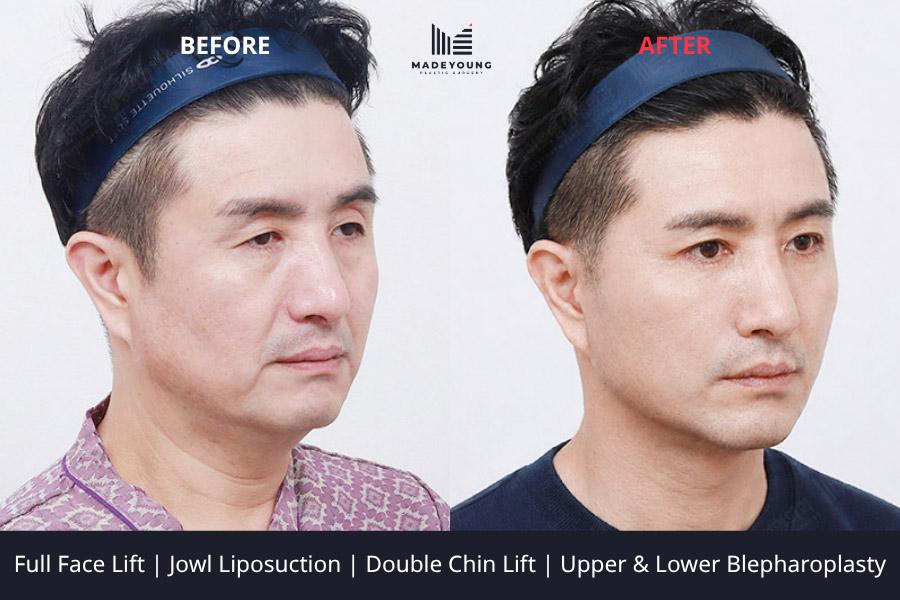
2. Made Young Plastic Surgery
For thinning, loose, or aged-looking skin around your eyes, Made Young Plastic Surgery offers upper blepharoplasty to remove excess upper-eyelid skin and fat, alongside lower blepharoplasty options for under-eye bags and skin tightening. Your eye-area plan can be tailored to your eyelid thickness, crease height, incision line, eye shape, and the overall image you want to preserve.
- URL: Made Young Plastic Surgery Website
- Location: Seocho-gu, Seoul
- Eye-area options:
- Upper blepharoplasty addresses excess upper-eyelid skin and fat and may improve vision affected by overhanging skin.
- Lower blepharoplasty can remove or reposition under-eye fat and may include skin tightening.
- Ptosis correction, incisional or non-incisional double-eyelid surgery, canthoplasty, and dark-circle treatments are also listed.
- Dr. Park Byung-Chan has 15 years of experience dedicated exclusively to eye surgery.
- Safety and aftercare:
- The clinic states that board-certified anesthesiologists are on site full time, with one-to-one anesthesiologist monitoring during procedures.
- Its stated emergency cross-check system involves multiple anesthesiologists in assessment and response.
- A separate aftercare center provides structured post-procedure care.
3. LABOM Plastic Surgery
If thinning skin around your eyes is accompanied by hollow upper eyelids, LABOM Plastic Surgery offers autologous upper-eyelid fat grafting: fat harvested from your abdomen or thighs is purified, finely dispersed, and injected to restore soft, natural-looking volume. Your design is individualized around eye shape, left-right balance, facial proportions, and the degree of aging, with the clinic emphasizing avoidance of excessive volume.
- URL: LABOM Plastic Surgery Website
- Location: Gangnam-gu, Seoul
- What to expect:
- The clinic describes about one week of swelling and a relatively quick return to daily activities.
- Volume is intended to settle and develop naturally over time.
- Because your own tissue is used, the clinic cites reduced foreign-body sensation and rejection risk compared with introduced materials.
- Related eyelid care:
- Blepharoplasty is available for age-related upper- or lower-eyelid laxity, with an incisional approach for more substantial sagging or a less invasive natural-adhesion option in appropriate cases.
- Double-eyelid techniques include natural adhesion, non-incisional, and full-incisional methods; ptosis correction may be combined when indicated.
- Planning and follow-up:
- Plastic-surgery specialists directly perform procedures, with stated experience in facial and hand anti-aging surgery.
- Preoperative diagnosis and surgical design are one-to-one and anatomy-based.
- The clinic describes continuous monitoring and individualized programs for swelling, bruising, scar management, and postoperative progress checks.
Patient Journeys: Outcomes, Expectations, and Important Considerations
Realizing Results: Addressing Hollows, Dark Circles, and Skin Quality
- Volume Restoration: Smooths hollows and sunken areas for a youthful contour.
- Reduction of Dark Circles: Nanofat thickens thin skin, reducing transparency and discoloration.
- Improved Skin Quality: Stem cells promote collagen growth, enhancing texture, elasticity, and glow; scars and wrinkles may soften.
- Natural Appearance: Using the patient’s own fat ensures seamless, authentic results without an overdone look.
Patient Satisfaction and Long-Term Durability
Satisfaction rates are high, ranging from 78% to 100%. For dark circles, 77% of patients report being "very satisfied," with 17% "satisfied." Results last for years or decades. Some fat absorption occurs early on, but most fat remains once integrated. Stem cells help maintain collagen production, supporting longevity. Natural aging continues, so touch-ups may be needed after significant weight changes or 10-15 years. Repeat procedures are possible.
High satisfaction depends on realistic expectations about recovery. Swelling can last months, and initial asymmetry or lumps may occur but usually resolve. Proper pre-operative counseling is essential to prepare patients for the healing journey, fostering trust and satisfaction.
Understanding Potential Risks and Complications
Though generally safe, eyelid fat grafting carries some risks:
| Category | Specific Complications | Notes |
|---|---|---|
| Common/Minor Complications | Swelling and Bruising | Expected; usually resolves in 1-2 weeks, sometimes longer |
| Irregularities/Lumps | Usually improve with time and massage; nanofat reduces risk | |
| Asymmetry | Often resolves during healing | |
| Under/Over-Correction | Can be corrected with additional procedures | |
| Temporary Numbness | Typically temporary | |
| Small Scars (donor site) | Fade but may not disappear completely | |
| Fat Necrosis/Lipogranuloma | Firm lumps from fat death | |
| Graft Hypertrophy | Overgrowth of fat | |
| Ocular Issues (blurred/double vision, chemosis) | Usually temporary, resolves in hours to weeks | |
| Rare/Severe Complications | Excessive Bleeding | Requires medical care |
| Infection | Possible at donor or recipient sites | |
| Fat Embolism (vision loss, stroke, pulmonary embolism) | Extremely rare; risk higher if fat injected into muscle | |
| Thick, Obvious Scars (hypertrophic) | Rare | |
| Allergic Reaction to Anesthetic | Very rare |
Smoking and age over 60 increase graft failure risk. Choosing an experienced surgeon and following safety protocols, like injecting fat subcutaneously rather than into muscle, greatly reduce risks. Patients should prioritize surgeon qualifications and clinic safety.
Maintaining Results: Lifestyle and Follow-Up Care
Long-lasting results depend on both surgical skill and patient lifestyle:
- Stable Weight: Avoid major weight changes to maintain fat volume.
- Healthy Lifestyle: Sun protection, good skincare, and avoiding smoking preserve skin quality.
- Follow-Up: Regular check-ups help monitor healing and address concerns, making fat grafting a partnership between patient and surgeon for sustained benefits.
Conclusion: Empowering Your Decision for Periorbital Rejuvenation
Thinning skin around the eyes is a common issue influenced by genetics, environment, lifestyle, and medications, affecting both appearance and skin health. Eyelid fat grafting offers a natural, long-lasting solution that restores volume and rejuvenates skin through stem cells and growth factors. Advances in fat processing allow tailored treatments addressing hollows, fine lines, and dark circles. South Korea stands out as a top destination due to its expert surgeons, cutting-edge techniques, natural results, cost-effectiveness, and comprehensive patient support. Achieving the best outcomes requires thorough consultation, realistic expectations, and careful post-operative care. Understanding these factors empowers individuals to make informed choices and embark on a journey toward a refreshed, youthful eye area.
References
1, 2, 3, 4, 5, 6, 7, 8, 9, 10, 11, 12, 13, 14, 15, 16, 17, 18, 19, 20, 21, 22, 23, 24, 25, 26, 27, 28, 29, 30, 31, 32, 33, 34
Frequently Asked Questions
Related Blogs
Discover How Laser Canthoplasty Costs in Korea Compete Globally: A Detailed Comparison with US, Australia, Turkey & Mexico
Discover the ins and outs of Laser Canthoplasty in Korea, where advanced techniques meet affordability. Explore the cost factors, benefits, and why this procedure is gaining popularity among international patients seeking subtle enhancements.
Updated: Oct 22, 2026
Fox Eye Surgery in Korea: Methods, Recovery, Risks and Travel Planning
Fox eye surgery may involve lateral canthopexy, canthoplasty, or a brow lift, selected after assessment of eyelid support, ocular surface health, and facial anatomy. The guide covers candidacy, recovery, travel planning for Korea, aftercare, alternatives, and urgent symptoms requiring in-person care.
Updated: Oct 21, 2026

Upper Blepharoplasty in Korea: Methods, Recovery, Risks, and Travel Planning
Upper blepharoplasty conservatively removes excess upper-lid skin and, when indicated, limited muscle or fat after assessment of ptosis, brow position, eyelid closure, and eye health. International patients should plan a 7–10-day stay in Korea, attend early follow-up, arrange flexible travel and aftercare, and seek urgent assessment for vision changes or severe swelling.
Updated: Oct 13, 2026
Lower Canthoplasty in Korea: Methods, Recovery, Risks, and Travel Planning
Lower canthoplasty includes lower-eyelid-lowering and lateral canthal techniques, with candidacy based on lid support, ocular-surface health, and realistic anatomical goals. International patients can find guidance on technique clarification, 8–10 day travel planning, follow-up, aftercare, and urgent eye symptoms.
Updated: Oct 13, 2026
Clinics offering Eyelid Fat Grafting

THEPLUS Plastic Surgery Korea | Eye, Nose, Face & Body Surgery
Sinsa

Made Young Plastic Surgery: Rejuvenating Aesthetic Excellence in Korea for Face Lifts, Contouring and More
Gangnam Station

LABOM Plastic Surgery: Expertise in Non-Surgical Nose, Facial Lifting & Anti-Aging Surgeries in Korea
Apgujeong

Banobagi Plastic Surgery: A Pioneering and Trusted Plastic Surgery Clinic in Korea
Seolleung